News Release
The PRC Vice Minister Liao Outlines Key Perspectives for High‑Quality Development at RKSI Seminar
Manila, Philippines 9 Apr 2026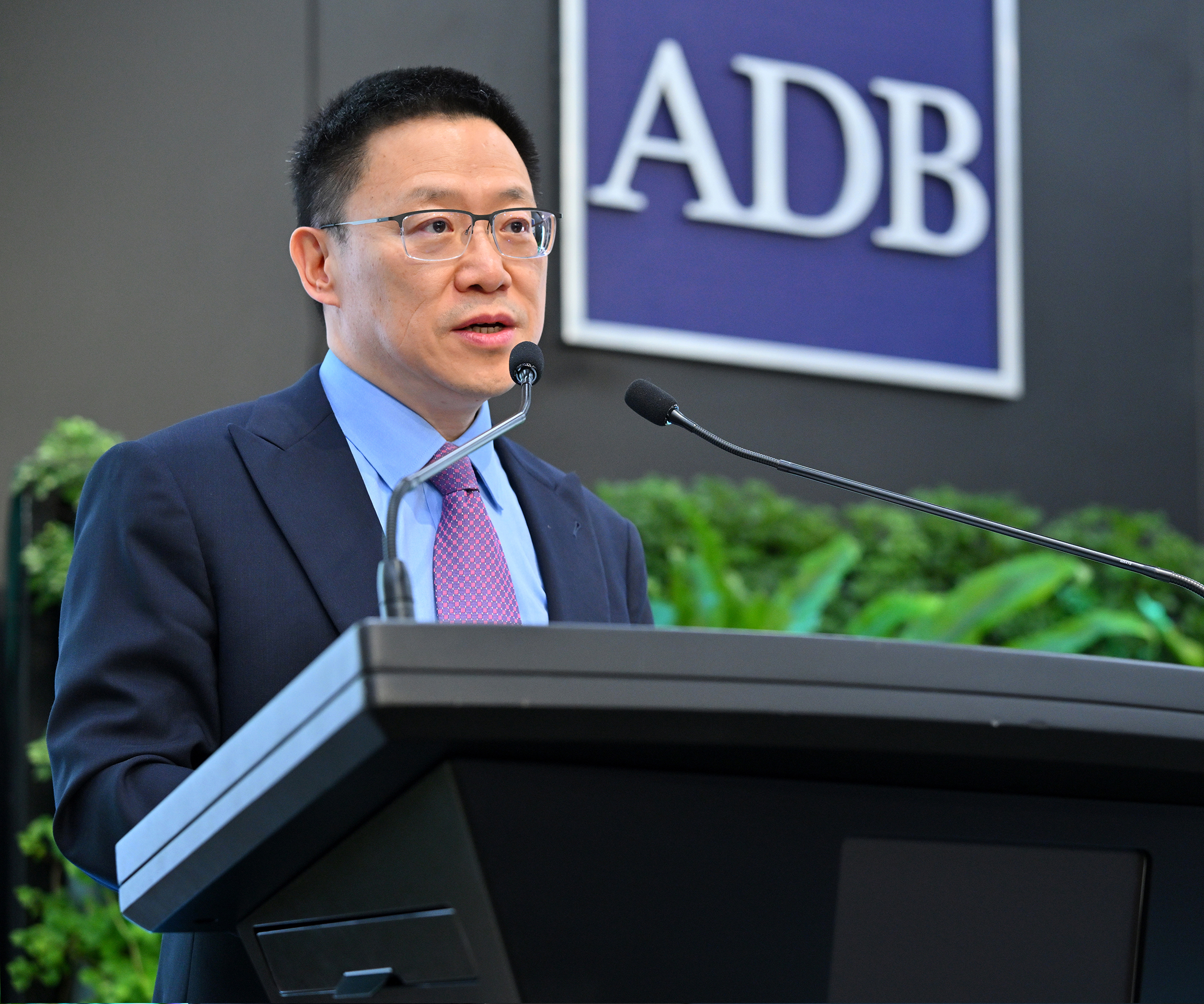
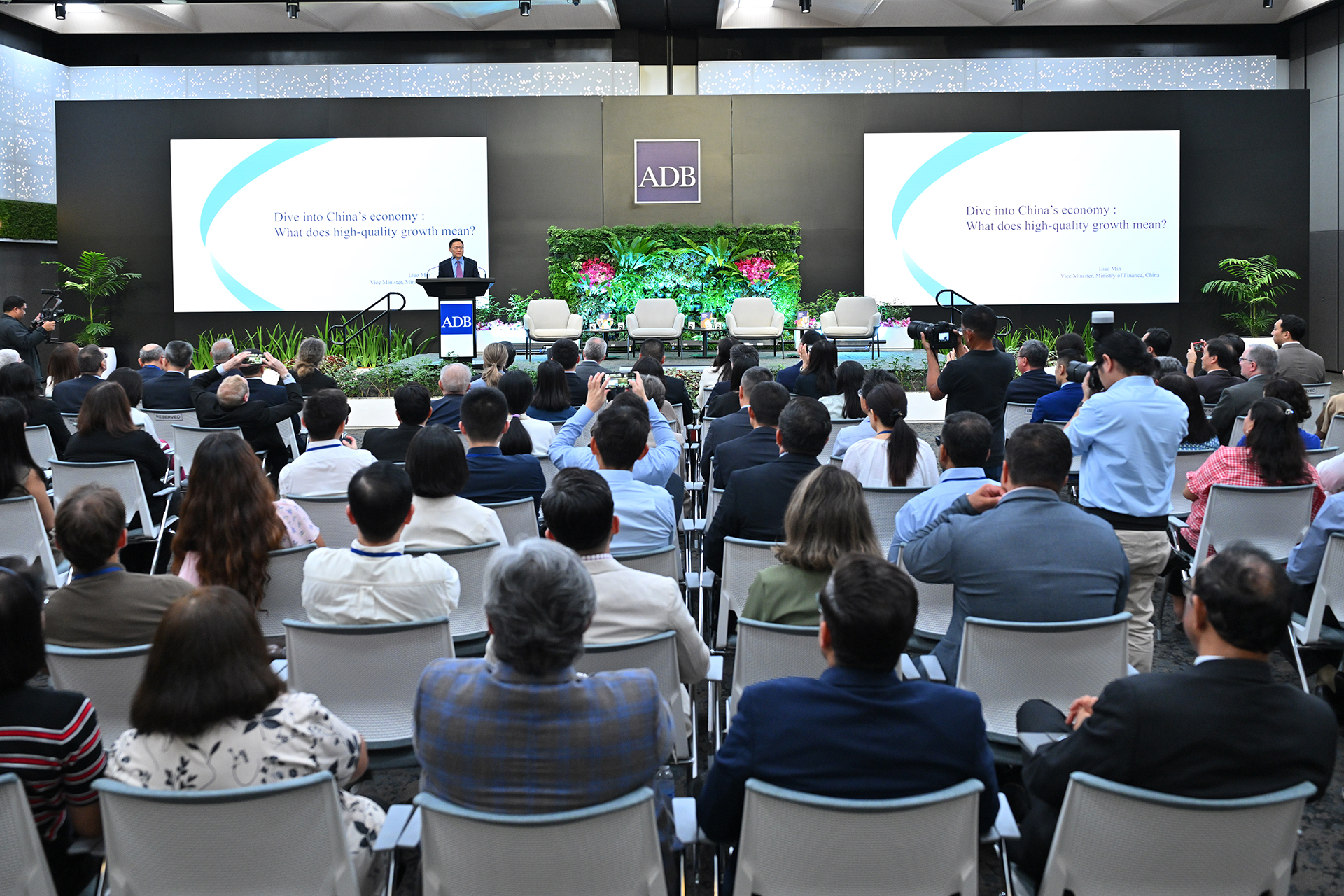
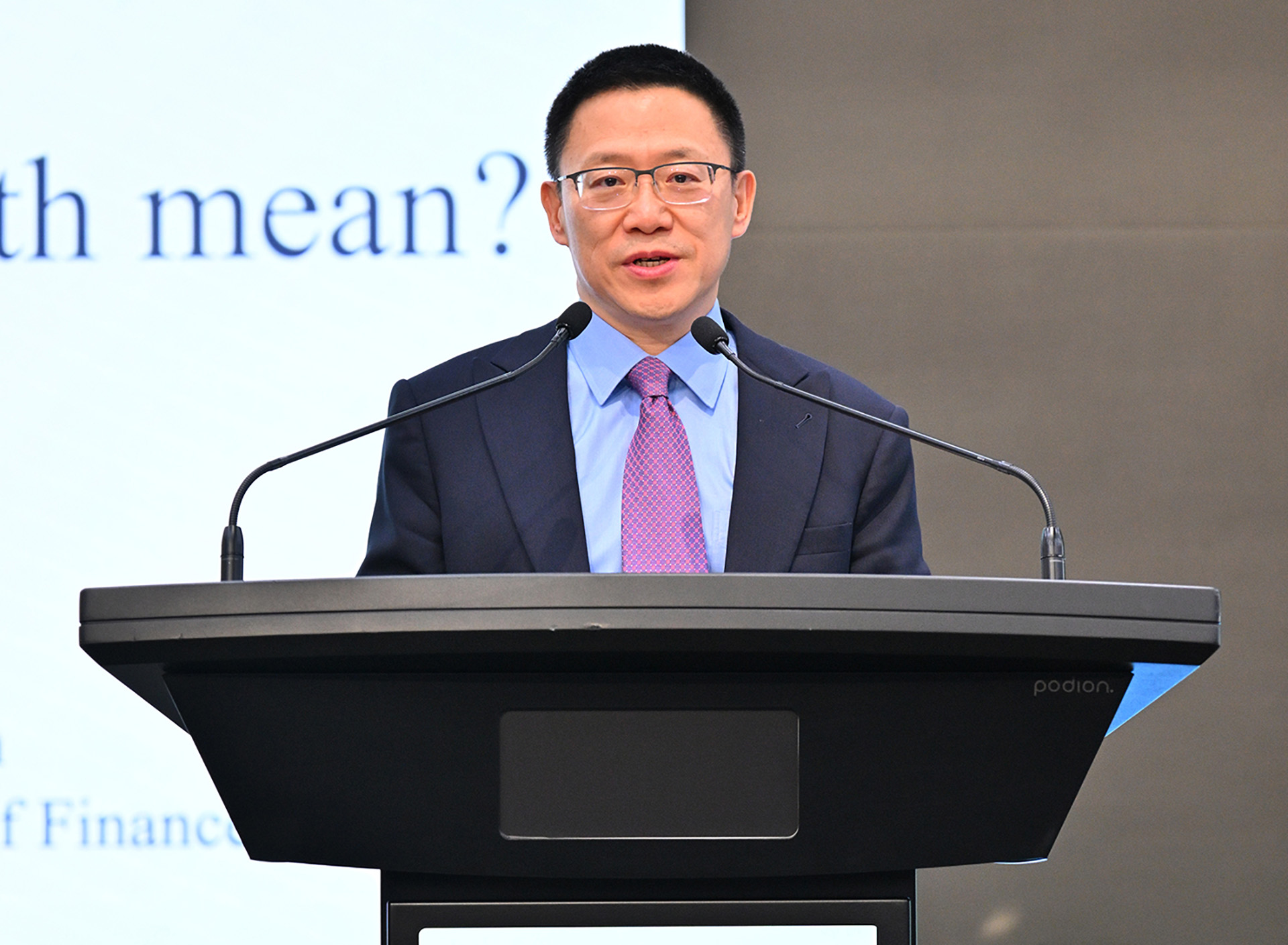
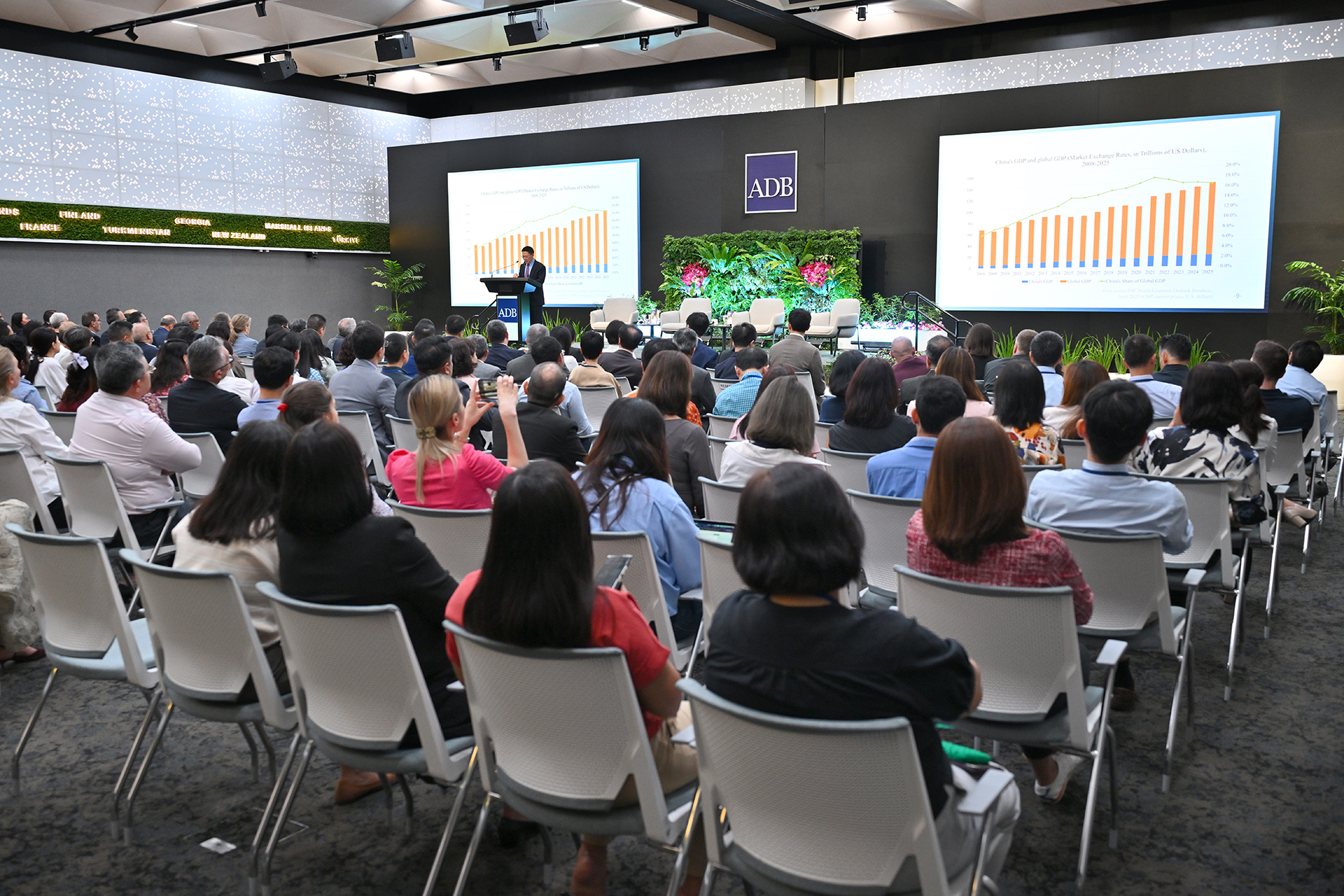
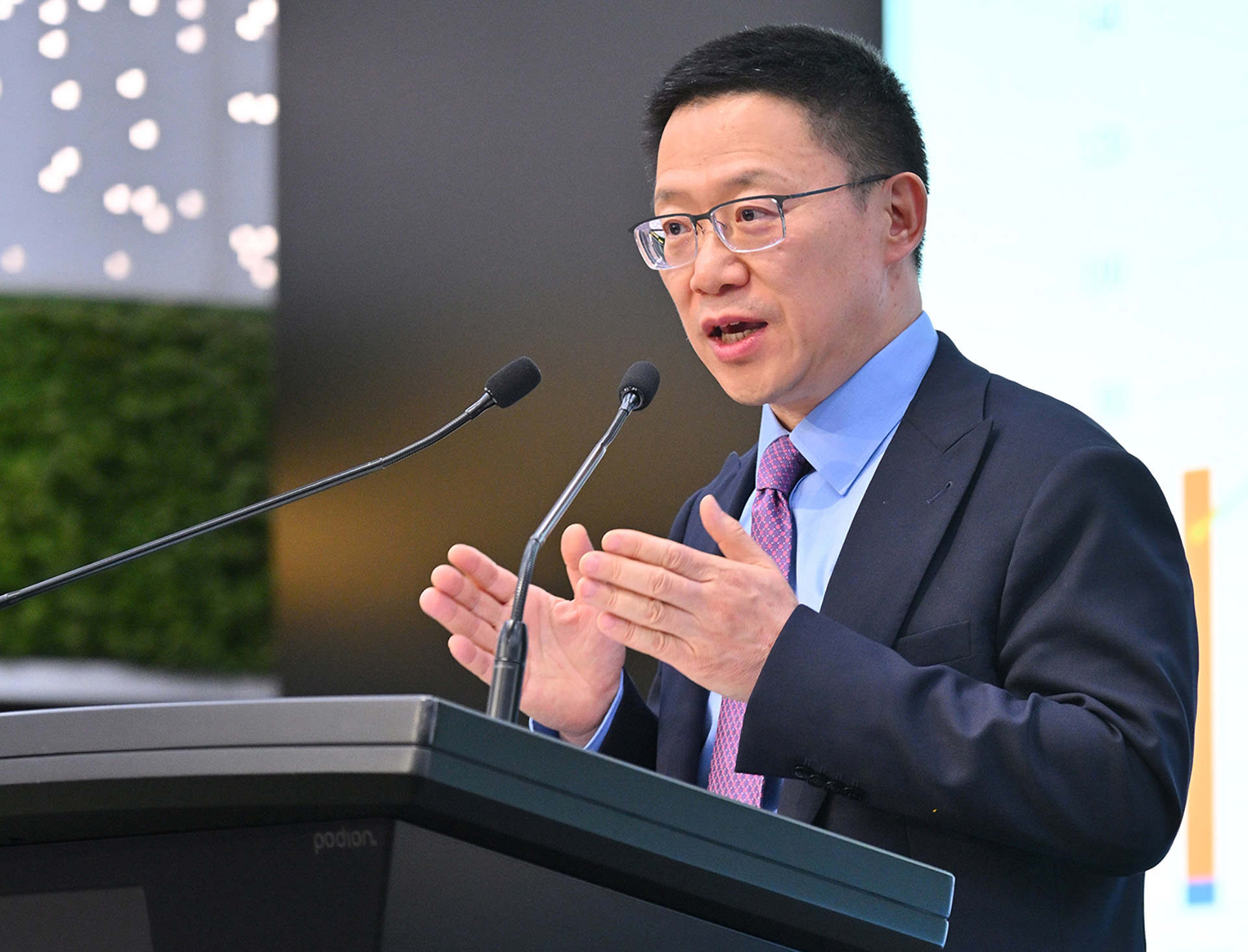
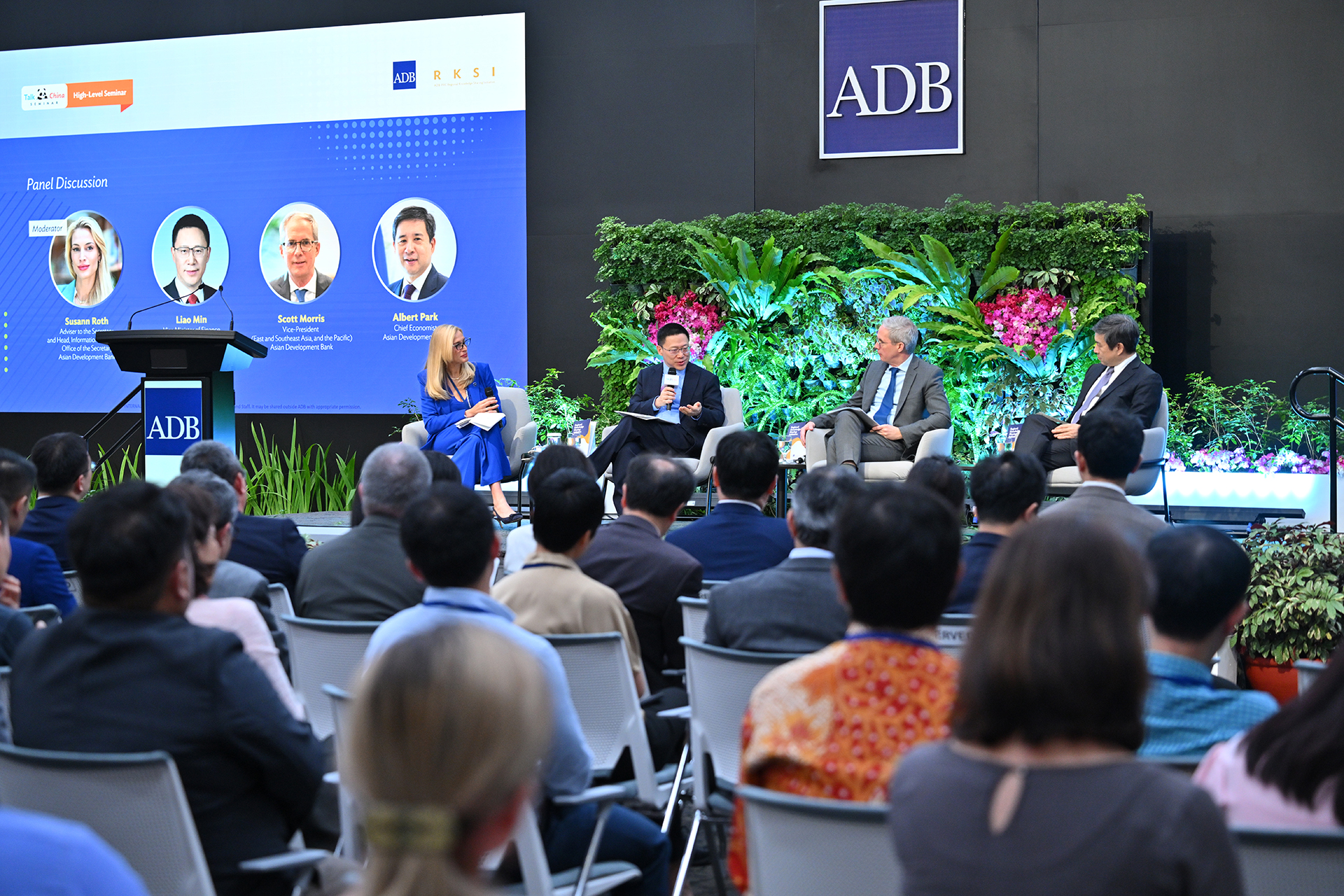
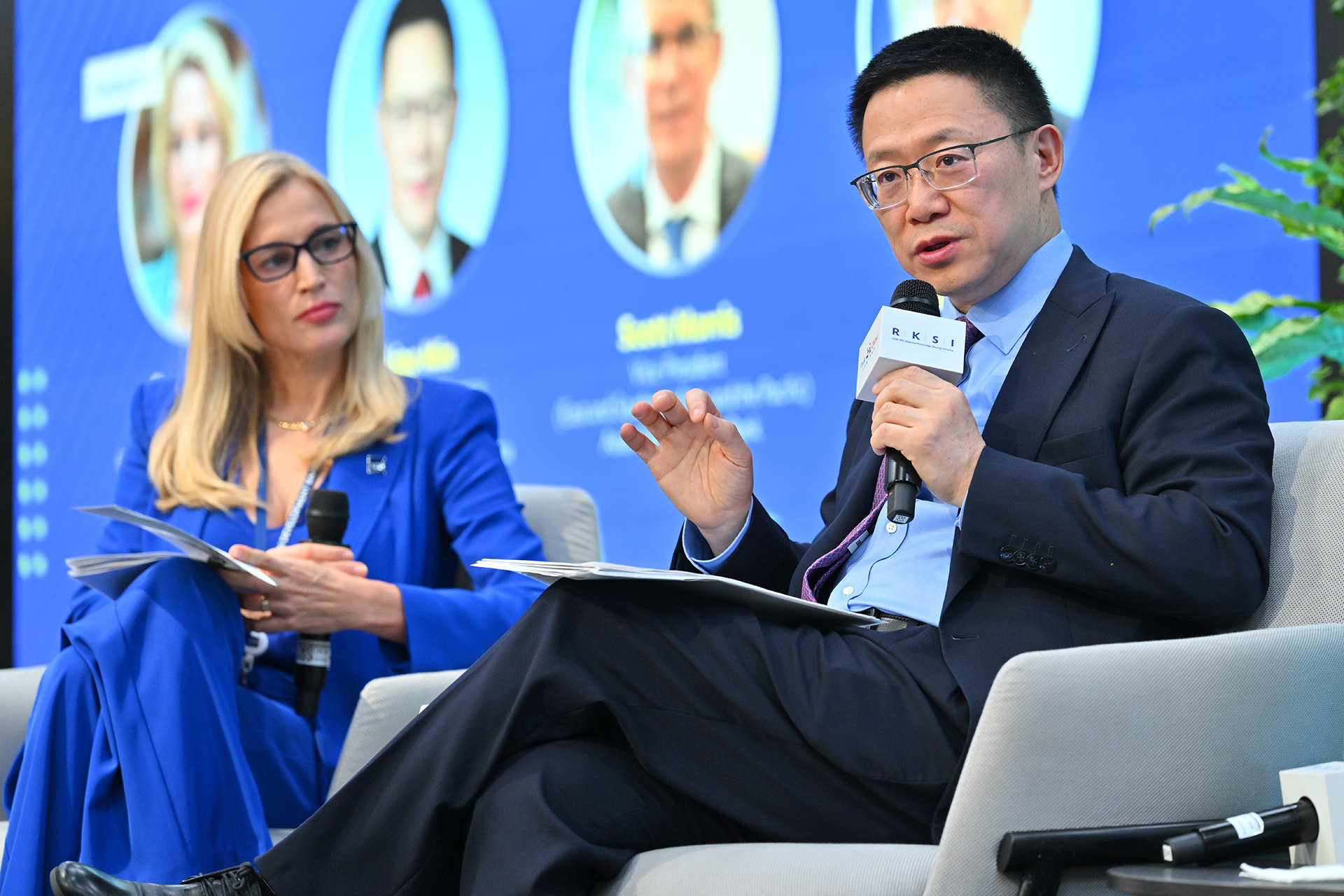
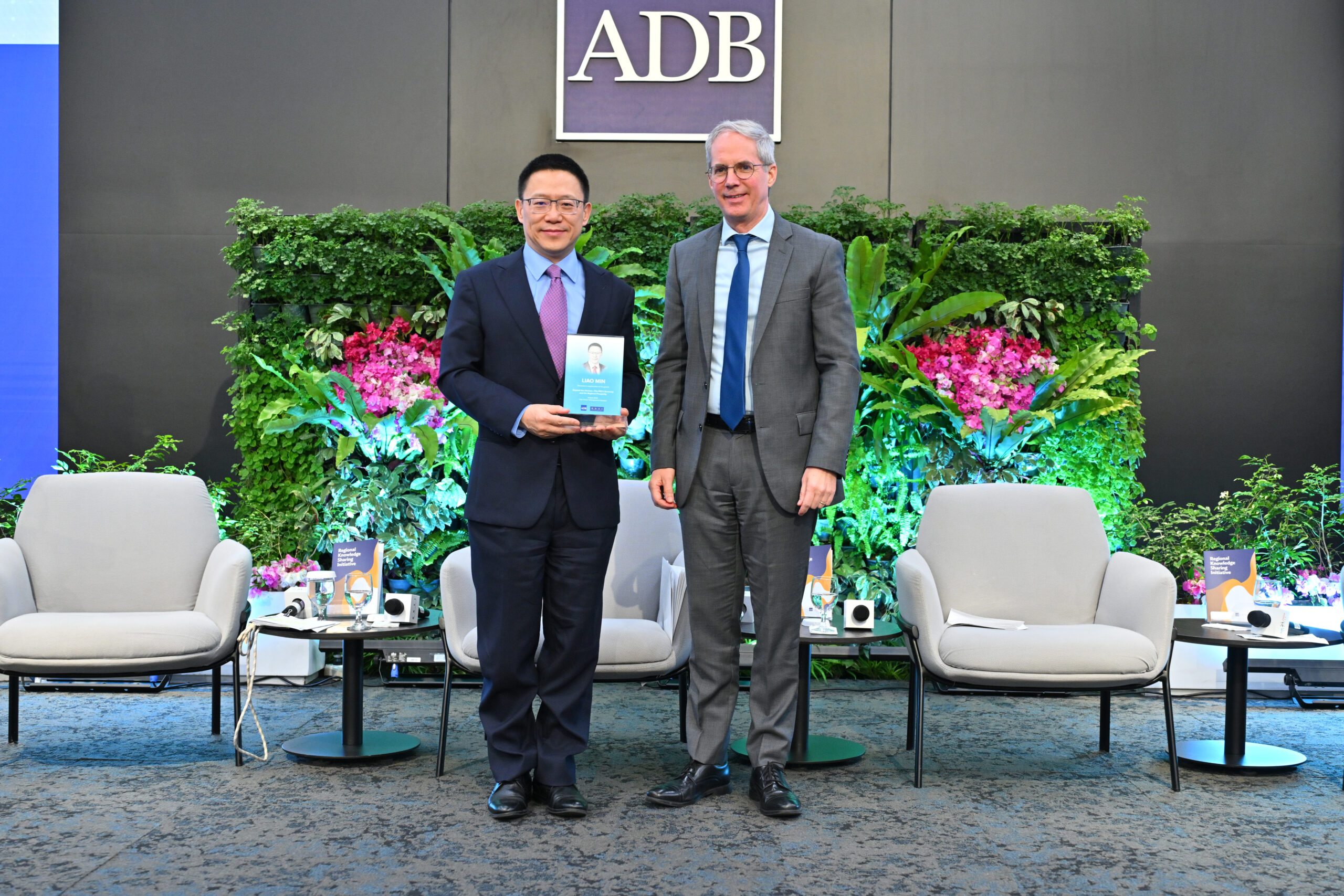
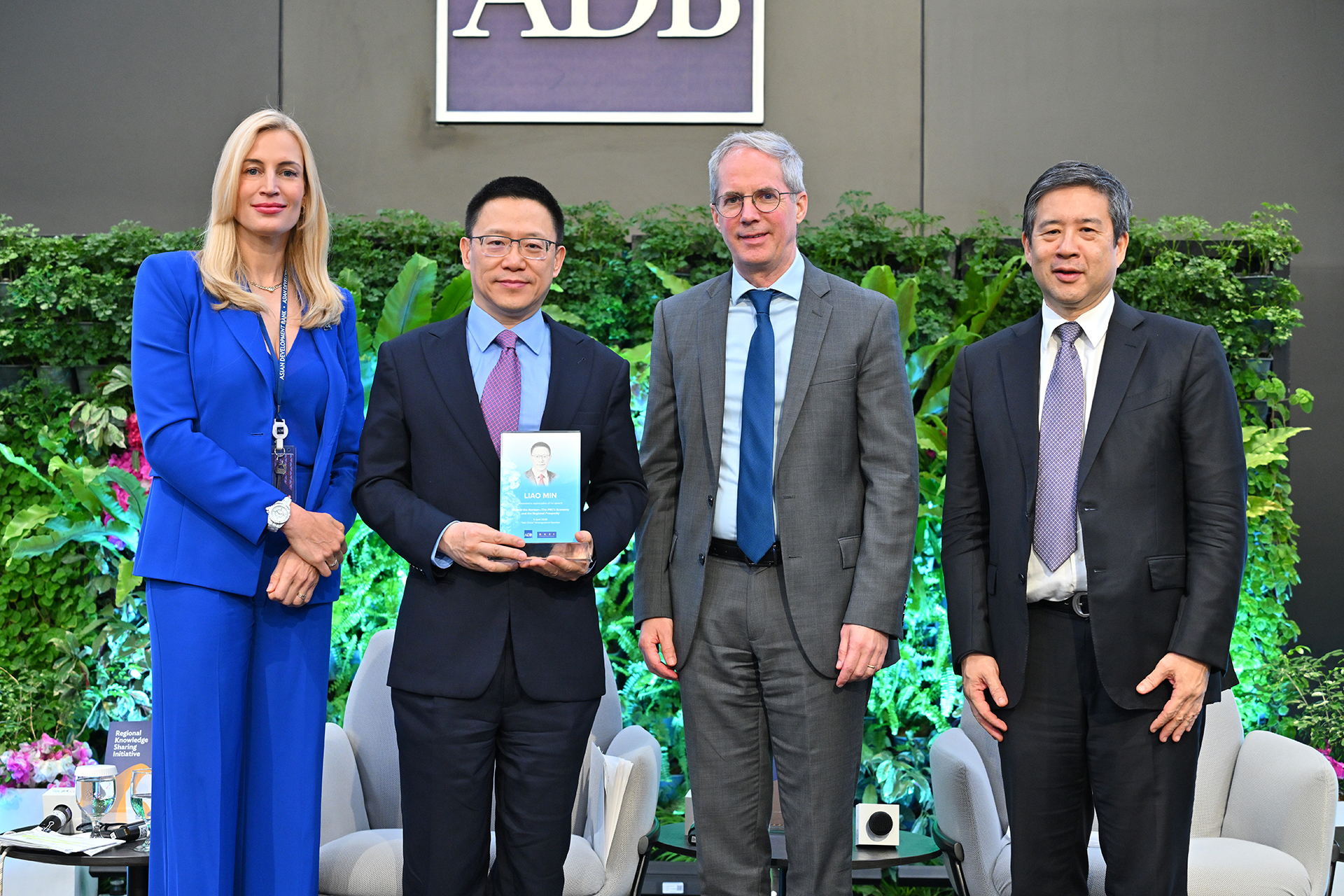
Vice Minister of Finance of the People’s Republic of China (PRC) Liao Min outlined key perspectives on high‑quality growth at a seminar held at ADB Headquarters in Manila on 9 April 2026.
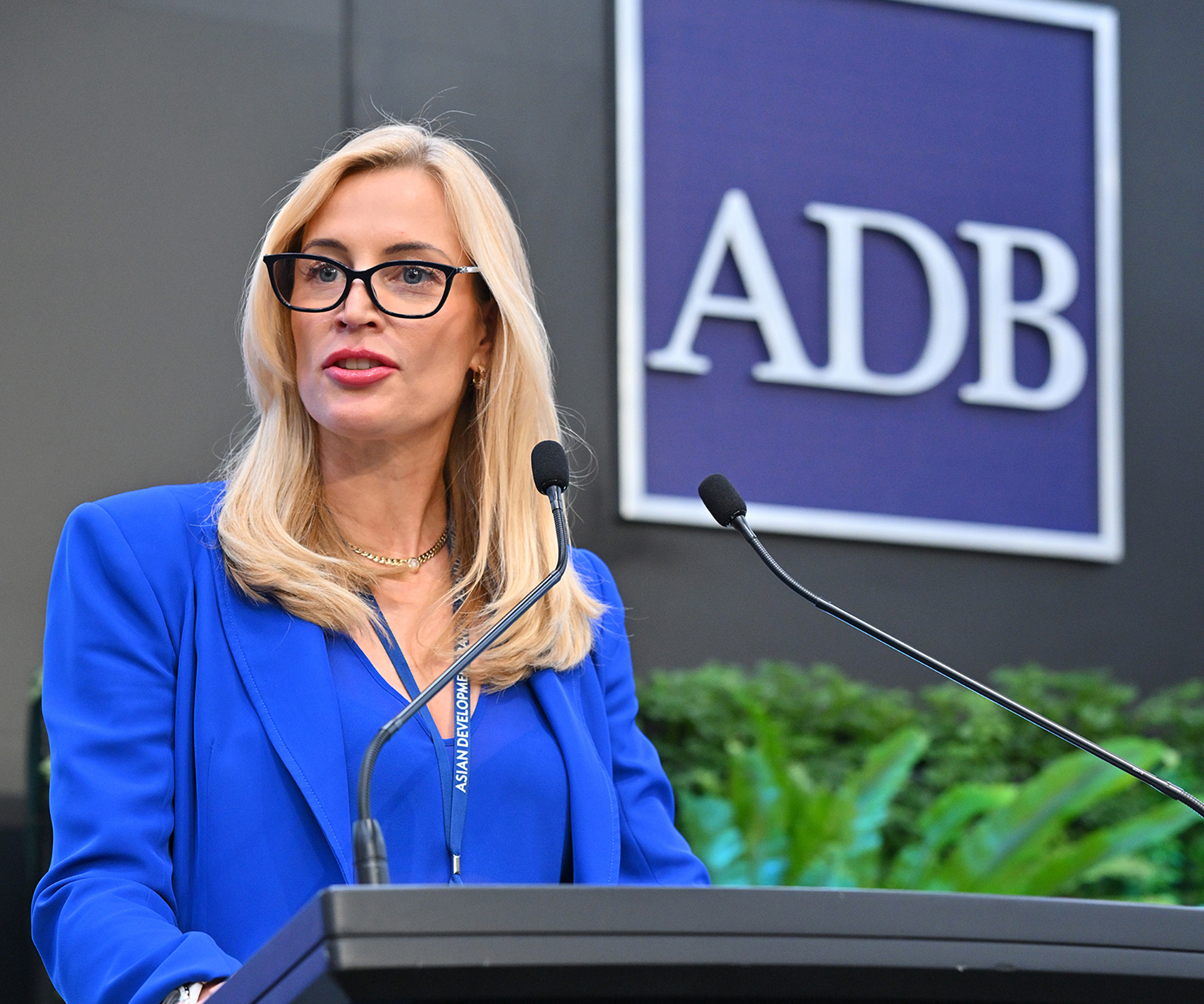
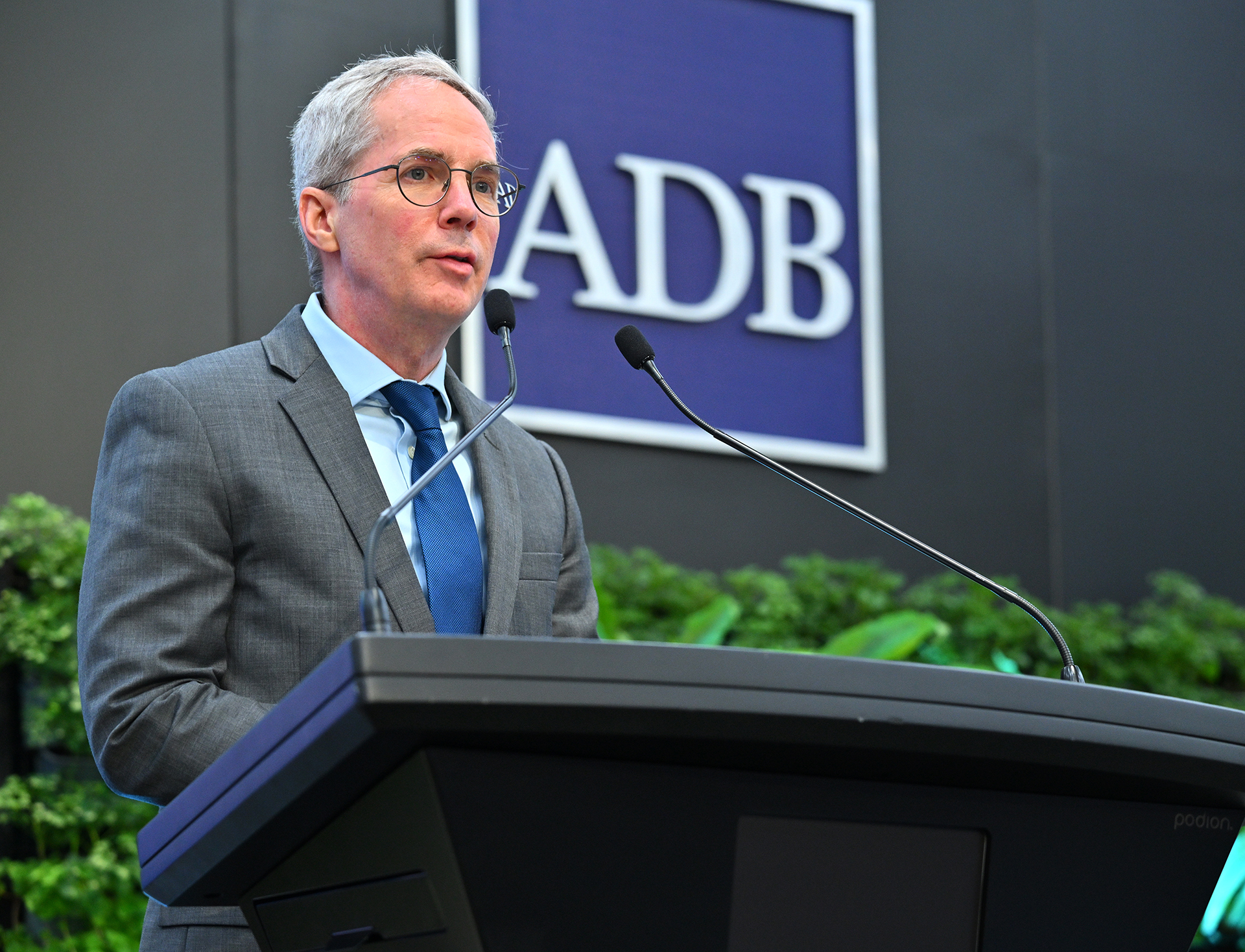
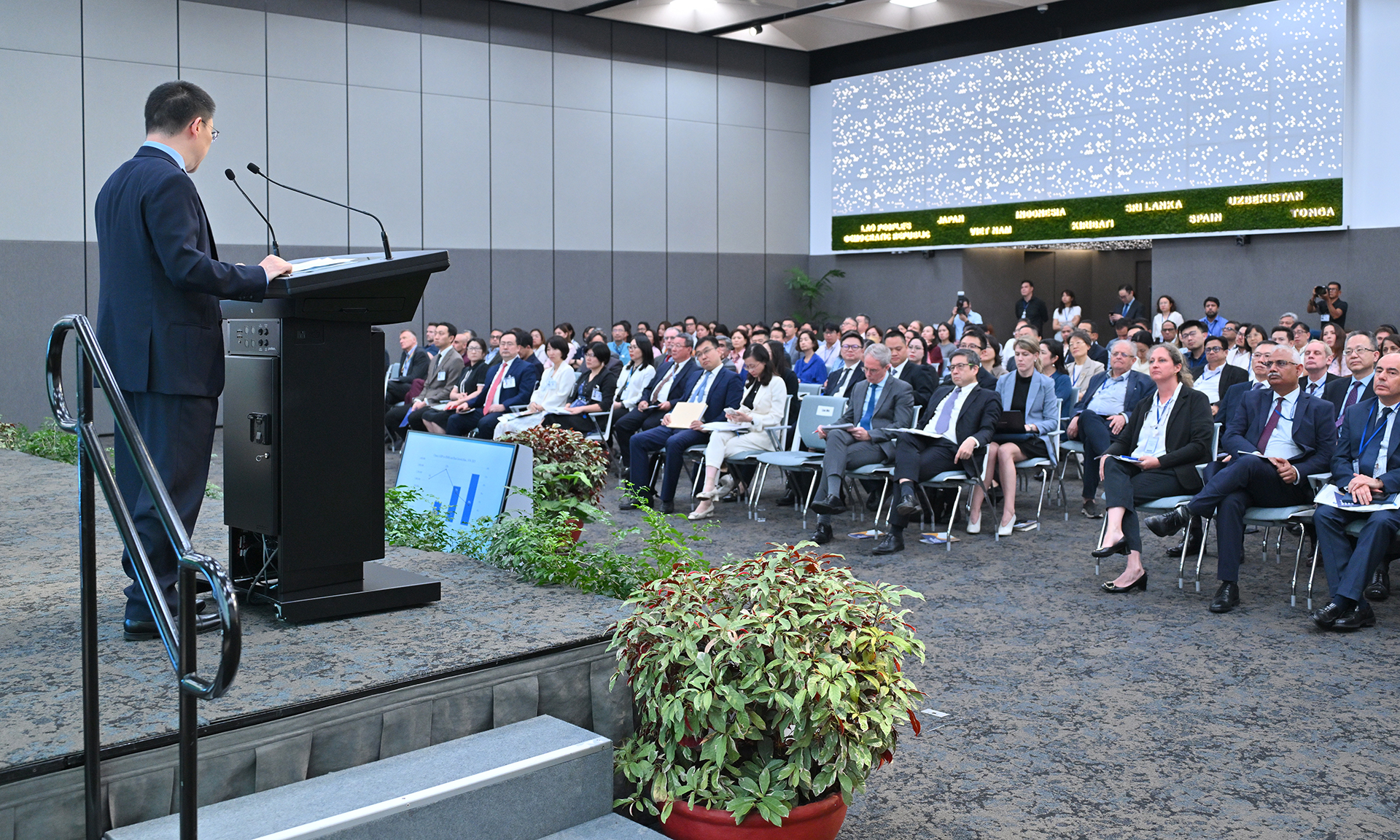
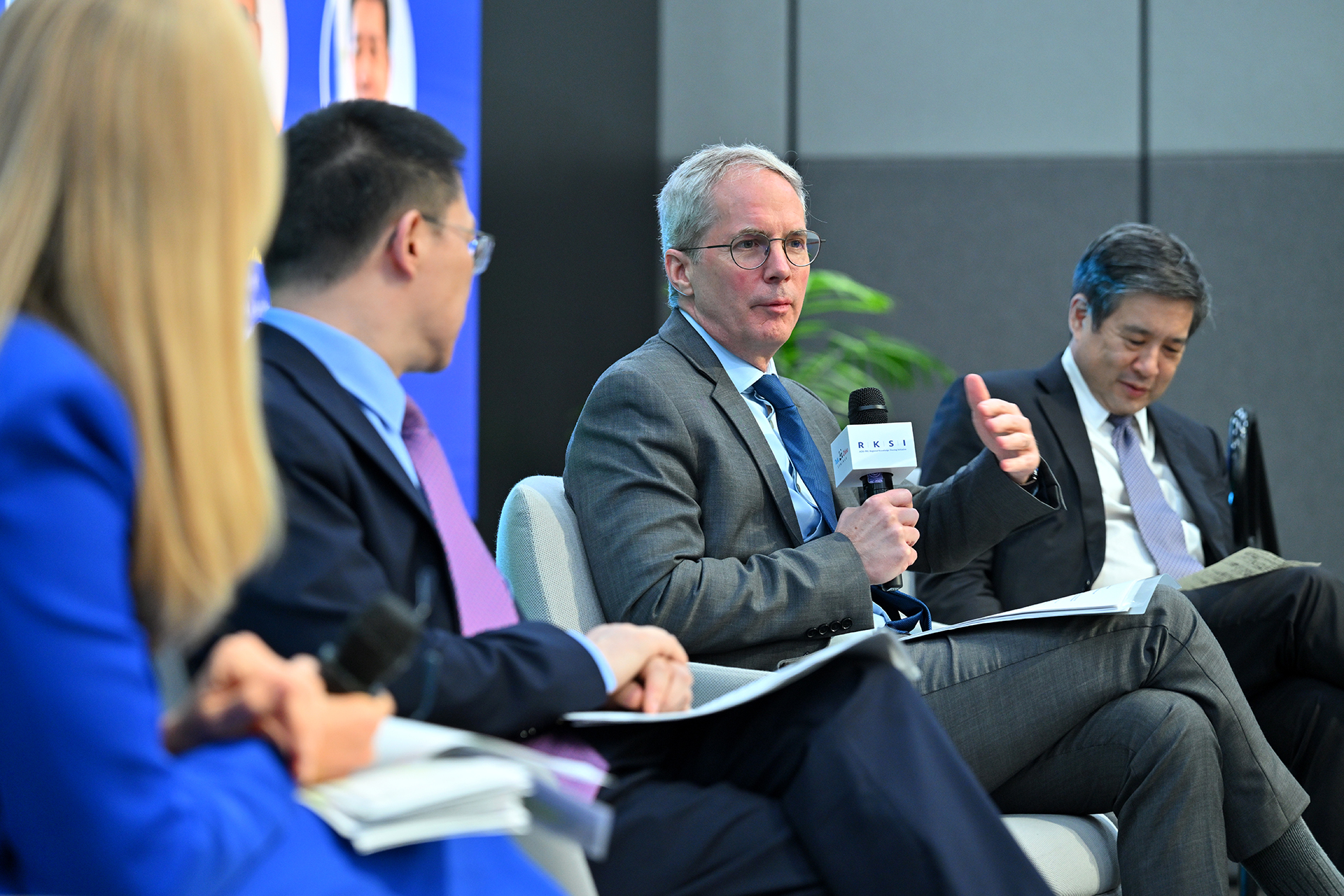
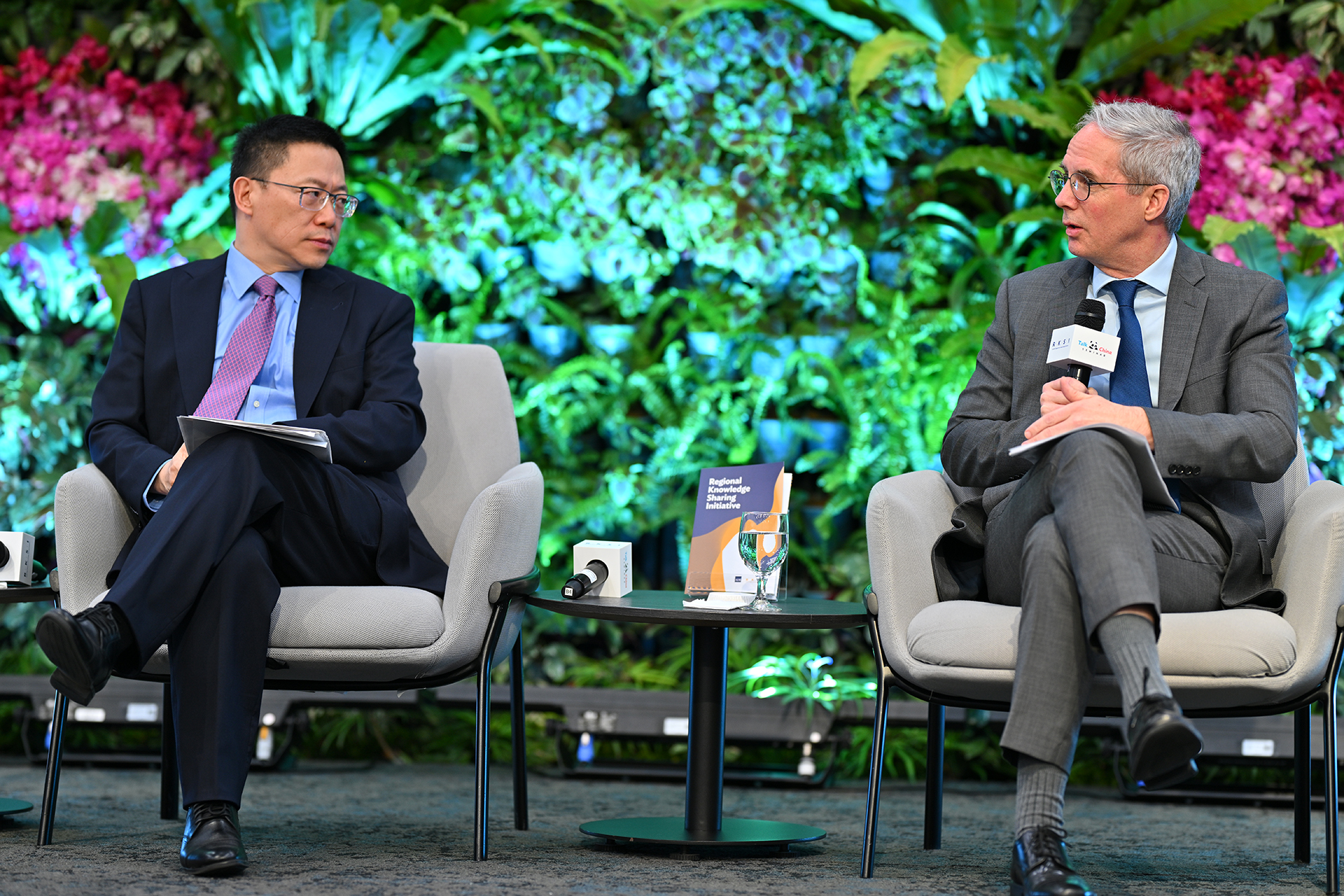
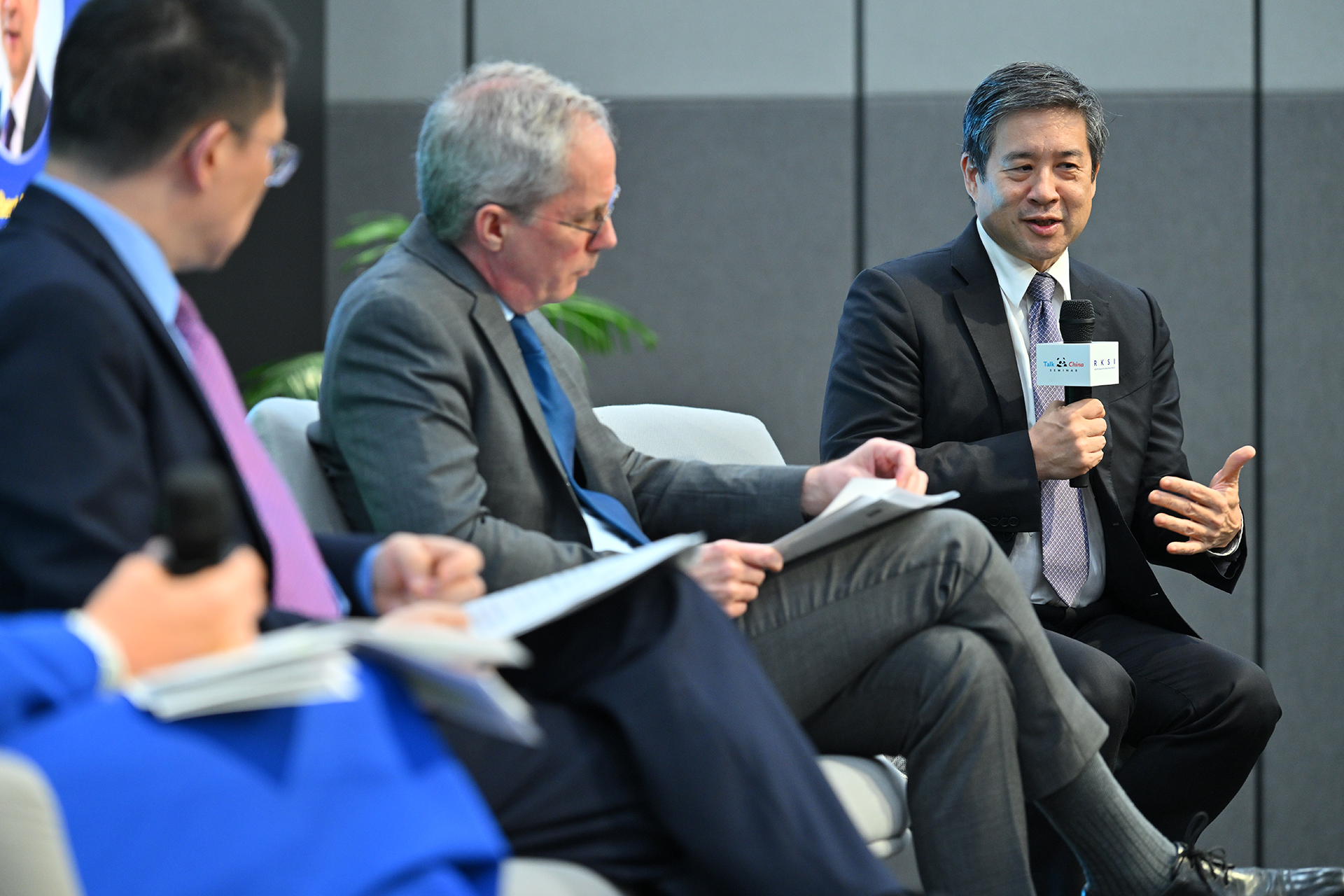
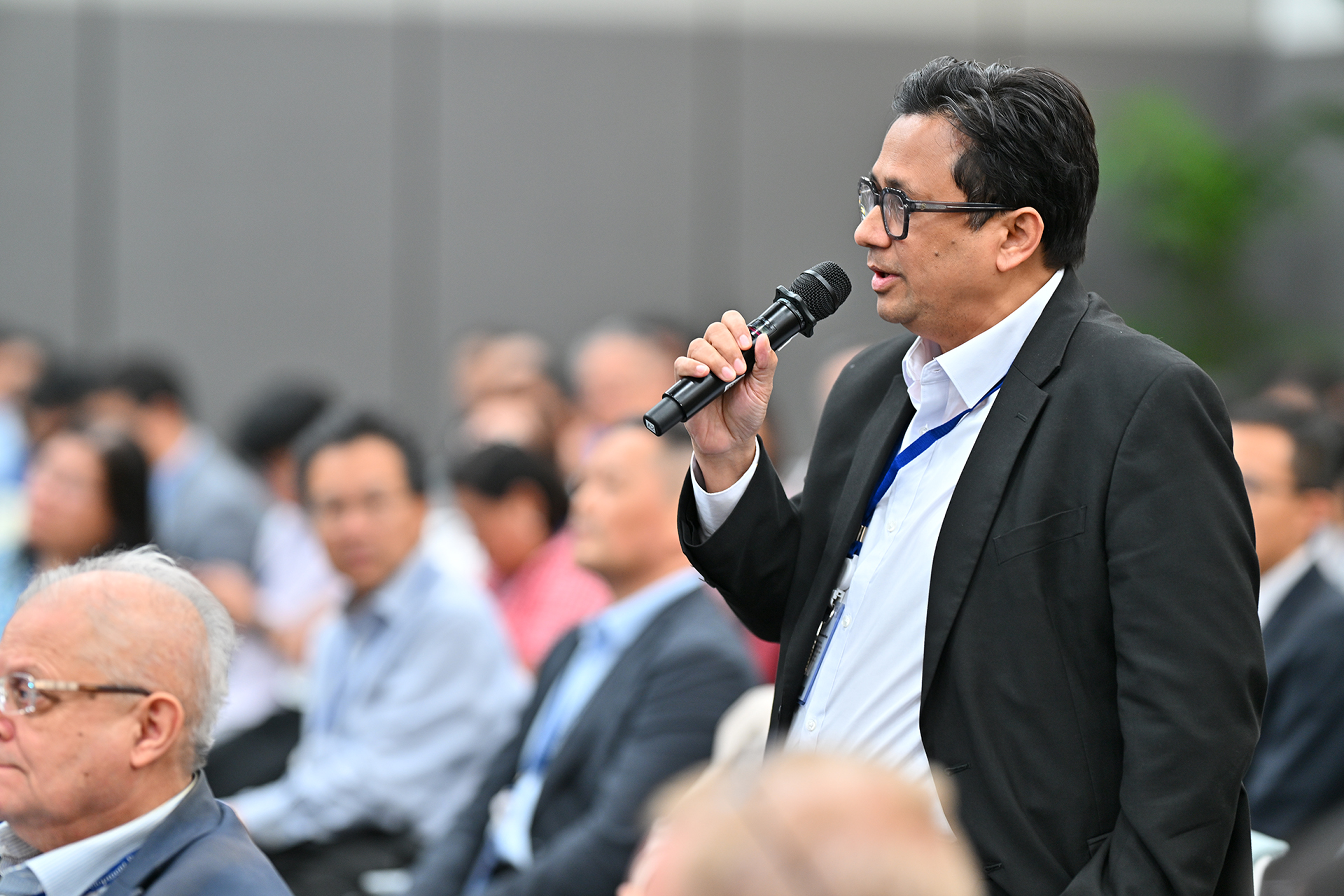
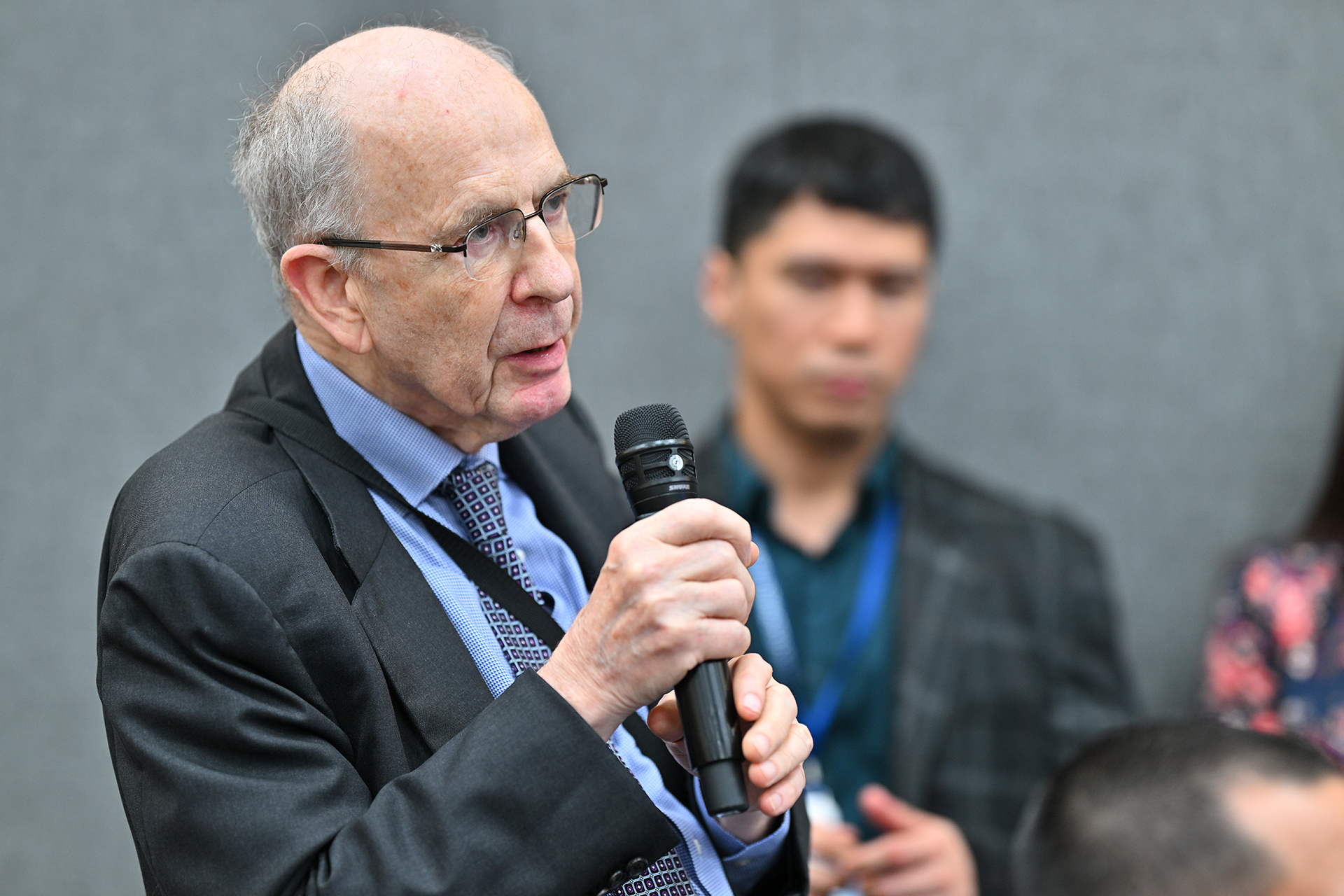
The seminar, organized by RKSI on the topic of “Beyond the Horizon—the PRC’s Economy and Regional Prosperity”, saw the Vice Minister delivering a keynote speech and appearing on a panel alongside ADB Vice-President Scott Morris and ADB Chief Economic Albert Park. The event attracted around 400 ADB staff and members of the Board of Directors, including more than 100 online participants.
In his keynote speech, Mr. Liao appreciated ADB’s role over the last 40 years in promoting economic and social development in the PRC, and highlighted that the PRC has been a strong supporter of ADB in fulfilling its mandate and mission. Standing at the new starting point following four decades of partnership, the PRC and ADB should explore new areas of cooperation and further deepen their comprehensive, mutually beneficial collaboration.
Turning to the seminar’s main theme, he emphasized that “High quality means sustainability.” The PRC’s total economic output exceeded RMB140 trillion last year, Mr. Liao said. Although economic growth remained moderate, the PRC’s contribution to global economic growth remained about 30%. He said the PRC is continuously optimizing its economic structure while promoting green and low-carbon development, digital transformation, increased consumption, and expanded effective investment.
“Consumption is the leading engine of the PRC’s economic growth,” he said. “In order to further unleash the domestic consumption potential, the Chinese government has put more domestic consumption as the priority of our rebalancing efforts.”
He said the PRC’s imports reached RMB18.5 trillion (about $2.6 trillion) in 2025, making the PRC the world’s second-largest import market for the 17th straight year, after the US. The PRC also saw its imports grow from more than 130 countries and regions and is now the major export destination for nearly 80 economies. “PRC has a vast market of 1.4 billion people, including 400 million middle-class consumers. This number is expected to reach 800 million in the next decade, which will bring more imports of goods and services to the PRC,” he said.
The value added to the economy of the PRC’s green industry is about RMB12.5 trillion (about $1.8 trillion), up by 11.6% year on year and contributing to 21.5% of economic growth, he said.
The recently released 15th Five-Year Plan includes 20 major targets, eight of which are binding. Among these eight, five are green and low-carbon development targets. These tough targets demonstrate PRC’s firm commitment to a green transition and building a Beautiful China. At the same time, digitalization is making traditional industries more efficient.
Meanwhile, technological innovation is paving the way for transformation. He mentioned that PRC is accelerating the implementation of its innovation‑driven development strategy, with total factor productivity maintaining steady growth.
Mr. Liao underscored that, as the world’s second‑largest economy, the PRC generates significant economic spillovers. He reaffirmed that PRC would remain focused on managing its own affairs well while continuing to advance high‑level opening‑up, thereby injecting greater certainty and stability into the global economy.
“The four major initiatives on development, security, civilization, and global governance, along with the vision of a community with a shared future for mankind proposed by President Xi Jinping, clearly illustrate PRC’s approach to international engagement, including our cooperation with ADB and its members—past, present, and future,” Mr. Liao concluded.