Tag: Economics
Green Bonds, Air Quality, and Mortality: Evidence from the PRC
Economic Recovery from COVID-19: Experience from the PRC
The 14th Five-Year Plan of the PRC—Fostering High-Quality Development
Forging Economic Resilience in the PRC through Value Chain Upgrading and Economic Rebalancing
Four Capitals Essential for the PRC’s Future Development
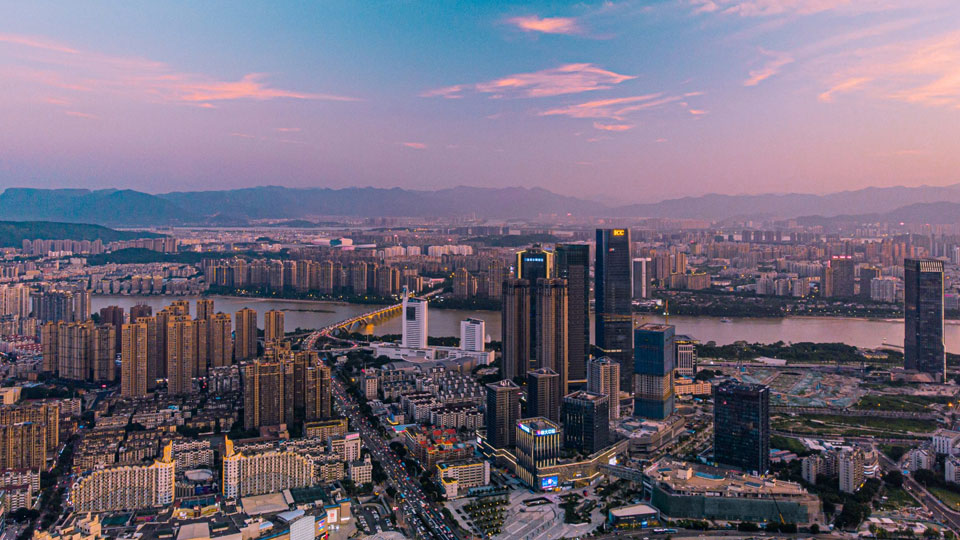
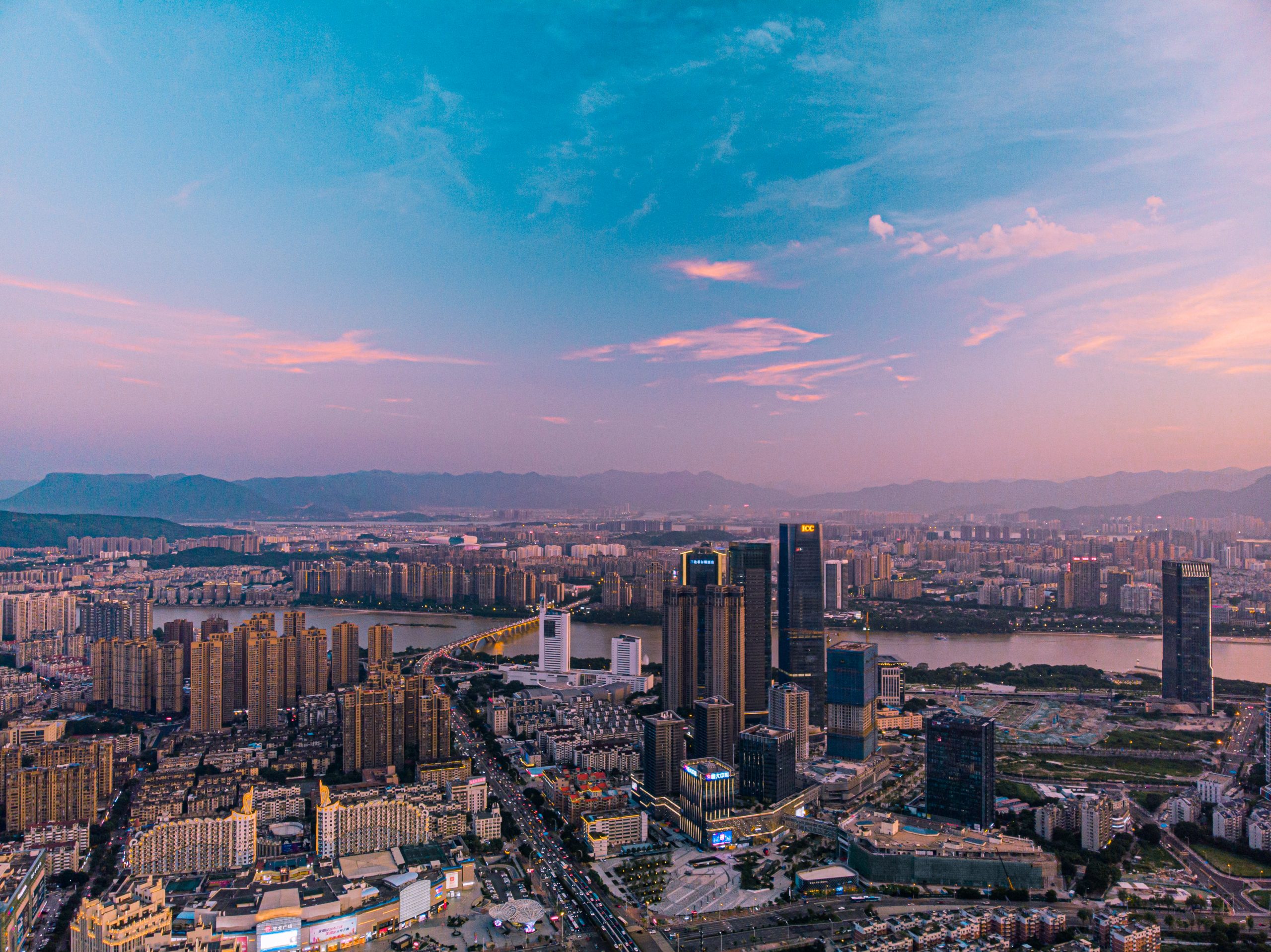
The People’s Republic of China (PRC) rapidly transitioned over just 40 years from a low- to a middle-income country. While that has meant a better quality of life for the Chinese people, it has also caused serious environmental damage and harm to human health through pollution. If left unmanaged, these problems could limit or undermine future advances in living standards.
How can the PRC continue its economic growth while reducing that growth’s effects on its people and environment? By making wise investments in human, social, natural, and physical capital to enable a future of high-quality sustainable development.
Human capital
Such development will require substantial investment in sustainable infrastructure to support new and clean technologies. These could include electric and hydrogen vehicle technology and further developments in solar power and battery storage on electric grids. The new infrastructure and new technologies will require new skills. Thus, they will require investment in education, a key element of human capital.
Artificial intelligence (AI) is likely to play a growing role in these technologies. AI can improve efficiency and allow new business models to be developed. But it will also reduce the need for low-skilled labor, which could result in lost jobs for some workers and lower wages for others. The PRC will need to invest in the necessary skills for AI and for re-skilling workers.
The health of the workforce will be important for it to be productive in the future. In the PRC each year, outdoor air pollution leads to about 1.2 million premature deaths. That one third of Chinese households use solid fuels, including coal, for heating and cooking causes an additional 600,000 deaths annually due to indoor pollution.
To solve these challenges, the PRC should offer its workforce:
- training in the skills required to work in new, clean technologies to support a sustainable transition,
- retraining for workers in industries replaced by these new technologies to ensure a just transition,
- training in skills that are complementary to AI and that cannot be replaced by AI to boost productivity in an increasingly automated world, and
- a better environment through radically reducing pollution to improve public health and well-being.
Education and skills are themselves crucial elements in wellbeing and the same is true of health, beyond their effect on productivity.
Social capital
The PRC’s dramatic economic advancement over the past four decades has significantly reduced the number of people living in absolute poverty. But relative poverty remains a problem, and rural areas are frequently poorer than urban ones. Health and education services are also lacking in rural areas.
In addition, replacing polluting industries with cleaner ones without helping communities through the change could lead to problems. Communities could lose their sense of self and the social ties that keep members bonded. Trust in government can be eroded if people do not see a sense of solidarity and mutual responsibility.
To support social capital, government should ensure:
- strategies of reducing inequality, including through providing better education and health services to rural areas,
- help for entrepreneurs to start businesses in areas where the core industry is being replaced,
- relocation assistance to workers who would like to move through finance and relaxing the Hukou system, and
- social safety nets to help people reenter the workforce or to assist those unable to.
Social cohesion and a sense of worth are goals in and of themselves beyond any influence on productivity.
Natural capital
Natural resources provide essential services, from water management and safe water in the case of watersheds to sequestering carbon dioxide in the case of forests. Better stewardship of resources would improve these services. For example, reducing industrial runoff would improve fisheries and make land used for growing food less polluted.
To enhance its natural capital, the PRC can develop climate-smart agricultural approaches to sustainably make farming more productive. The country could also create policies that encourage replacing fossil fuels with cleaner technologies to improve public health and the environment. For example, adding a $70 carbon price in the PRC could prevent nearly 4 million premature deaths from air pollution during 2017 to 2030.
Pursuing smart urbanization projects that are compact, connected, and coordinated could protect natural resources and make communities more resilient to climate change. These projects can help unlock the power of cities to deliver clean development and stimulate economic growth by improving access to jobs and housing.
Protecting and investing in natural capital increases biodiversity with many benefits, including recreational, medicinal, and agricultural.
Physical capital
Infrastructure projects support essentials of modern life, such as reliable power, heating and cooling, transportation, water, and sanitation. The PRC’s infrastructure efforts build a foundation for growth. The country is expected to need $30 trillion in infrastructure investment by 2040 according to the World Bank. That’s more than half of Asia’s total needs and a third of the world’s.
Approaching this need for infrastructure in thoughtful and sustainable ways can offer many benefits. Low-quality or old-fashioned infrastructure projects should not be supported; these can pose financial and economic risks and lock in decades of polluting development. Upgrading long outmoded industrial processes to clean, modernized production can dramatically increase efficiency and reduce waste.
The PRC has successfully invested in solar power and become the world’s largest producer of solar cells. Continued support of sustainable infrastructure such as the solar photovoltaic industry would help create a healthier, cleaner, and more sustainable economy. The PRC must also manage its physical capital well, to allow more efficient and clean technology to come through, for example via its electricity grids.
Achieving these investments
Sound government policies, including those that incentivize sustainable development will be needed. The PRC’s financial systems should be strengthened to allow for a range of effective public and private financing for sustainable projects. Successful change will make possible the PRC’s transition to a high-income country whose citizens live in harmony with both the natural environment and each other.
Reference
C. Hepburn and N. Stern. 2019. Driving Investments Toward Sustainable Economic Growth in the People’s Republic of China. ADB East Asia Working Papers. No. 16. Manila: Asian Development Bank.
Authors
Cameron Hepburn
Director of Economics of Sustainability Program, Oxford Martin School, Oxford University
Nicholas Stern
IG Patel Professor of Economics and Government, London School of Economics
This blog is reproduced from East Asia Working Paper.
High-Quality Sustainable Growth: The Smart Choice for the PRC
Measuring a country’s economy solely by its output in terms of GDP misses the human, environmental, societal, and other costs caused by the production or use of the output, and hence fails to capture important aspects of wellbeing. The education and health of people, the health of the natural environment, inequalities, and how well communities function should all be part of the measurement of social welfare and development.
The People’s Republic of China (PRC) faces a series of social and environmental challenges caused by its rapid industrialization, highlighting the “high input, high consumption, high emission, and low efficiency” nature of its economy. It is recognized that the old growth story is coming to an end.
As the country moves towards a “new normal,” adopting the objective of high-quality sustainable growth offers a clear and valuable response to these challenges. Prioritizing such growth with wellbeing, social and environmental quality, and sustainability at the center stage will not only help the PRC, but also help it to take its place in a changing world and offer a model of a cleaner path forward for developing countries. This blog focuses on the environment and social consequences of the past model of growth in the PRC and how they can be overcome.
Environmental challenges
Pollution from a history of reliance on coal and other fossil-fuel resources has fouled the air in the PRC’s cities as well as its soil and water. It has also contributed to climate change, which has and will continue to pose enormous risks to the country and the world.
There is growing evidence suggesting that the threat of irreversible climate change must compel immediate international action to control carbon emissions. To curb climate change’s worst effects, countries that signed the Paris Agreement agreed to limit warming to well below 2°C and ideally to just 1.5°C.
To achieve the 1.5°C target, the world must reach zero-net carbon emissions around mid-century, with all greenhouse gas emissions brought to net-zero in the following two decades. Given the PRC’s large share of the world economy and global emissions, its emissions must be cut dramatically for this to happen.
Climate change is fueling more severe weather that damages lives, livelihoods, and physical infrastructure. It also disrupts financial systems through high costs to insurance providers and other companies. If countries including the PRC continue to invest in fossil fuels-based infrastructure and economic activities, warming could increase well beyond 3°C—a level not seen for 3 million years. This involves enormous risks and would be devastating for humanity. And it is the poor people who are hit earliest and most severely by the effects of climate change.
Social challenges
Social inequality is a pressing concern in the PRC. Poverty remains a persistent problem in rural areas and in those with industries in decline. In addition, the county’s population is rapidly aging and will need more health care services. However, unlike more advanced countries, social welfare and health spending in the PRC are still low as a share of its GDP.
The PRC’s economy has changed dramatically in the past four decades and is continuing to change. Once dominant globally in low-cost manufacturing, the country has shifted toward services and higher-skilled activities. Going forward, artificial intelligence and robotics are also likely to transform some sectors.
These changes can be very positive if structured well. This will involve investing in skills for both automated activities and those where automation plays a less important role. Areas where industries are in decline will need help to ensure a just transition. In large measure this involves investing in people and their training and skills, in places to create new opportunities, and in social safety nets.
The way forward? Sustainable development
A focus on sustainable and high-quality development is at the core of an effective response to these challenges. Prioritizing and supporting such development will help drive a shift towards technology and services through investment in research, development, and innovation.
Areas for growth could include technologies for modern service sectors, such as health, education, transportation, and communications, and sustainable technologies and design that improve how modern cities function as well as the infrastructure needed for these technologies and design. All could offer a wealth of new positions for a more-skilled workforce. The PRC’s management of the necessary rapid changes to labor markets will require investing in the retraining of current workers and the provision of continuing education or lifelong learning.
Improving how cities function would reduce environmental damage and help people feel more connected to each other. Cities could be made up of socially mixed neighborhoods, comfortable, efficient, and climate-smart housing, green spaces, and environmentally friendly public transportation networks. The World Resources Institute found that globally, such improved cities could reduce urban emissions 90% by 2050.
Sustainable development also offers the potential to reduce social inequality. For example, making public transportation green, efficient, and extensive would particularly benefit lower-income people without their own cars and make them better able to find jobs and get services. And a coal phaseout, with effective transition management, can provide a better quality of life for millions of current coal workers and improve the environment in areas intensive in coal and its use.
In addition to the benefits such development has to offer the PRC, taking a sustainable path would provide a blueprint for others. Many of the countries in the Belt and Road Initiative are economically where the PRC was 20 years ago. By emphasizing sustainability, the PRC could show these countries a cleaner and greener way forward.
Reference
C. Hepburn and N. Stern. 2019. Driving Investments Toward Sustainable Economic Growth in the People’s Republic of China. ADB East Asia Working Papers. No. 16. Manila: Asian Development Bank.
Authors
Cameron Hepburn
Director of Economics of Sustainability Program, Oxford Martin School, Oxford University
Nicholas Stern
IG Patel Professor of Economics and Government, London School of Economics
This blog is reproduced from East Asia Working Paper.
Chinese Scholars Offer Ancient Management Lessons to Cure Low Productivity Growth

Since the 1990s, advanced countries have seen low productivity growth, something that also afflicted developing countries in the wake of the global financial crisis of 2008. With the emergence of the coronavirus disease (COVID-19) pandemic since the start of 2020, the situation has only worsened.
COVID-19 has led to long periods of lockdown contributing to weakened demand, investment, trade, and income losses. Companies have faced mounting debt and many are being wound down. In addition, disruptions to education have had an adverse impact on human capital resources.
Low productivity is everyone’s concern. It determines income and output growth, and ultimately living standards. As Paul Krugman famously puts it: “A country’s ability to improve its standard of living over time depends almost entirely on its ability to raise its output per worker [productivity]”.
Policymakers and economists also worry about low productivity because of its impact on financial stability (higher debt-to-gross domestic product ratio) and social stability (less funds available to spend on social protection and address inequality).
In the face of this, much effort is expended on studying the causes of and solutions to low productivity. Global trade slowdown, weak capital investment, credit crunch, fading information and communications technology boom, aging, social unrest, natural disasters, and pandemics have all shared some blame.
To address the COVID-19 impacts for example, policies must provide adequate assistance to the health care system, coupled with monetary, fiscal, financial, and social support.
Something else is happening at work
These causes (and solutions) seem reasonable intellectually and at the macro level, but at the individual or organizational level, something else seems to be happening.
Polls by Gallup find only 15% of global employees are engaged at work—meaning 85% are not engaged or even disengaged! The polls were taken before the pandemic, but the added stress and pressures associated with COVID-19 would have worsened worker disengagement.
Low work engagement is bad news for organizations. Research by Gallup and others find disengaged or unhappy employees tend to have a higher rate of absenteeism; lower productivity; and low level of wellbeing, customer service, and work quality, which inevitably lead to lower firm profitability.
What is striking is that managers play a key role in workers’ disengagement. Gallup finds if workers are disengaged at a workplace, there is a more than two-thirds chance that it is due to bad managers.
Forgotten advice
Anyone looking back at ancient Chinese history might find these findings familiar. Evidence on how bad ministers (managers) ruined the country (organization) and advice on how to choose good managers can be found in “The Compilation of Books and Writings on the Important Governing Principles” (Qunshu Zhiyao), which was compiled under the instruction of Emperor Taizong (626-649 AD) of the Tang Dynasty.
To ancient Chinese scholars, personal characteristics—values a person upholds—are the very foundation of a good person. Therefore, by promoting the virtuous, an organization establishes the foundation of good governance. The first order of business of a leader then is to promote virtuous people, without which the leader will never be able to rest easy.
The scholars’ work is so detailed that they even identify, name, and describe the characteristics of six virtuous and unvirtuous types of manager. Virtuous managers are sagely (have foresight and take preventive measures), good, loyal, wise, honorable, and forthright (outspoken and forthright, unafraid to point out the faults of the organization). Unvirtuous managers are incompetent (work for money and have no interest in the job), flattering, treacherous, slandering, crooked, and vicious (work behind the scenes, stir up trouble and unrest).
In addition, the scholars provide farsighted advice on hiring virtuous managers. Although accepted today, the scholars then already recommended the hiring of able and virtuous people regardless of their social status and relationships with a leader, even if they are foes. What is more profound and unheard of even today is the idea that a person who nominates a candidate is accountable for their selection.
The scholars’ advice is also nuanced—depending on a candidate’s background. For example, if the candidate is prominent and prosperous, assess the people they employ or recommend whether they are good, able, and willing to work together harmoniously. If the candidate is a non-achiever and in despair, observe the tasks they are willing or unwilling to do. A non-achiever may be so because they refuse to take on tasks. If the candidate is rich, check whether they are generous. If they are poor, check whether they refuse ill-gotten gains.
Further, to test whether the candidate is greedy or self-serving examine the circumstances of their previous positions. The virtuous and able would be reluctant to take up a post, but once they did, they would be willing to step down if necessary. The greedy would be very willing to take up a post but refuse to step down regardless of circumstances.
Economists and policymakers have long dominated the productivity debate, but if employees are not happy and disengaged at work, do those macro ideas matter? If organizations do not care or know how to hire the right managers, there will be no escape from what ancient Chinese scholars and more modern commentators have long warned: “those who do not know history are destined to repeat it”.
Author

Hsiao Chink Tang
Senior Economist, East Asia Department, Asian Development Bank
This Op-Ed is reproduced from Asian Development Bank.
The Greater Mekong Subregion 2030 and Beyond: Integration, Upgrading, Cities, and Connectivity
采用市场法来分享中国人口老龄化的经济效益并共担长寿风险