CARTIF: A Potential Catalyst for Cross-Border Trade and Investment in the CAREC Region

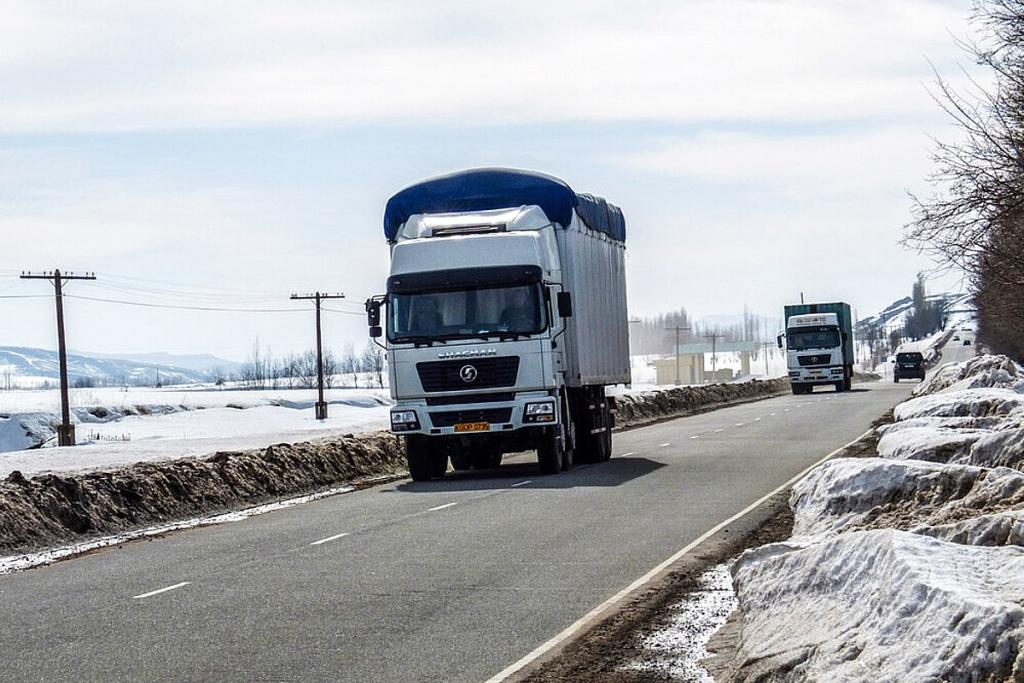
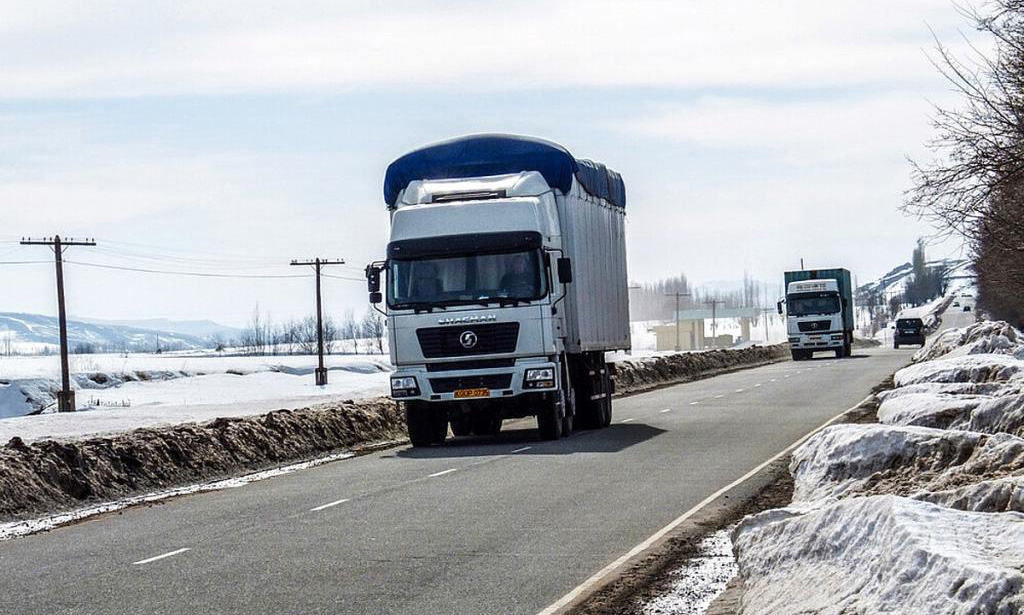
Better facilitation of cross-border trade and investment can generate significant economic gains for CAREC countries. Photo credit: ADB.

Introduction

On 20 November 2025, the 24th Ministerial Conference of the CAREC Program[1] adopted the Bishkek Declaration officially launching negotiations on the CAREC Trade and Investment Facilitation Partnership Agreement (CARTIF). This marked an important milestone in CAREC countries’ efforts to advance regional economic cooperation and integration in trade and investment.

CARTIF builds on more than 2 decades of collaboration under the CAREC Program, including progress achieved through CAREC Strategy 2030 and the CAREC Integrated Trade Agenda 2030, as well as the implementation of international agreements and conventions such as the World Trade Organization (WTO) Trade Facilitation Agreement. It aims to establish an inclusive, transparent, and flexible regional economic partnership to facilitate cross-border trade and investment.

Trade and Investment Flows in the CAREC Region

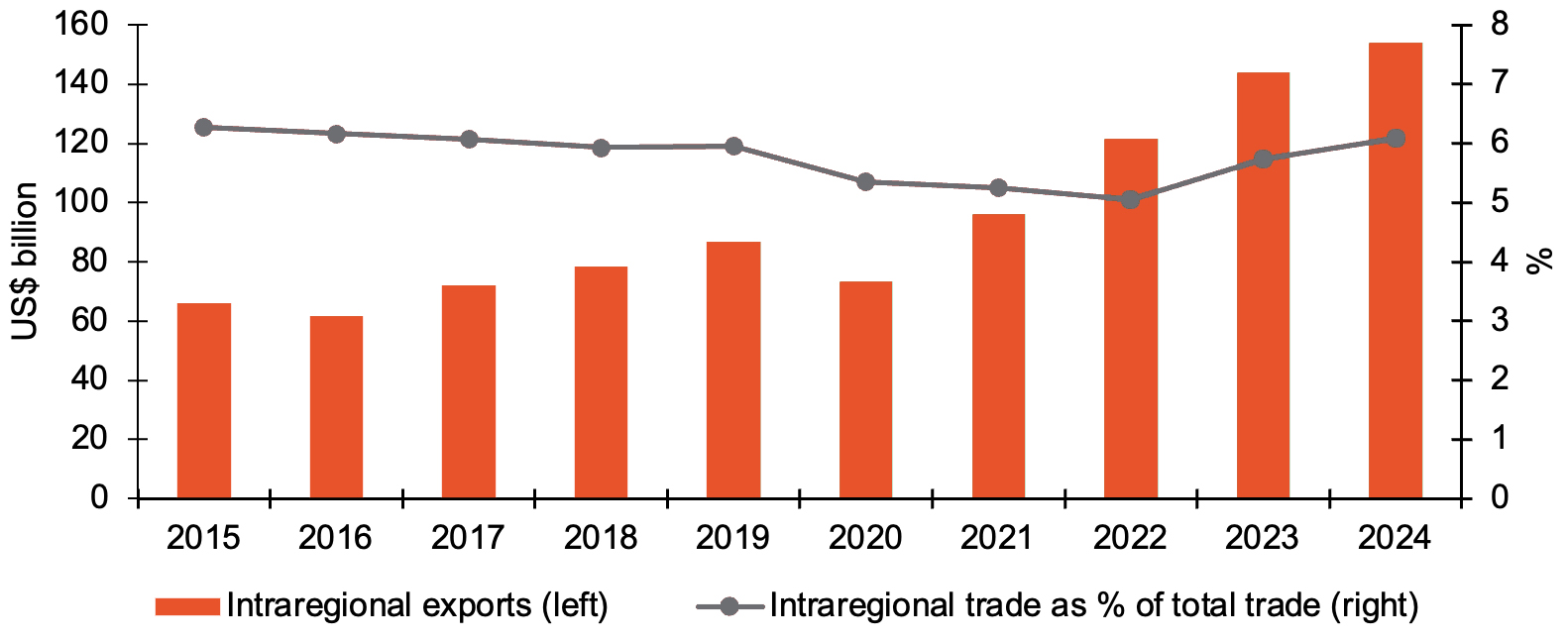
Recent trends in cross-border trade and investment flows in the CAREC region have been mixed. Between 2015 and 2024, intraregional merchandise exports more than doubled in absolute terms. However, intraregional trade remained roughly unchanged at around 6% as a share of CAREC countries’ total merchandise trade with the world (Figure 1).

Source: UNCTADstat Data Centre (accessed 21 November 2025; authors’ calculations).

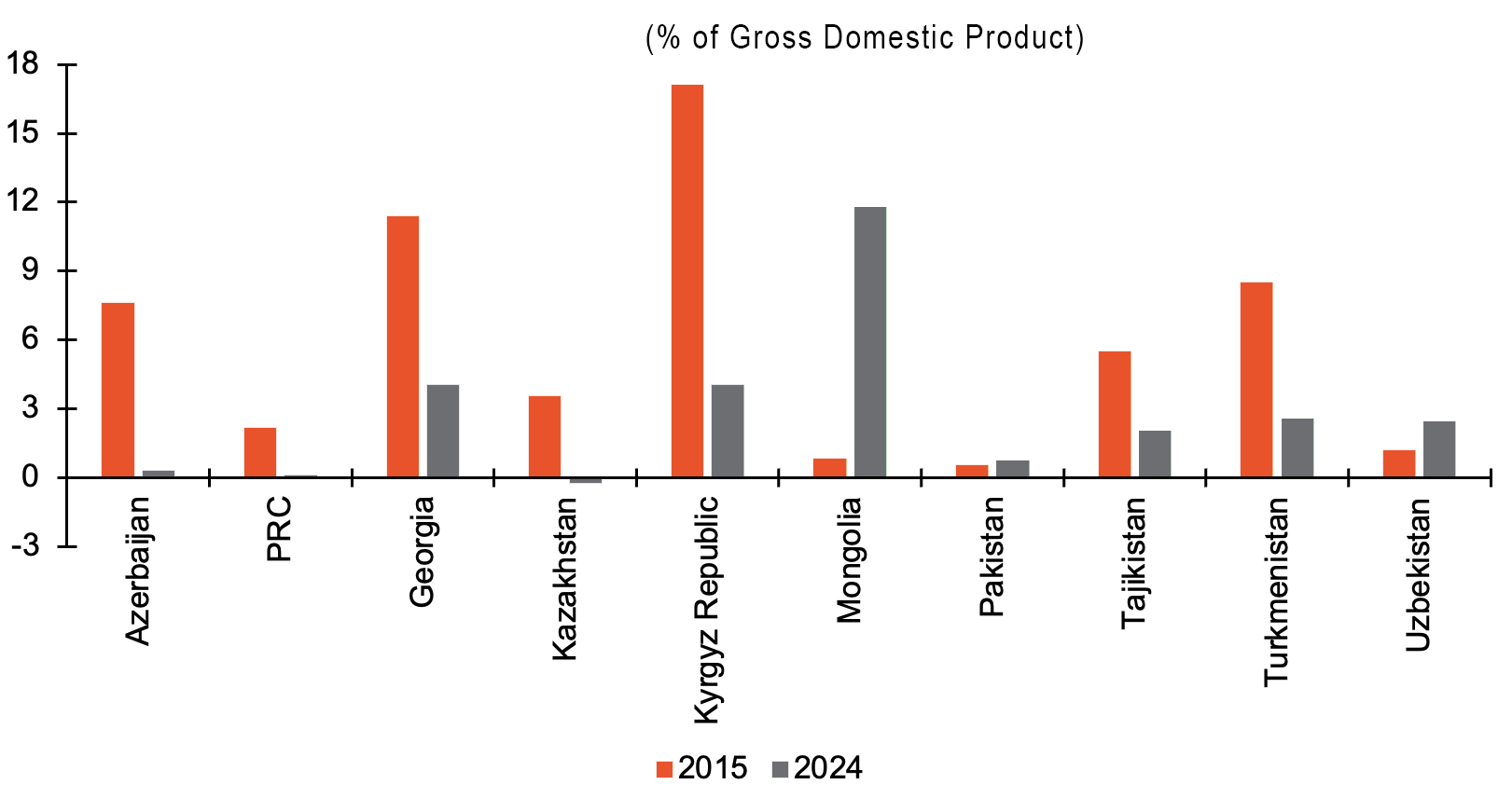
Trends in cross-border investment flows have varied across the countries. Between 2015 and 2024, net foreign direct investment inflows increased in Mongolia, Pakistan, and Uzbekistan but declined in most other CAREC countries (Figure 2).

Source: World Development Indicators database (accessed 21 November 2025).

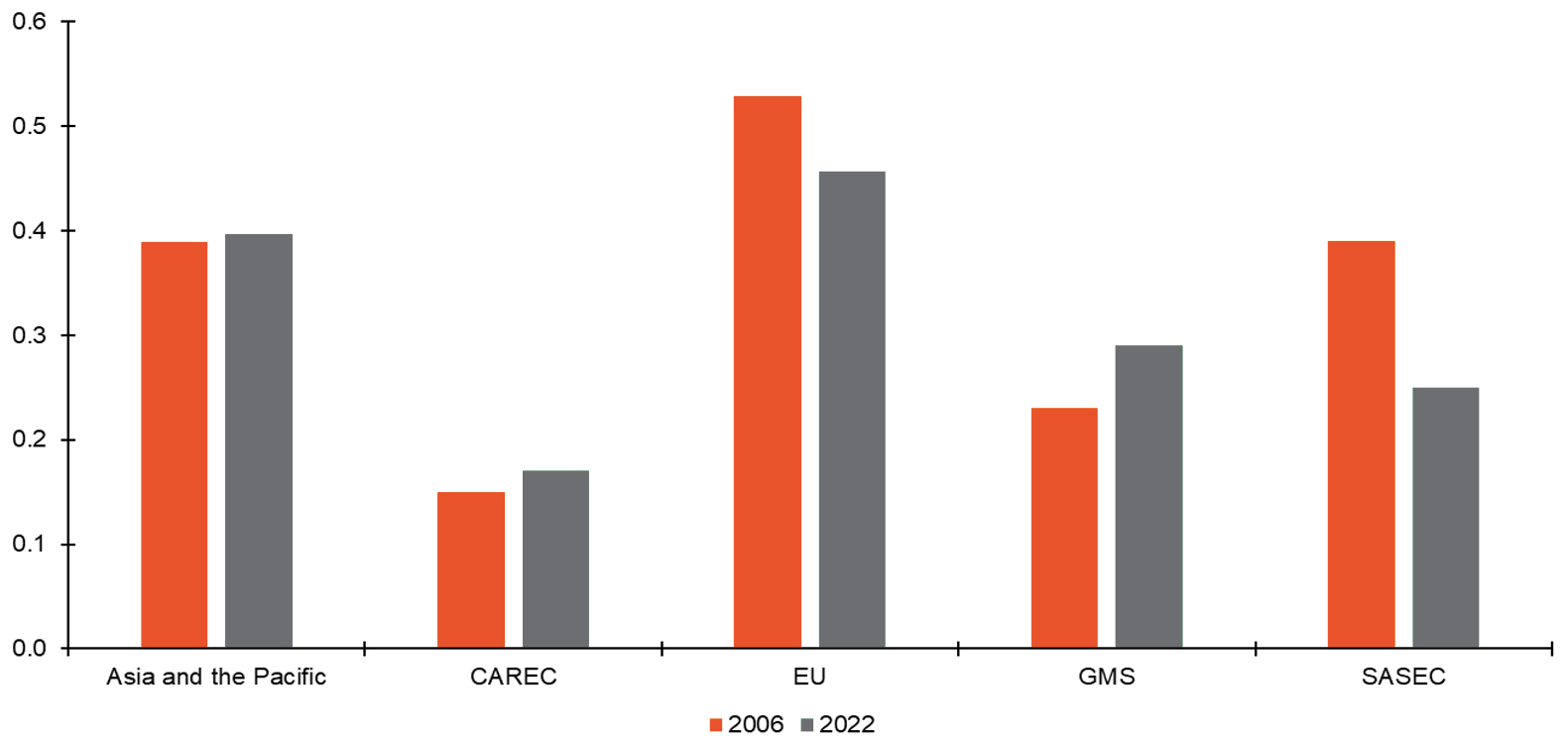
According to the Asia-Pacific Regional Cooperation and Integration Index, CAREC countries’ trade and investment integration score rose from 0.15 in 2006 to 0.17 in 2022. It nevertheless remained below the score of several other regional groupings, including the Greater Mekong Subregion Economic Cooperation Program and the South Asia Subregional Economic Cooperation Initiative (Figure 3).

CAREC = Central Asia Regional Economic Cooperation, EU = European Union, GMS = Greater Mekong Subregion, SASEC = South Asia Subregional Economic Cooperation. Note: The data are for the Trade and Investment dimension of the Asia-Pacific Regional Cooperation and Integration Index (ARCII). ARCII scores range from 0 (no integration) to 1 (full integration). Source: ARCII database (accessed 21 November 2025).

There is still substantial untapped potential for expanding mutually beneficial trade and investment across borders in the CAREC region. Three earlier CAREC studies that informed the CARTIF concept[2] identify a range of persistent barriers to cross-border trade and investment flows in the region, including (i) tariffs and nontariff measures on trade in goods, (ii) differences in service market regulations, (iii) limited recognition of standards and conformity assessments, (iv) restrictions on the movement of businesspeople and service providers, and (v) various domestic obstacles that increase costs and uncertainty for traders and investors. Hence, tariffs are not addressed by CARTIF’s Initial Protocols because they warrant a gradual/differentiated approach.

Complementary evidence from the CAREC study on transit trade facilitation in Azerbaijan, Kazakhstan, and Uzbekistan, and from the ADB study on trade and transport facilitation along CAREC corridors, highlights persistent legal, regulatory, institutional, and infrastructure-related barriers that impede transit trade in the three countries and constrain international shipments along the corridors. Together, these findings point to the need for increased efforts by CAREC countries to reduce remaining barriers to cross-border trade and investment. The empirical assessment of different configurations of a CAREC free trade agreement further indicates that enhanced facilitation of cross-border trade and investment can generate considerable economic gains for CAREC countries, particularly for landlocked economies.

CARTIF as a Legal Framework for Regional Cooperation in Trade and Investment Facilitation

CARTIF is intended to serve as a legal framework for closer cooperation among CAREC countries in cross-border trade and investment facilitation. It covers a broad range of policy areas related to the movement of goods, services, and capital across borders.

CARTIF has both WTO-plus features—enhanced collaboration in areas already covered by the WTO agreements, such as trade facilitation, sanitary and phytosanitary measures, technical barriers to trade, and trade in services—and WTO-extra elements that involve topics not comprehensively covered under the current WTO agreements, such as investment facilitation, digital trade, and supply chain connectivity. By bringing this broad agenda into a single framework, CARTIF reflects the growing nexus between cross-border trade and investment and the need for coherent, mutually reinforcing reforms.

A key feature of CARTIF is its flexible, modular design. Under the draft text, a binding Framework Agreement, together with a set of Initial Protocols, is to form a single undertaking that applies to all participating countries once in force. Additional protocols may be negotiated later by interested parties, allowing cooperation to deepen gradually. Accordingly, CARTIF allows countries to engage at a pace consistent with their national priorities and levels of readiness. This approach mirrors relevant international experience, including the “ASEAN Minus X” formula, elements of open regionalism in the Asia-Pacific Economic Cooperation, and the balance between ambition and flexibility embodied in the Regional Comprehensive Economic Partnership.

CARTIF is to develop an institutional mechanism, which will be agreed by the CAREC governments. The preliminary proposed structure includes a Ministerial Council, a Senior Officials Council, a Regional Trade and Investment Committee, and a Secretariat. These bodies are intended to support the implementation, administration, facilitation, monitoring and evaluation, and further development of CARTIF.

CARTIF is also to have a transparent, rule-based dispute settlement mechanism, emphasizing consultation and mutual agreement, with additional procedures available if issues remain unresolved. Decisions issued under this mechanism are to be binding on the parties concerned.

The Way Ahead

Negotiations on CARTIF are expected to commence in early 2026. For these negotiations to be successful, active engagement by the governments of CAREC countries—as well as strong and sustained support from other key stakeholders, including the private sector and development partners—will be essential. Additional analytical work and capacity building can help officials navigate the technical complexities involved and identify mutually beneficial solutions to issues associated with cross-border trade and investment facilitation.

If successfully concluded and enacted, CARTIF can become a major catalyst for the expansion of cross-border trade and investment in the CAREC region. It would support the development of regional value chains and production networks, promote economic diversification, and boost shared prosperity in the region.

Resources

Bishkek Ministerial Declaration on the Launch of Negotiations on the CAREC Trade and Investment Facilitation Partnership Agreement.

Draft Central Asia Regional Economic Cooperation Trade and Investment Facilitation Partnership Agreement.

Picture of Bahodir Ganiev

Bahodir Ganiev

Senior Advisor, Center for Economic Development, Tashkent, Uzbekistan

Picture of Lyaziza Sabyrova

Lyaziza Sabyrova

Regional Head, Regional Cooperation and Integration Unit, Central and West Asia Department, Asian Development Bank

Picture of Zulfia Khamitovna Karimova

Zulfia Khamitovna Karimova

Principal Regional Cooperation Specialist, Central and West Asia Department, Asian Development Bank

Reproduced from Development Asia.

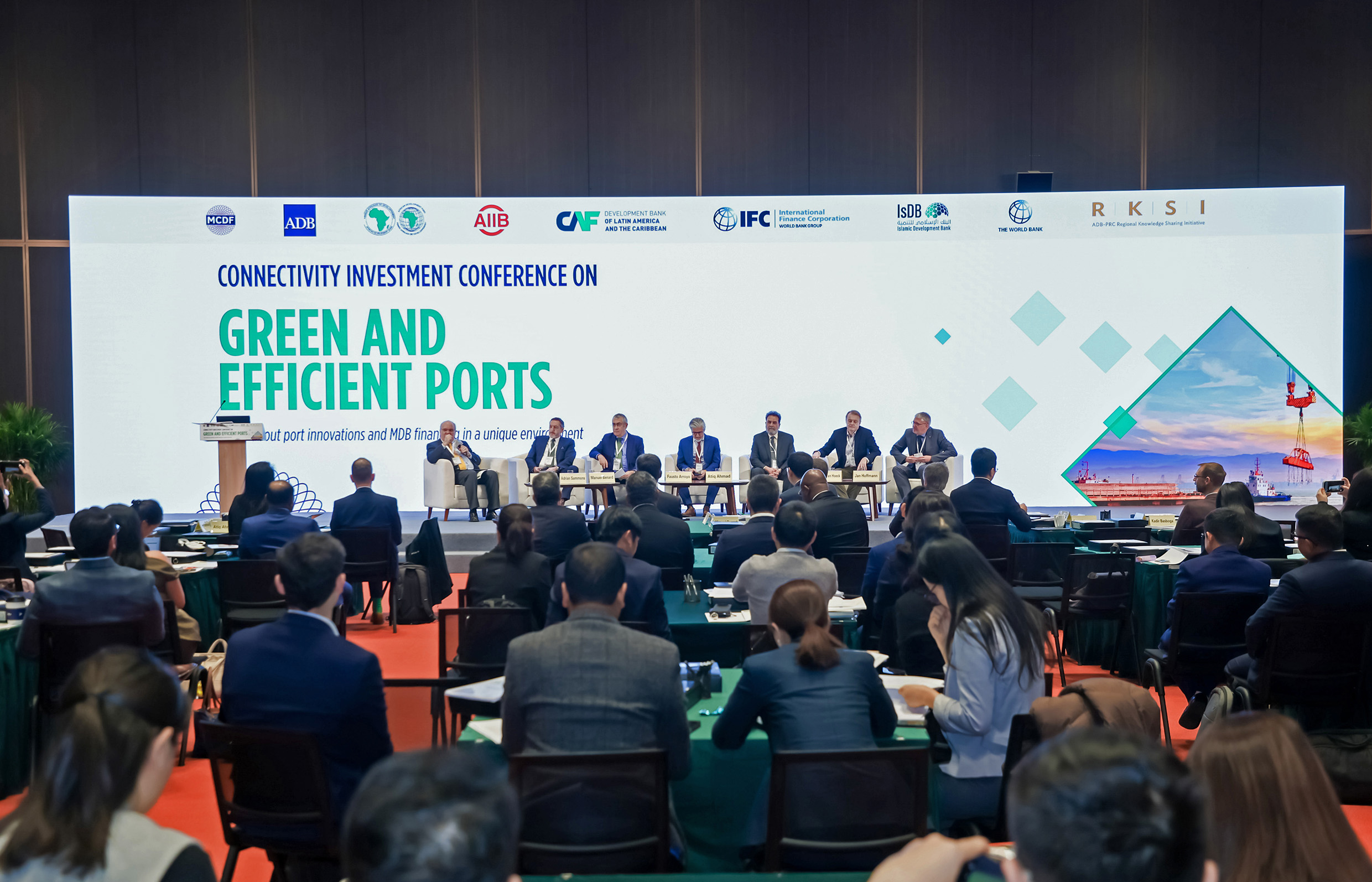
MCDF Connectivity Investment Conference on Green and Efficient Ports

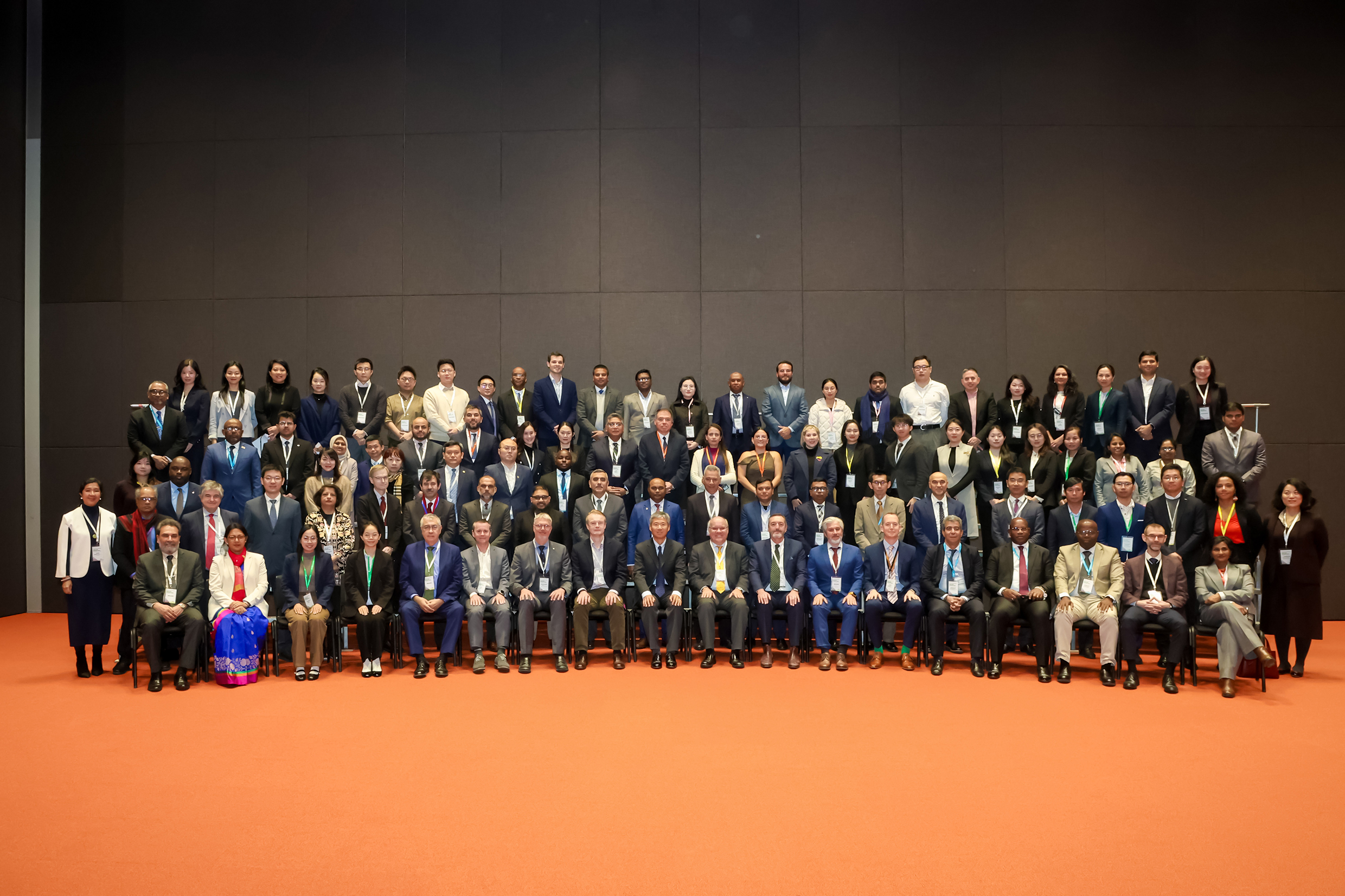
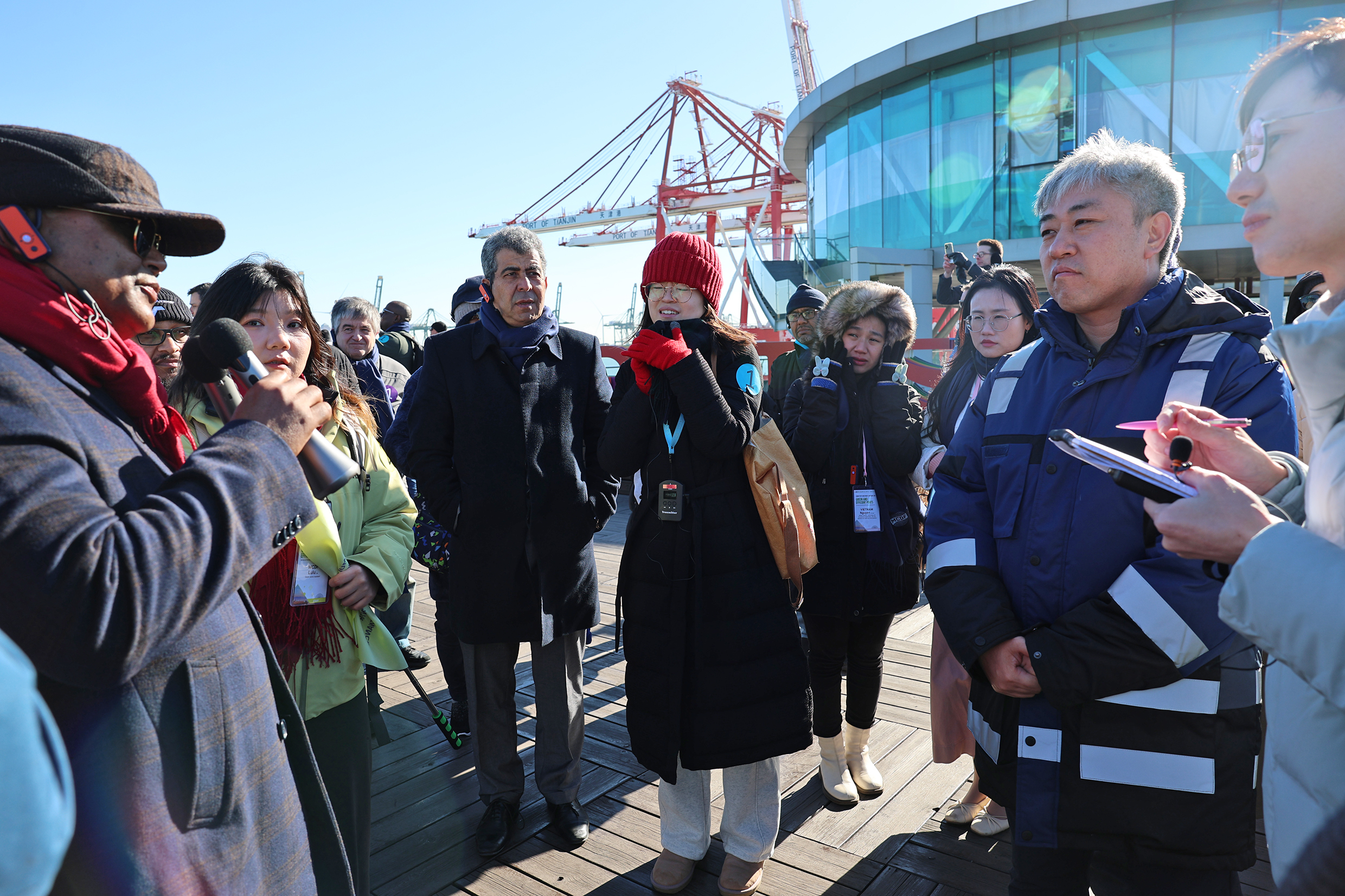
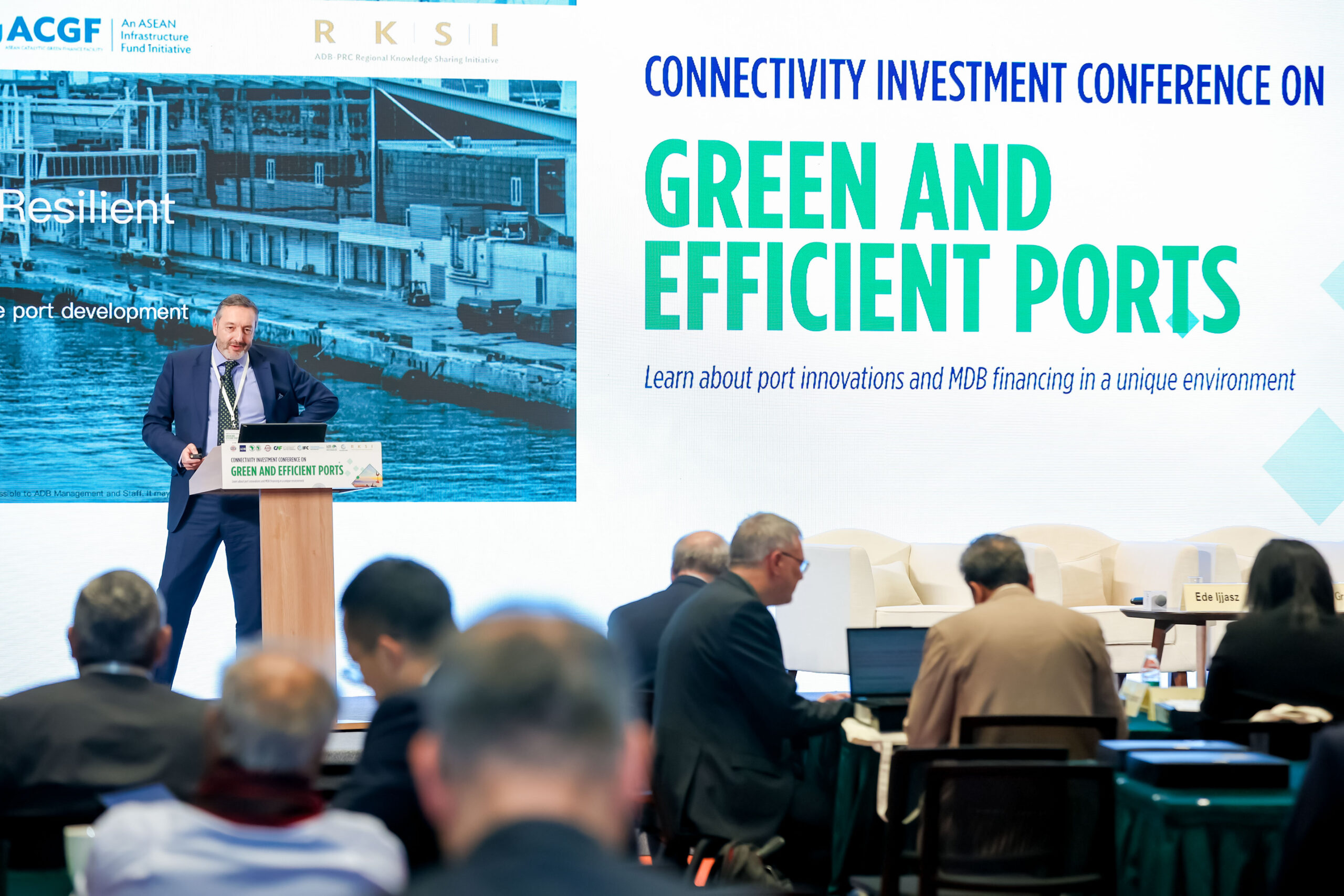
The conference organized in Beijing on 3-5 December 2025, aims to explore port sector trends, case studies, lessons learned, and cutting-edge solutions to pressing challenges in the areas of sustainability, digital transformation, operational efficiency, and financing. Around 120 participants from 19 developing countries engaged in active discussions, presented challenges in green port standards, digitalization, and legislation they have been addressing and received practical feedback.

RKSI supported representatives from ADB introduced the Green Ports Toolkit Development, and shared the experiences from ADB’s Anhui Province Green Port and Shipping Demonstration Project.

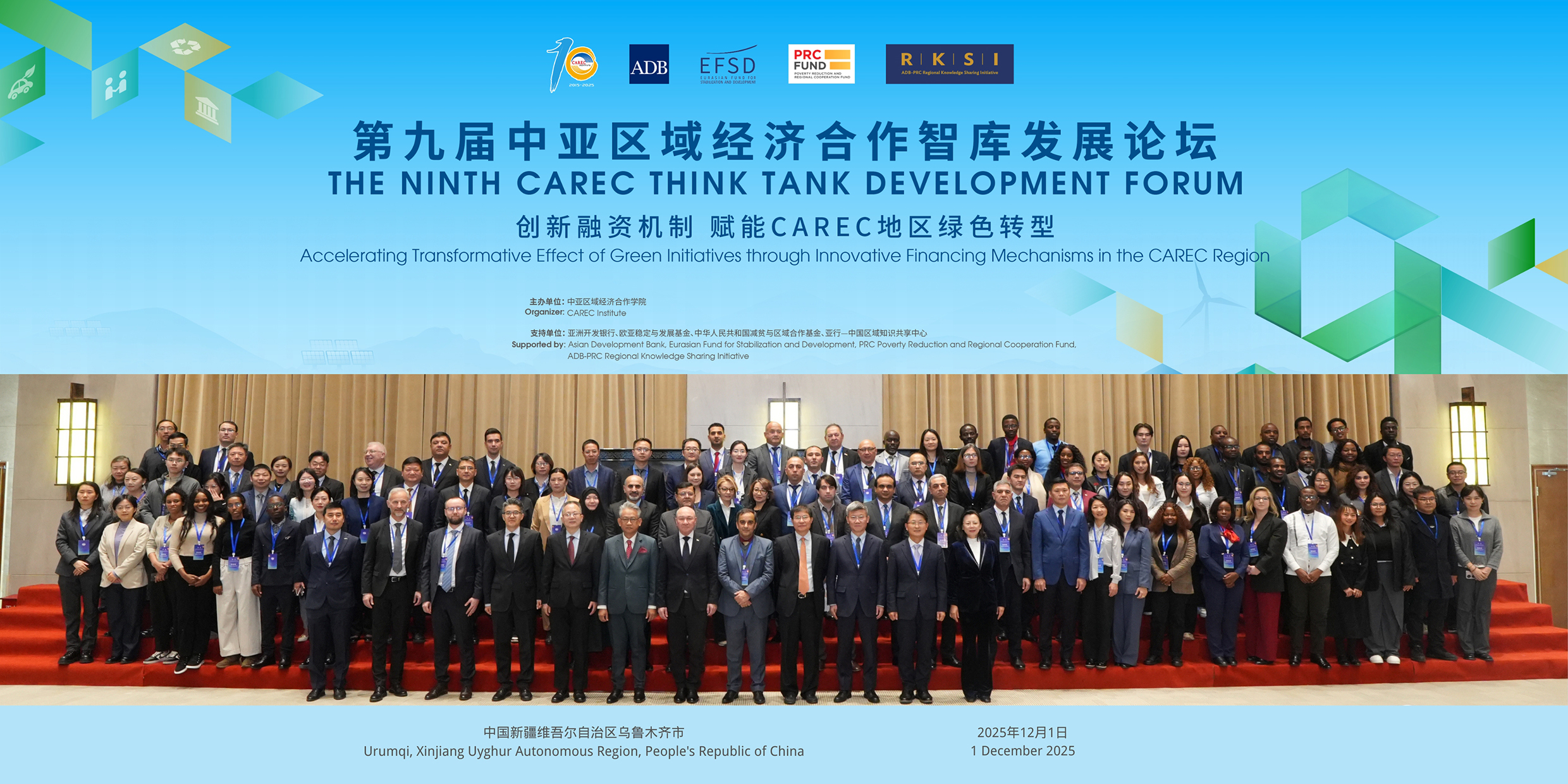
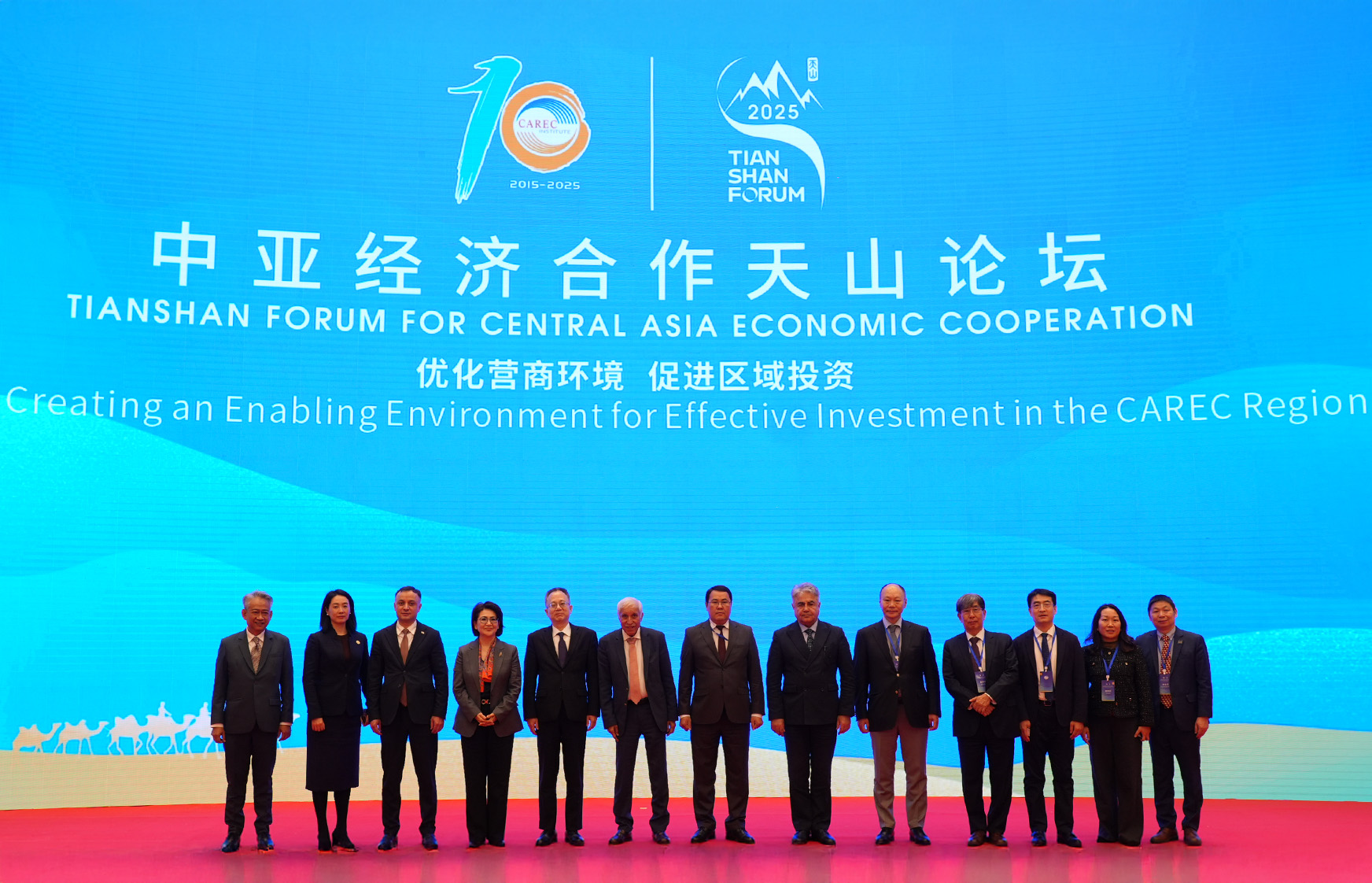
The 9th CAREC Think Tank Development Forum and Tianshan Forum on Central Asia Economic Cooperation

The 9th CAREC Think Tank Development Forum themed “Accelerating Transformative Effect of Green Initiatives through Innovative Financing Mechanisms in the CAREC Region,” it aims to foster meaningful policy dialogue, facilitate knowledge exchange, and advance the green transition in the CAREC region through innovative financing solutions. The forum featured key aspects of the green transition, including innovative financing models, green banking, sustainable lending practices, and climate finance. It brought together over 150 participants from government, international organizations, the private sector, think tanks, and academia. The experts shared diverse insights on how financial institutions can mobilize capital for sustainable development and highlighted the critical role of international donors in supporting climate finance.

The Tianshan Forum for Central Asia Economic Cooperation focused on “Unlocking Connectivity and Investment in Central Asia.” It is dedicated to catalyzing investment in the CAREC region by fostering policy dialogue, knowledge sharing, and strong stakeholder collaboration. Lan Fo’an, Minister of Finance of the PRC and Yingming Yang, Vice President of ADB delivered opening remarks. Aiming Zhou, Deputy Country Director of ADB PRC Resident Mission delivered keynote speeches. The forum brought together over 380 participants, including senior government officials, representatives of international organizations, financial institutions, and the private sector, and experts from think tanks and academic institutions.

The two events are organized in Urumqi on 1 December and 2-3 December 2025 respectively. 

Resilient Together: Strengthening the Caucasus and Central Asia Through Regional Cooperation

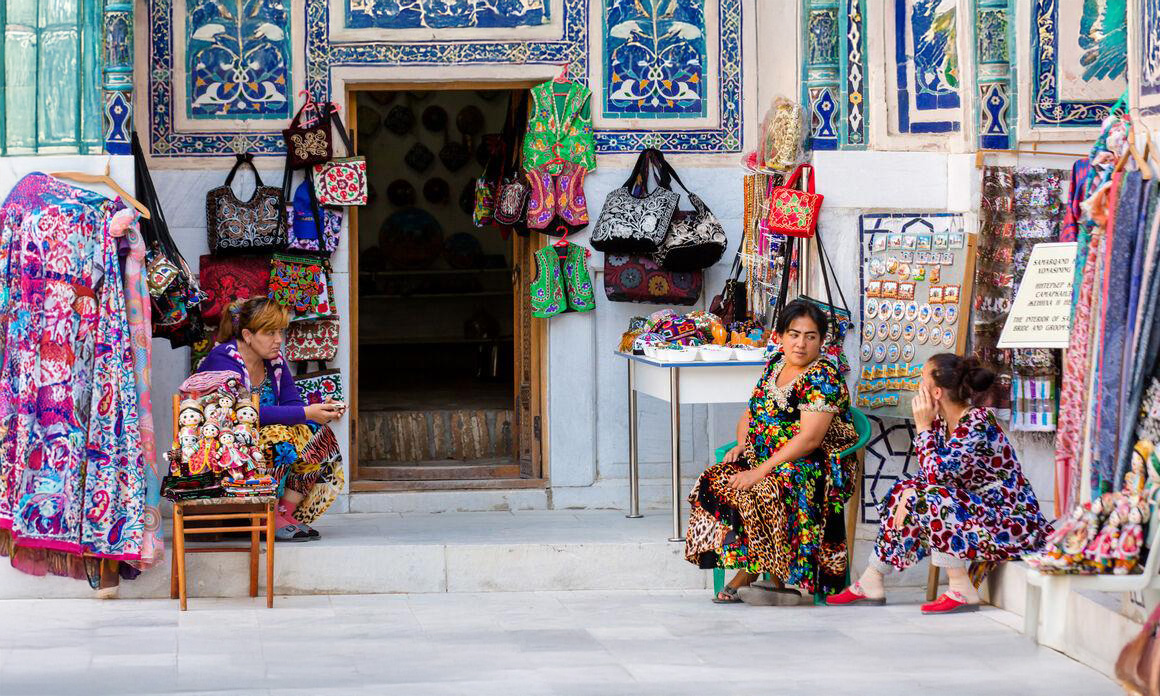
Modern transport corridors are transforming connectivity across the Caucasus and Central Asia, paving the way for stronger regional trade and economic resilience. Photo: ADB<

Key Takeaways

Despite heightened global uncertainty and persistent geopolitical tensions, the Caucasus and Central Asia have continued to surprise on the upside. Growth in the subregion, which includes Armenia, Azerbaijan, Georgia, Kazakhstan, Kyrgyz Republic, Tajikistan, Turkmenistan, and Uzbekistan, has averaged about 5.5% during 2022–24, exceeding expectations and outpacing most emerging markets. This strong growth momentum has been fueled by robust domestic demand, buoyant remittances, spillovers from trade diversion in recent years, and high commodity prices—particularly for hydrocarbons and gold.

But this strength has also brought risks: most economies are now operating above potential (Figure 1), inflation remains elevated, and rapid credit expansion is adding to demand pressures—clear signs of overheating and limited room for policy maneuver. This highlights both the strength of the subregion’s rebound and the limits of its current growth model. 

The challenge now is to sustain this progress—and that will not be easy. Fiscal buffers are narrowing as infrastructure and social spending rise, while strong credit growth and still-high import demand are straining external balances. At the same time, weaker global demand and ongoing fragmentation are reshaping trade and investment flows.

Despite recent gains, the subregion remains only partially connected to global and regional markets. Intraregional trade still accounts for less than 5% of subregional GDP (Figure 2), and persistent gaps in infrastructure, logistics, and regulatory alignment continue to constrain competitiveness.

To turn today’s gains into lasting prosperity, countries will need to pivot from demand-driven to productivity-led growth—accelerating reforms that strengthen governance, boost private investment, and deepen economic and financial integration. These reforms, anchored in stronger regional cooperation and sound domestic policies, will form the two pillars of sustained resilience and opportunity for the decade ahead.

Regional Integration and Domestic Policies

Resilience in the Caucasus and Central Asia rests on two mutually reinforcing pillars—deeper regional cooperation and integration and sound domestic macroeconomic and structural policies.

Deeper regional integration offers one of the most powerful avenues for sustaining growth and resilience. Stronger links in trade, transport, finance, and energy can help countries diversify markets, attract investment, and cushion external shocks. The potential is significant: intraregional trade, though increasing in recent years, remains modest compared with other emerging regions. Removing barriers—such as weak infrastructure, regulatory fragmentation, and limited institutional capacity—would generate large efficiency and resilience gains. 

Collective investments in regional public goods, including modern transport corridors, cross-border energy and payment systems, harmonized standards, and digital connectivity, would raise competitiveness and expand the subregion’s collective capacity to respond to shocks.

But integration alone is not enough—it must be underpinned by strong domestic policies and structural reforms. Countries need credible medium-term fiscal frameworks, independent monetary and financial institutions, and sound governance to maintain stability and investor confidence. 

Structural reforms should focus on boosting productivity and diversifying production toward higher value-added goods and services, improving firms’ ability to participate in and move up global value chains. Policies that enhance innovation, upgrade skills, and improve infrastructure and logistics will be key to raising competitiveness and attracting investment. With these foundations in place, regional integration can become a lasting source of inclusive and sustainable growth.

A New Era for Regional Cooperation

Regional cooperation in the Caucasus and Central Aisa is gaining new momentum. Once driven largely by external partners, integration is now increasingly championed by the countries themselves. Intraregional nonenergy trade more than doubled between 2017 and 2023, while landmark projects such as the People’s Republic of China (PRC)–Kyrgyz Republic–Uzbekistan railway and new cross-border water-sharing agreements are advancing. 

The “C5+1” platforms with major partners—which provide opportunities for interaction among the five Central Asian nations and partners including the United States, the European Union, Japan, and PRC—have deepened dialogue and coordination, giving the subregion a more unified voice in global forums. These developments mark a shift from discussion to delivery, though progress remains uneven and require sustained political and institutional commitment.

Turning this momentum into lasting economic transformation will require strong institutional anchors and well-functioning regional platforms. Initiatives such as the Central Asia Regional Economic Cooperation (CAREC) program can help translate dialogue into tangible outcomes—facilitating investment, harmonizing standards, and fostering cross-border knowledge sharing. Development partners can play an important complementary role by providing financing, technical assistance, and serving as trusted conveners for sustained policy coordination.

Empirical analysis underscores the large untapped potential of integration. According to the International Monetary Fund’s gravity-model estimates, Caucasus and Central Asian countries trade between 15% and 20% below their potential, and intraregional trade remains roughly 14% below what fundamentals would predict. The subregion’s export basket also remains heavily concentrated in low-value commodities, with limited participation in global value chains. 

Yet, the payoff from reforms could be substantial: closing just one-fifth of the policy and infrastructure gaps with advanced economies could raise exports by 60–80% and GDP by 6–10 percentage points over the course of five to seven years—with the effects more pronounced in landlocked countries. 

To realize this promise, the next phase of cooperation must focus on deepening trade facilitation, reducing non-tariff barriers, upgrading infrastructure, and aligning regulations. Equally important, domestic reforms are needed to enhance competitiveness—by improving the business climate, investing in innovation, and supporting higher-value production that can move Caucasus and Central Asian economies up the global value chain. Regional initiatives on logistics corridors, digital connectivity, and energy networks can then amplify these domestic efforts, turning geography into an asset rather than a constraint.

For the Caucasus and Central Asia, regional cooperation is not optional—it is essential. Sound macroeconomic management must go hand-in-hand with integration to sustain growth, preserve stability, and build resilience. In a world of recurring disruptions—from frequent extreme weather events and disasters to global fragmentation—collective action offers the most effective path to shared prosperity. By coupling credible domestic reforms with a new era of regional connectivity, Caucasus and Central Asian countries can transform today’s momentum into tomorrow’s opportunity.
Picture of Yingming Yang

Yingming Yang

Vice-President (South, Central and West Asia), ADB

Picture of Bo Li

Bo Li

Deputy Managing Director, International Monetary Fund

Reproduced from ADB.org

© 2026 Regional Knowledge Sharing Initiative. The views expressed on this website are those of the authors and presenters and do not necessarily reflect the views and policies of the Asian Development Bank (ADB), its Board of Governors, or the governments they represent. ADB does not guarantee the accuracy of the data in any documents and materials posted on this website and accepts no responsibility for any consequence of their use. By making any designation of or reference to a particular territory or geographic area, or by using the term “country” in any documents posted on this website, ADB does not intend to make any judgments as to the legal or other status of any territory or area.