ADB, CWA Sign Deal to Improve Wastewater Management System in the PRC

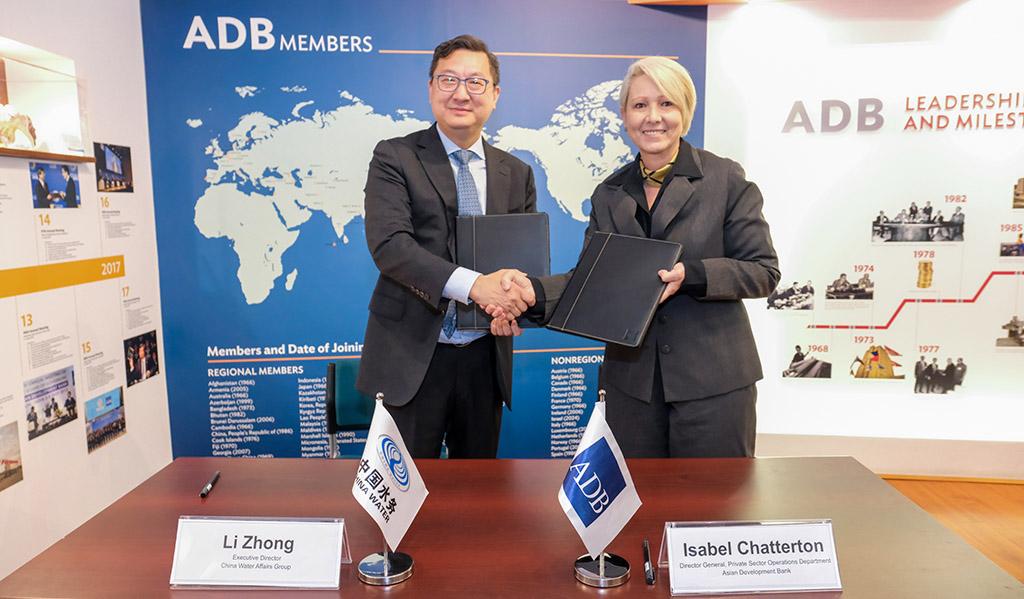
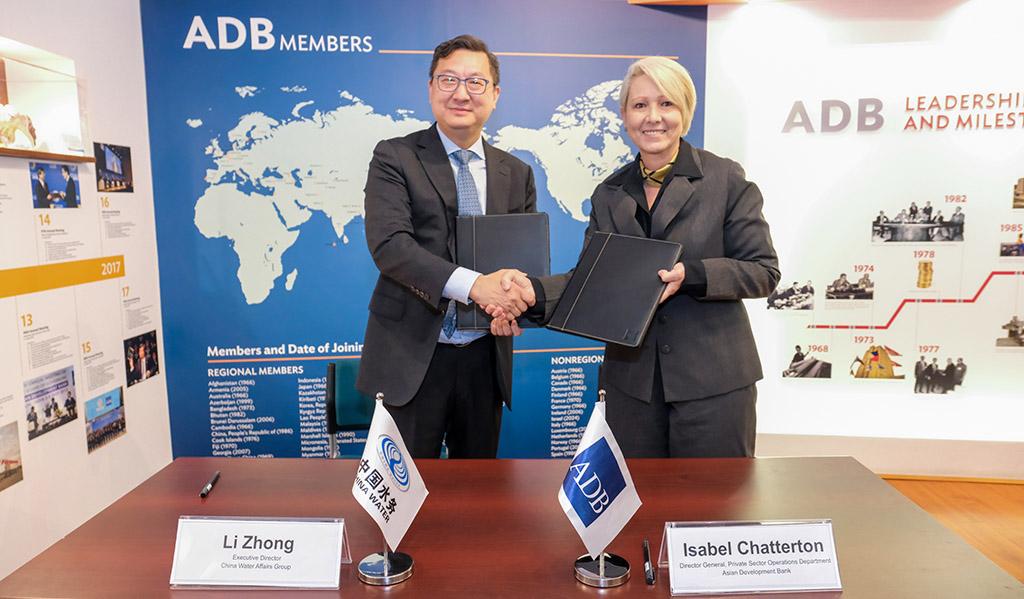
NINGXIANG, PEOPLE’S REPUBLIC OF CHINA (18 December 2025) — The Asian Development Bank (ADB) and China Water Affairs Group Limited (CWA) have signed a $150 million (in Chinese yuan equivalent) financing package to address land-based pollution stemming from the challenges of Ningxiang City’s wastewater management system and to improve water supply in lower-tier urban areas in the People’s Republic of China (PRC).

ADB provided a local currency offshore loan amounting to $100 million from ADB’s ordinary capital resources. As the Mandated Lead Arranger and Bookrunner, ADB also mobilized $50 million through New Development Bank to complement CWA’s long-term financing requirement.

The financing package will support the construction of a new 100,000-cubic-meters-per-day smart wastewater treatment plant, including the related network infrastructure, and the rehabilitation of an existing 50,000-cubic-meters-per-day wastewater treatment plant in Ningxiang City. It will also fund the rehabilitation of aging water supply pipelines to improve services across tier 3–5 cities within CWA’s existing concession areas in the PRC.

“ADB plays a key role in bridging the market gap for offshore local currency funding by providing a long-term financing package that is limited in the market yet critical for strengthening funding structures,” said ADB Country Director for the PRC Asif S. Cheema. “This project will also support the country in addressing industry challenges caused by aging infrastructure amid rapid urbanization.”

The project will help the Ningxiang public-private partnership initiative, a high-priority project of the Hunan provincial government to protect Dongting Lake—the PRC’s second-largest freshwater lake and a Ramsar-designated wetland critical for flood regulation and biodiversity conservation. It complements other flagship ADB initiatives in the PRC focused on wetland protection and restoration of fragile ecosystems, such as the Action Plan for Healthy Oceans and Sustainable Blue Economies, the Yangtze River Economic Belt Program, and the Regional Flyway Initiative.

“This deal aims to show the feasibility of creating a ‘one-city’ integrated water ecosystem by connecting tap water, sewage, and drainage systems,” said CWA Chairman Duan Chuan Liang. “Coupled with the use of enhanced biological treatment processes and technology, it will improve operational efficiencies across the water value chain, reduce carbon emissions, and showcase the benefits of integrated solutions in providing clean and sustainable water supply in the areas we serve.”

CWA is one of the largest privately owned water supply operators in the PRC and is listed on the Hong Kong Stock Exchange. It specializes in urban-rural water supply, pipeline direct drinking water, sewage treatment, drainage, water environmental renovation, and related services. It serves 25 provincial-level administrative regions in the country with an estimated population of more than 30 million.

ADB is a leading multilateral development bank supporting inclusive, resilient, and sustainable growth across Asia and the Pacific. Working with its members and partners to solve complex challenges together, ADB harnesses innovative financial tools and strategic partnerships to transform lives, build quality infrastructure, and safeguard our planet. Founded in 1966, ADB is owned by 69 members—50 from the region.

Reproduced from ADB.org

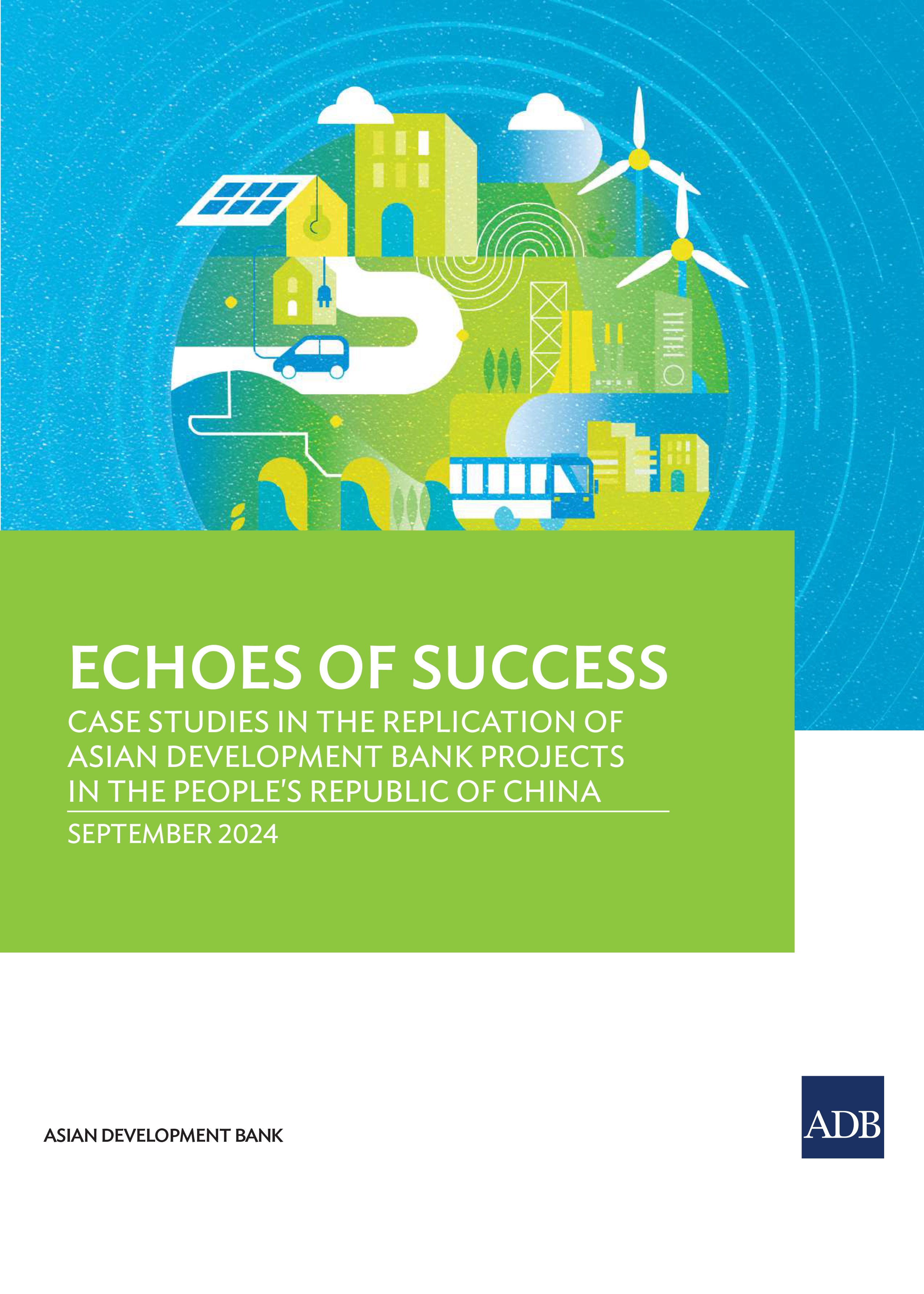
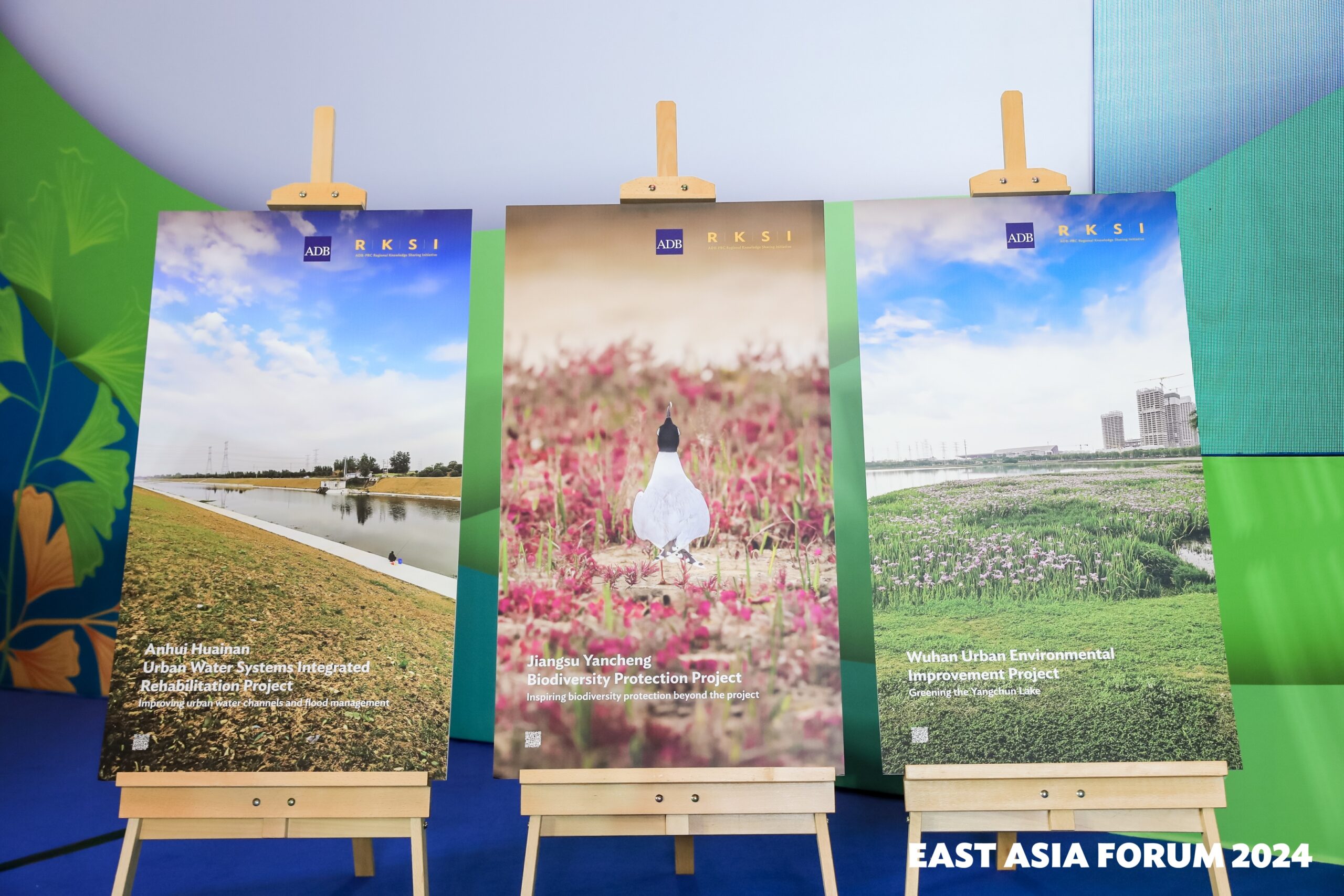
Echoes of Success: Case Studies in the Replication of Asian Development Bank Projects in the People’s Republic of China

Joint CAREC-PRC and Second ASEAN-PRC Digital Economy Workshop: Empowering Digital Future

The global economy is rapidly changing, driven by emerging technologies that promote resource efficiency, inclusivity, and environmental sustainability. Digital technologies play a crucial role in this transformation, offering solutions to challenges like poverty, healthcare, job creation, and environmental protection. The COVID-19 pandemic has accelerated the adoption of digital tools, demonstrating their potential to connect people and businesses even in crises.

The CAREC region, however, faces significant challenges in harnessing the benefits of the digital economy due to inadequate digital infrastructure and unclear regulations. To address these issues, the CAREC Secretariat, supported by the Asian Development Bank (ADB) and partnering with the CAREC Institute and UNESCAP, developed the CAREC Digital Strategy 2030. This strategy serves as a roadmap for accelerating digital transformation and unlocking the region’s potential.

The CAREC Institute, with support from ADB and other organizations, has conducted research and engaged policymakers in dialogues on digitalization. Recognizing the importance of digital economy, the People’s Republic of China has made significant strides, with its digital economy value reaching 6.5 trillion US dollars by 2021.

To further promote digital economy in the CAREC region, the CAREC Institute will collaborate with ADB, the CAREC Secretariat, and Chinese government entities to launch a capacity building program aimed at enhancing digital economy cooperation and promoting digital connectivity. This initiative aligns with the CAREC Digital Strategy’s vision and mission, seeking to equip member countries with the necessary tools and knowledge to realize the full potential of the digital economy for inclusive economic growth, social well-being, and enhanced regional competitiveness.

Agenda

20 May (Monday)
MorningOpening Ceremony
  • Zhoushan Jianghong, Vice President of Zhejiang University
  • Kabir Jurazoda, Director, CAREC Institute (Online)
  • Shuzhong Ma, Dean and Distinguished Qiu Shi Professor of the China Academy of Digital Trade at Zhejiang University

Moderator: Gong Sen, Director, Center for International Studies on Development and Governance (CiSDG), Zhejiang University
CAREC Digital Strategy 2030 (Online)
Dorothea Lazaro, Senior Regional Cooperation Specialist, ADB Central and West Asia Department

CAREC Digital Economy Development: challenges and policy recommendations
Rovshan Mahmudov, Senior Capacity Building Specialist, CAREC Institute
AfternoonPractice and Pathway in China’s Development of Digital Economy
Yuezhou Cai, Director and Researcher of the Digital Economy Research Office, Institute of Quantitative & Technical Economics at Chinese Academy of Social Sciences
NightIce-breaking:

  • Participants will introduce themselves, express their expectations on the Workshop and raise their questions concerning digital economy.
  • Participants will be grouped, and each group will prepare for delivering a presentation on Day 12.
21 May (Tuesday)
MorningOn-site:
Zhejiang’s Information and Communication Infrastructure Construction
China Mobile (Zhejiang) Innovation Research Institute

China’s Information and Communication Infrastructure Construction: History and Experience
Jun Lei, Senior Project Expert and Senior Engineer of the Smart Home Operations Centre and Integrated Communication Systems Department of China Mobile Ltd
AfternoonThe Application of Metaverse Technology in the Digital Economy Era
Xuguang Zhang, President of the Zhejiang Association for Science, Technology and Innovation, Distinguished Researcher of the Intelligent Education Research Centre at Zhejiang University
NightThe New Generation of Artificial Intelligence: from AlphaGo to ChatGPT
Fei Wu, Director and Qiu Shi Distinguished Professor of Institute of Artificial Intelligence at Zhejiang University
22 May (Wednesday)
MorningOn-site:
Evolution towards Intelligent Education Transformation
Xianghu Future School and Hailiang Limited Co., Ltd.
AfternoonOn-site:
Metaverse Technology, Digital Collectibles and Global Distribution of Digital Content
Zhejiang Zoland Animation Co., Ltd.
NightPractices, Experiences and Challenges in the Development of Digital Economy in Asian, CAREC and ASEAN Economies
Yoonee Jeong, Senior Digital Tech Specialist (Digital Infra & Economy), Climate Change and Sustainable Development Department (CCSD), ADB
23 May (Thursday)
MorningOn-site:
Cloud Computing: Current Landscape and Future Directions – From Emulation to Innovation
Alibaba Cloud Computing Co., Ltd. – Hangzhou Branch
AfternoonIntelligent Transformation of Manufacturing Industry
Wenge Liu, Dean and Professor of the School of International Economics and Politics at Liaoning University
24 May (Friday)
MorningOn-site:
3D+AI Tools for Propelling the Global Fashion Industry’s Digital and Innovative Evolution
Zhejiang Linctex Digital Technology Ltd.(Style3D)
AfternoonExemplary Cases of Intelligent System Design
Yongchuan Tang, Deputy Director of China Digital Creative Technology Equipment Innovation Industrial Alliance, Professor of the School of Computer Science and Technology at Zhejiang University
NightNetworking:
Global Digital Economic Cooperation, Digital Economic Development Opportunities and Digital Technology Solutions

(Arranged by the World Digital Economy Forum (WDEF), Hangzhou Digital Ecological Building and representative enterprises in the area of digital technology solutions)
25 May (Saturday)
DaytimeDigital Economy-focused Industry Tour to Shaoxing:
Enterprise Digital Transformation, Rural Livestream E-commerce and Traditional Culture
Zhejiang Toman Intelligent Technology Co., Ltd——Lunch——China Pearls and Jewelry International City——The China Shaoxing Wine Museum——Dinner
(Arranged by Shaoxing Council of China Council for the Promotion of International Trade (CCPIT), Shaoxing Chamber of International Commerce and representative enterprises in Shaoxing)
26 May (Sunday)
Off
27 May (Monday)
MorningDigitalization of Government Services for a Better Business Environment in China: A Case Study on the Reform Experience of Zhejiang Province
Wenting Wei, Private Sector Specialist, World Bank in China

The Construction Process of Digitalization of Government Services in Zhejiang
Yongsheng Shen, General Manager of Zhejiang Daily Digital Technology (Zhejiang) Co.,Ltd., General Manager of Hangzhou City Brain Co.,Ltd.
AfternoonOn-site:
Zhejiang’s Practice in Building a Digital Government: Hangzhou City Brain

Zhejiang’s Practice in Intelligent Industrial Transformation: Zhejiang Top Cloud-agri Technology Co., Ltd
28 May (Tuesday)
MorningSustainable Social Innovation and Governance of Digital Divide
Lijie Fang, Professor of the School of Social Research at the Renmin University of China
AfternoonConstructing Rules for an Opened Global Digital Economy System
Xianhai Huang, Changjiang Distinguished Professor and Vice President of Zhejiang University
NightNetworking:
Integration and Cooperation of Asian Civilisations in the Digital Age
(Arranged by Zhejiang University International Business School (ZIBS) and the International Campus of Zhejiang University)
29 May (Wednesday)
MorningFinancial Innovation in the Context of Digitalization – Micro Connect: The Wall Street for SMEs
Zhong Wu, Secretary-General of the Finance Center for South-South Cooperation, Senior Advisor of Micro Connect and Chairman of Hong Kong Oriental Patron Financial Group
AfternoonNetworking:
Global Trade of Cultural Goods and Services in the Digital Era
(Arranged by the 20th China International Cartoon & Animation Festival (CICAF), Zhejiang Digital Culture International Cooperation Zone and representative enterprises in the area of international cultural goods and services)
NightOn-site:
Digital Industry Investment and Live Streaming Economy
30 May (Thursday)
MorningOn-site:
Zhejiang’s Footprint in E-commerce: A Dive into the Corporate Ecosystem and Development Experiences
1688.com and Taobao of Alibaba Group
AfternoonDigital Transformation, Global FinTech Trends & Opportunities for Emerging Markets
Shenglin Ben, Dean and Professor of the International Business School, Director of the Fintech Research Institute at Zhejiang University
NightNetworking:
(Arranged by Zhejiang University International Business School (ZIBS), the International Campus of Zhejiang University and representative enterprises in Jiaxing)
31 May (Friday)
MorningExperiences and Practices in the Development of Digital Economy in CAREC and ASEAN Economies, Insights from the Workshop and Suggestions
Group Reports by the Workshop Participants
AfternoonConcluding Session and Commencement of the Workshop
Sen Gong, Director and Professor of the Centre for International Studies on Development and Governance at Zhejiang and Zhejiang University (CiSDG)
NightClosing Ceremony
  • Sen Gong, Director and Professor of the Centre for International Studies on Development and Governance at Zhejiang and Zhejiang University (CiSDG)
  • Akiko Terada-Hagiwara, Principal Country Specialist, East Asia Department, ADB
  • Kuat Akizhanov, Deputy Director Two, CAREC Institute ASEAN Secretariat
1 June (Saturday)
DaytimeDigital Economy-focused Industry Tour to Yiwu
  • Participants will explore the Zhejiang China Commodities City Group Co., Ltd., and other digital economy infrastructure projects.
  • Participants will also explore the eWTP Public Service Platform and the integrated online-offline services of the China Goods digital trade platform to gain insights into the opportunities and challenges that Yiwu’s procurement and trade industry faces in the digital era.
2 June (Sunday)
Off

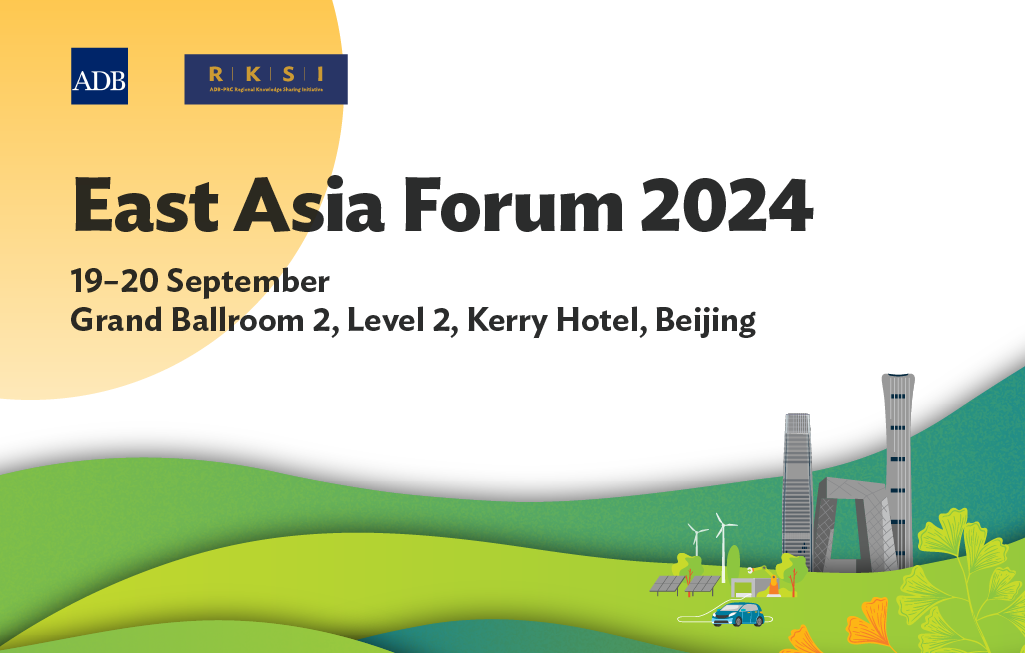
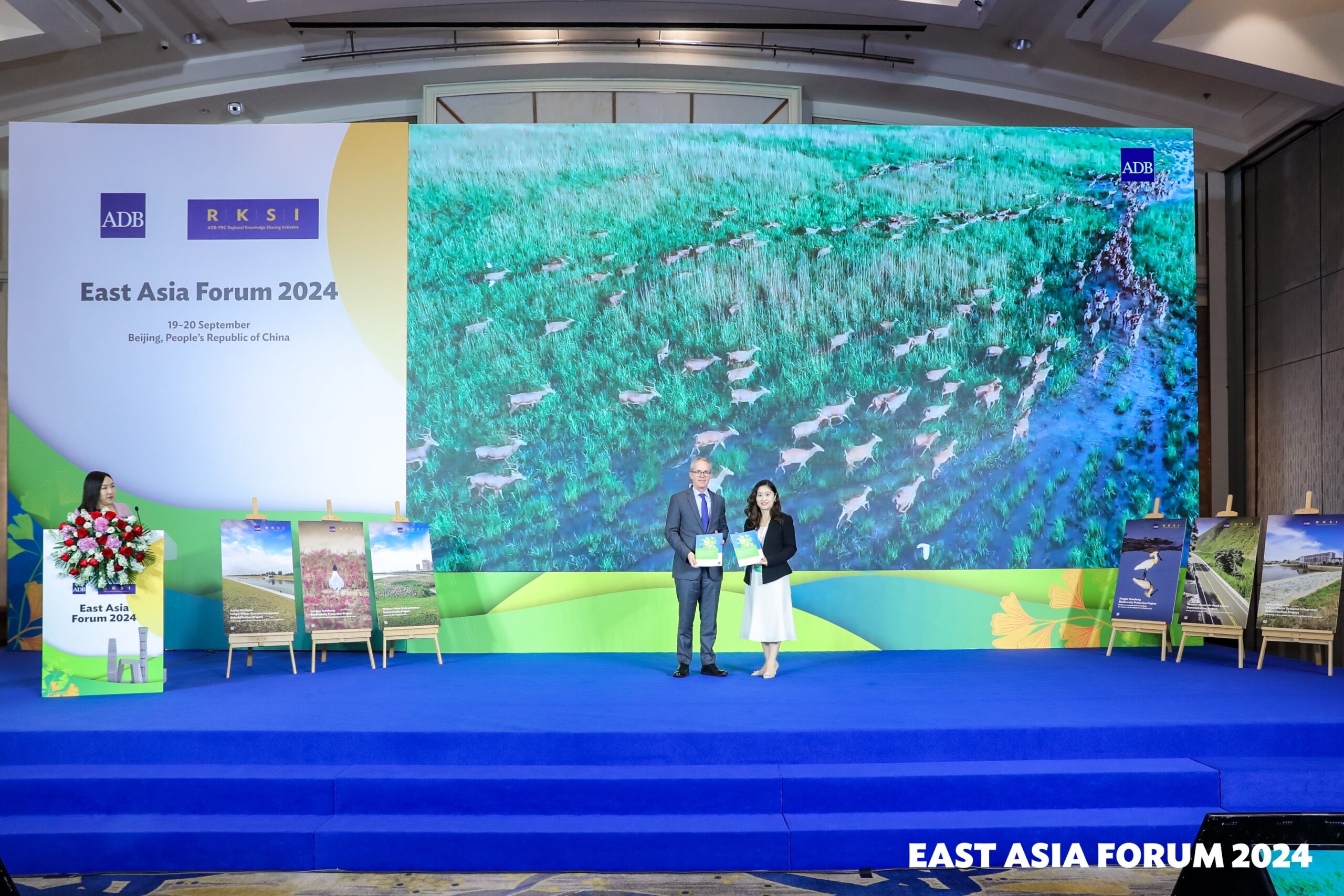
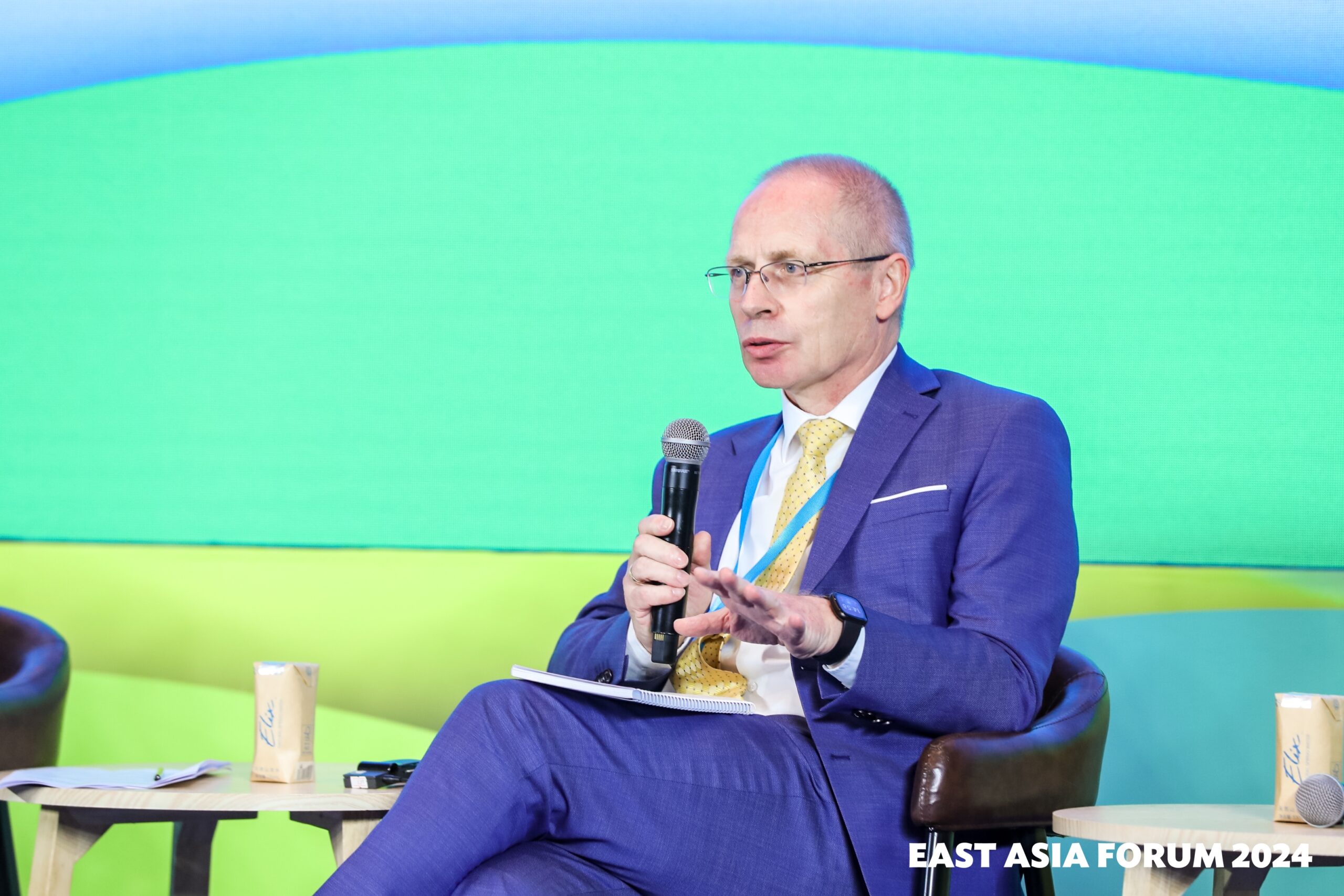
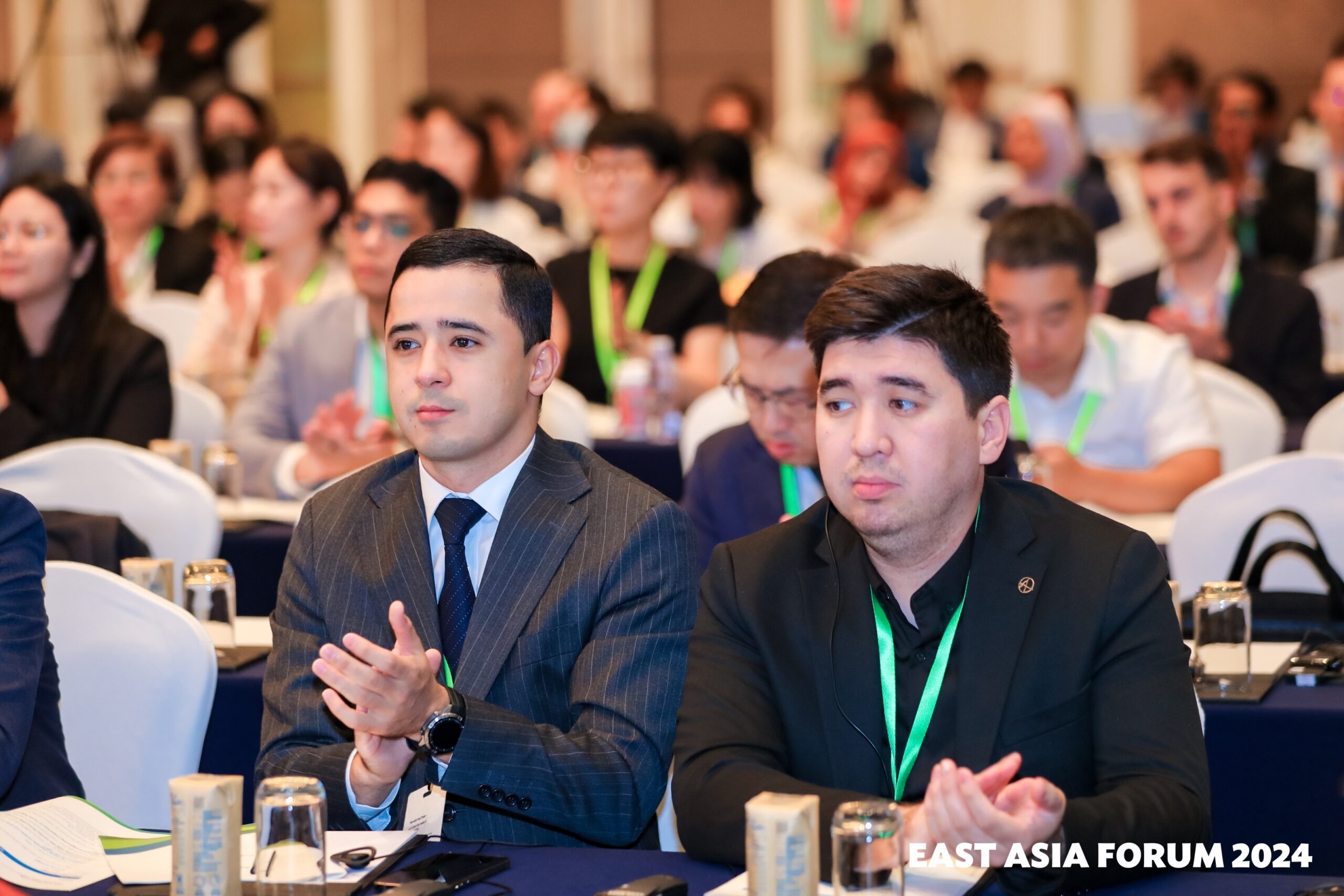
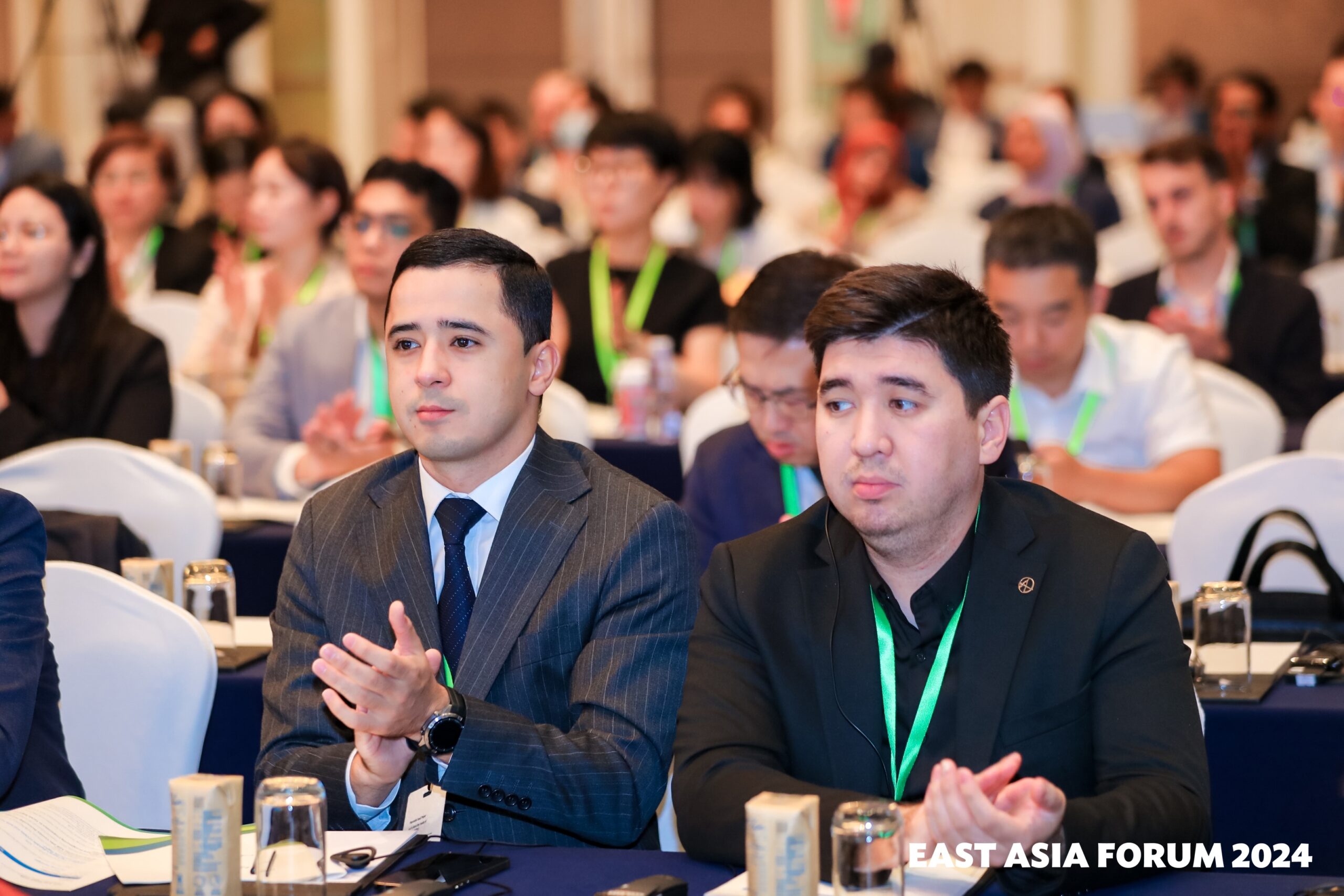
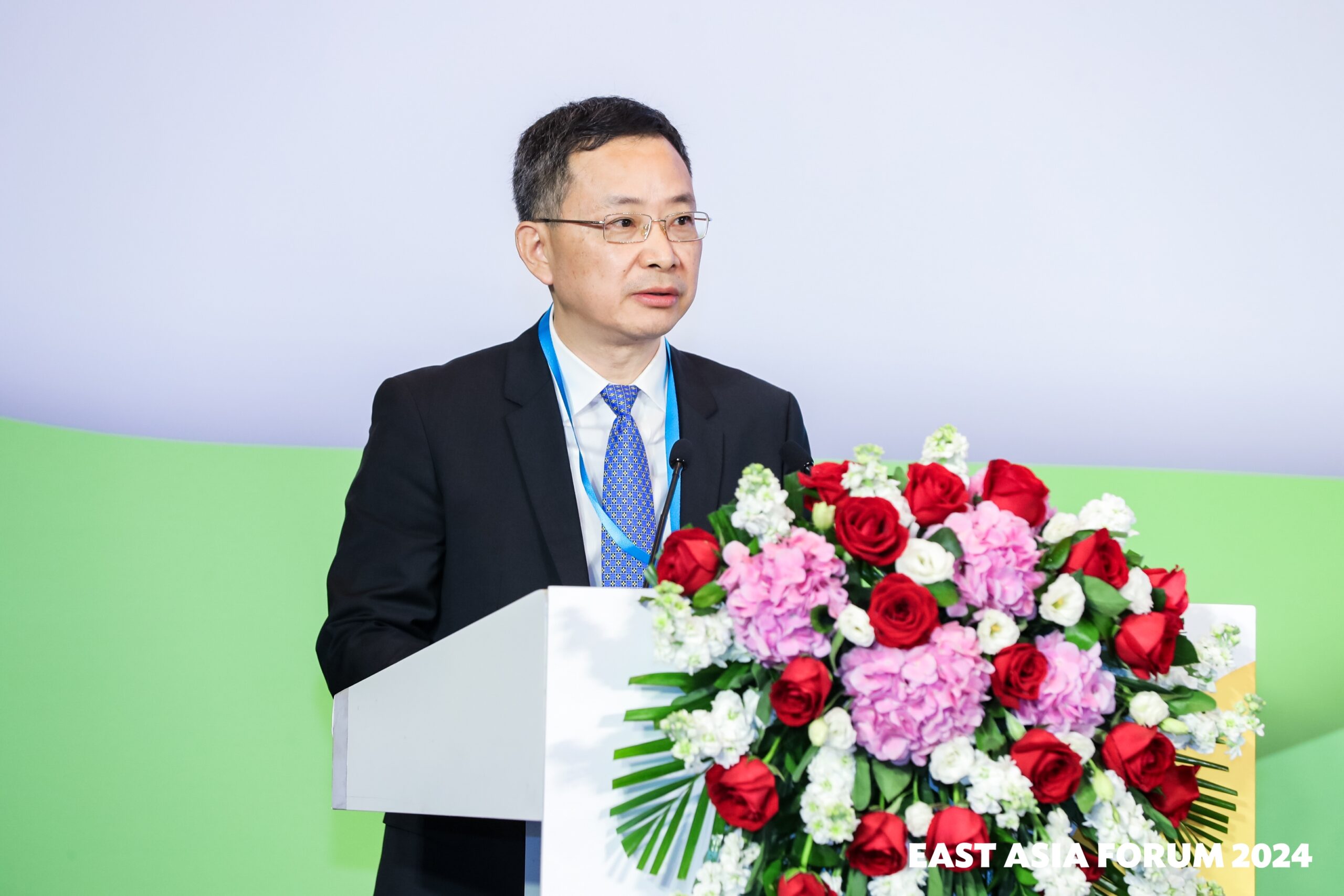
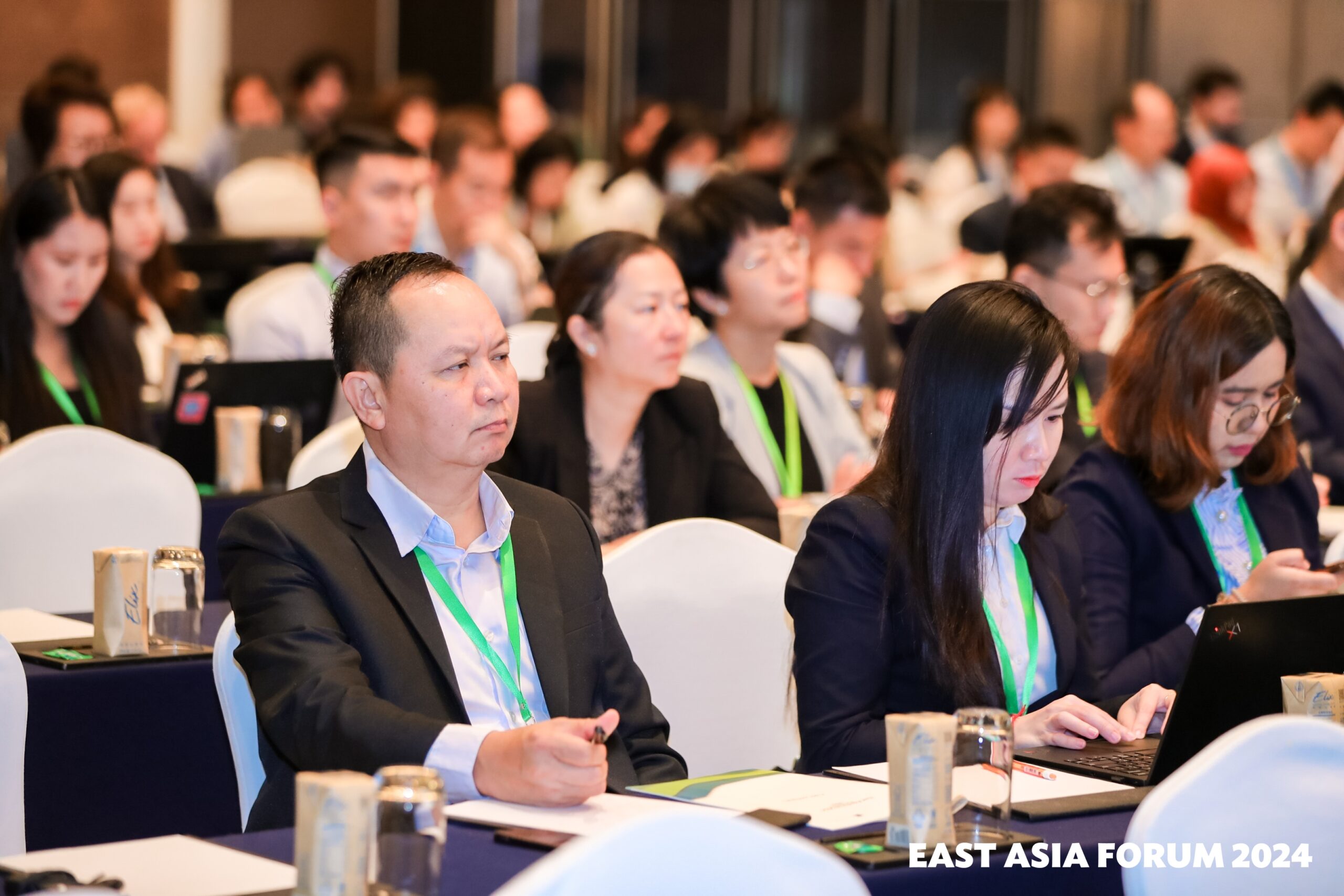
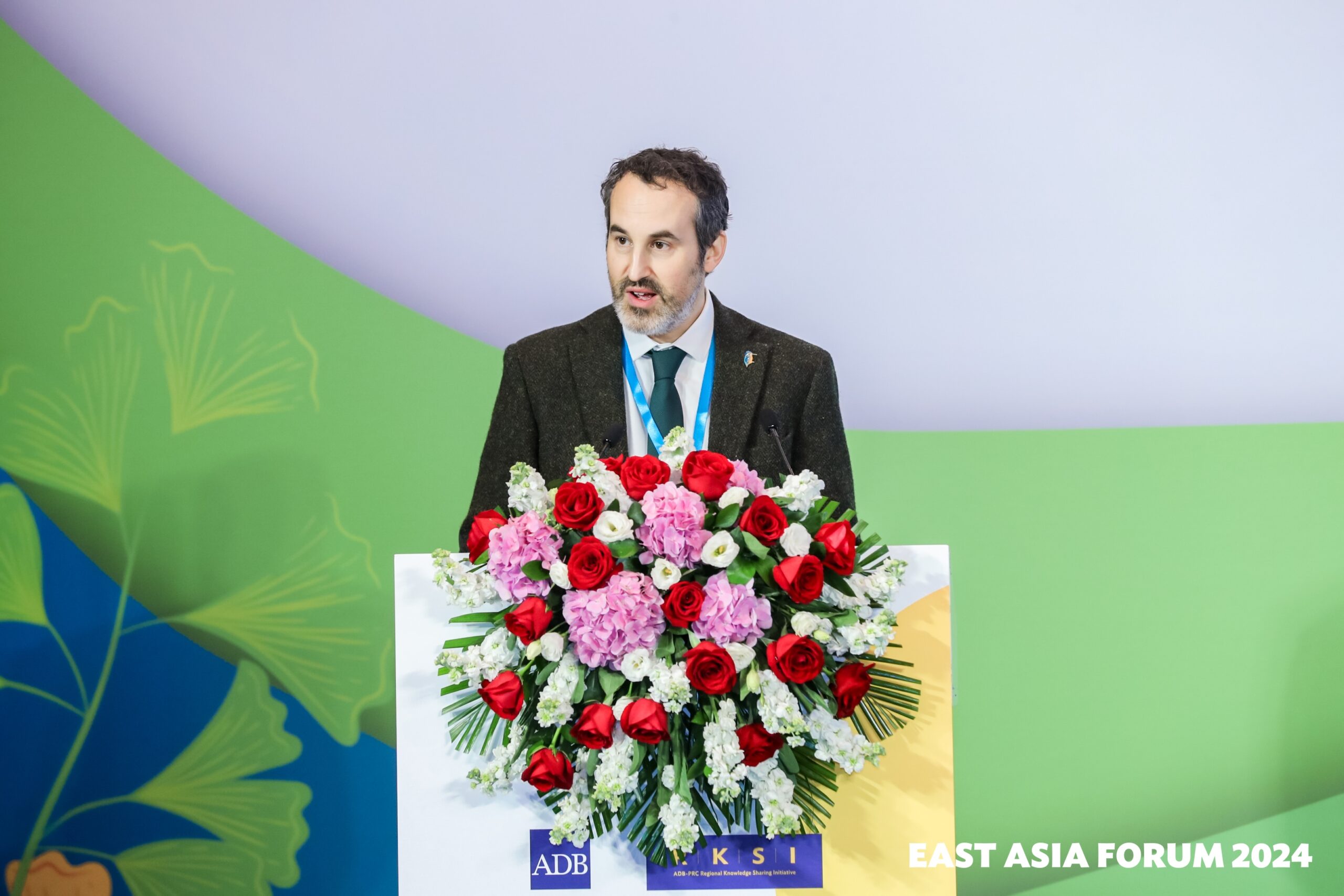
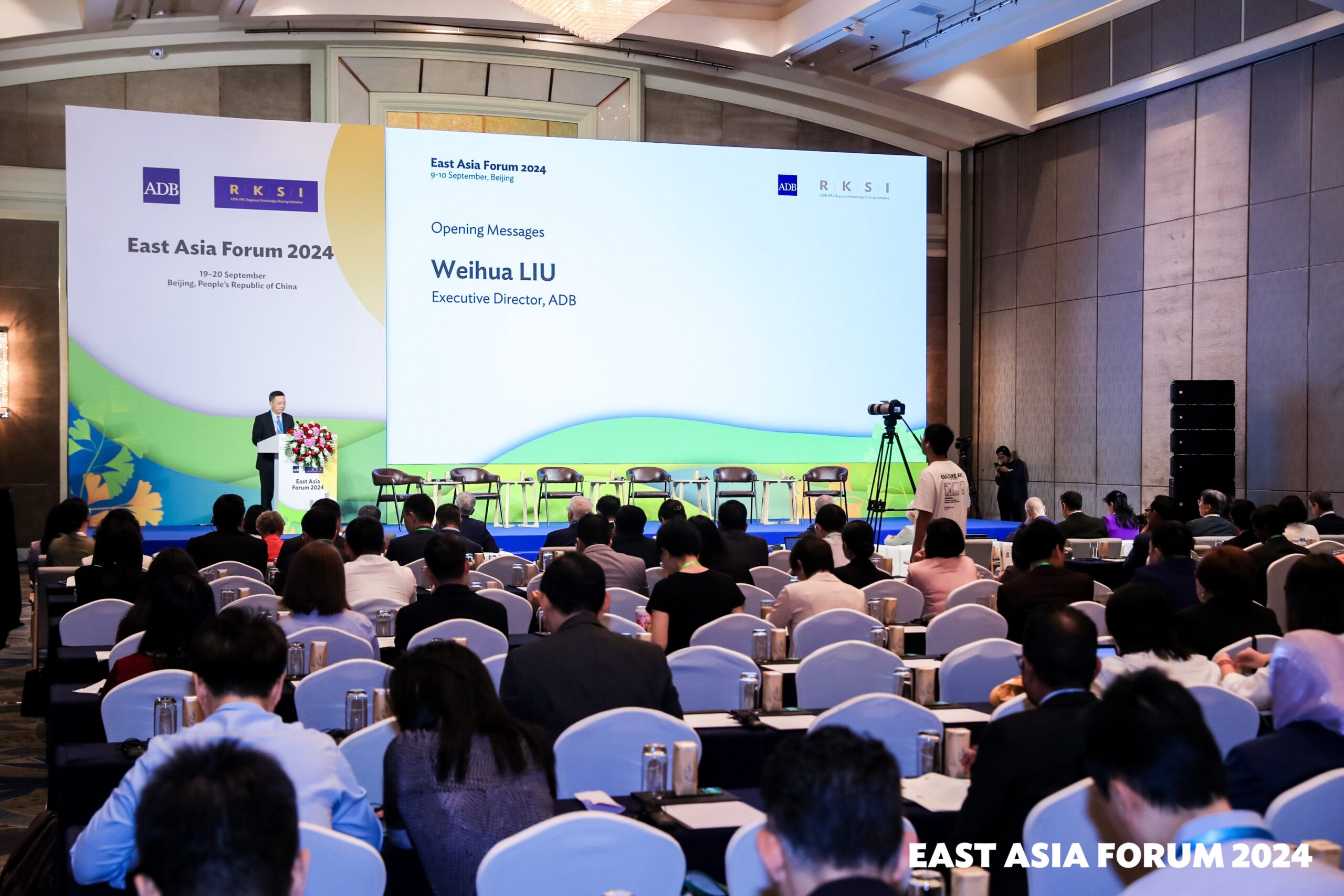
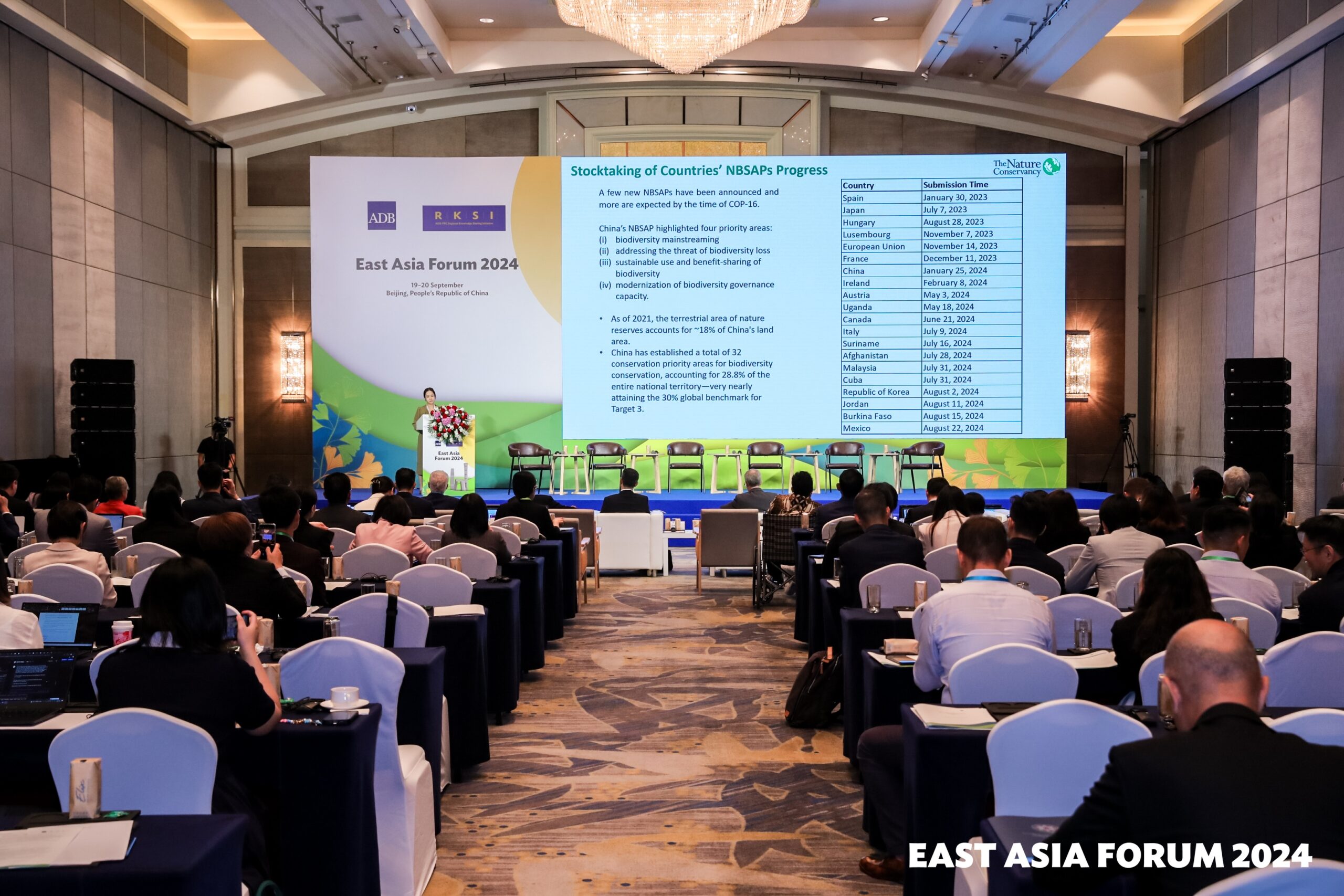
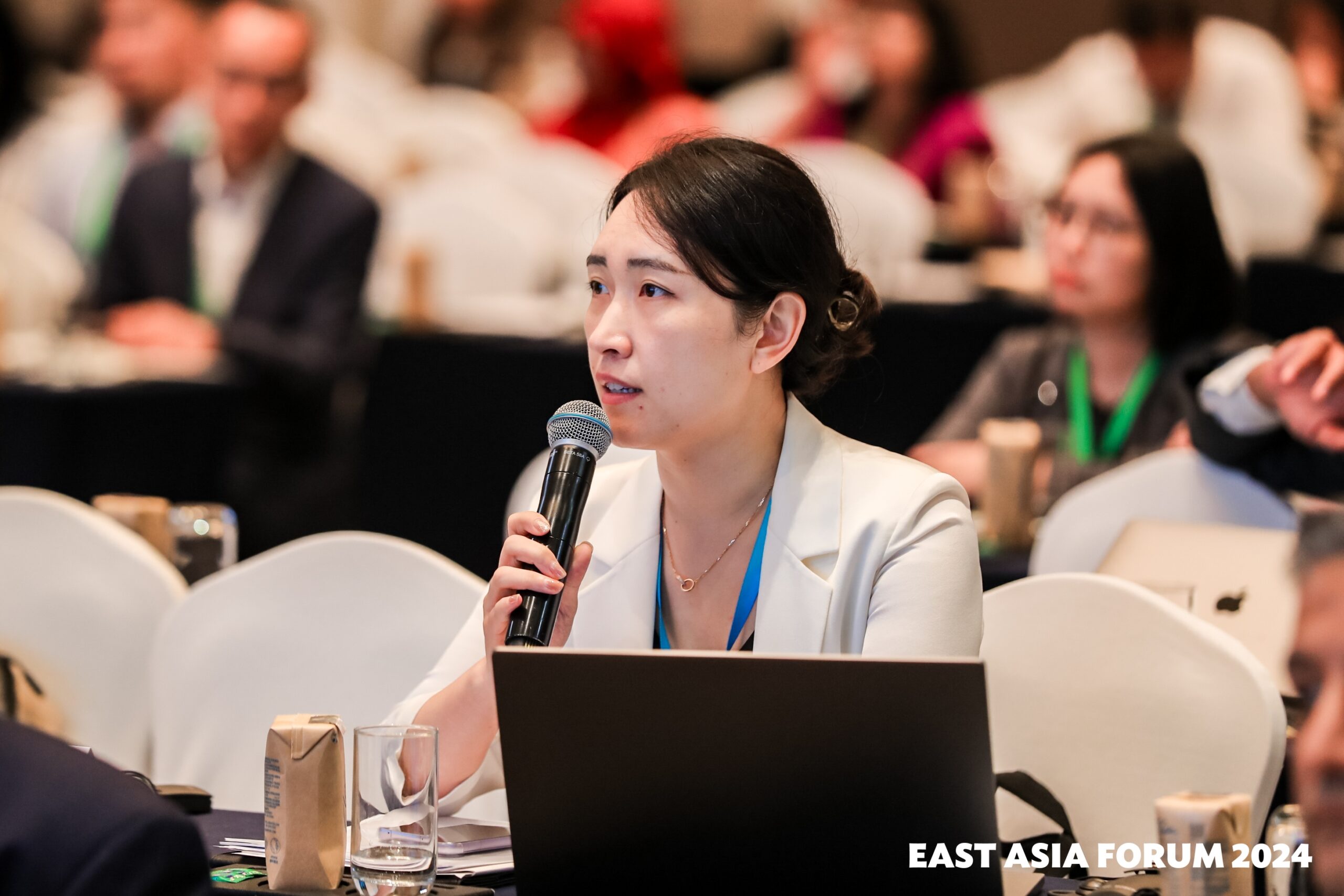
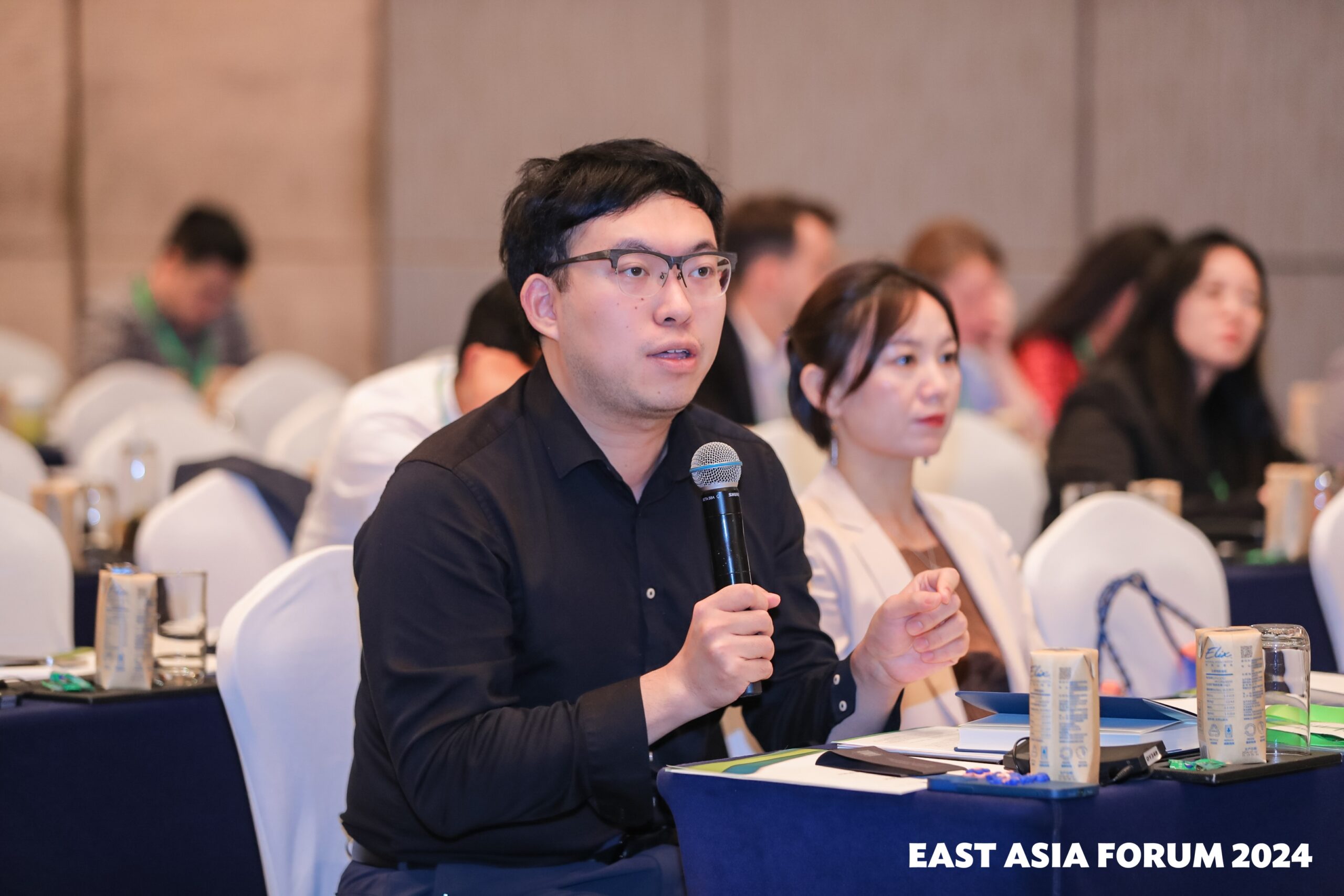
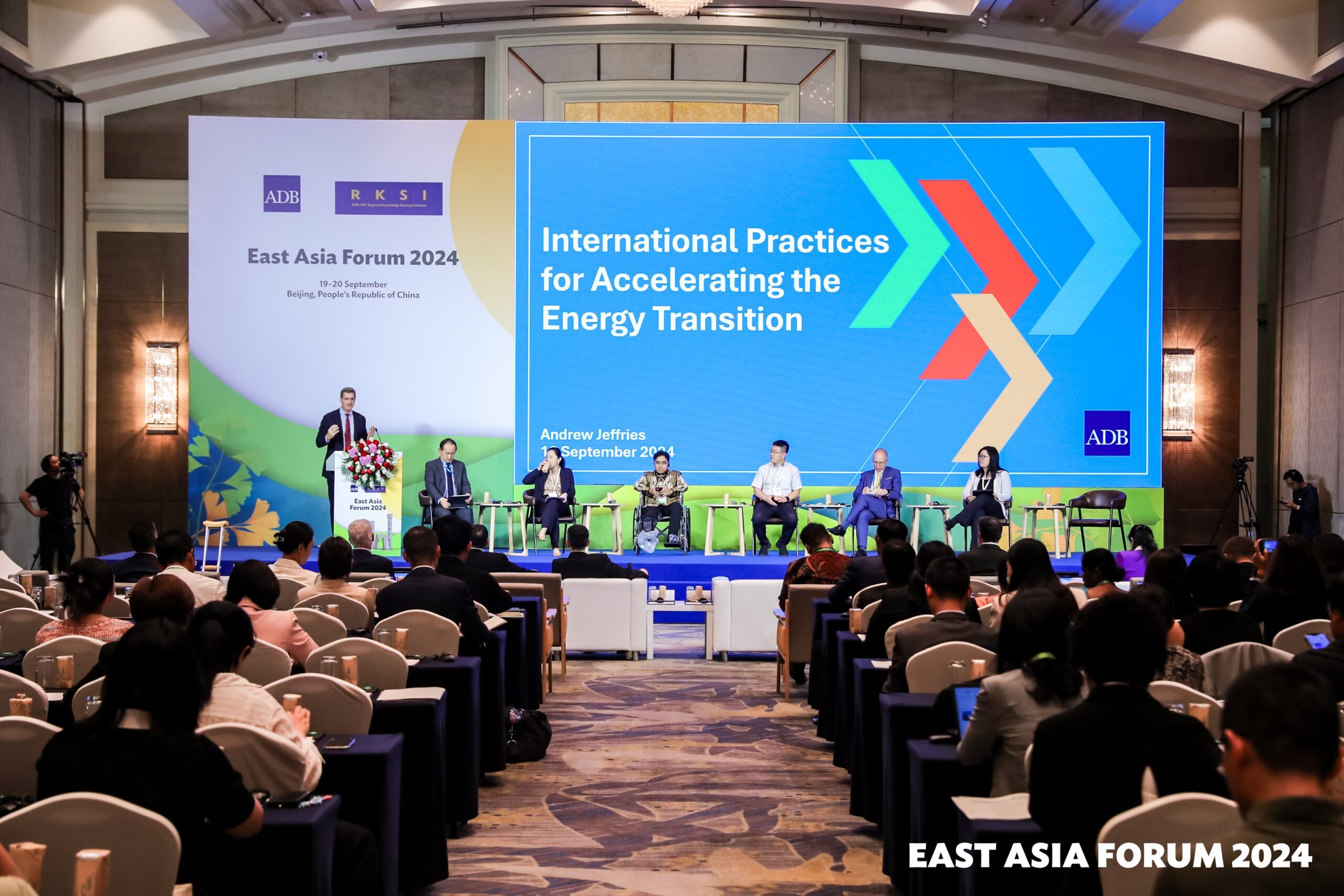
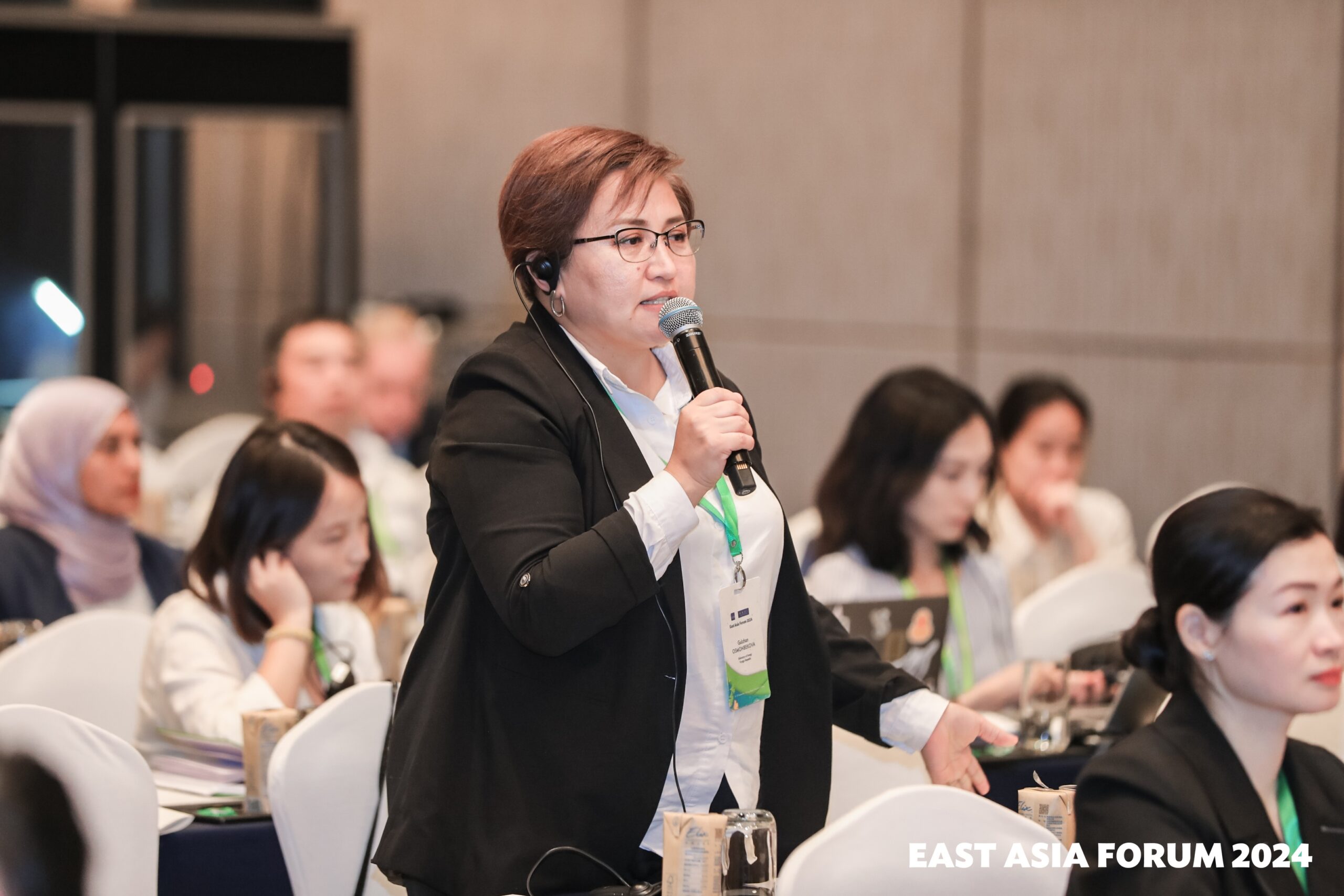
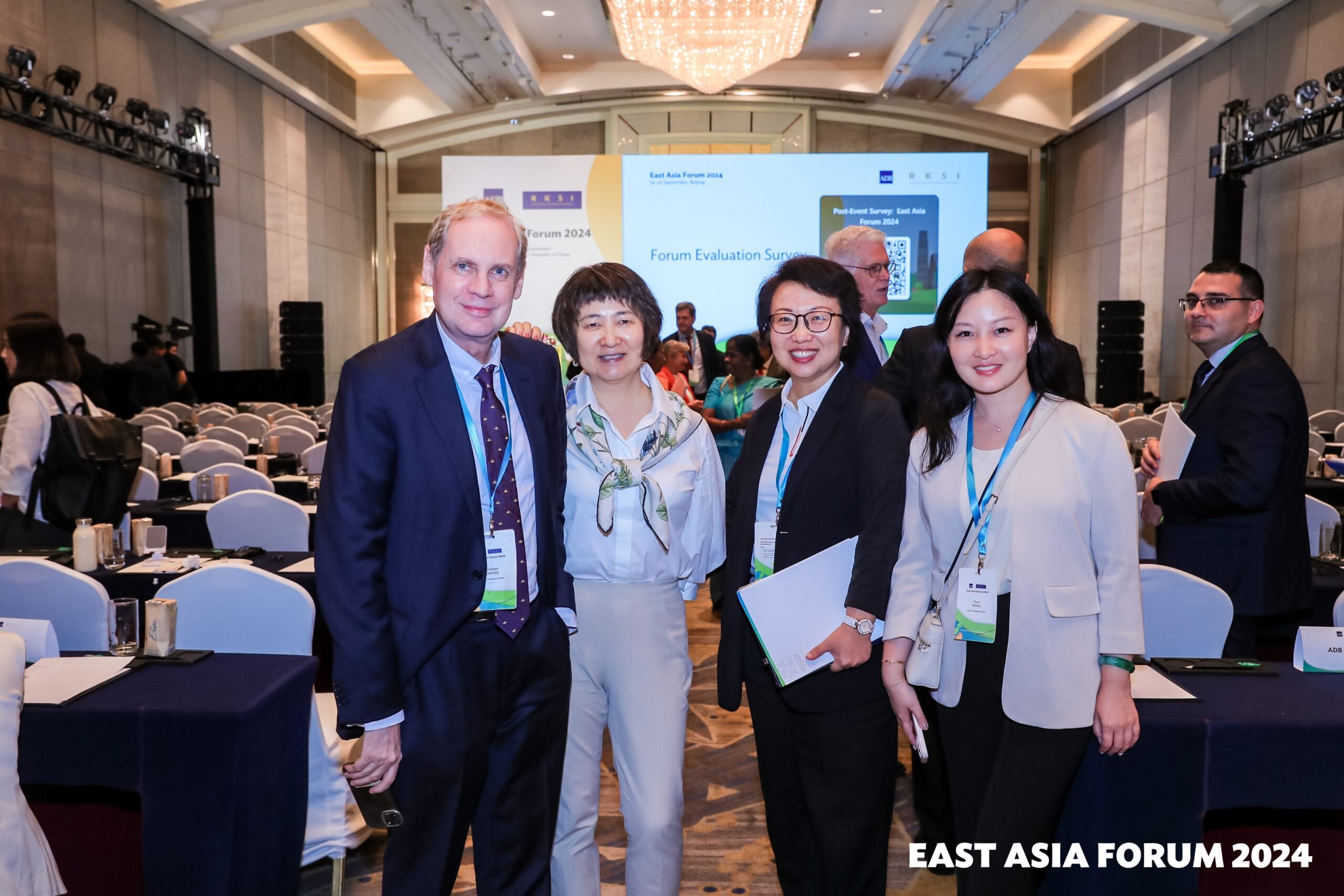
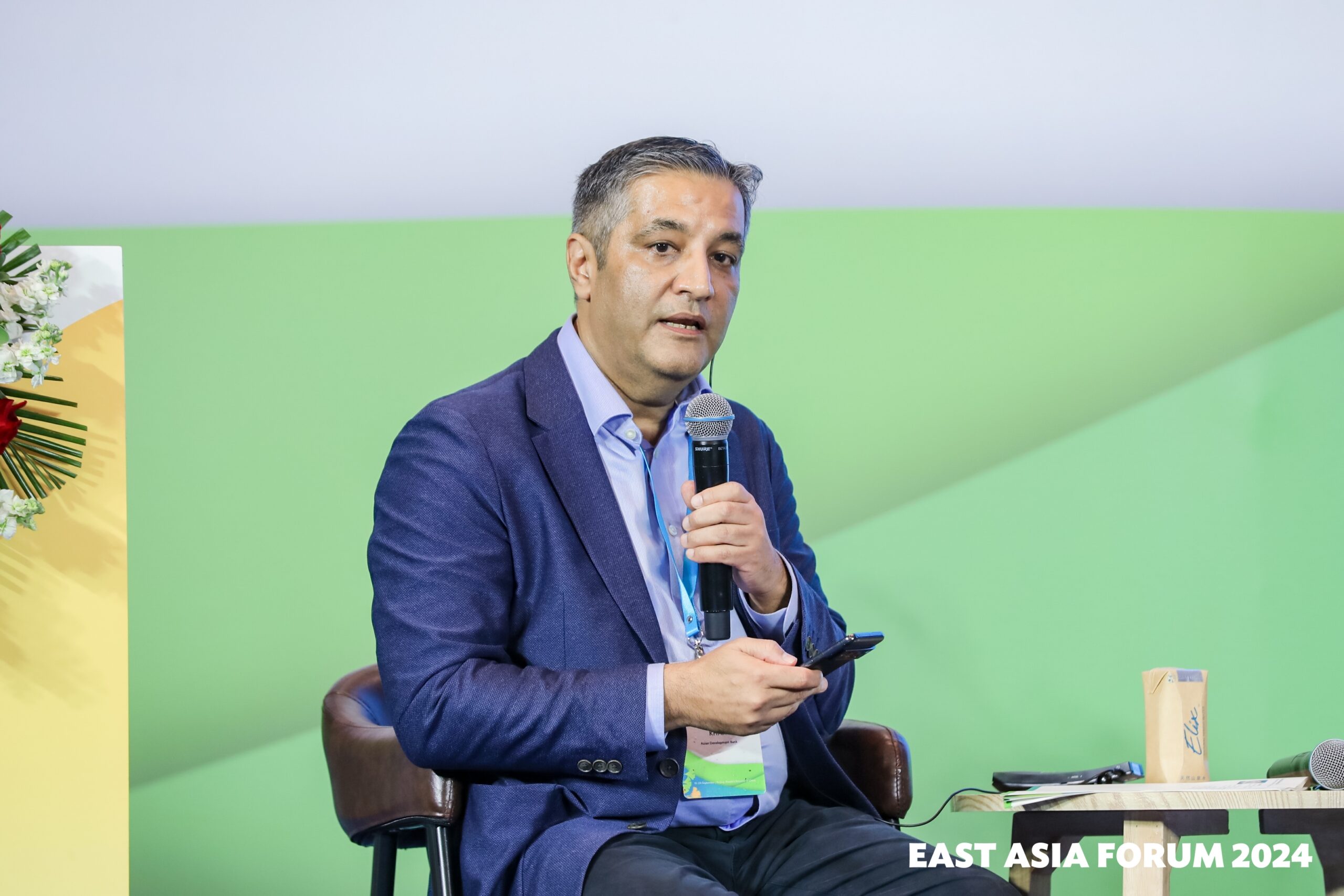
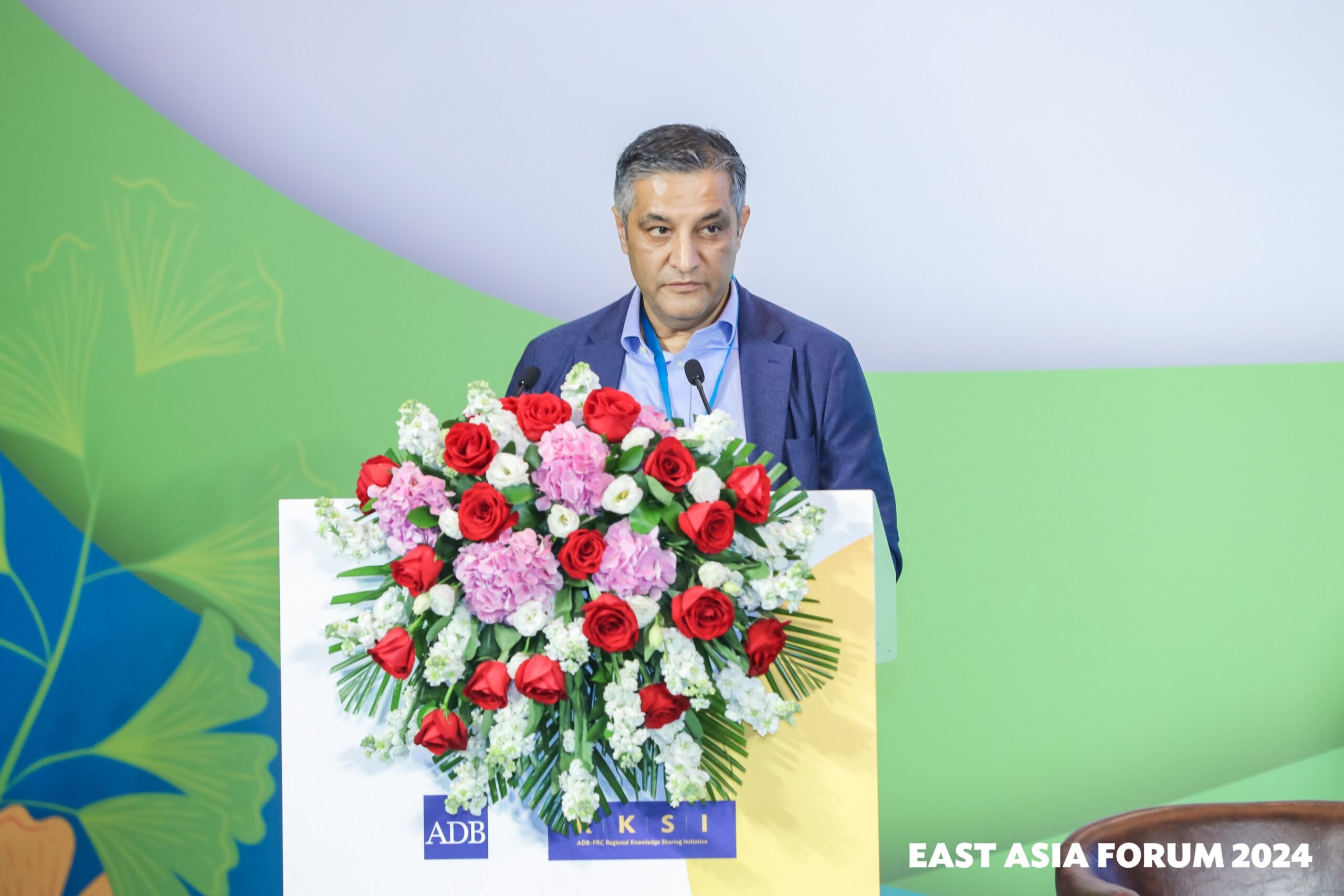
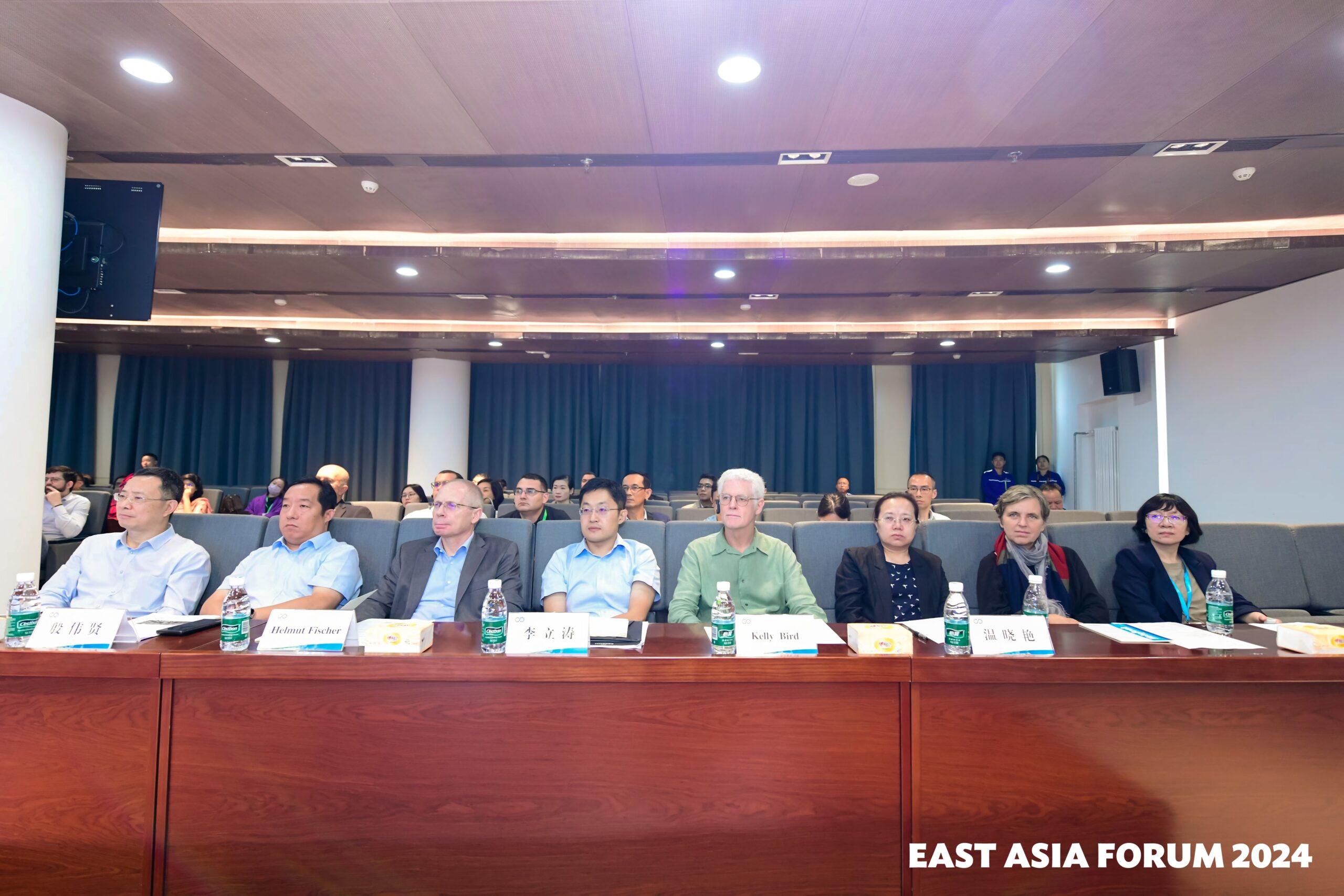
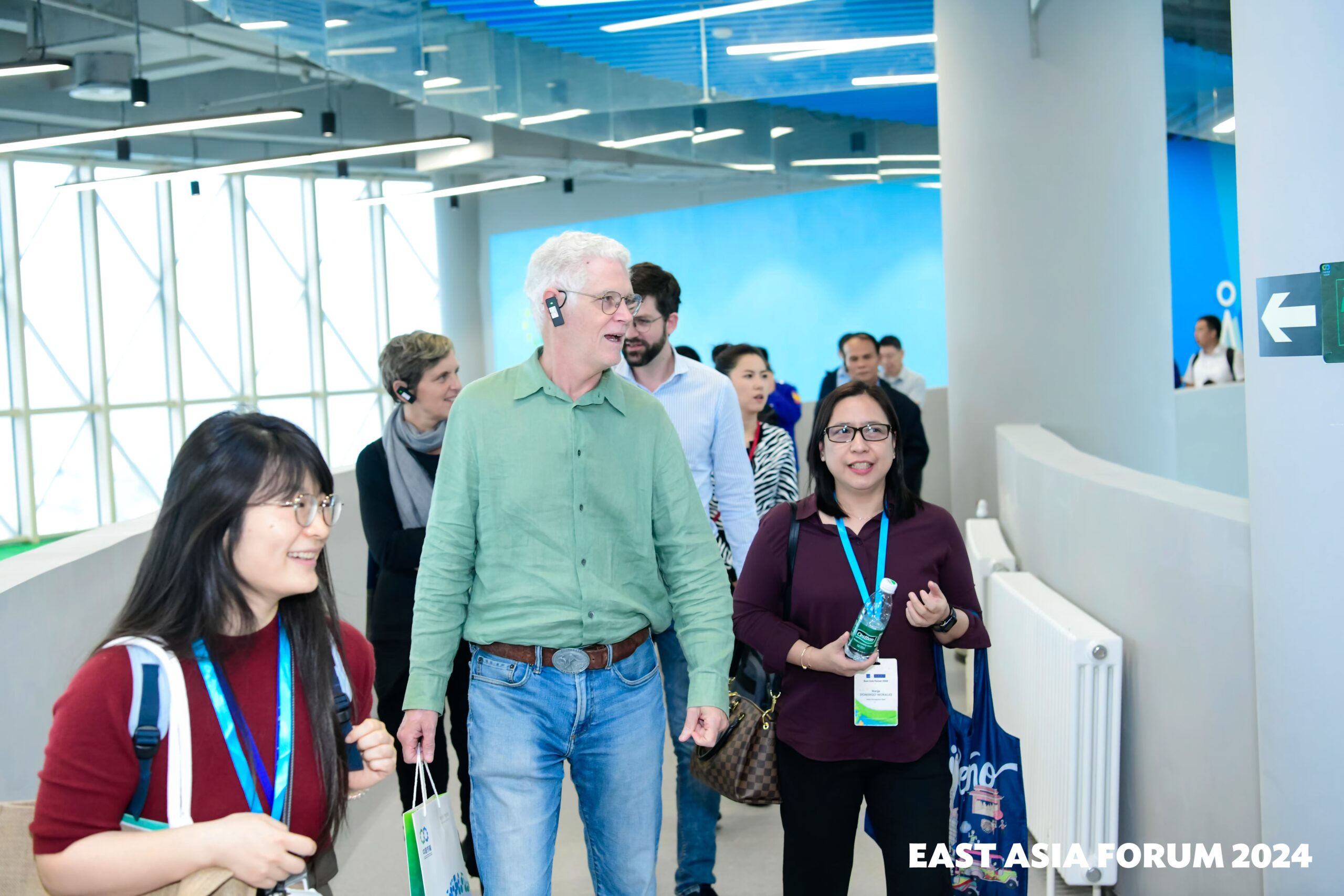
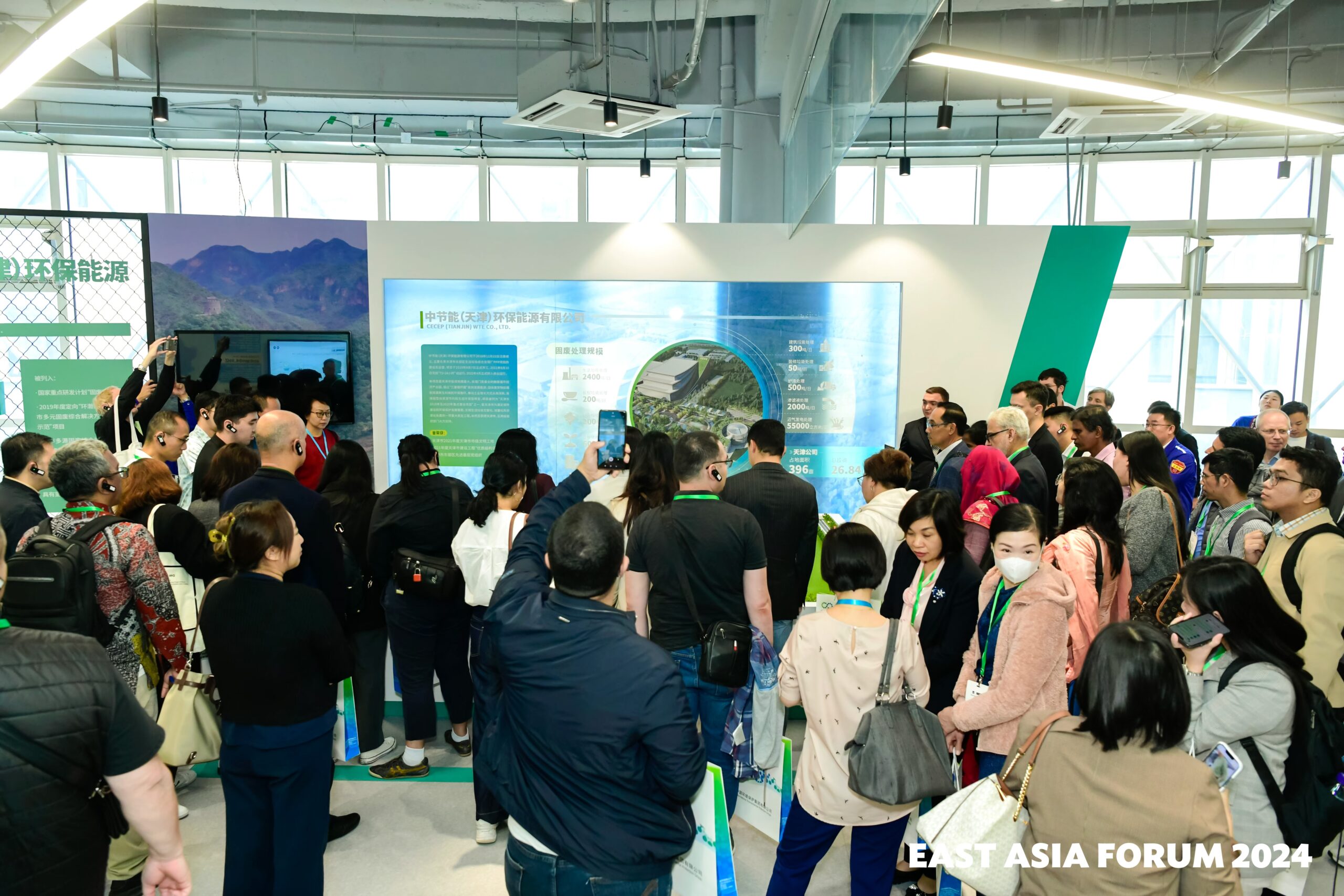
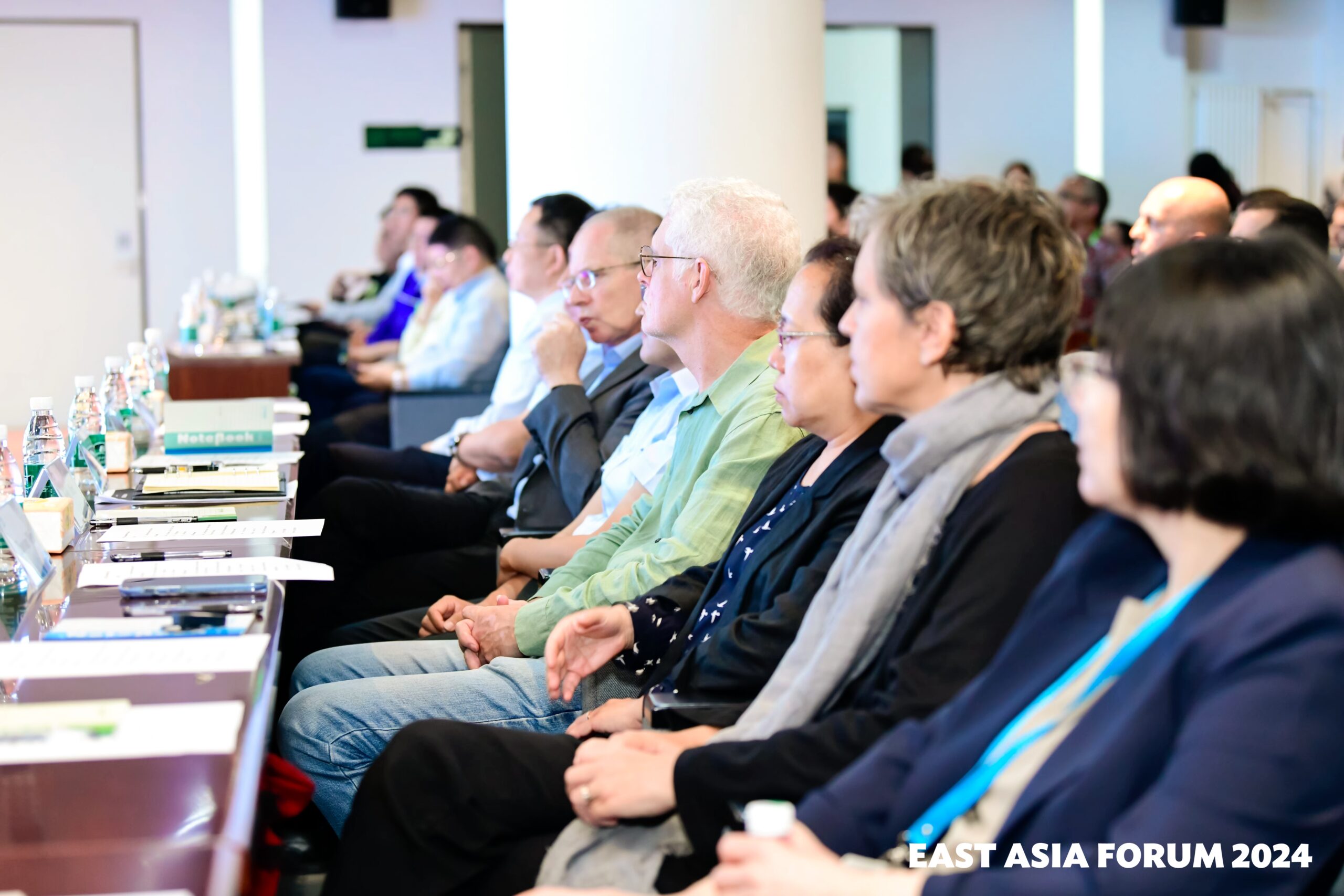
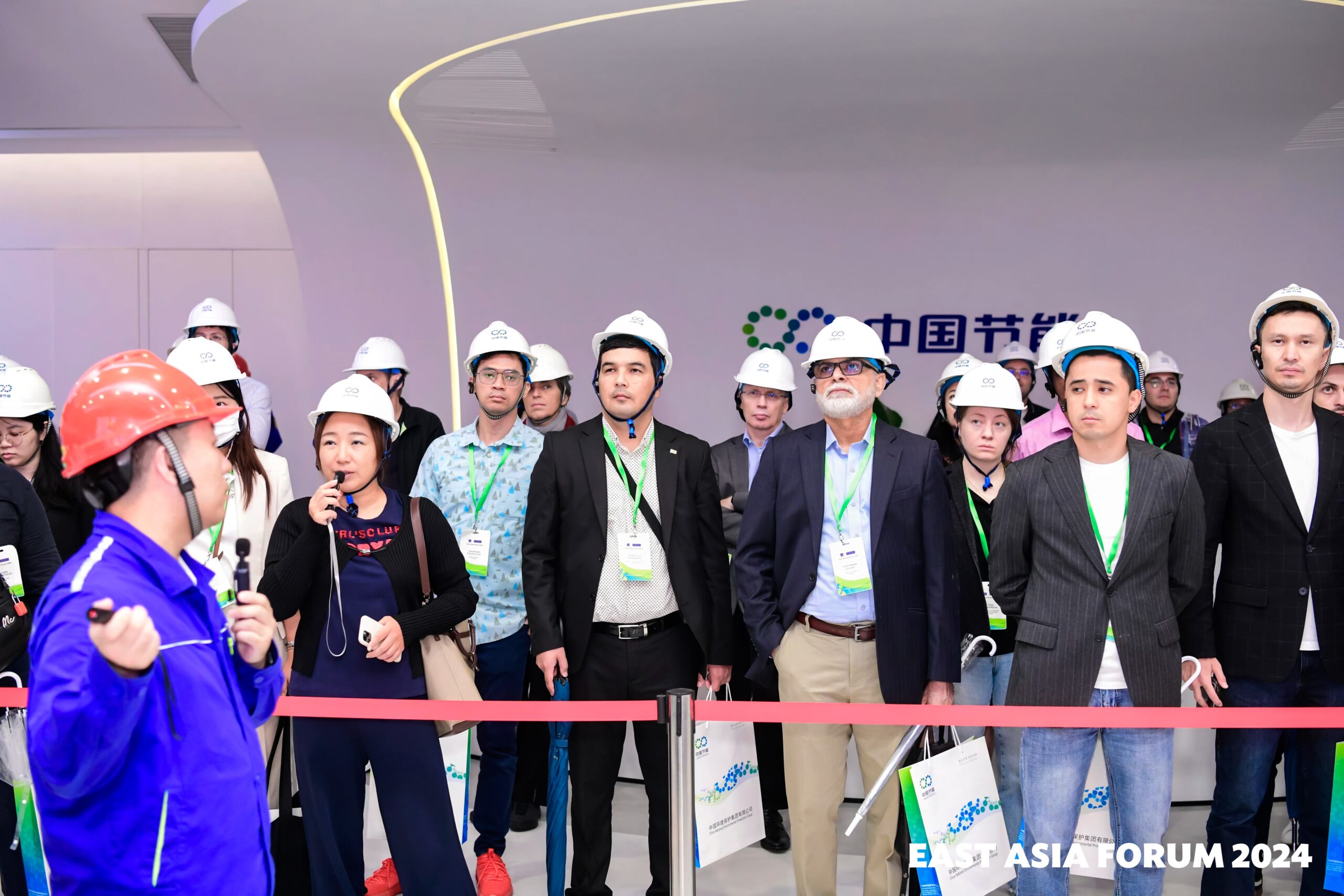
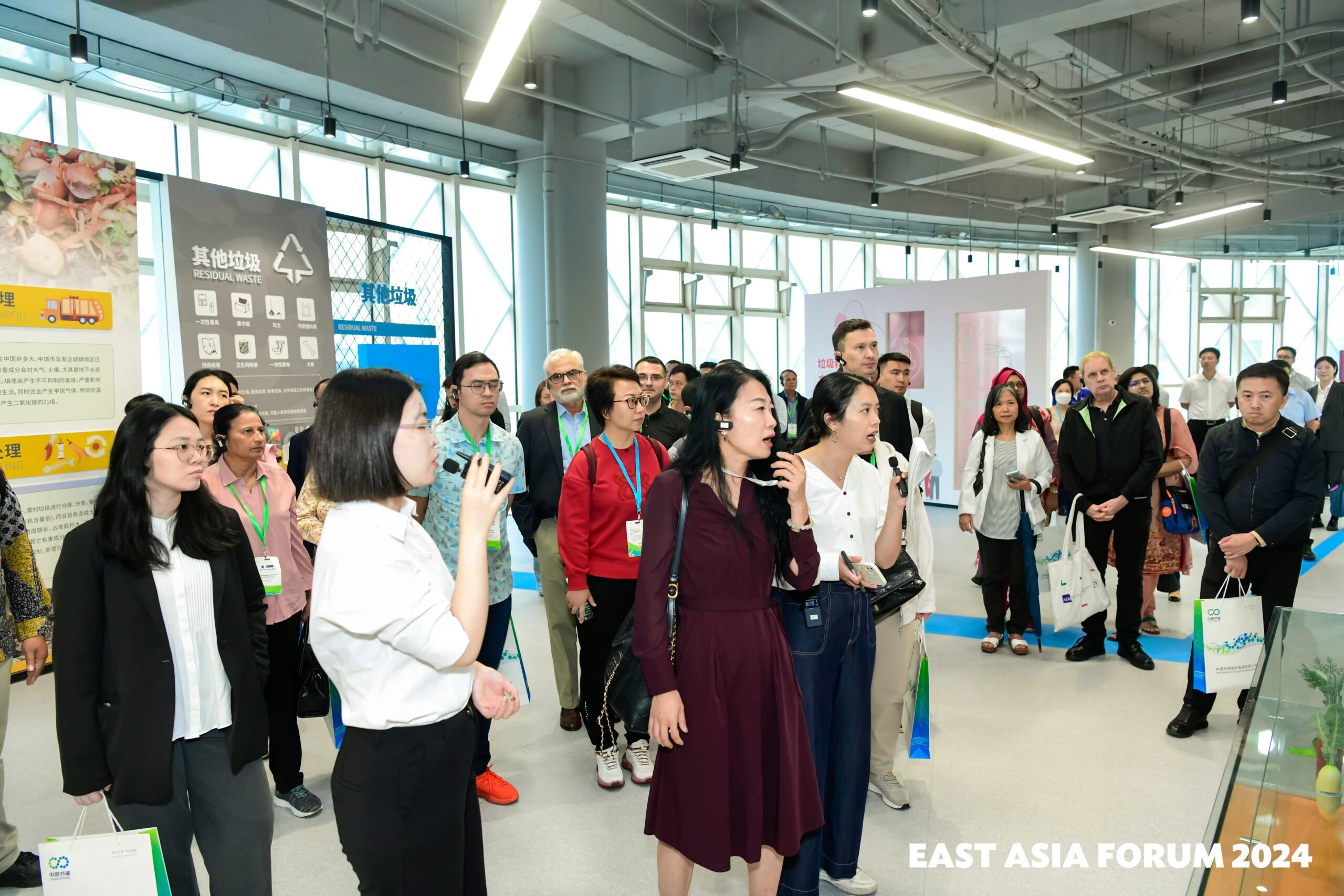
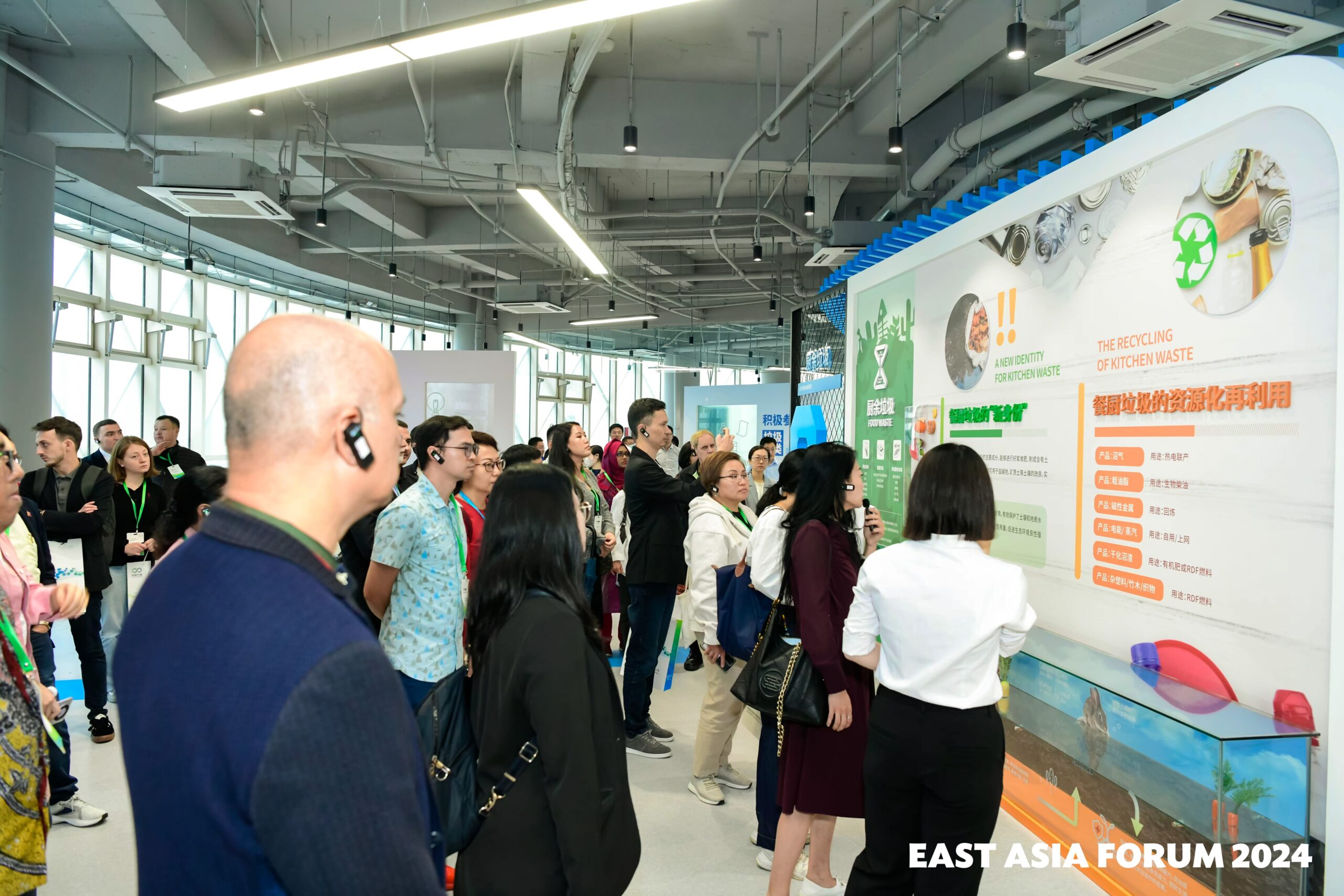
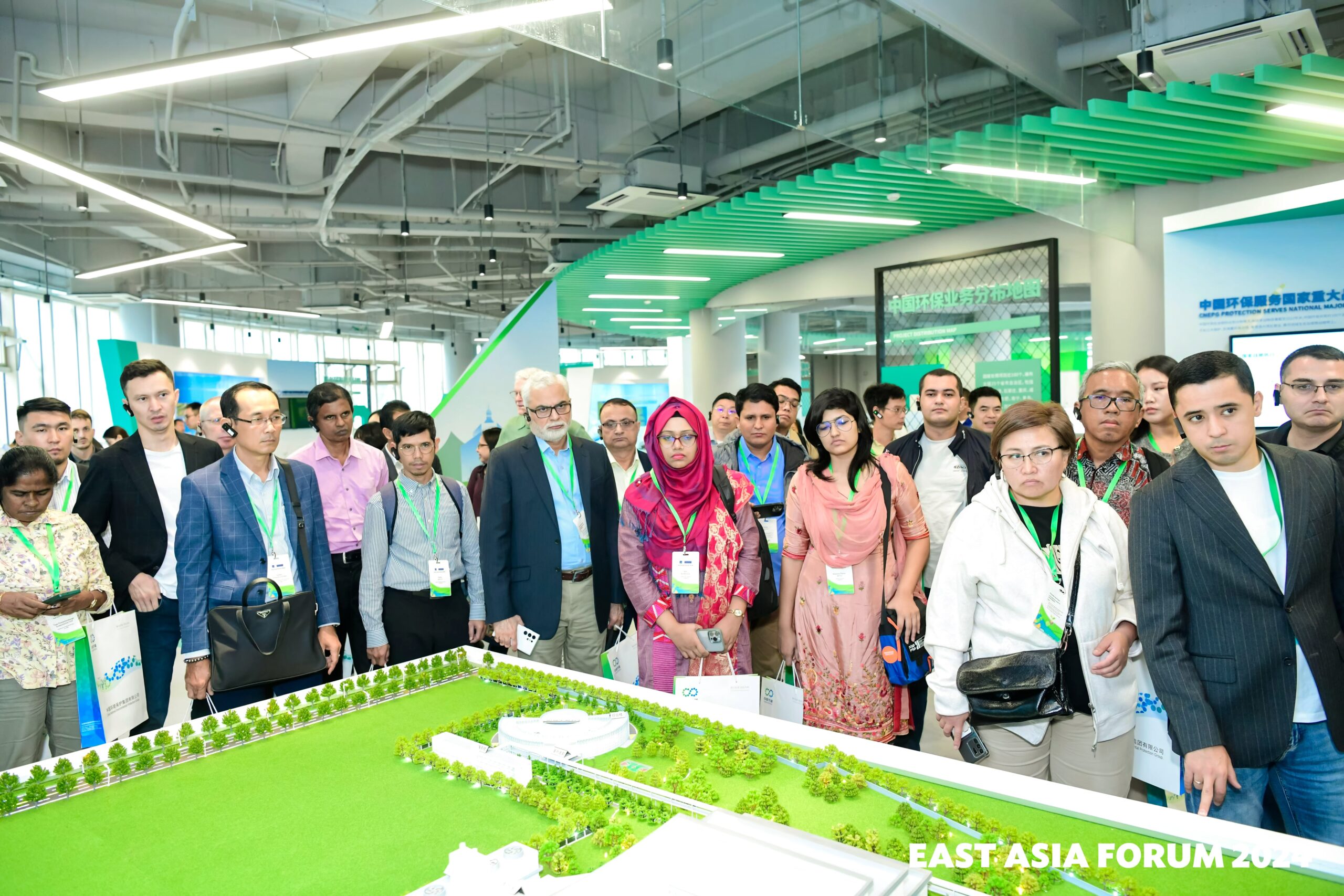
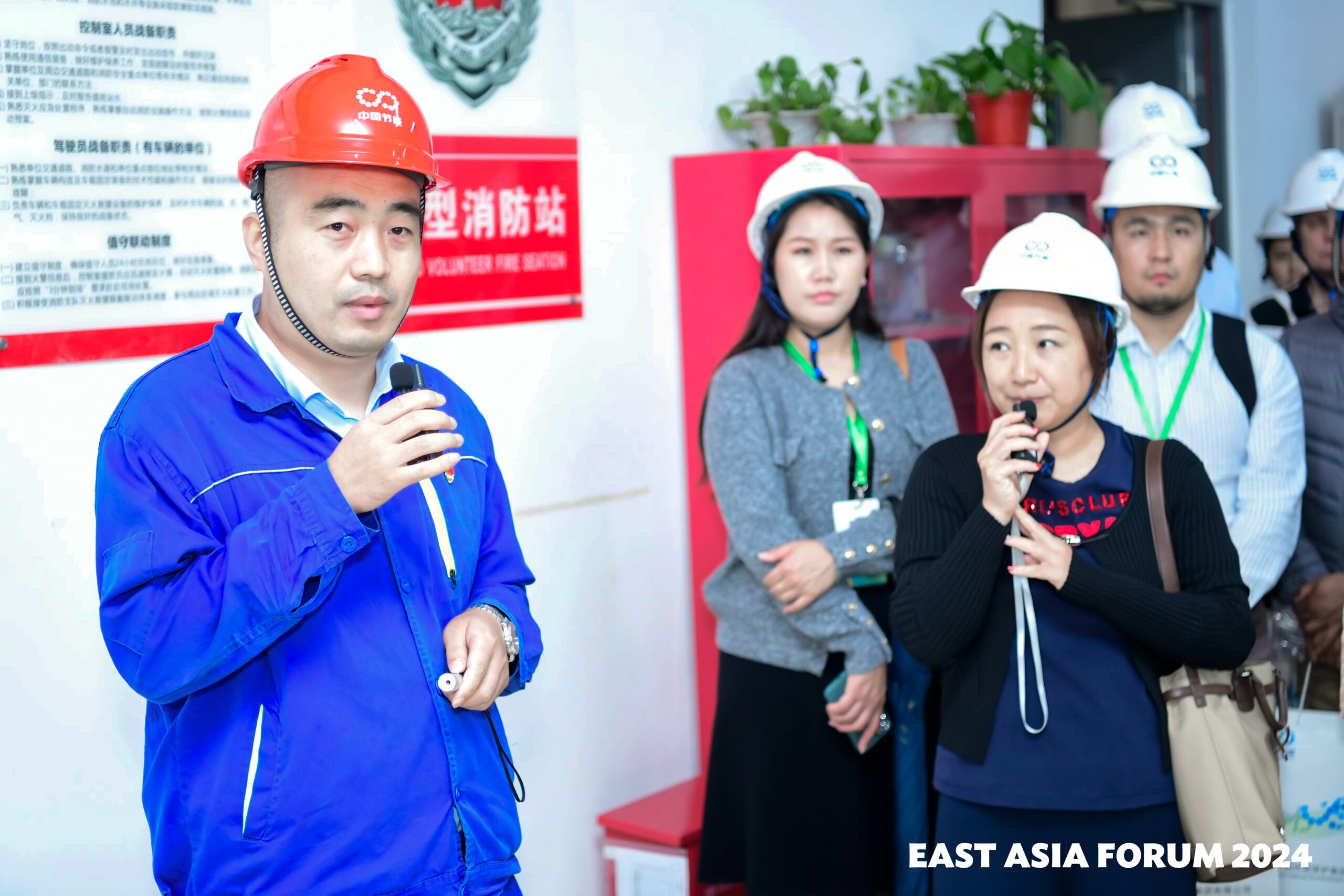
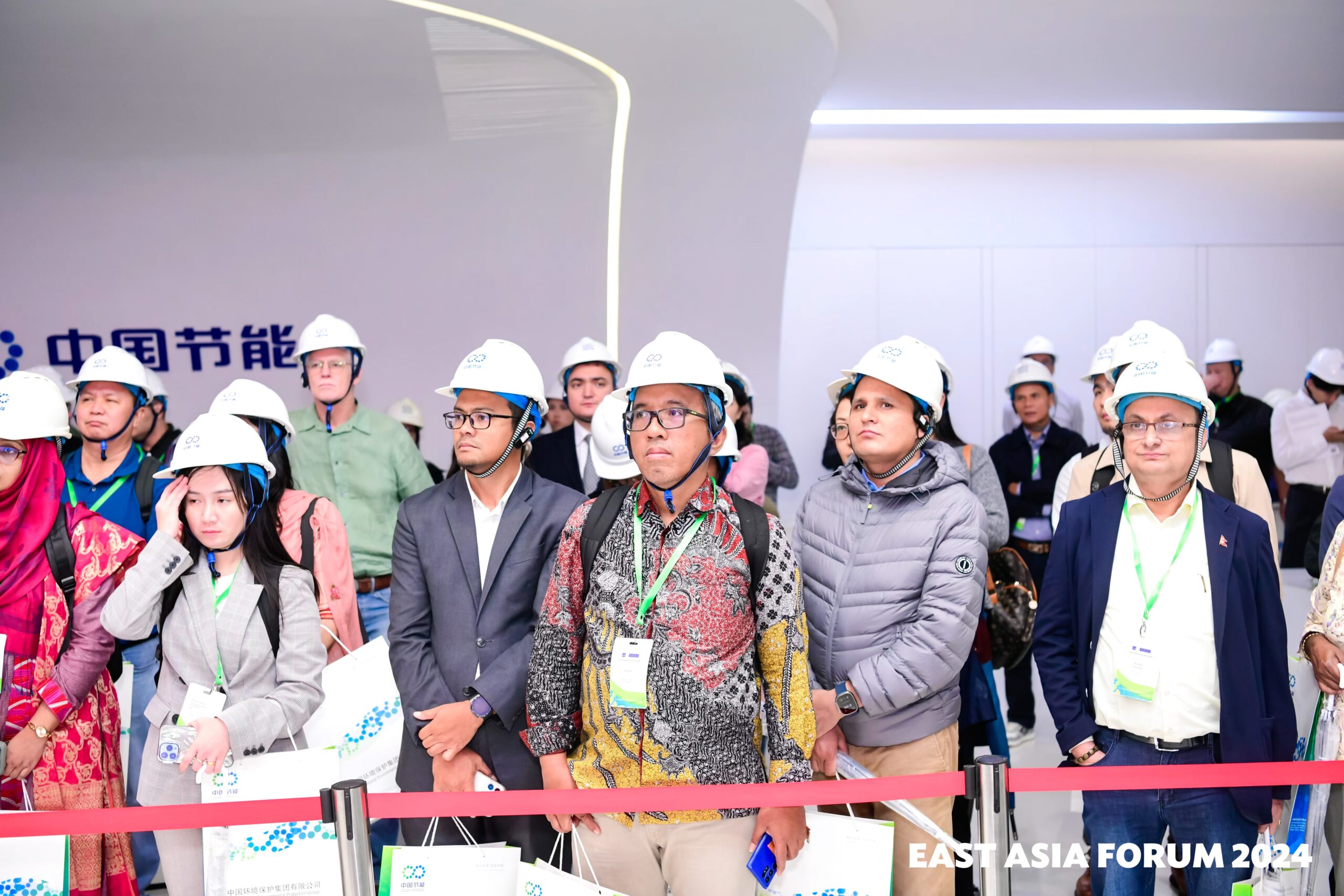
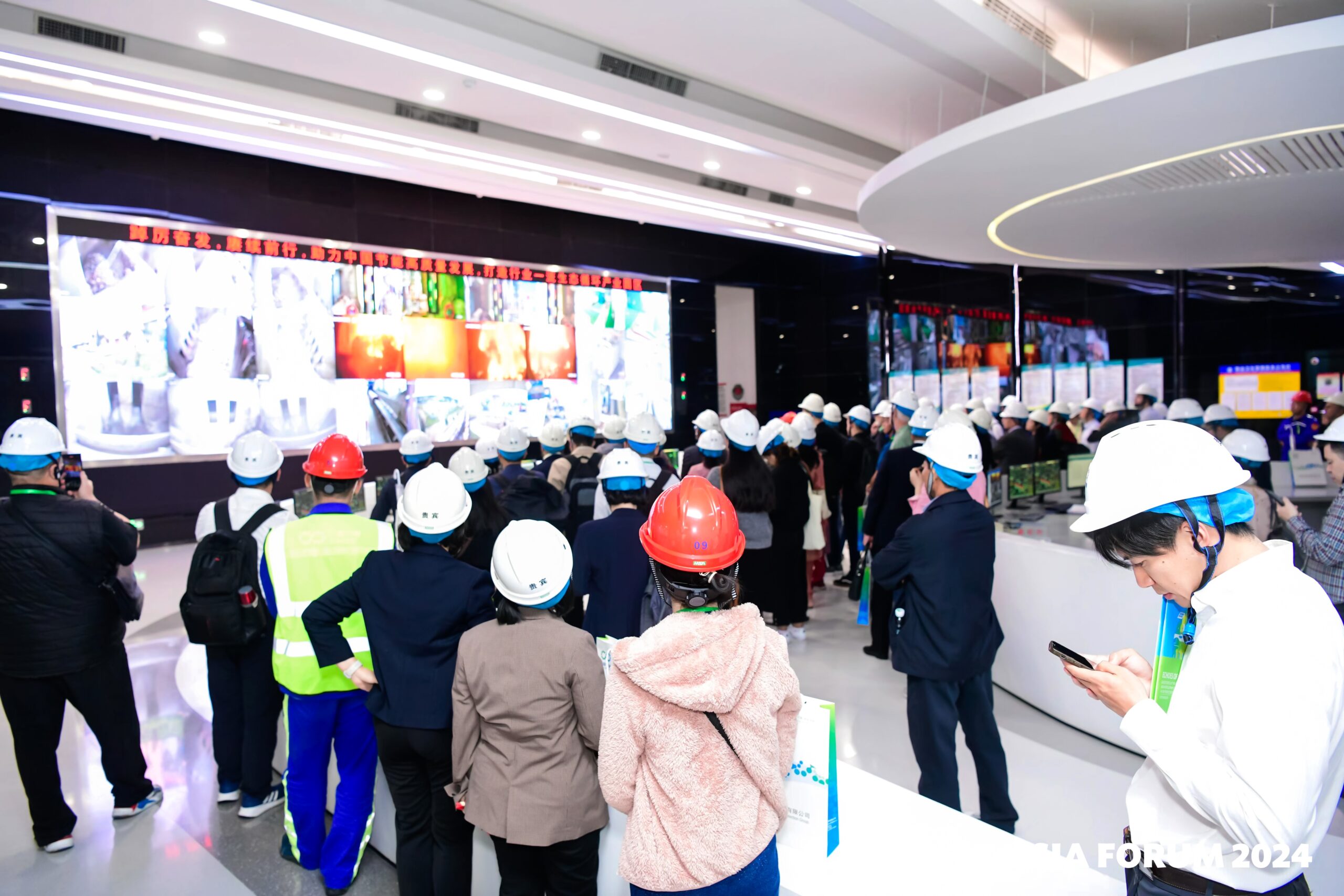
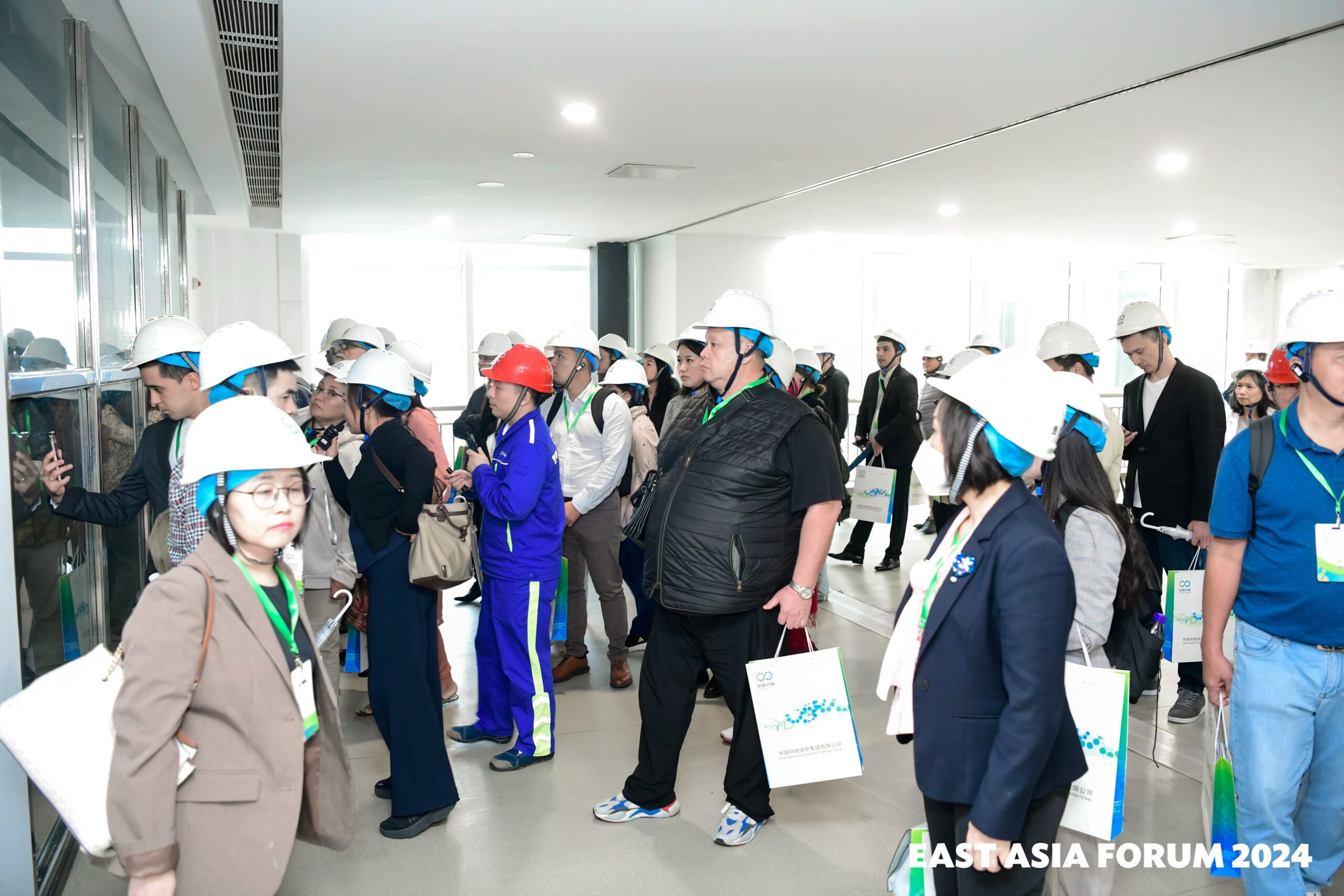
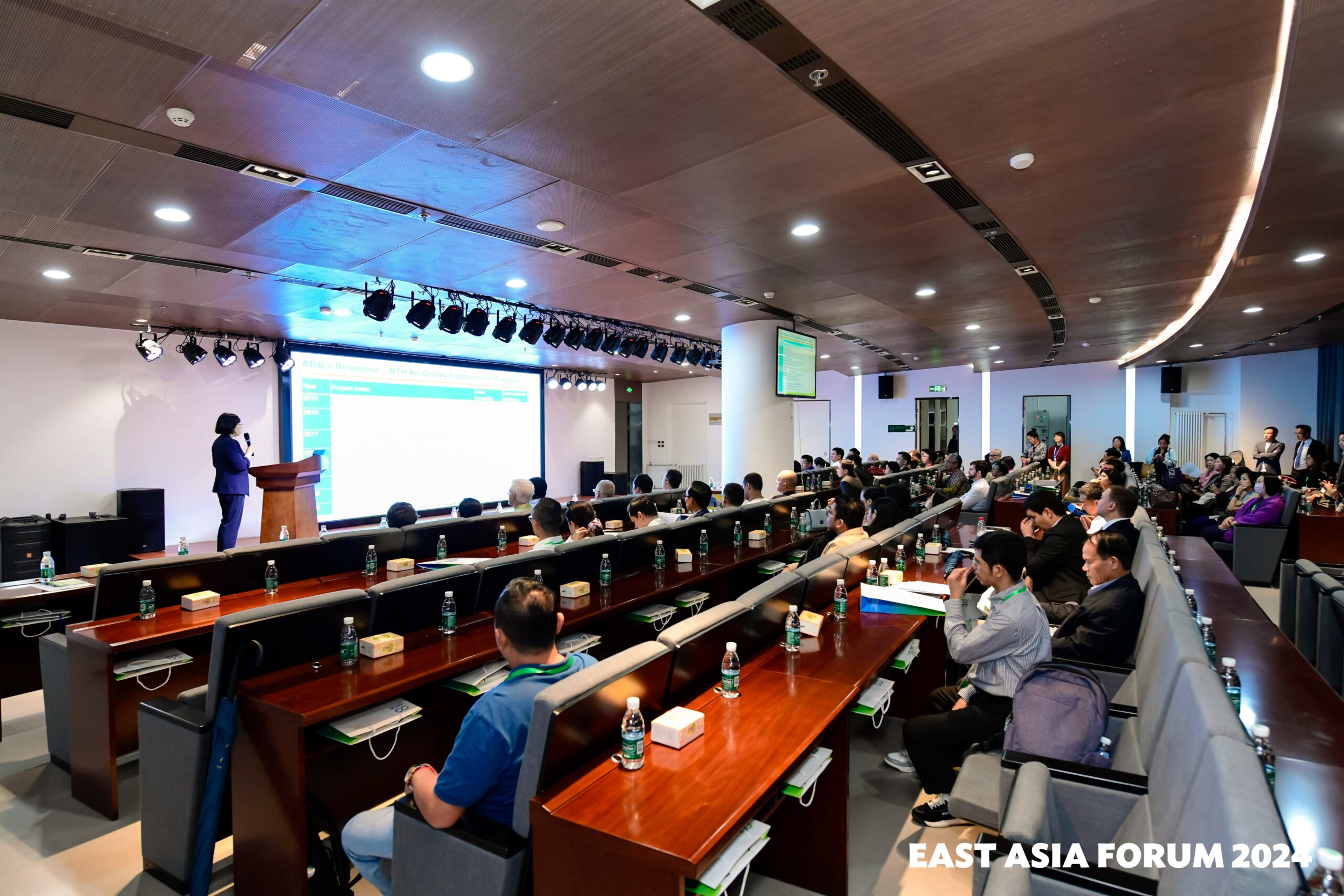
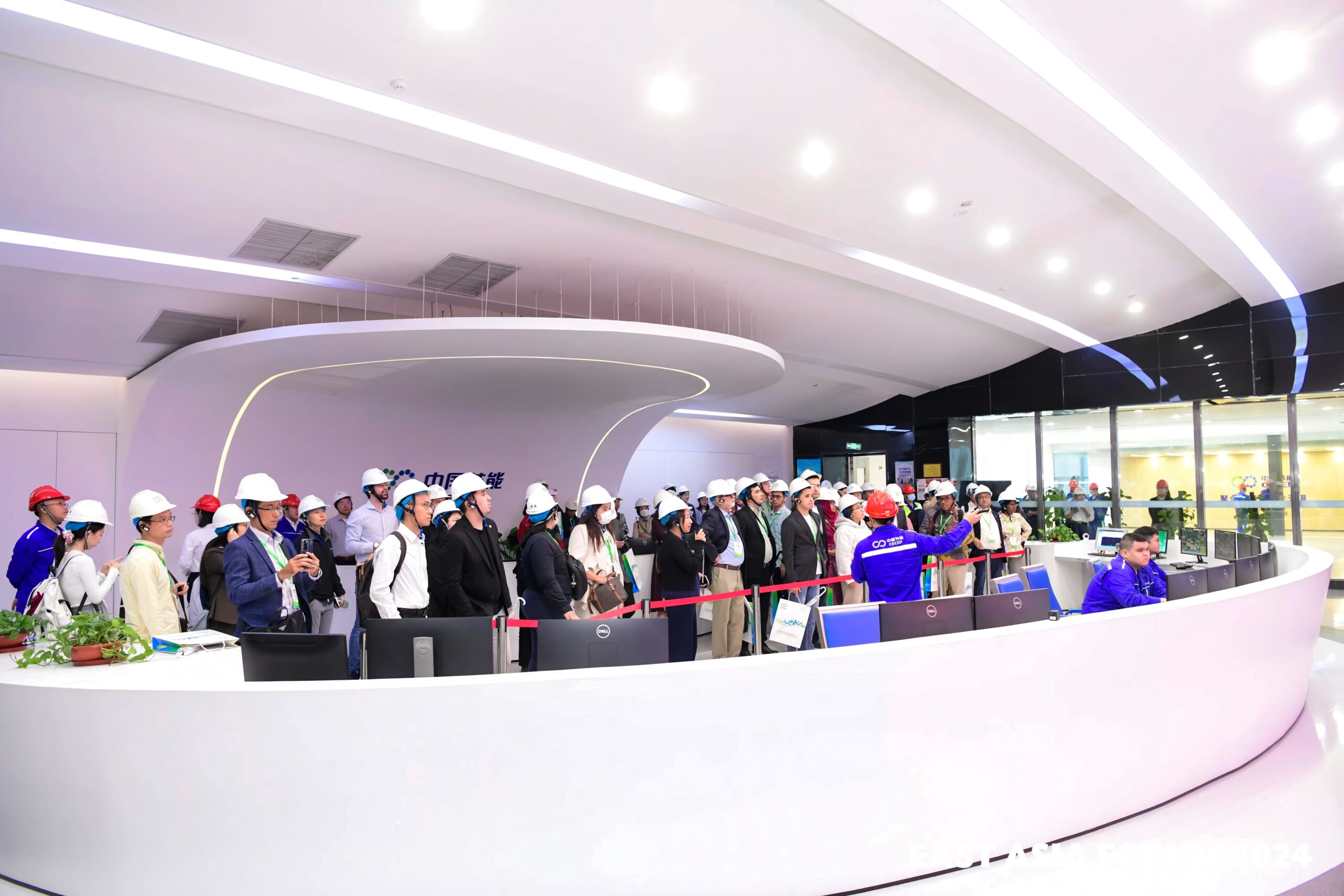
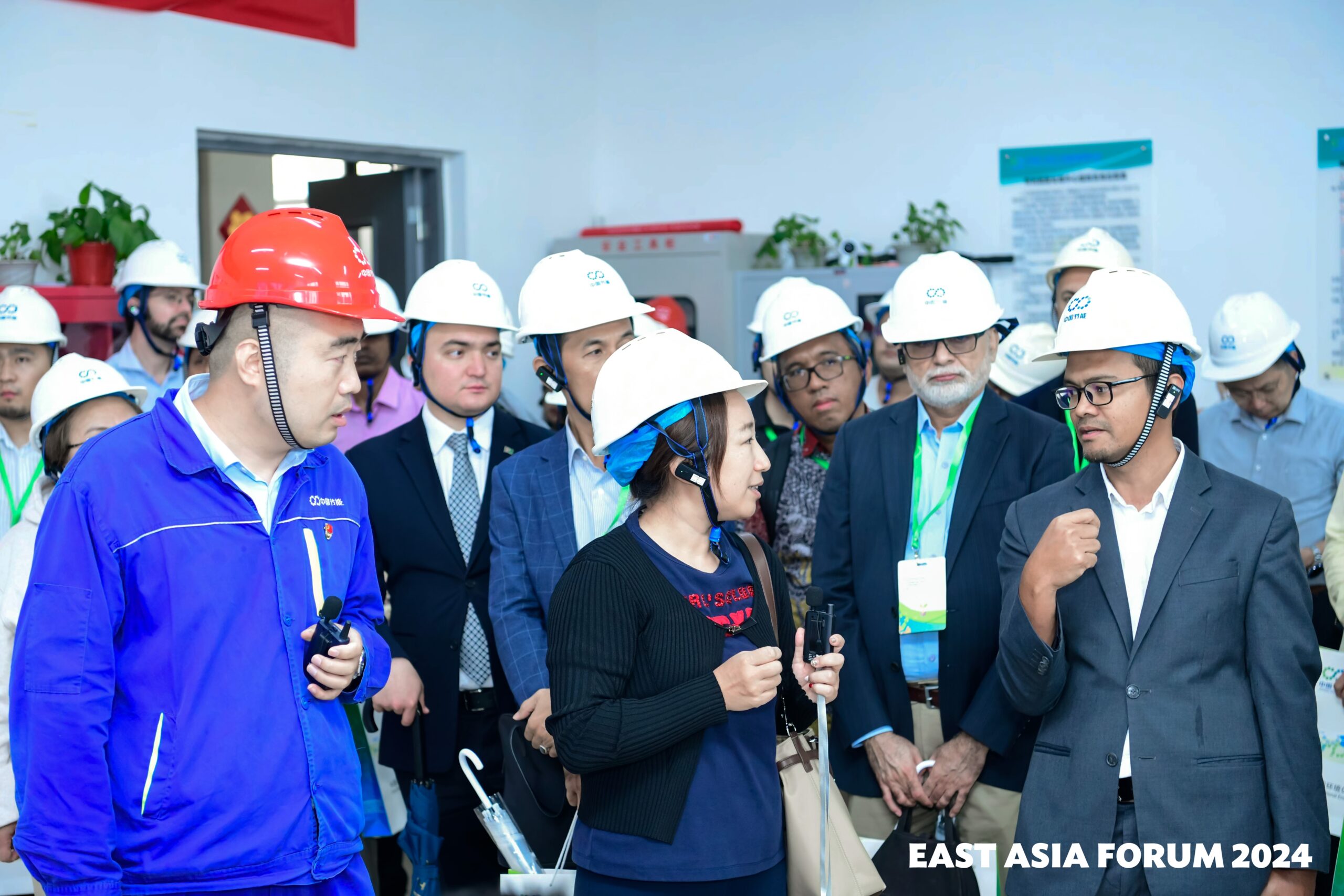
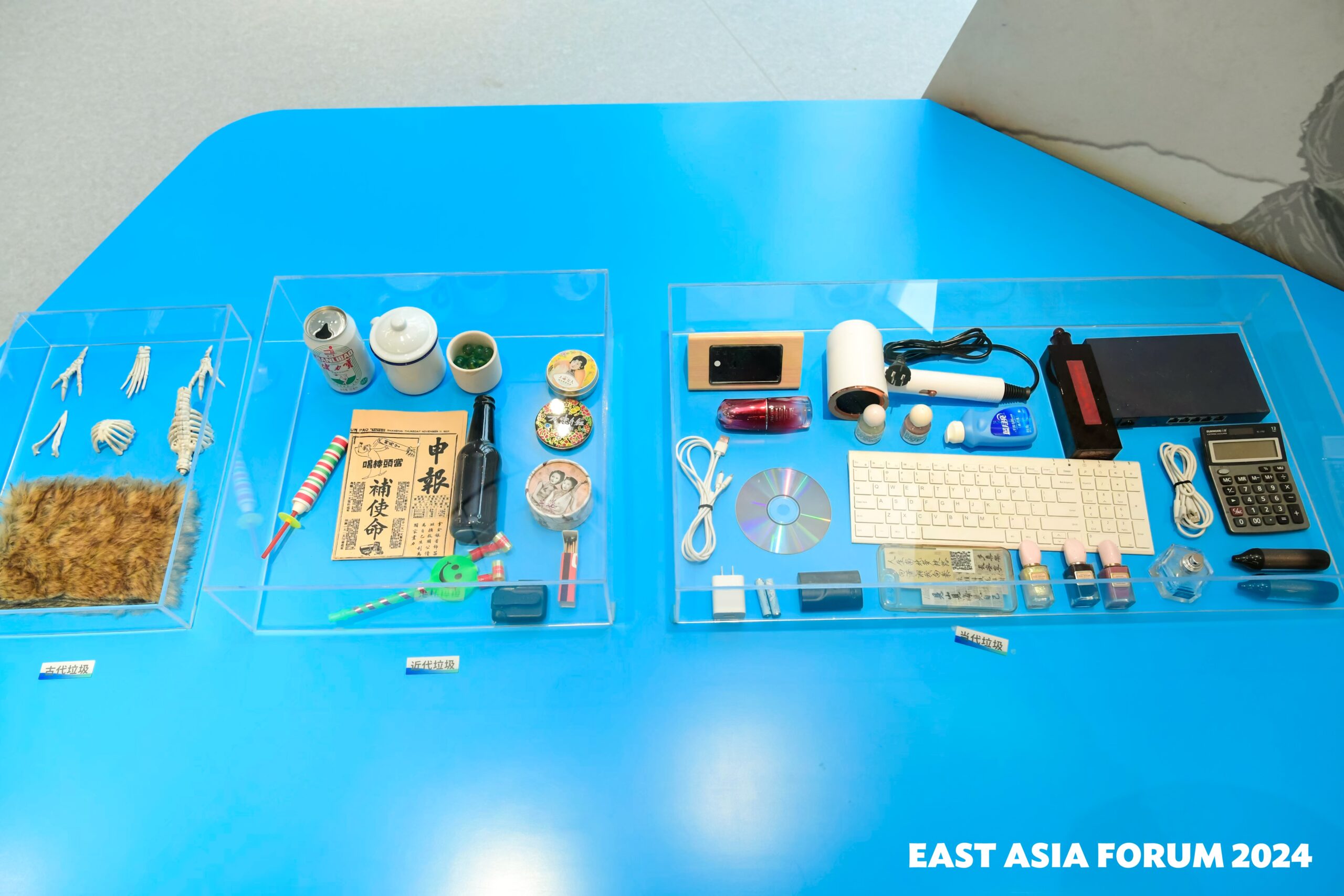
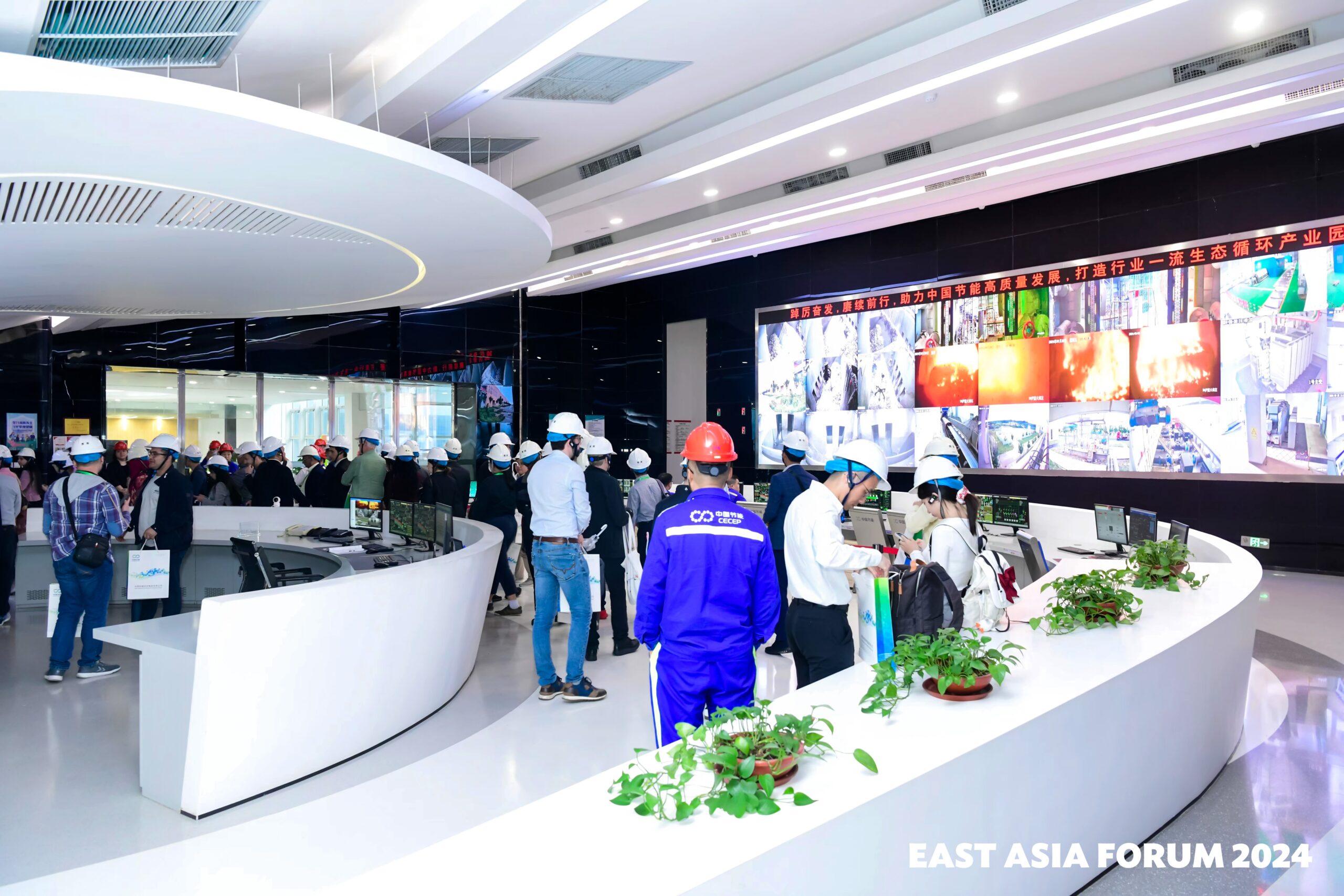
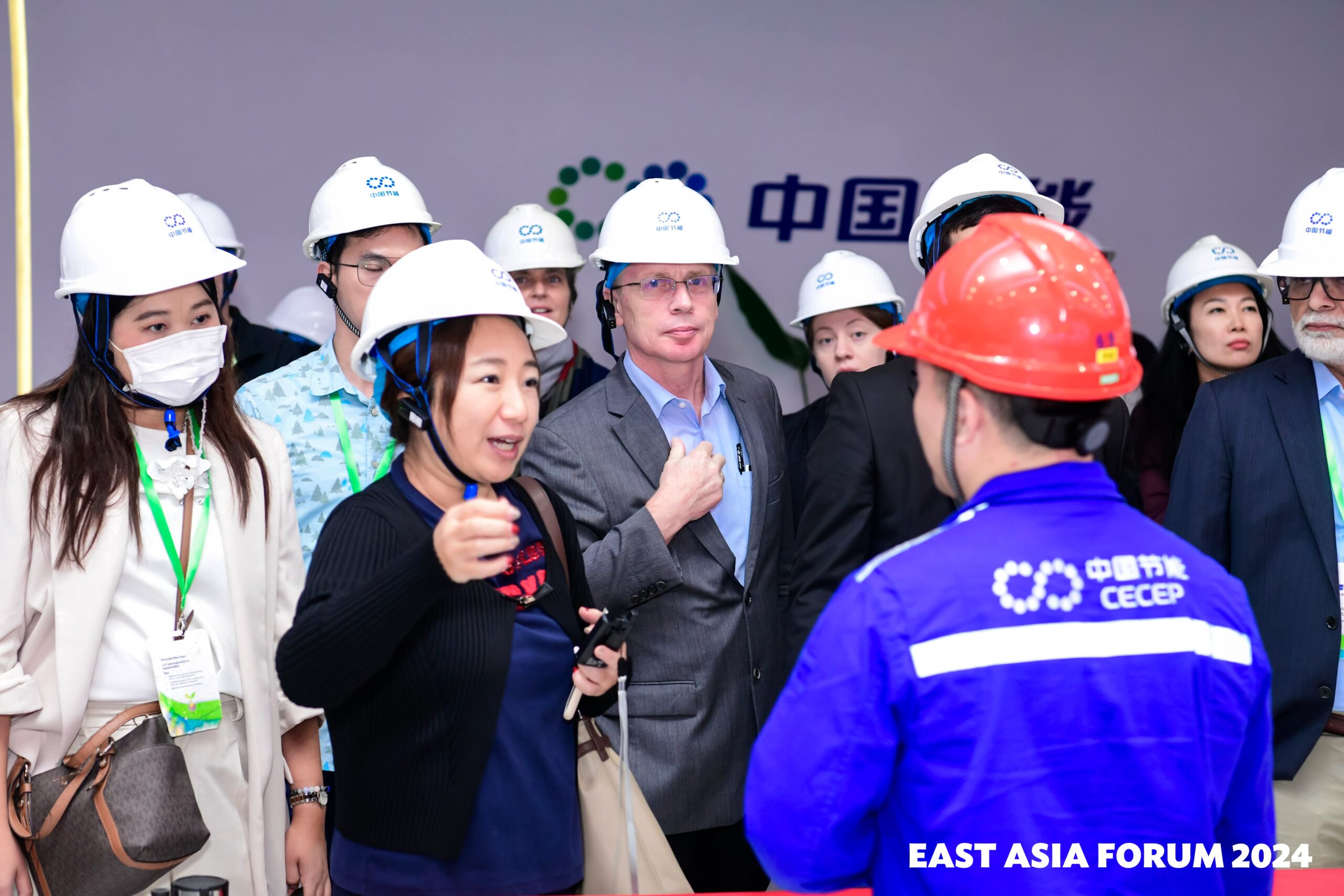
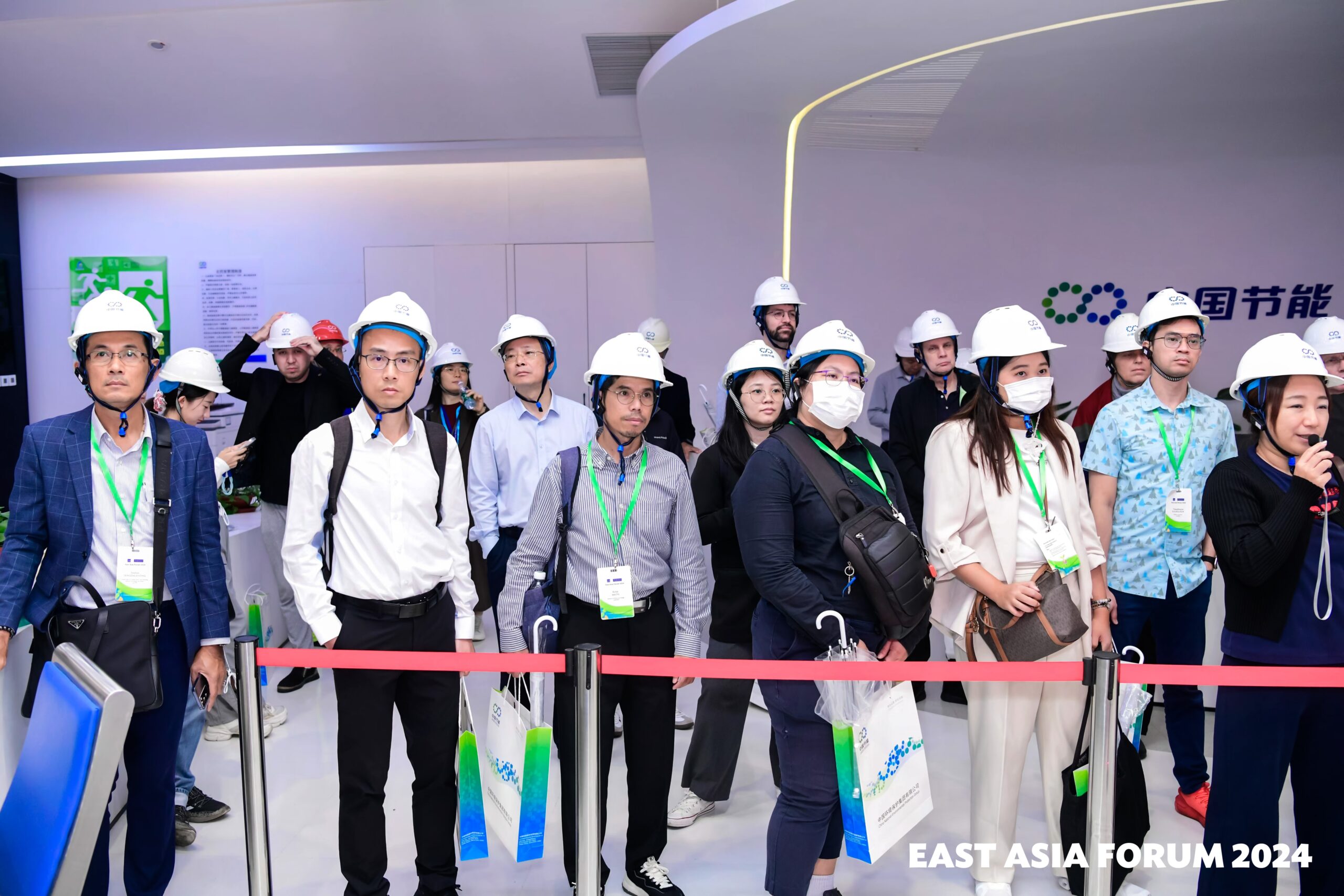
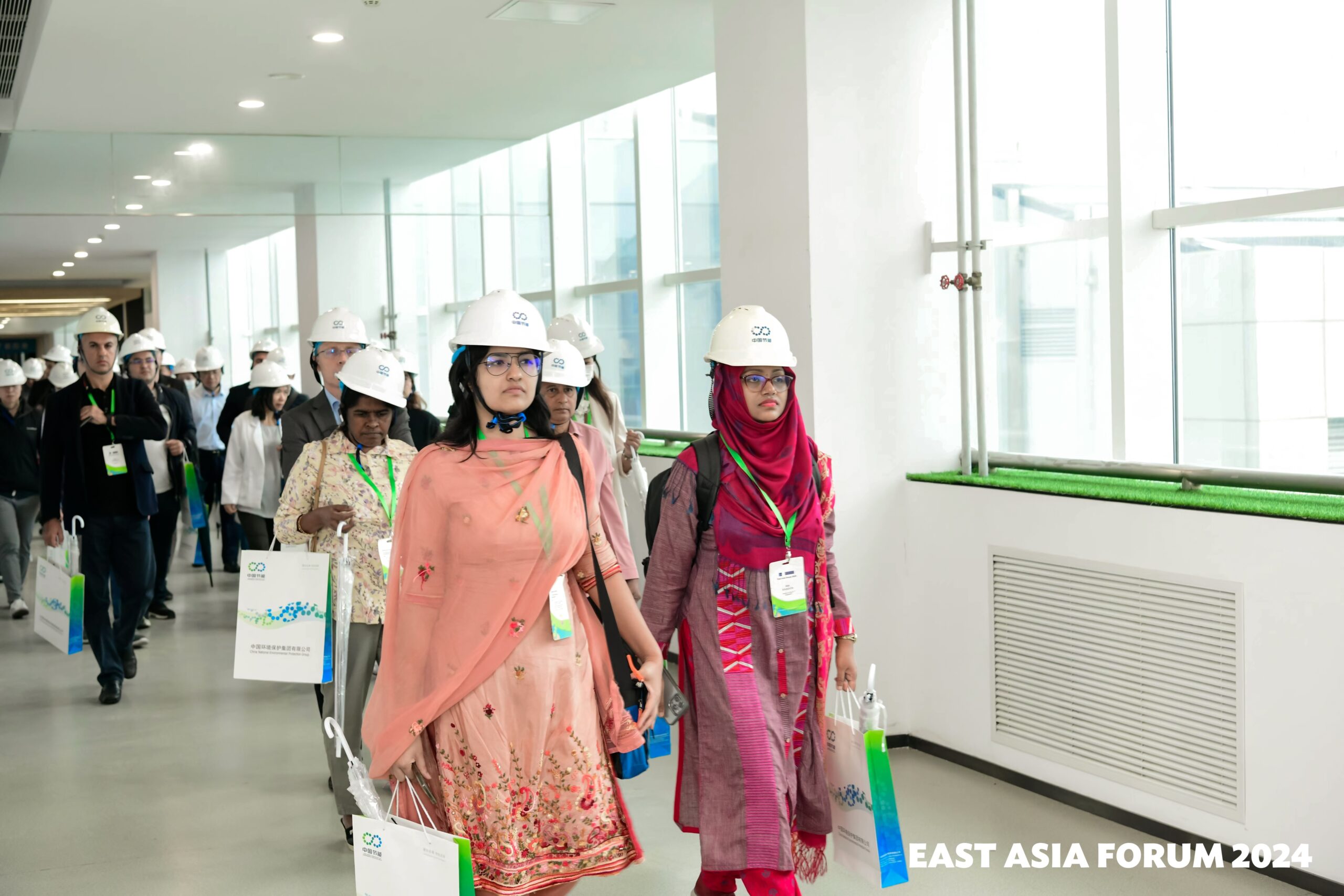
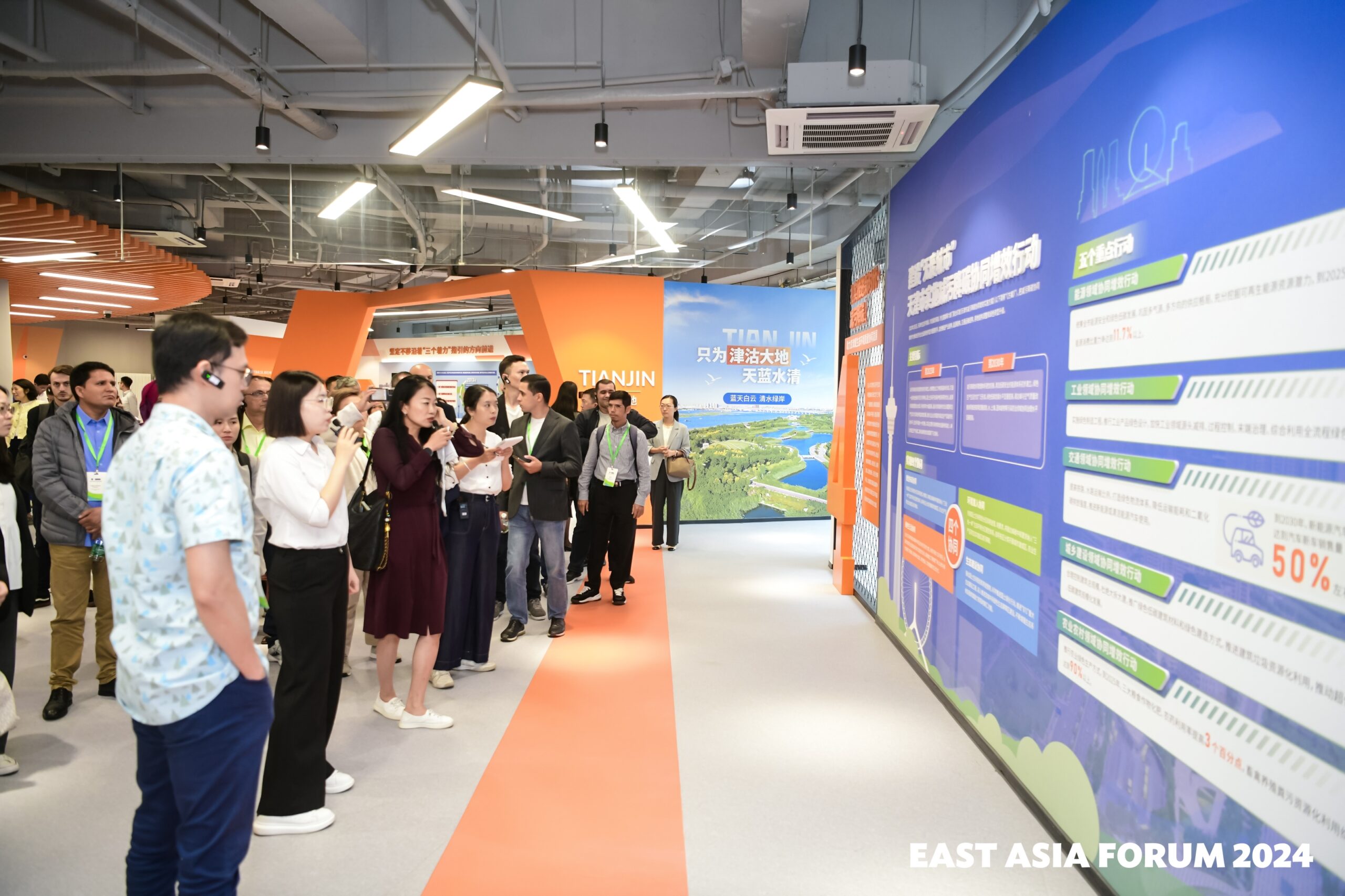
East Asia Forum 2024

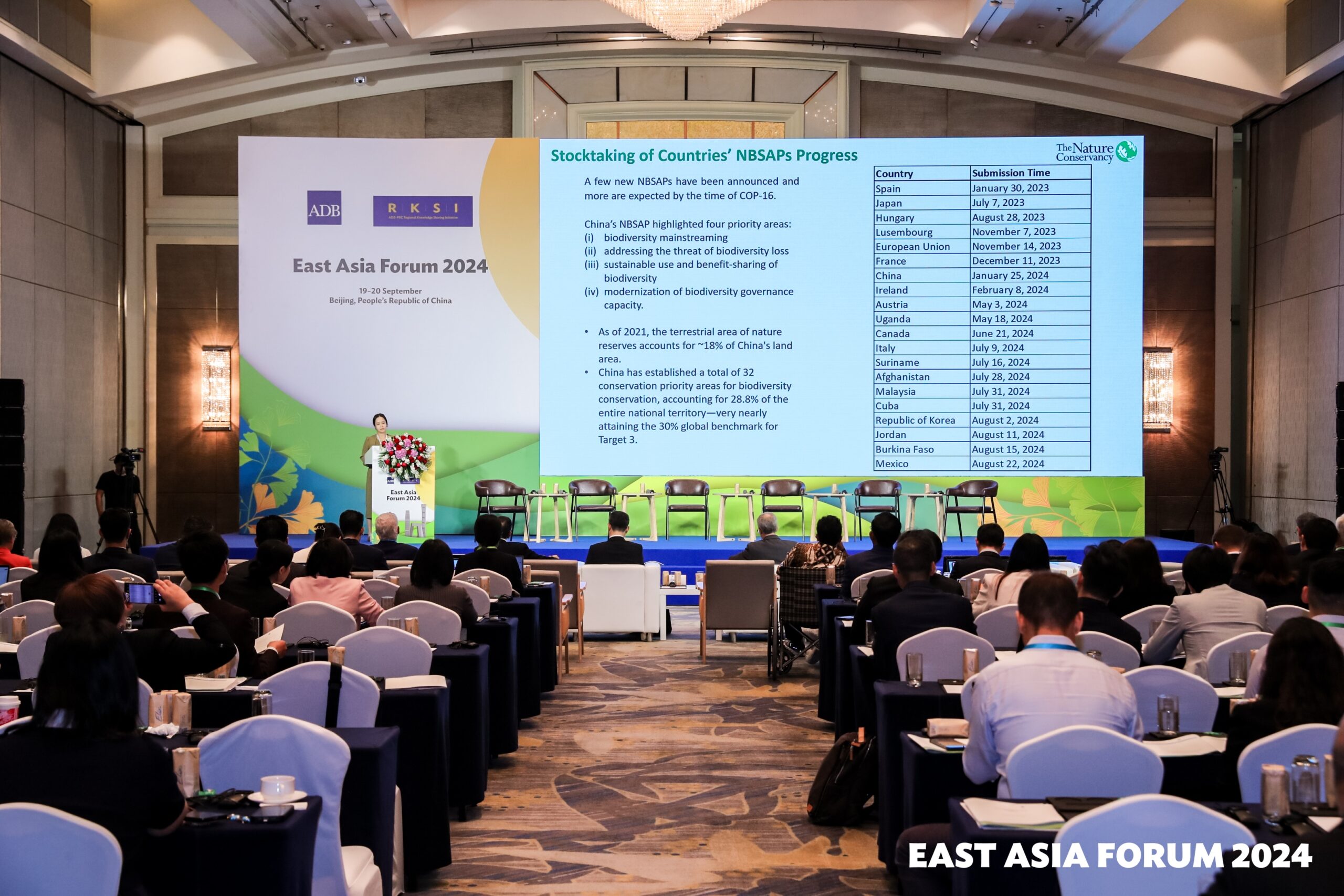
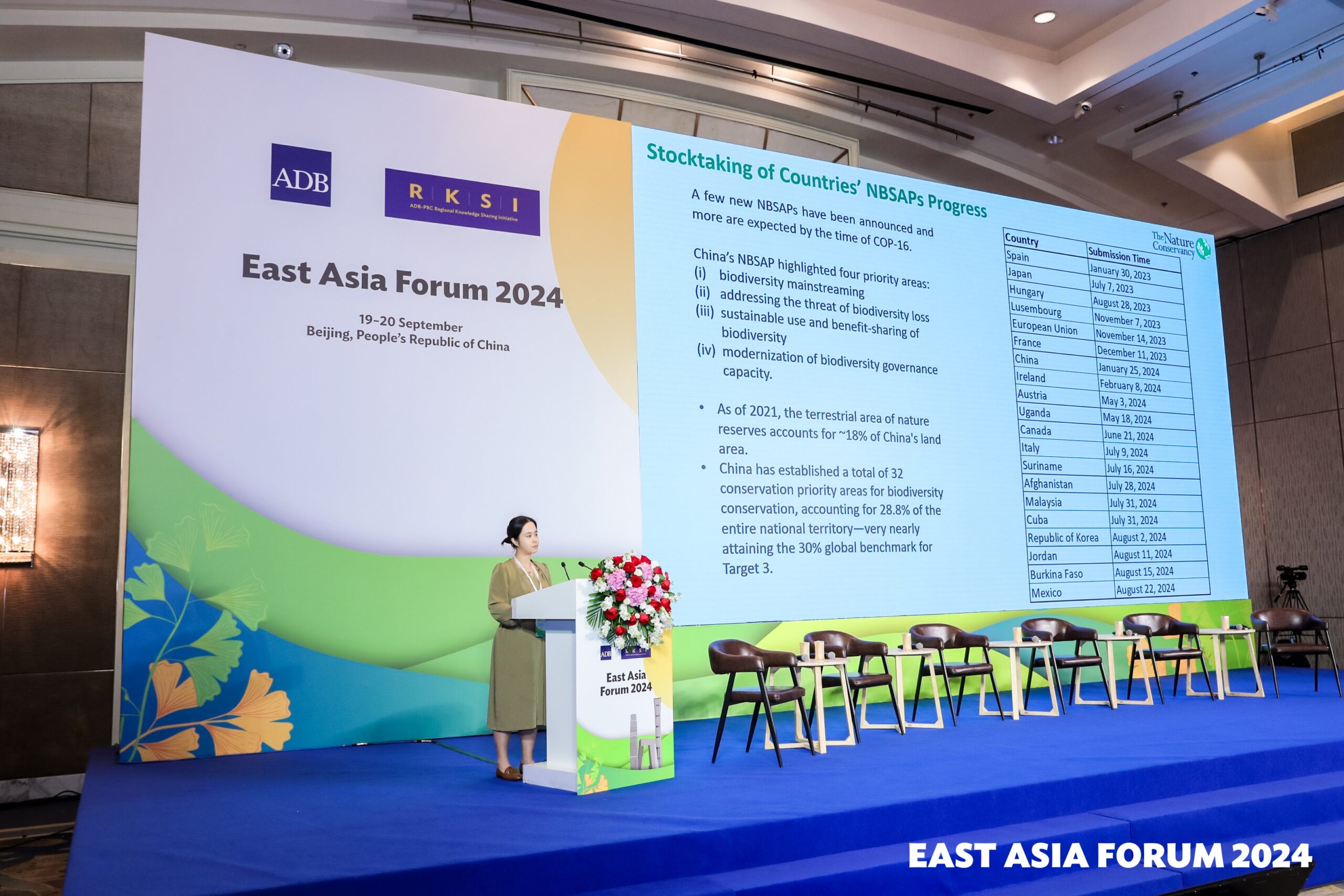
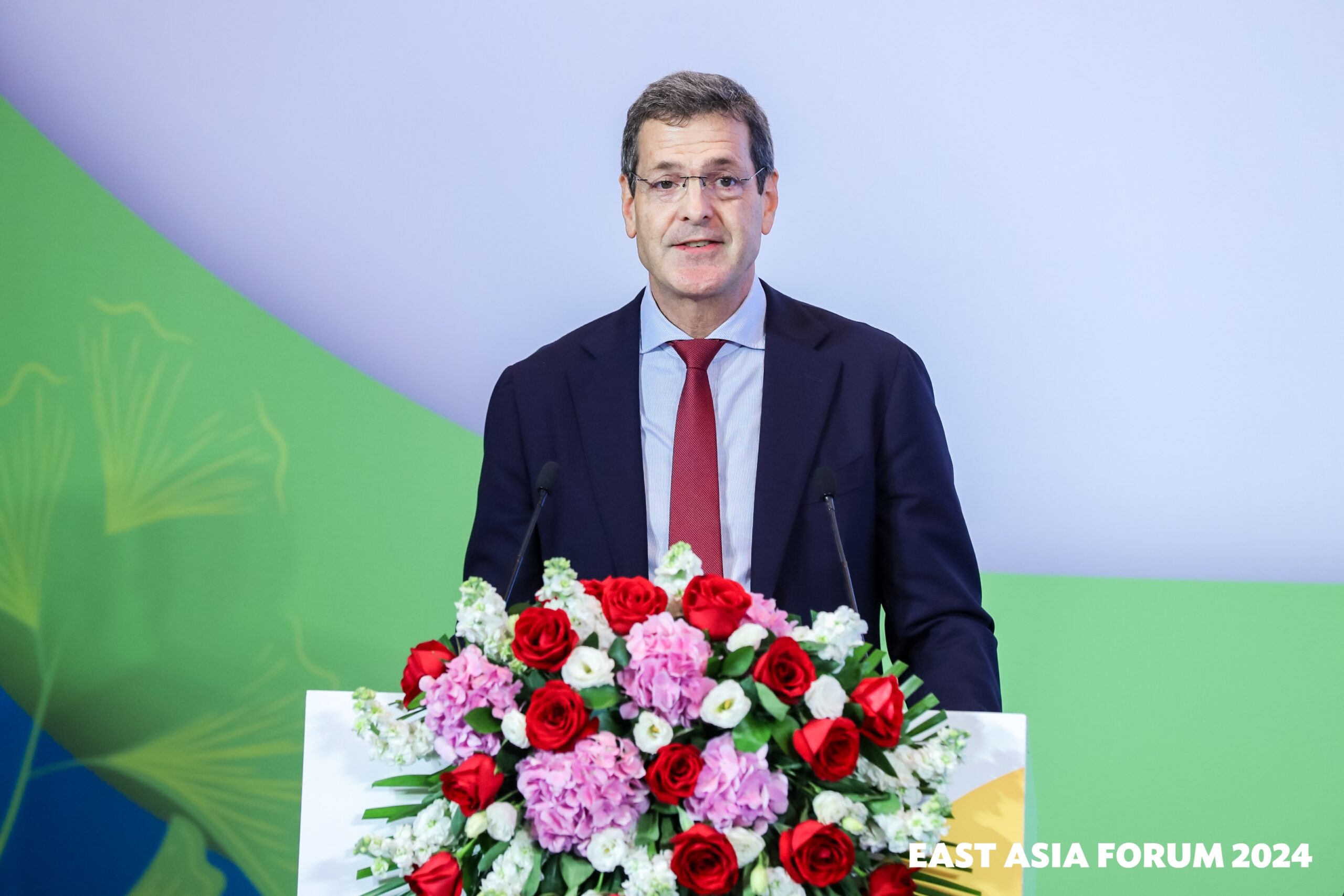
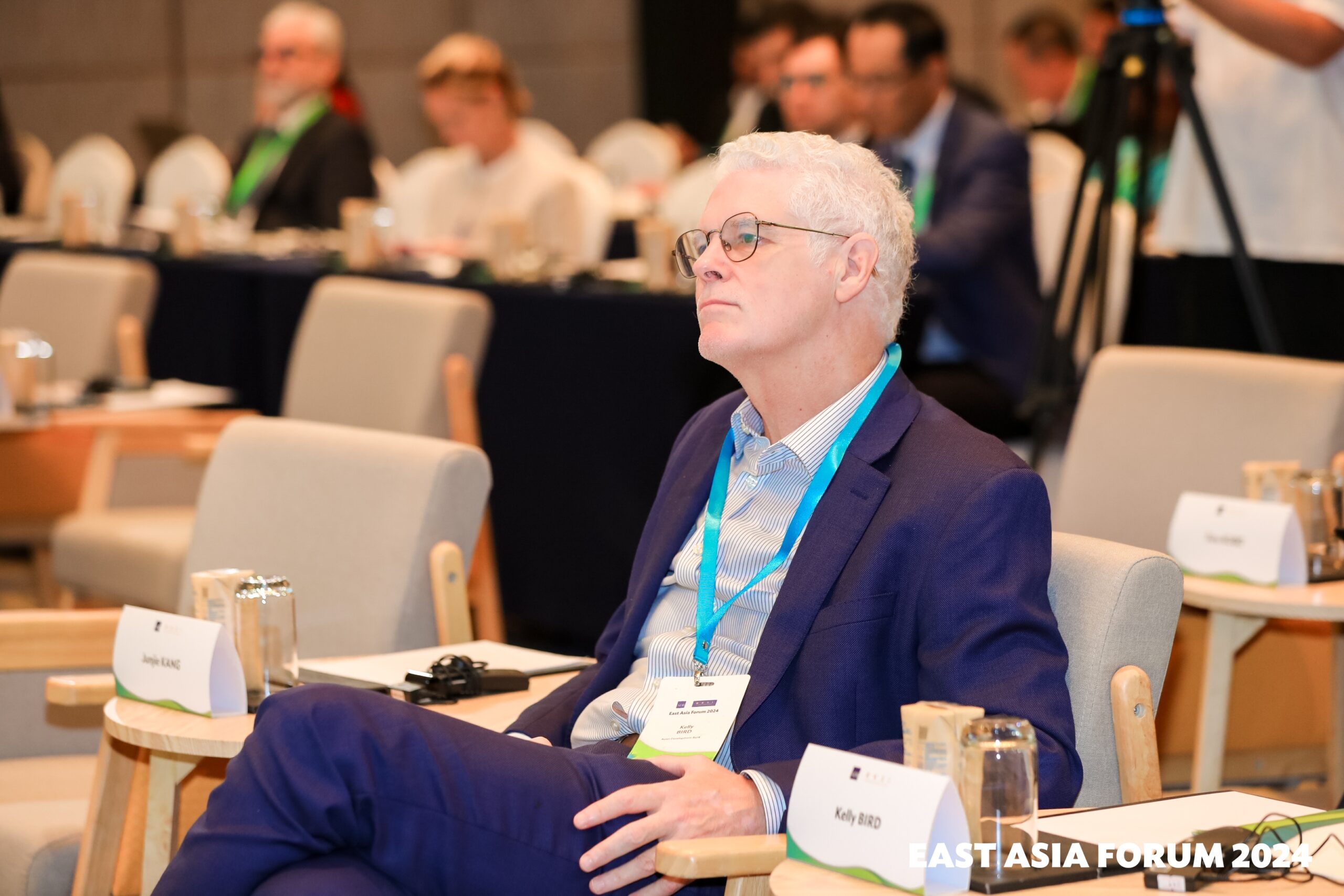
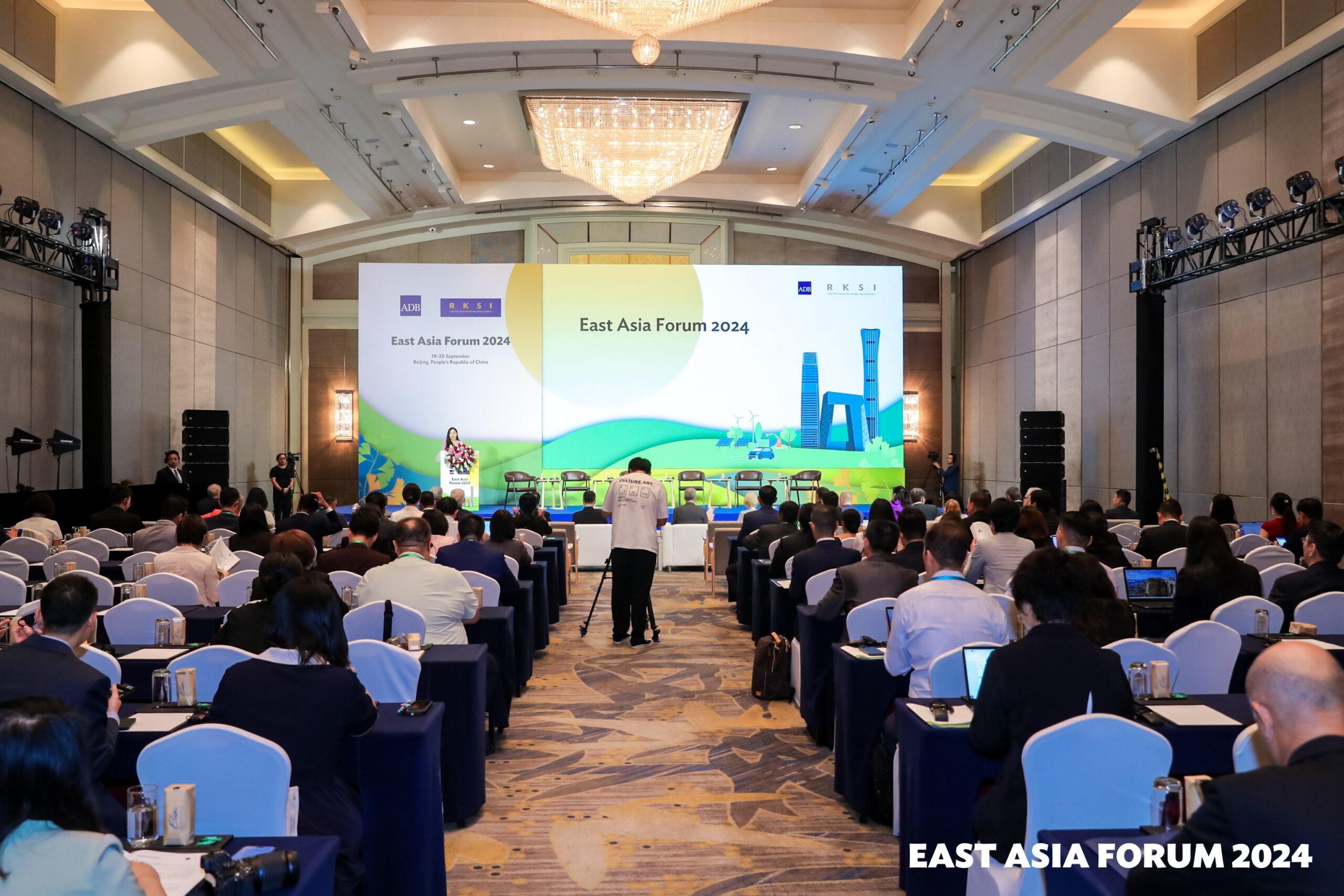
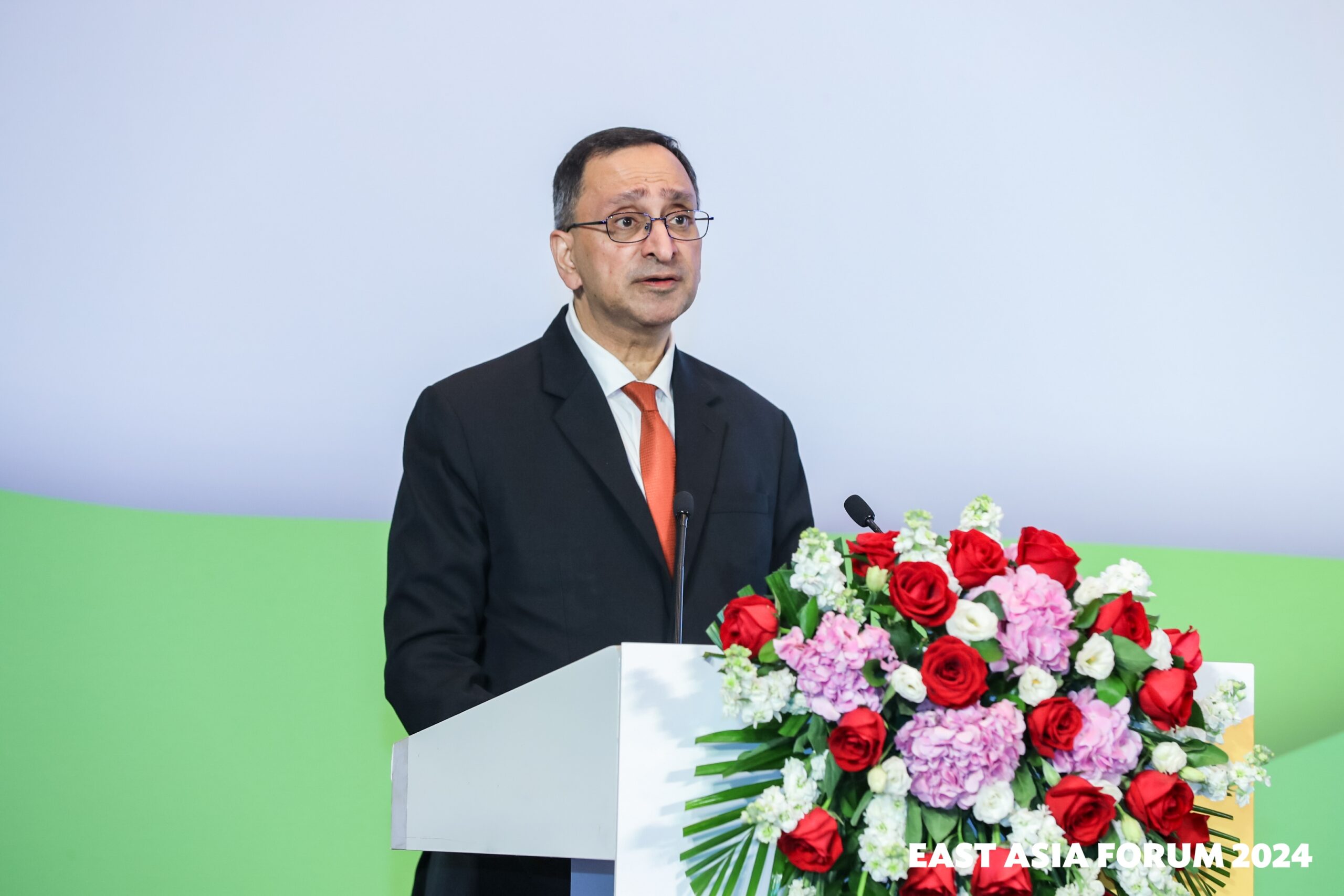
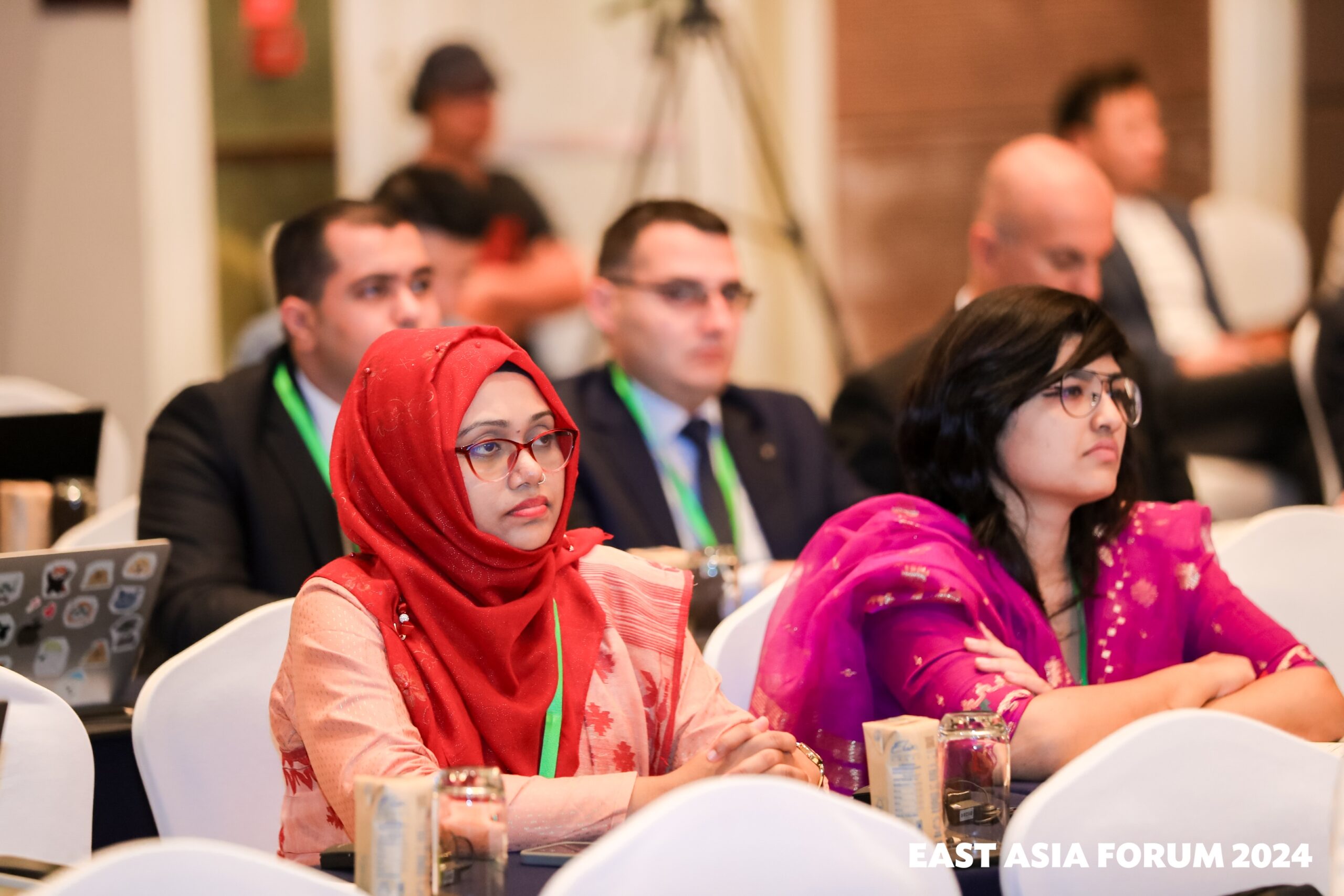
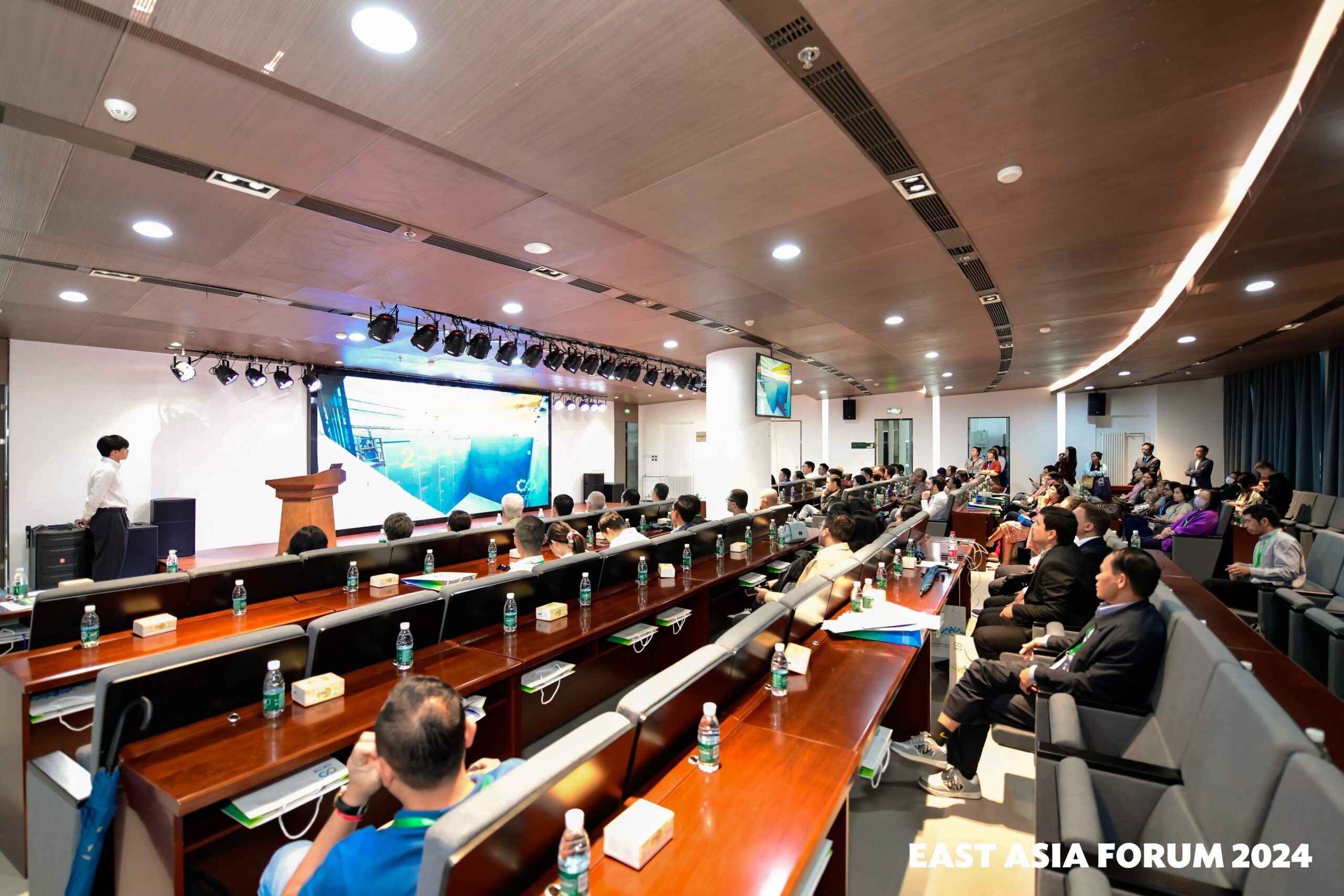
This year’s East Asia Forum (EAF) will explore ways the People’s Republic of China (PRC) and ADB can foster partnerships in addressing regional challenges related to climate change with a special interest in promoting global and regional public goods in ADB’s developing member countries (DMCs).

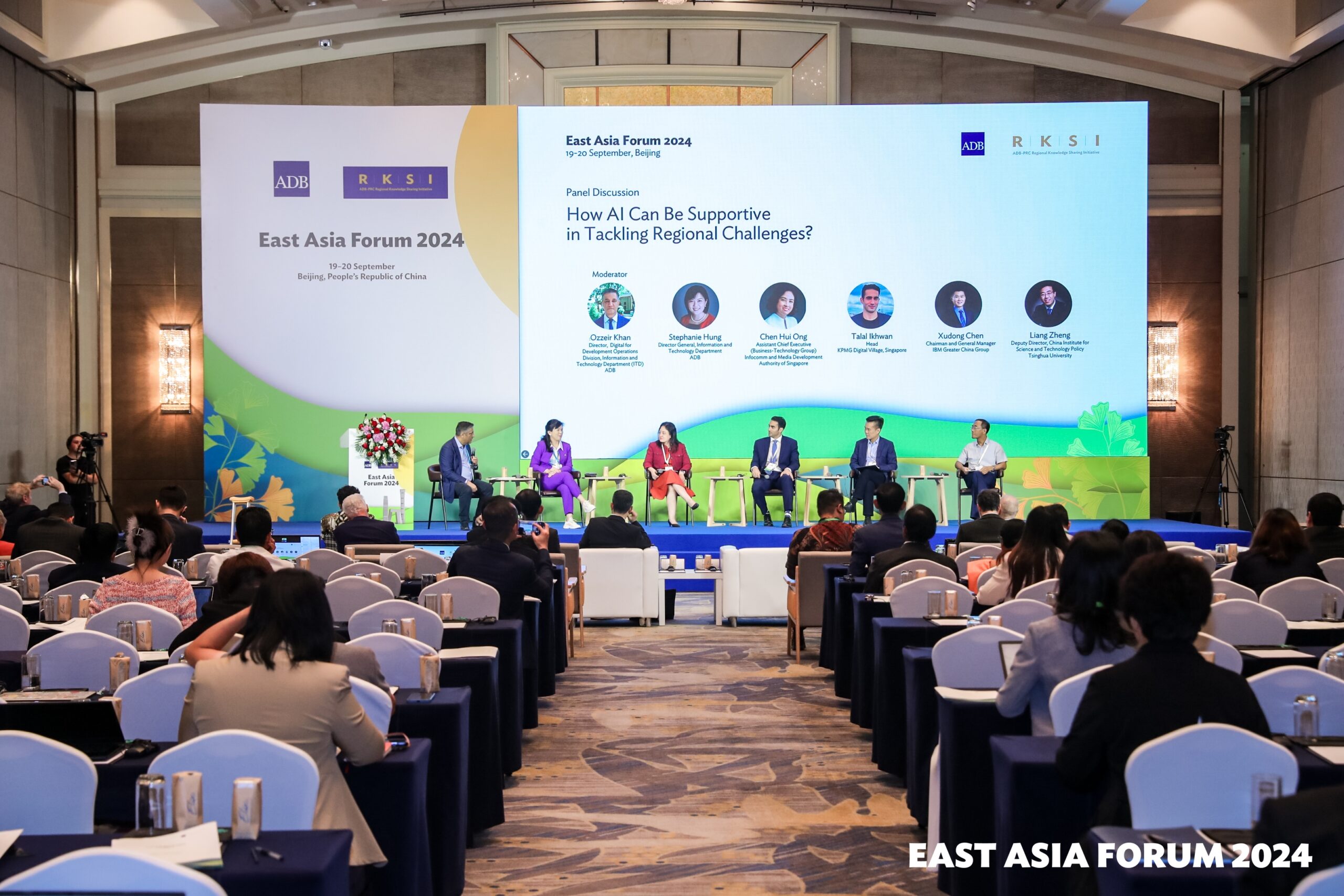
The Forum has four sessions. The first explores strategic ways the PRC and ADB can further evolve their partnership in tackling regional challenges including climate change. The second and third focus on two critical parts of climate as public goods and explore best practices for promoting them. Specifically, Session 2 focuses on nature conservation and ecosystem protection, and how instruments like nature-debt swaps can be a viable financing instrument to help DMCs meet their commitments to conserve 30% of terrestrial and marine areas by 2030. Session 3 centers on addressing climate mitigation through accelerating the energy transition from fossil fuel powered energy to clean energy, drawing on international practices related to energy policy, investments, and transition financing. The fourth session discusses how artificial intelligence can support addressing regional challenges. Specifically, it looks at emerging best practices in strategy, policy, and regulation to enhance the potential benefits of AI while mitigating its potential costs.   

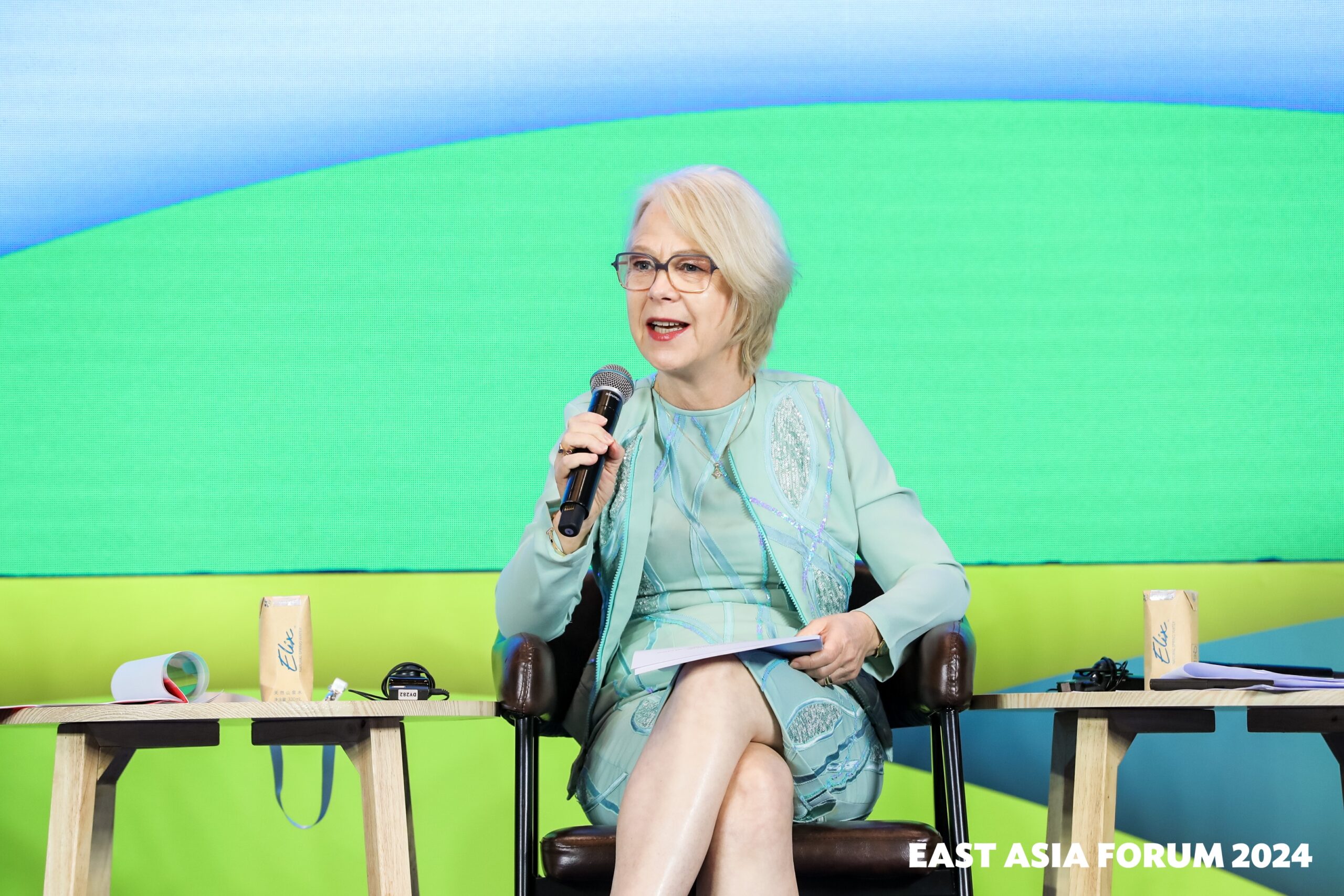
Each session will comprise a keynote speaker setting the context and regional challenges and followed by an interactive panel discussion comprising of distinguished experts.

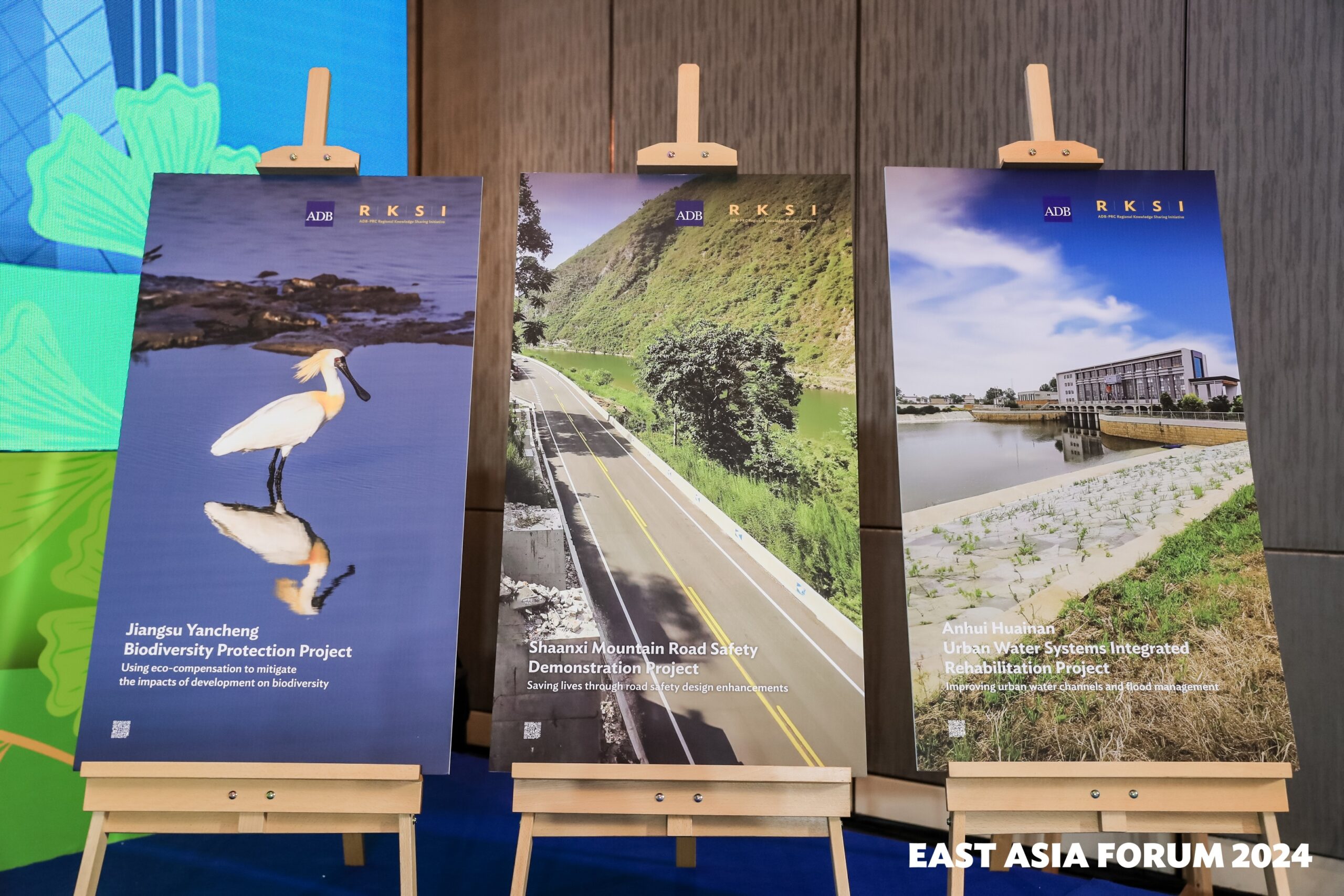
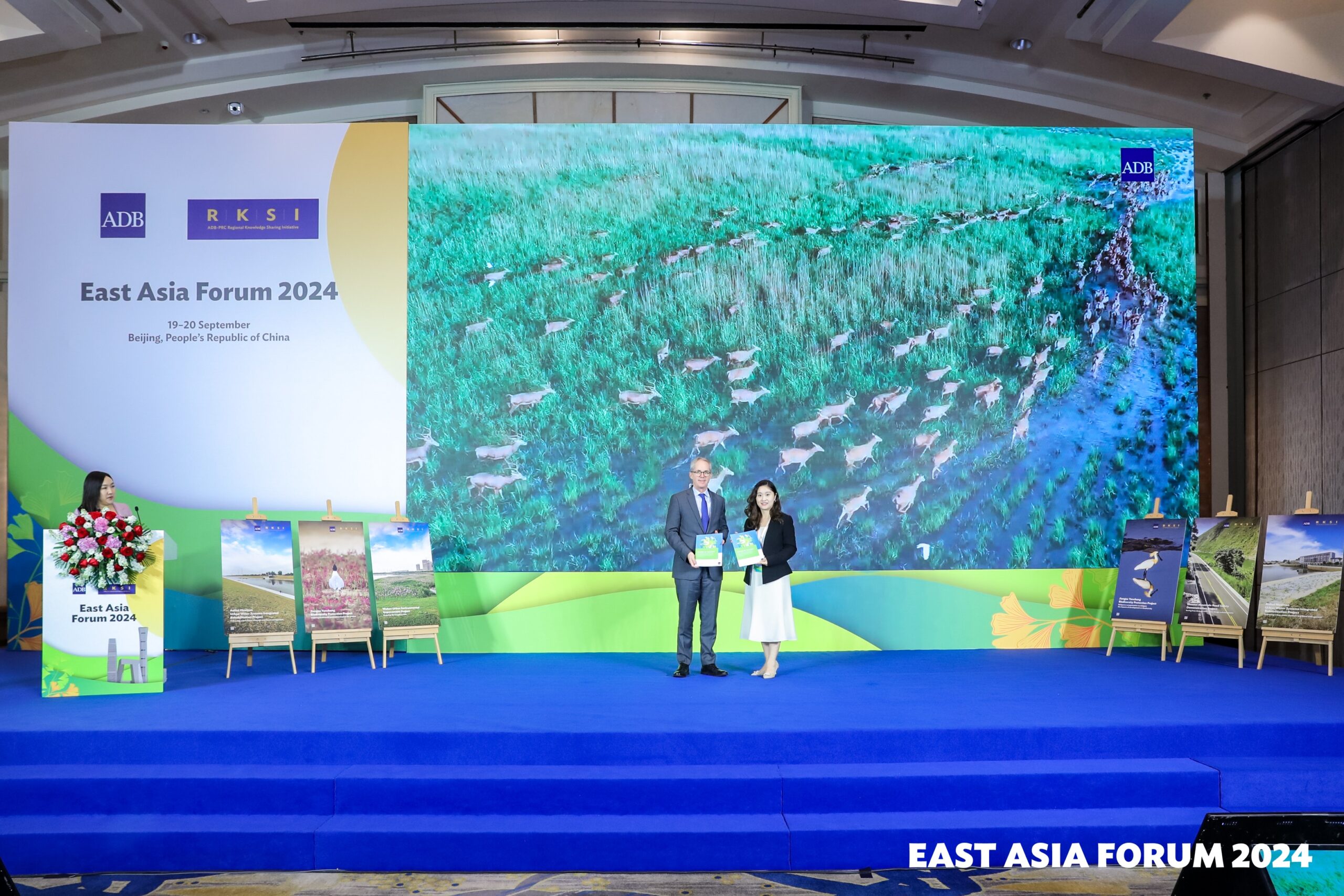
In addition to the four sessions, ADB will also launch its publication “Echoes of Success: Case Studies in the Replication of Asian Development Bank Projects in the People’s Republic of China“. The report presents five ADB-financed projects in the PRC that have been replicated within and outside the PRC.

Venue: Grand Ballroom 2, Kerry Hotel, 1 Guang Hua Road, Beijing.

Browse the program and biographies here

Download the presentations here

Agenda

Date/TimeSession
8.30-9.00Registration
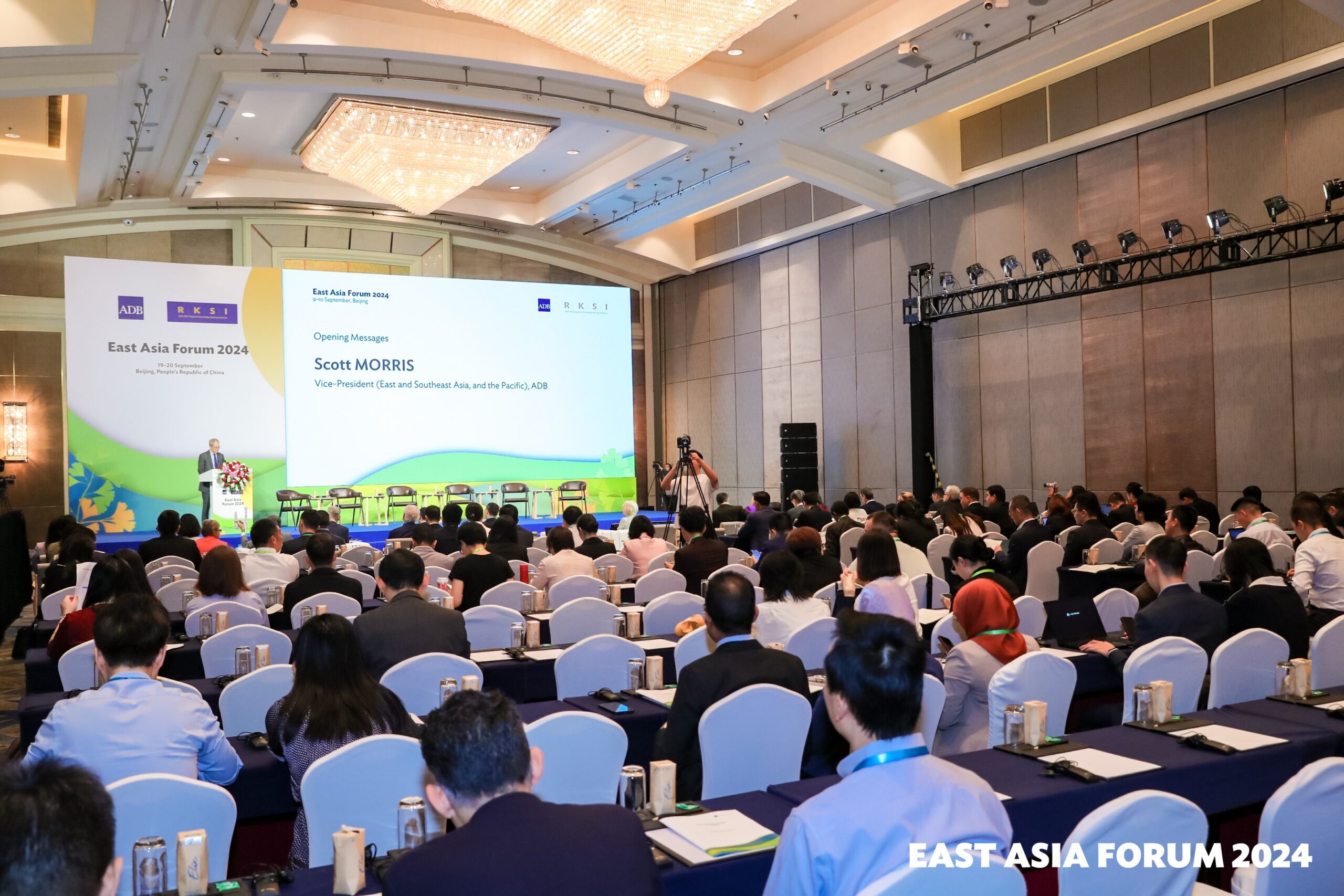
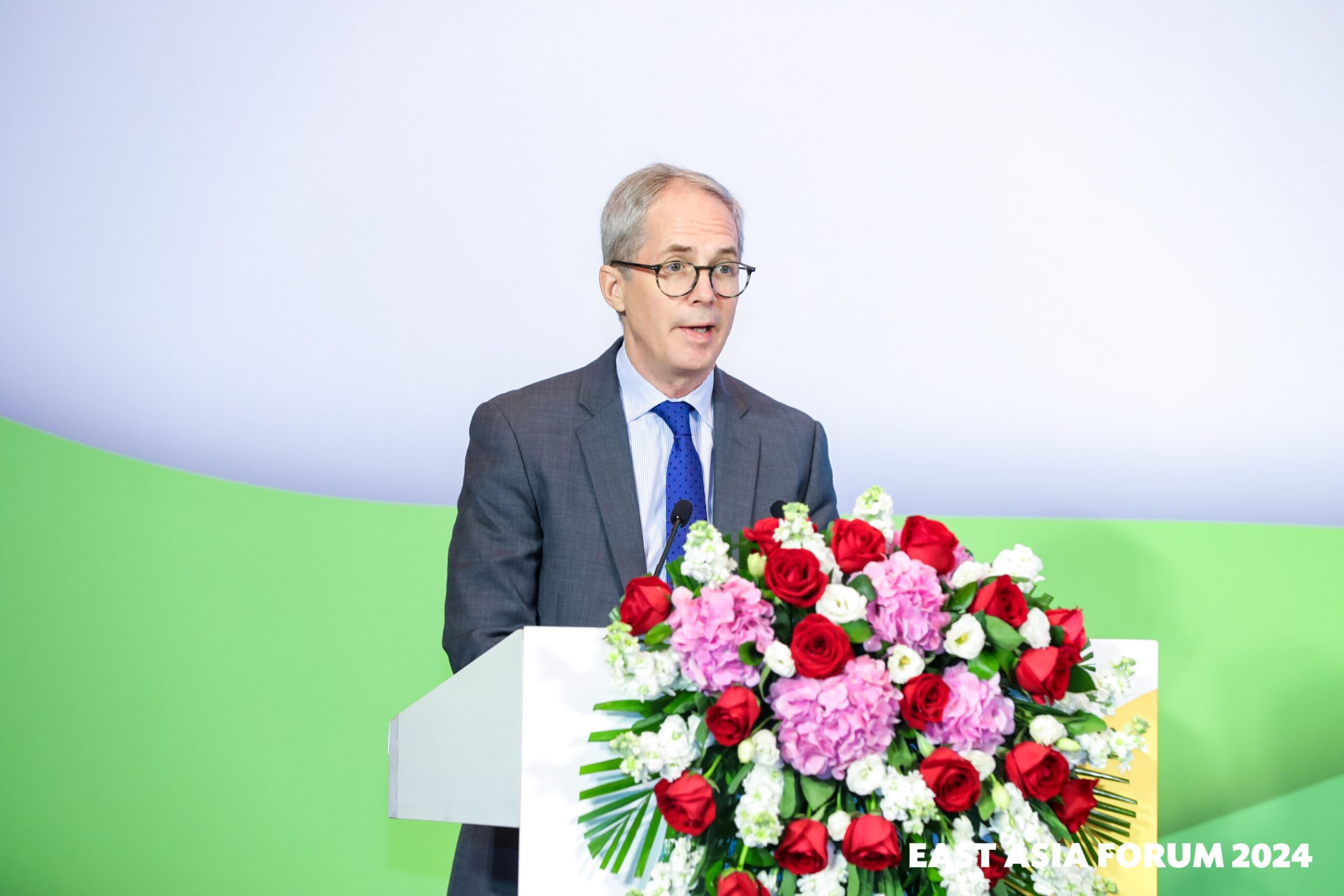
9.00-9.15Opening Messages

Scott Morris, Vice-President (East and Southeast Asia, and the Pacific), ADB
Weihua Liu, Executive Director, ADB
9.15-10.451. The PRC and ADB Partnership for the Asia and Pacific Region

Chair: Guan Xin, Anchor and Chief Editor, Business News Department, China Global Television Network (CGTN)

Presentation:
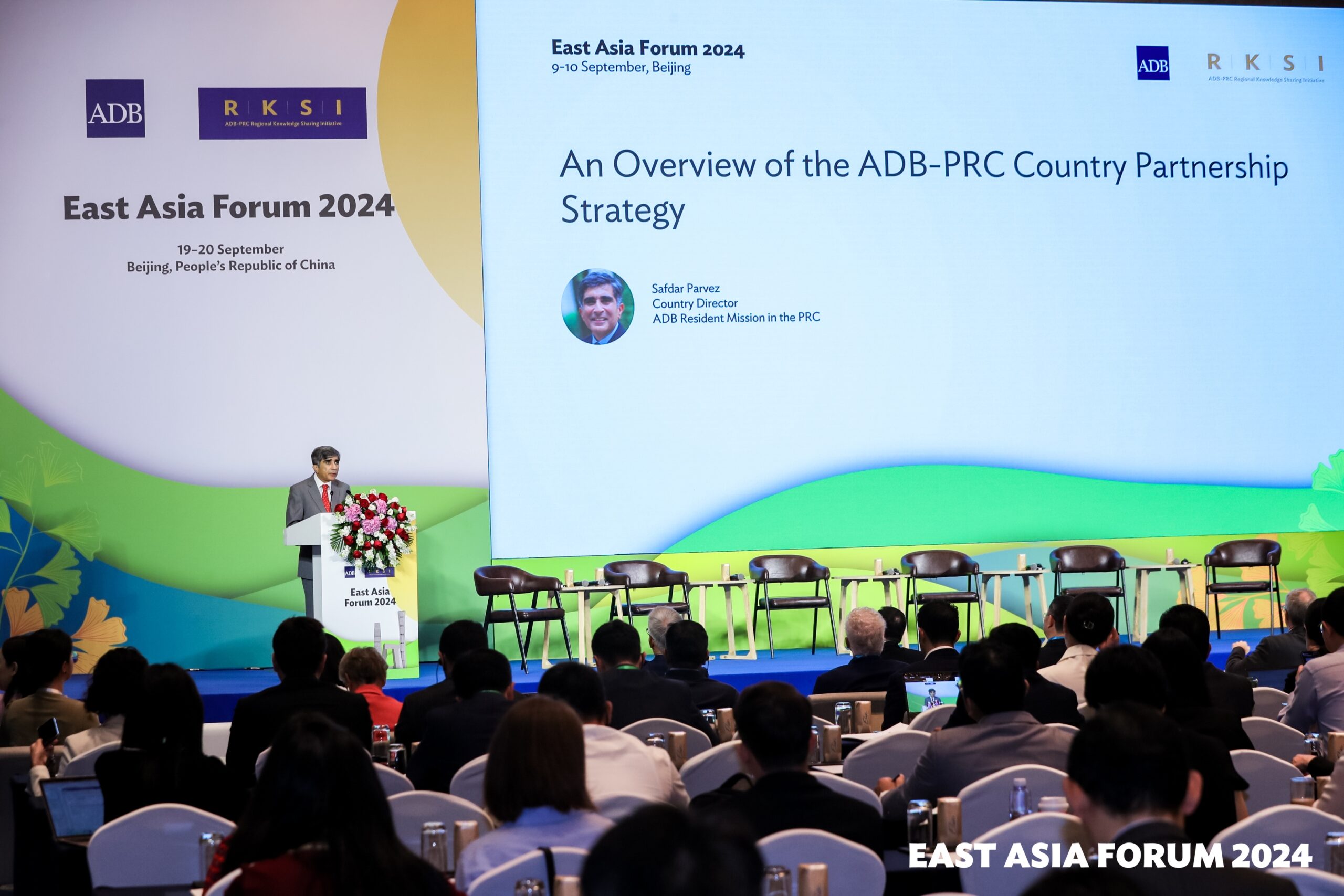
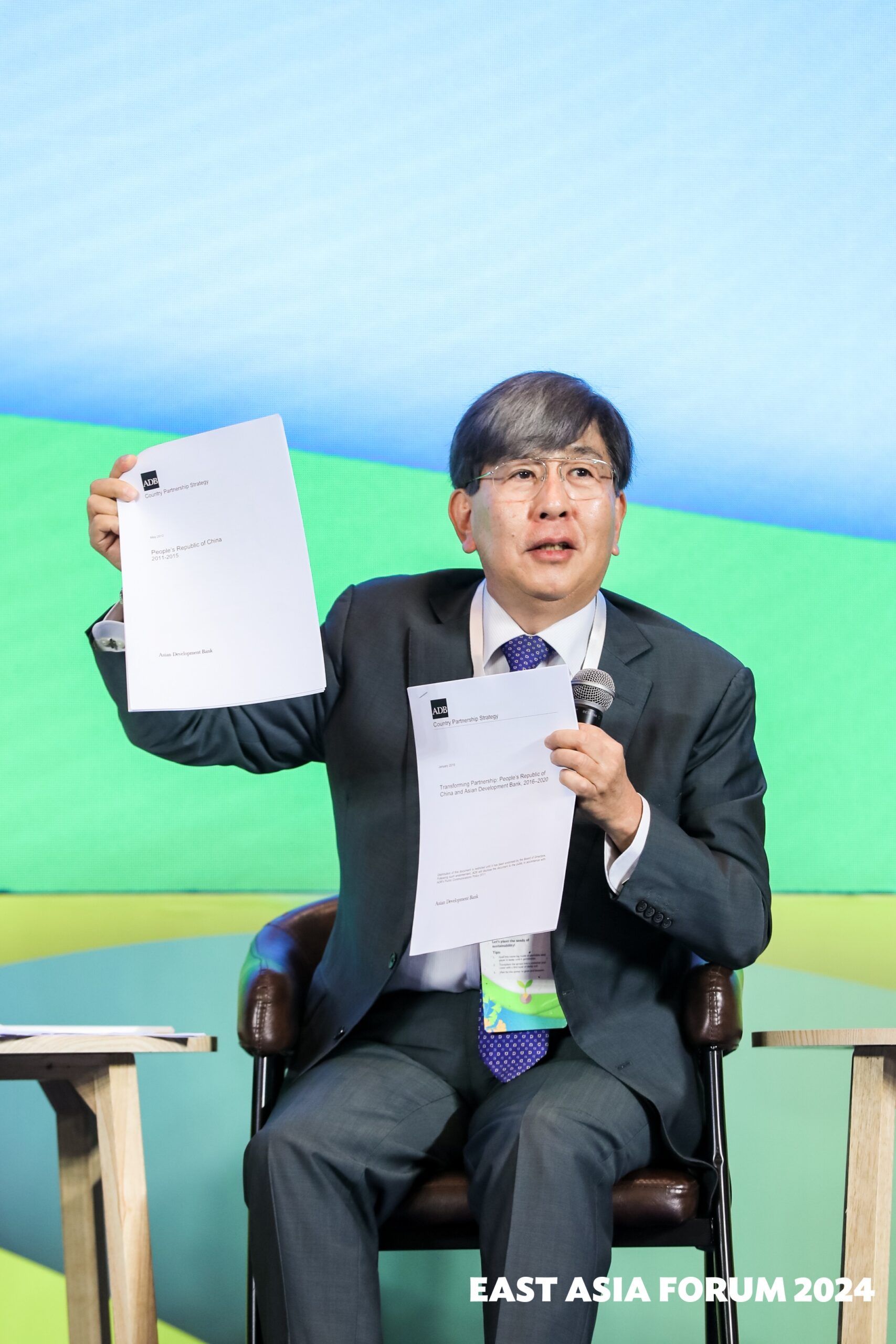
ADB-PRC Country Partnership
Safdar Parvez, Country Director, ADB Resident Mission in the PRC

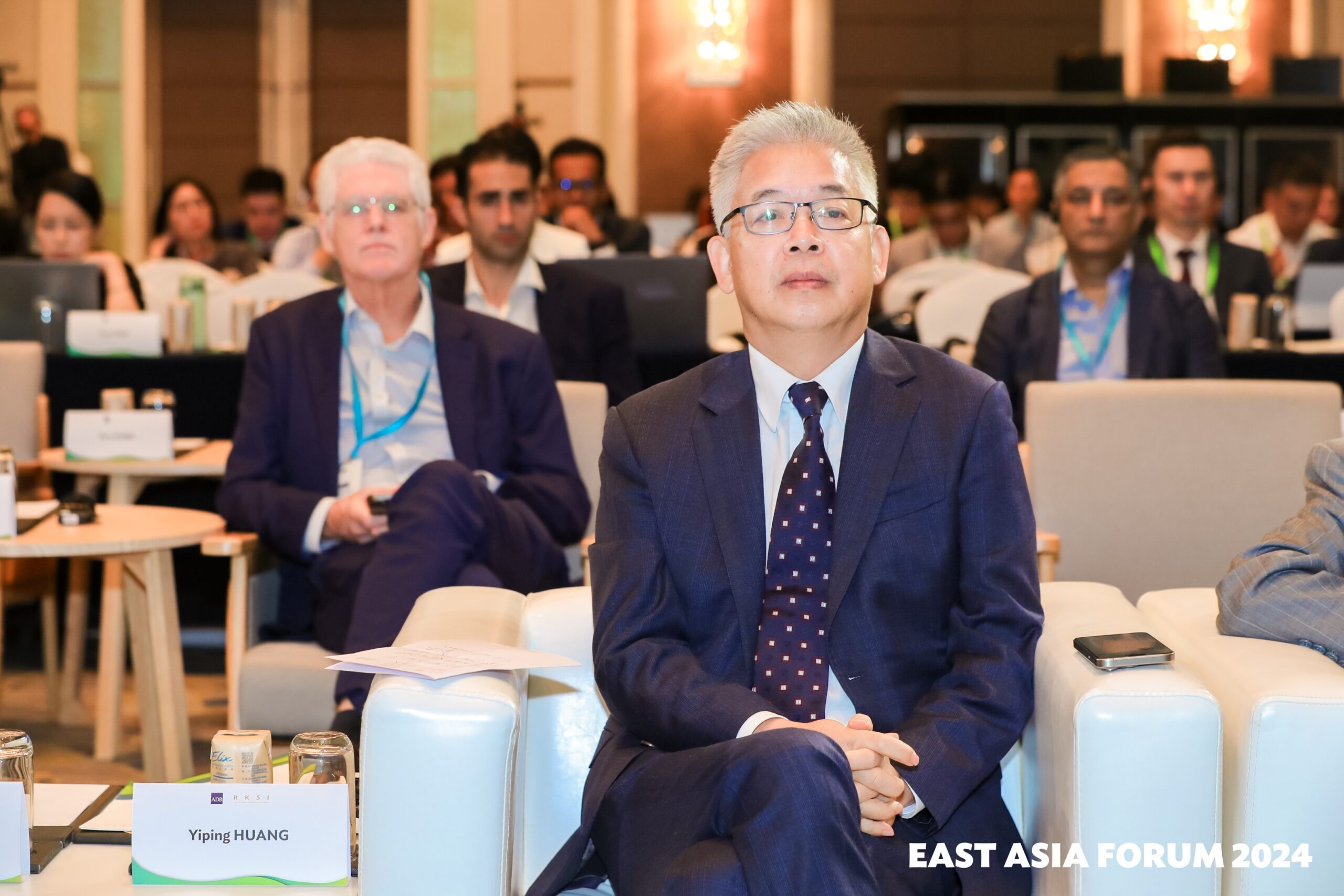
The PRC-ADB Strengthening Cooperation to Tackle Regional Challenges
Yiping Huang, Dean, National School of Development, Peking University

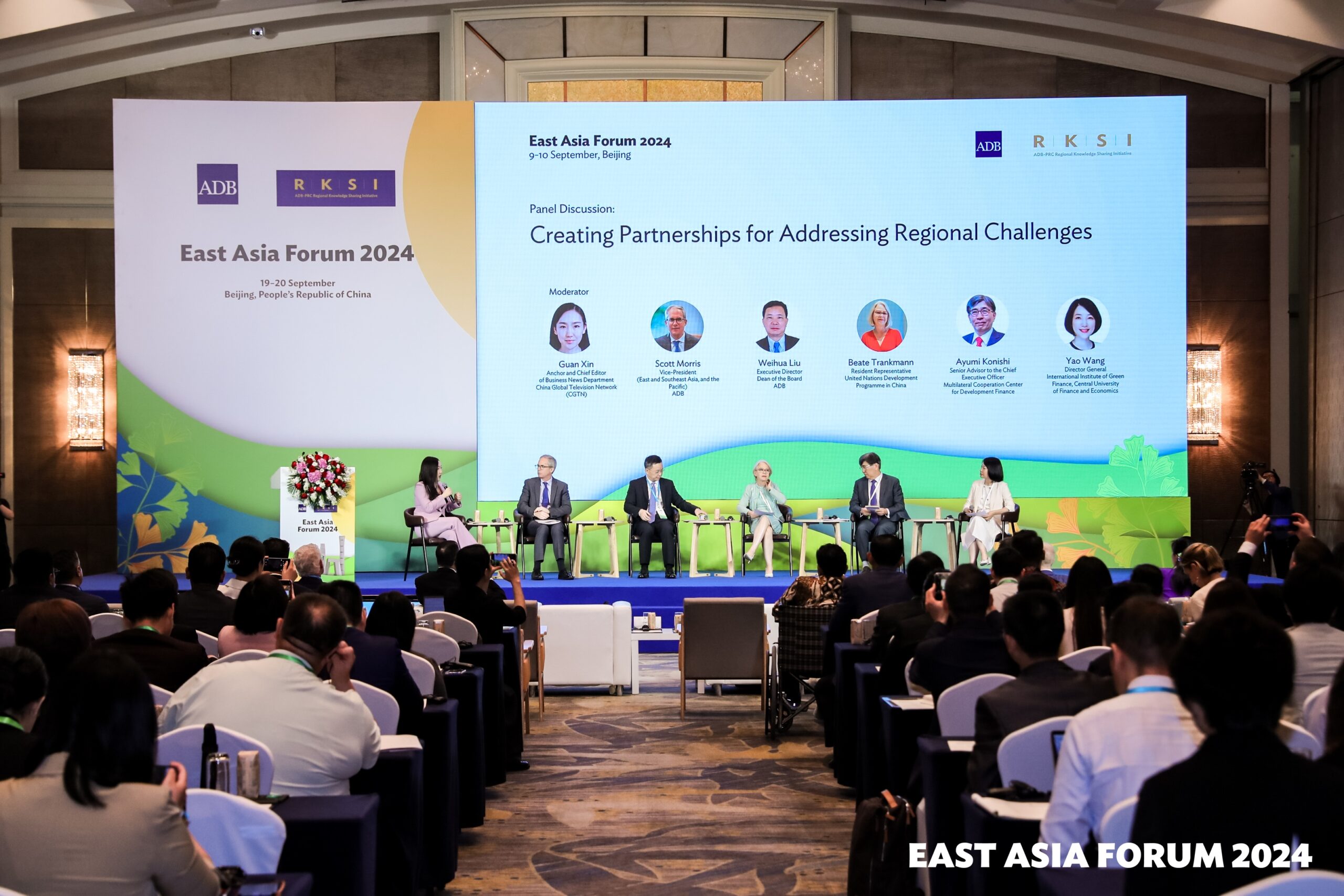
Panel Discussion: Creating Partnerships for Addressing Regional Challenges
  • Scott Morris, Vice-President (East and Southeast Asia, and the Pacific), ADB
  • Weihua Liu, Executive Director, ADB
  • Beate Trankmann, Resident Representative, United Nations Development Programme in the PRC
  • Ayumi Konishi, Senior Advisor to the Chief Executive Officer, Multilateral Cooperation Center for Development Finance
  • Yao Wang, Director General, International Institute of Green Finance

Q&A
10.45-11.00Break
11.00-12.302. Nature Conservation as a Regional Public Good

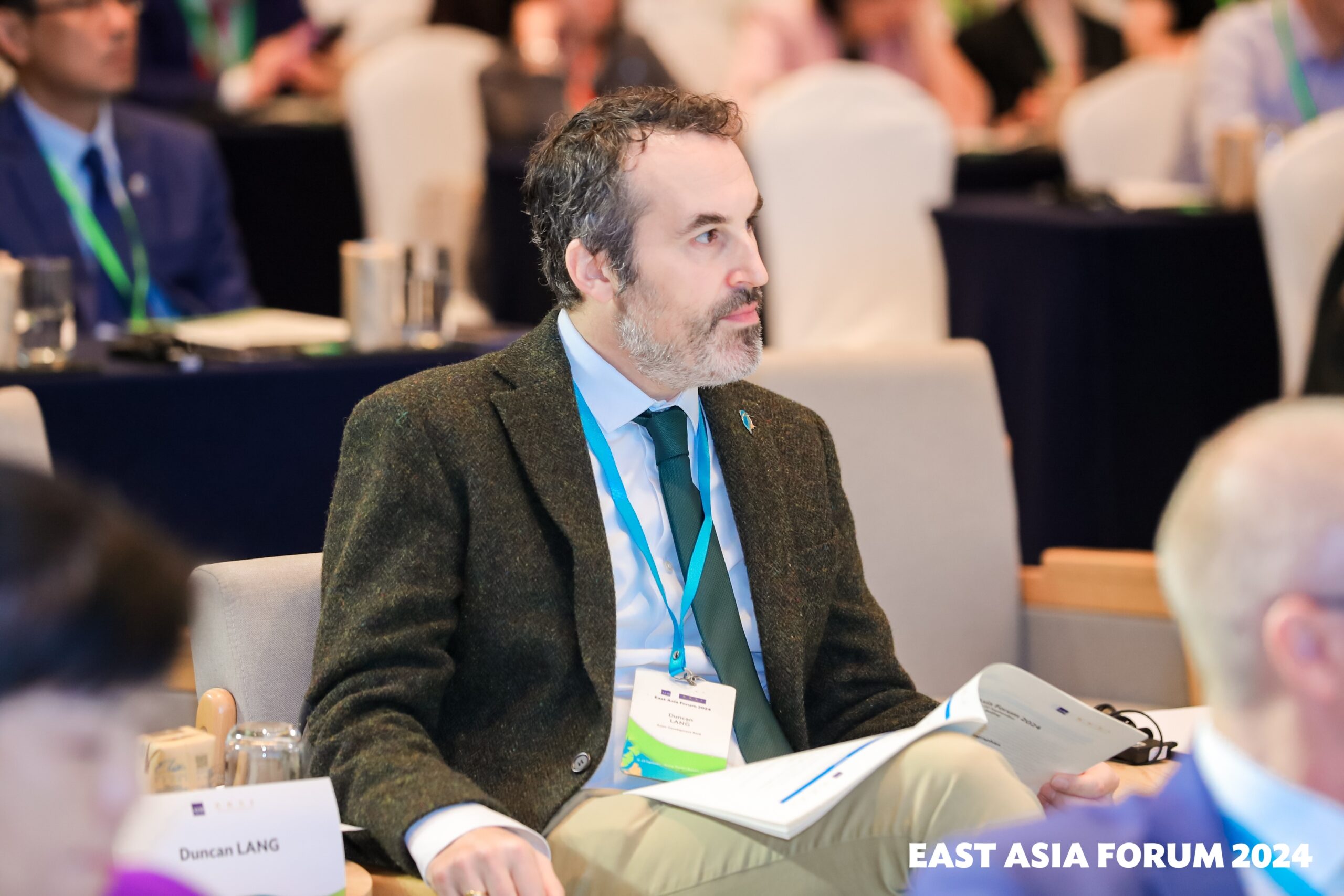
Chair: Duncan Lang, Senior Environment Specialist, Climate Change and Sustainable Development Department (CCSD), ADB

Presentation:
Good International Practices on Strategies for Conserving Nature
Mingjia Yuan, The Nature Conservancy Beijing Representative Office

Considerations on Debt for Nature Swaps
Nicole Arditti, Global Sovereign Advisory

Panel Discussion: How Can We Leverage Financing Instruments to Meet the Global Conservation Goal of 30% of Land and Marine Resources Protected by 2030?
  • Ye Wang, Deputy Section Chief, Foreign Economic Cooperation Office, Ministry of Ecology and Environment, the PRC
  • Han Chen, Senior Researcher, Green Belt and Road Center, International Institute of Green Finance, Central university of Finance and Economics, the PRC
  • Mingjia Yuan, The Nature Conservancy, Beijing Representative Office
  • Nicole Arditti, Global Sovereign Advisory
  • Luo Wang, Director, Institute of International Development Cooperation, Chinese Academy of International Trade and Economic Cooperation, Ministry of Commerce, the PRC

Q&A
12.30-14.00Lunch
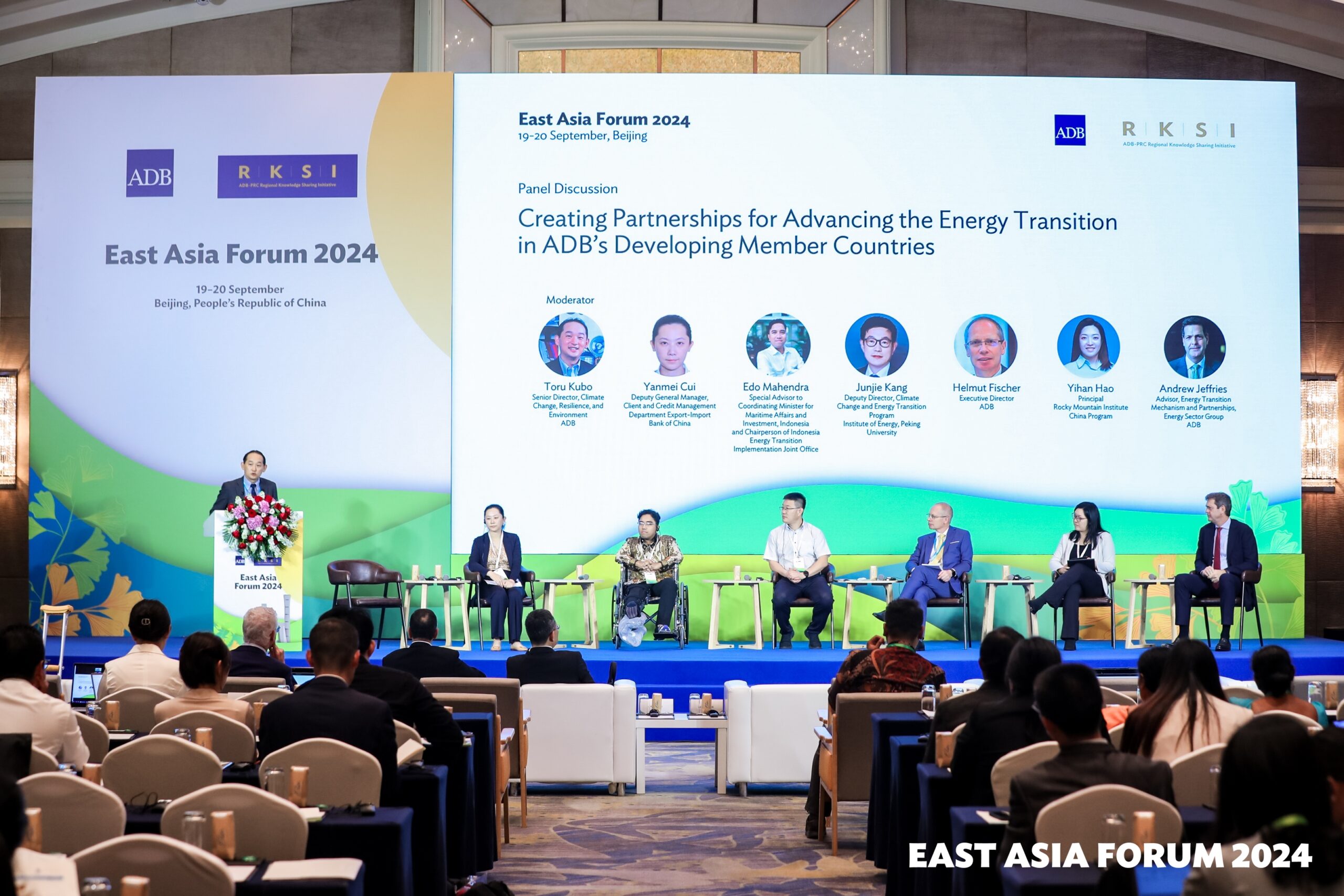
14.00-15.303. Energy Transition as a Global Public Good

Chair: Toru Kubo, Senior Director, Climate Change, Resilience, and Environment, CCSD, ADB

Presentation: International Practices for Accelerating the Energy Transition
Andrew Jeffries, Advisor, Energy Transition Mechanism and Partnerships, Sector Group, ADB

Panel Discussion: Creating Partnerships for Advancing the Energy Transition in ADB’s Developing Member Countries
  • Yanmei Cui, Deputy General Manager, Client and Credit Management Department, Export-Import Bank of China
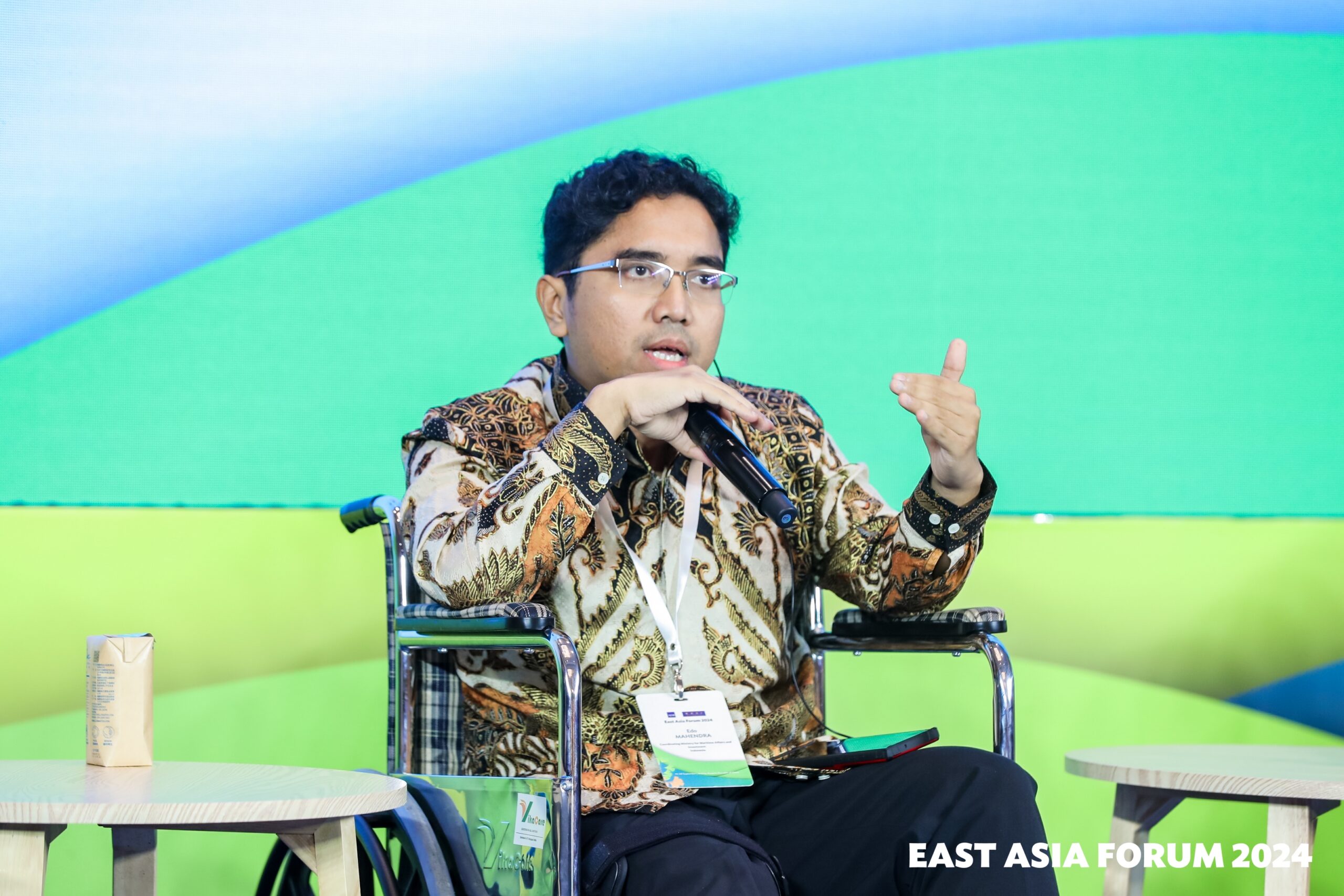
  • Edo Mahendra, Special Advisor to Coordinating Minister for Maritime Affairs and Investment, Indonesia, and Chairperson of Indonesia Energy Transition Implementation Joint Office
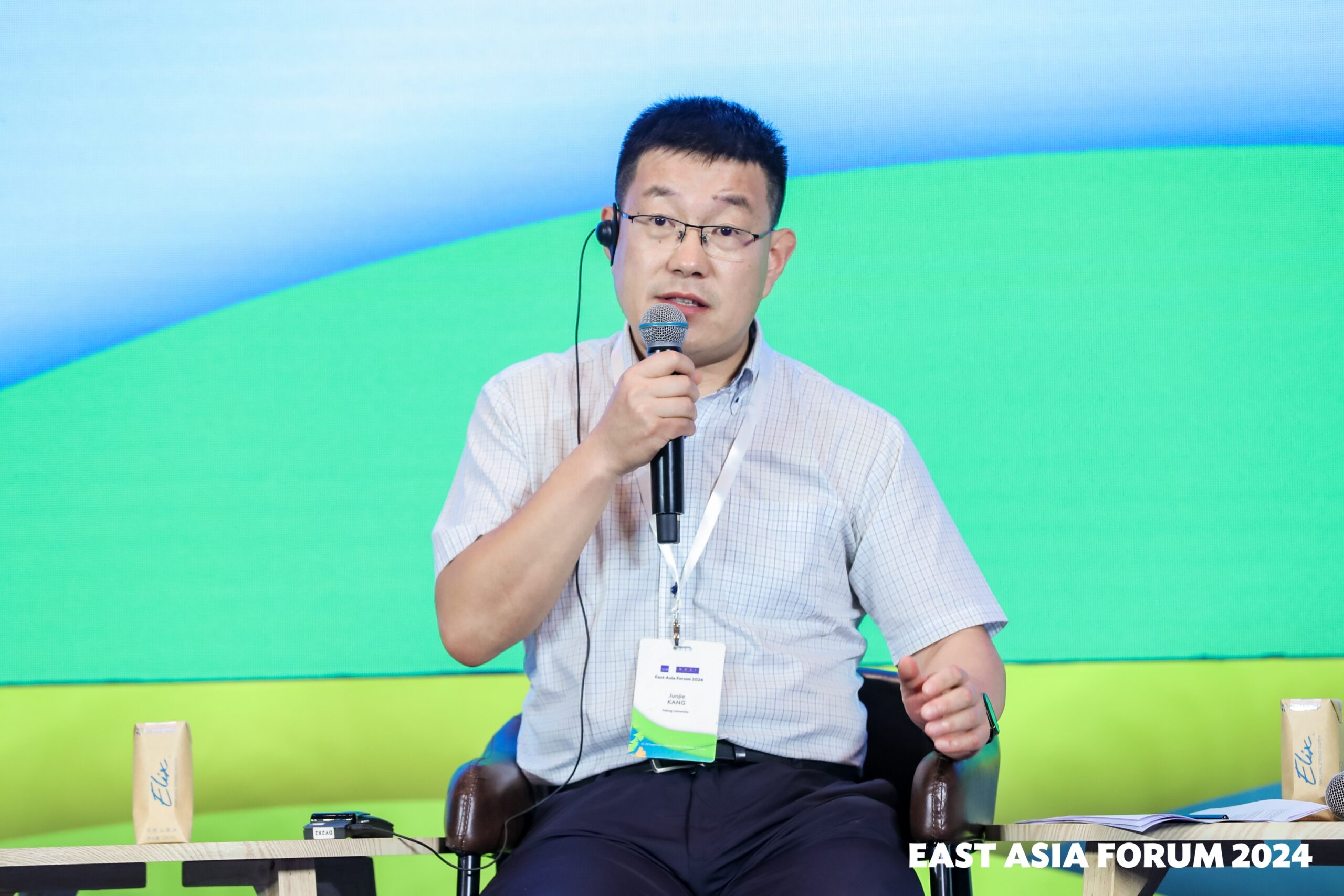
  • Junjie Kang, Deputy Director, Climate Change and Energy Transition Program, Institute of Energy, Peking University
  • Helmut Fischer, Executive Director, ADB
  • Yihan Hao, Principal, Rocky Mountain Institute (RMI) China Program
  • Andrew Jeffries, Advisor, Energy Transition Mechanism and Partnerships, Sector Group, ADB

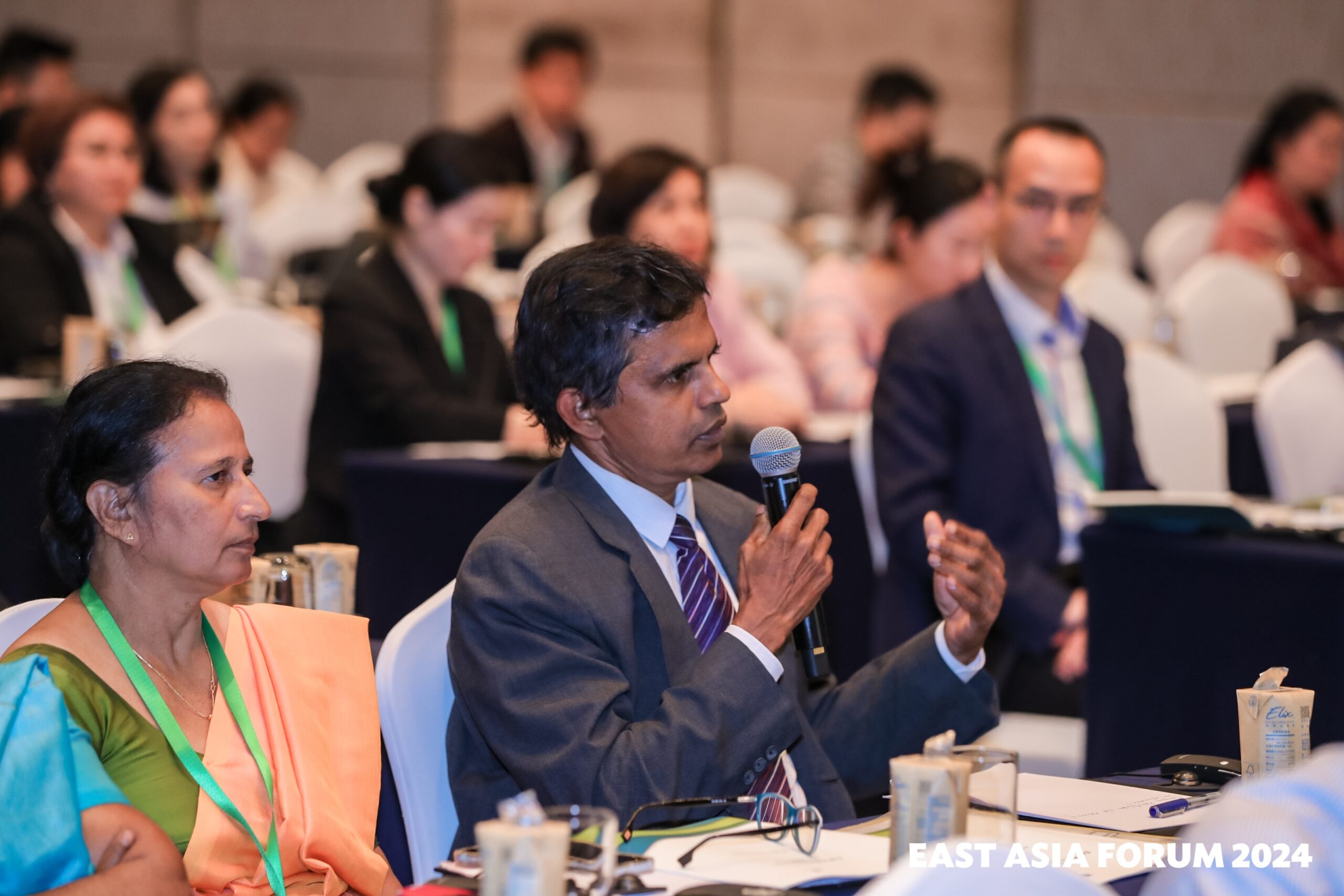
Q&A
15.30-17.004. Artificial Intelligence: Emerging Global Best Practices in Strategy, Policy, and Regulation

Chair: Ozzeir Khan, Director, Information and Technology Department (ITD), ADB

Presentation: Setting the Context
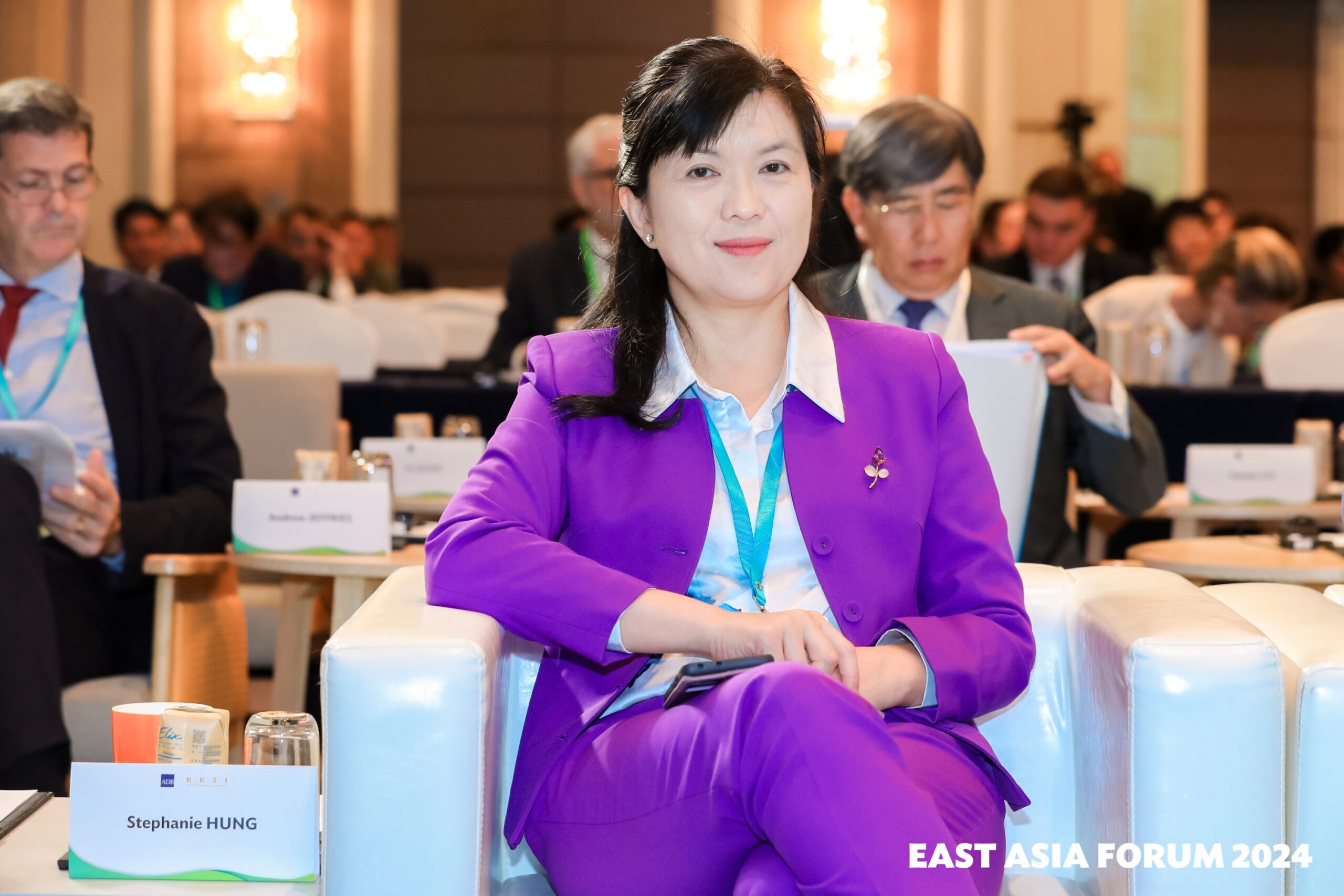
Stephanie Hung, Director General, ITD, ADB

Panel Discussion: How AI Can Be Supportive in Tackling Regional Challenges
  • Stephanie Hung, Director General, Information and Technology Department, ADB
  • Chen Hui Ong, Assistant Chief Executive (Business-Technology Group), Infocomm and Media Development Authority of Singapore
  • Talal Ikhwan, Head, KPMG Digital Village, Singapore
  • Xudong Chen, Chairman and General Manager of IBM, Greater China Group
  • Zheng Liang, Deputy Director, China Institute for Science and Technology Policy, Tsinghua University

Q&A
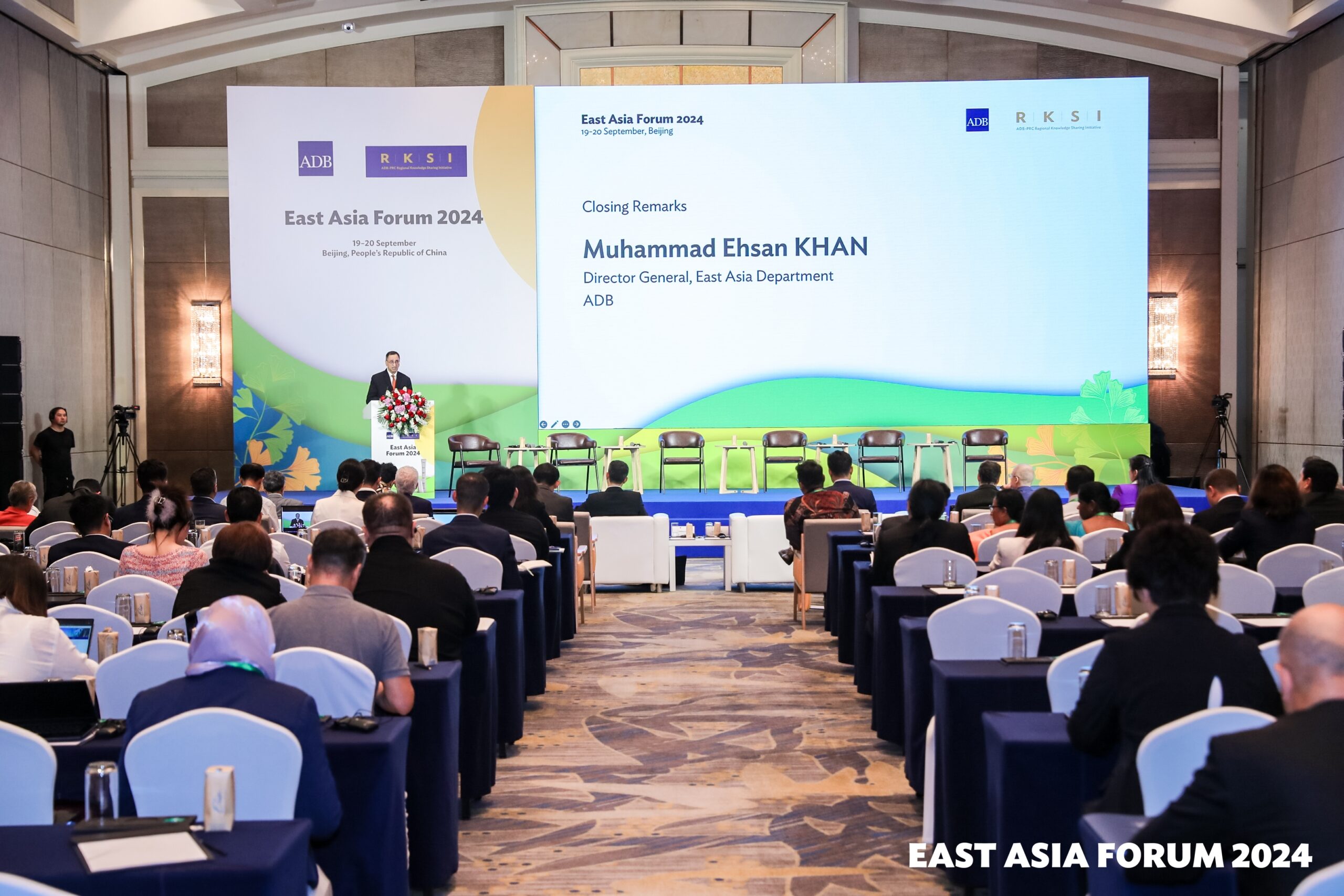
17.00-17.05Closing Remarks

Muhammad Ehsan Khan, Director General, East Asia Department, ADB
17.05-17.20Break
17.20-17.50Publication Launch: “Echoes of Success: Case Studies in the Replication of Asian Development Bank Projects in the People’s Republic of China”

Messages from:
Scott Morris, Vice President (East and Southeast Asia, and the Pacific), ADB
Xi Zhang, Executive Director and General Manager, Shaanxi Financial Holding Development Investment Management Co., Ltd.
All dayResults Reality Booth
Showcasing ADB projects in the PRC in augmented and virtual reality
18.30-20.30Dinner
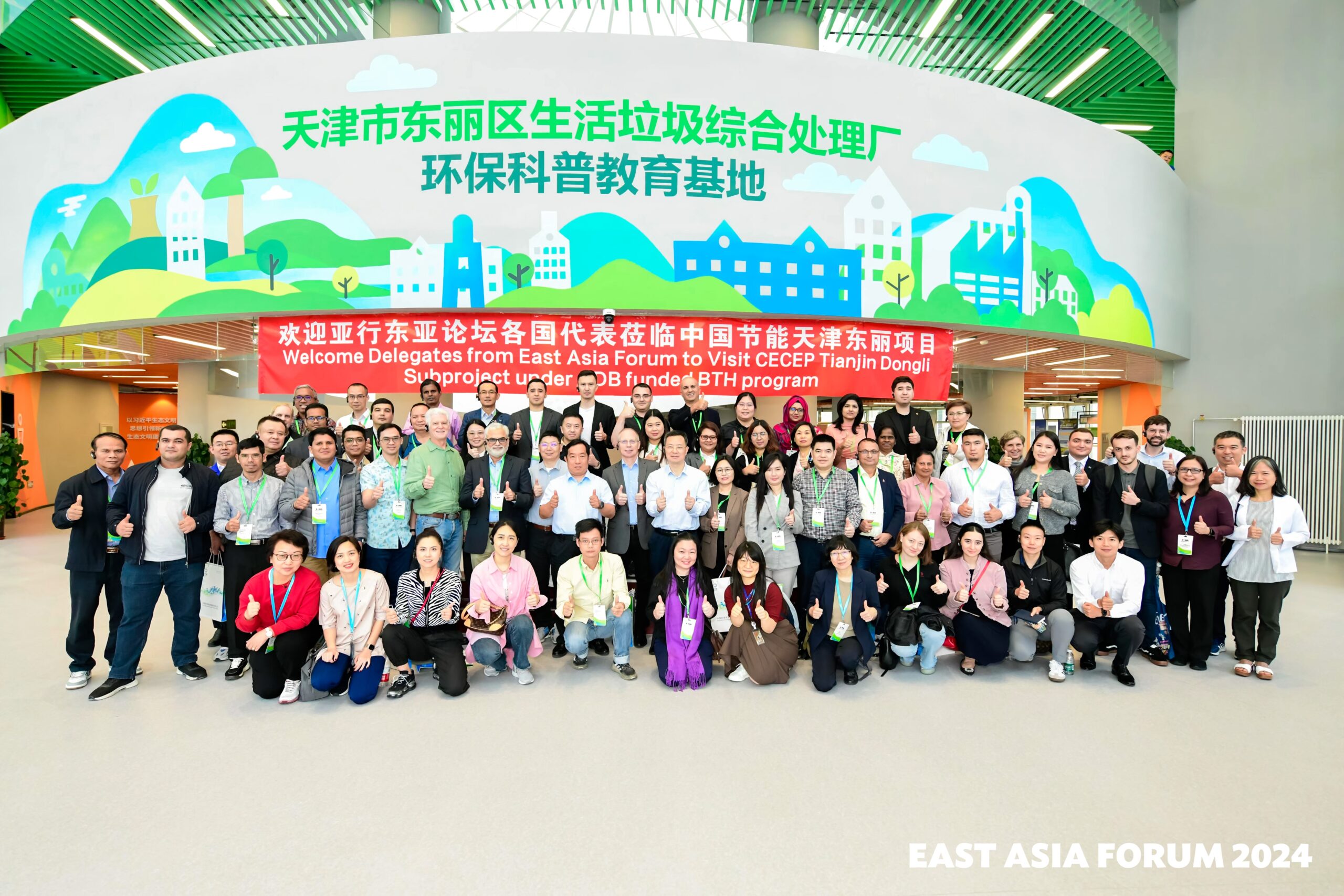
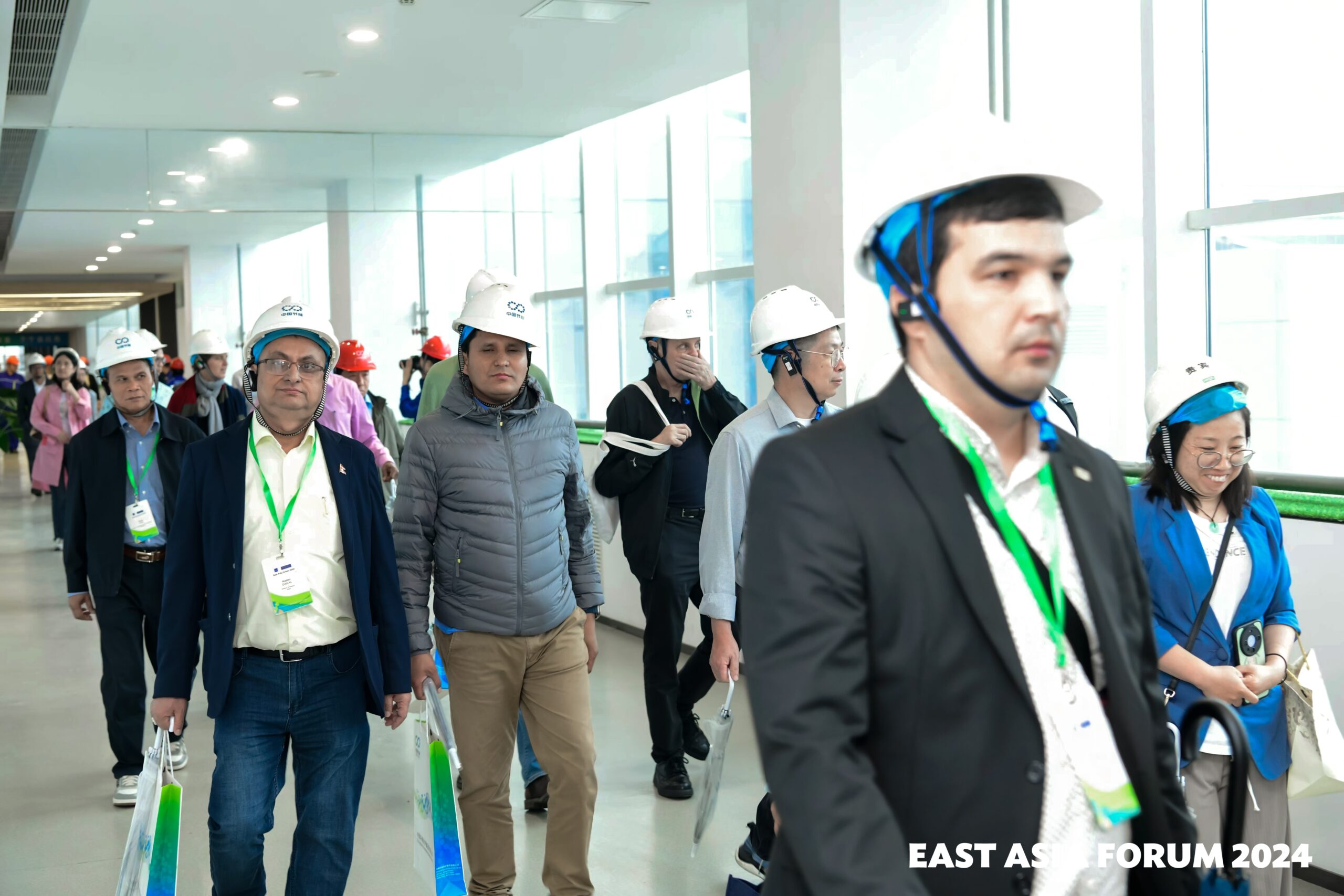
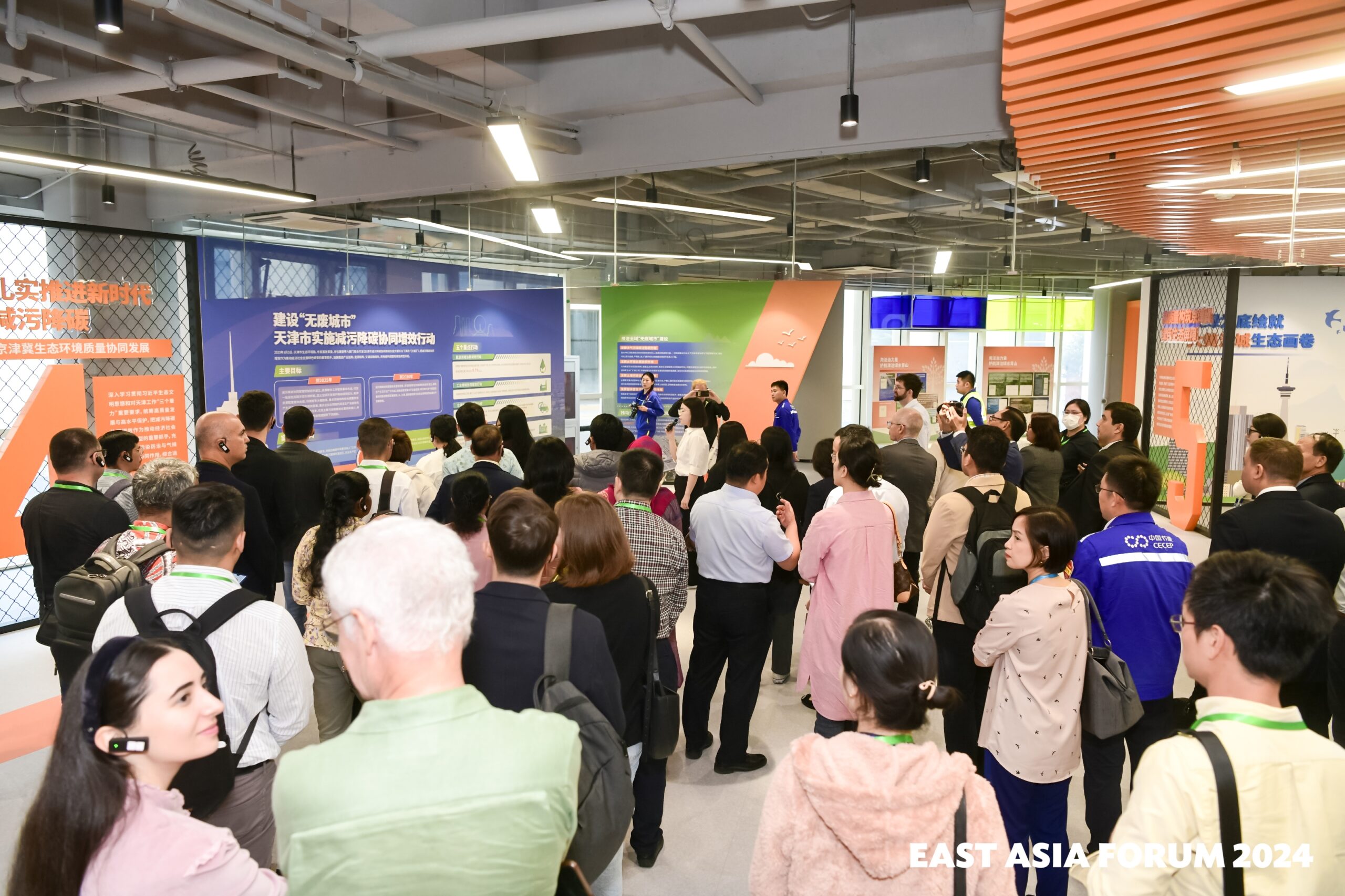
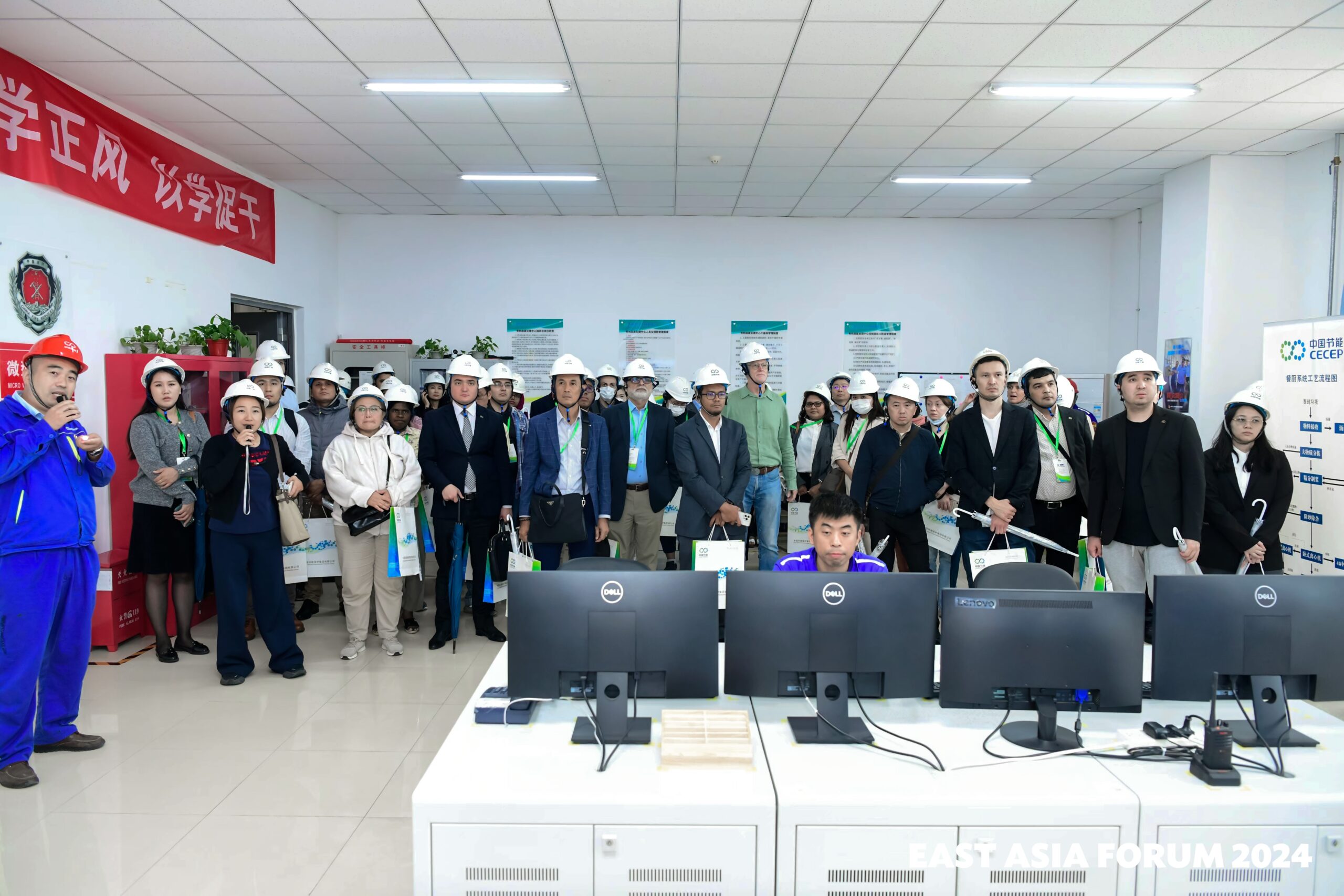
09.00-18.00Field Visit to Project Site
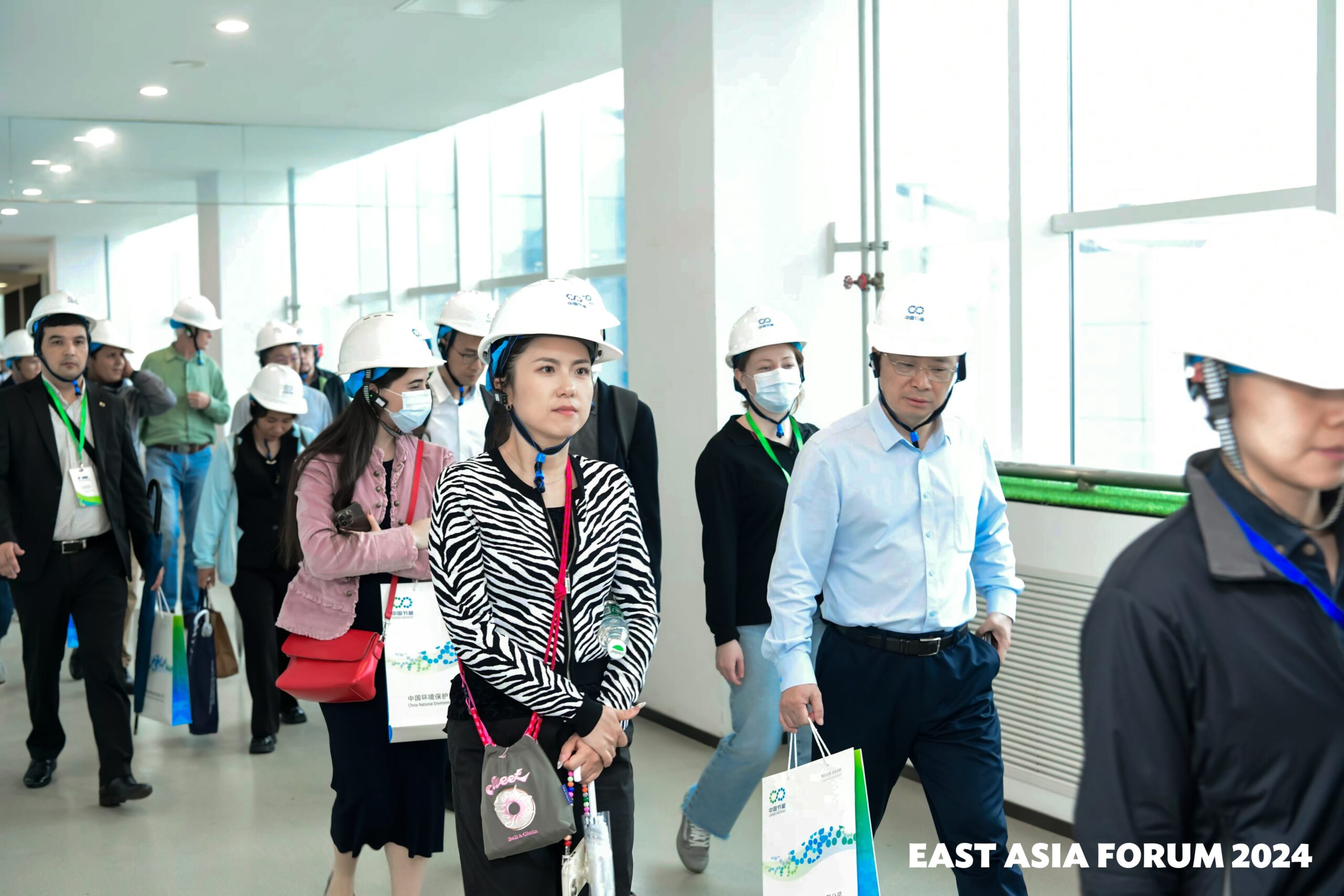
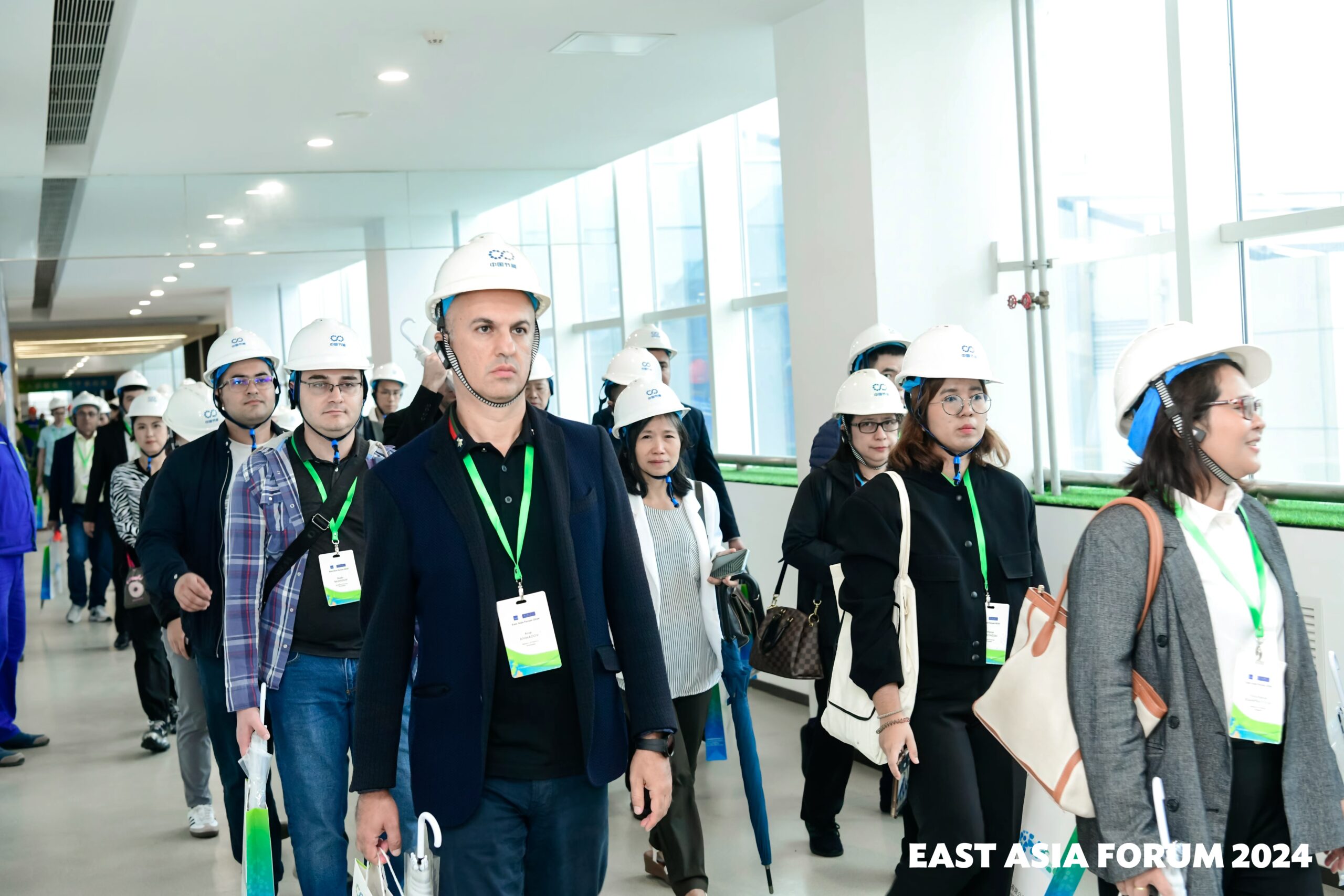
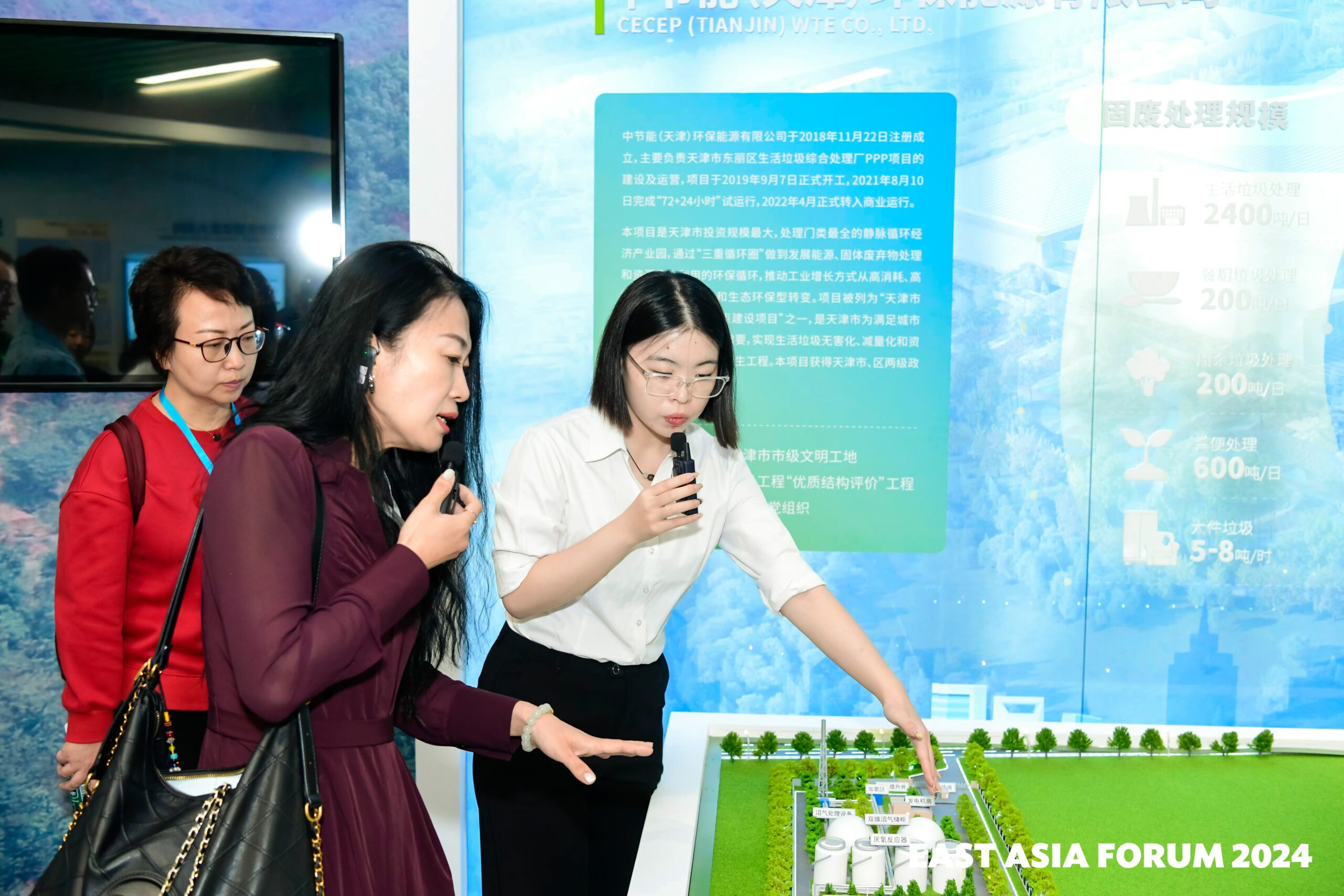
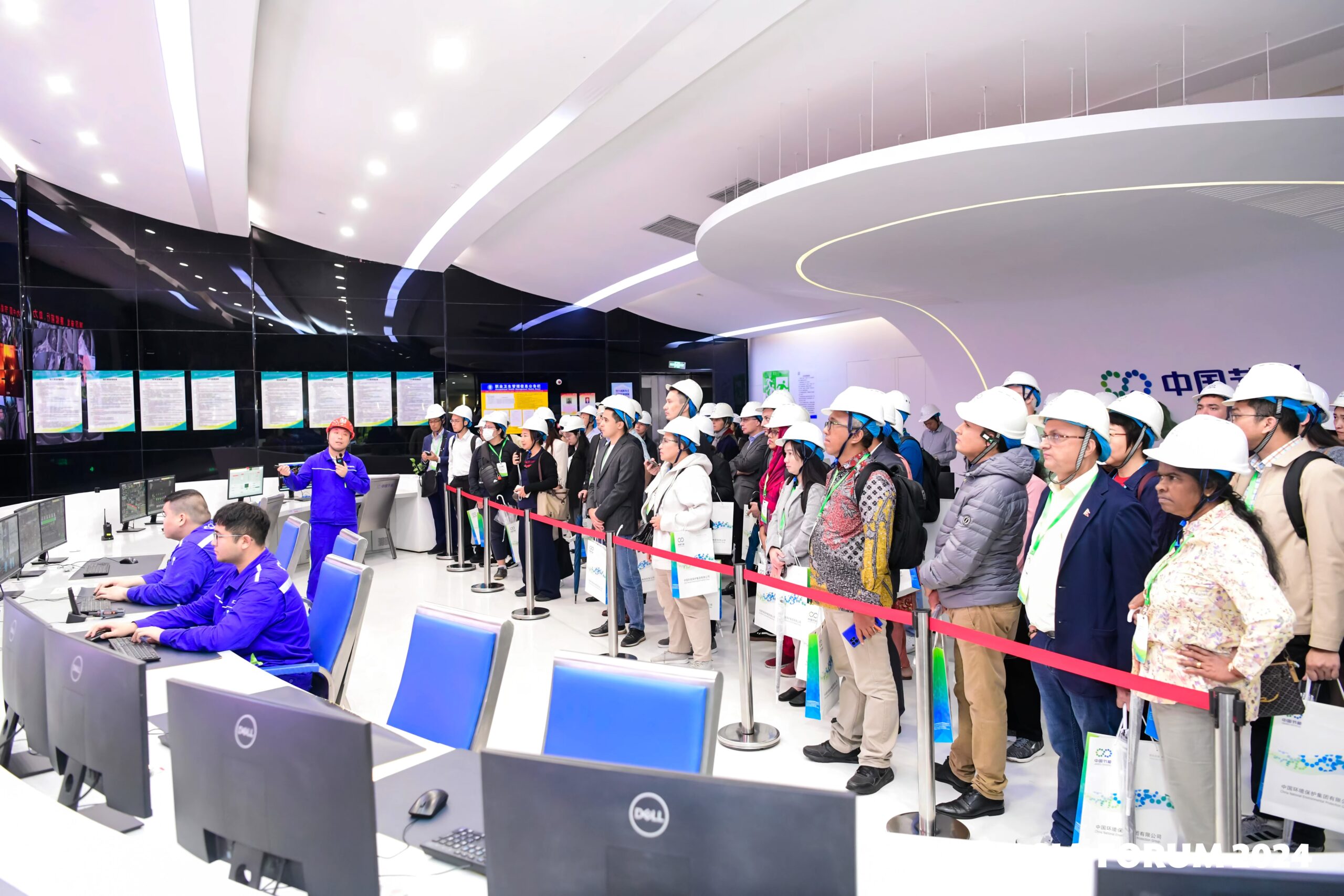
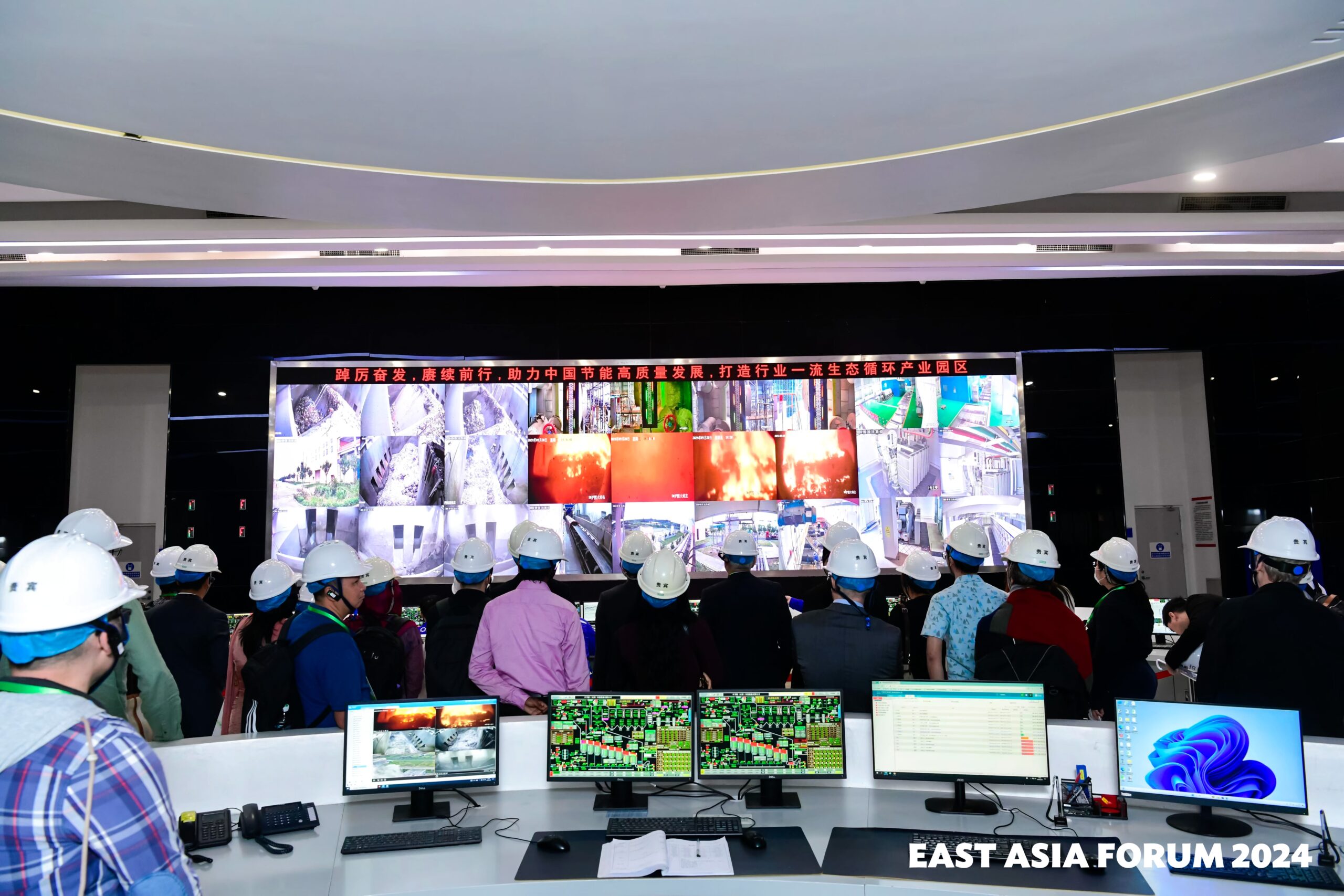
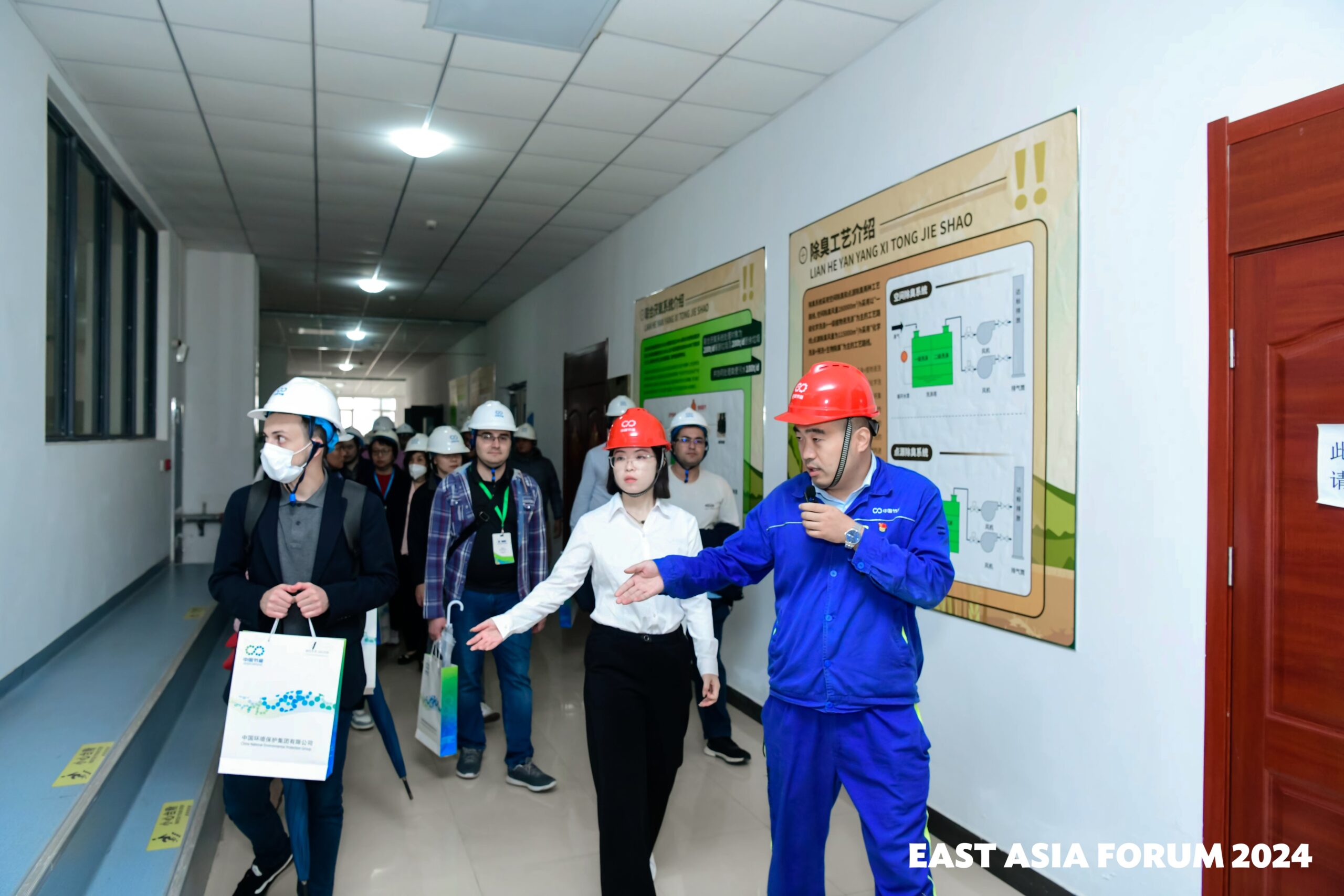
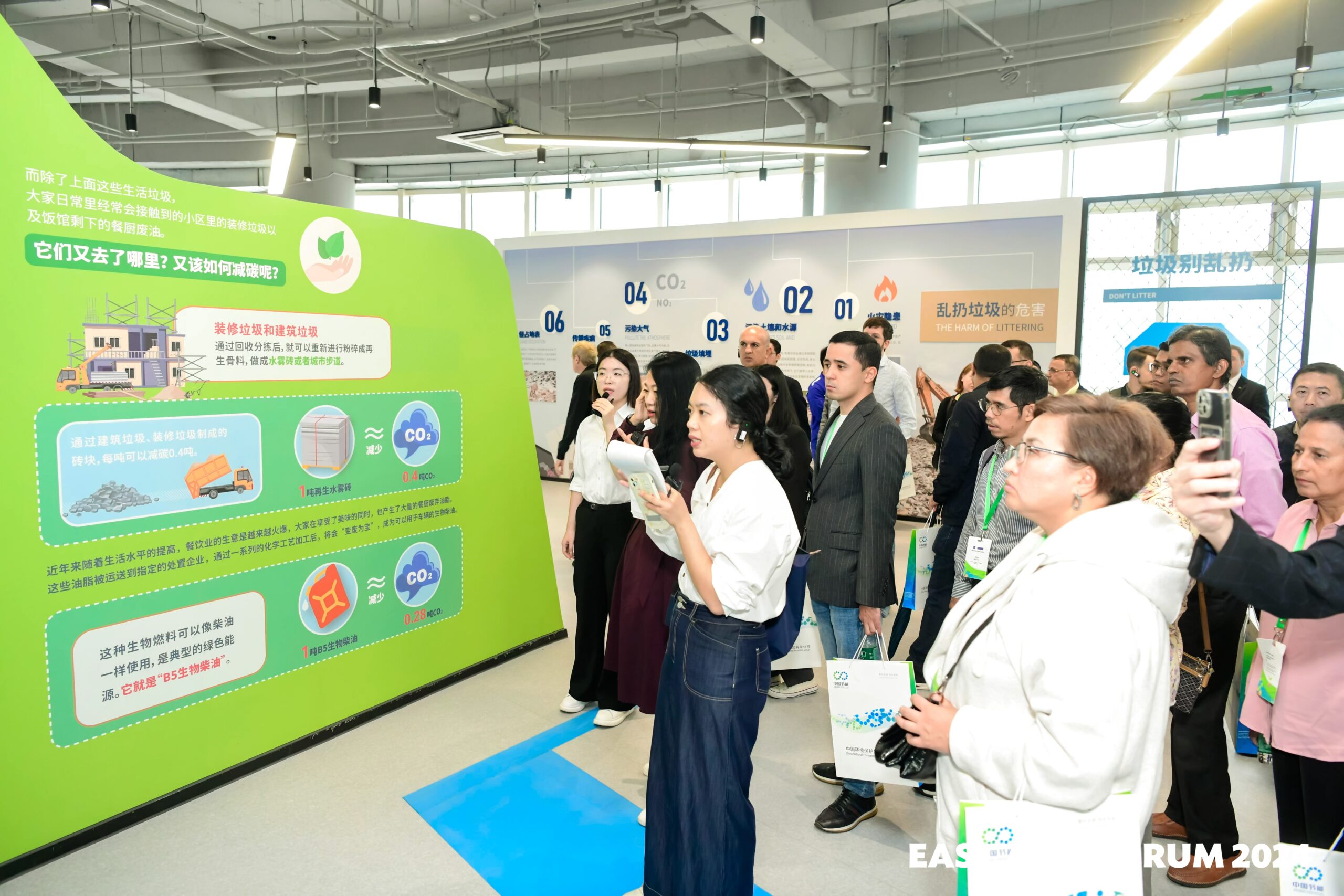
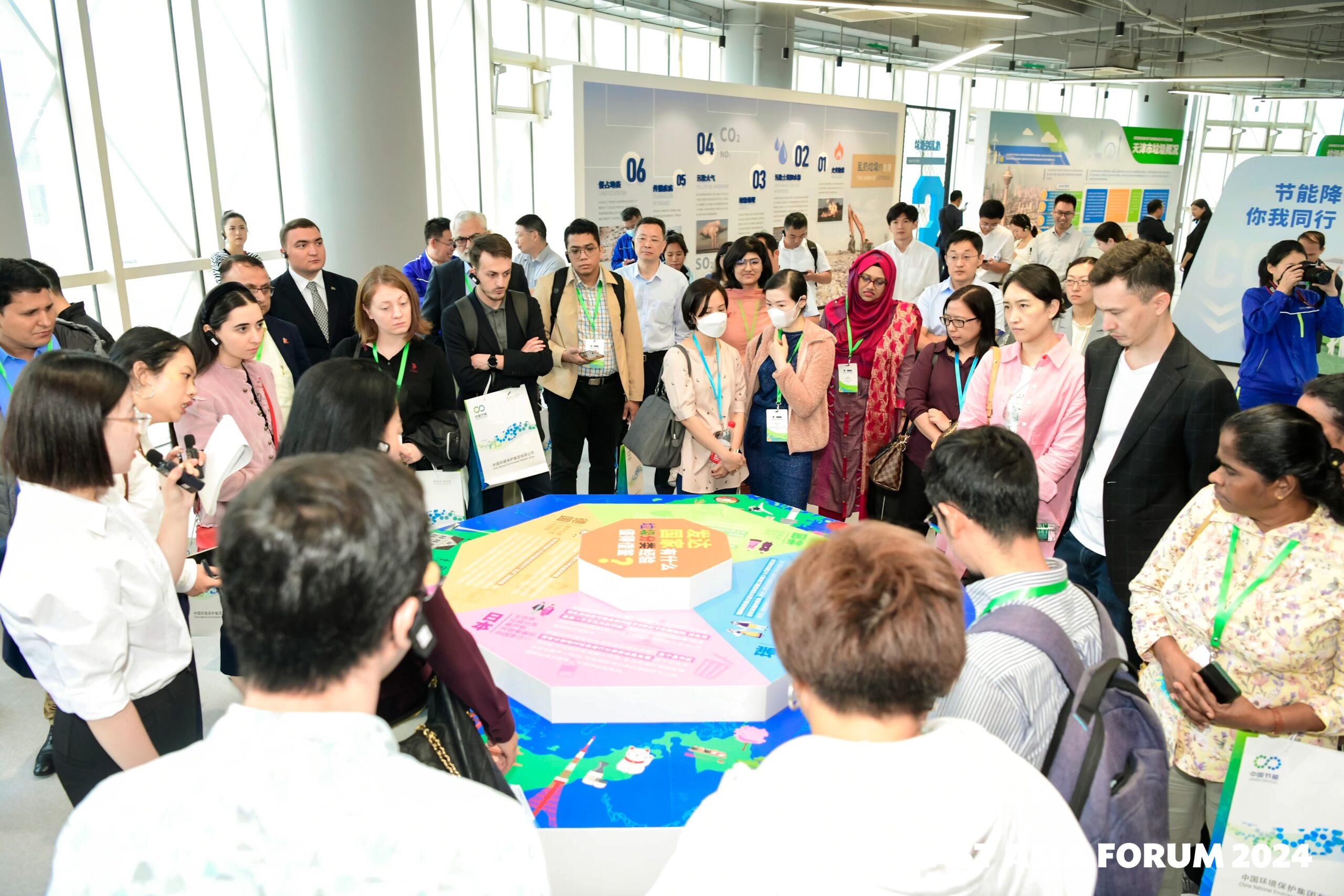
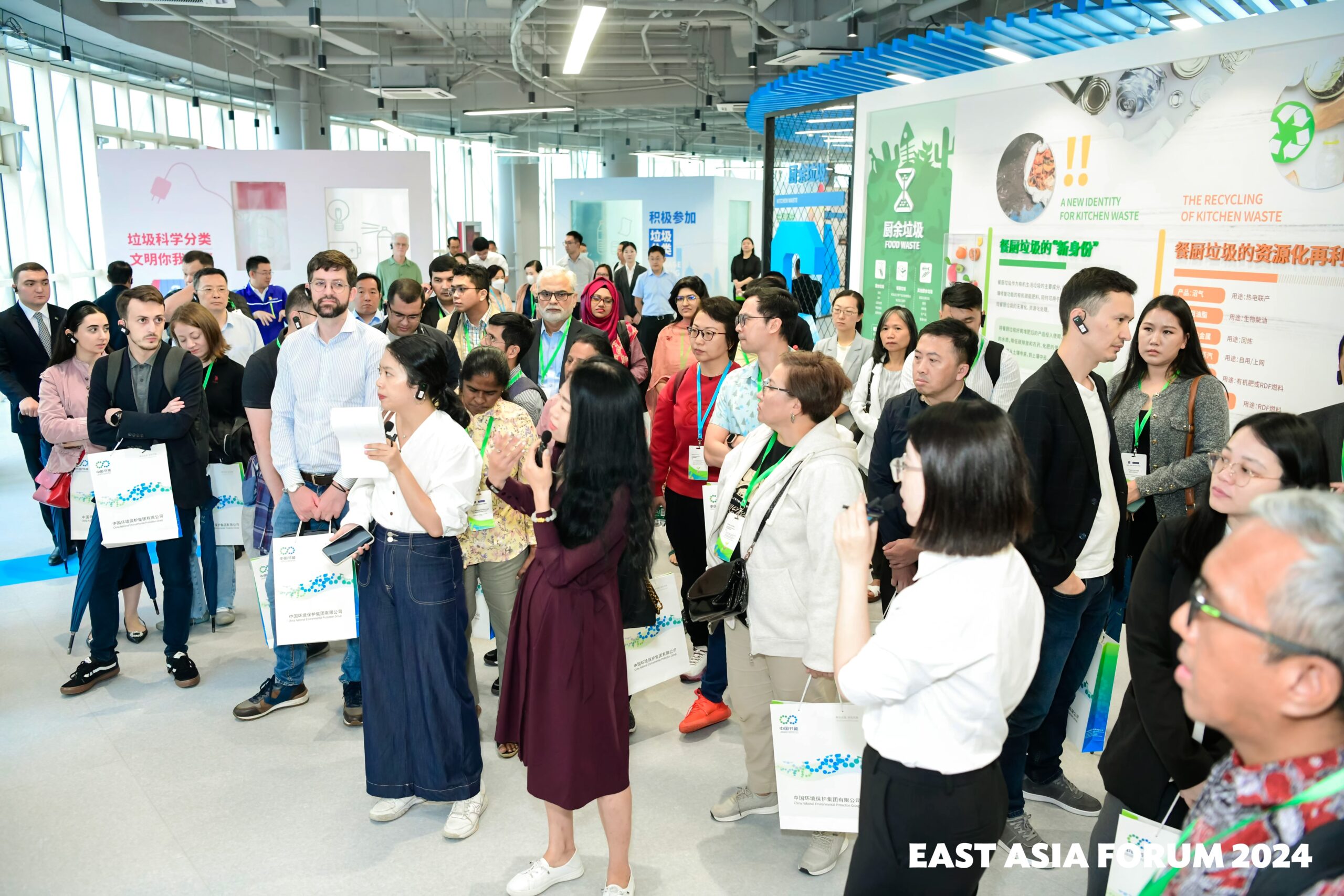
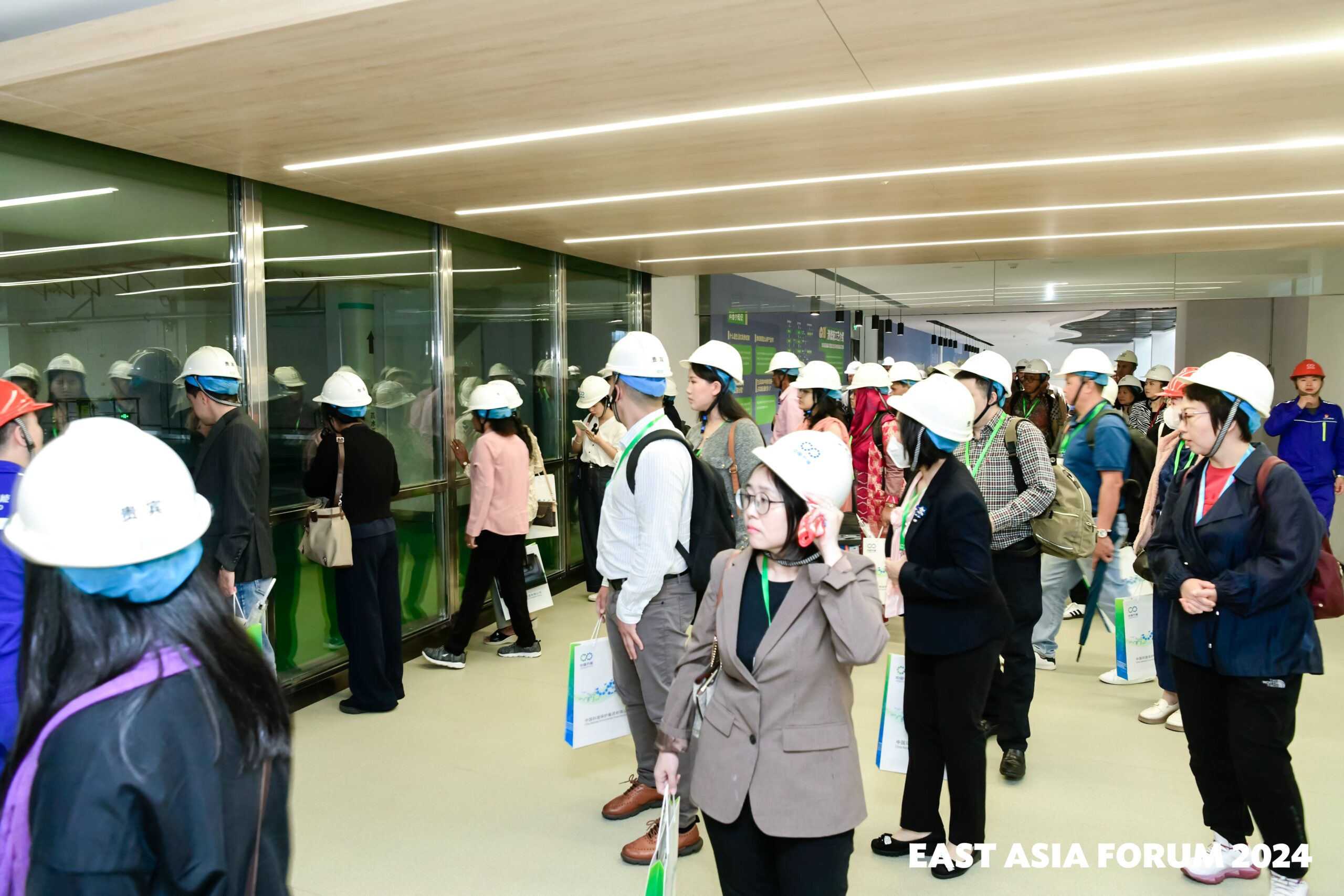
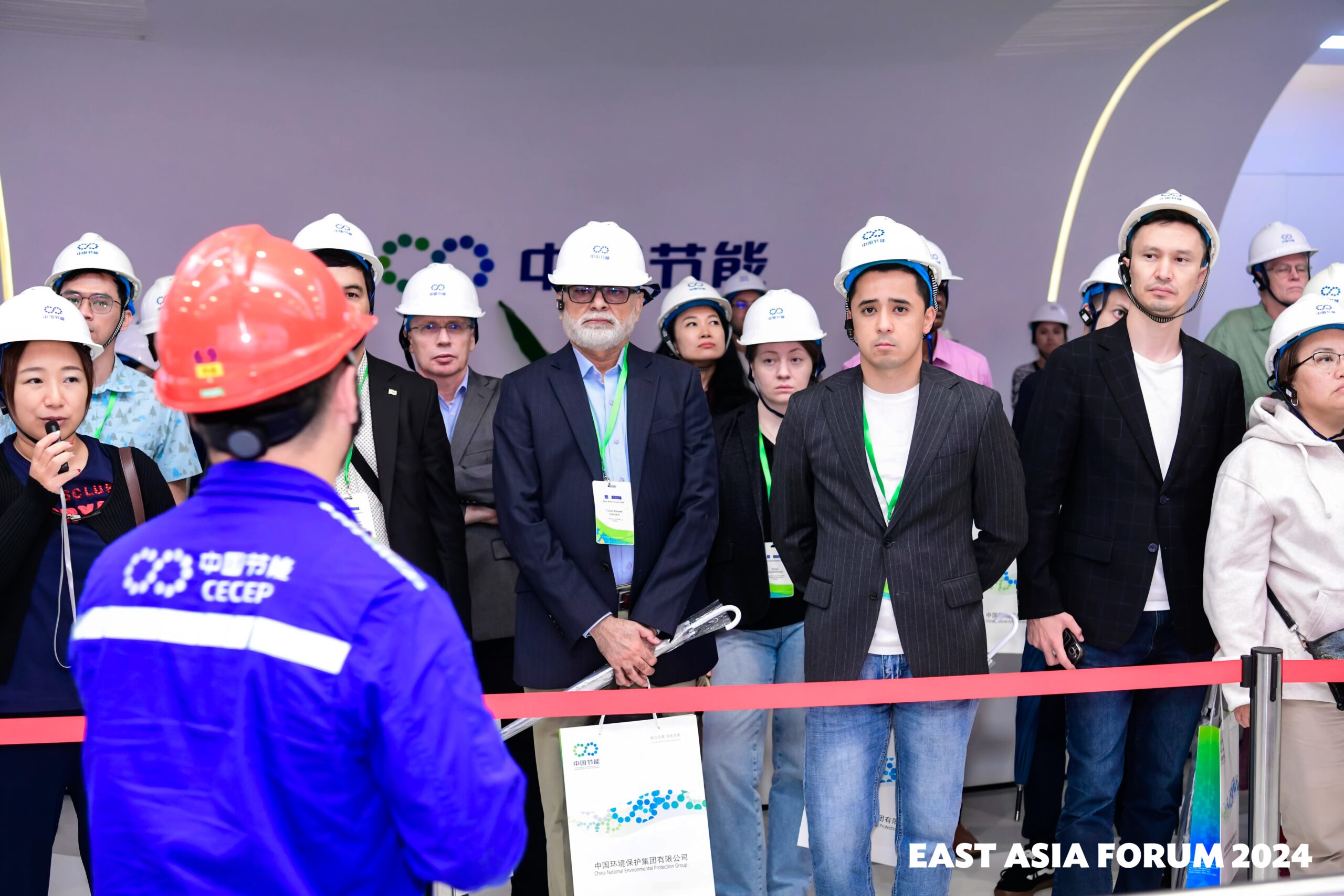
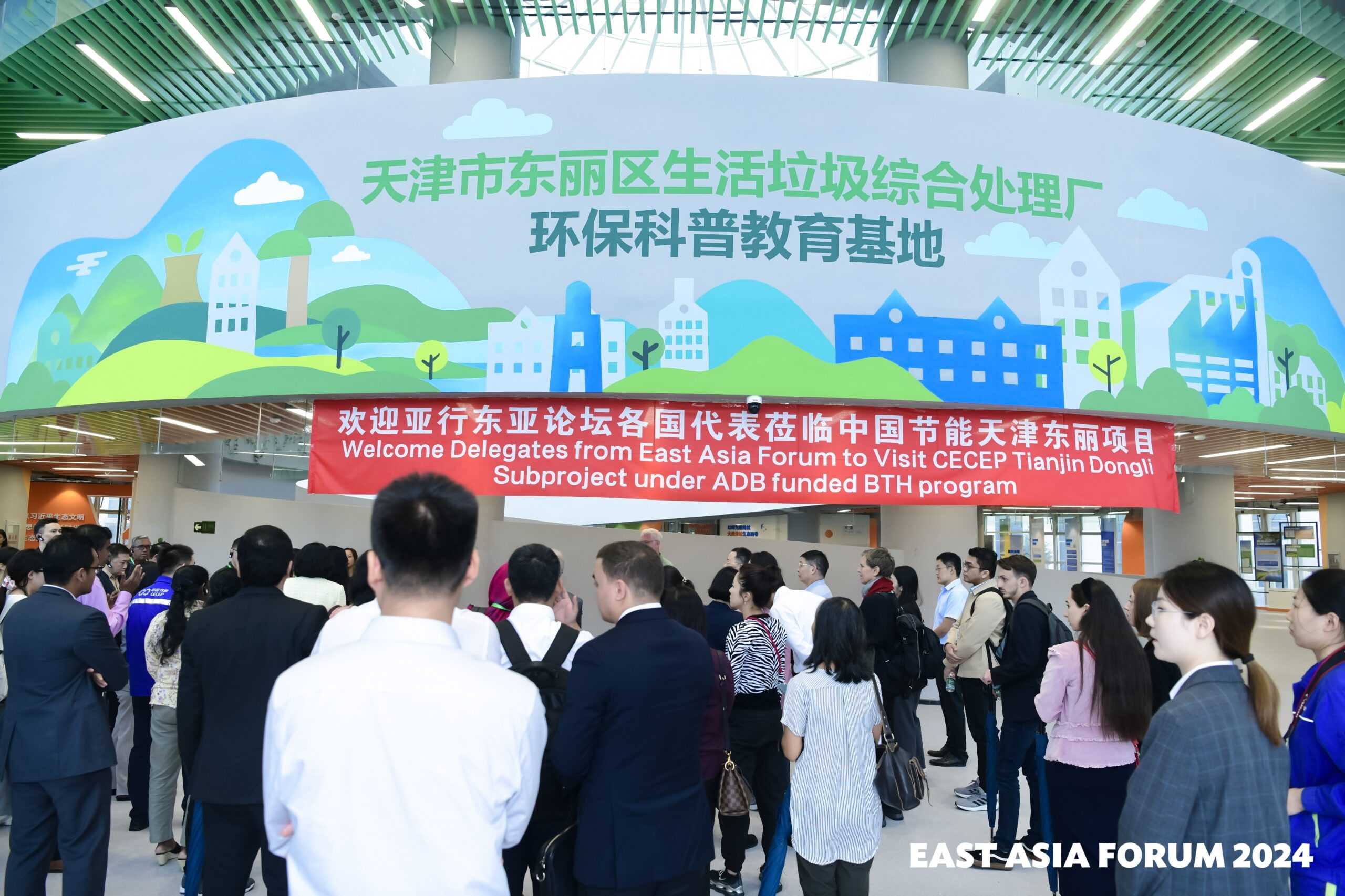
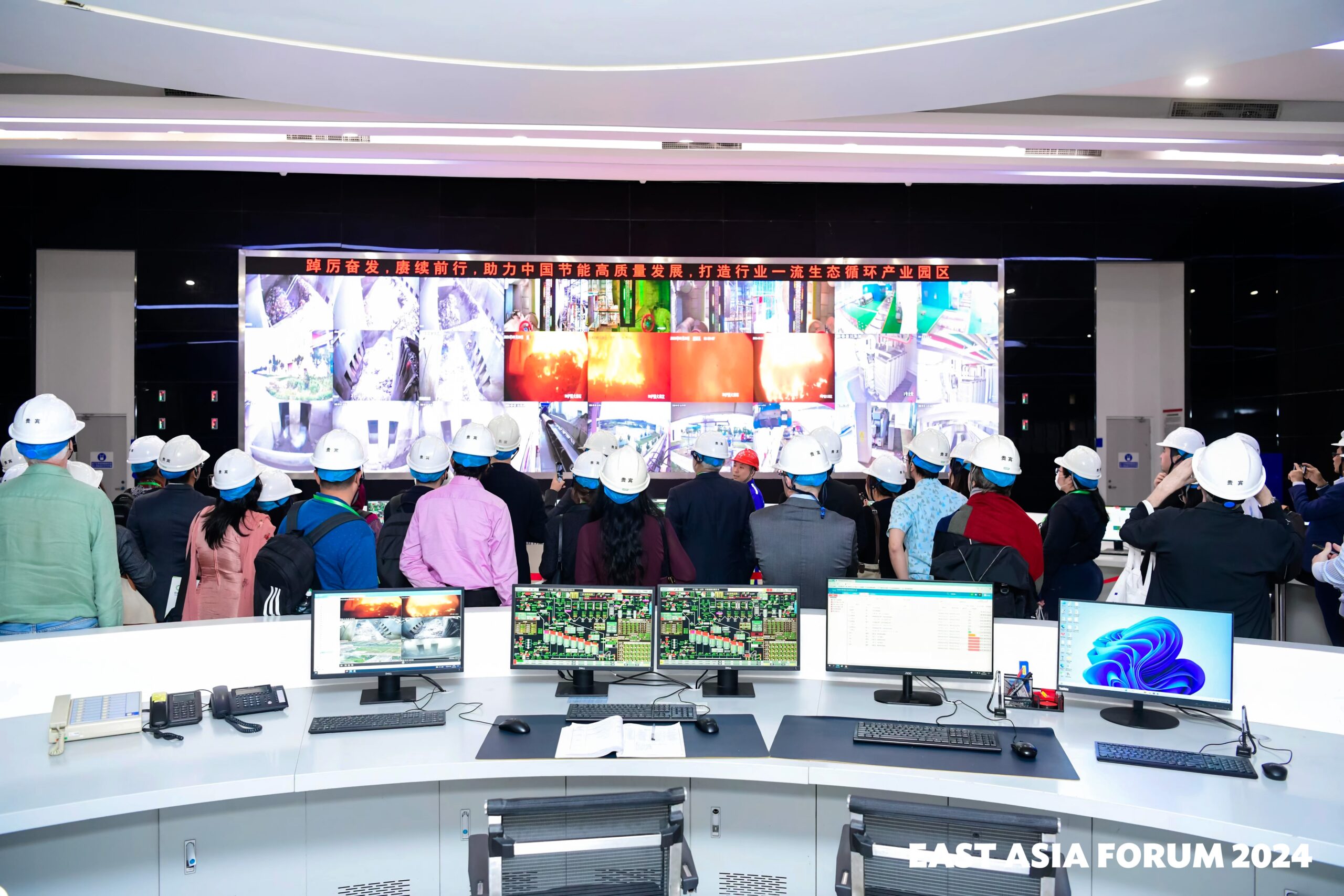
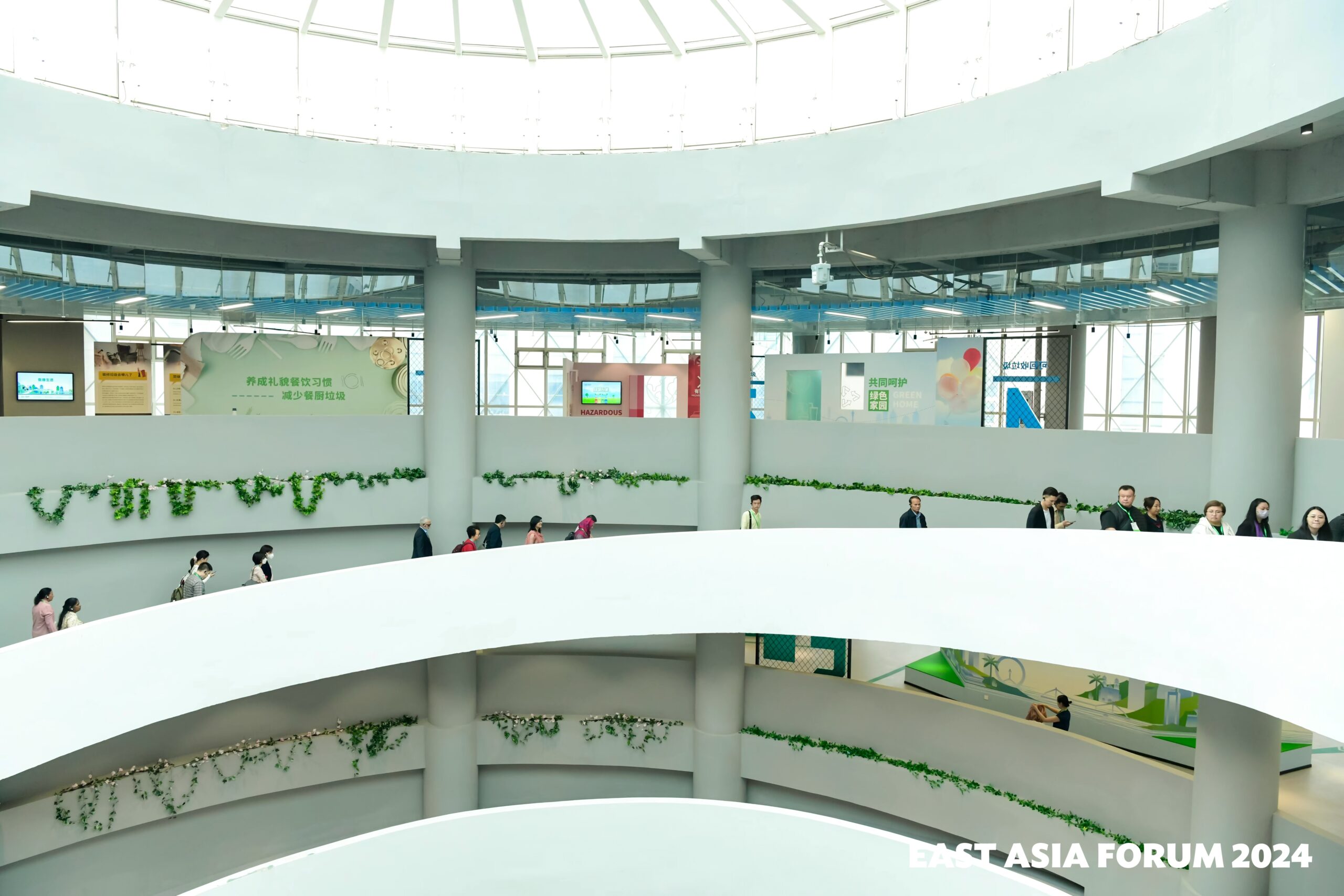
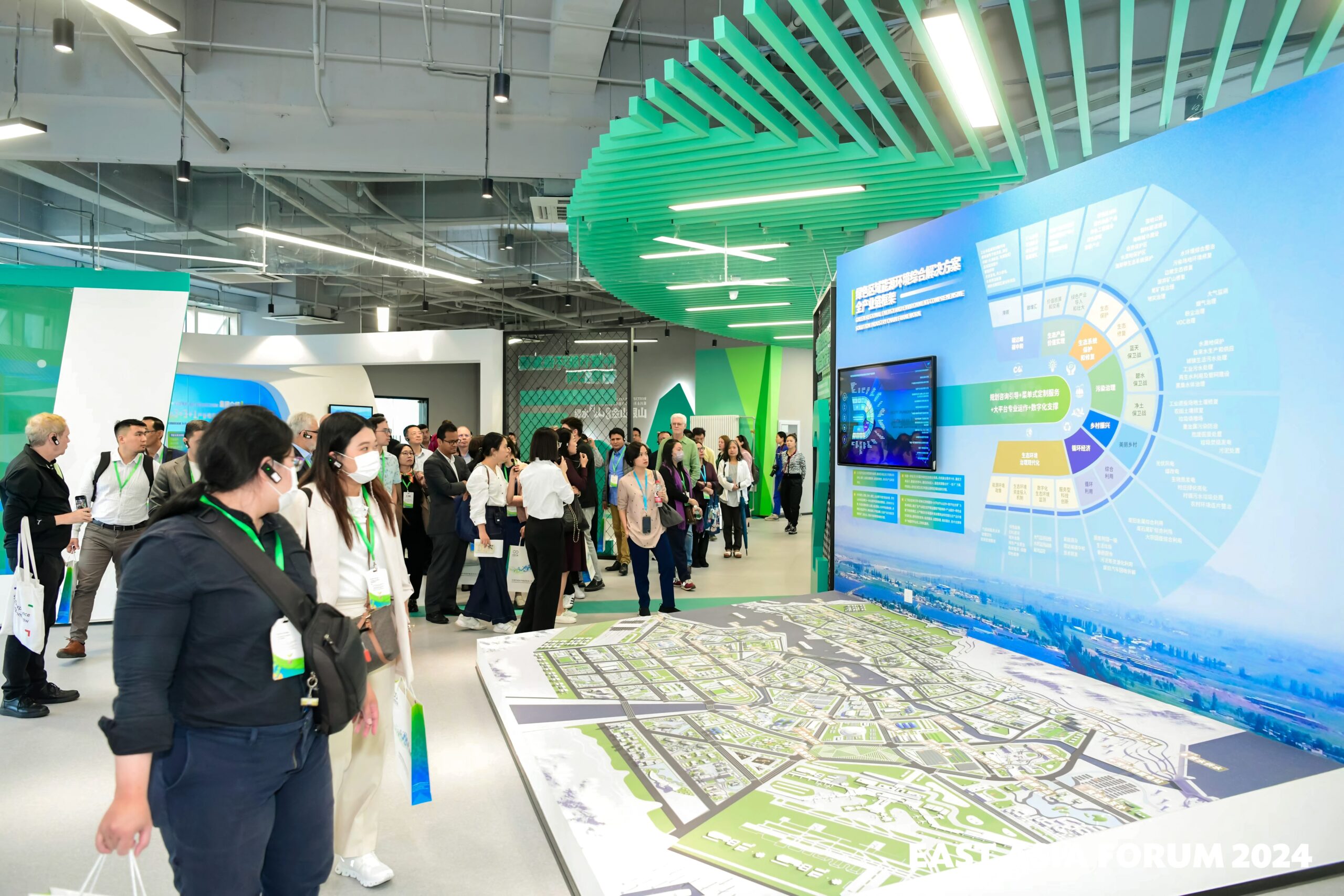
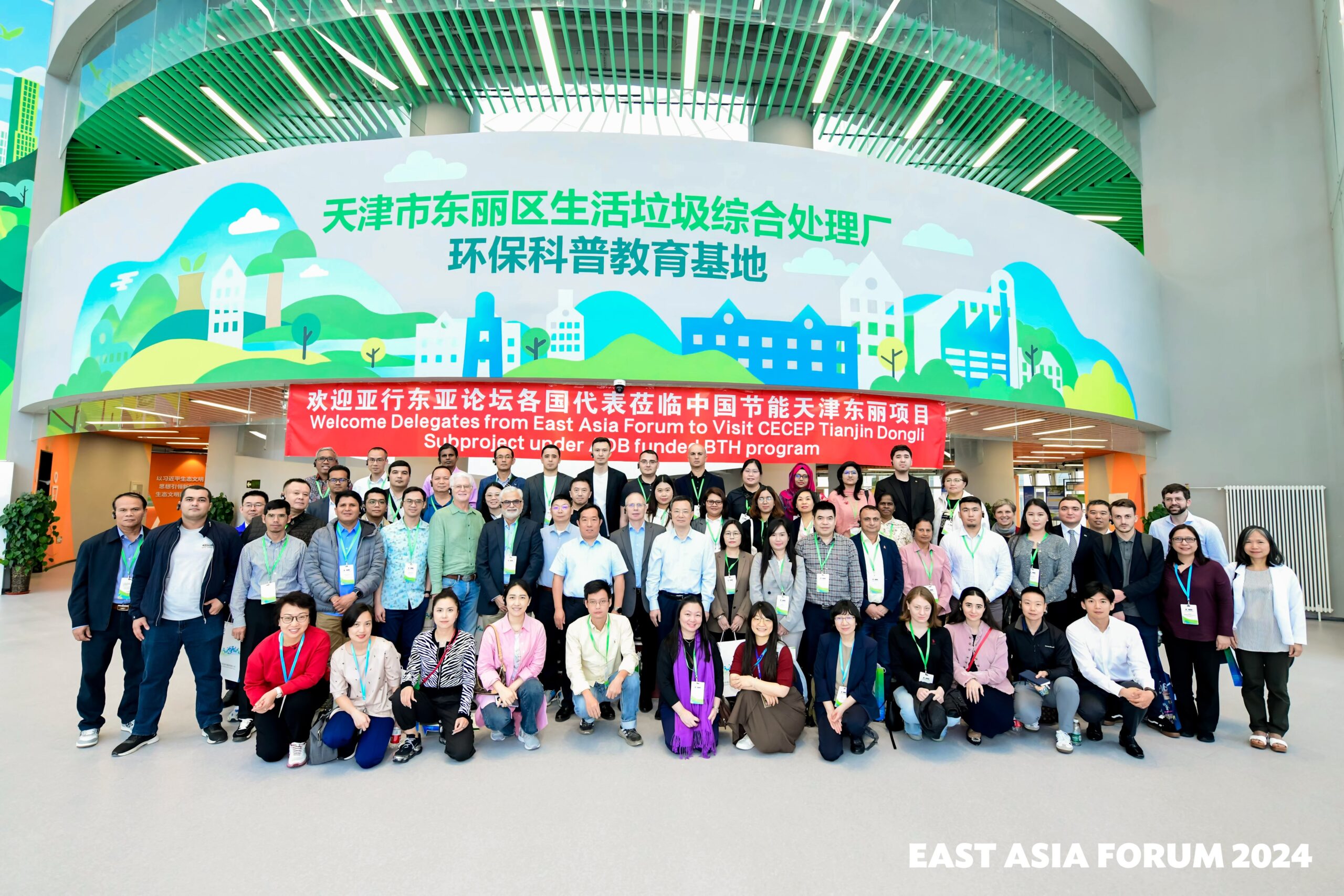
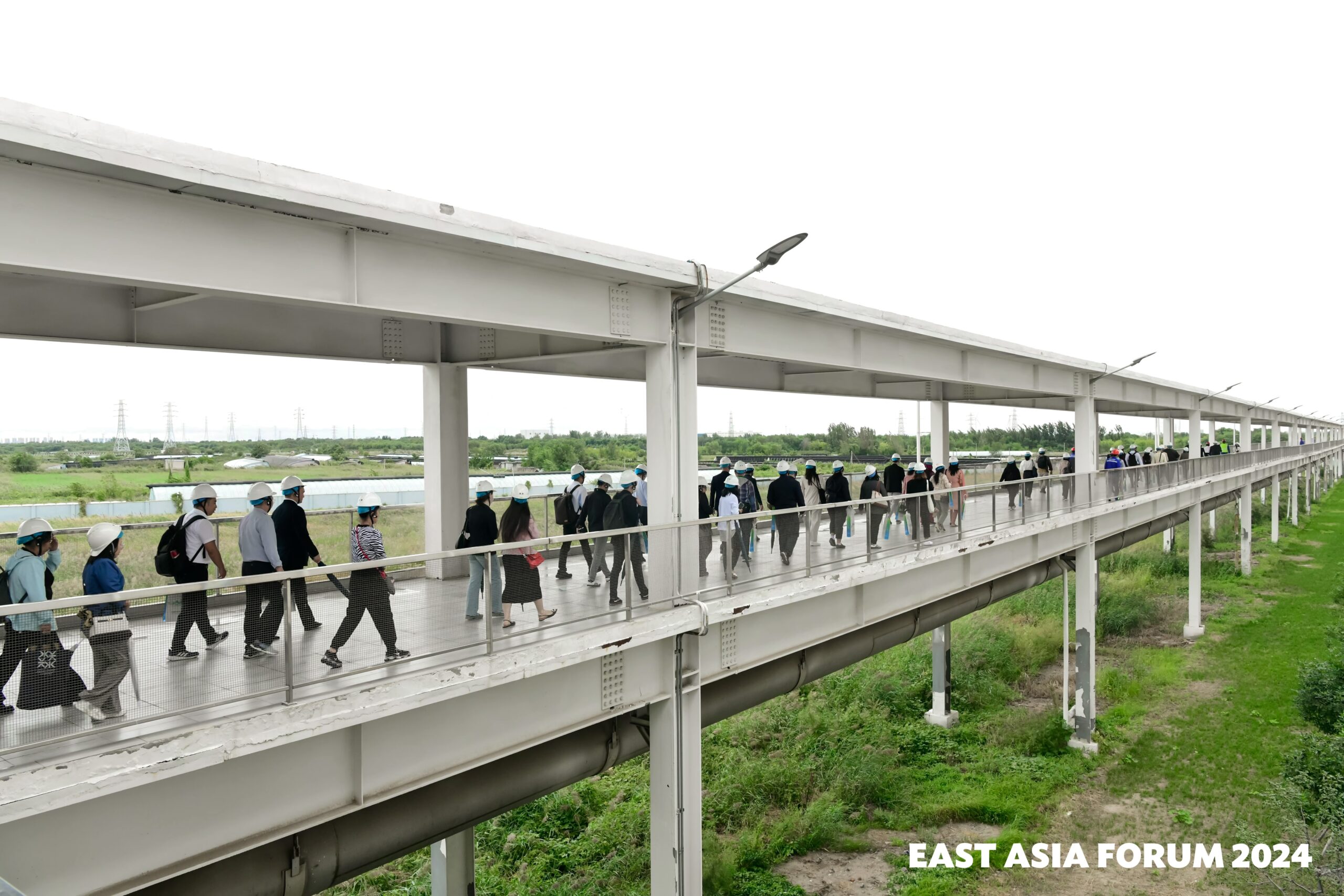
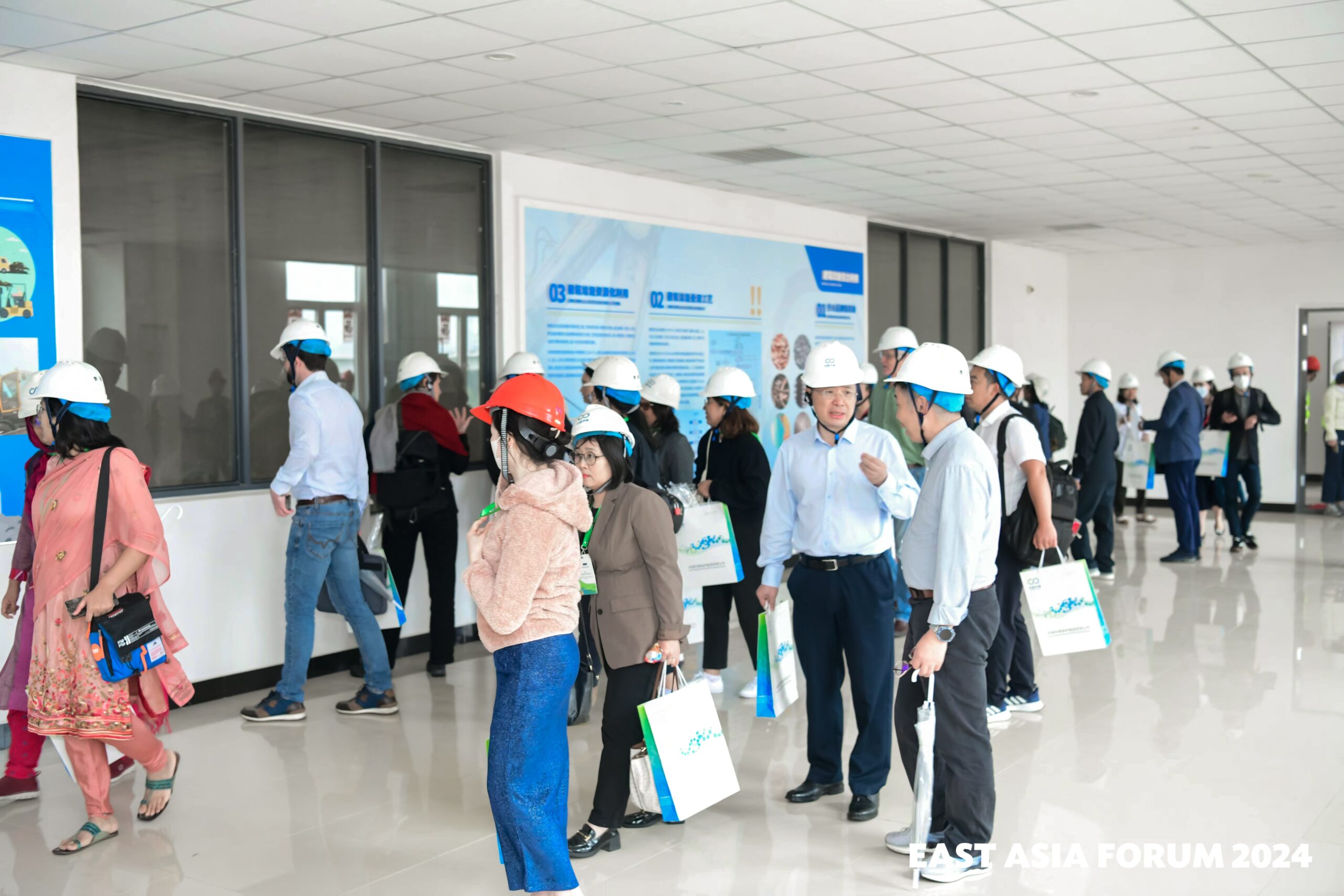
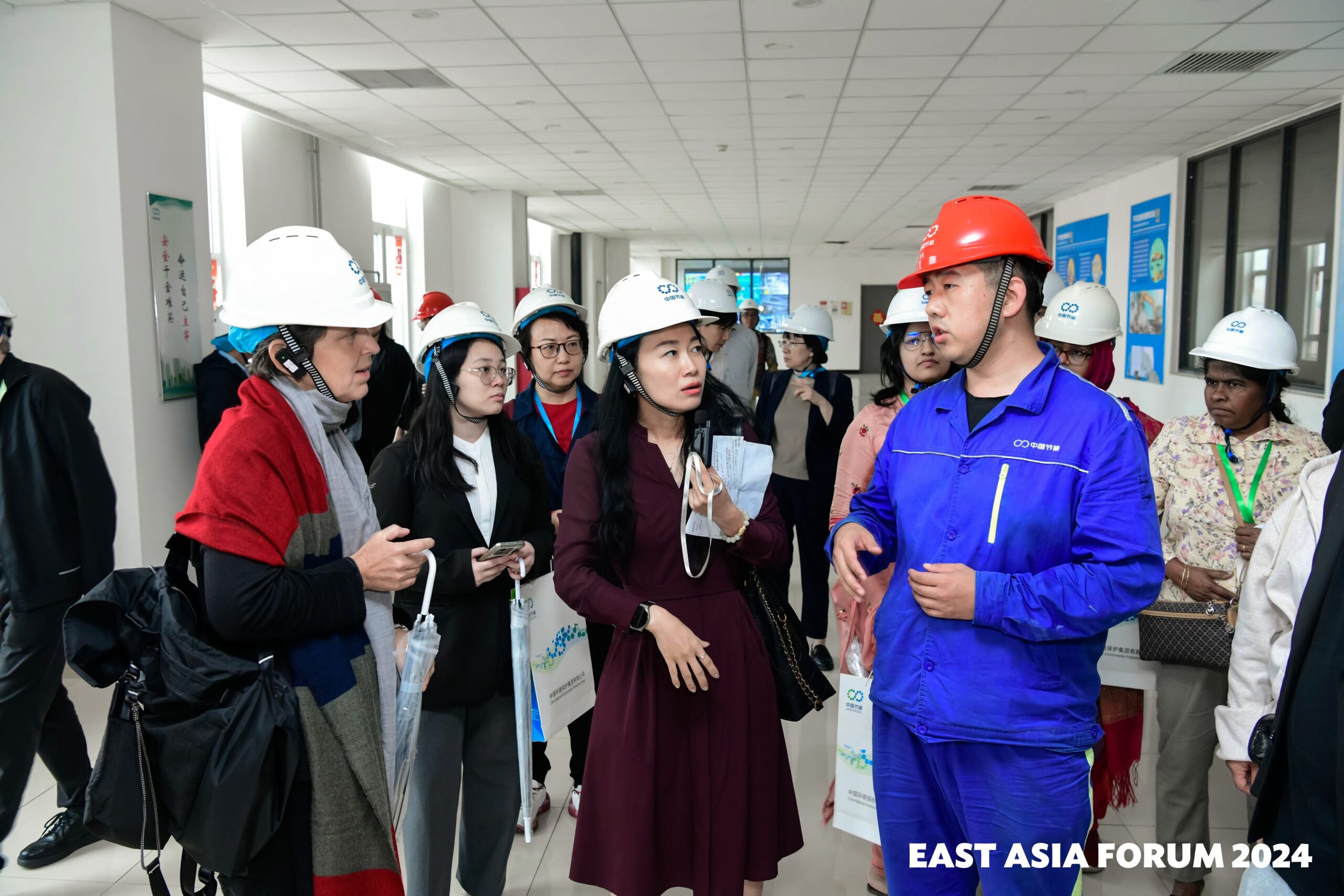
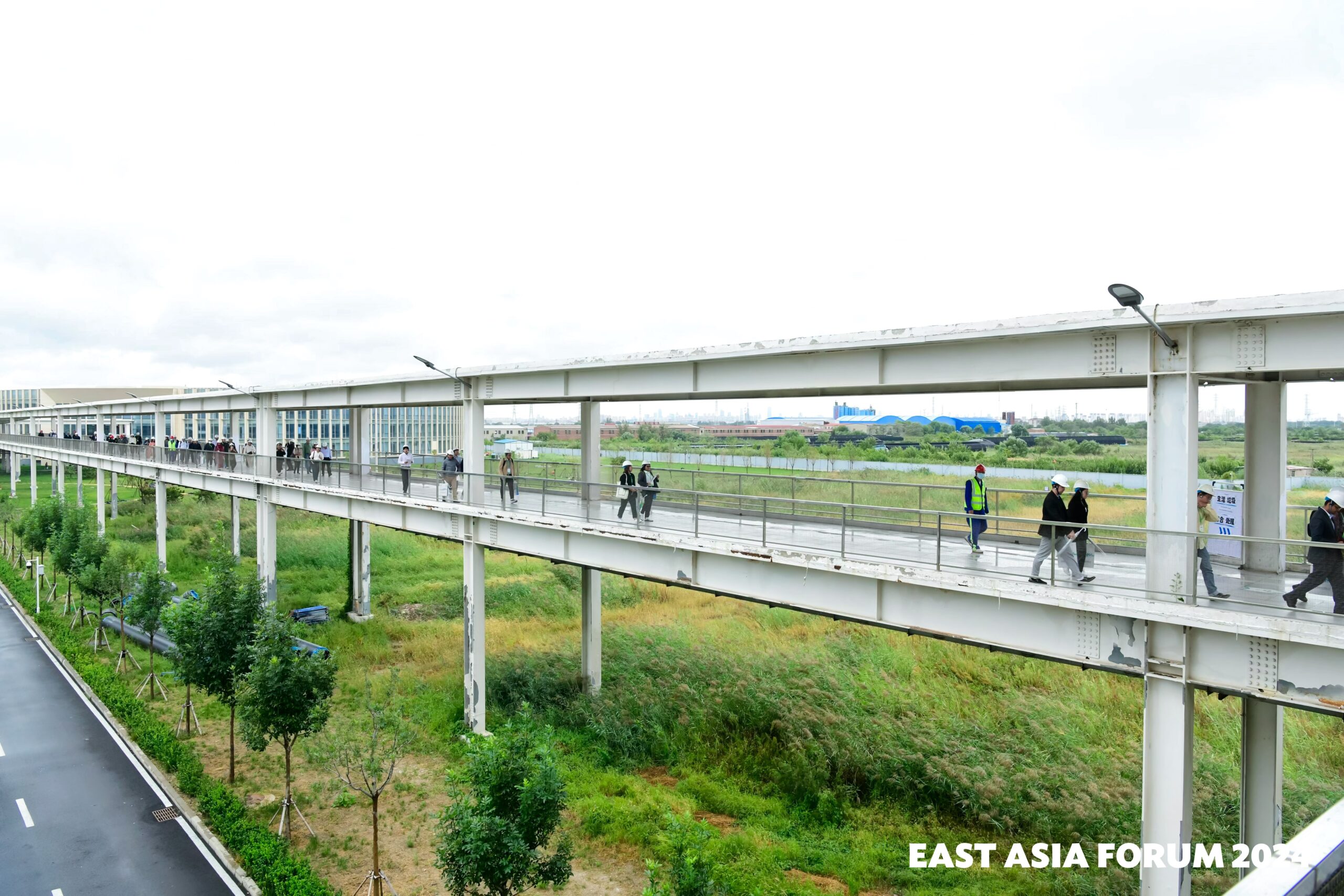
Tianjin Dongli Biomass Energy and Comprehensive Waste Treatment Subproject, Dongli District, Tianjin Municipality

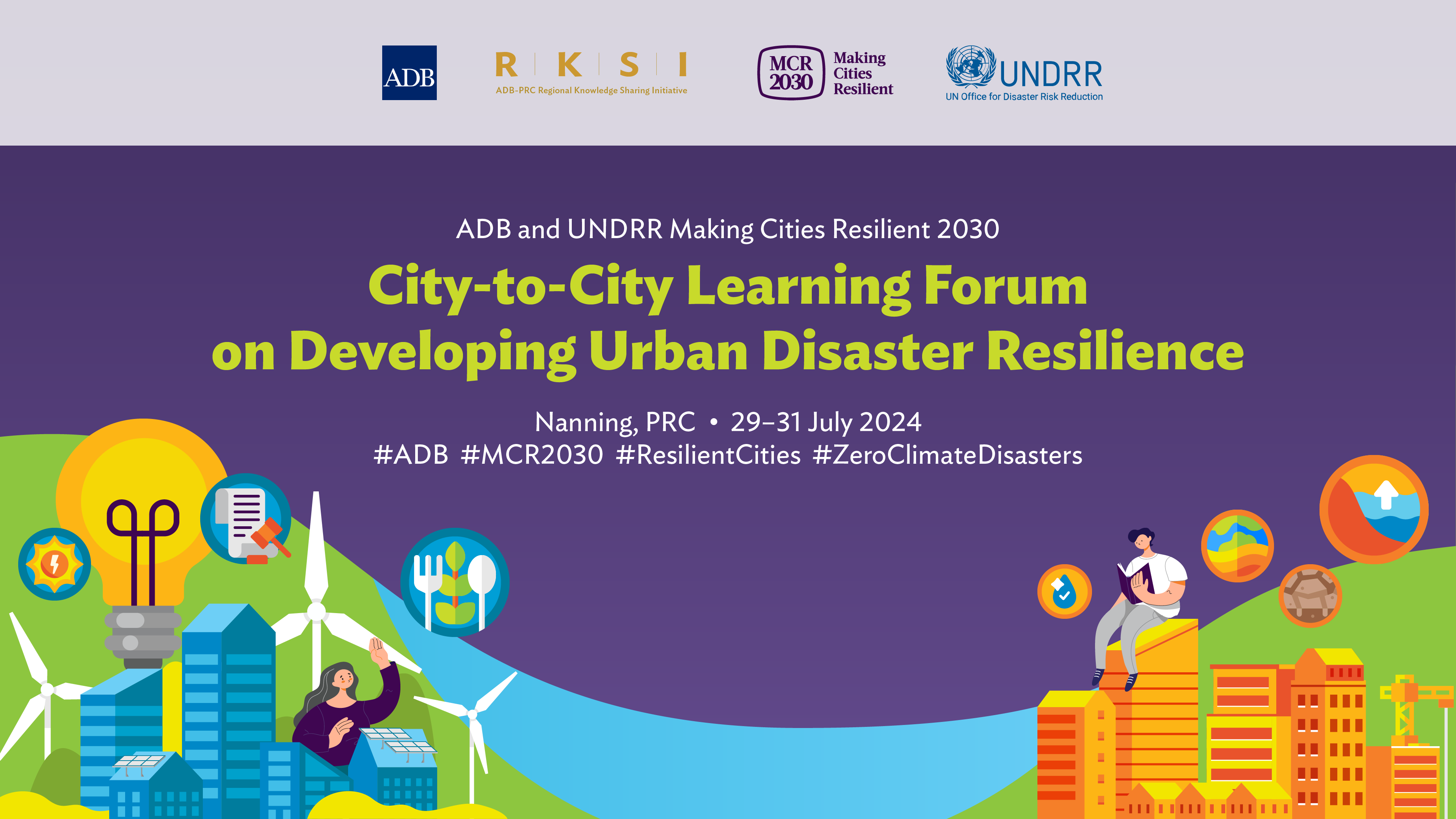
ADB and UNDRR Making Cities Resilient 2030 (MCR 2030) City-to-City Learning Forum on Developing Urban Disaster Resilience

Cities and urban communities around Asia and the Pacific are facing an era of unprecedented uncertainty, with climate-induced disasters becoming more frequent, intense, and unpredictable. Over the past three decades, extreme weather events have accounted for 90% of all disasters, posing significant threats to urban areas through intensified storms, coastal flooding, deadly heatwaves, water shortages, and prolonged droughts. At the same time, local authorities face other systems-wide crises, in terms of water, food, and energy security. The Political Declaration of the midterm review of the Sendai Framework for Disaster Risk Reduction 2015–2030, adopted by the United Nations General Assembly in May 2023 reiterates the extreme challenges to hand and conveys a deep concern that the pace of implementation is not sufficient or equal. The gaps at the local and urban level are particularly large.

In response to these challenges, municipalities across Asia Pacific are scaling up their ambitions and actions on disaster resilience to protect their citizens and local infrastructure assets and systems. The Political Declaration of the midterm review of the Sendai Framework calls for scaled up support and action at the local level, urging countries to:

  • Support and enable all local authorities to have disaster risk reduction strategies and local platforms for disaster risk reduction, or similar mechanisms, in place;
  • Ensure the provision of financial assistance, technical support, and capacity development to strengthen local multi-hazard risk governance and local government leadership on disaster risk reduction;
  • Promote local ownership through community-based disaster risk management approaches and whole-of-society engagement; and
  • Promote exchanges and peer learning between cities through increased participation in the Making Cities Resilient 2030 (MCR2030) initiative.

Agenda

TimeProgram
08:00 – 09:00Registration
09:00 – 09:10Opening Remarks
Norio Saito
, Senior Director, Water and Urban Development Sector Office, Asian Development Bank (ADB)
Sanjaya Bhatia, Head of Office Incheon, United Nation Office for Disaster Risk Reduction (UNDRR) (Online speaker)
09:10 – 10:40Theme 1: Showcasing Urban Solutions – SDGs in Action at the Municipality Level

Moderator: Mr Andy McElroy
, Global Coordinator MCR2030, UNDRR

Speakers:
Ms Deborah C. Dacanay, Head of Quezon City Persons with Disability Affairs Office, Philippines – Quezon City Community Inclusive Disaster Preparedness Interventions (SDG 10 Reduced Inequalities)
Ms Susana Sousa Gonçalves, Director of Civil Protection Matosinhos, Portugal – Putting Communities at the Heart of Resilience Action (SDG 11 Sustainable Cities and Communities)
Ms Sung Ah An, Public Officer, Incheon Metropolitan City, Republic of Korea – How Incheon Effectively Manages Increasing Heatwave Risk (SDG 13 Climate Action)

Q&A session
10:40 – 10:55Coffee Break
10:55 – 12:25Theme 2: Financing Urban Disaster Resilience

Moderator: Mr Jinqiang Chen, Urban Development Specialist (Climate Change), Water and Urban Development Sector Office, ADB

Speakers:
Ms Liza Ramos, Research and Planning Division Head, Disaster Risk Reduction and Management Office, Makati City, Philippines – How is Makati Developing Innovative Financing Options for Resilience (Online speaker)
Ms Jazlyn Lee, Engagement Lead for Southeast Asia & South Asia, Global Covenant of Mayors for Climate and Energy and the Gap Fund Partnership – Empowering Cities to Transform Climate Ideas into Action through the City Climate Finance Gap Fund
Mr Thomas Kessler, Principal Finance Specialist (Disaster Insurance), ADB – Building Climate and Disaster Resilient Cities – Risk Management, Financing and Insurance

Q&A session
12:25 – 12:30Group Photo
12:30 – 14:00Networking lunch
14:00 – 15:30Theme 3: Learning from MCR2030 Resilience Hubs

Moderator: Mr Alessandro Attolico
, Executive Director of the Territorial Planning and Civil Protection Office at the Province of Potenza, Italy

Speakers:
Dr Kathy Oldham OBE
, Chief Resilience Officer, Greater Manchester, the UK – How Greater Manchester Works with Nature as Part of Flood Risk Management (Online speaker)
Mr Jieyong Luo, Resilient City Officer for the City of Zhuji, PRC – Building a Resilient River City – Zhuji’s Practice in Governing and Transforming Puyang River to Enhance Flood Resistance
Mr Stefan Wagner, Head of the Department of International Affairs and Global Sustainability, City of Bonn, Germany – Connecting the Green Agenda from National to Local Level (Online speaker)

Q&A session
15:30 – 16:00Coffee break
16:00 – 18:00Theme 4: Learning from Asian Development Bank

Moderator: Ms Jingmin Huang, Director
, Water and Urban Development Sector Office, ADB

Speakers:
Mr Khen Sopheak
, Deputy Director of Inter-Sectoral Division of Kep Provincial Hall, Cambodia – City-to-City Partnership on Resilient City Development
Ms Yingxia Xie, Former Vice President, Professor, China Academy of Urban Planning and Design – Urban Resilience Evaluation Method and Index System
Ms Arpita Mozumder, Assistant Engineer, Planning Unit, Local Government Engineering Department, Bangladesh – Coastal Towns Climate Resilience Project in Bangladesh
Mr Ming Hu, Senior Engineer, Director of Movement Control Office, Fuzhou Urban Water System Joint Drainage and Coordination Centre – One Center Manages the Entire City, Digitization Ensures Safety: Innovative Practices of the Fuzhou Water System’s Coordinated Management Mechanism

Q&A session
18:00 – 20:30Networking dinner
TimeProgram
09:00 – 10:30Theme 5: Strengthening National-Local Coordination

Moderator: Ms Susana Sousa Gonçalves
, Director of Civil Protection Matosinhos, Portugal

Speakers:
Mr Alessandro Attolico
, Executive Director of the Territorial Planning and Civil Protection Office at the Province of Potenza, Italy – Long Term Strategy for Effective Risk Governance
Mr Aslan Kandygulov, Director of the Center, Urban Environmental Sustainability Center, Astana, Kazakhstan – Resilience Action Plan for a 21st Century City
Mr Ali Ahmed, Deputy Mayor, Kulhudhuffushi City Council, Maldives – Strengthening Local Capacity with MCR2030: A City’s Sustainable Approach to Building Resilience

Q&A session
10:30 – 10:45Coffee break
10:45 – 12:15Theme 6: Identifying solutions to major urban disaster resilience challenges

Moderator: Ms Deborah C. Dacanay
, Head Persons with Disability Affairs Office, Philippines

Speakers:
Mr Hee Jong Kim
, Director Ulsan Research Institute, Republic of Korea – Forging Multisector City Partnerships for Resilience
Mr Thayukorn Prabamroong, Director of Climate Change, Mitigation, Adaptation Research Unit, Mahasarakham University, Thailand – How the Thai Network for Disaster Resilience of 17 Universities Supports Local Governments to Reduce Disaster Risk
Ms Sofia Karma, Dr Chemical Engineer, Academic Staff National Technical University of Athens, Greece, Director of the European Center for Forest Fires, EUR-OPA Major Hazards Agreement/Council of Europe – Recommendations for Managing Urban Heatwaves and for Inclusivity in Disaster Preparedness and Response

Q&A session
12:15 – 13:30Networking lunch
13:30 – 15:00Orientation: Disaster Resilience Scorecard Assessments for Cities

Introduction:
Orientation on two new self-assessment tools to understand capacities and gaps in terms of climate resilience and early warning systems.

Group work: Participants will split into two groups and try out one of the tools.

Plenary feedback: Participants will share feedback on their discussions and potential deeper dive follow-ups with individual cities will be discussed.
15:00 – 15:15Coffee break
15:15 – 17:15Final Session: Moving Forward on Urban Resilience in Asia

Moderators:
Mr Andy McElroy,
Global Coordinator MCR2030, UNDRR
Mr Jinqiang Chen, Urban Development Specialist (Climate Change), Water and Urban Development Sector Office, ADB
Mr Xijie Lu, Urban Development Specialist, Water and Urban Development Sector Office, ADB

-This moderated session will be a focused group discussion to identify priority areas for collaboration & collective commitment to ensure follow-up action on urban disaster resilience.
-How can MCR2030 Resilience Hubs, Asian Development Bank, and cities work better together to strengthen urban disaster resilience – what plans/commitments can be made?
-What kind of support is required to deliver on these plans/commitments?
17:15 – 17:20Closing Remarks: Ms Jingmin Huang, Director, Water and Urban Development Sector Office, ADB
18:00 – 20:30Networking dinner
TimeProgram
09:00 – 12:30Site visit to Guangxi Polytechnic of Construction
– The Introduction of Guangxi Polytechnic of Construction, current status and the achievements of the Resilient Cities Development Research Center, Urban Renewal Research Center (Habitat Building Research Center)
– Campus visit
– Lunch at school cafeteria
12:30 – 14:00Back to hotel
14:00 – 17:50Site visit to Guangxi Institute of Safety and Technology
– Visit the emergency service station in Xingdong Community, Nanning
– Visit Guangxi Institute of Safety and Technology
17:50 – 20:30Networking dinner

Developing Innovative Transport Systems for New Cities: Best Practices for Cities Embracing Emerging Mobility Trends and Innovations

Improving Financial Sustainability in the Water Sector through Tariff Reforms

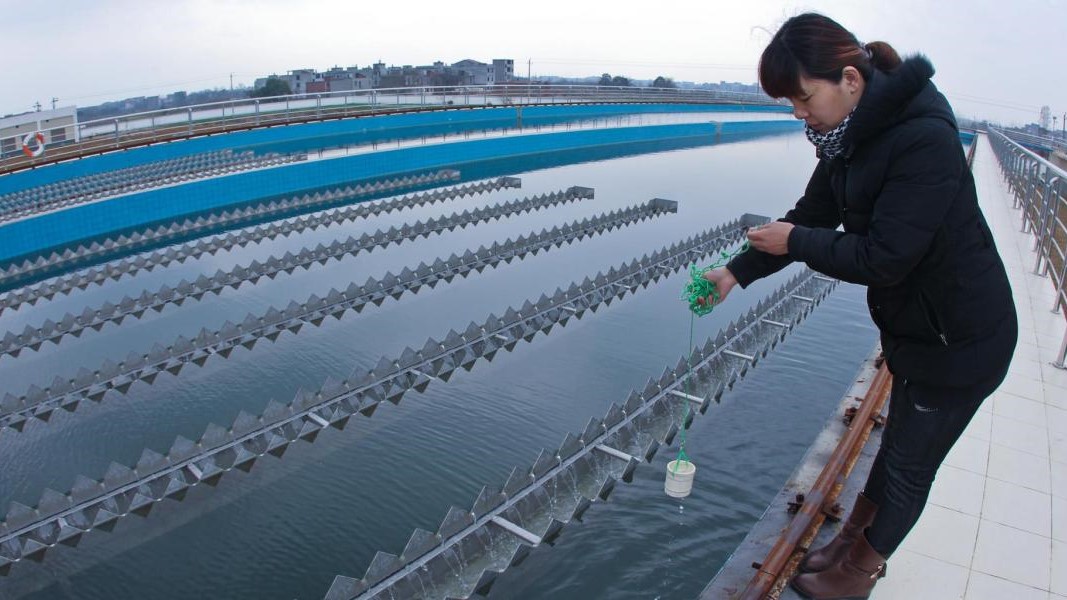
The experience of the PRC offers good practices in urban water and wastewater tariff reform for other countries in the region to consider. Photo credit: ADB.

Water utilities in many cities in the People’s Republic of China may have achieved high level of cost recovery because of increased tariffs.

Introduction

Good tariff design is one of the key factors in enabling urban water and wastewater treatment systems to achieve full cost recovery and become financially independent. This requires in-depth tariff studies and financial and social analyses to inform policymaking, design tariff increases realistically, and gain public support for necessary reforms.

The experience of the People’s Republic of China (PRC) offers good practices in urban water and wastewater tariff reform for other countries in the region to consider. Since the late 1990s, the economic and enterprise reform programs of the PRC government required all water supply and wastewater management projects to be financially sustainable and capable of cost recovery. The Asian Development Bank (ADB) supported the government’s reform programs through water and wastewater tariff studies and helped finance water and sanitation projects to facilitate policy dialogue with the government and to assist water supply and wastewater treatment companies to achieve full cost recovery.

The Wuhan Wastewater and Stormwater Management Project, completed in 2015, demonstrates how cities can carry out water tariff reforms based on full cost recovery principles and considering local conditions. This article discusses in detail how a system approach to financial forecasting was used to determine a reasonable rate of return for the implementing agency, Wuhan Drainage Company (WDC), and to determine optimal tariff levels.

Three Water Tariff Studies

The preparation of the National Guidelines on Water Tariffs (NGWT) was a major output of the first of three water tariff studies funded by ADB. Promulgated by the National Development and Reform Commission (NDRC) and the Ministry of Construction (MOC) in September 1998, the NGWT reflects the following recommendations of the study: (i) selecting a tariff structure based on local conditions and priorities; (ii) adopting full cost recovery as the main objective in setting and approving tariff levels; (iii) using the public hearings mechanism to disseminate tariff increase plans to the public and obtain their feedback; and (iv) adopting a simplified process for tariff regulation, requiring evaluation and approval at the local municipal government level and supported by review and monitoring at the provincial and national level. The guidelines improved the long-term financial sustainability of the water supply companies and provided sufficient funds for operations and maintenance and service expansion, which would also help increase private sector participation in the water and wastewater sector.

Another water tariff study focused on assisting the government in developing institutional and technical capacities to implement the NGWT.

The PRC policy guidance on setting wastewater tariffs was amended in September 1999 by the government. It called for wastewater tariffs that are based on full cost recovery principles but allowed local governments the flexibility to decide when to adjust tariffs. Implemented between 2002 and 2003, ADB’s wastewater tariff study, the third study, contributed to this initiative to reform wastewater tariffs. The major output of the technical assistance was a detailed draft National Guidelines for Urban Wastewater Tariffs (NGWWT), including (i) Tariff Calculation Methodology, (iii) Model Agreement for Tariff Billing and Collection, (iv) Penalty and Administrative Remedies for Non-payment, and (v) Model Contract for Industrial Discharge to Sewer Network. MOC considered the recommendations in preparing the draft NGWWT to be approved by PRC State Council in 2005.

The Wuhan Project

Processed in 2005 and 2006, the wastewater and stormwater management project in Wuhan City entailed a total investment of $266.4 million, which included a $100 million loan from ADB. It was not a stand-alone investment but an integral part of the basin-wide Yangtze water resources management initiative, the Wuhan city urban development plan, the Wuhan municipal wastewater master plan, and the Wuhan stormwater drainage master plan. The Wuhan Municipal Government was implementing its wastewater master plan by installing additional wastewater treatment plants to achieve its target of 80% wastewater treatment rate by 2010.

In highlighting the project benefits, the Report and Recommendations of the President to the Board of Directors emphasized “improving cost recovery through a better tariff structure, with gradual increases to achieve cost recovery”, and “a demonstration impact on wastewater tariff reform in both the PRC and elsewhere in Asia.”

Historical tariffs. The tariff rates for water and wastewater (see Table 1) applied only to the seven central urban districts of Wuhan, and wastewater charges were based on actual water consumed. Wastewater tariff had not been introduced in suburban Caidian District, while 0.05 yuan/m3 wastewater tariff was levied on top of tap water sold in suburban Dongxihu District.

Table 1: Water and Wastewater Tariffs in Wuhan

 199719981999200020012002200320042005
Wastewater tariff         
Resident0.1600.1760.1920.2080.4000.4000.8000.8000.800
Public institutions0.1600.1760.1920.2080.4000.4000.8000.8000.800
Industries0.1600.1760.1920.2080.4000.4000.8000.8000.800
Operation and services businesses0.1600.1760.1920.2080.4000.4000.8000.8000.800
Special industry0.1600.1760.1920.2080.4000.4000.8000.8000.800
Water resources fee         
Resident0.0100.0100.0100.0100.010
Public institutions0.0100.0100.0100.0100.010
Industries0.0200.0200.0200.0200.020
Operation and services businesses0.0200.0200.0200.0200.020
Special industry0.0200.0200.0200.0200.020
Tap water tariff         
Resident0.4500.4500.6200.6200.7000.7000.7000.7000.700
Public institutions  0.6900.6900.8000.8000.8000.8000.800
Industries0.6000.6000.8800.8801.0001.0001.0001.0001.000
Operation and services businesses1.0001.0001.4601.4601.7001.7001.7001.7001.700
Special industry  1.6601.6601.9001.9001.9001.9001.900
End user combined tariff         
Resident0.6100.6260.8120.8281.1101.1101.5101.5101.510
Public institutions  0.8820.8981.2101.2101.6101.6101.610
Industries0.7600.7761.0721.0881.4201.4201.8201.8201.820
Operation and services businesses1.1601.1761.6521.6682.1202.1202.5202.5202.520
Special industry0.1600.1761.8521.8682.3202.3202.7202.7202.720

Wuhan introduced a low wastewater tariff in 1997 and increased the tariff thereafter. When wastewater tariff was increased in 2003, the municipal government requested special subsidies for urban poor households recorded by the Wuhan Social Affairs Bureau.

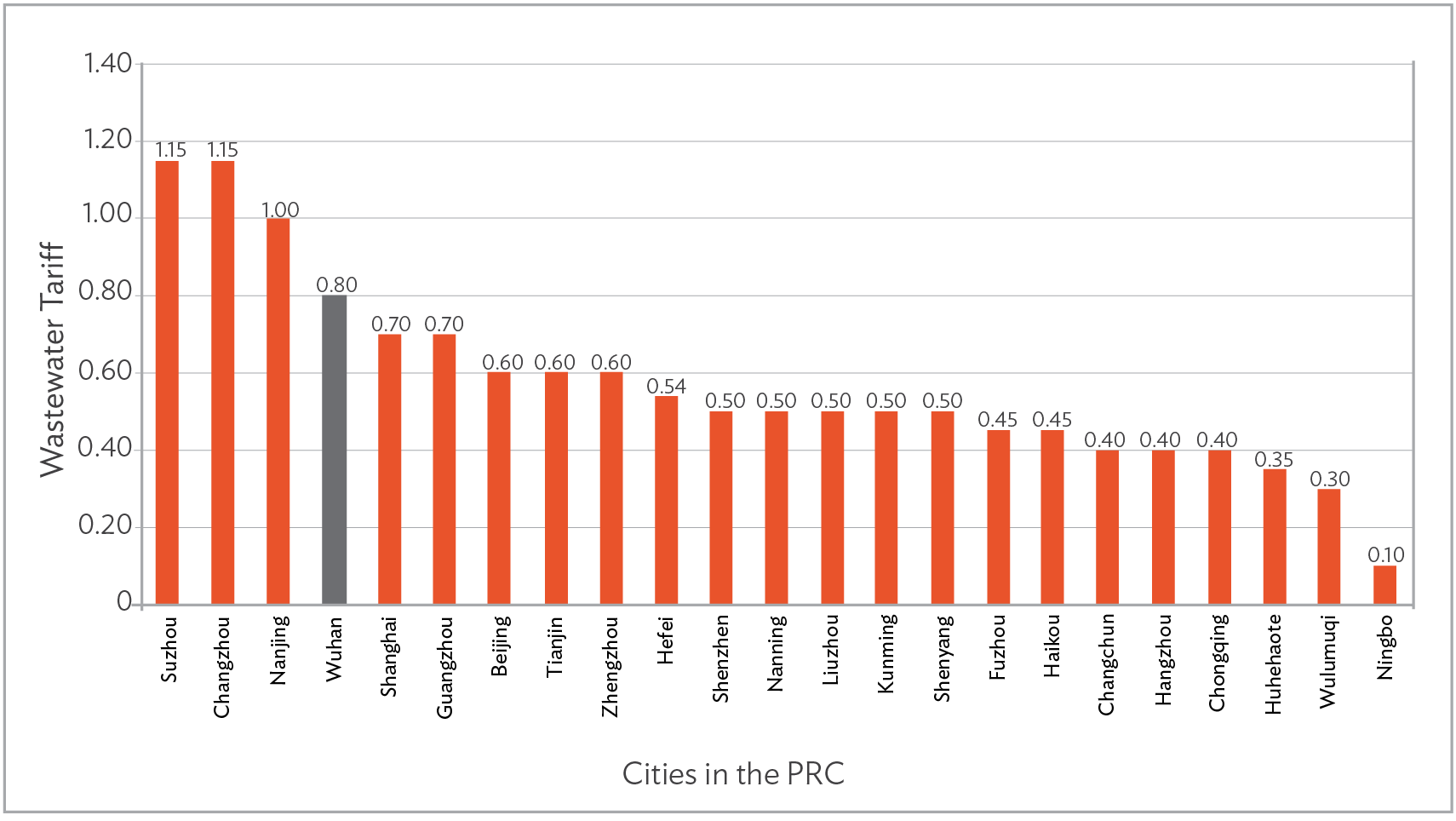
The wastewater tariff of 0.80 yuan/m3 in Wuhan was relatively higher than many cities in the PRC as shown in Figure 1. Return on equity (ROE) for the WDC stood at 21.4%, 26.2%, and 19.7% from 2003 to 2005 respectively, showing full cost recovery achieved with the increased tariff at 0.80 yuan/m3. Many cities charged different wastewater tariffs for different water user categories. It appears a certain level of cost recovery, including full cost recovery for some cities and high-level cost recovery for other cities, would have been achieved among many cities in 2005 based on their tariff levels.

Figure 1: Resident Wastewater Tariff in Some Cities in 2005

Methodologies. For each of the five wastewater treatment plants for the project, a financial cost–benefit analysis was conducted in real terms to determine weighted average cost of capital (WACC), financial internal rate of return (FIRR), and other indicators to assess financial viability of each plant (or subproject) and the incremental tariff required. For the three wastewater treatment plants in the central urban area, the incremental wastewater tariff assumed in the financial cost–benefit analysis was added to the existing wastewater tariff of 0.80 yuan/m3 in Wuhan, which will be levied on top of the water sold in the central urban areas, to arrive at the projected total wastewater tariff revenues for the implementing agency. For the two suburban wastewater treatment plants in Dongxihu and Caidian, which have different and much lower tariffs, the same financial cost–benefit analyses were conducted.

The wastewater tariffs in real terms used in the financial cost–benefit analysis for each of the five wastewater treatment plants were converted into nominal terms, and pro forma financial statements for each plant were separately prepared, projected, and analyzed.

Historical financial statements of WDC, the implementing agency for five wastewater subprojects, were analyzed, and projections were made. Financial statement projections, including income statement, balance sheet, and cash flow statement, were prepared in nominal price terms for a scenario without the project, taking into account major capital expenditures, associated operation and maintenance (O&M) costs, and other related costs and arrangements. Pro forma financial statement projections for the five wastewater treatment plants were consolidated into the financial statement projections for WDC for a scenario with the project.

The financial statement projections for WDC were prepared in nominal price terms and included inflation-adjusted costs and revenues for each year from 2006 to 2018. The consolidated financial statement projections were made to forecast the financial performance of the implementing agency, to assess profitability and debt service ability, and to test the tariff required for WDC to raise funds for project construction and achieve full cost recovery during operation.

Each wastewater treatment plant, or subproject, would normally require relatively higher incremental tariff, and different wastewater treatment plants would demand different tariff increases. All these needed to be tested in the whole system through the financial statement projections for WDC with due consideration to the tariff practice in Wuhan. Return on equity for WDC, based on the proposed tariff increase, would range from 6.0% to 21.4% during the project implementation until 2010 and from 4.3% to 7.5% when the project was operational from 2011 to 2018.

Further assessments and policy dialogue. The tariff arrived from the above analyses still cannot fully justify a proposed tariff increasing plan. Further assessments were needed, such as on customers’ willingness to pay the higher tariff and an affordability analysis. Pro-poor arrangements for urban poor households needed to be in place as well as measures to draw feedback on the planned increase and build public support for it.

Nonrevenue water (NRW), both technical loss and nontechnical loss, are important factors impacting the implementing agency’s financial performance. Reduced NRW due to improved engineering and tariff revenue collection had been assessed and incorporated into the financial cost–benefit analysis and the WDC’s financial statement projections.

For the Wuhan project, policy dialogue with government was proposed to support a realistic tariff reform program. Based on the analyses and assessments, it was recommended that wastewater tariff be increased in 6 years to 1.00 yuan/m3 from the current 0.80 yuan/m3.

Improved public awareness of the benefits accruing from effective drainage and treatment of wastewater significantly enhanced users’ willingness to pay wastewater charges. Socio-economic surveys undertaken during the loan processing indicated a significantly higher level of public willingness to pay, a positive indicator of public support for the project. 

The tariff levels based on the principles of full cost recovery would enable WDC to become a financially autonomous and sustainable entity, and the availability of adequate funds for loan repayment, operations and maintenance, and eventual replacement of project facilities would be assured.  

Findings in Project Completion Report by August 2015. The Wuhan Municipal Government held a public hearing on the tariff increase. Delayed by 2 years, the wastewater tariff was increased to 1.1 yuan/m3 in 2014 for urban residents, higher than suggested by ADB. The WDC complied with all financial covenants, which includes that “wastewater tariffs charged by WDC be set at a level that ensures cost recovery of operation and maintenance, depreciation and financial costs including the debt service obligations, and a reasonable profit margin for WDC.” The project is rated likely sustainable. Although there was delayed implementation for 1 WWTP, “the urban wastewater treatment rate in Wuhan reached 92.4% in 2010 and 93% in 2013.”

Current Water Tariff in Wuhan and Wastewater Tariff among Cities. The current water tariff in Wuhan is presented in Table 2. 

Table 2: Water and Wastewater Tariff in Wuhan
(yuan/m3)

 WaterWastewaterCombined
Resident1.371.102.47
Nonresident2.121.373.49
Special industries8.101.379.47

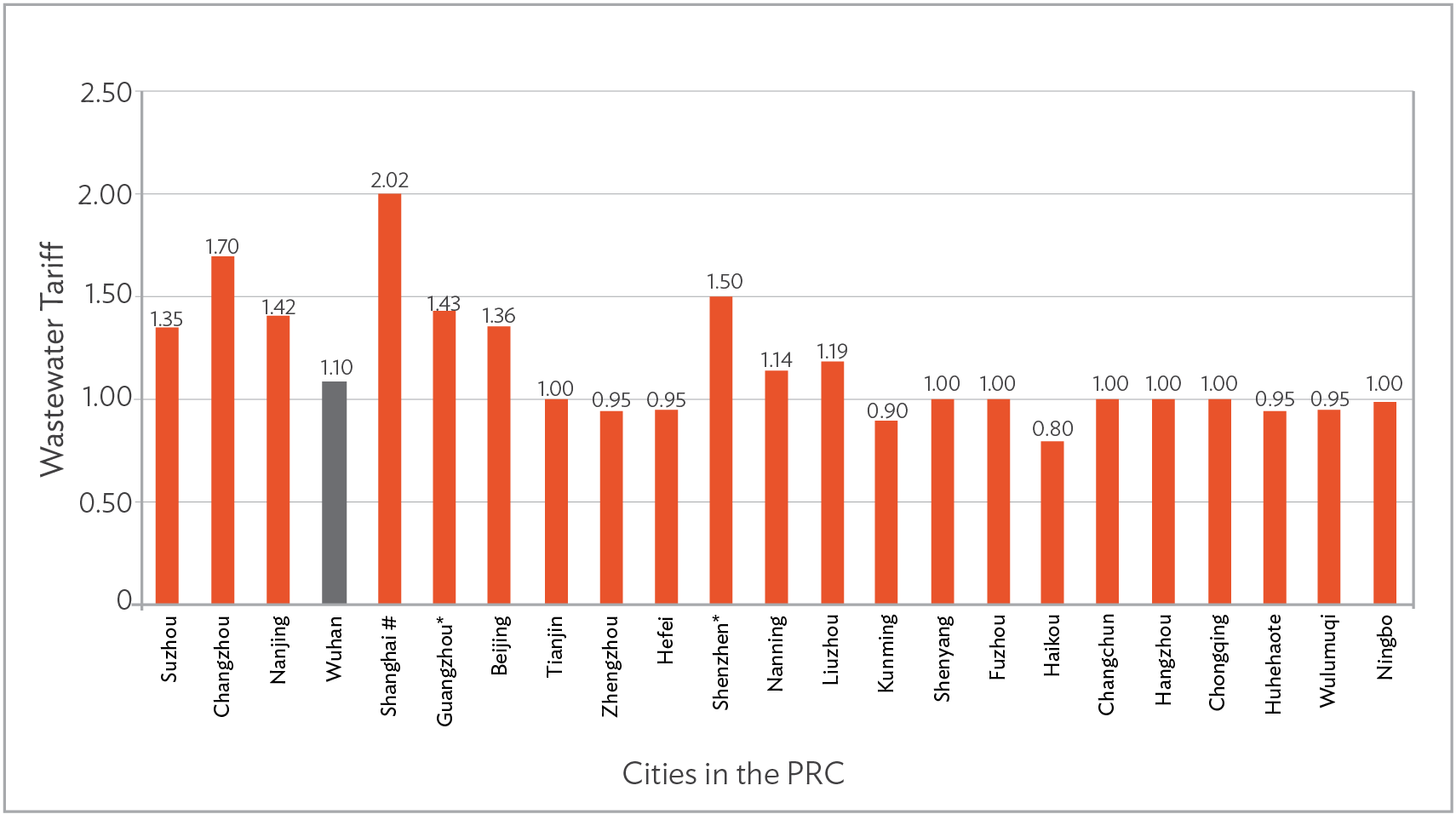
Figure 2: Current Resident Wastewater Tariff in Some Cities

*: Indicatively using the 2nd block wastewater tariff, which is higher than the first block but lower than the 3rd block wastewater tariff. #: To be levied on 90% of water solid.
Implications
 

ADB’s first two water tariff studies were conducted when the gross domestic product (GDP) per capita in the PRC was at a low $609.66 in 1995 and $959.37 in 2000. This did not deter initiatives to reform the water and wastewater tariffs in the country with the objective of requiring full cost recovery from service providers. Figure 1 shows a high level of cost recovery would have been achieved in many cities because of increased wastewater tariffs when per capita GDP was about $1,753.42 in 2005. Figure 2 shows a high level of cost recovery, including full cost recovery for some cities, would have been achieved now among the cities.

In comparison, when per capita GDP in the Philippines was $1,741.60 in 2007 (Table 3 below), the combined water and wastewater tariff in Bonifacio Global City and Metro Manila was so high that full cost recovery should have already been achieved then. The Manila Water Company, Inc. provides water treatment, water distribution, sewerage, and sanitation services to more than six million people in the eastern side of Metro Manila (East Zone), which comprises a broad range of residential, semi-business, commercial. and industrial customers. The East Zone encompasses 23 cities and municipalities, spanning a 1,400-square kilometer area. The company is entitled to recover its operating, capital maintenance, and investment expenditures; business taxes; and concession fee payments over the concession period; and to earn a rate of return on these expenditures. Its return on equity from 2006 to 2020 ranged from 8.09% to 22.4%.

Table 3: GDP per Capita in Current Prices
(US$)

 19952000200520072010201520202021
People’s Republic of China609.66959.371,753.422,693.974,550.458,016.4310,408.6712,556.33
Philippines1,222.291,073.261,245.291,741.602,201.782,974.303,224.423,460.53

Source: The World Bank.

Most water supply companies in the PRC are owned by the government. The Manila Water Company, a publicly listed company, is the concessionaire of the state-run Metropolitan Waterworks and Sewerage System. WDC and Manila Water Company achieved full cost recovery when per capita GDP was about $1,750 in the two countries.

Today, per capita GDP in most of developing Asia is around $1,750 or higher. Some countries even have a per capita GDP that is higher than $10,000. Yet, many water systems in the region are not financially sustainable and rely heavily on fiscal transfers and government subsidies despite improved economic well-being. Most water and sanitation projects are still justified based on their capacity to generate revenue to adequately cover O&M costs, and the government’s commitment to transfer adequate funds as necessary to cover such expenses.

With relatively higher inflation rates over the years, no increase in tariff in nominal terms means decreased tariff in real terms, further deteriorating the financial position of a water utility. This means the water utility will continue making demands on government’s scarce fiscal resources. It has no financial capacity for assets expansion or replacement to provide better services to the public.

Increased per capita GDP in a country normally improves the affordability profile, especially in its capital and major cities with relatively higher per capita GDP. When higher tariffs are affordable in a city, public support, willingness-to-pay, and pro-poor arrangement for poor households are sensitive and critical concerns before a water system can be moved up to a higher level of cost recovery. Continued policy dialogue with governments supported by a realistic tariff study and in-depth financial and social analyses, together with good practices in the water sector, would help build understanding and a better future for people and for countries.

References
Author
Picture of Yi Xu

Yi Xu

Former Senior Financial Management Specialist, Procurement, Portfolio and Financial Management Department, ADB

This blog is reproduced from Development Asia.

Human Settlements in Mongolia: Strengthening Strategic Cities and Towns for Sustainable Territorial Development

How Integrated Urban Solutions Build Inclusive, Sustainable, and Climate-Resilient Cities

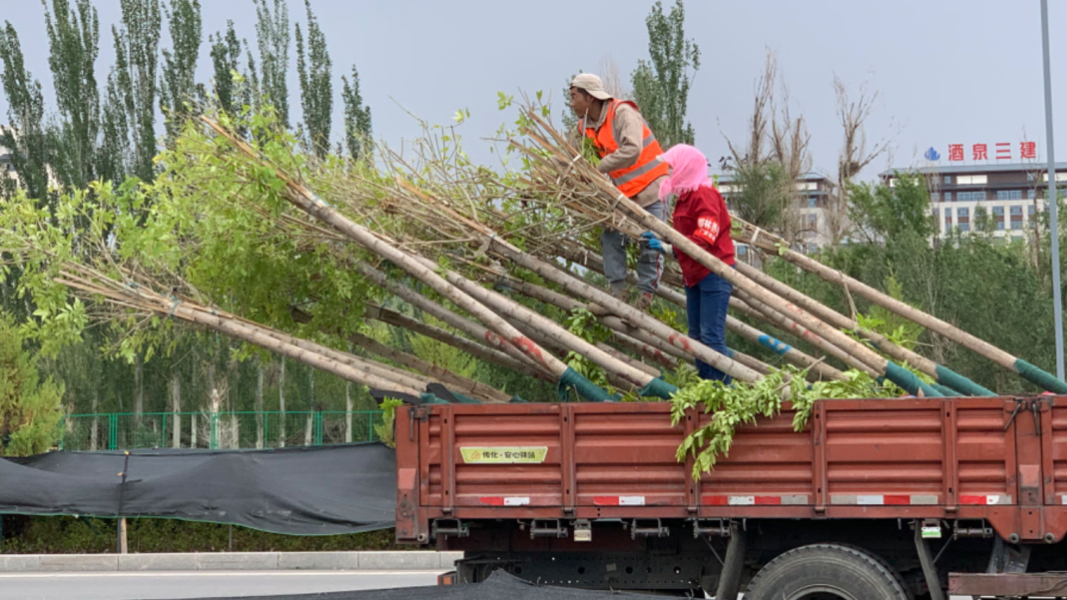
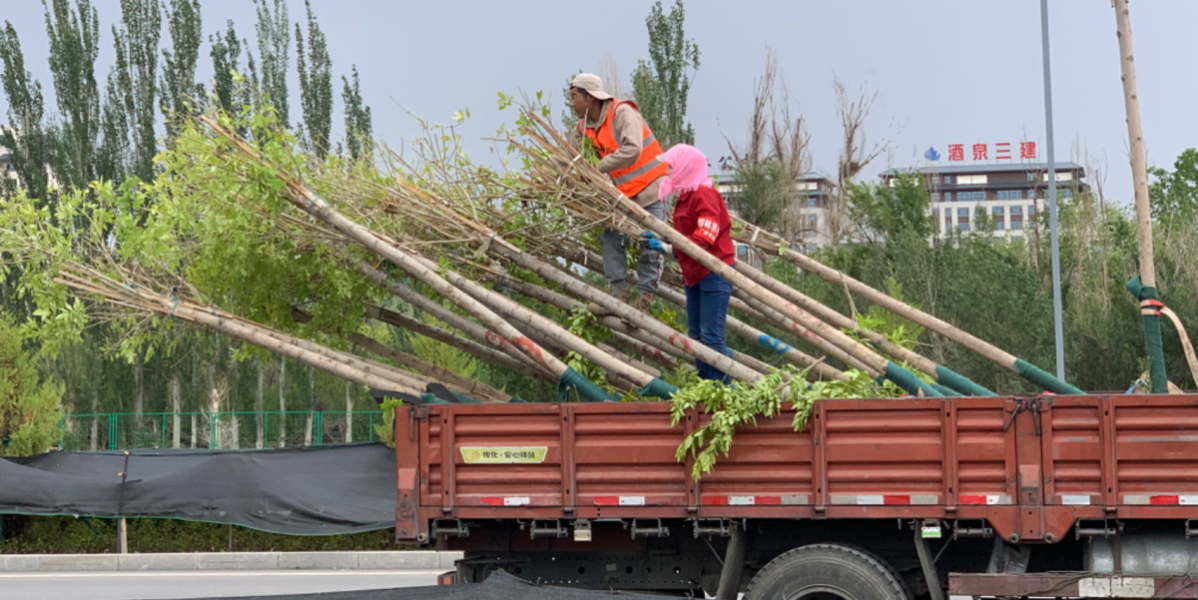
Workers transport saplings for building windbreak screens. Photo credit: ADB.

An integrated approach to sustainable and inclusive development helps an oasis city in the People’s Republic of China overcome environmental challenges.

Overview

Jiuquan was an oasis on the ancient Silk Road along the Hexi Corridor, an important trade route in the northwestern region of the People’s Republic of China (PRC). Located between the southern limits of the Gobi desert and the Qilian Mountains, this city in Gansu province has faced development challenges because of its harsh natural environment. Yet, it has a thriving economy, and it is expected to play a strategic role in the socioeconomic development of the region.

A project funded by the Asian Development Bank (ADB) supported Jiuquan city by implementing an integrated solution to promote environmentally sustainable and inclusive development through improvements in wastewater management, urban transport and related facilities, windbreak plantation, and other services. Climate change mitigation and adaptation measures were introduced in the project design to strengthen the city’s climate resilience and reduce carbon emissions.

The project also strengthened the capacity of the municipal government for sustainable urban planning and development.

Project information

45506-002 : Gansu Jiuquan Integrated Urban Environment Improvement Project in the People’s Republic of China

Project snapshot

      • Approval date: 14 Jun 2013
      • Closing date: 18 May 2021
      • Total project cost: $202.19 million
      • Executing agency: Jiuquan Municipal Government, Gansu Province, People’s Republic of China
      • Financing: Asian Development Bank

Context

Jiuquan is located about 730 kilometers (km) northwest of the provincial capital of Lanzhou. The city’s key industries are renewable energy equipment manufacturing and agricultural product processing. Tourism has increasingly contributed to the city’s economic output based on its rich historic and cultural resources, as well as its status as the launching site of the national space program.

The city has the potential to serve as a vital artery for the relatively less-developed northwestern region of the PRC. The National Strategy for Development of the Western Region sees the city as having a key role in aiding the region’s socioeconomic development.

Challenge

Jiuquan faces various environmental problems and urban development challenges. It has a continental desert climate with constrained water resources and high evaporation. Sand and dust are carried frequently by strong winds from the desert, causing atmospheric pollution, a high incidence of respiratory illness, and productivity losses.

Beida, the river that flows through Jiuquan, has been gradually polluted by discharges of untreated wastewater from the city. Its water quality is class II for the upstream reach of Jiuquan, class III through the city area, and class IV downstream.[1]

As a water-scarce city undergoing continuous growth, Jiuquan must stem the gradual contamination of its water resources, which endangers public health and safety and constrains its sustainable development.

The increasingly congested urban roads and inadequate infrastructure also limit the city’s ability to promote greater links along the Hexi Corridor and enable socioeconomic development in the northwestern region.

Solutions

The project supported the city in addressing its challenges through an integrated approach to improving the urban environment and by involving the local community in project design and implementation.

Expand windbreak tree screens. About 60.5 hectares (ha) of windbreak tree screens were planted along the northern and southern banks of the Beida River to reduce the city’s vulnerability to desertification, enhance public amenities, and improve the living environment and public health of residents.

A windbreak plantation education trail was set up to improve public awareness where visitors can learn about the city’s exposure to desertification, the challenges that Jiuquan faces in managing its water resources and air quality, and the benefits of afforestation in protecting the environment and improving the city’s resilience to climate change impacts.

Improve wastewater management and resources reuse. A wastewater treatment plant with a capacity of 60,000 cubic meters (m3) per day and a wastewater collection network with a total length of 44.2 km were constructed. About 18,000 m3 of reclaimed water is used daily for greening and irrigation of the windbreak plantation. Reclaimed water reuse will be increased to 30,000 m3 around 2025. Sludge after dewatering with water content below 60% is disposed to a sanitary landfill. A road map for sludge reuse—such as land improvement, soil conditioner for the windbreak trees plantation, or other agricultural uses, was developed and will be implemented in the near future.

Improve urban road network and facilities. In the expanded urban area, about 15.7 km of roads and two bridges were constructed and upgraded. Associated utility facilities , such as road lighting, pipes for water supply, wastewater, heating, and gas, and conduits for electricity and telecommunication lines, were installed. In the existing central urban area, traffic management and safety systems and 0.8 km of roads were upgraded.

Develop the municipal government’s capacity in urban planning and management. The project trained officials of Jiuquan municipal government and staff of the project implementing agencies in various aspects of urban planning and management. It developed and enhanced plans and strategies in water conservation, wastewater reuse, sludge management, urban transport system, traffic management and safety, and desertification risk management. It also promoted private sector participation to improve the efficiency of municipal services.

Promote local communities’ participation in project design and implementation.

Different groups of local communities were widely consulted to improve road design. Improvements included traffic lights; pedestrian crossings to ensure road safety, especially for children and older persons; and optimization of routes, frequencies, and hours of service as well as links to school and health services before new bus services were put into place.

Representatives were invited to participate in public hearings for wastewater and water tariffs to improve transparency. Water conservation advocacy campaigns were organized annually and delivered through public broadcasts, television, newspapers, the internet, brochures, booklets, billboards, and documentaries, reaching more than 100,000 beneficiaries to improve public awareness and behavior to support saving of water resources.

Results

Improved living conditions and urban infrastructure services.

About 450,800 residents, 218,100 (48%) of them women and 11,333 from low-income households, directly benefitted from the project. They have sustainable access to an improved road network and related services, wastewater management, and landscaped windbreak plantations.

There is now a road linking the high-speed railway station and the Western Suburbs Industrial Zone, reducing travel time at peak hours between the two spots to 25 minutes from 45 minutes. Improved traffic management contributed to substantial reduction in traffic fatality rate to less than 2.5 per 10,000 vehicles from 4.5.

The project provided windbreaks for the city against sandstorms, enhanced public amenities, and improved the living environment and public health of local residents, with additional benefits of carbon sequestration, sand fixation, secured agricultural production, soil conservation, and regulation of micro-climate.

Public satisfaction with the urban environment and ecology increased to 90.5% in 2020 from 84% in 2011.

Improved environment and climate resilience of the city.

The project generated significant environmental benefits. Wastewater collection and treatment rate increased to about 99% from 66%, pollutants discharge to the Beida River was dramatically reduced, and the water quality was improved to grade I from grade III.

Climate change mitigation and adaptation measures that were considered in the project design and carried out during implementation improved the city’s climate resilience. The windbreak forest created 10,104 tons of biomass, absorbed 2,678 tons of carbon dioxide, and released 1,983 tons of oxygen each year. The mitigation measures will gradually reduce the risk of increasing desertification in the long term. The bridges and associated culverts were designed as an adaptive measure against road flooding during torrential rain or heavy flooding with a 1-in-100-year return period. The reuse of the treated wastewater for greening and irrigating the windbreak forests was also an adaptive measure to conserve water resources.

Improved institutional capacity. The Jiuquan municipal government improved its institutional capacity in urban development planning. The strategies developed under the project became part of the city’s integrated long-term development plan.

Water sector management and governance were strengthened through enhanced water conservation and reuse and establishment of private–public partnership.

Public utilities improved their capacity in project design and implementation and assets management, and incorporated the inclusive participatory consultations with various stakeholders, including residents, into their operations.

Lessons

The project designed and implemented a comprehensive capacity building component that strengthened the municipal government’s institutional capacity in forming strategies for water conservation, resources reuse, traffic management and traffic safety improvement, and desertification risk management. This enhanced the project’s sustainability.

The inclusive and participatory approach in project design promoted social inclusion and equitable access to urban services.

To address the emerging challenges posed by climate change, mitigation and adaptation measures could be considered in the project design and carried out during implementation to improve a city’s resilience to impacts.

[1] The Water Quality Standards (GB 3838-2002) of the People’s Republic of China have five classes. Class I is pristine; class II is for high-value fish production areas and spawning habitats; class III is suitable for urban water supply; class IV is suitable for irrigation and recreation; and class V is polluted and not recommended for human consumption or agricultural use.
References
Author
Picture of Lan Wang

Lan Wang

Senior Project Officer, East Asia Department, ADB

This blog is reproduced from Development Asia.

Green Urban Planning: Lessons from Mongolia on Climate Proofing Cities in Cold Regions

© 2026 Regional Knowledge Sharing Initiative. The views expressed on this website are those of the authors and presenters and do not necessarily reflect the views and policies of the Asian Development Bank (ADB), its Board of Governors, or the governments they represent. ADB does not guarantee the accuracy of the data in any documents and materials posted on this website and accepts no responsibility for any consequence of their use. By making any designation of or reference to a particular territory or geographic area, or by using the term “country” in any documents posted on this website, ADB does not intend to make any judgments as to the legal or other status of any territory or area.