Natural Capital Investment Is Key to Rural Recovery and Resilience

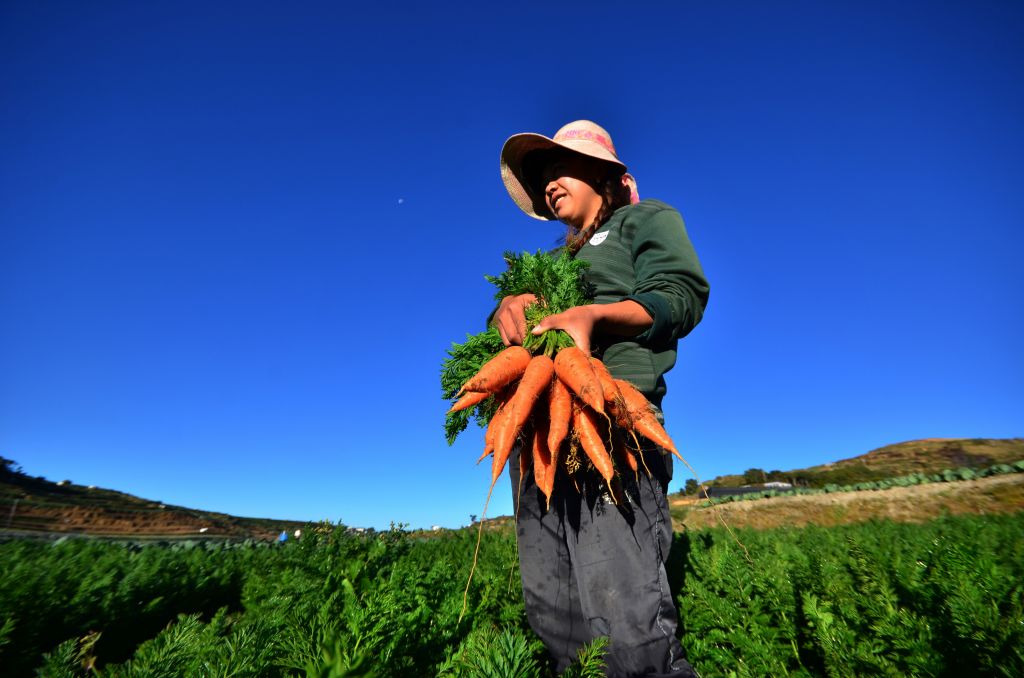
Our experience during COVID-19 has demonstrated the resilience of agriculture and its enormous value in driving economic recovery.

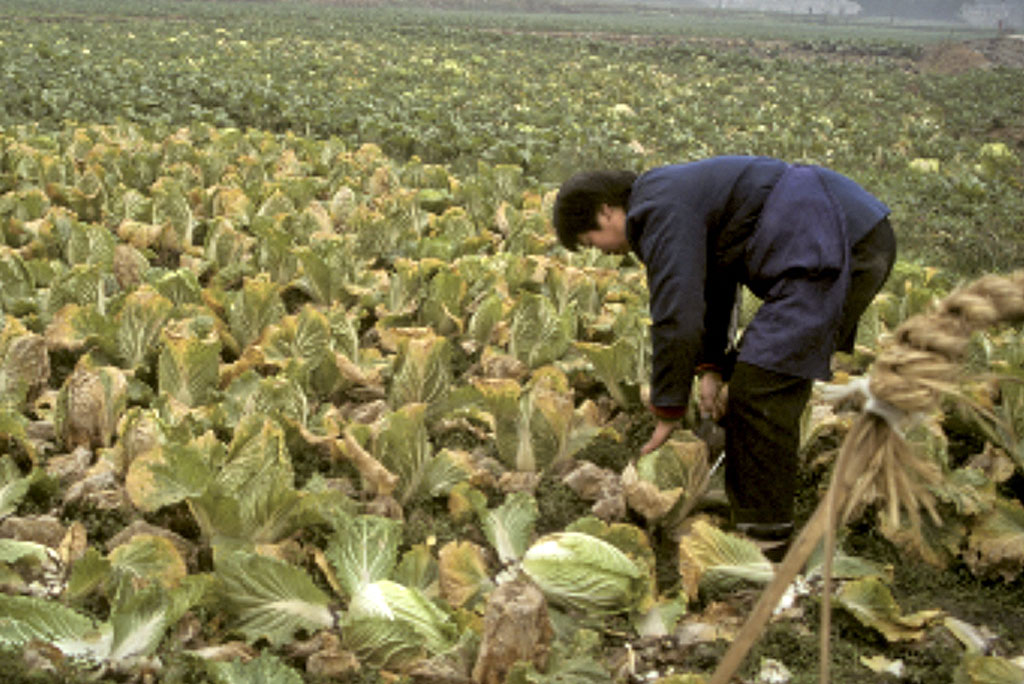
The harsh health and economic impacts of the coronavirus disease (COVID-19) pandemic are being felt across developing Asia. As the region moves toward recovery, agriculture presents a major route to reducing poverty and food insecurity compared to other sectors.

Prior to the pandemic, agriculture accounted for a significant part of the economy for many emerging countries—7.7% in China, 12.7% in Indonesia, 7.3% in Malaysia, 8.8% in the Philippines, 8% in Thailand, and 14% in Vietnam. Since millions of rural migrants lost their jobs in cities and returned to rural homes for their livelihoods, rural development is now becoming vital to post-pandemic recovery. As experiences in Thailand and the Philippines have shown, investments in agriculture can help revive food production and create jobs following a crisis, and enable rural communities to recover.

Productive and sustainable transformation of agri-food systems is a key element in the successful transition from middle- to high-income status. This is always challenging. But as countries push for economic diversification, expand the use of modern technologies, and establish effective management of food supply during this pandemic, many countries in developing Asia are well-equipped to overcome the challenge.

In the past, farmers had few incentives to pursue sustainable agriculture and protect natural assets without incurring significant cost or loss of income. This was because of the disconnection between the retail price of food and the cost of production and distribution reflecting implicit environmental costs.

But now East Asia and developing countries in the Mekong have started introducing natural capital accounting such as gross ecosystem product (GEP) to attach a monetary value to nature, and applying eco-compensation or payments for ecosystems to provide incentives for farmers to change their behavior. These are critical to sustainable transformation of the agricultural value chain, and can be replicated to other regions including central and south Asia.

In February 2021, China unveiled a new government body for the promotion of rural vitalization as the world’s most populous country shifted its policy focus to further enhancing natural capital investment and boosting rural areas. The same week, China’s top leaders outlined priorities and tasks for the next-stage of reform at a key meeting, which stressed efforts to explore a market-based, sustainable way to realize the value of ecological products.

All of these actions are a move in the right direction for a rural recovery, while protecting the environment and natural resources. The wider region could consider how to incorporate similar approaches in their recovery plans.

Looking forward, several opportunities exist to continue the drive toward a more resilient and sustainable recovery in rural Asia.

Agribusiness marketplace. ADB is working with its developing members to establish an agribusiness marketplace on a digital platform. This platform will integrate modern advanced technologies, such as the Internet of Things, artificial intelligence (AI), big data, cloud computing, and blockchain, to digitalize agriculture value chains. This will reinforce food security and strengthen utilization, preservation, and improvement of natural capital. It will also help in solidifying transparency and traceability to improve food safety. At this marketplace, stakeholders of different sizes will have better channels to exchange information, sell products, arrange logistics, obtain financing, participate in training, and acquire third-party services, such as branding, certification, new product design, as well as professional assistance in legal, contracting, accounting and taxation issues.

Sustainable finance. Small and medium-sized enterprises (SMEs), including primary producers, dominate the food system. They are typically at a disadvantage when accessing finance, owing to opacity, under-collateralization, high transaction costs and lack of financial skills. Bank credits are the main source of external capital for SMEs. They need better access to alternative financing, such as equity finance, corporate bonds issuance, and mezzanine finance.

Incentive mechanisms. While there is growth in the adoption of eco-compensation or payments for ecosystem services in rural areas, the current incentive structures still encourage unsustainable short-term behaviors that deplete natural capital. This is a complex area requiring a suitable mix of appropriate “carrots, sticks, and narratives” to change the way that markets work (e.g., sustainable financing and payments for ecosystem services), to enact smart policies and regulations, and to change social norms through information disclosure and education.

ADB has established a working group to expand upon experiences in China and the Mekong subregion through a regional natural capital lab. The lab is designed as a living and virtual platform to incubate, accelerate, and expand natural capital investment, which will prioritize the support for greening of the agriculture value chain in developing Asia. The lab will leverage existing accounting tools to quantify the ecosystem service value of green agricultural value chains, strengthen eco-compensation or payments for ecological services to incentivize behavior change among small farmers, and establish a financial facility to convert ecosystem value or assets into the revenue model of agribusiness.

Our experience during COVID-19 has demonstrated the resilience of agriculture and its enormous value in driving economic recovery. The pandemic has also shown the importance of preserving the harmony among natural assets. Combining these two lessons underlines the need to transform agri-food systems so that they operate in a sustainable way. This transformation can be considerably enhanced by the use of digital technology and eco-compensation mechanisms. ADB’s natural capital lab and the associated financing facility would catalyze much-needed investment to achieve this transformation.

Author

Picture of Qingfeng Zhang

Qingfeng Zhang

Chief, Rural Development and Food Security (Agriculture) Thematic Group, ADB

This Op-Ed is reproduced from Asian Development Bank.
Restoring a River the Natural Way

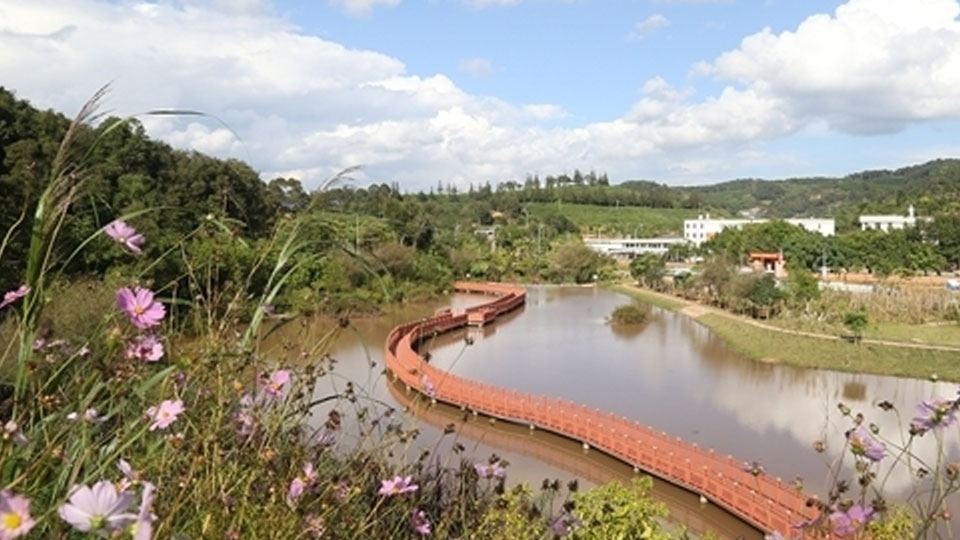
Pu’er City used natural materials and processes to rehabilitate the Simao River. Photo Credit: CDIA/Rudini Baoy.

In the People’s Republic of China, rehabilitation of the Simao River took an ecological and green development path and was integrated into city plans.

Overview

The Simao River in Pu’er City, the People’s Republic of China (PRC) was rehabilitated to prevent flooding in the city, restore the area’s biodiversity, and improve livability for residents.

In 2012, the city government worked with the Cities Development Initiative for Asia (CDIA) to finalize the design of its rehabilitation project, which aimed to develop Simao River into an attractive landmark and improve its flood protection capacity. Soon after, KfW (German Development Bank) approved an $80-million loan to implement the key components of the project.

In 2018, CDIA development experts returned to Pu’er and saw that the measures implemented by the city, which largely adopted a nature-based approach, resulted in better flood control and more sustainable river management, improved water quality, and restored ecology of the river. Residents were also using green spaces near the river for recreation and social interaction.

Project information

PRC: Flood Control, Environmental Improvement and Water Reclamation Works in Pu’er

Project snapshot

      • Start date: January 2012
      • End date: June 2012
      • Total project cost: $410,000
      • Financing: 
        • KfW: $80-million loan for key components of project
        • CDIA: $410,000 in technical assistance
        • Municipal Government of Pu’er
      • Commissioning agency: Municipal Government of Pu’er

Context

Pu’er City is situated in the southwest of Yunnan Province. It covers a floodplain of about 45,000 square kilometers, framed by green hills and mountains where the famous Pu’er tea is grown. The city’s estimated population is 200,000.

Pu’er developed into a modern urban center in recent years, but increased urbanization brought pressing challenges. It experienced frequent floods that severely affected urban activities and the future development of the city. The foul odor of garbage and sludge from the Simao River further attested to environmental deterioration.

Challenges

The Simao River traverses the urban area of Pu’er. The 15-km long watercourse acts as a natural drainage channel for the city and serves as a home for wildlife and vegetation along its shores. In previous years, however, the river lost its capacity to provide these environmental benefits.

In 2012, the river had a very low flood risk management capacity that it could only cope with a 5-year flood event or less. Due to the characteristics of the river’s course and riverbeds, it could not effectively drain flood waters, thus putting the city at risk of flooding.

The Simao River was also polluted. Solid waste, sludge, and aquatic plants impeded its normal water flow, and informal settlers occupied some of its riverbanks. Pu’er’s inadequate wastewater management system compounded the problem, as only 22% of the urban wastewater was collected and treated. The rest was discharged directly into the Simao River and its tributaries.

With the river’s poor water quality and surrounding environment, biodiversity could hardly thrive. This was a stark contrast to the rich flora that Yunnan Province is known for.

Pu’er’s residents perceived the Simao River as a heavy burden; they did not see it as an integrated part of their city and did not regard it as an emblematic feature of Pu’er’s natural beauty.

Solutions

The Pu’er Municipal Government prepared a feasibility study of the Simao River rehabilitation project to develop the watercourse into an attractive landmark and to prepare the city to cope with severe flood events.

Comprehensive project preparation

The city government asked CDIA to review the feasibility study and finalize the preliminary design for the Flood Control, Environmental Improvement, and Water Reclamation Works in Pu’er project.

CDIA and the Pu’er government worked closely for 6 months in 2012 to prepare the project, involving all relevant stakeholders at each critical step of the planning process. They collected information and conducted surveys, analyses, and calculations to provide a strong foundation for the design of the Simao River rehabilitation project.

By the end of CDIA’s intervention, the city was set to pursue the following measures:

  1. Improve the water quality through a series of treatment wetlands at the confluences of Simao River tributaries and storm water channels;
  2. Provide a river layout that can withstand 50-year flood events;
  3. Allow the river water to flow through a combination of free-flowing stream and still water sections;
  4. Provide an open main flood channel with vegetation situated alongside riverbanks; and
  5. Divide project construction into three sections and three contract packages for the entire length of the river.

In December 2012, KfW signed an $80-million loan agreement with the PRC government to implement flood control and channel improvement works for the Simao River.

Use of ecological and green development approach

The city mostly used nature-based solutions recommended by CDIA to achieve a more sustainable river rehabilitation and create a healthy and livable environment for residents. It espoused the use of ecologically sound and diverse measures, natural processes and materials, and it based restoration efforts on the idea of the features being part of the natural environment and not exclusively built structures. It also planned to entirely use native plant materials for revegetation and for reinforcing flood beds and riverbanks.

The adoption of an ecological and green development approach ensures cost effectiveness in terms of construction and maintenance, and it can also recreate a natural river environment that protects against floods and provides natural habitats for biodiversity.

Integration of the project with city development plans

The city government integrated the planned interventions with their master plan and linked the river works with other relevant urban infrastructure projects, such as wastewater management, wetland park development, and urban renewal. This approach enabled the city to pursue a project design adapted to its existing and future development needs.

Results

CDIA visited the city 6 years after it completed its technical assistance and found that the city completed 85% of the project work, including flood control, sewage interception, and river ecology restoration measures recommended in the CDIA study.

Pu’er officials noted that the risk attributed to flooding has been minimized in flood-prone areas after completion of dredging and excavation works along the river. They also expect that the river will be able to withstand a 50-year flood event when the project is completed.

The river’s water quality improved after the city reformed its wastewater management program, and the foul smell coming from the river was eliminated.  There was also a noticeable increase in fish population in the still water sections of the river.

The landscape surrounding the river was rehabilitated, with 50 hectares of greening and restoration efforts along its banks giving residents new spaces for recreation.

The city used natural and indigenous materials and processes during the project and that resulted in low construction and maintenance costs. Pu’er officials are optimistic that an ecological and green development approach will improve biodiversity and promote the sustainable development of the river.

Informal settlers along the river that were exposed to flooding were transferred to relocation sites with better amenities and quality of housing units.  

Finally, the roads and bridges constructed and retrofitted near the river are expected to improve mobility and access to social services for residents.

The project is transforming Simao River into an ecological landmark while reducing flood risks and improving water quality. Photo Credit: CDIA/Rudini Baoy.

Lessons

Aided by the interventions and the commitment of relevant stakeholders, Pu’er is set to achieve its primary objective of developing the Simao River watercourse into an attractive ecological landmark while eliminating flood risks and improving the water quality of the river.

The integration of the project into the Pu’er City Master Plan paved the way for the coordinated implementation of relevant urban infrastructure projects. Meanwhile, the active participation of city officials and the affected communities in project planning and implementation strengthened their ownership of the project.

The city government linked the various project components with internal and external funding sources necessary to implement the project. It further established a governance structure, headed by the city mayor, to manage and maintain the river and its tributaries after project completion.

Key officials of the Pu’er Municipal Government are optimistic that Pu’er will serve as a model for other cities in the PRC on how to approach the problem of flood management the natural way and how to integrate flood management measures in a more sustainable manner.

References

Cities Development Initiative for Asia. 2012. Final Report: Flood Control, Environmental Improvement & Water Reclamation Works in Pu’er.

R. Baoy, E. Ringhof, and C. Yiyang. 2018. Pu’er Tracer Study. Tracer Studies on City Interventions. Cities Development Initiative for Asia.

Author
Picture of Brian Capati

Brian Capati

Urban Development Specialist, Cities Development Initiative for Asia

This blog is reproduced from Development Asia.

Impact Evaluation of Road Improvements and Rural Poverty: Baseline Survey in the Ningxia Liupanshan Area of the People’s Republic of China

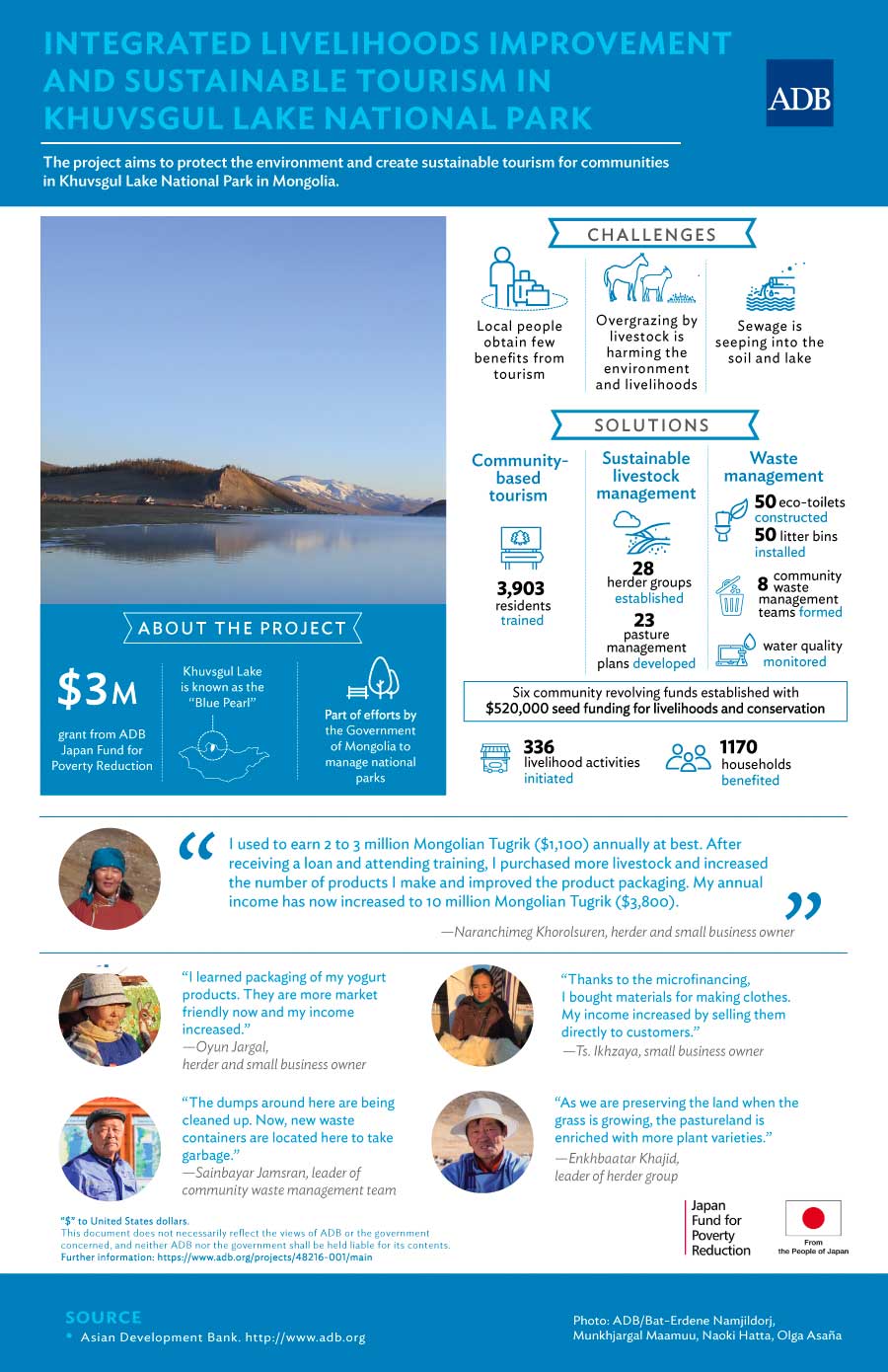
Integrated Livelihoods Improvement and Sustainable Tourism in Khuvskul Lake National Park

The project aims to protect the environment and create sustainable tourism for communities in Mongolia’s Khuvskul Lake National Park.

Improving Farmers’ Income in the People’s Republic of China through E-Commerce

The People’s Republic of China has adopted policies to encourage farmers to start selling their products online. Photo credit: Ian Gil/ADB.

E-commerce can enhance rural livelihoods with public investments in facilities and training, access to funding, and favorable market conditions.

Overview

There has been rapid adoption of information and communication technology (ICT) in the People’s Republic of China (PRC) in the past decade. It is a world leader in e-commerce. However, access to ICT is concentrated in coastal and urban areas. The government has taken steps to strengthen infrastructure and capacity as well as provide funding to support e-commerce development in rural areas.

study by the Asian Development Bank (ADB) and the International Food Policy Research Institute (IFPRI) looks at the impact of policies and investments in e-commerce on farmers. It shows that online selling is still new to farmers, but they are receptive to it because of the potential for higher income and self-employment.

However, a successful e-commerce venture is dependent on infrastructure and location, as well as the farmers’ relevant knowledge and skills. Government initiatives in these areas are needed for e-commerce to impact positively across the agriculture sector in the PRC.

Survey Results

The development and adoption of ICT have seen a significant increase in the PRC, with the number of internet users and mobile phone subscriptions reaching 772 million and 753 million in 2017, respectively. E-commerce has experienced even more rapid growth, as PRC has become the largest e-commerce market in the world since 2013. In 2017, it posted online sales valued at RMB 5,328.8 billion (more than $700 billion).

The study examined the ICT uses and development of e-commerce in rural PRC. It used data based on the two rounds of surveys done by the CCAP in 2017 and 2018, which covered 1,128 households that represent seven provinces in the PRC.

Survey results showed significant improvement in rural ICT infrastructure, logistic services, and the use of mobile phones by farmers. In 2017, all villages in rural PRC had access to mobile phone services, with about 70% having access to the internet. Nearly 90% of adults had a mobile phone, and 71% of them used a smartphone for social networking, news monitoring, watching videos, shopping, and online payment.

Many farmers are willing to venture into e-commerce, the survey reported. The number of villages doing e-commerce increased to 63% in 2017 from 41% in 2016. That year, only 3% of farmers sold their products online, but 25% of farmers surveyed were open to doing e-commerce. Those hesitant to go into the online business cited as reasons the lack of relevant knowledge and skills, lack of storage and preservation facilities, high logistical costs, and inadequate marketing skills.

The survey showed that purchasing agricultural products online was not popular, but almost 20% of farmers are willing to transact through e-commerce for convenience and lower prices. Reluctance to buy online was attributed to a lack of relevant knowledge and skills, poor trust in online transactions, and high uncertainty on the quality of products.

An intensive e-commerce survey was also conducted in 250 households from 20 villages in Shandong and Zhejiang provinces. Results indicated that e-commerce raised farmer’s income and self-employment as online transactions resulted in higher net profits and are more labor-intensive than offline sales.

While the overall use of ICTs is impressive and rapidly growing in PRC, E-commerce is yet to get a good start. Several challenges stand in its way. A primary concern cited by farmers is the lack of facilities that can store and guarantee the freshness of products for long-distance deliveries. This limits products for online sales and the range of potential buyers.

Another challenge is in marketing, with low trust in online transactions, especially involving agricultural products. The initial investment to set up an online store is high and usually prohibitive for small farms without external support. Even after a successful startup, the retention of customers may require additional costs.

Recommendations

The study recommends six measures to facilitate the development and adoption of ICT and e-commerce in rural areas.

  1. Invest in the storage and transportation of agriculture products.
  2. Invest in capacity building by training farmers on how to operate an e-commerce business.
  3. Provide financial and credit support to farmers who are in e-commerce.
  4. Facilitate cooperation among farmers.
  5. Improve regulations and provide a favorable market for the development of agricultural e-commerce.
  6. Promote more inclusive e-commerce development in rural areas.

E-commerce is more likely to benefit the regions with better infrastructure and location and farmers who have relevant knowledge, skills, and resources. The role of government is to close the gap between the haves and have-nots to broaden and deepen the impact of agricultural e-commerce.

References

ADB, CCAP, and International Food Policy Research Institute. 2019. Information and Communication Technology for Agriculture in the People’s Republic of China. Manila.

J. Hinrichs. 2018. How Technology Plus Agriculture is Triggering Growth in the People’s Republic of China. Development Asia

X. Li, H.C. Tang, and J. Xu. 2019. Development Asia. What Can ASEAN Learn from the People’s Republic of China’s Poverty Reduction Strategy?, Development Asia. 

Author
Picture of Akmal Siddiq

Akmal Siddiq

Chief of Rural Development and Food Security (Agriculture) Thematic Group, Sustainable Development and Climate Change Department, ADB

Picture of Md. Abul Basher

Md. Abul Basher

Natural Resources and Agriculture Specialist, Sustainable Development and Climate Change Department, ADB

Picture of Jikun Huang

Jikun Huang

Professor, School of Advanced Agricultural Sciences and Director, CCAP, Peking University

Picture of Min Liu

Min Liu

Professor, Lanzhou University

Picture of  Huimin Wang

Huimin Wang

Ph.D. student, School of Advanced Agricultural Sciences, Peking University

This blog is reproduced from Development Asia.

Information and Communication Technology for Agriculture in the People’s Republic of China

Rural Vitalization Through Internet Plus Agriculture

Combining value-chain investment projects with access to e-commerce will accelerate rural transformation and integrate the agriculture sector into the wider economy

The People’s Republic of China (PRC) government recently released a rural vitalization strategy for the 2018-2022 period to promote poverty reduction, rural development, and green and inclusive growth. Despite a spectacular economic growth over the past 3 decades, economic, social, environmental, and institutional challenges remain. 

These challenges are more profound in rural areas, home to more than 570 million people. In 2017, about 30 million rural people lived below the rural poverty line. Only 60% of the 600,000 villages have solid waste collection facilities, and 20% of villages had sewage treatment facilities. Chemical fertilizer application reaches 61 million tons per year, of which two-thirds has no impact on crops   resulting in water and air pollution. 

To tackle these remaining issues the rural vitalization strategy makes the management of solid waste and wastewater a priority and enhances rural development by modernizing agriculture. The application of information and communication technology (ICT), widely known as ‘agriculture Internet Plus’, is intended to increase agriculture productivity, reduce food safety risks and cut pollution from fertilizers and pesticides. Internet Plus agriculture encompasses the use of mobile internet, the application of network connected sensors, cloud computing, and big data along the food and agriculture value chain.

The internet is exerting a profound influence on the global economy and plays an important role in economic restructuring and urban-rural integration. Internet-based technologies, notably e-commerce, have vitalized rural markets in the PRC by improving the quality of agricultural produce and connecting small farmers with big markets. 

With the rapid development of internet technology in the PRC over the last two decades, a set of Internet Plus technologies has had influential impacts on the national economy. A publication by the National Development and Reform Commission (NDRC) and the Asian Development Bank (ADB) shows that intelligent agriculture practices such as precision agriculture provide substantial benefits in pollution control which also help mitigate the contribution of agriculture to global climatic changes. 

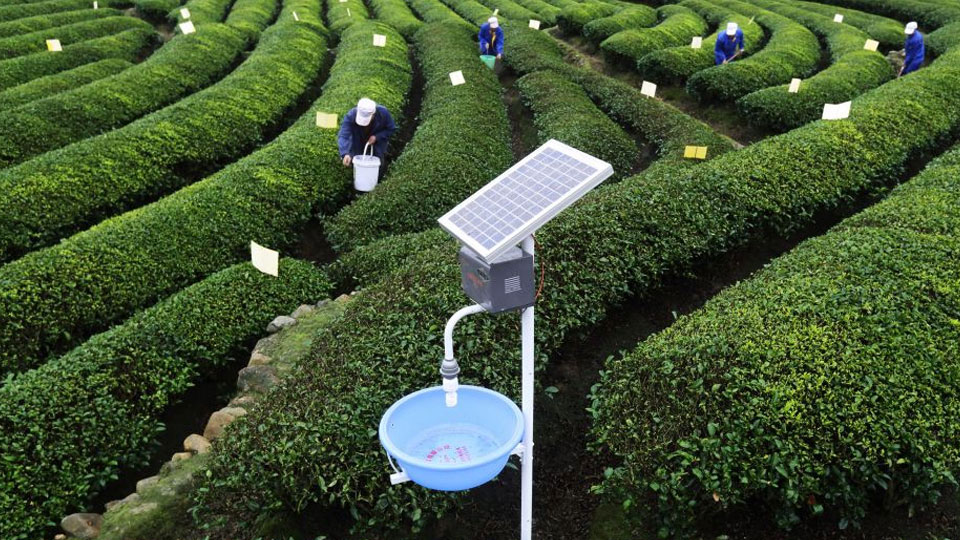
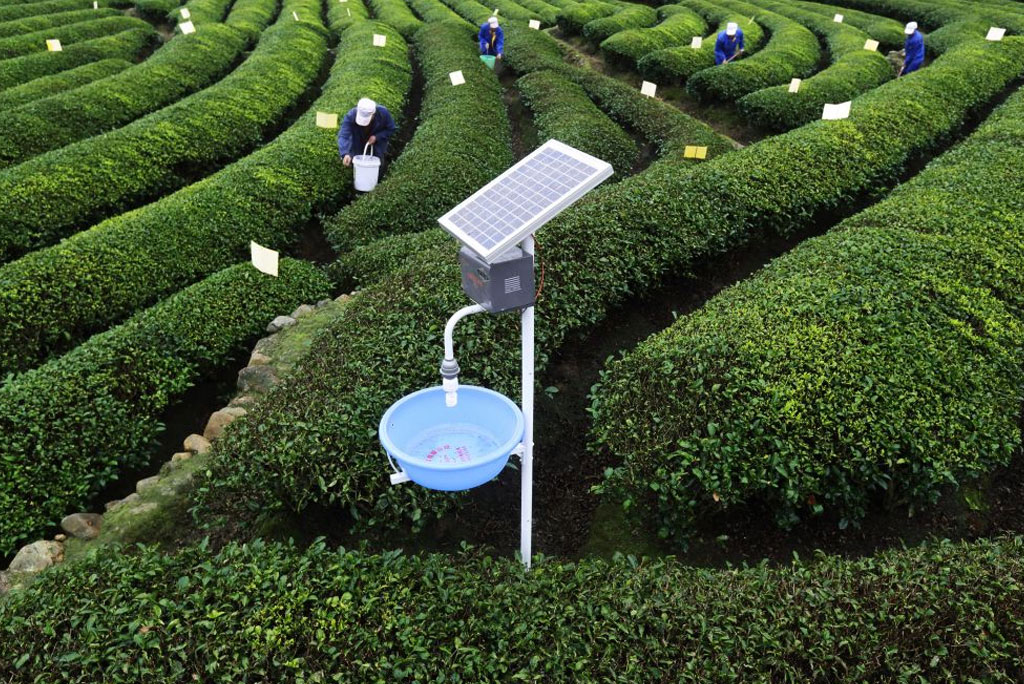
Satellite-based high-precision positioning technology combined with network-connected sensor technology can accurately monitor soil moisture, fertilizer content, weeds and pest locations to enable auto-piloted farm machinery to precisely apply fertilizer and pesticides. Efficient use of fertilizer and pesticide reduces soil, water and air pollution, as well as curbing greenhouse gas emissions. 

The NDRC-ADB publication illustrates how data tracking systems can improve the quality and safety of agriculture products. Using a mobile app to scan the quick response or QR code, customers can access information such as cultivation base, sampling time, results of pesticide concentration tests, planting, harvest and sales transaction data. 

Access to such information helps boost customer confidence in the product’s quality and safety. However, there isn’t enough incentive to apply these systems commercially, partly because national laws and regulations do not require traceability labels.

E-commerce has provided ways to sell agriculture products while reducing transaction costs and simplifying trading procedures. It has also built a two-way platform for the flow of consumer goods to villages and farm produce to cities. 

The number of rural internet users in the PRC reached 209 million in 2017, of which 47% make online payments via mobile phones. E-commerce platforms in rural areas have given farmers with an average farm size of less than 1 hectare an affordable way of obtaining high quality inputs and new opportunities to market and sell their produce. 

Giving farmers access to e-commerce requires support for agriculture extension services to standardize production, organize the farmers, and build logistics capacity in remote and poverty-stricken areas. The private sector, mainly Alibaba and Jingdong, have pioneered e-commerce platforms for agriculture and foodstuff trade. 

But there is rising demand in less developed western regions of the PRC for public-private partnerships to develop platform-based traceability systems and rural logistics infrastructure for public goods. Connecting rural areas with e-commerce demands the adoption of a farm-to-market value-chain approach to create value for poor farmers, local agro-enterprises, and consumers. ADB has already gained considerable experience working with leading agro-enterprises in the PRC to design and implement public sector-financed value-chain investments. 

The Supply and Marketing Cooperative of Gansu Province is working with ADB to develop an Internet Plus agriculture project to build the processing, cold-chain and logistics capacity of leading enterprises linked to provincial and county internet-based knowledge exchange and data analysis platforms. 

These platforms will provide production and management advice through farmers’ mobile phones and can be directly linked through network-connected sensors to farm machinery, warehouses and delivery vehicles. Traceability systems for produced food products will be integrated into the platforms. 

Such initiatives are crucial to the future prosperity of farmers in the PRC. Combining value-chain investment projects with access to e-commerce will accelerate rural transformation and integrate the agriculture sector into the wider economy.

Author
Picture of Jan Hinrichs

Jan Hinrichs

Natural Resources Economist

This Op-Ed is reproduced from Asian Development Bank.

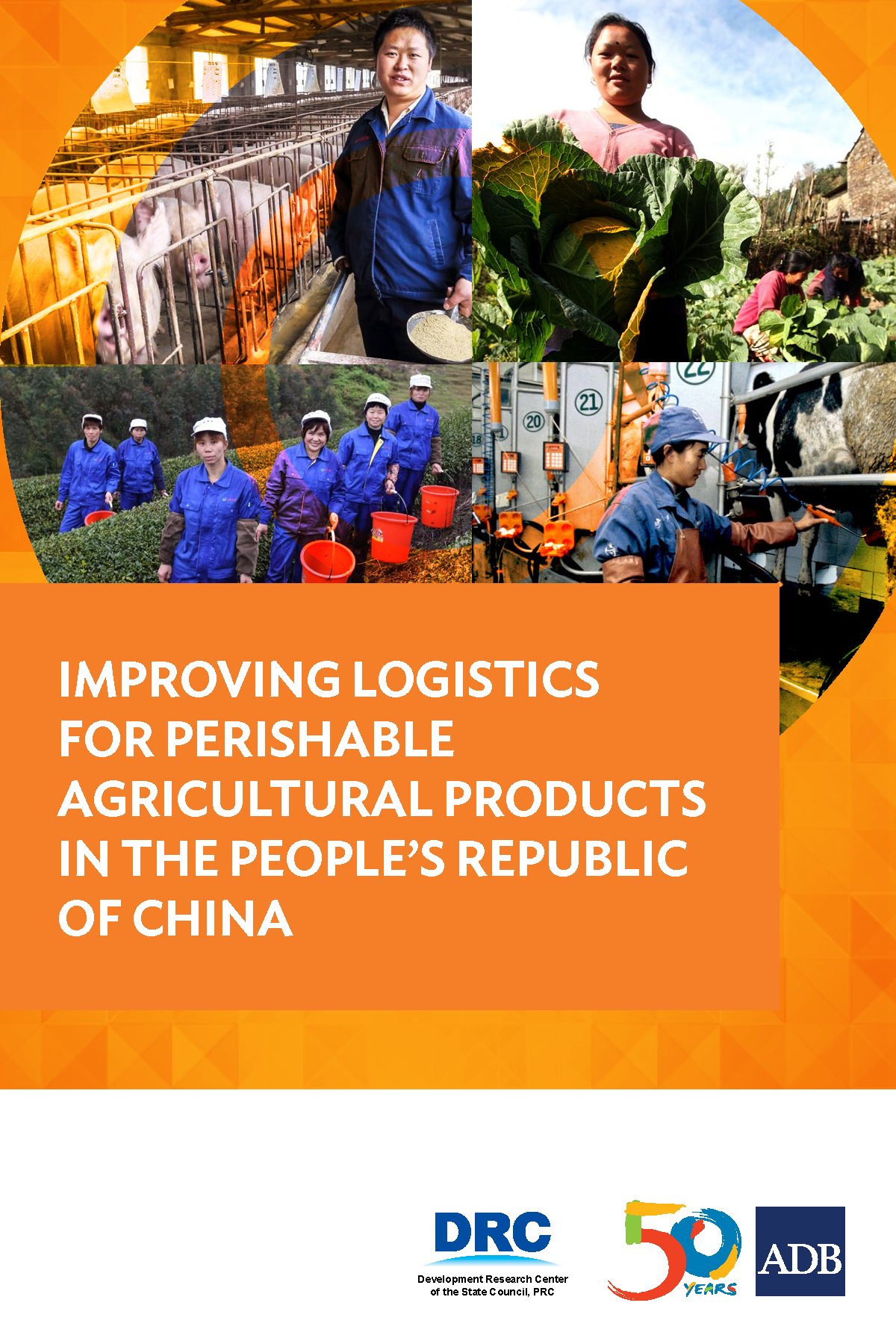
Improving Logistics for Perishable Agricultural Products in the People’s Republic of China

© 2026 Regional Knowledge Sharing Initiative. The views expressed on this website are those of the authors and presenters and do not necessarily reflect the views and policies of the Asian Development Bank (ADB), its Board of Governors, or the governments they represent. ADB does not guarantee the accuracy of the data in any documents and materials posted on this website and accepts no responsibility for any consequence of their use. By making any designation of or reference to a particular territory or geographic area, or by using the term “country” in any documents posted on this website, ADB does not intend to make any judgments as to the legal or other status of any territory or area.