In an era of shifting supply chains and rising uncertainty, regional trade offers Central Asia a path to resilience, scale, and growth through deeper integration.
Trade has always shaped how people in Central Asia work, live, and connect with one another across borders. Today, it is no longer just a source of growth, but key to managing risk. Regional trade matters more than ever because global trade has become less predictable, supply chains are being redrawn, digital commerce is outpacing rules and infrastructure, and most countries’ markets are too small to absorb these shocks on their own.
The Central Asia Regional Economic Cooperation (CAREC) program exists to address these challenges. CAREC is a partnership of 11 countries stretching from Georgia to the People’s Republic of China. The group seeks to make trade, transport, and energy links faster, cheaper, and more reliable, helping them act as a connected market rather than a collection of isolated, mostly landlocked economies.
This matters more than ever: deeper regional trade is now about reducing vulnerability to external shocks by strengthening economic ties within the region.
Today, trade within the group remains limited: in 2024, trade in goods of CAREC countries reached $6.4 trillion, but only 4% of that was traded within the region.
Many CAREC economies face similar challenges: limited domestic markets restrict production capacity, while complex customs processes, technical regulations, and other non-tariff barriers hinder and raise the cost of trade.
Trade itself is changing: cross-border e-commerce, paperless procedures, and data-driven logistics now sit at the heart of competitiveness, making regional digital links as important as physical ones. Digital commerce is racing ahead, but most rules and systems were designed for paper documents and physical borders.
Regional solutions offer ways to tackle problems that are beyond the ability of any one country to resolve. When countries pool markets, they create scale: local producers can sell not just to their own citizens but to tens or hundreds of millions of consumers across the region. When they coordinate transport and border procedures, trucks and trains move faster, firms cut logistics costs, and goods reach shelves more reliably.
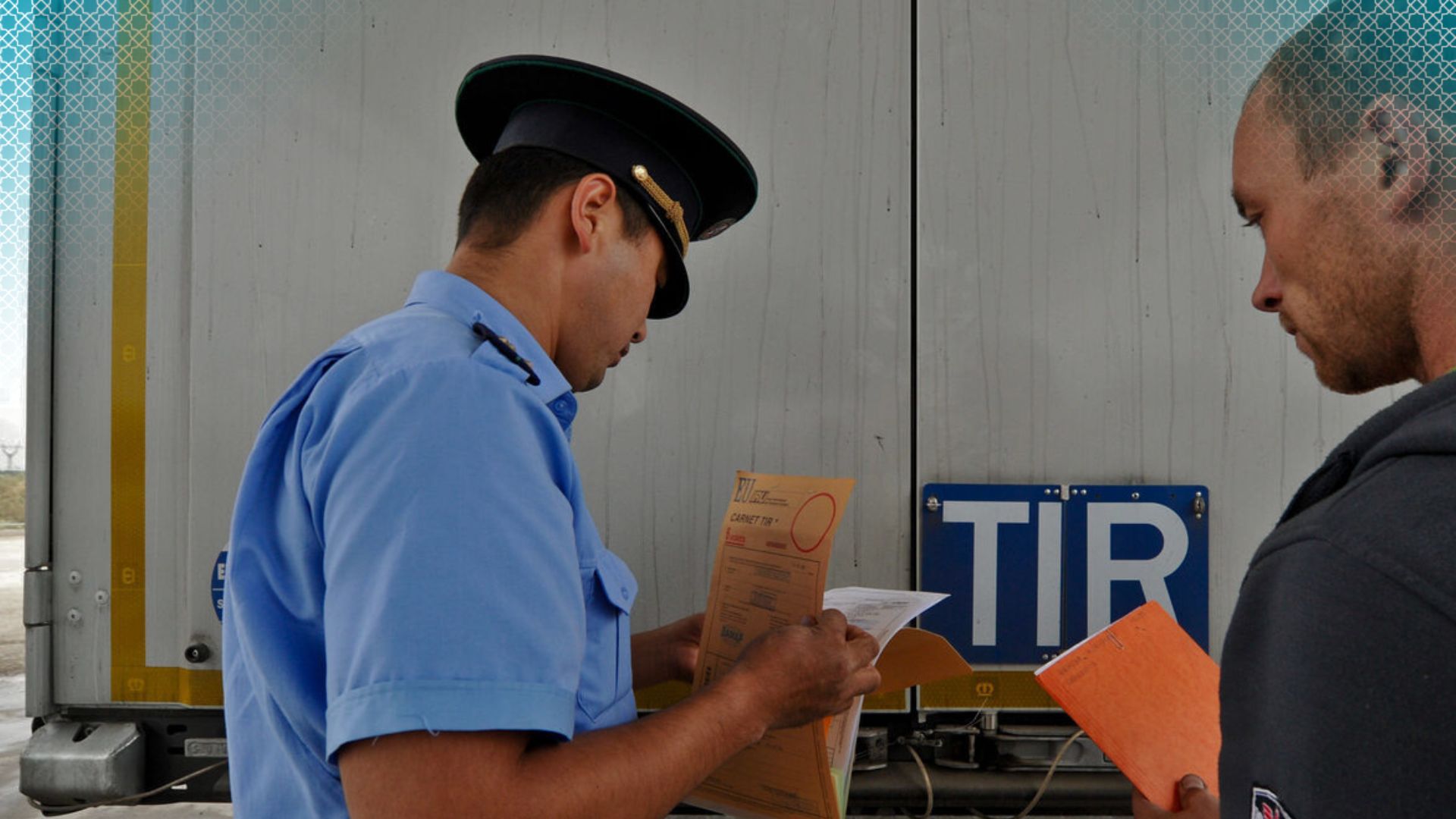
Harmonization of customs systems, alignment of standards, and predictability in border procedures together can speed up economic activity and reduce trade costs.
CAREC is strategically located at the intersection of Europe, East Asia, South Asia, and the Middle East. As global supply chains shorten and diversify, the region’s geography, previously seen as a barrier, is becoming an economic asset again.
Over the past 20 years, CAREC member countries have invested in key foundations of regional integration. Modern roads and railways now link previously isolated areas. Since 2001, CAREC has facilitated more than $53.7 billion in investments, with an emphasis on developing multimodal transportation and energy infrastructure, expanding trade, facilitating the movement of people and goods, and establishing the basis for future economic corridors.
Customs agencies are implementing advanced systems. Traders are becoming more knowledgeable about international standards and procedures. The region has established institutions and cooperative practices that were absent two decades ago.
“Regional trade acts as a development multiplier—attracting investment, supporting SMEs, and turning connectivity into jobs and income.”
This progress means that future efforts will not begin from scratch but will build on an established foundation. The region is well positioned to move beyond basic coordination toward deeper, more meaningful integration aimed at cutting trade costs and unlocking new opportunities.
More can now be done to translate this foundation into visible gains. Harmonized regulations and greater predictability encourage investors to support regional manufacturing and logistics centers.
Improved corridor efficiency—such as quicker border crossings or unified digital transit paperwork—leads to cost reductions for both companies and customers. Households benefit from better access to products and more predictable prices, while small and medium-sized enterprises find new opportunities to expand. For CAREC economies with small domestic markets, regional trade acts as a development multiplier—expanding market size, attracting investment, supporting SMEs, and turning connectivity into jobs and income.
CAREC is at a pivotal stage. New regional initiatives like the CAREC Trade and Investment Facilitation Partnership Agreement (CARTIF)—a modern and flexible framework for facilitating trade and investment—demonstrate a commitment to move from discussion to action, directly aiding traders and investors. CARTIF responds to current realities by addressing not only traditional trade facilitation, but also digital trade, investment facilitation, and supply chain connectivity within a single regional framework.
The potential is evident: regional trade goes beyond economic matters—it is also about development. It creates jobs, boosts resilience, and improves the region’s capacity to handle challenges in an increasingly complex global environment. If countries choose to work more closely together, remove barriers, and trust in the strength of shared markets, they can unlock growth that no country could achieve alone.
The world is changing fast, and uncertainty will continue. So will the possibilities. By embracing deeper cooperation now, CAREC countries can turn their geography into an advantage, challenges into collective progress, and build a future where the region is not merely reacting but actively shaping its own destiny.
CAREC brings together Central Asian countries including Azerbaijan, the People’s Republic of China, Georgia, Kazakhstan, the Kyrgyz Republic, Mongolia, Pakistan, Tajikistan, Turkmenistan, and Uzbekistan.