Tag: Talk China
RKSI Overview 2026
The ADB-PRC Regional Knowledge Sharing Initiative (RKSI)—a south-south knowledge sharing platform, established by the Asian Development Bank and the People’s Republic of China. Since 2012, RKSI has facilitated around 500 events and produced 200 knowledge products, leveraging China’s development experiences to benefit ADB’s developing member countries.
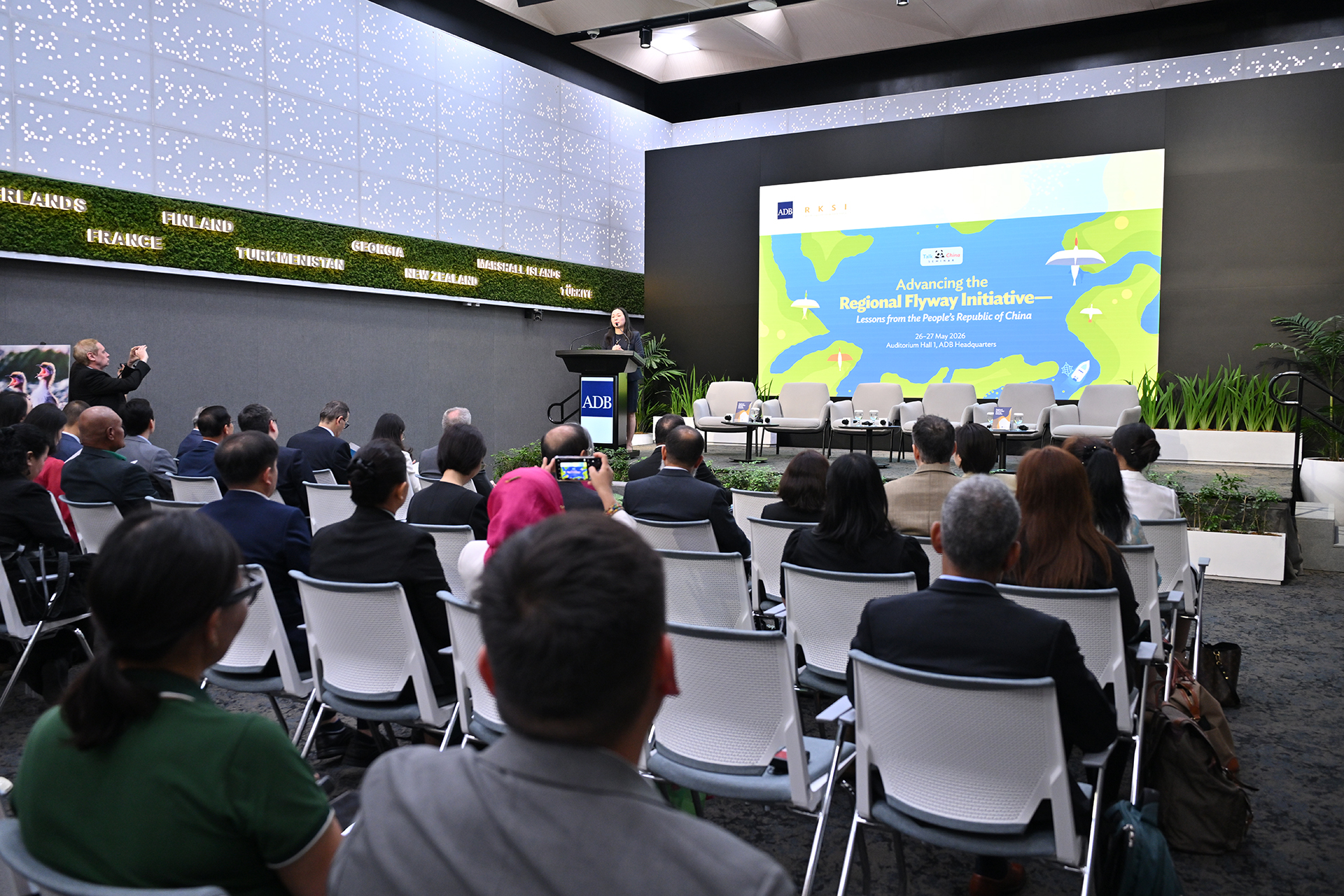
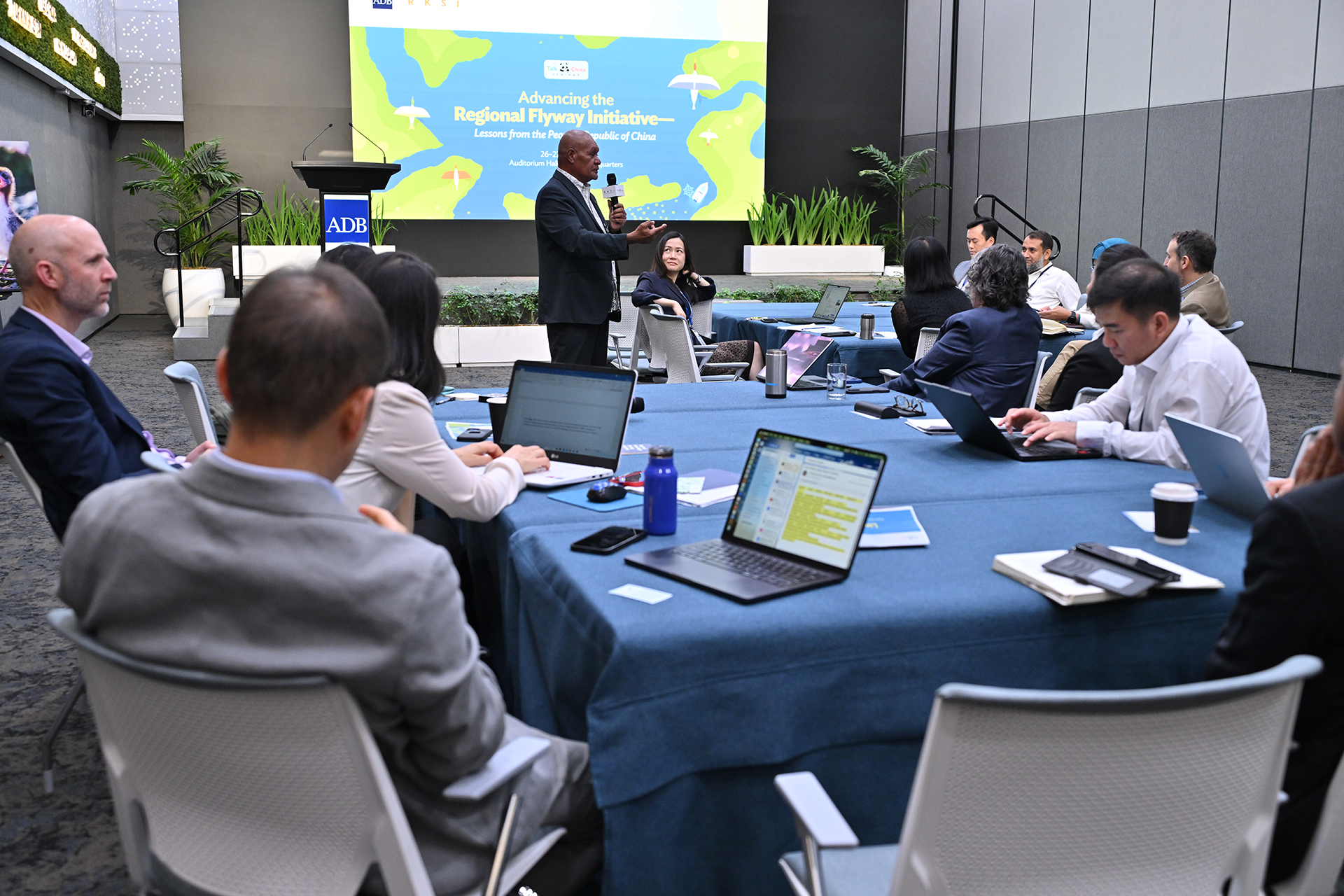
Advancing the Regional Flyway Initiative: Lessons from the People’s Republic of China
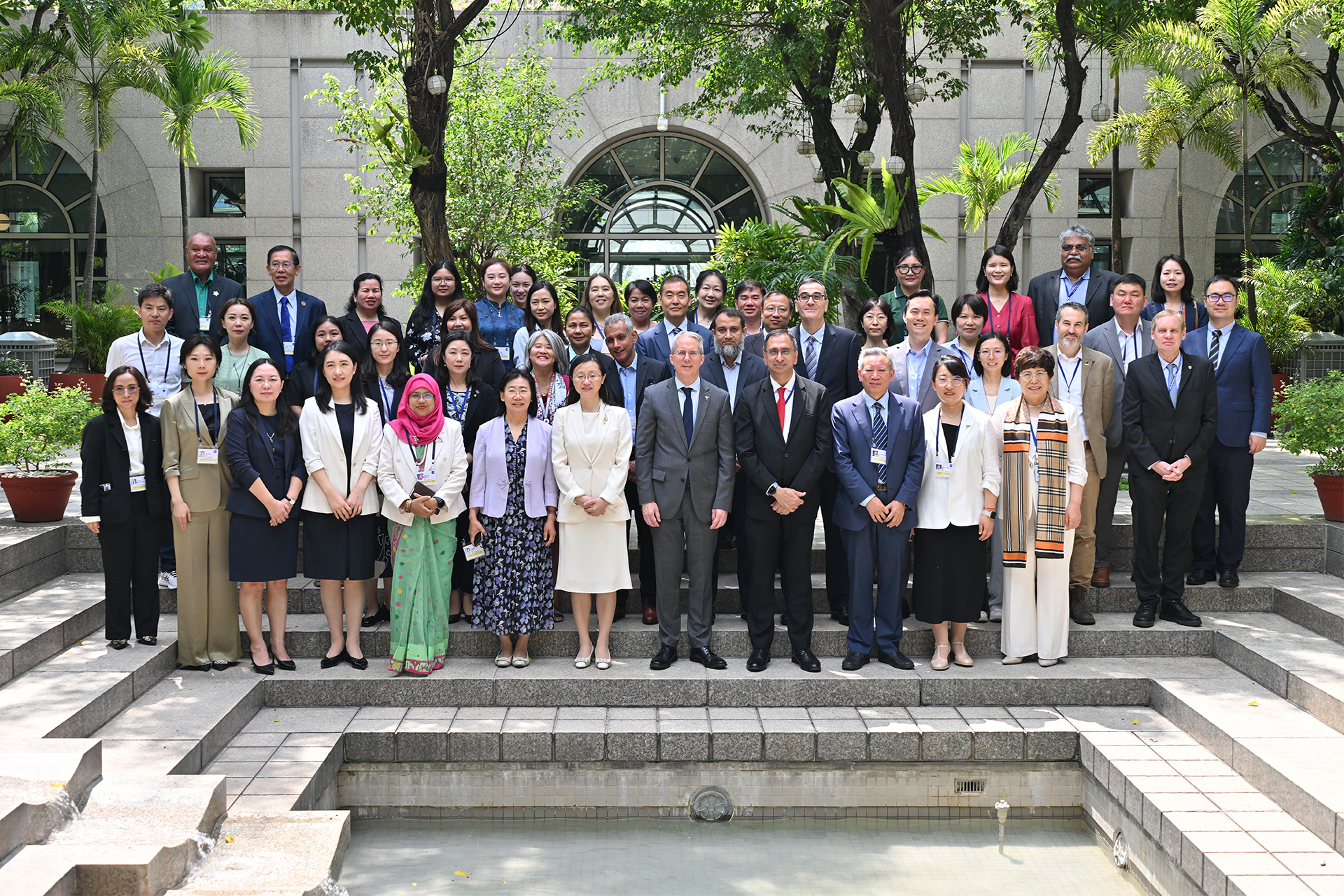
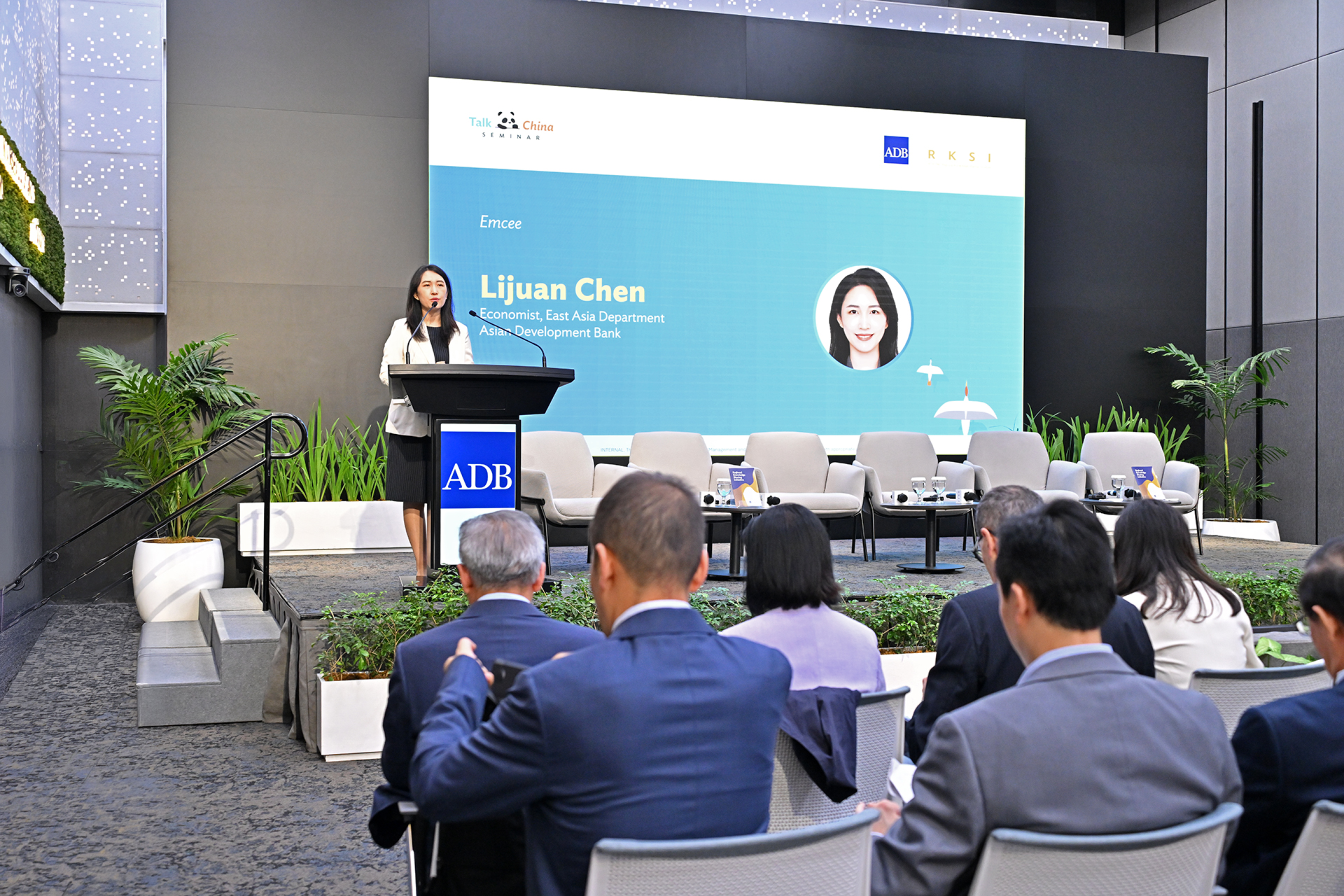
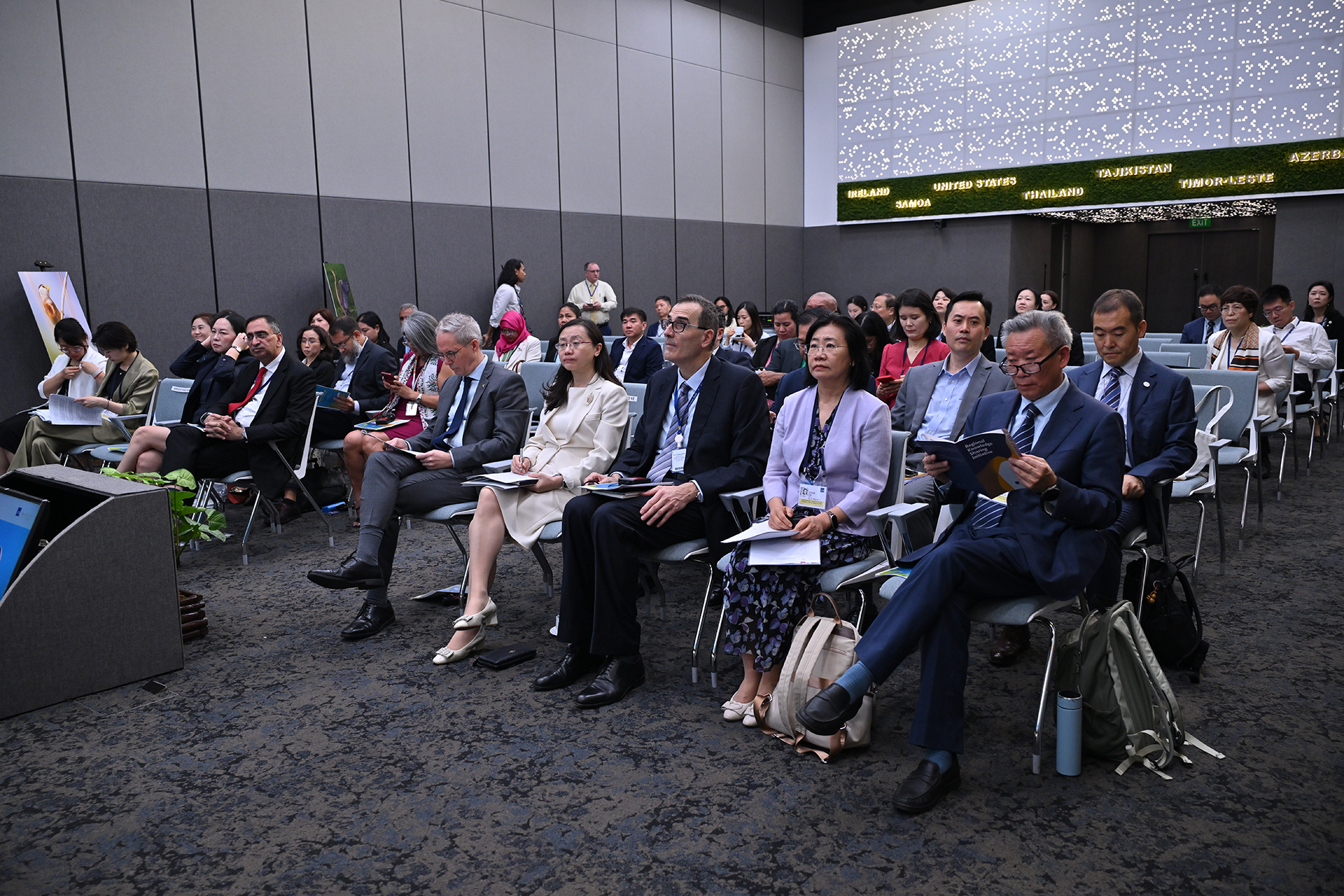
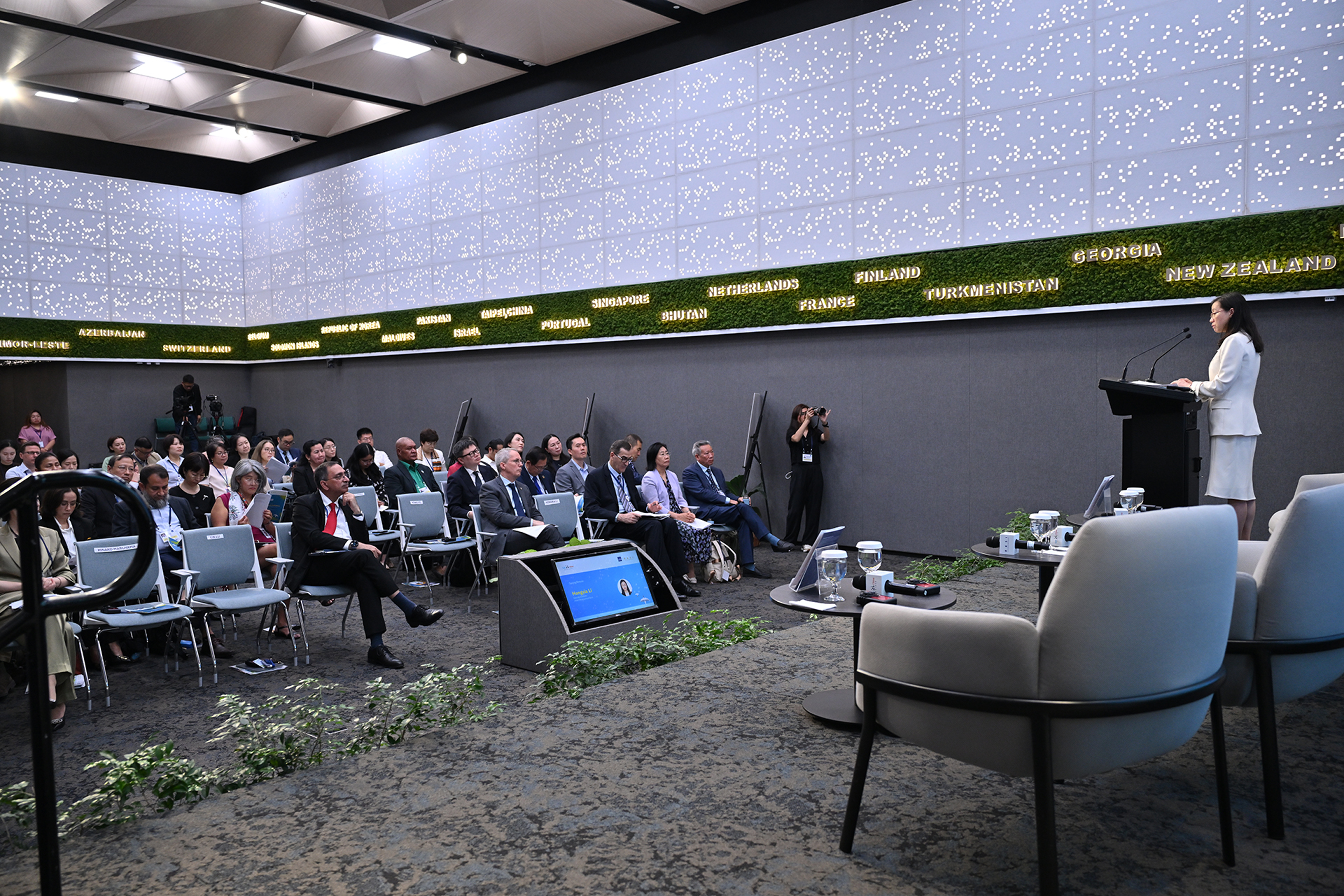
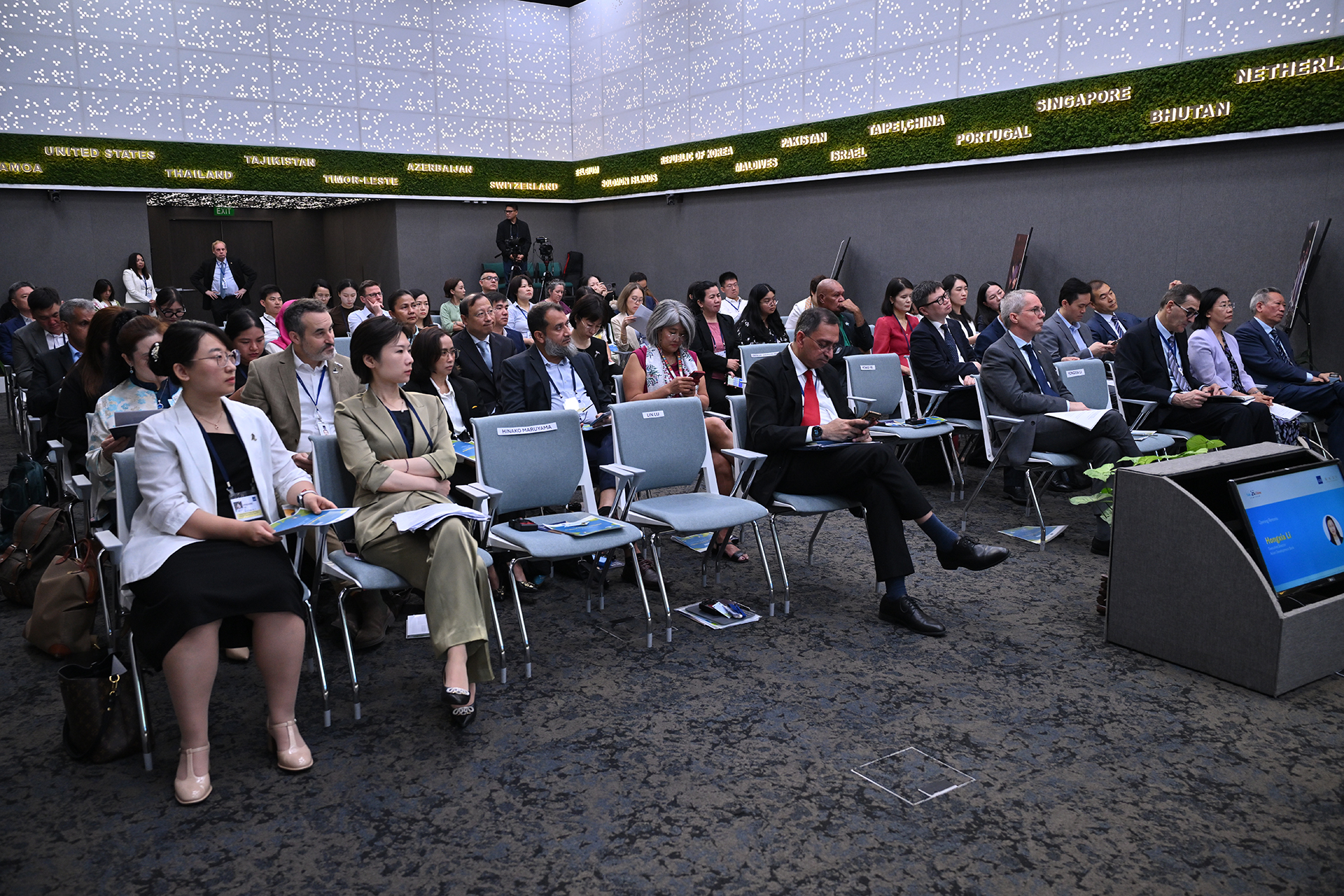
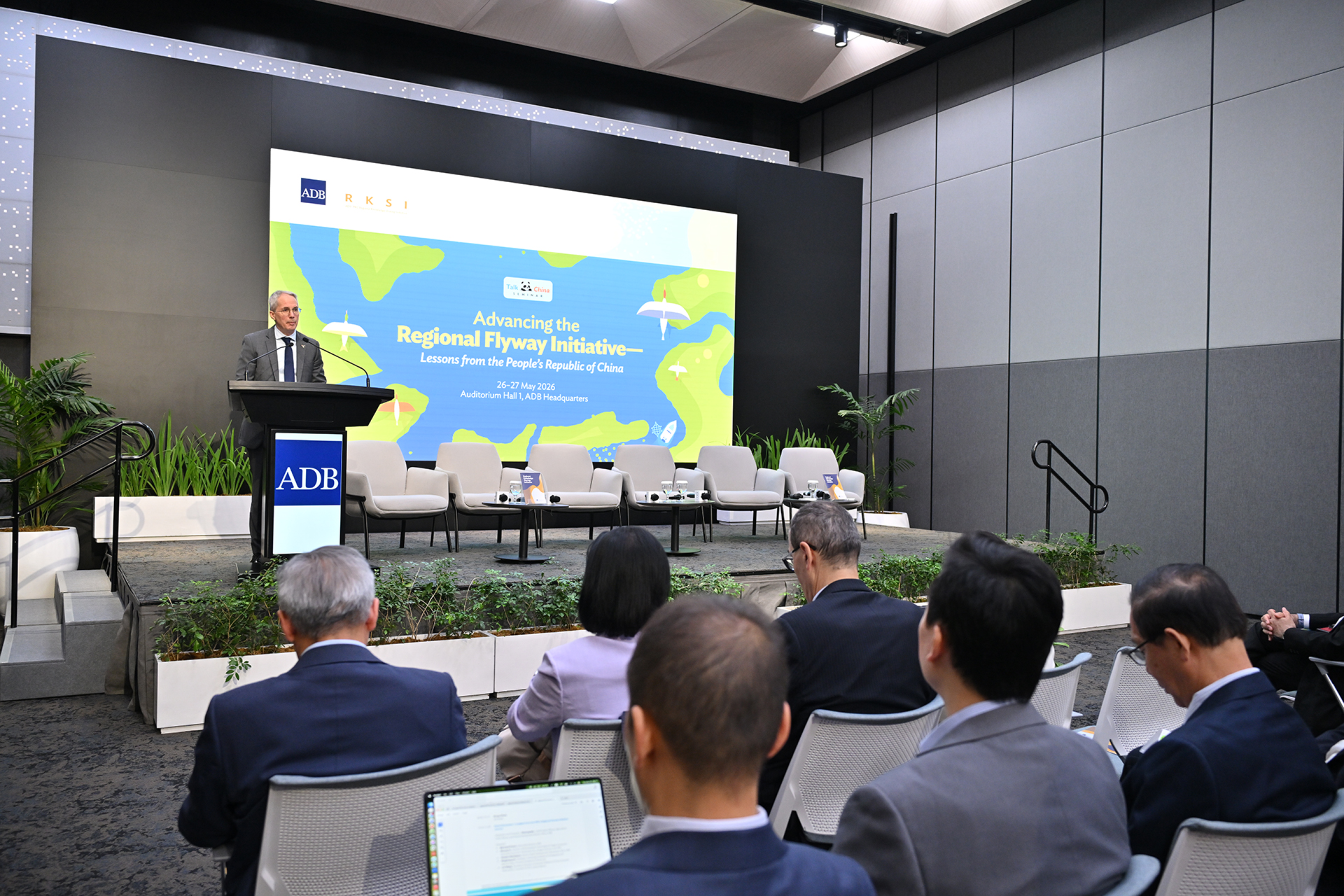
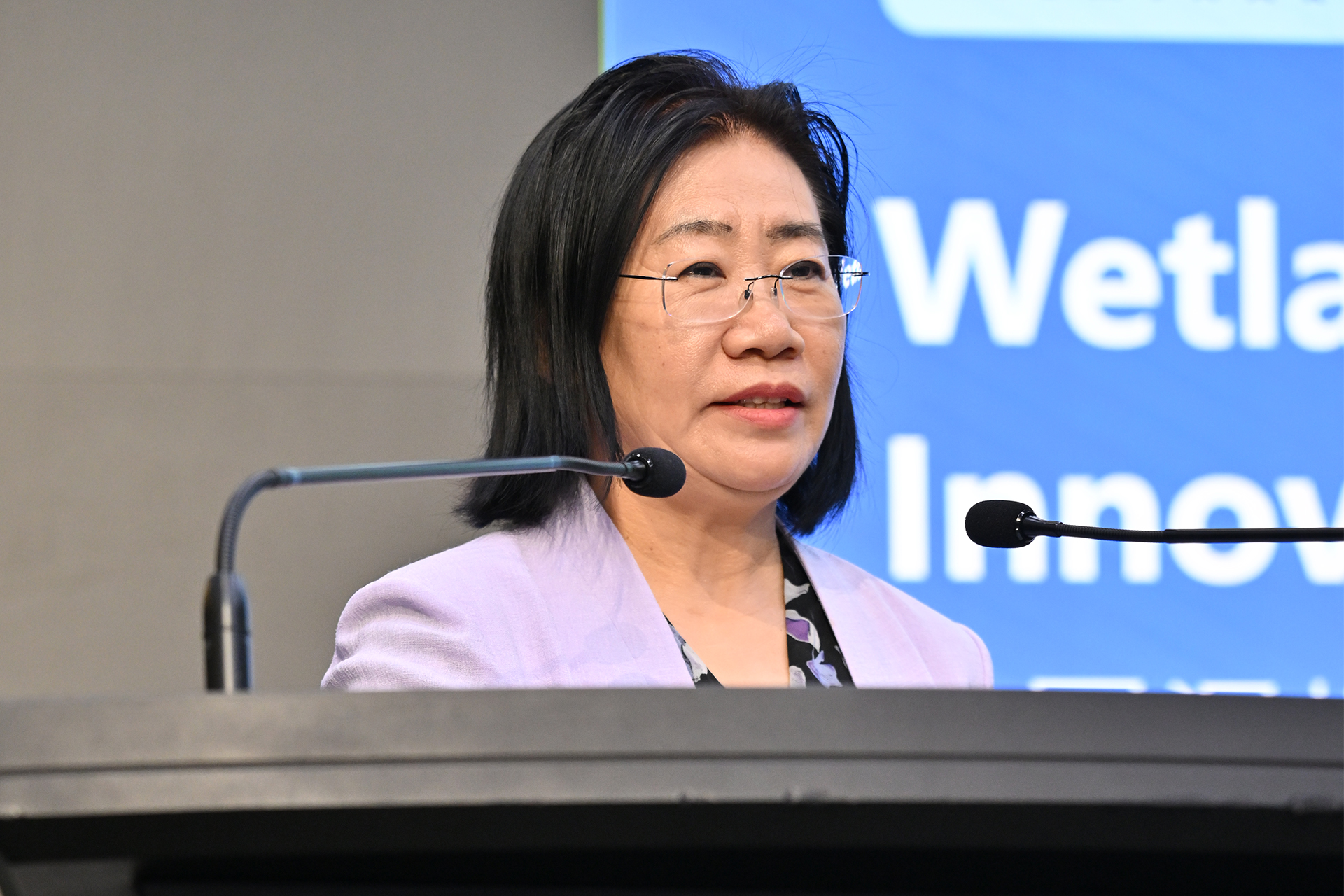
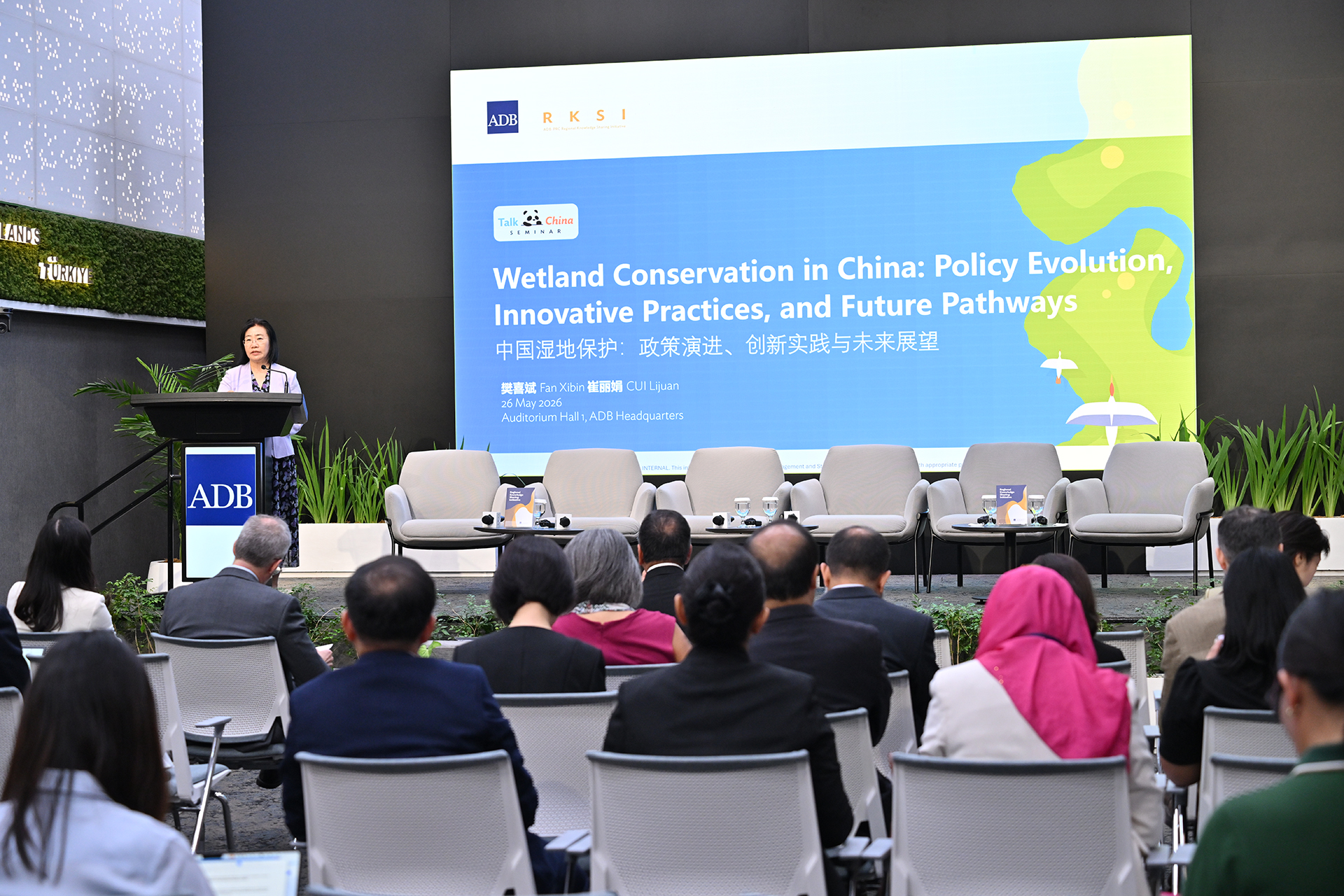
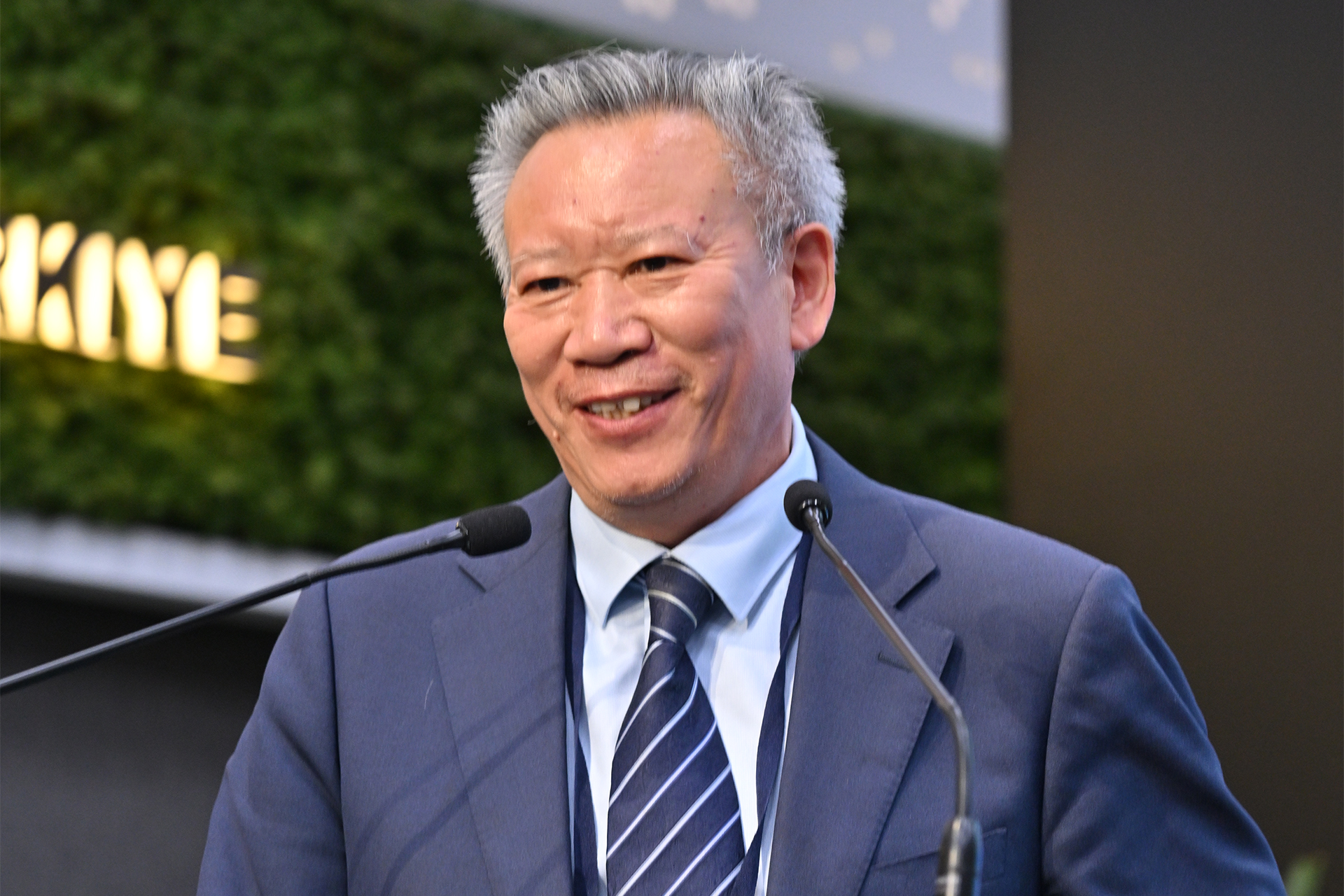
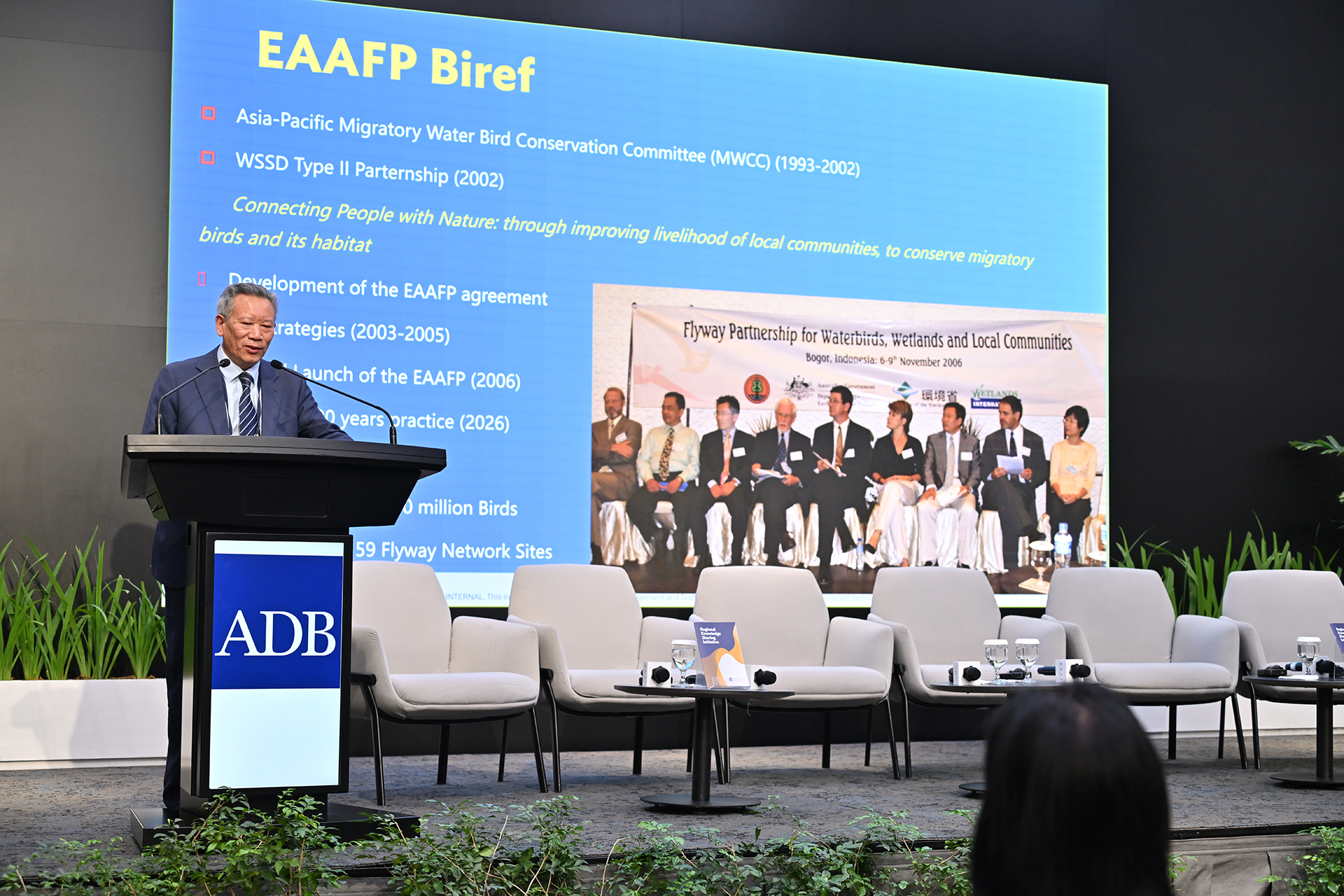
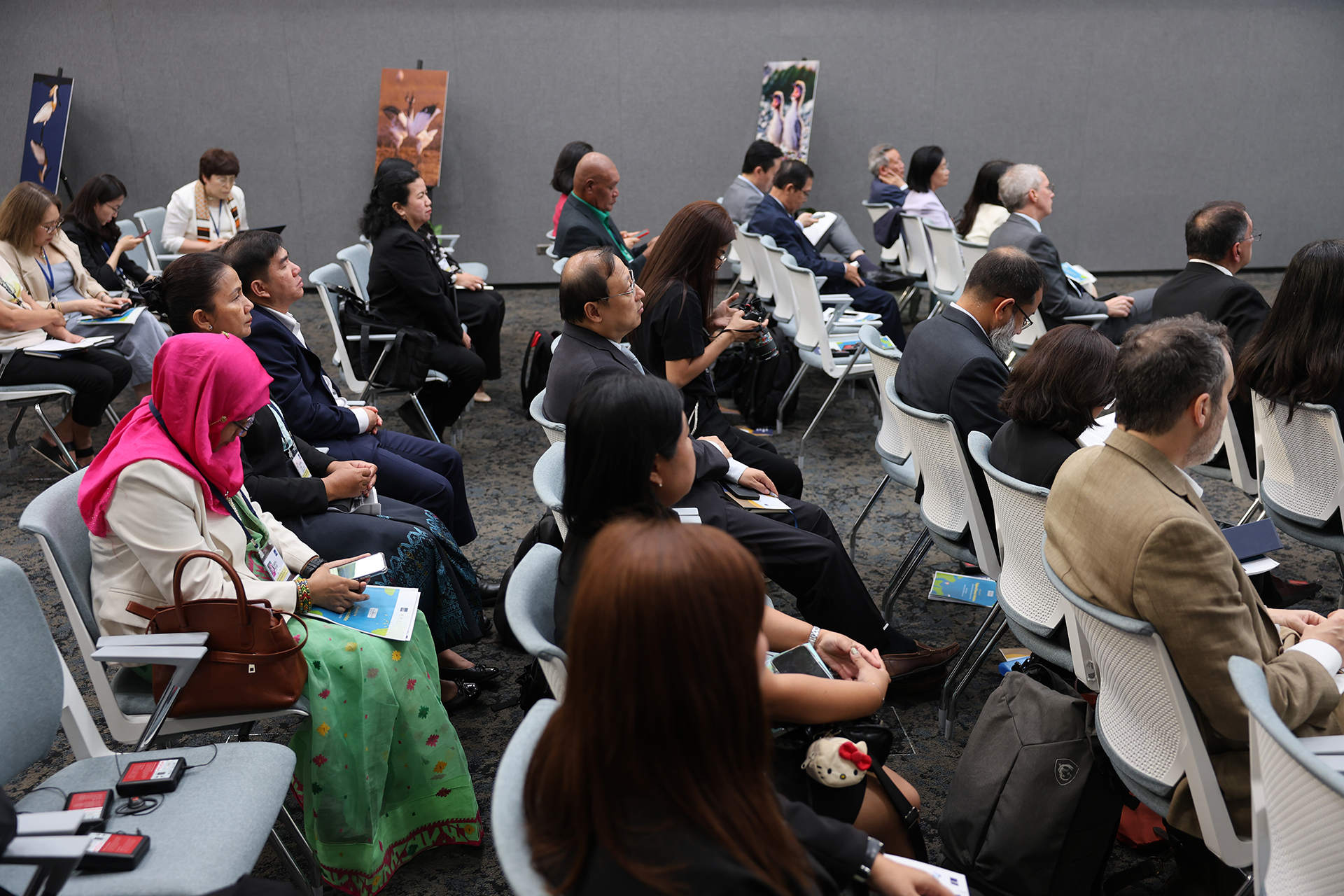
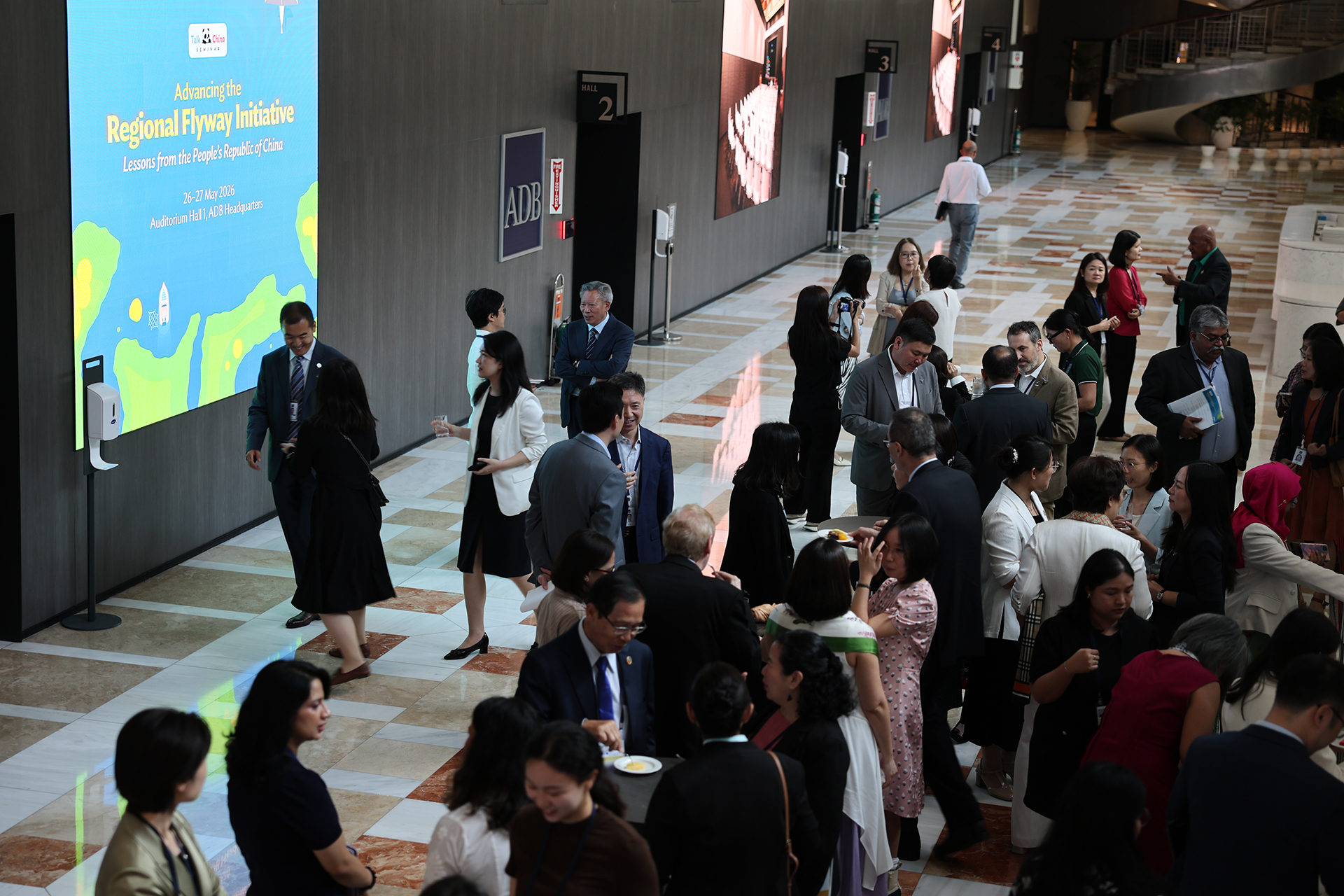
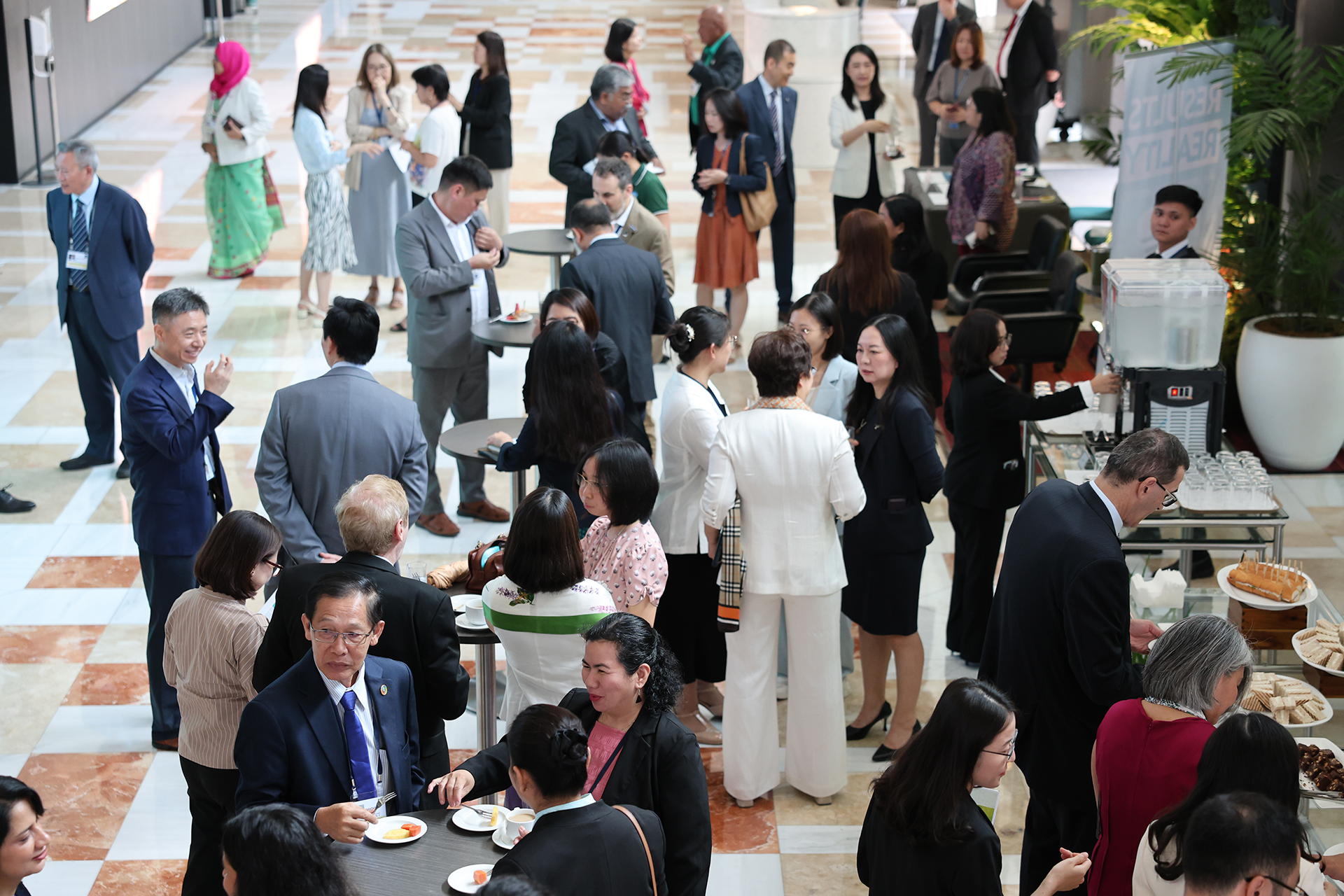
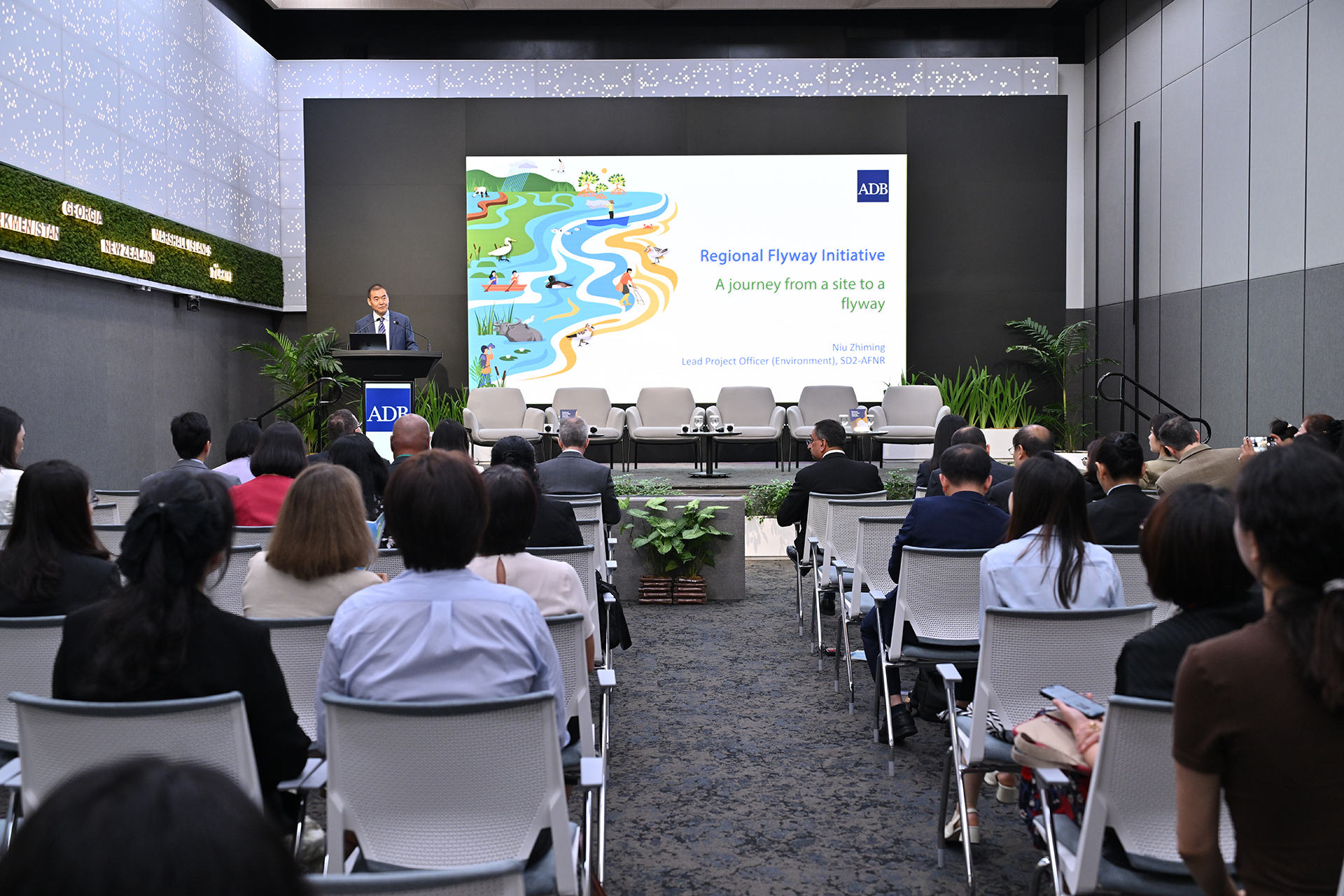
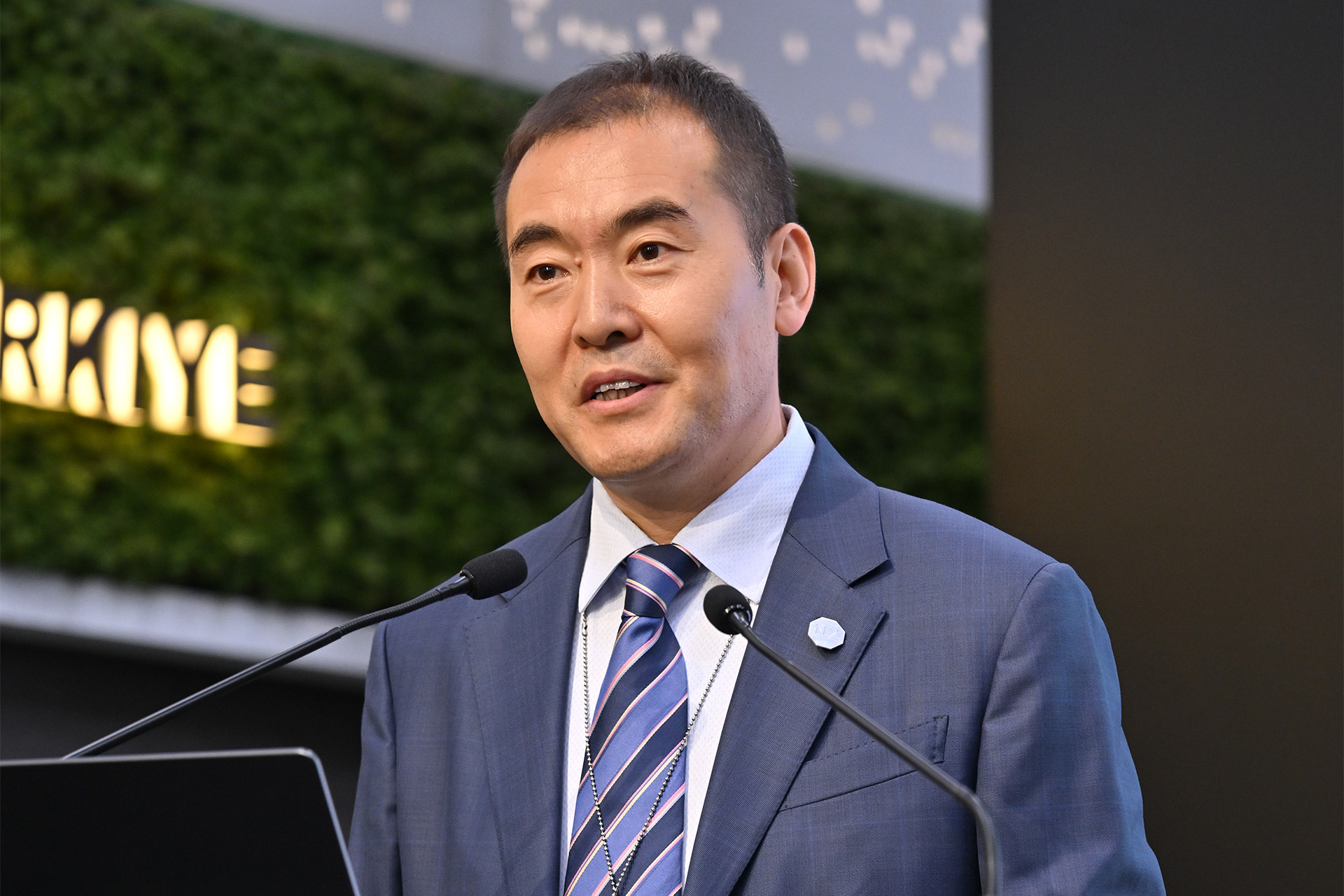
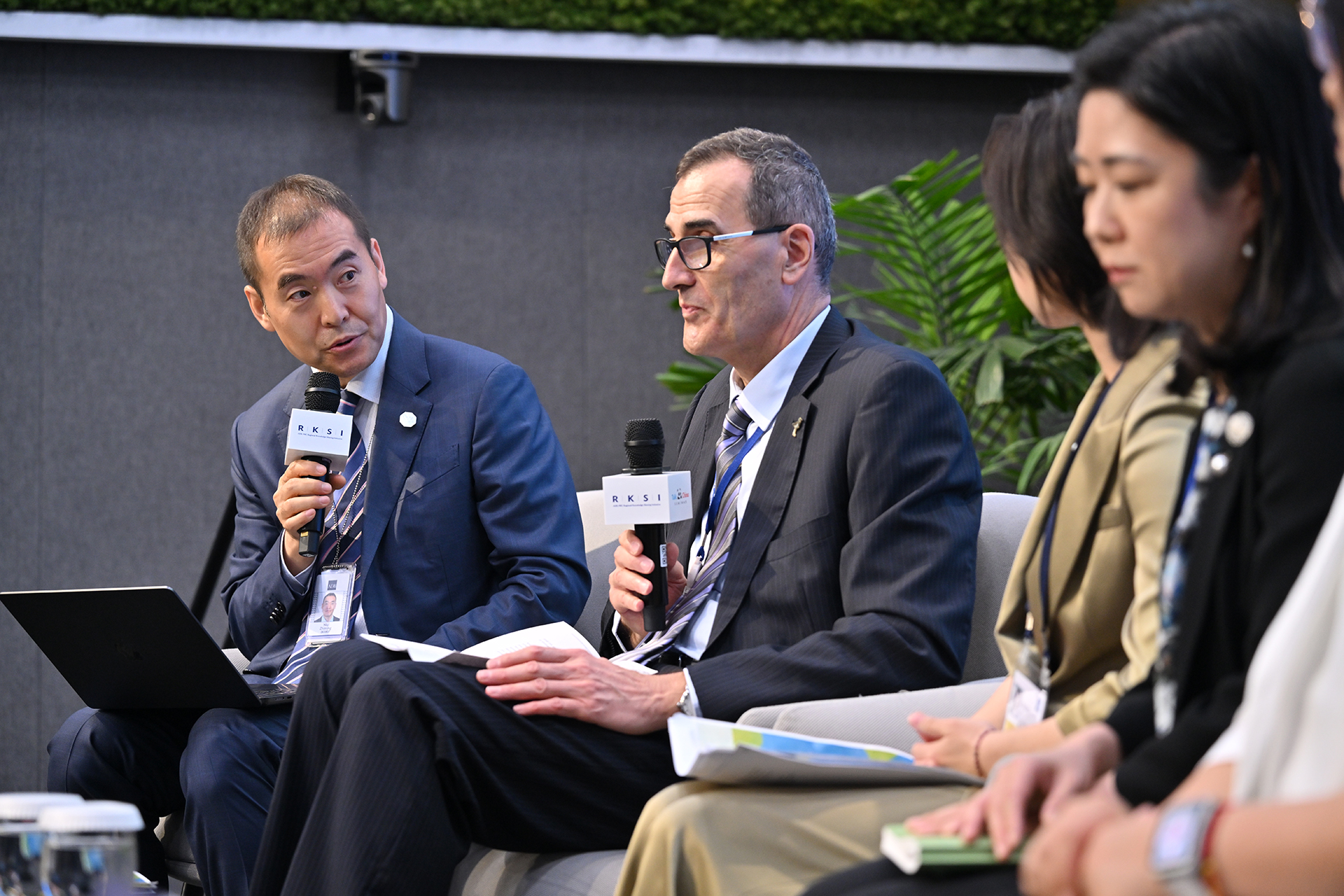
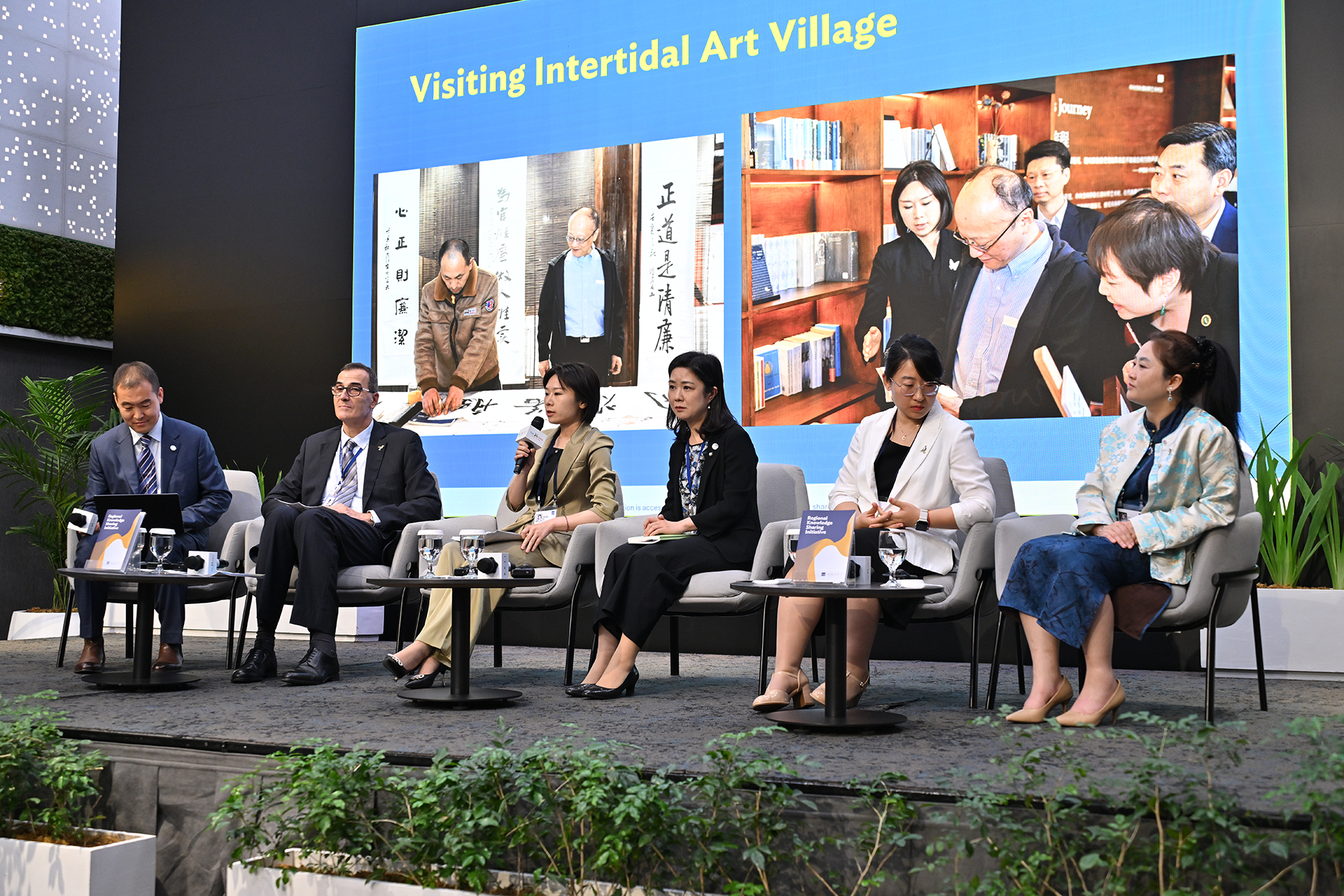
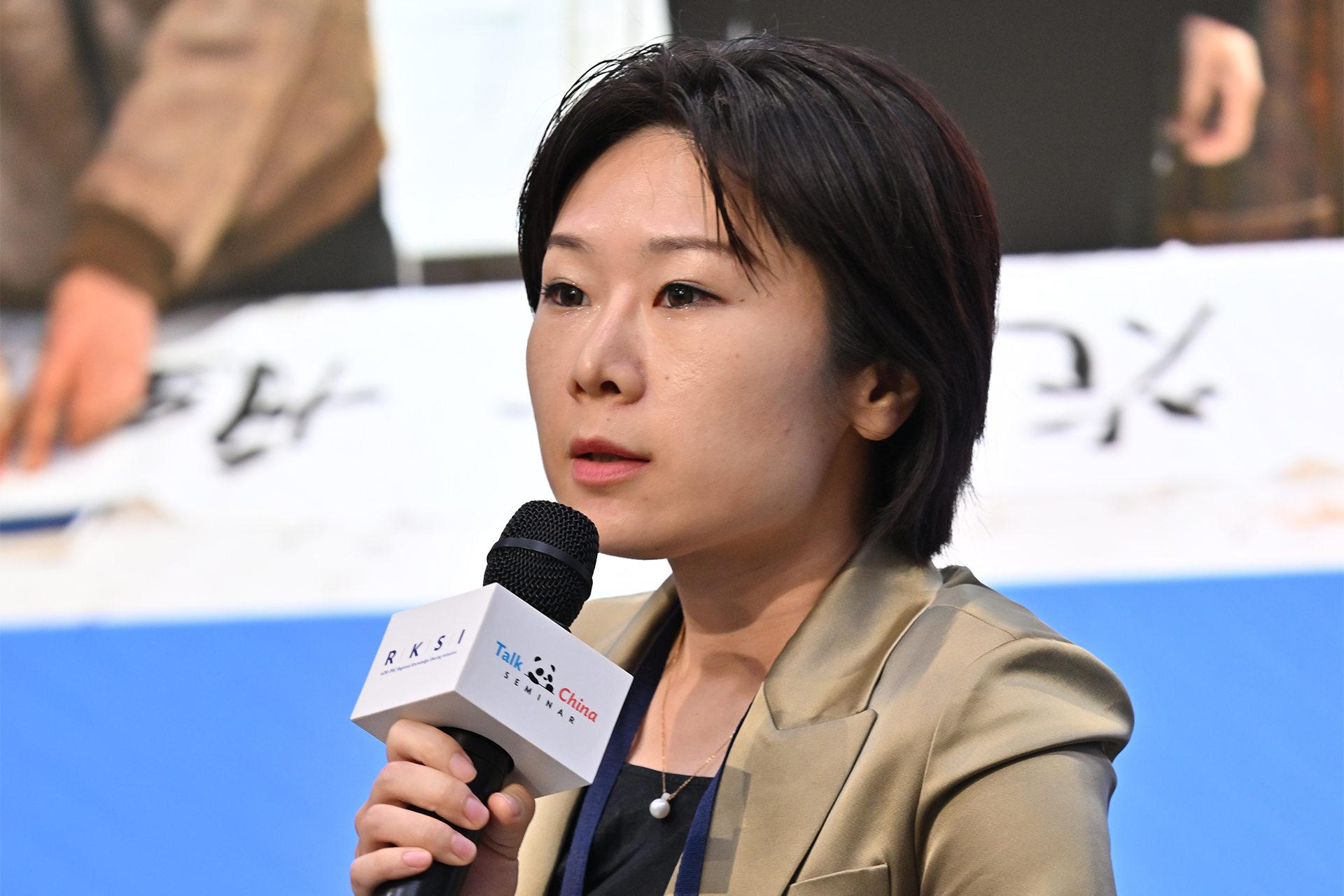
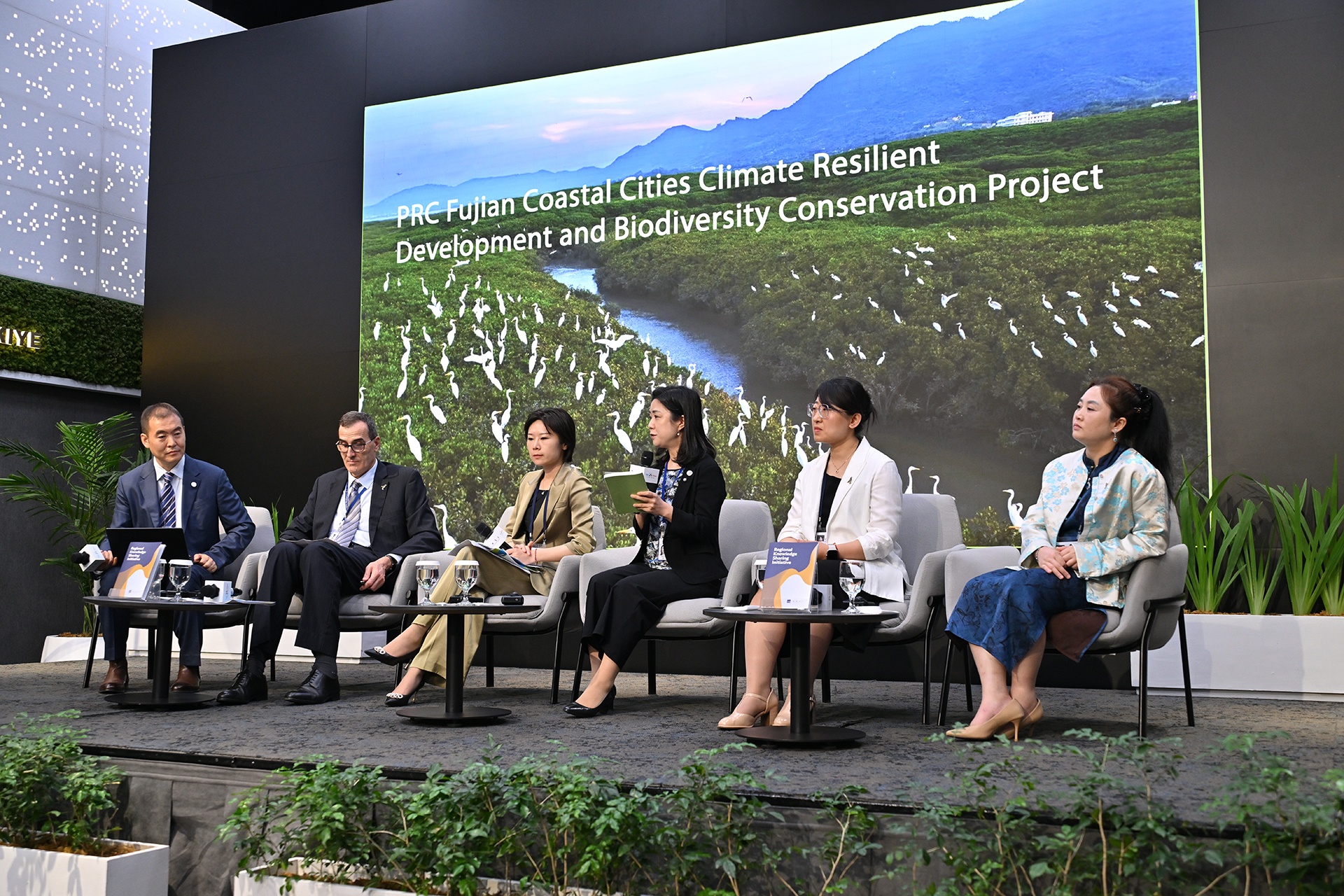
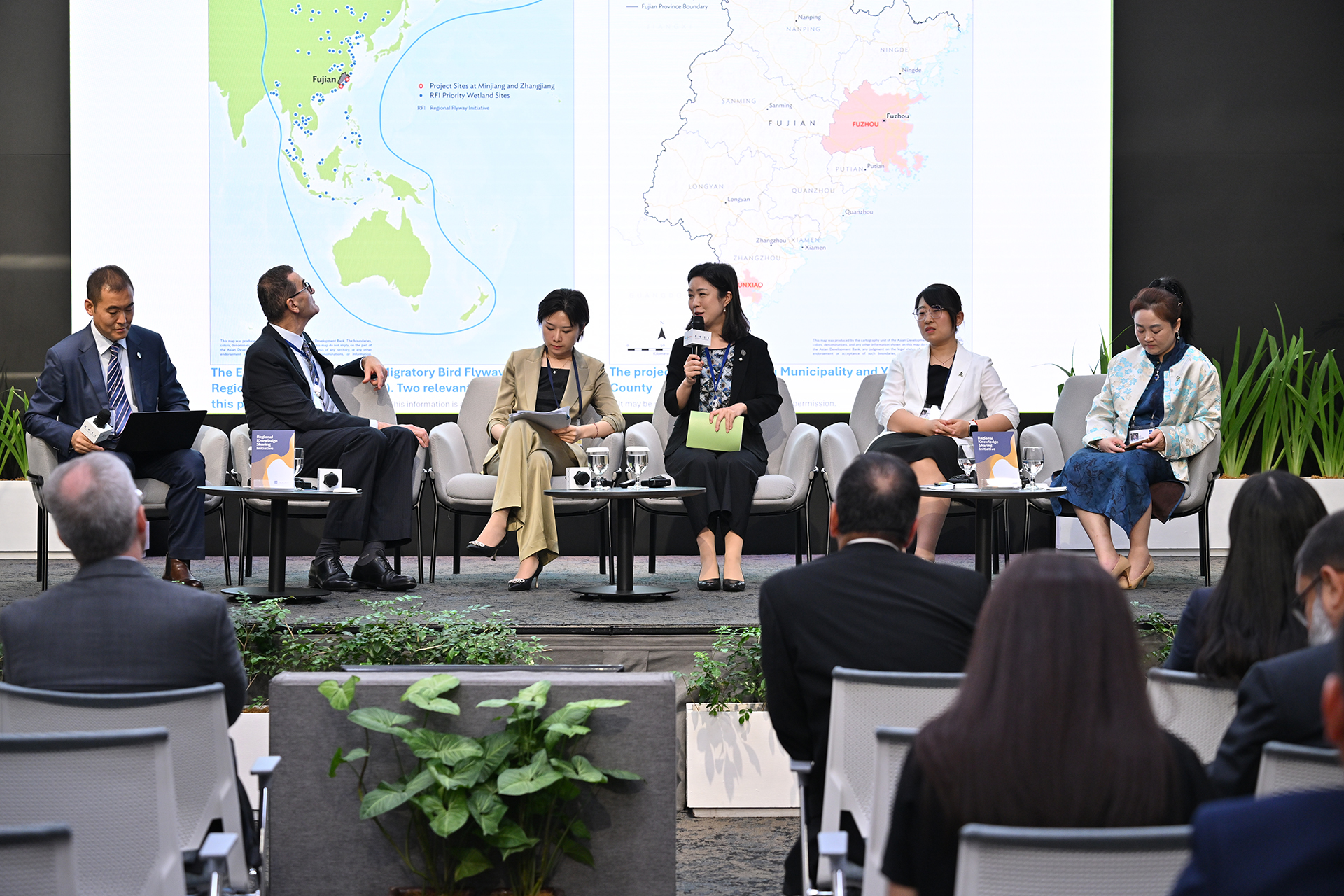
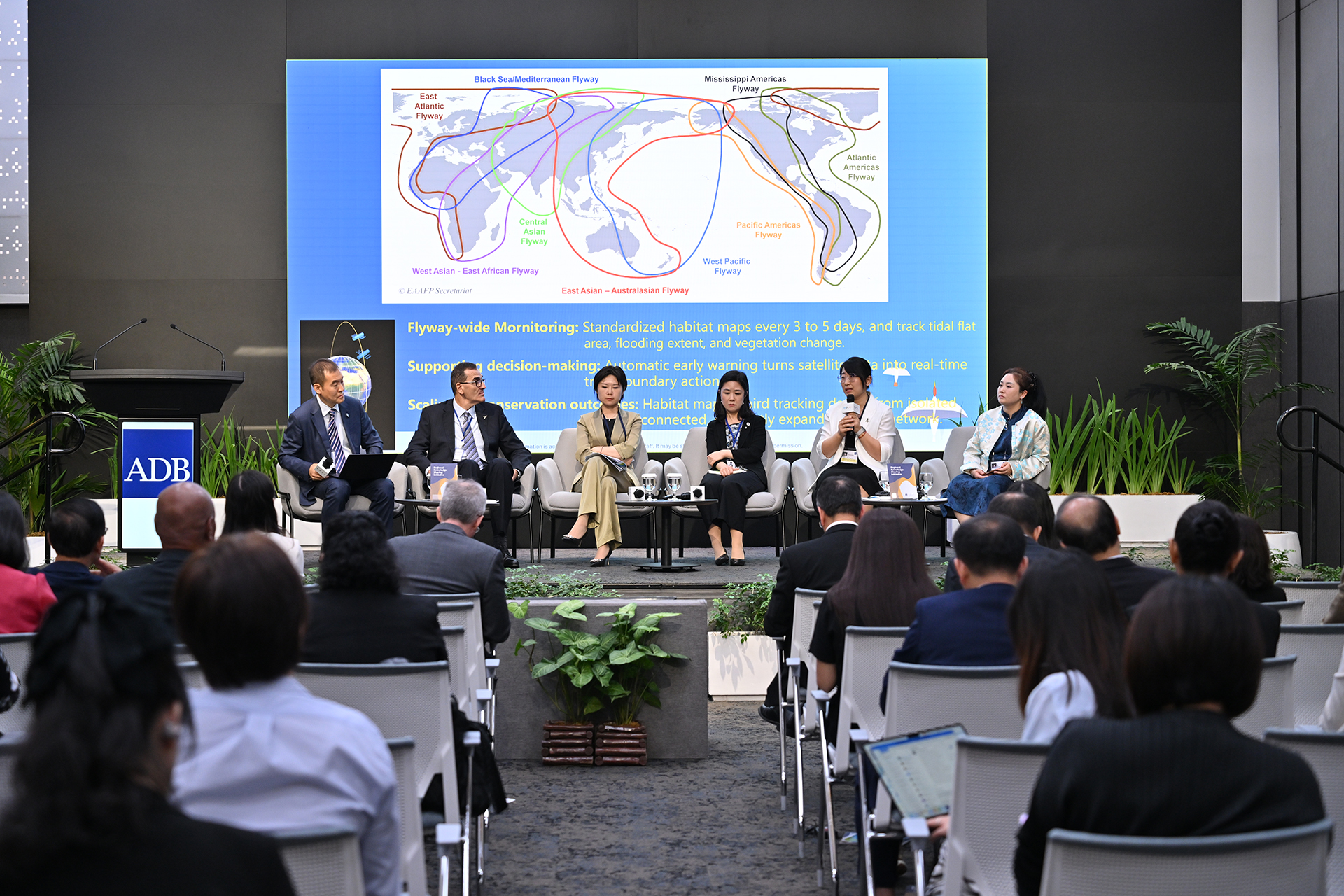
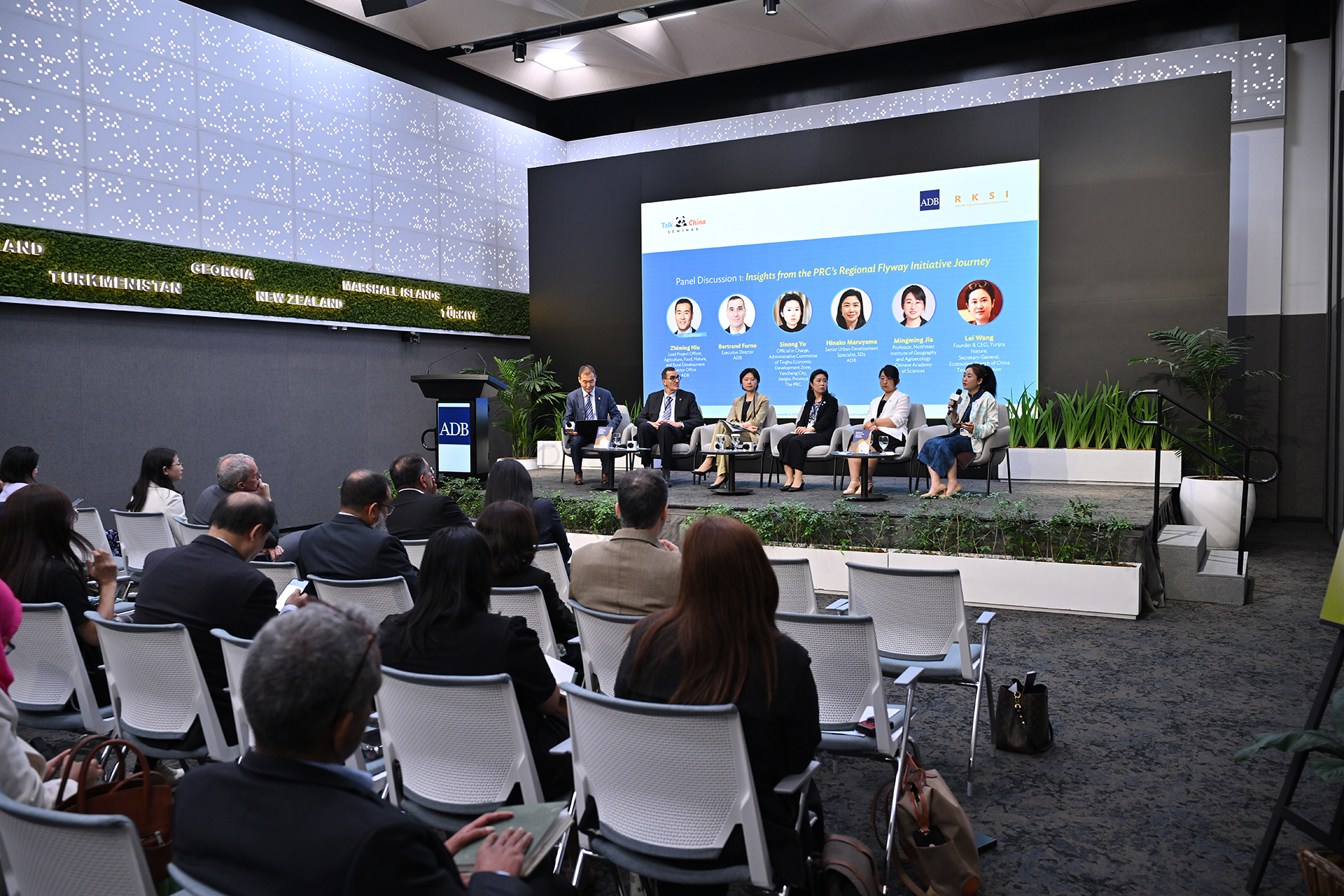
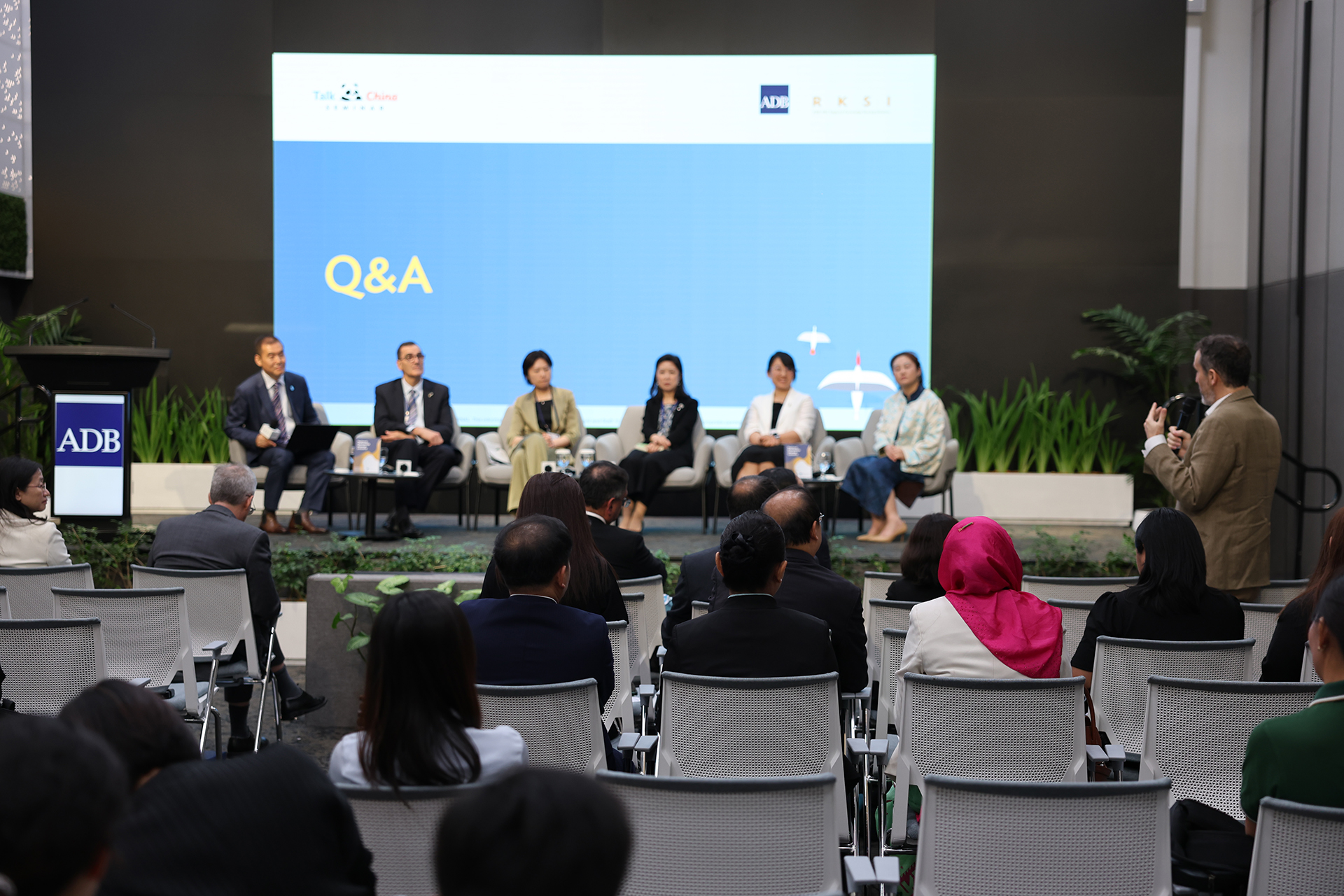
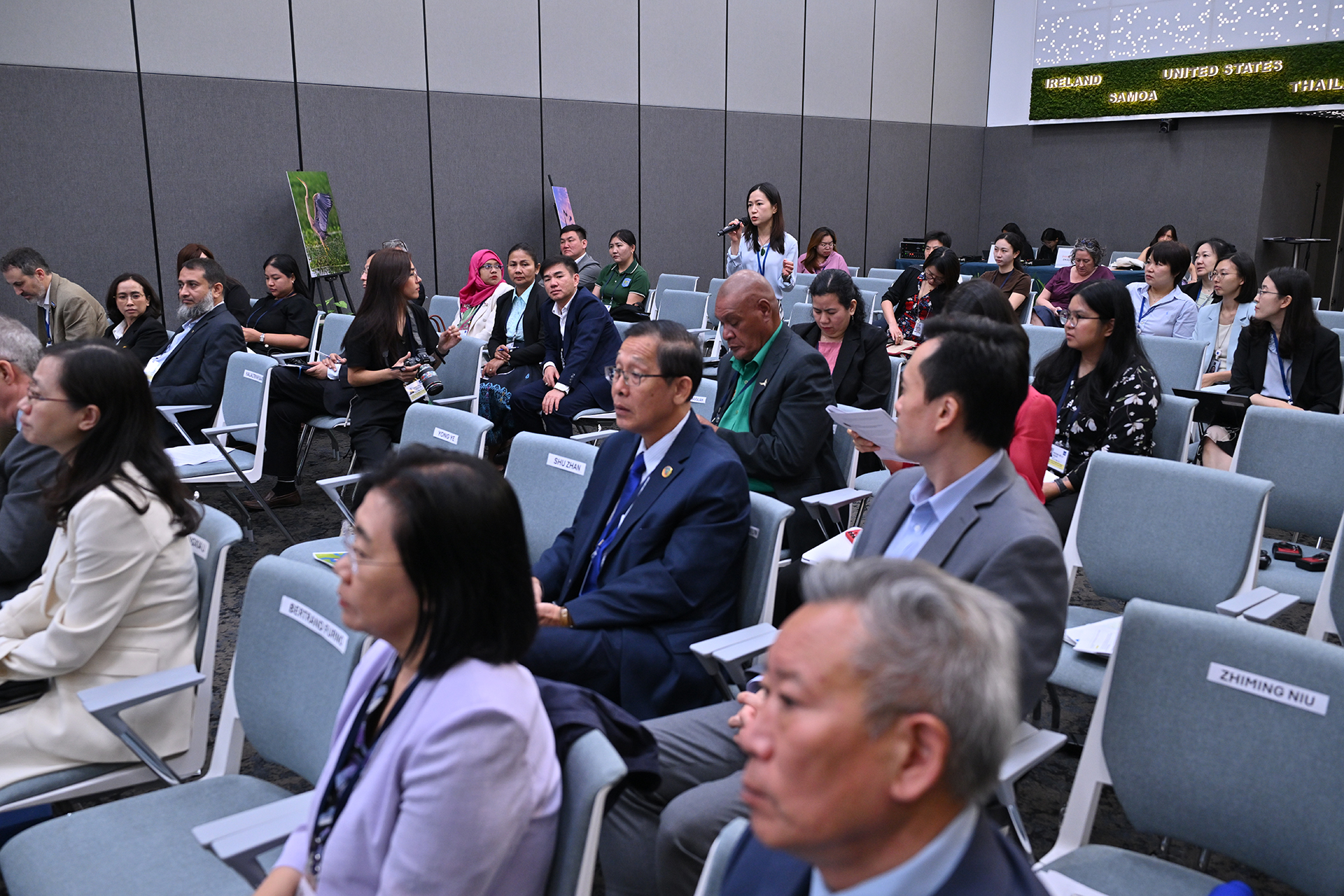
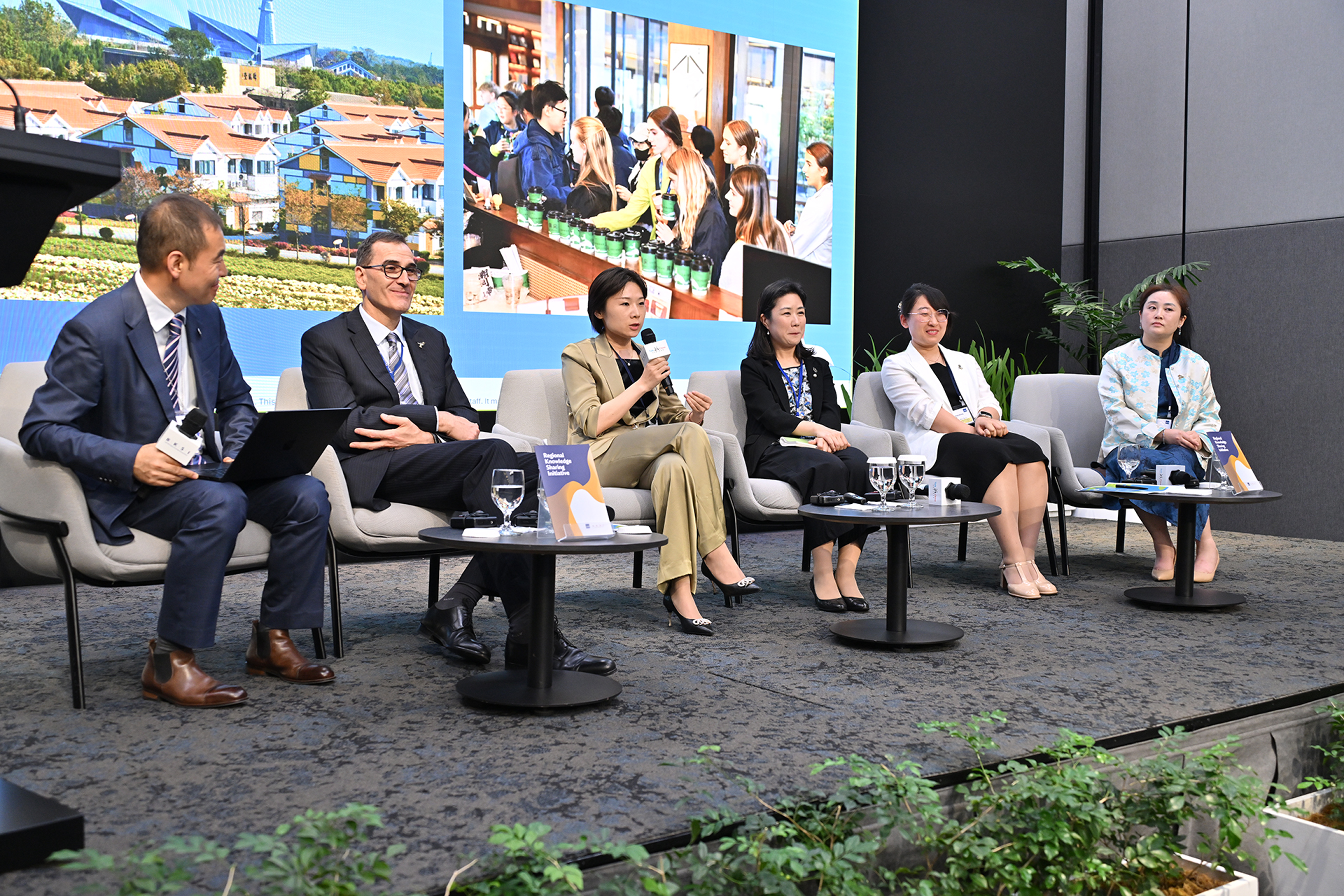
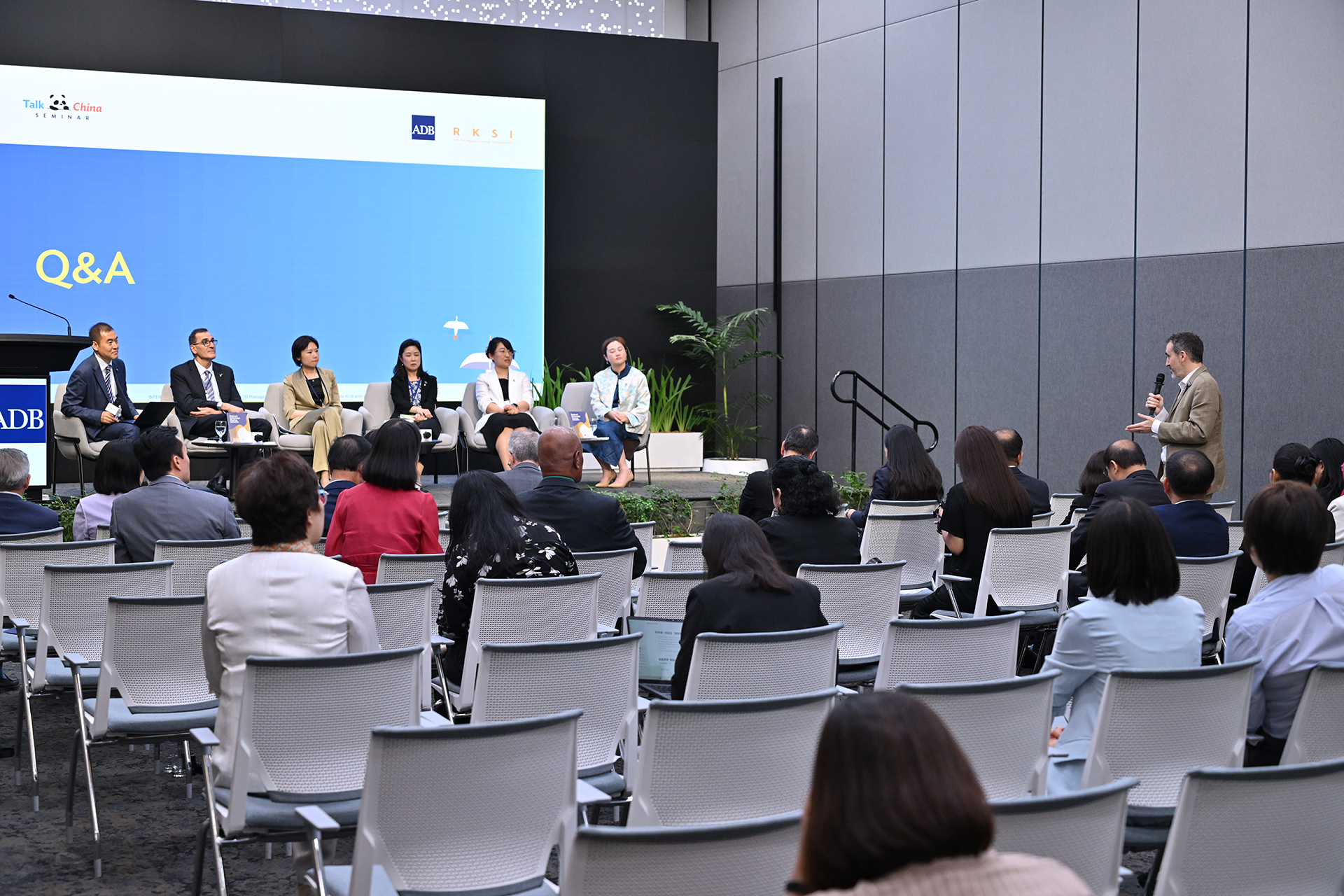
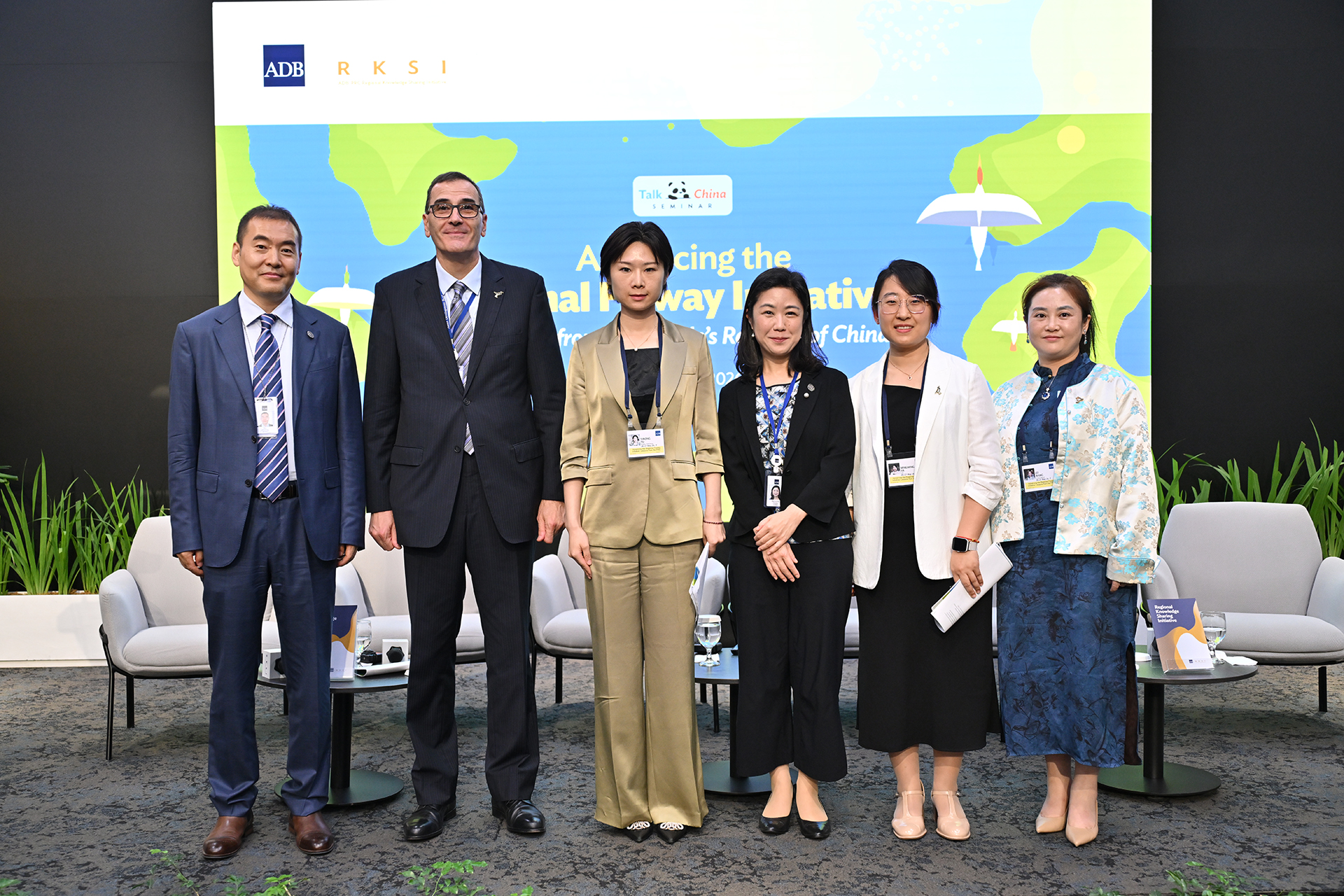
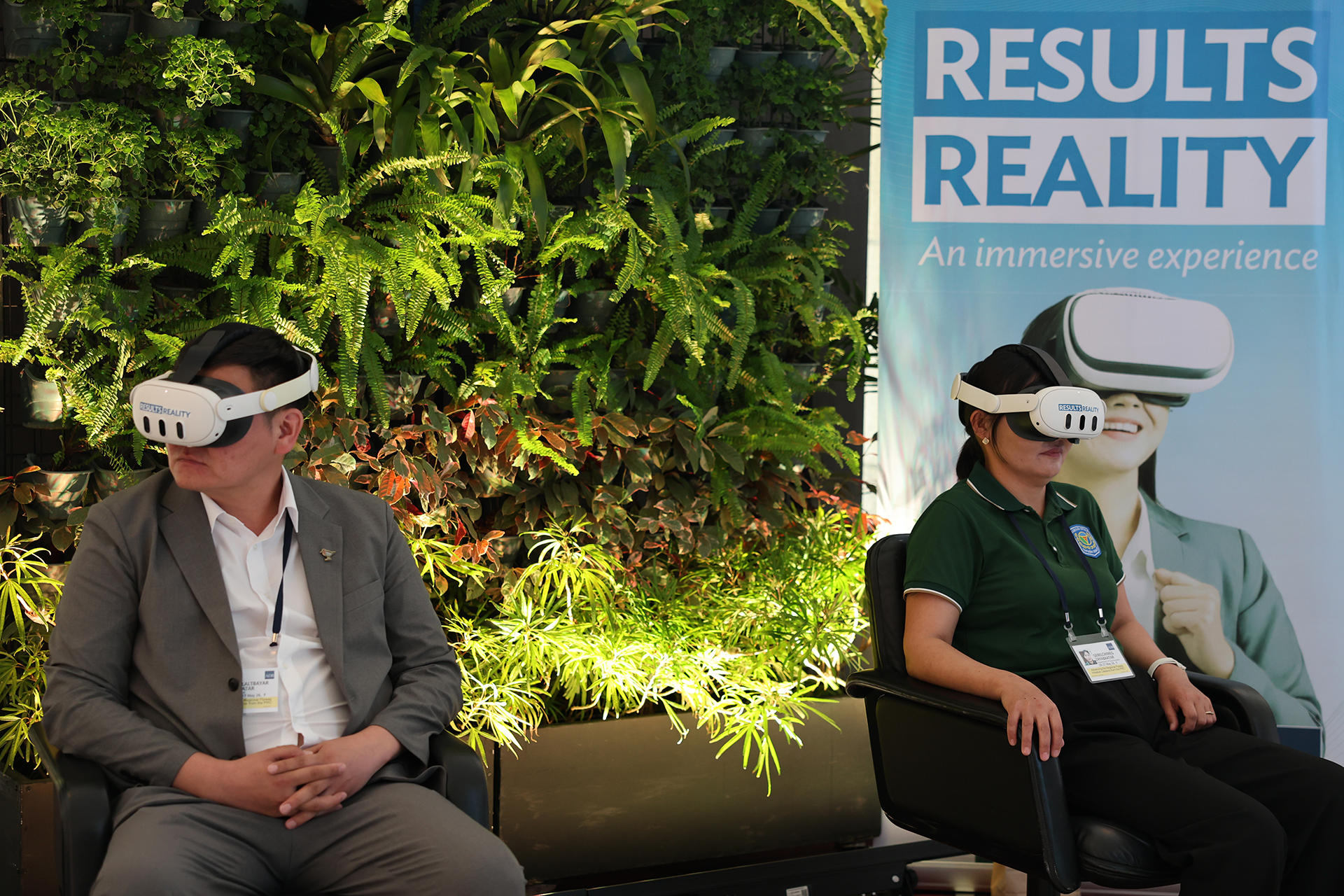
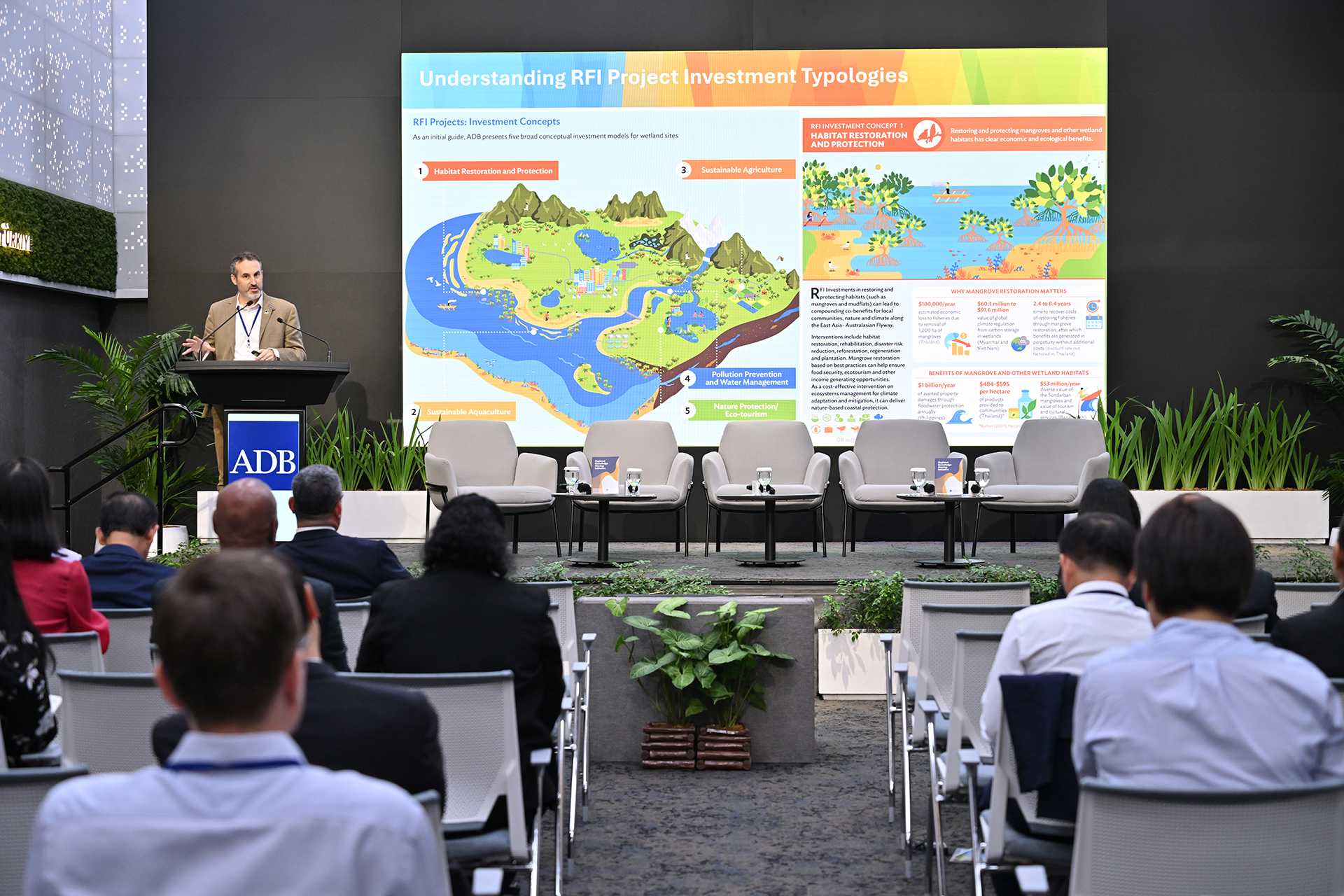
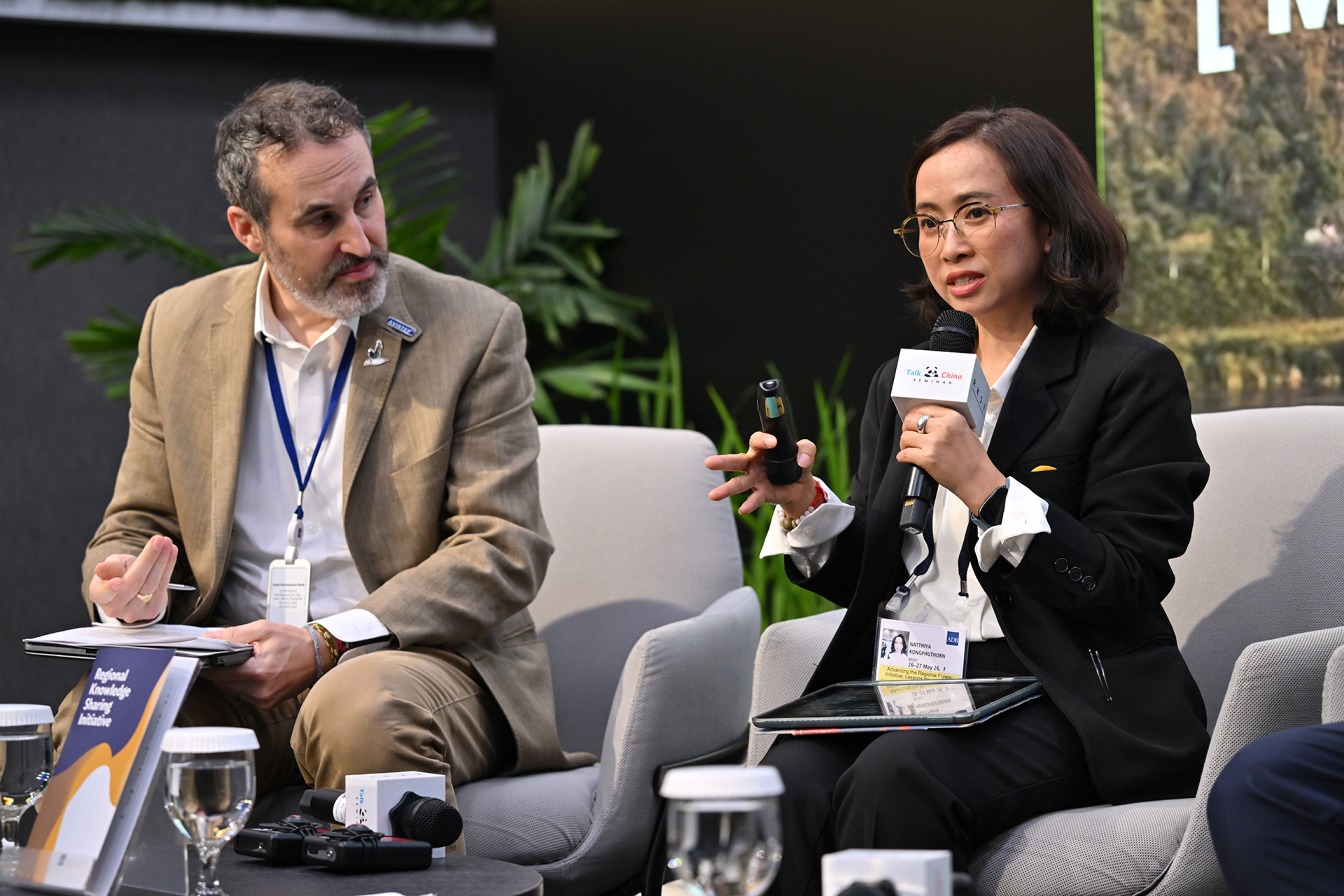
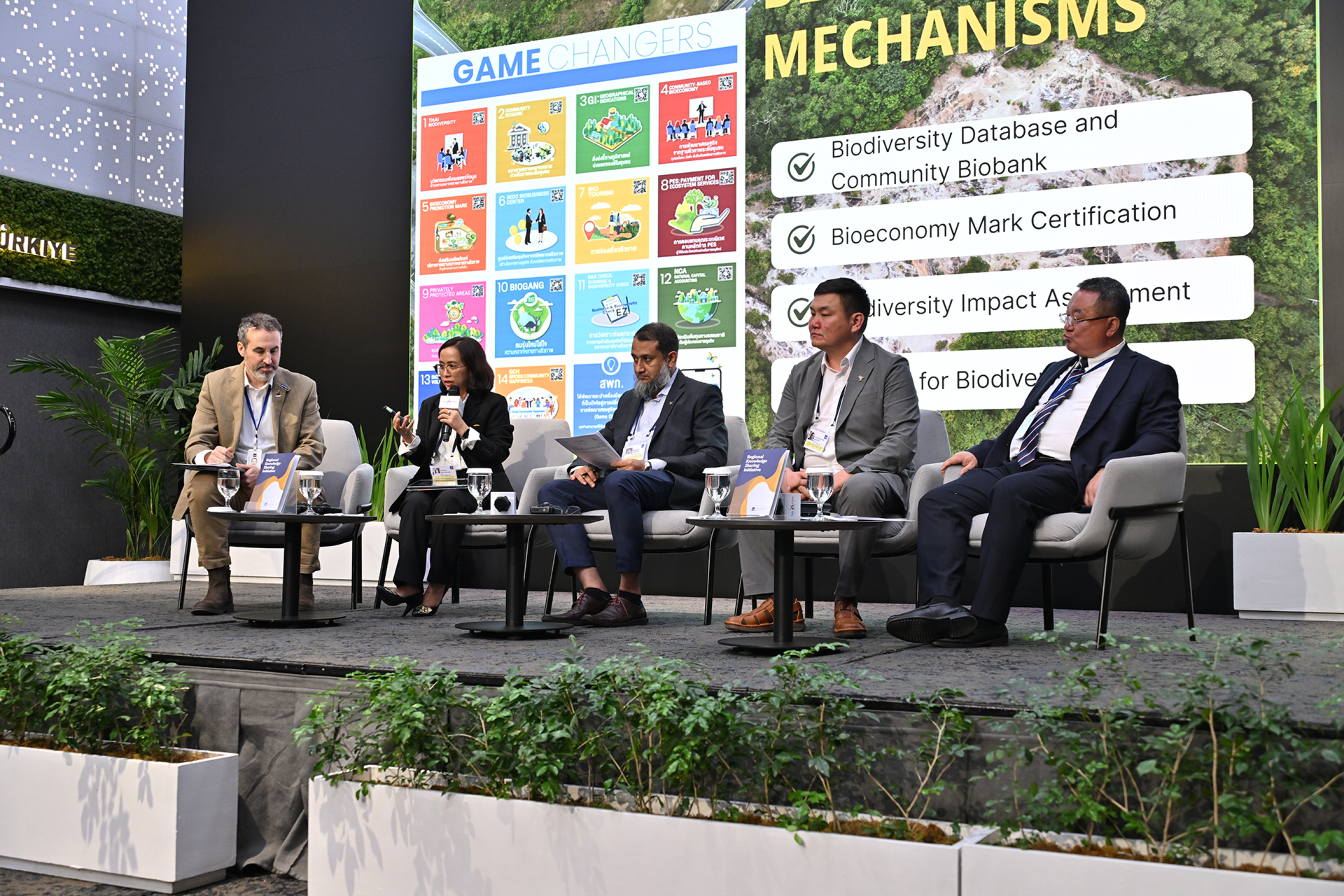
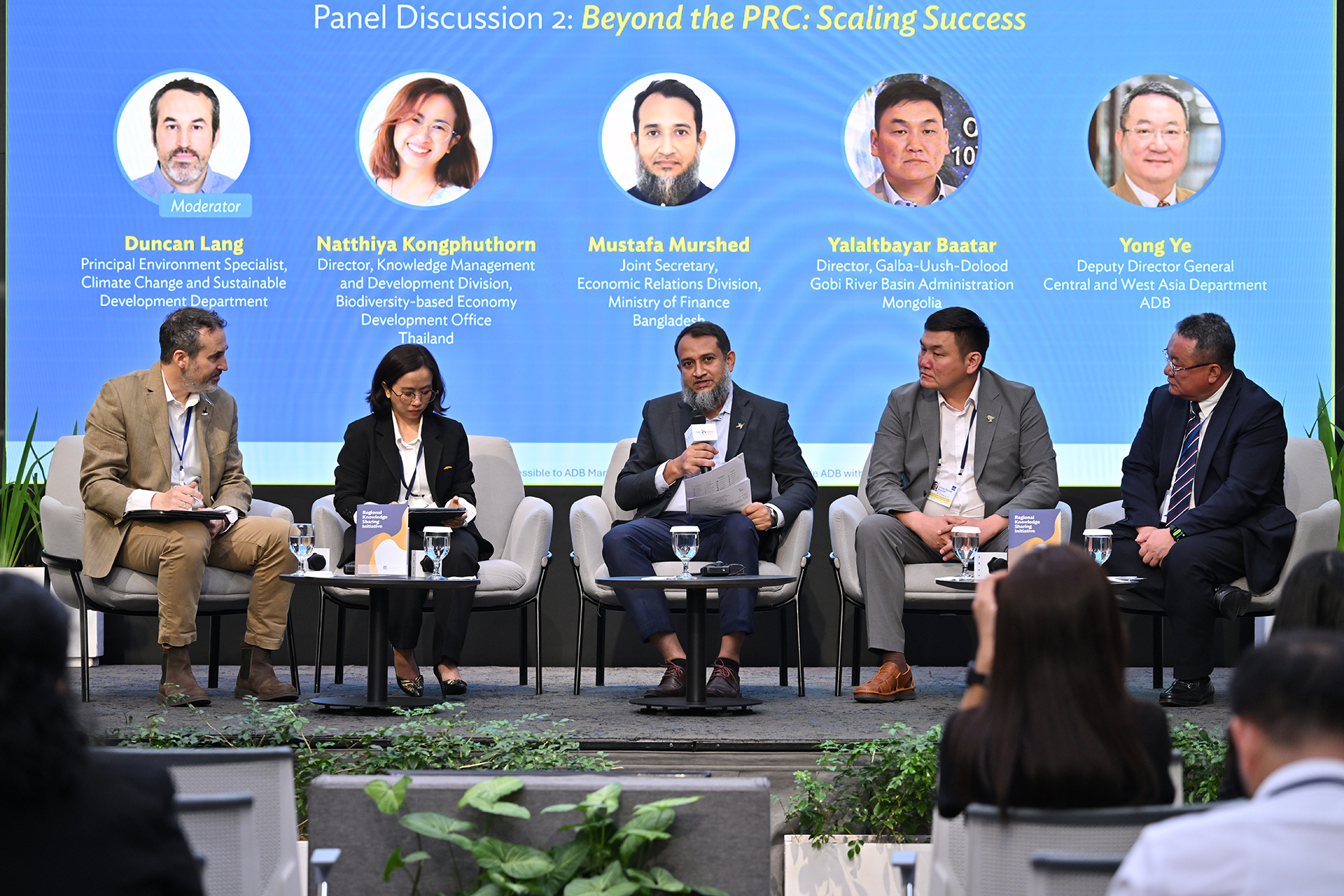
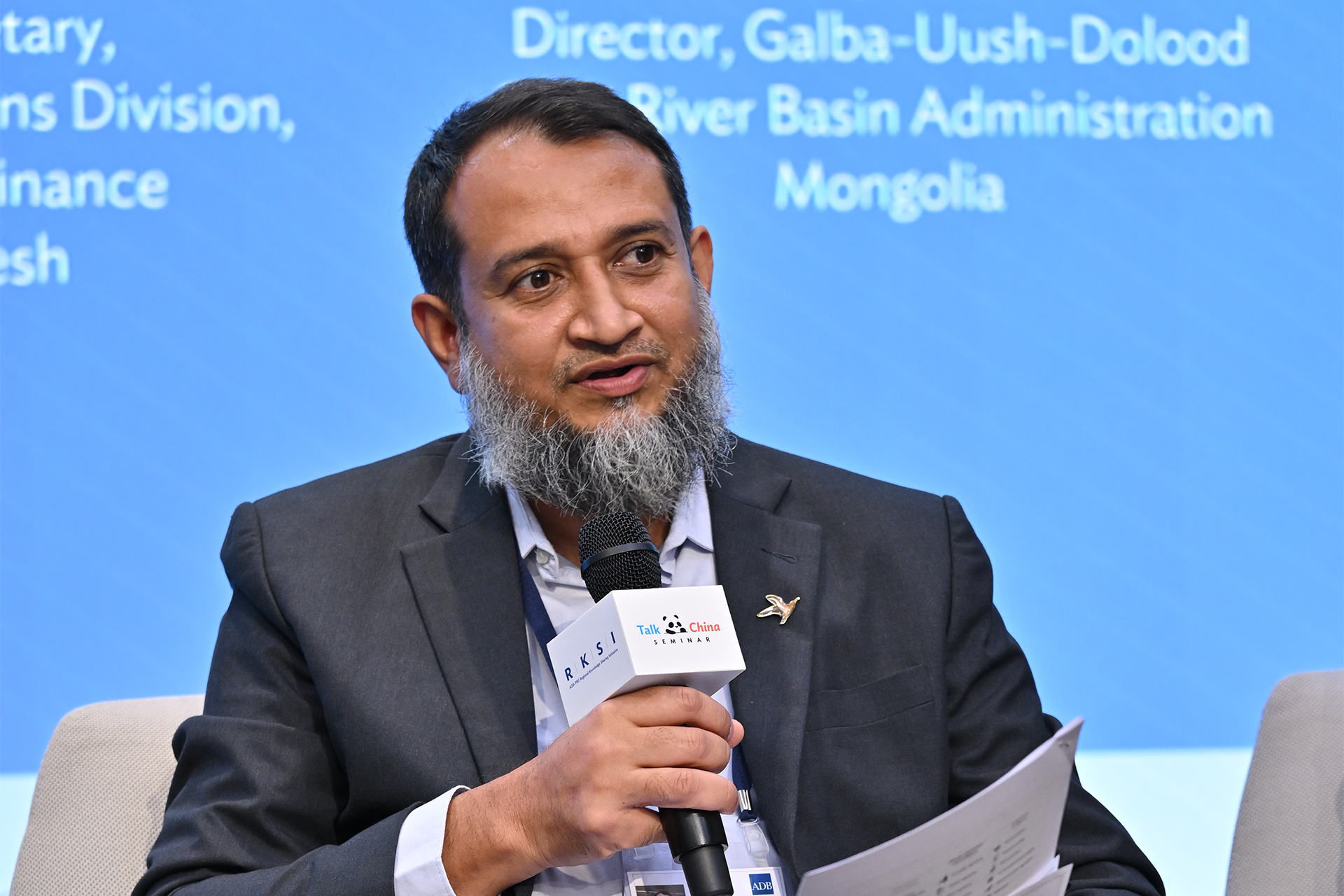
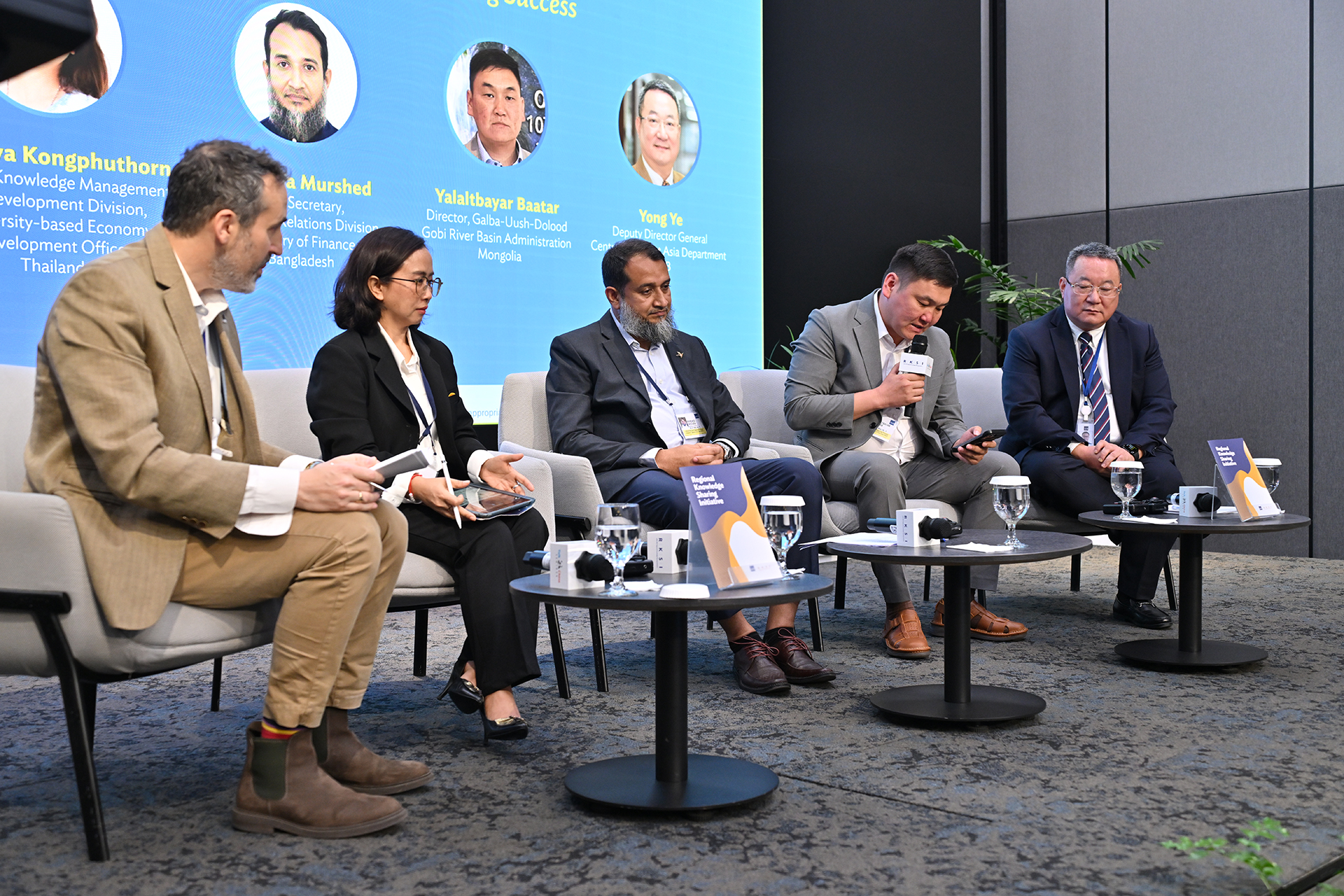
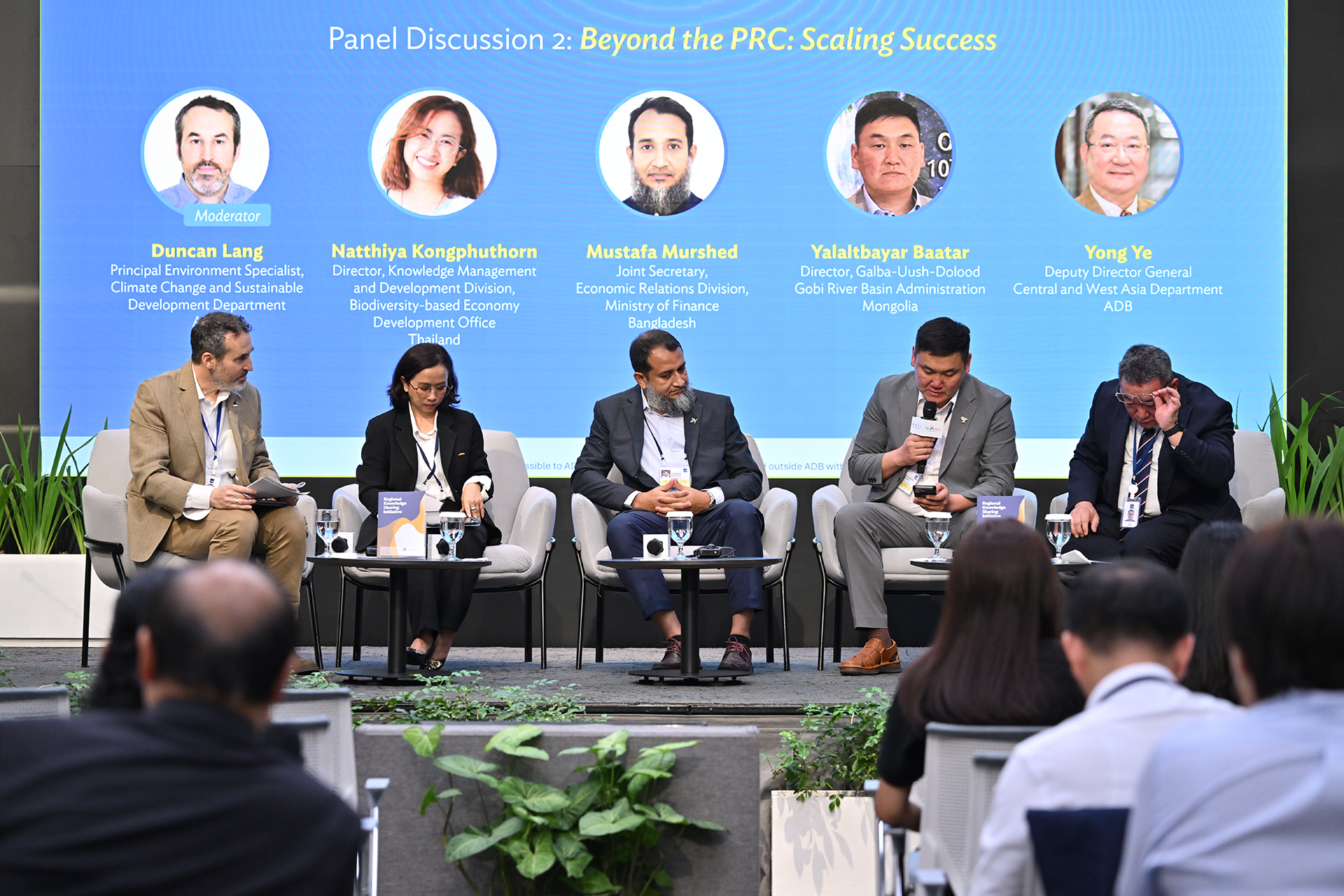
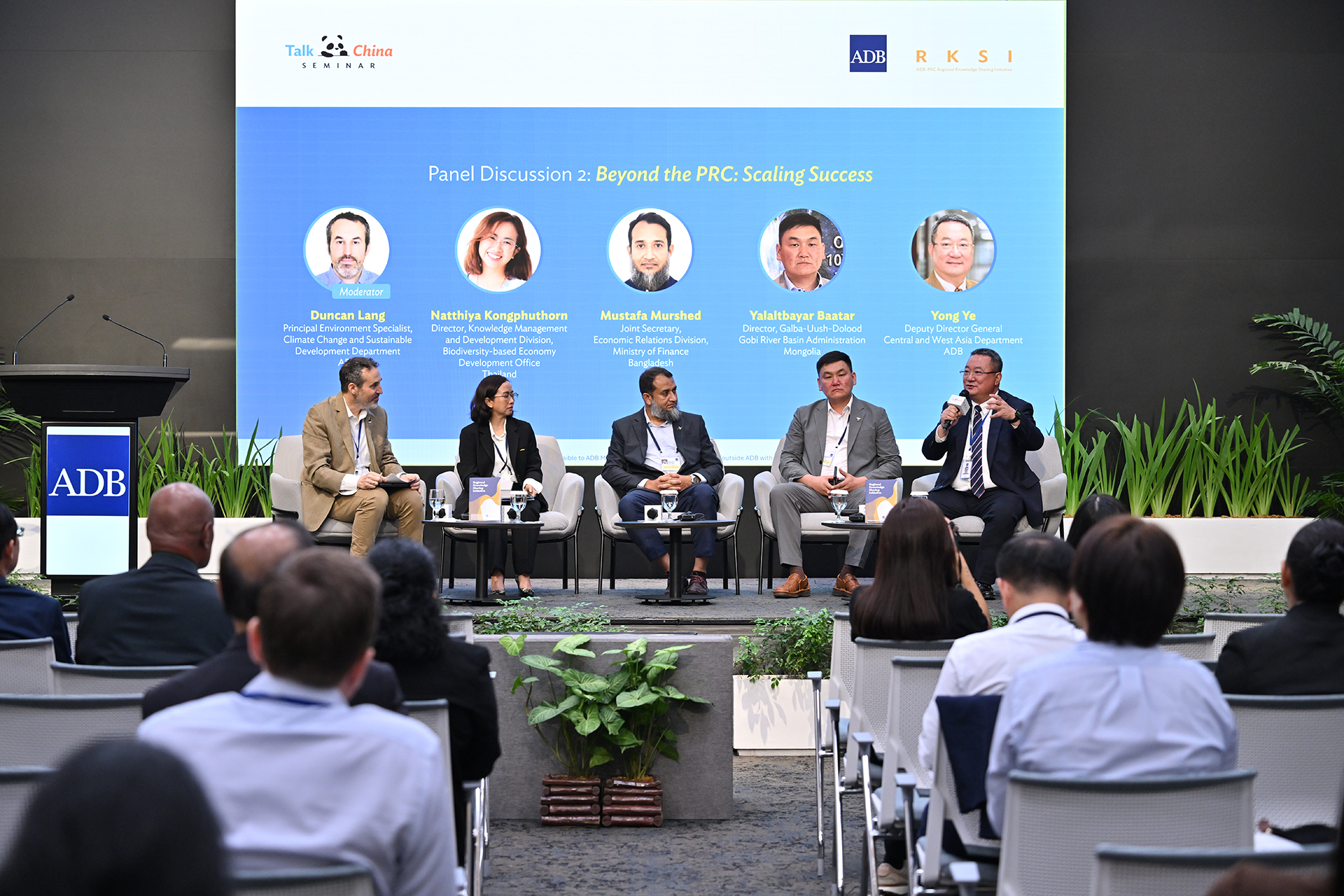
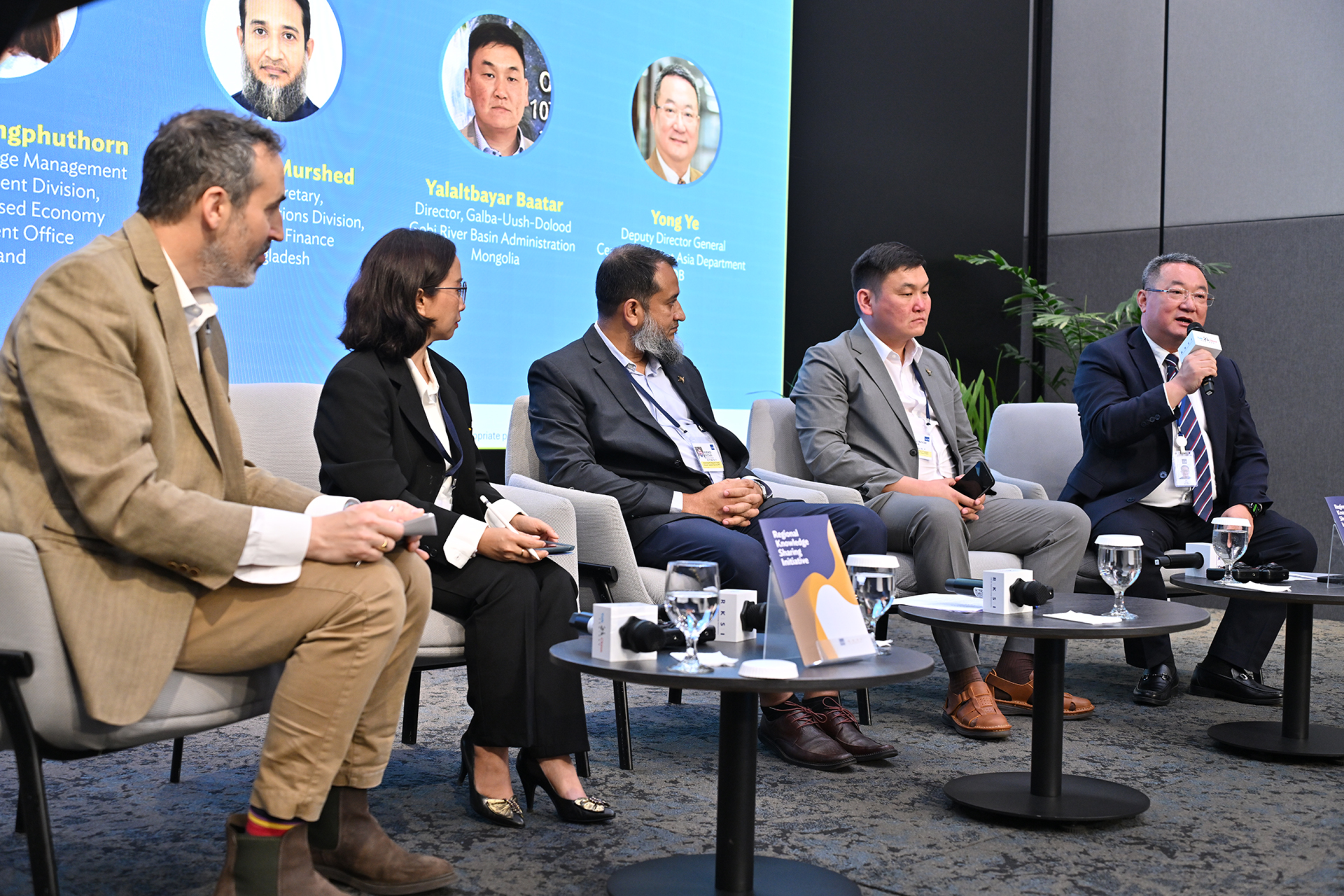
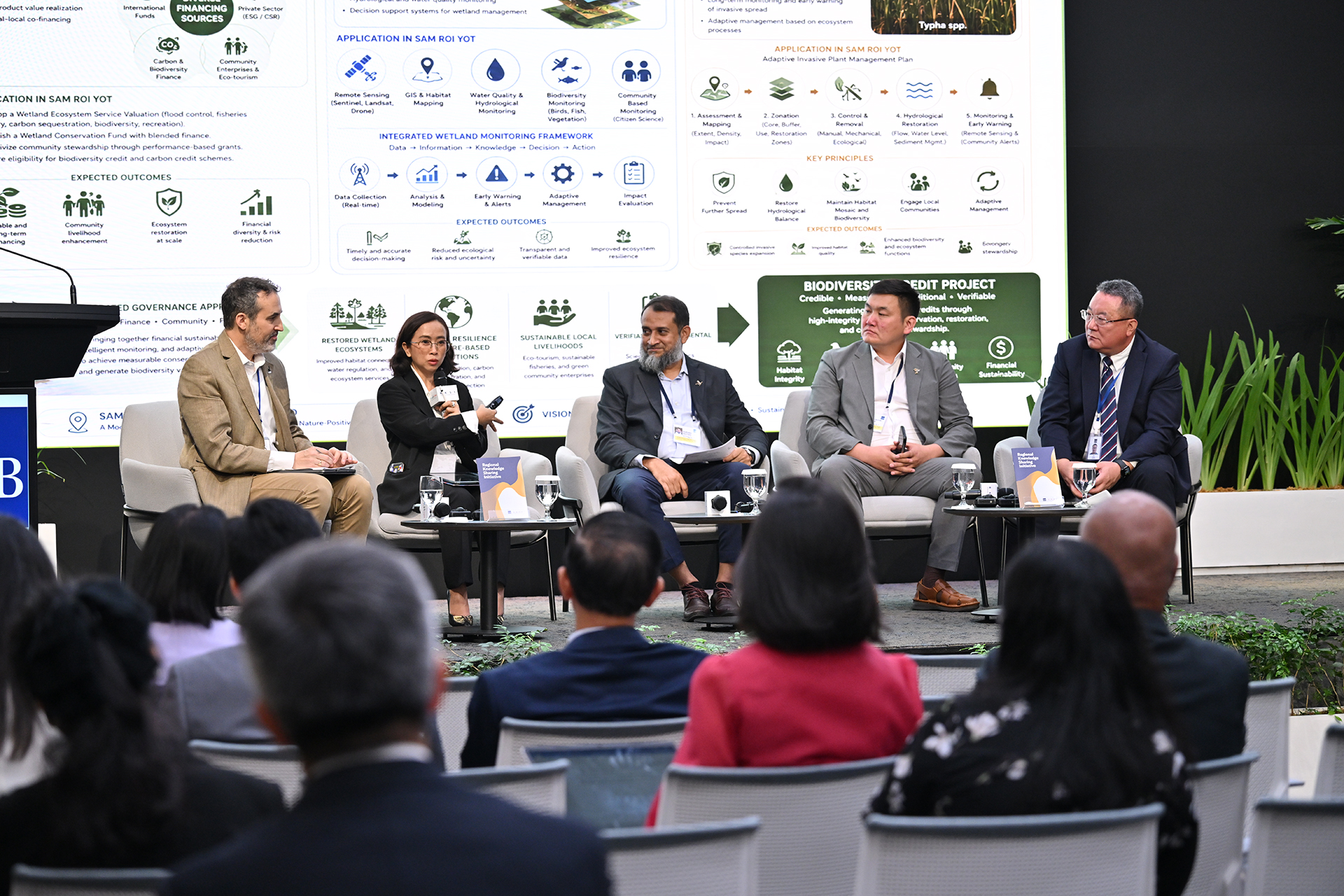
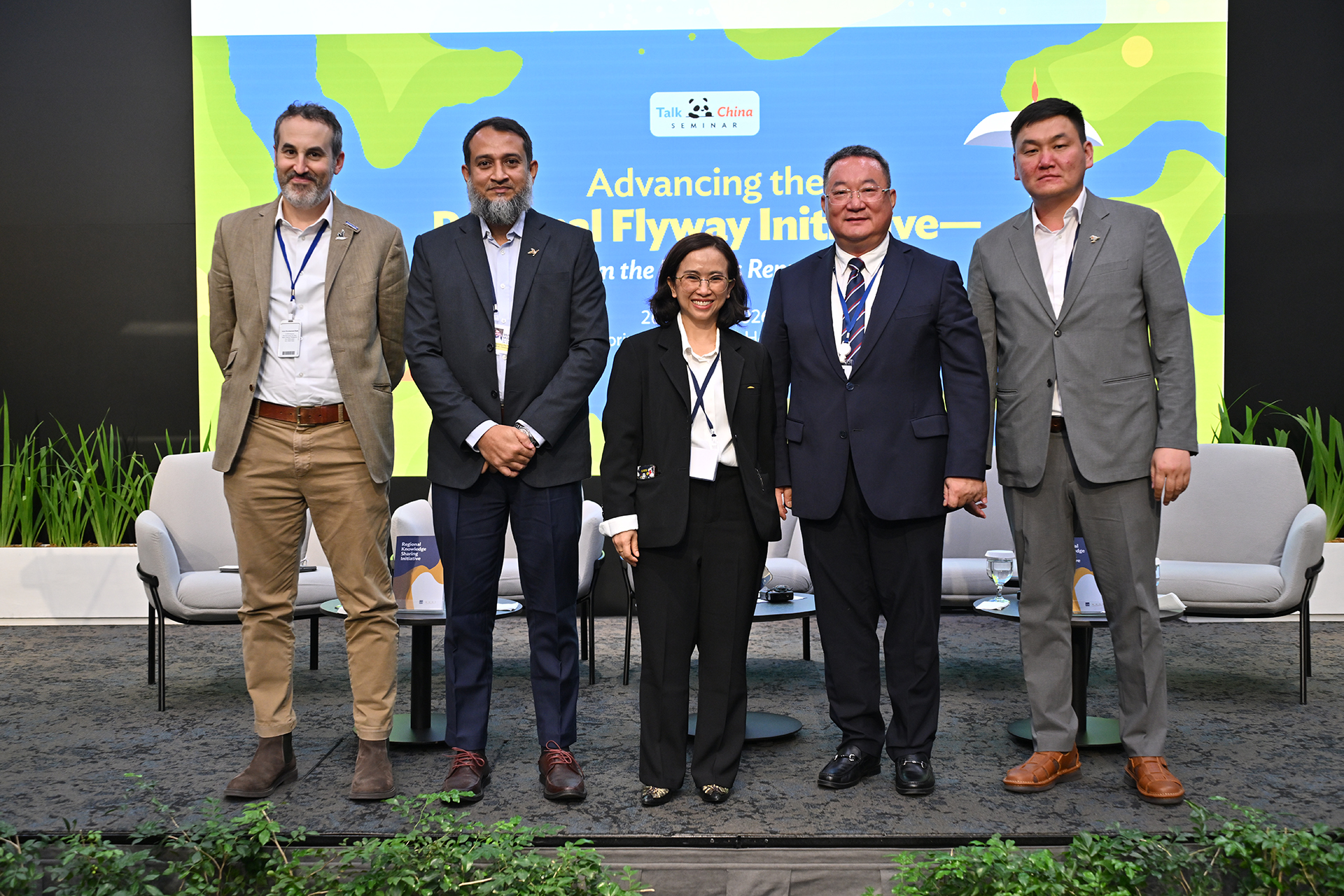
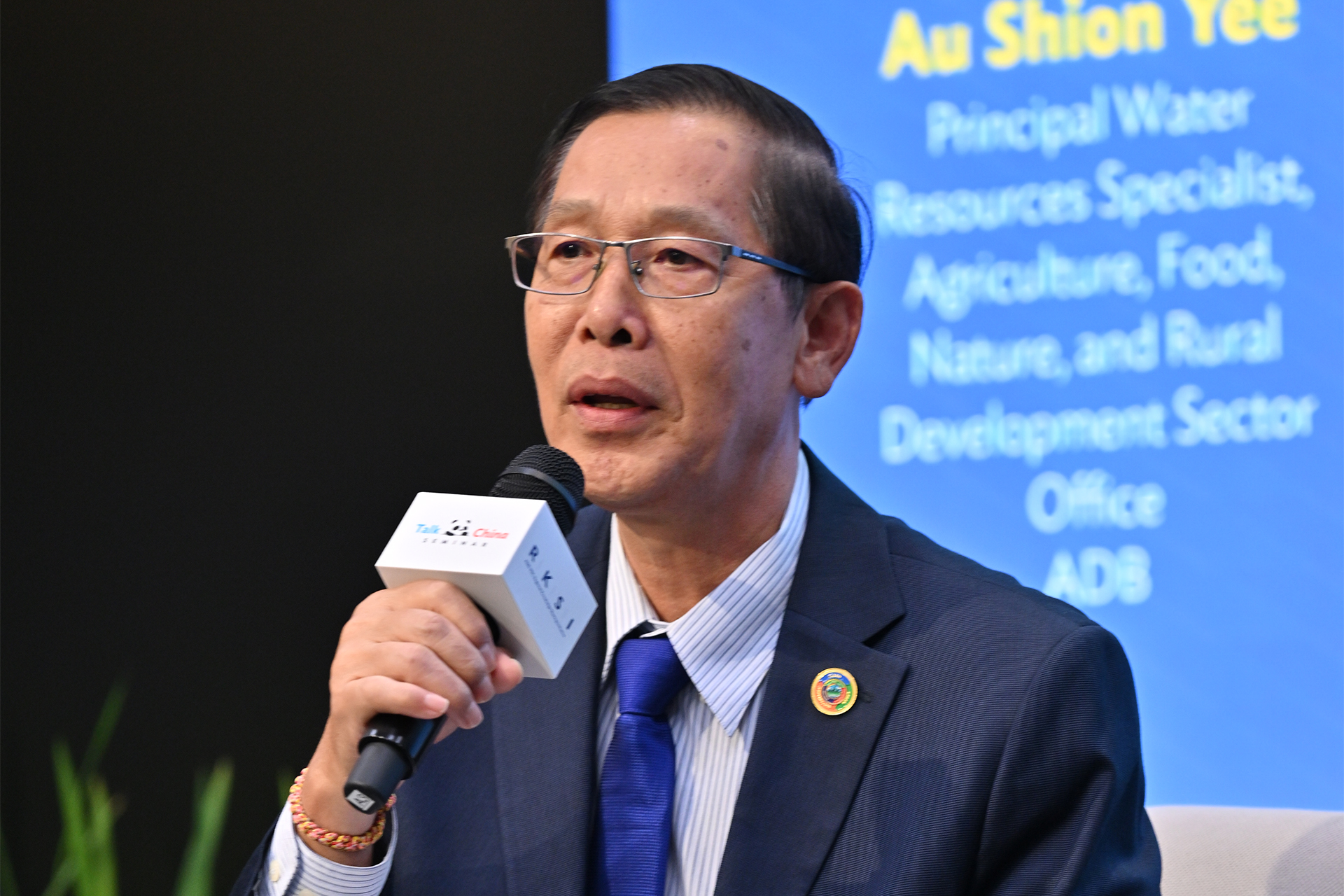
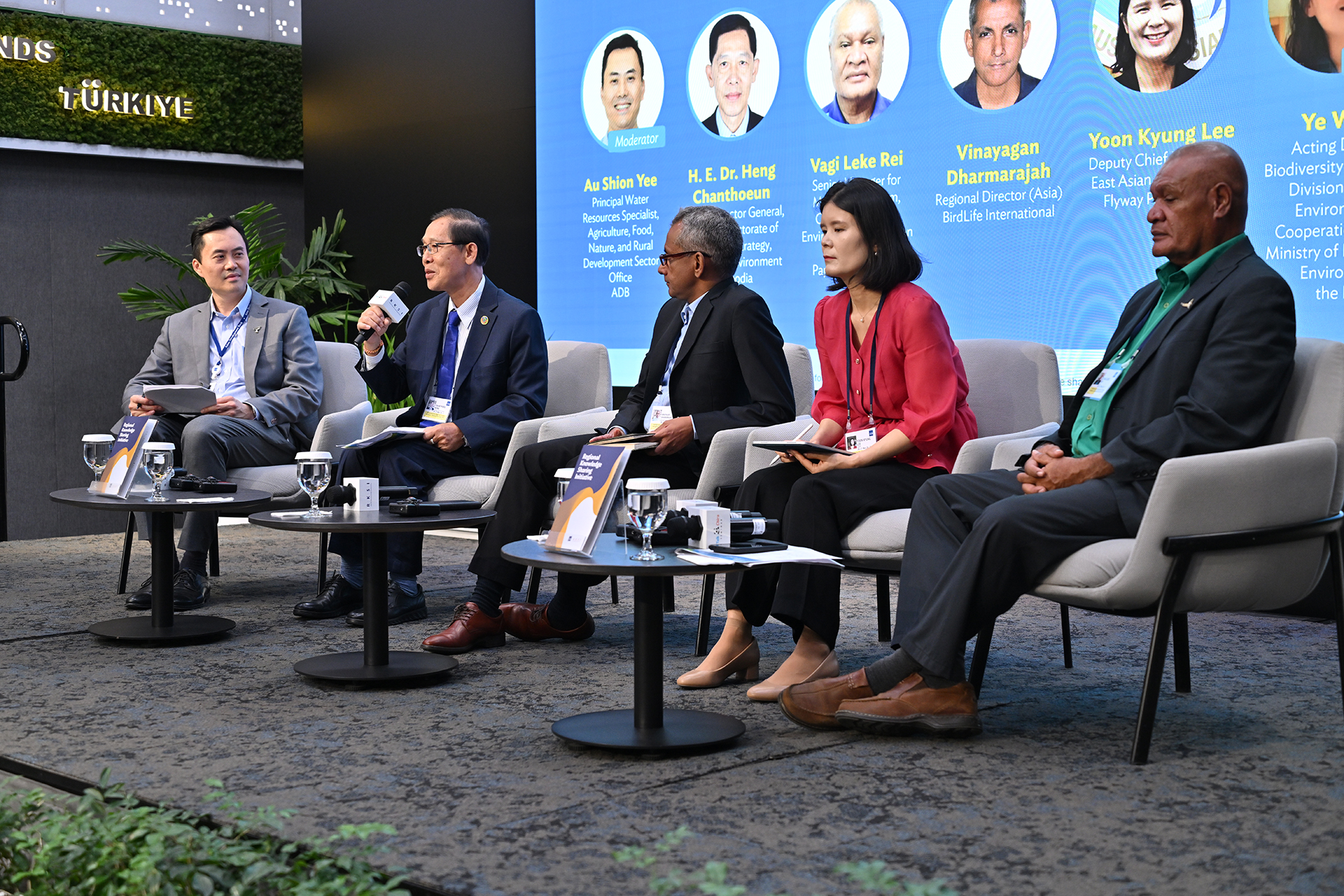
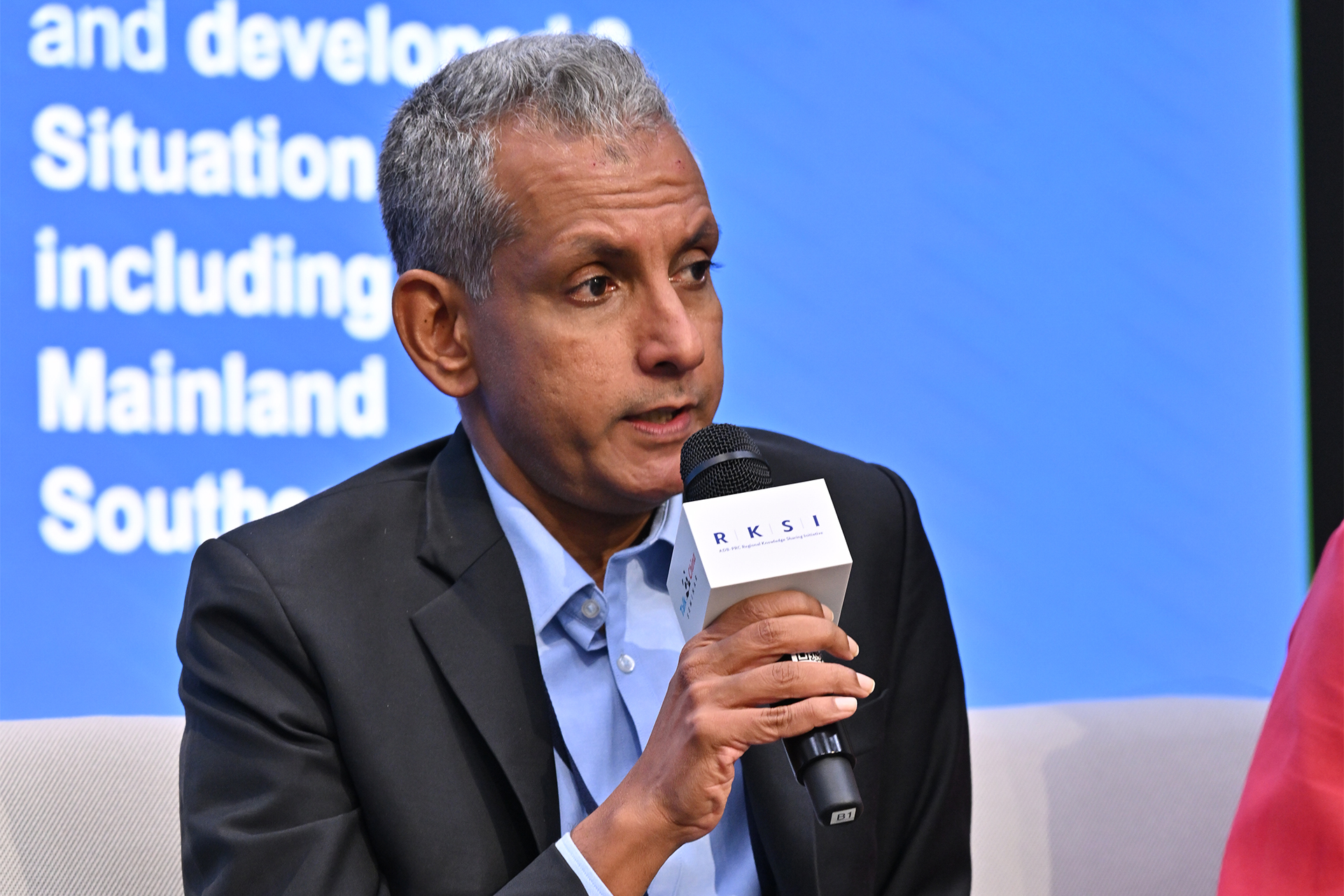
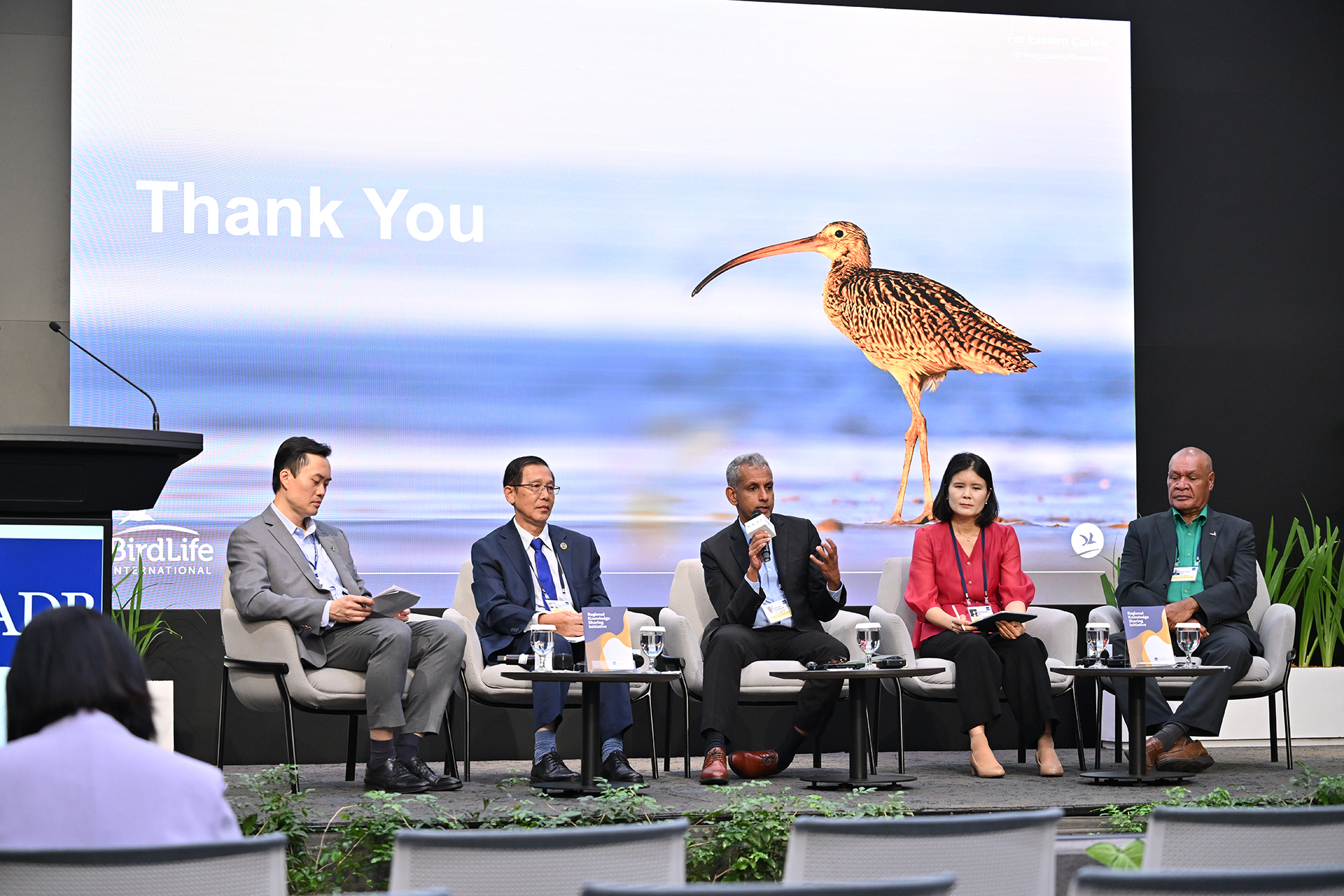
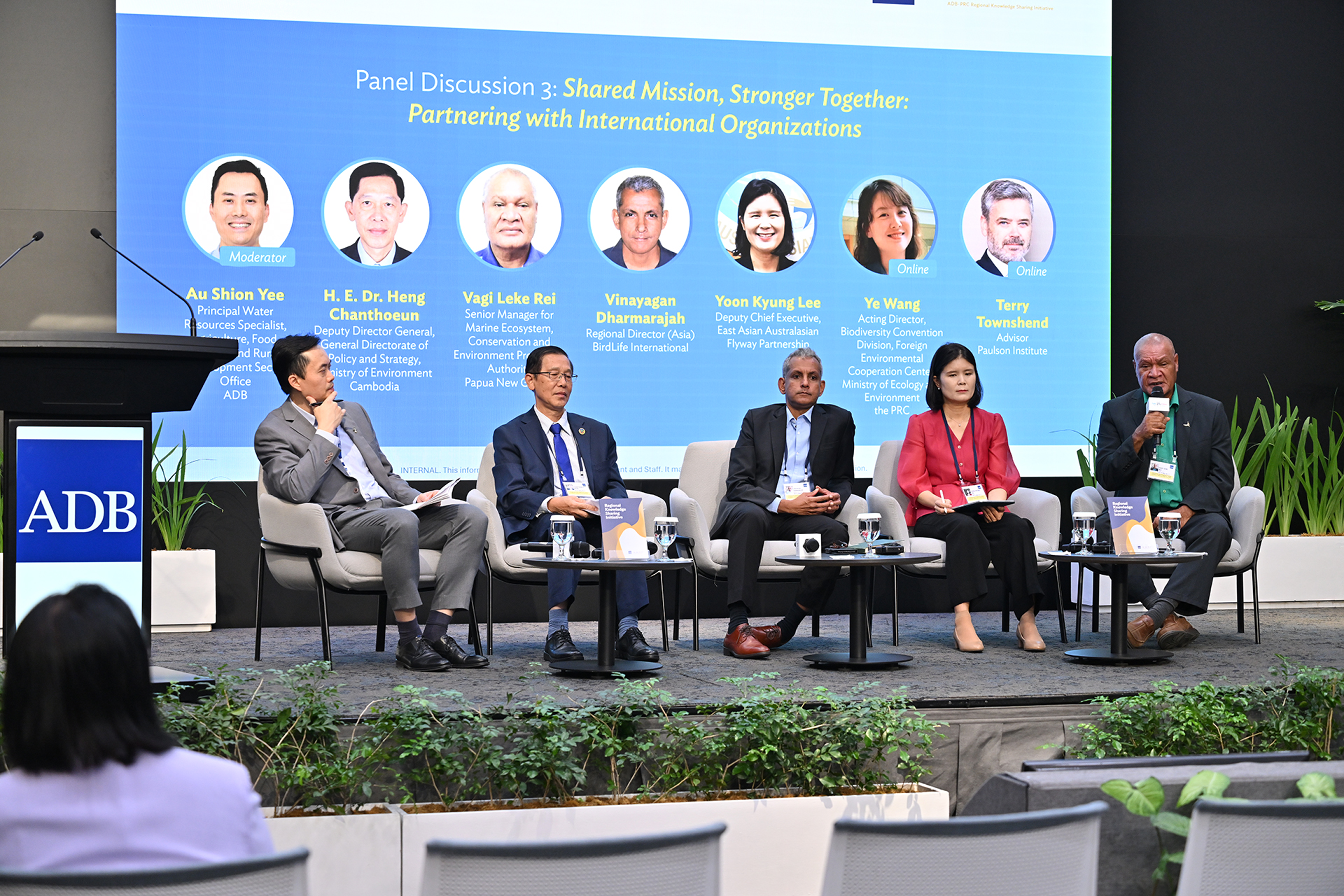
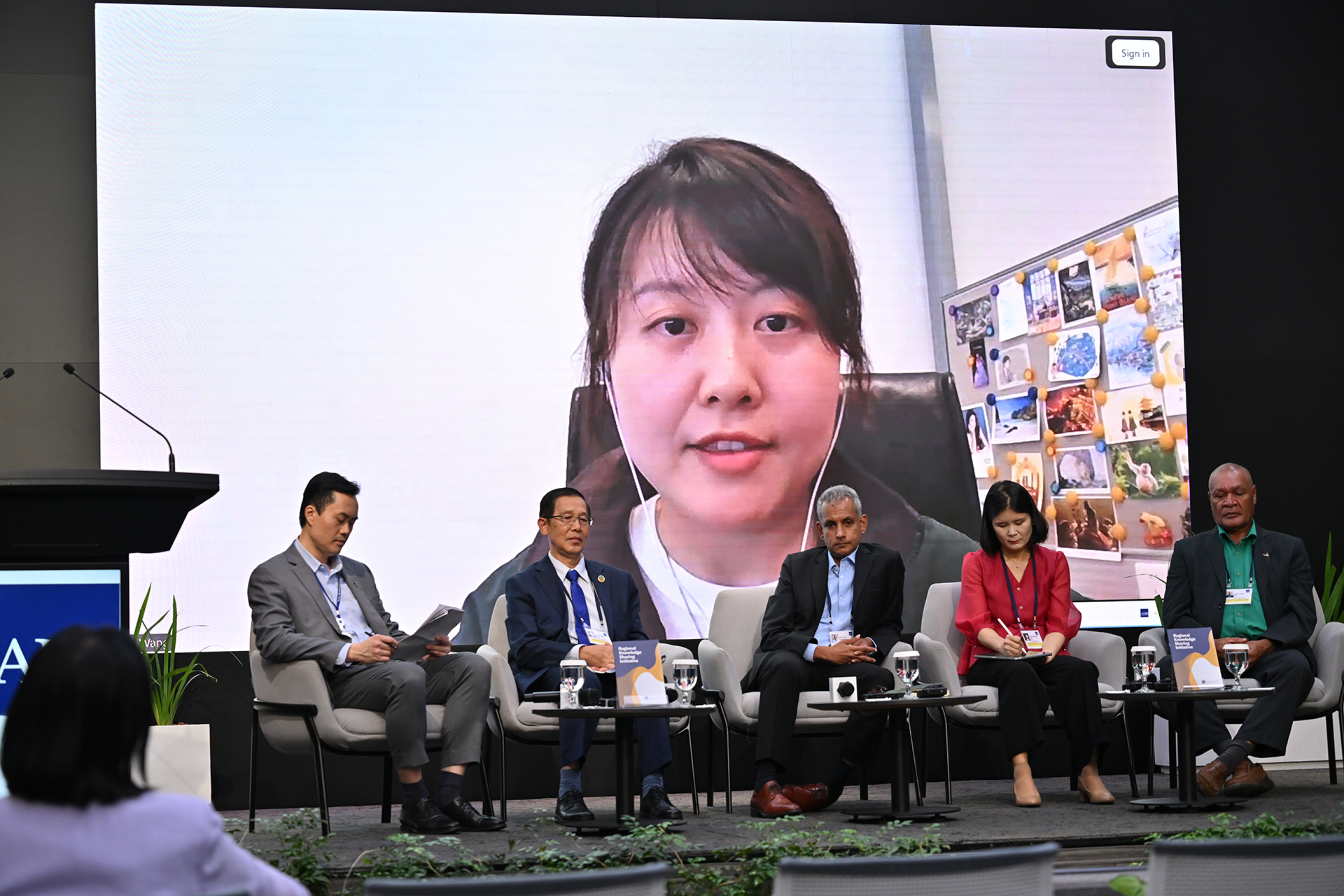
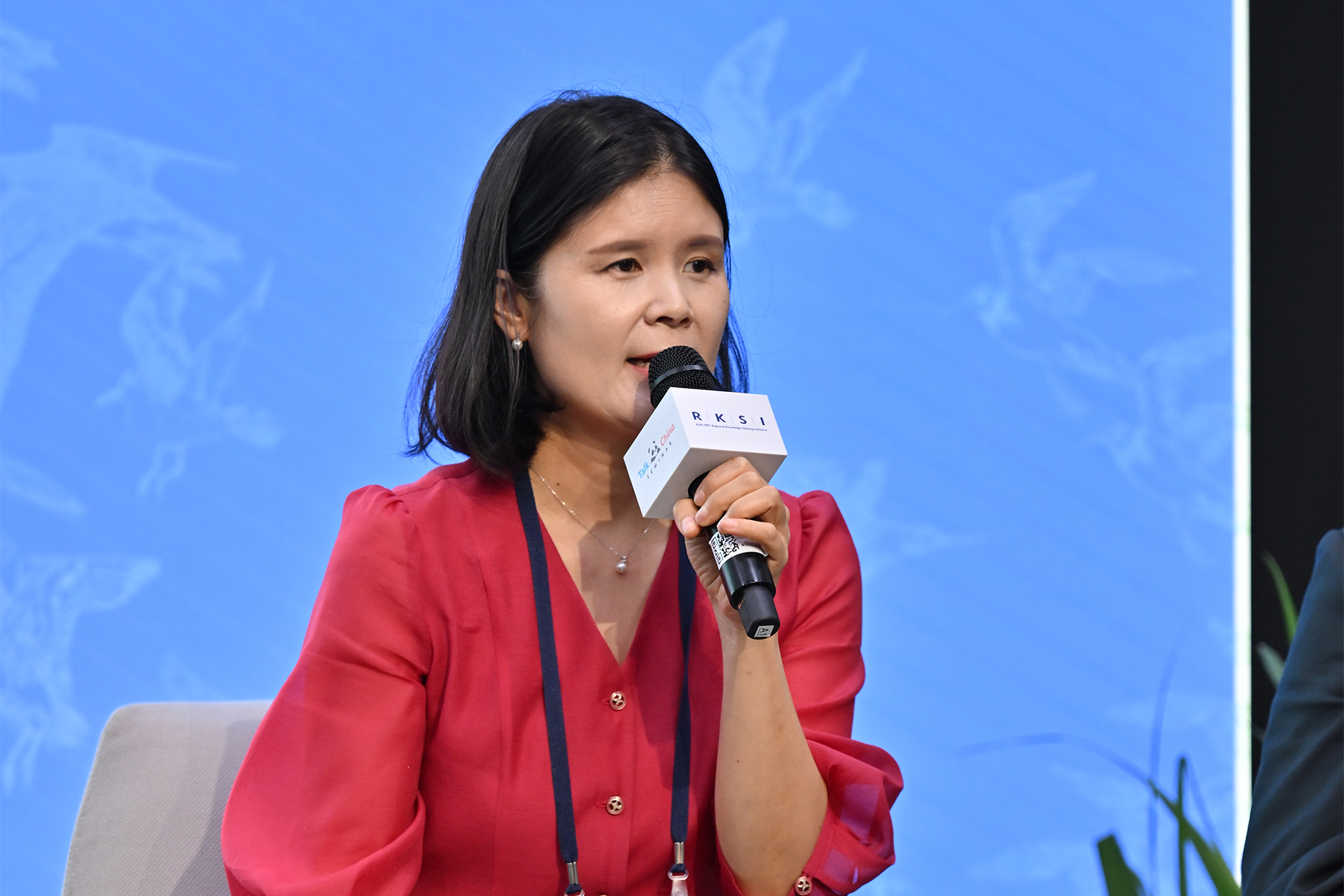
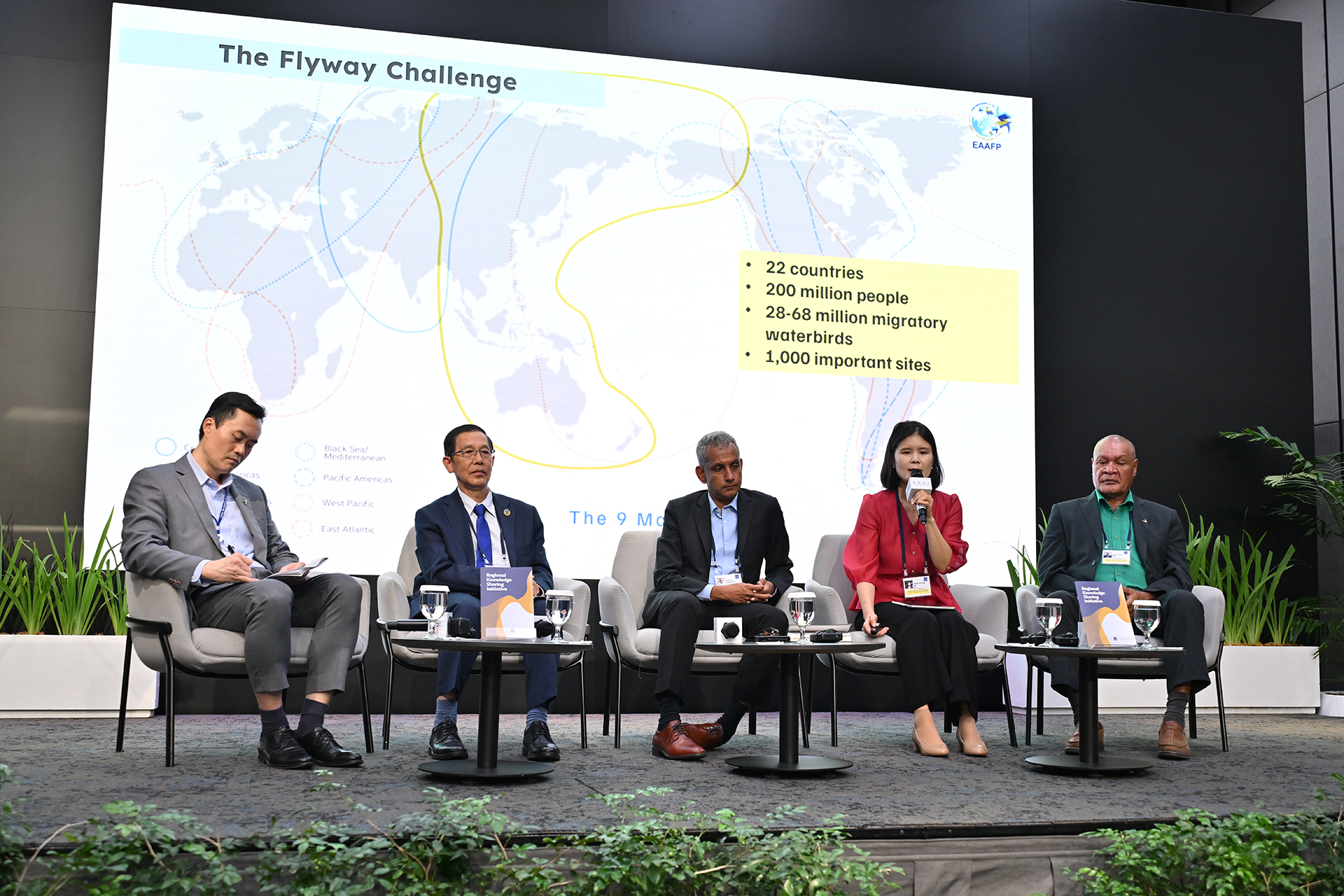
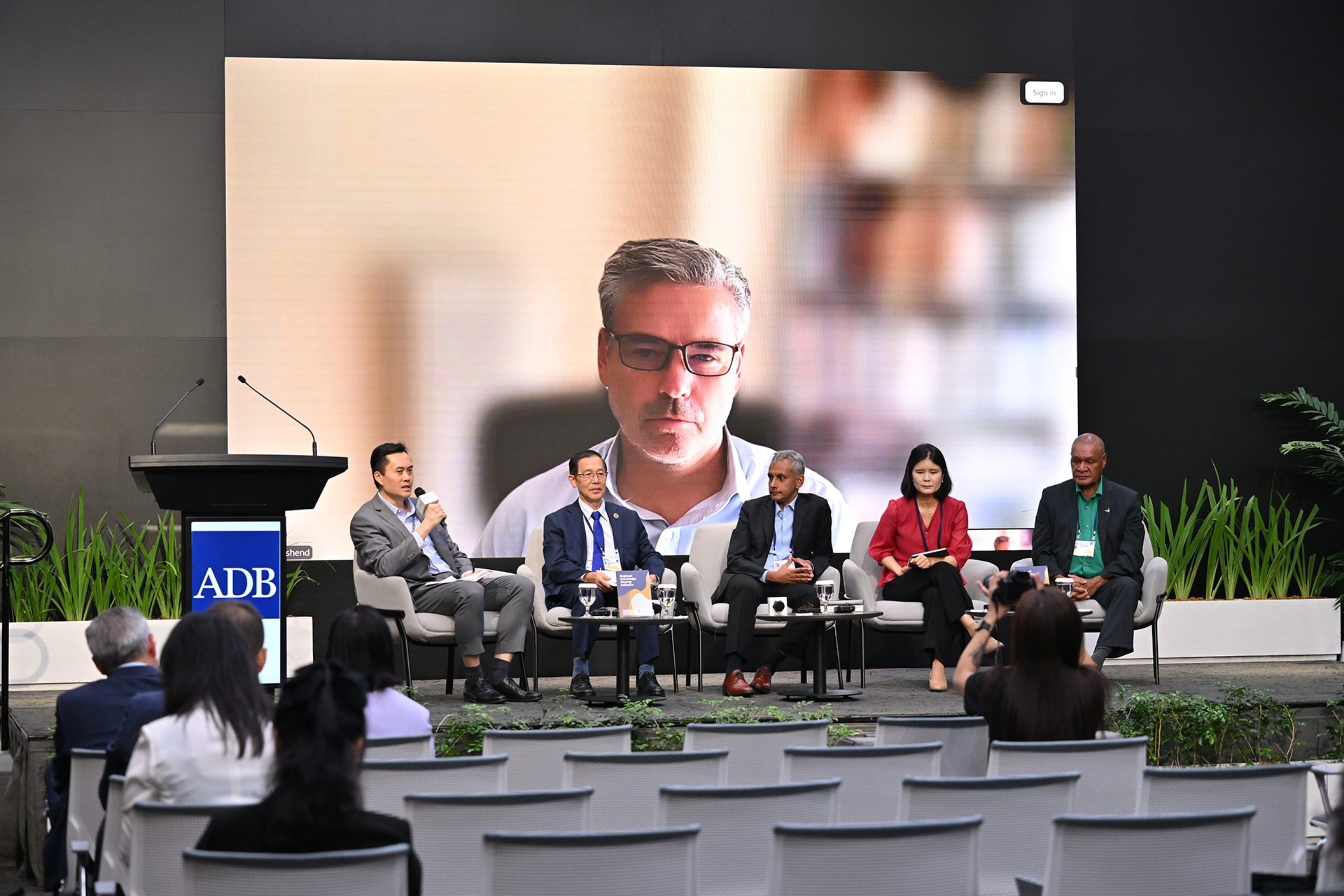
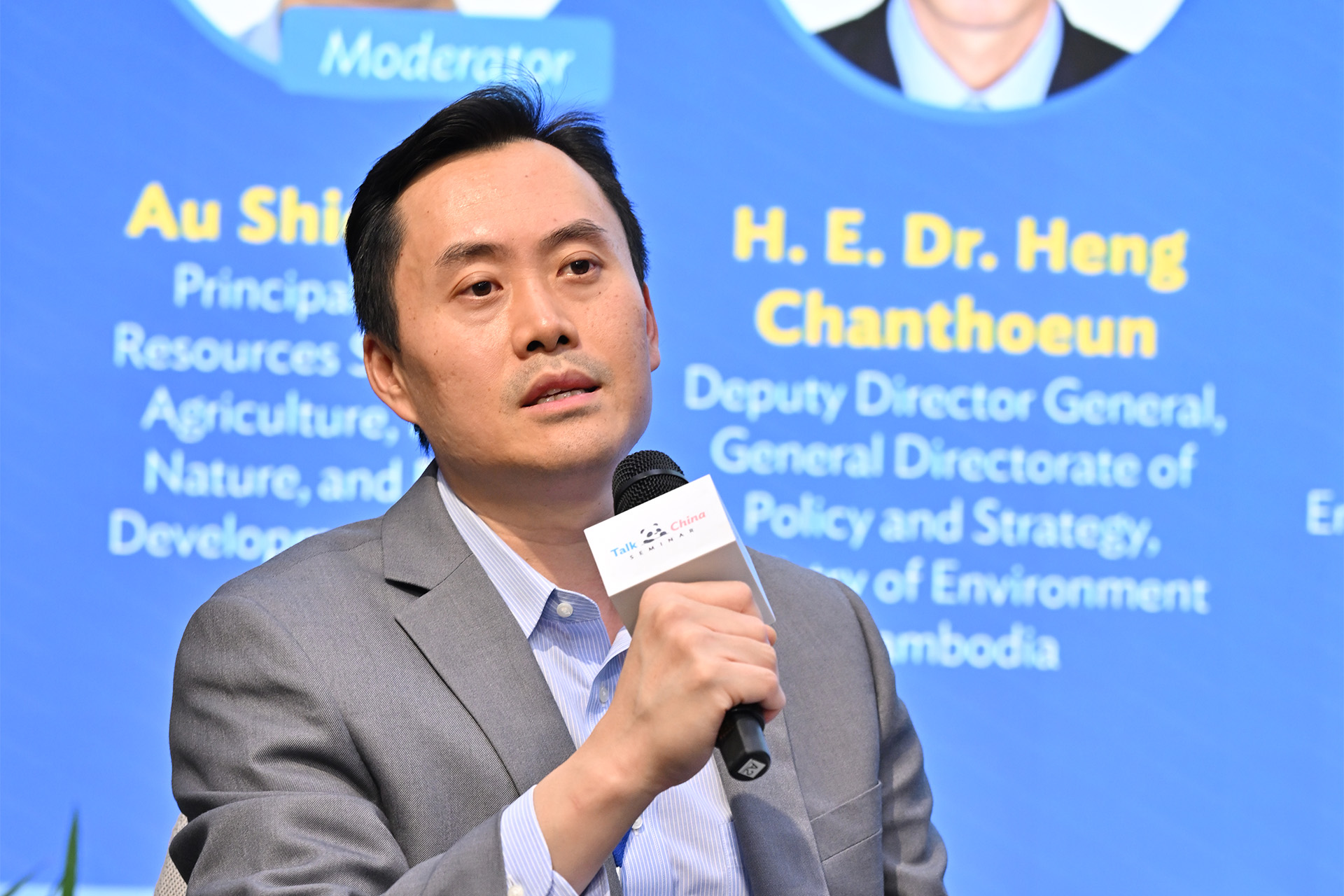
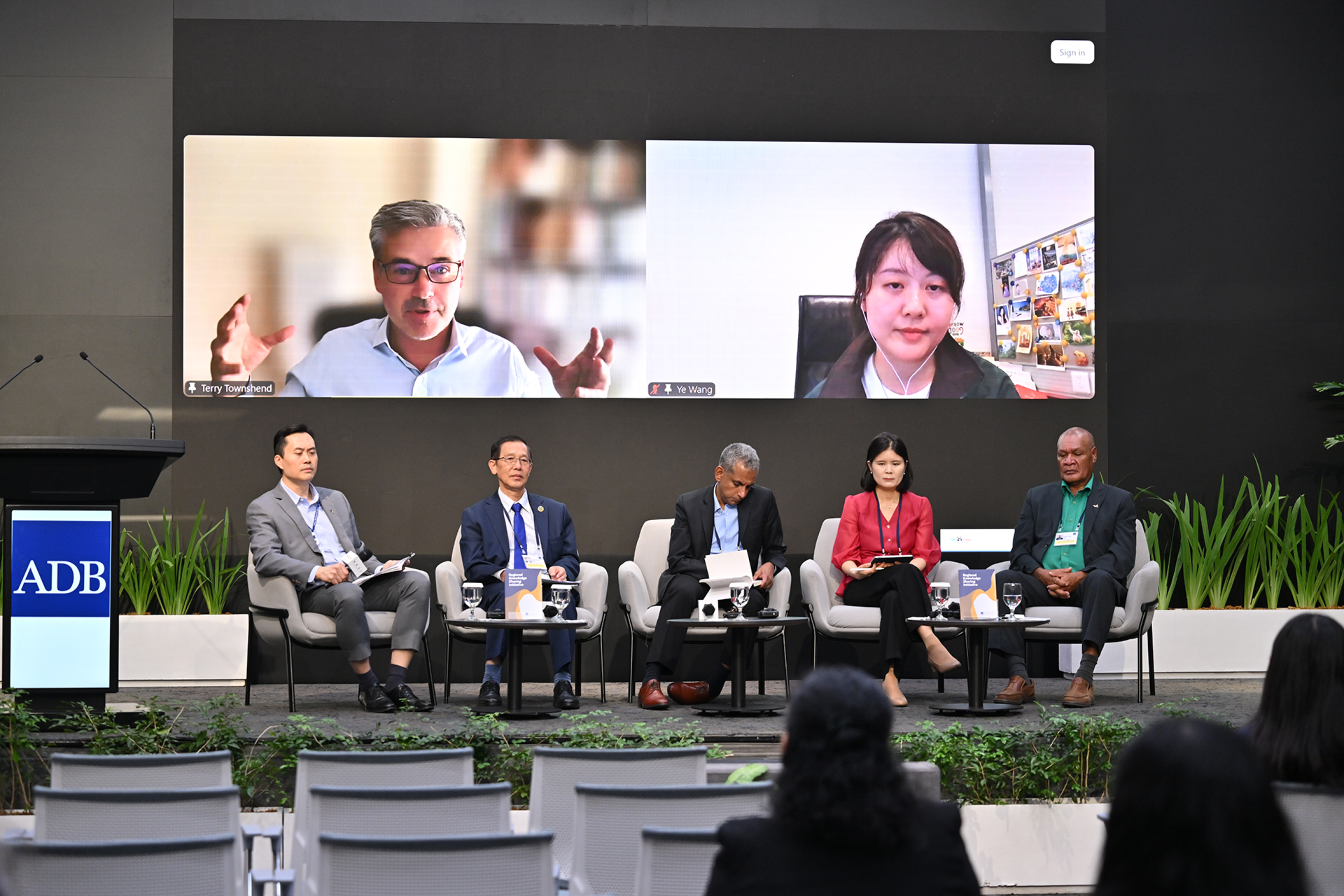
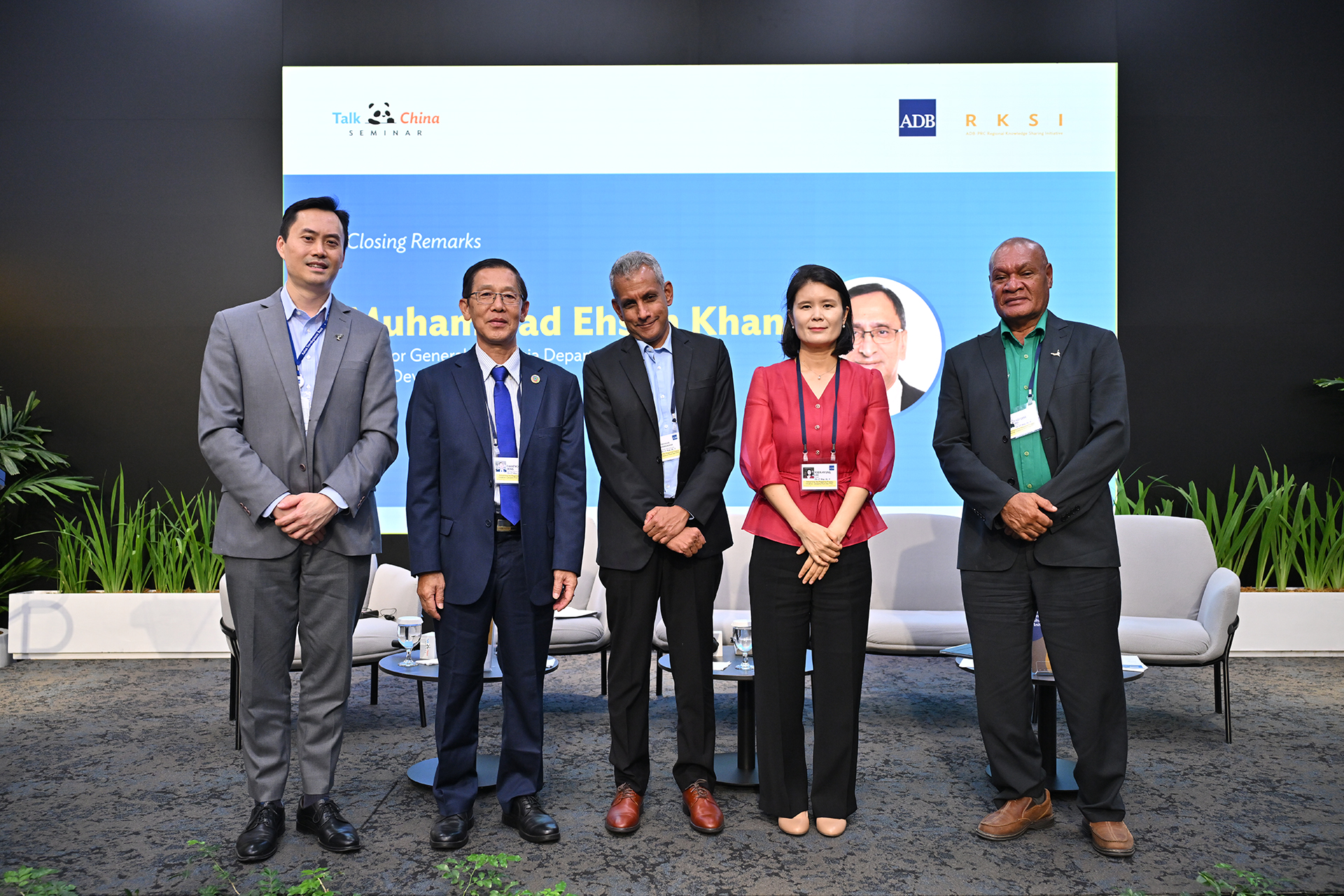
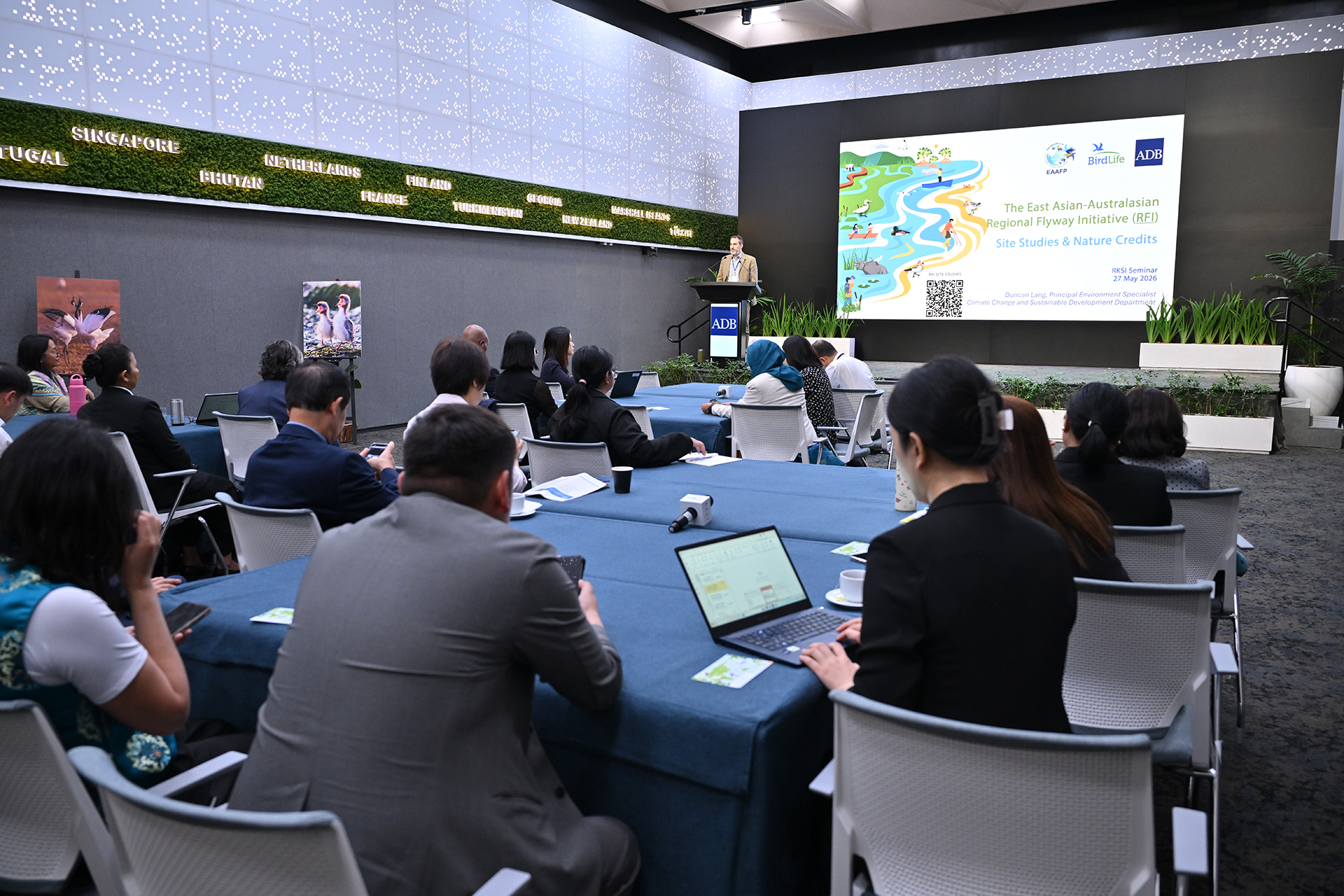
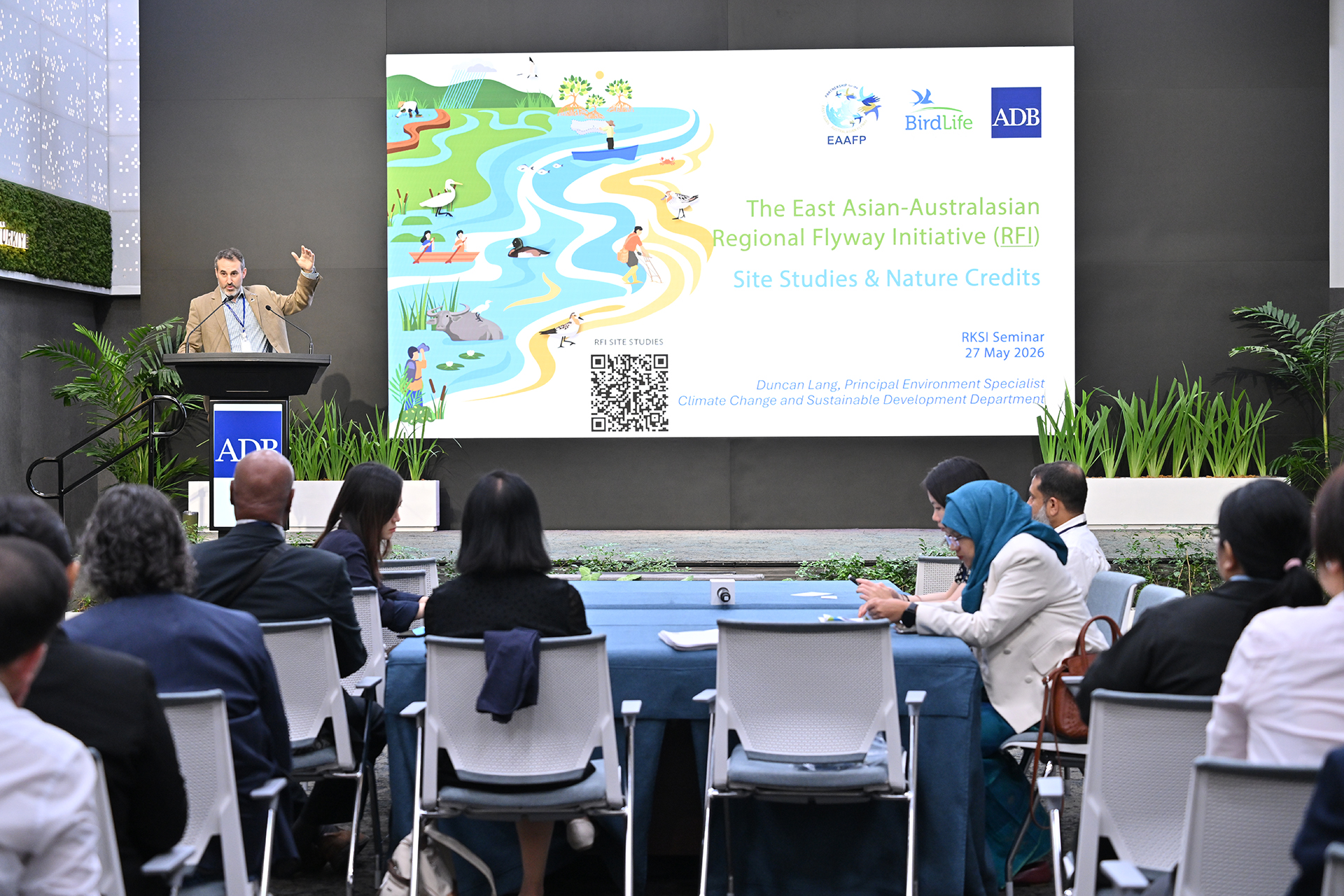
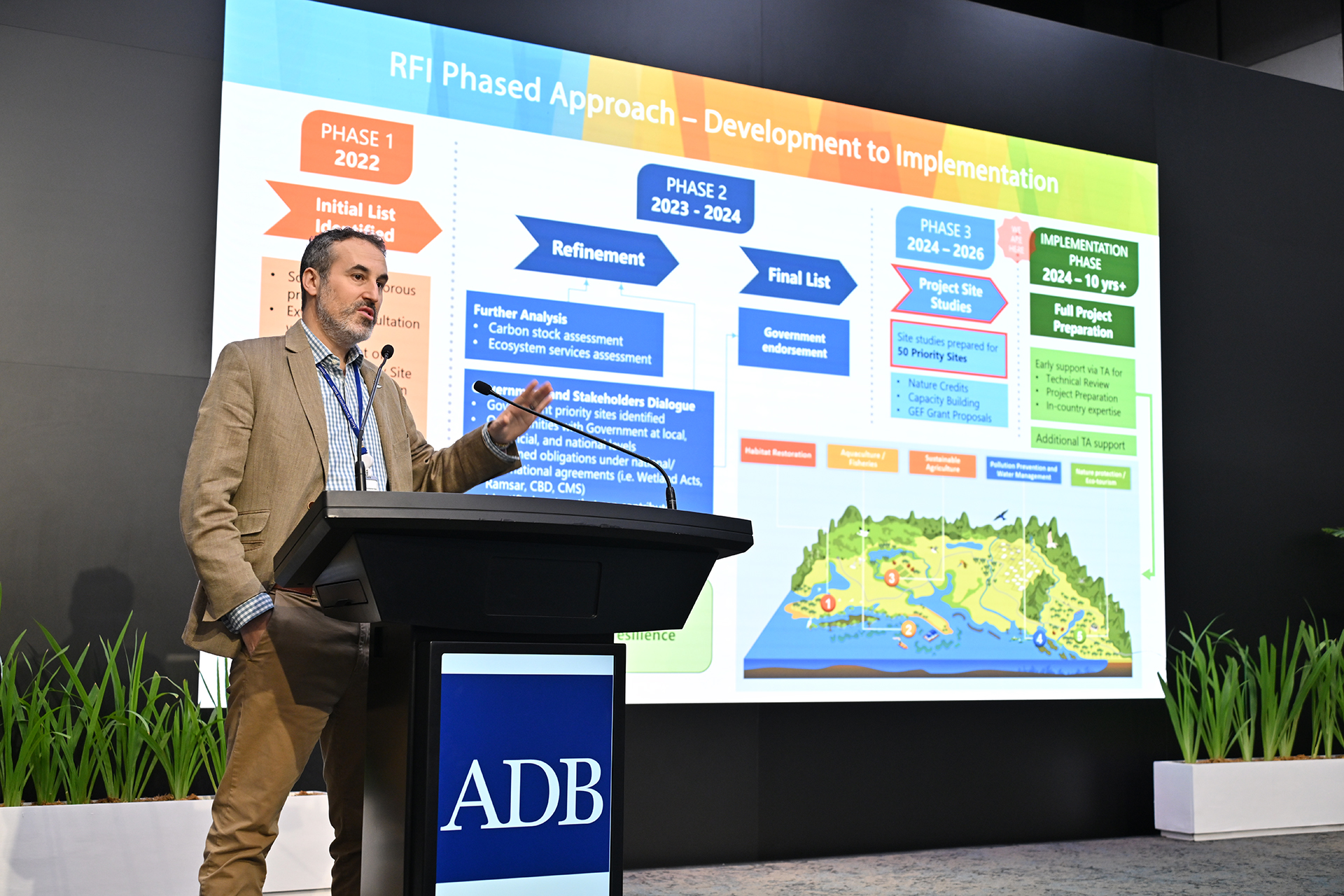
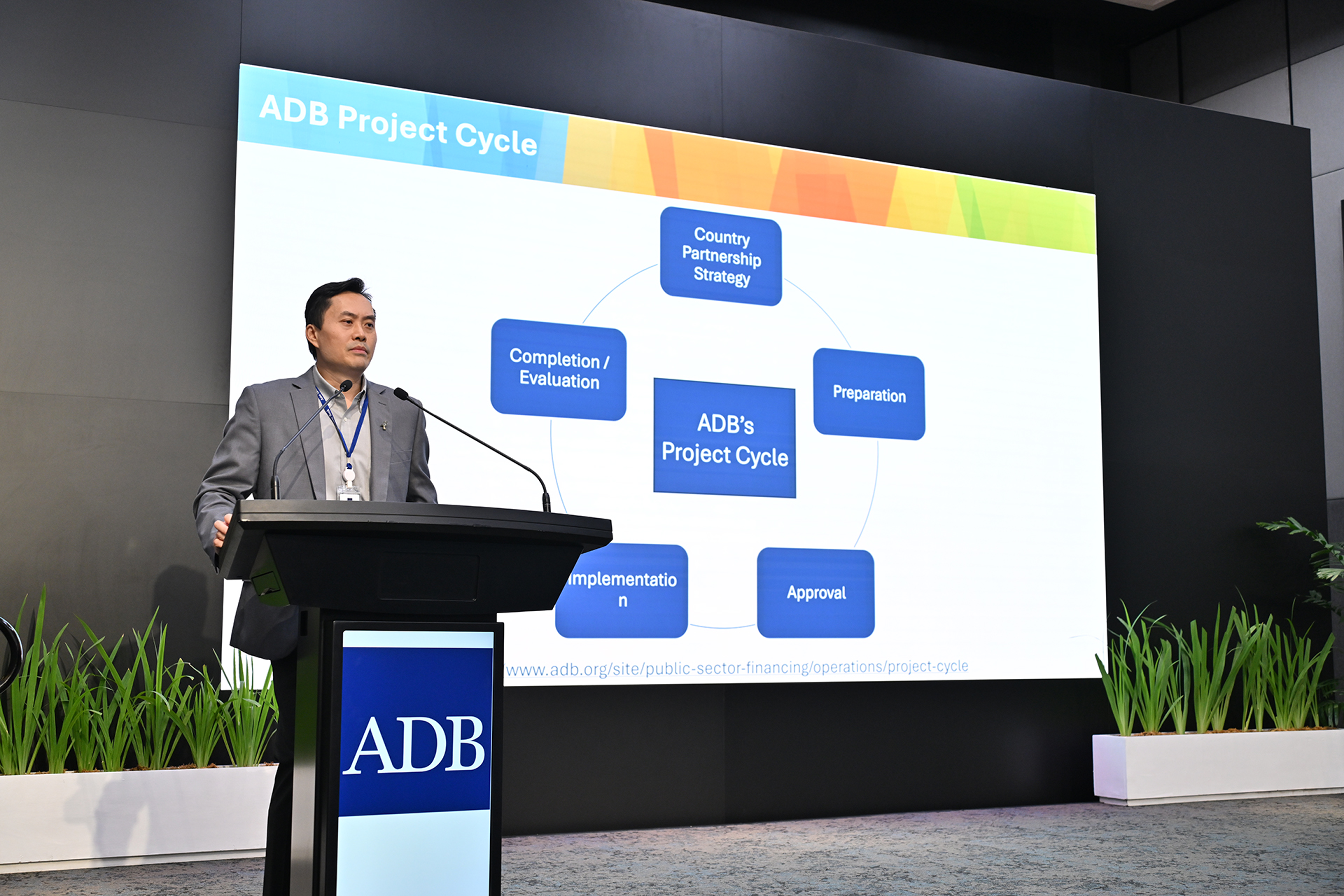
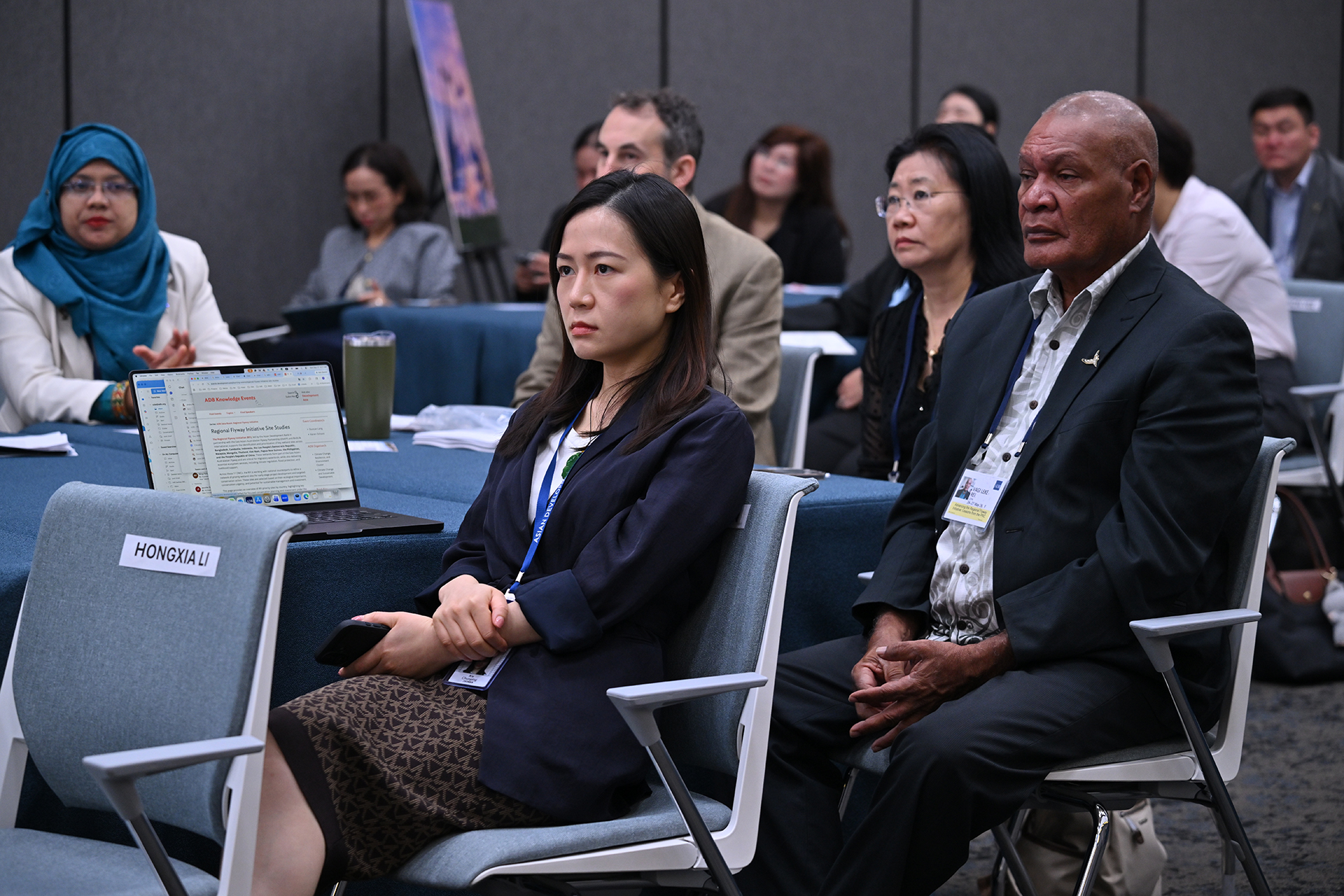
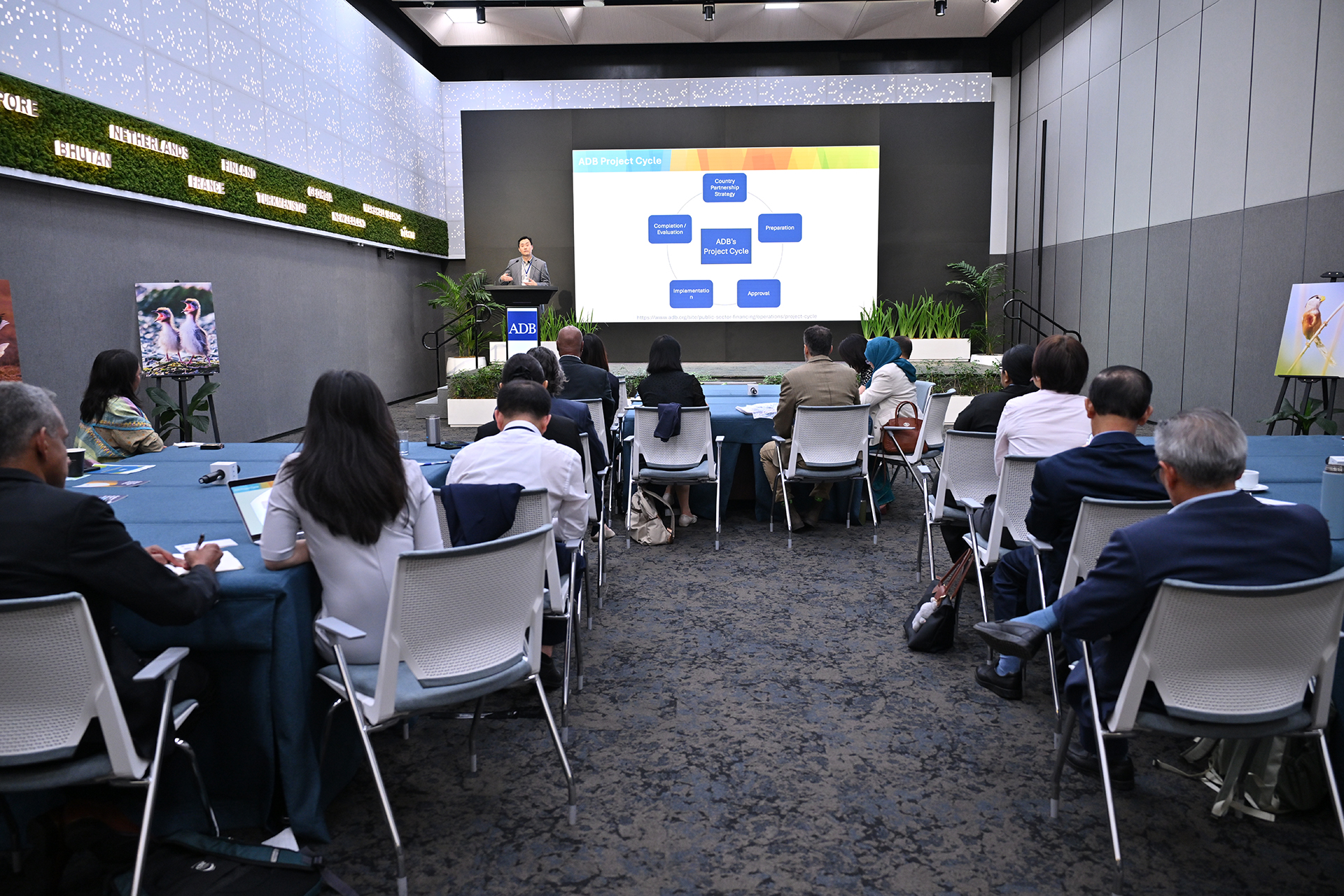
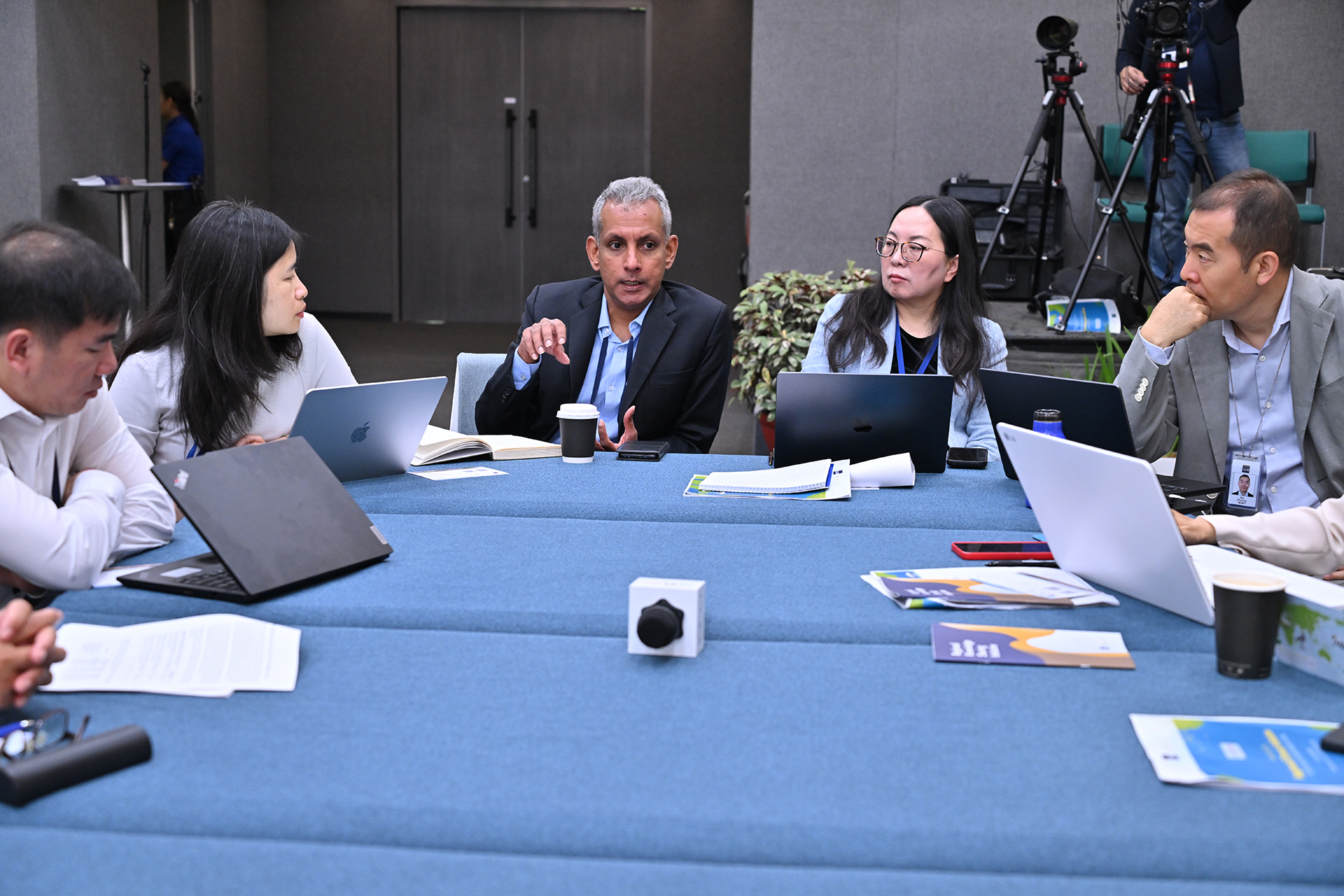
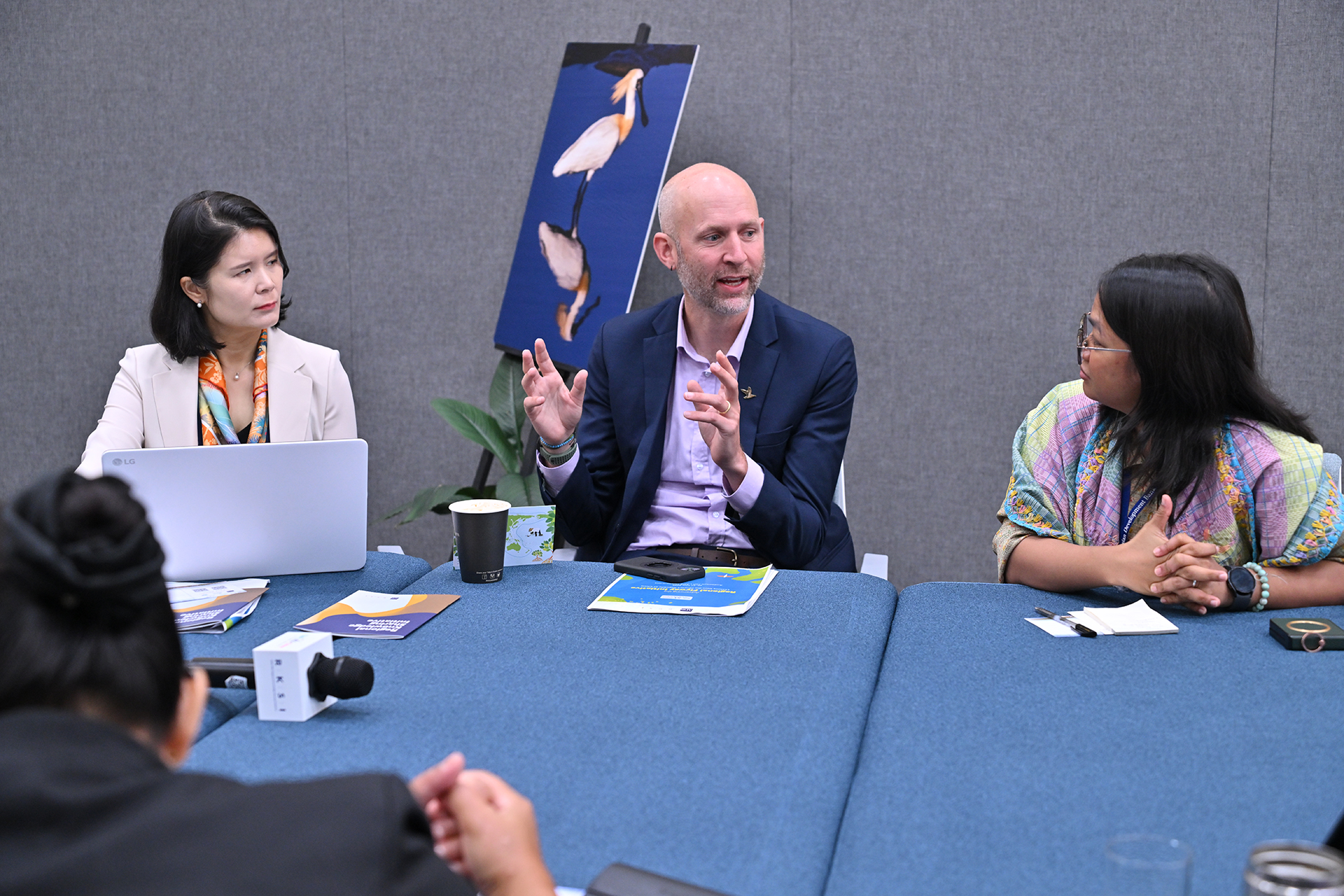
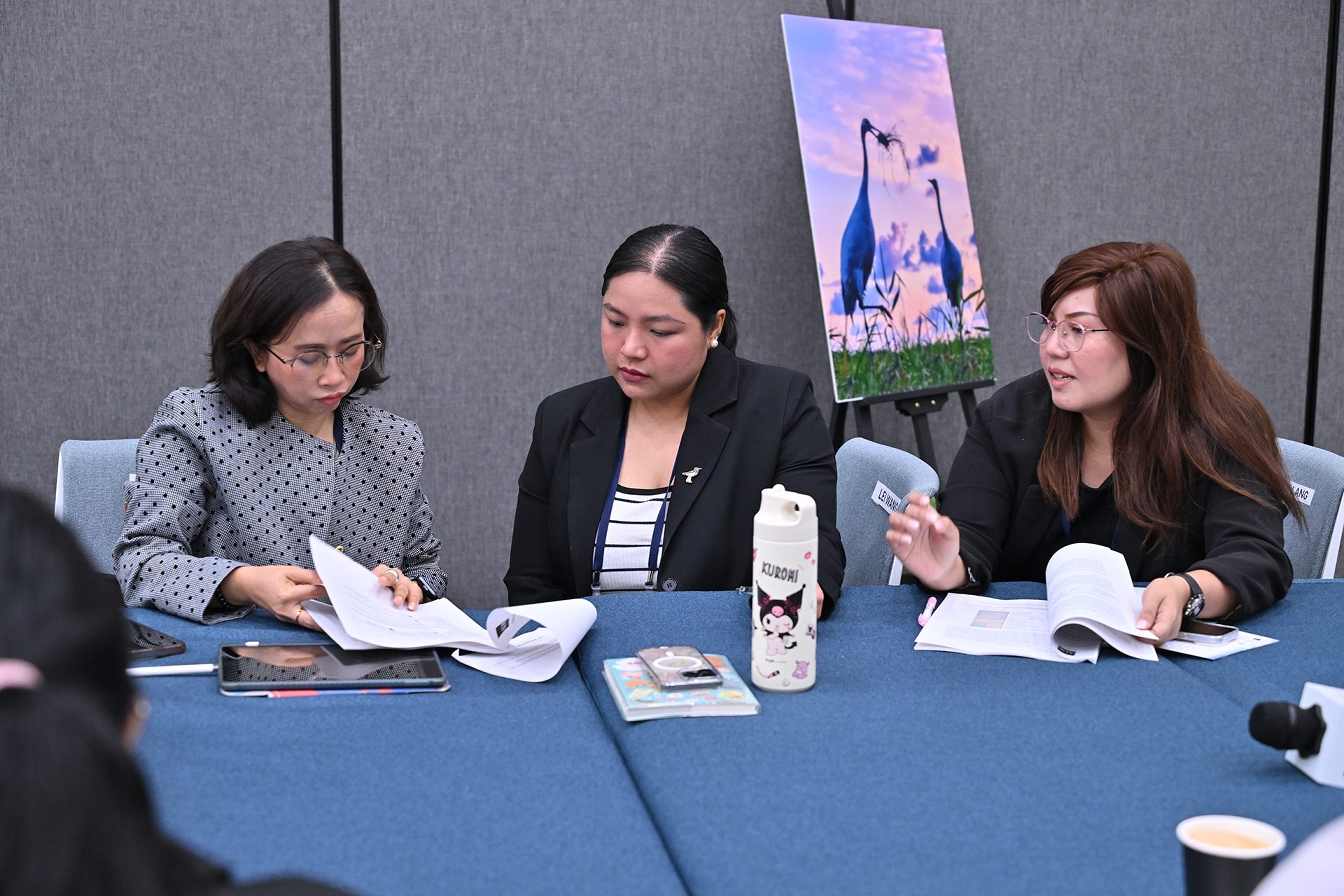
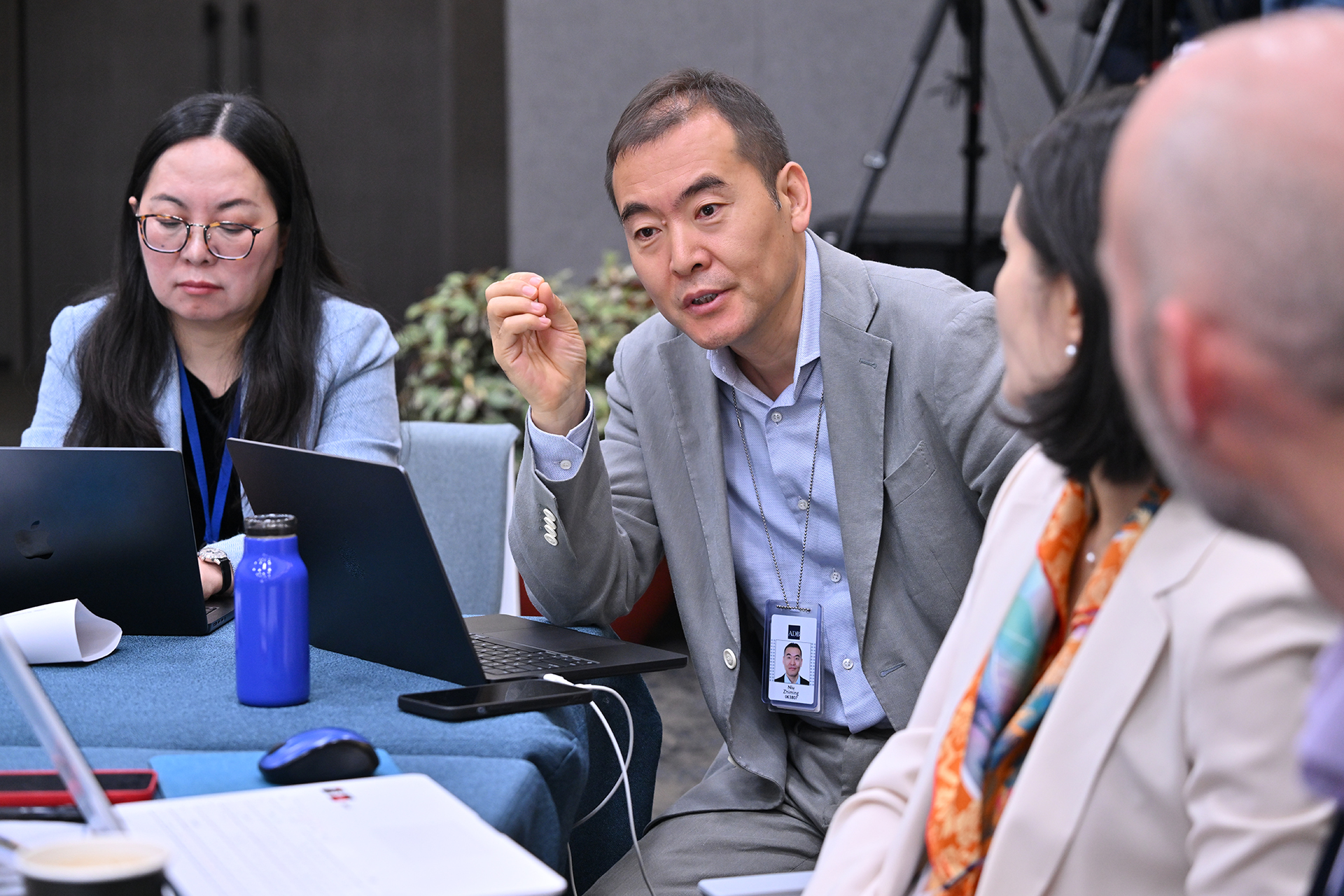
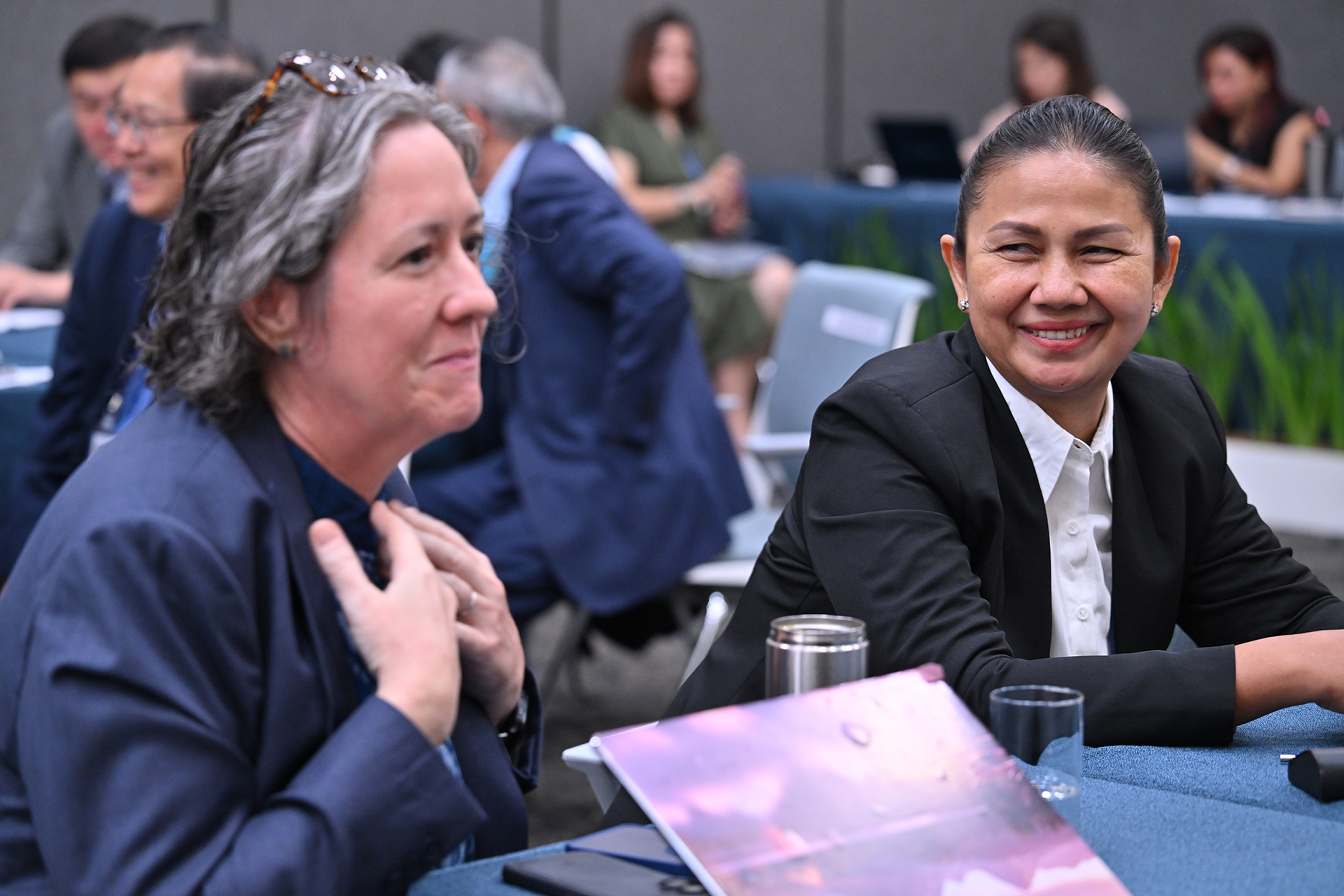
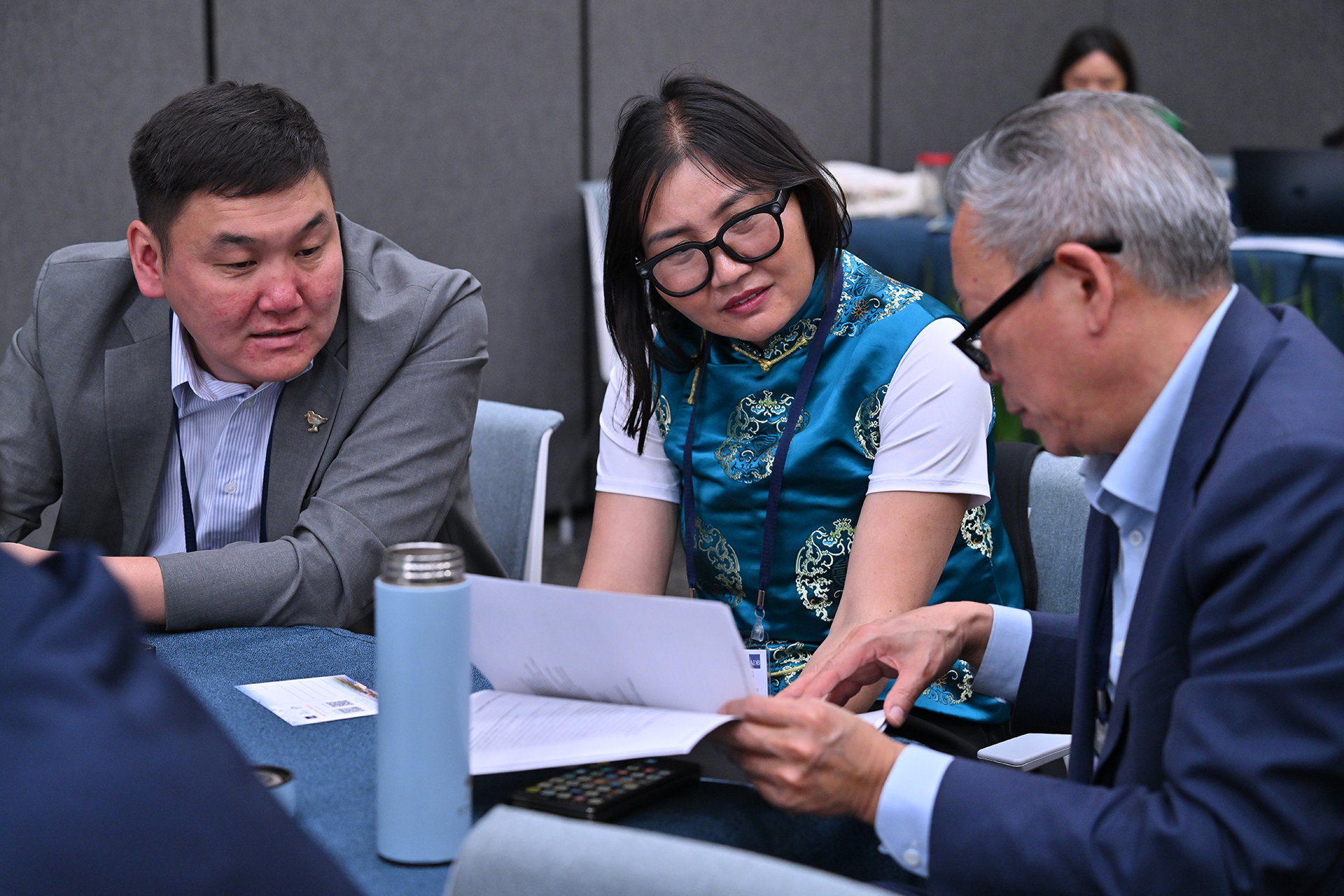
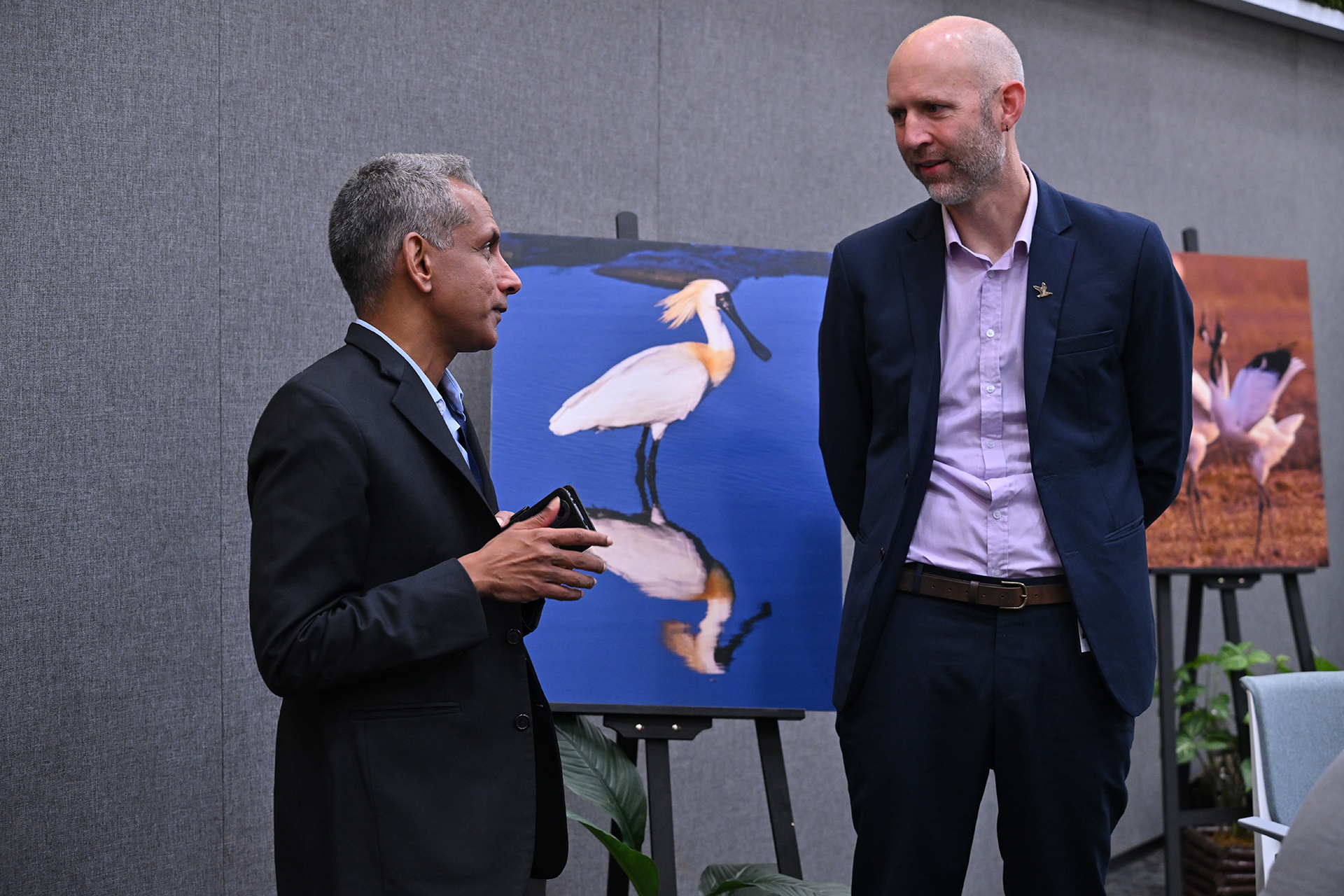
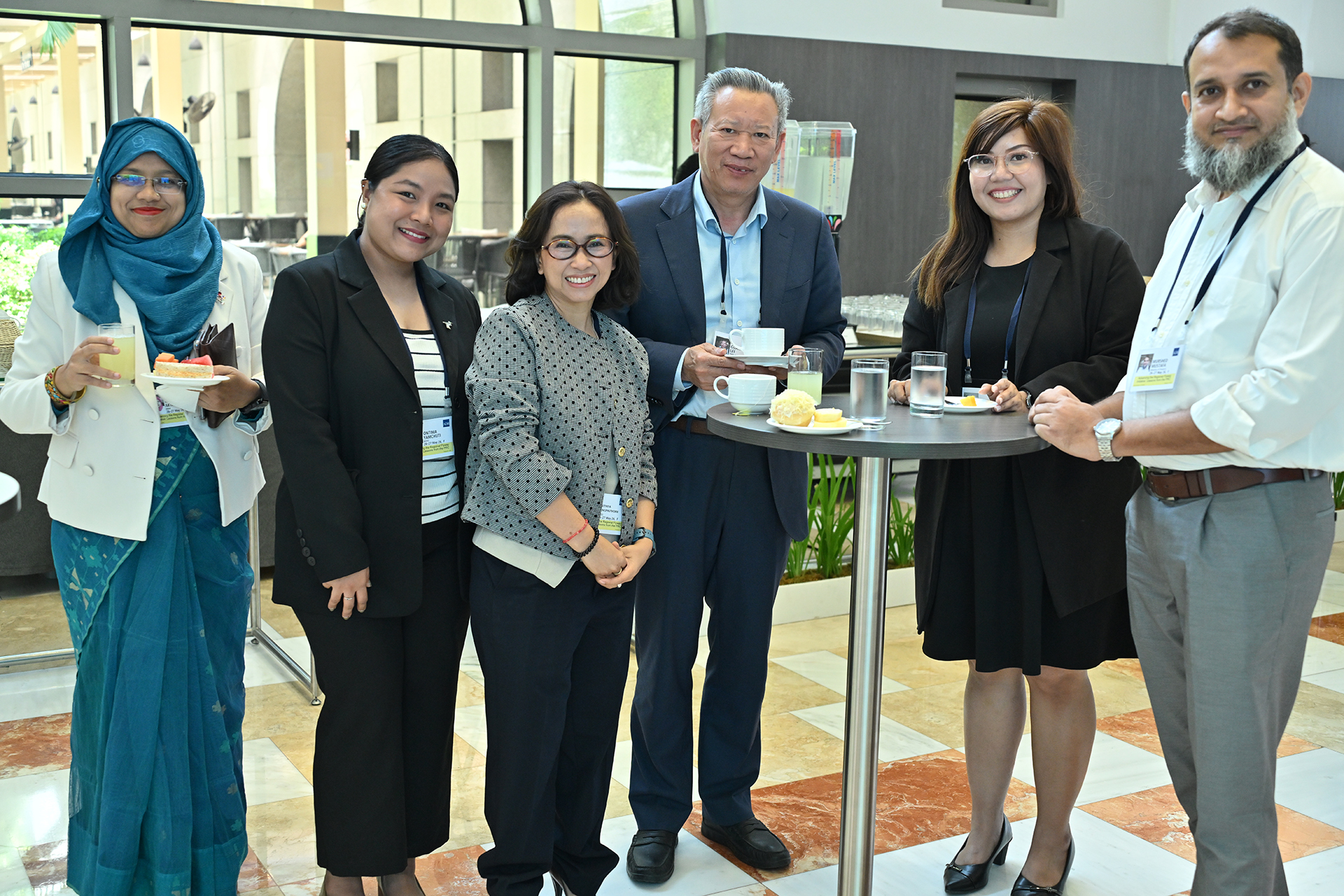
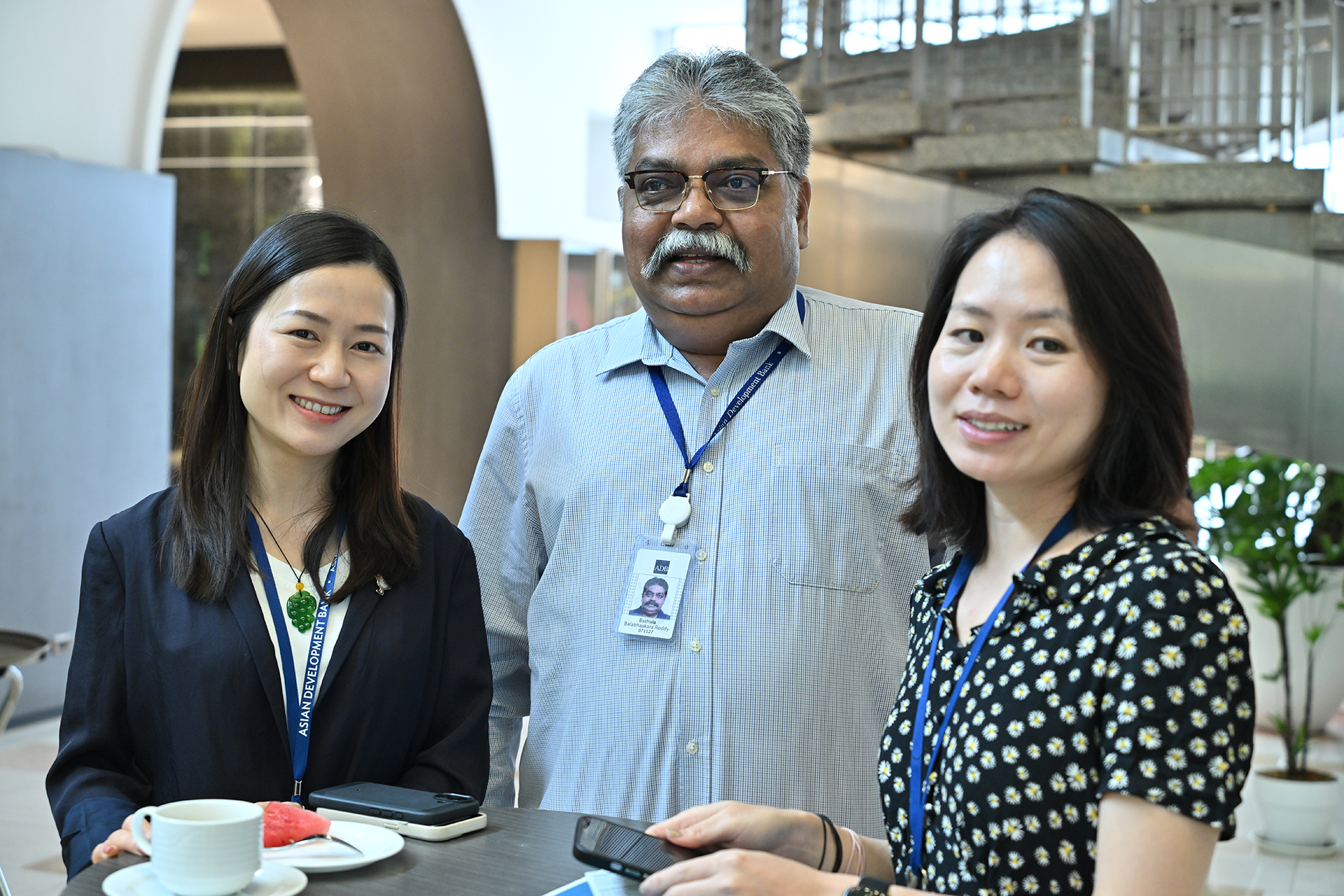
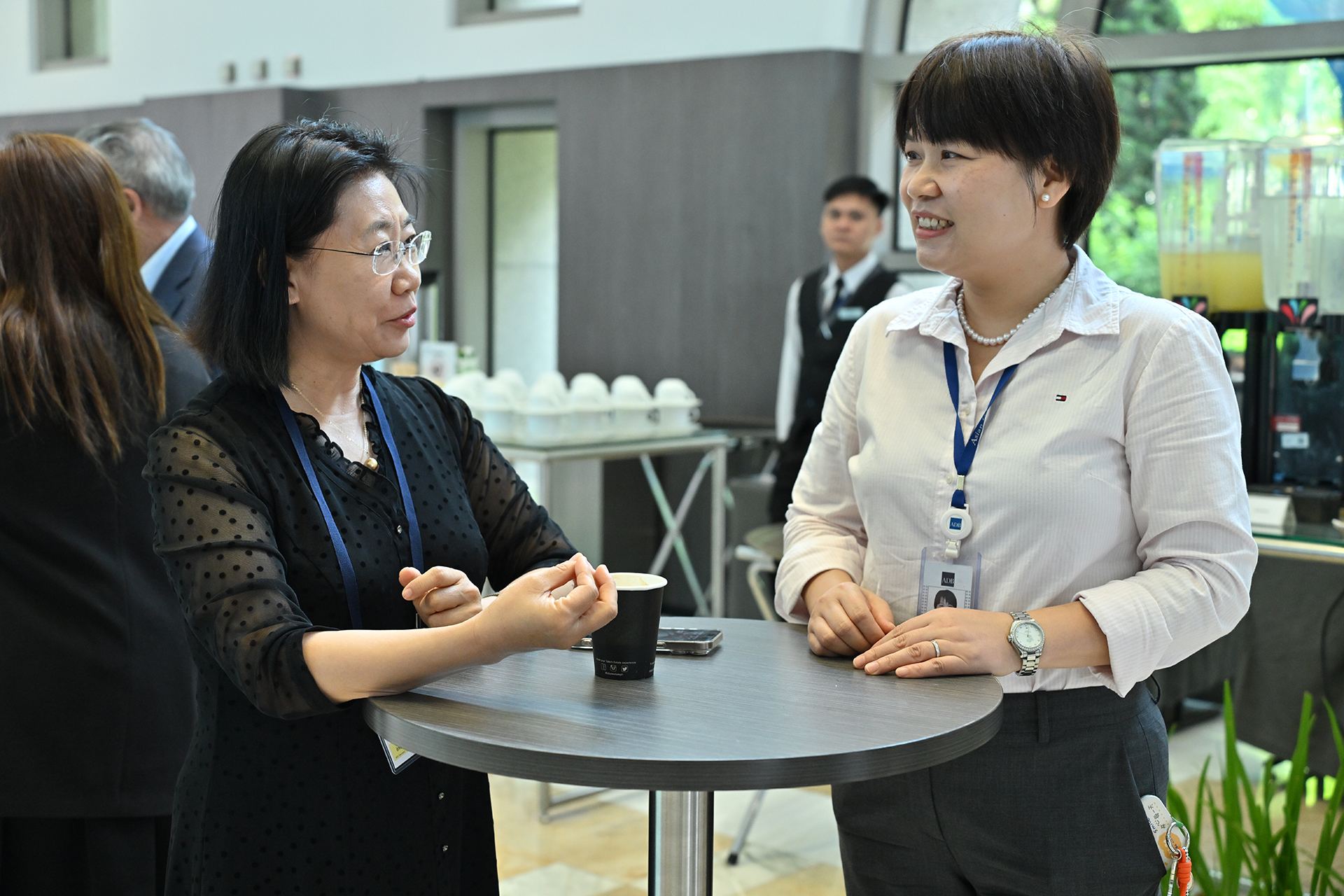
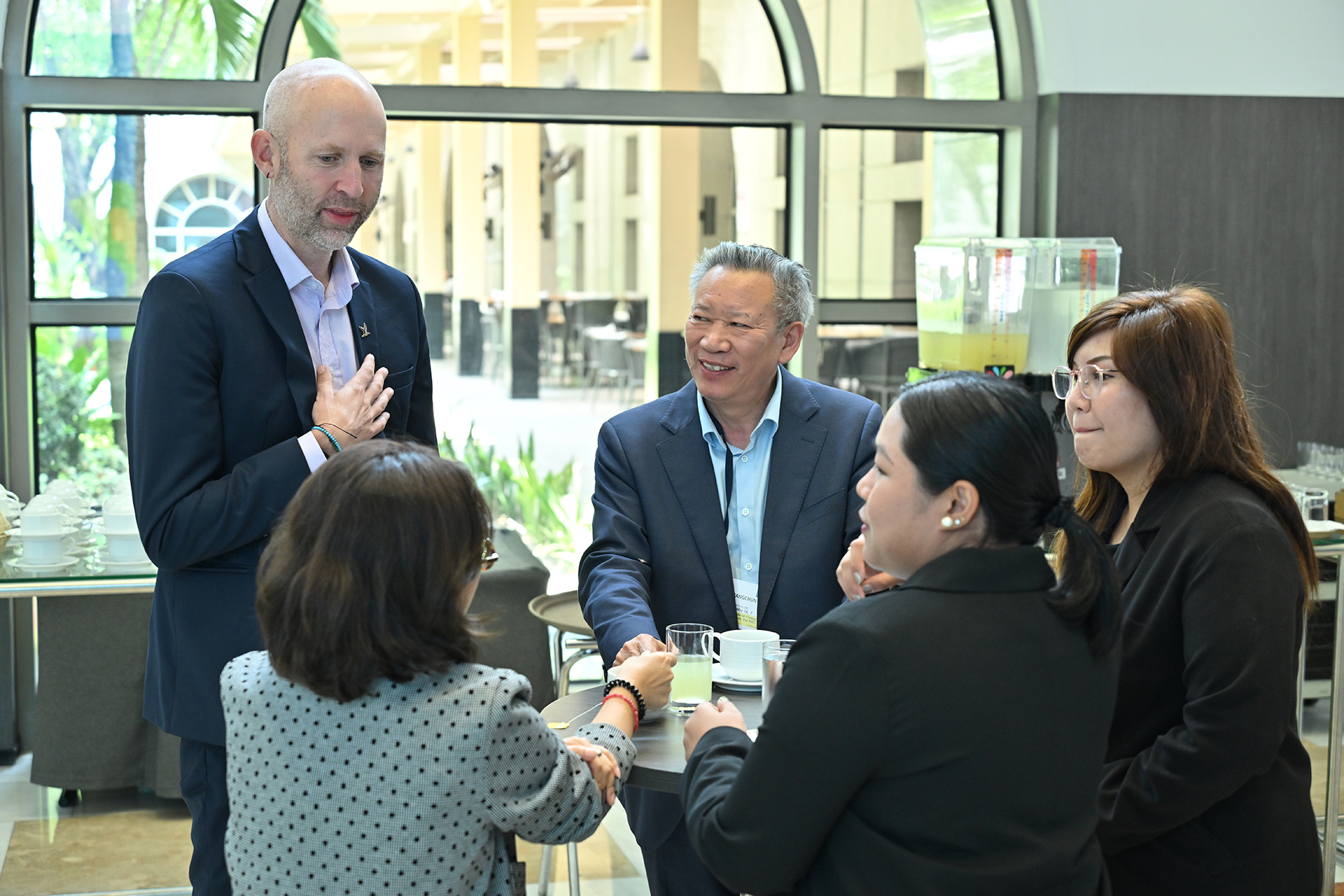
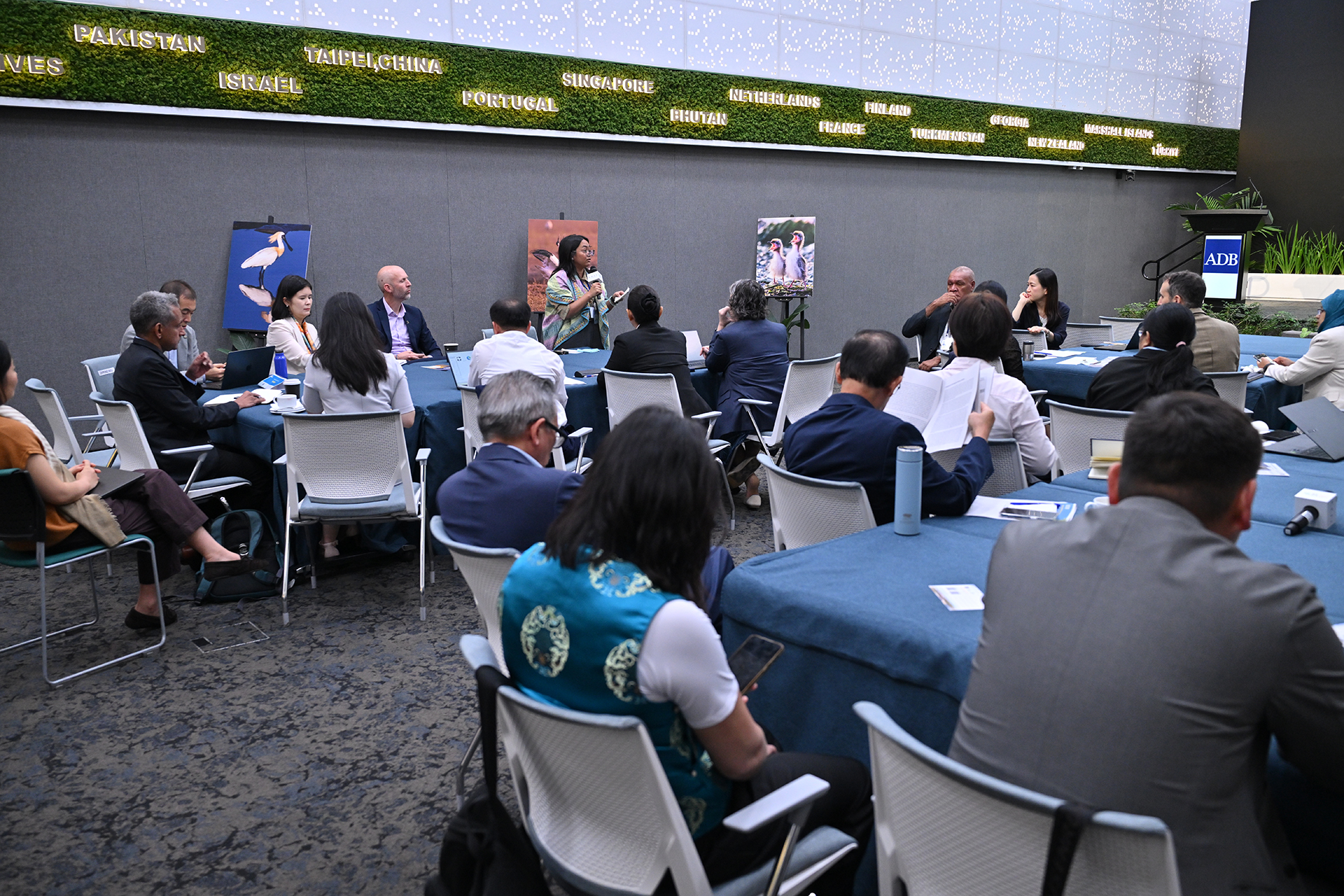
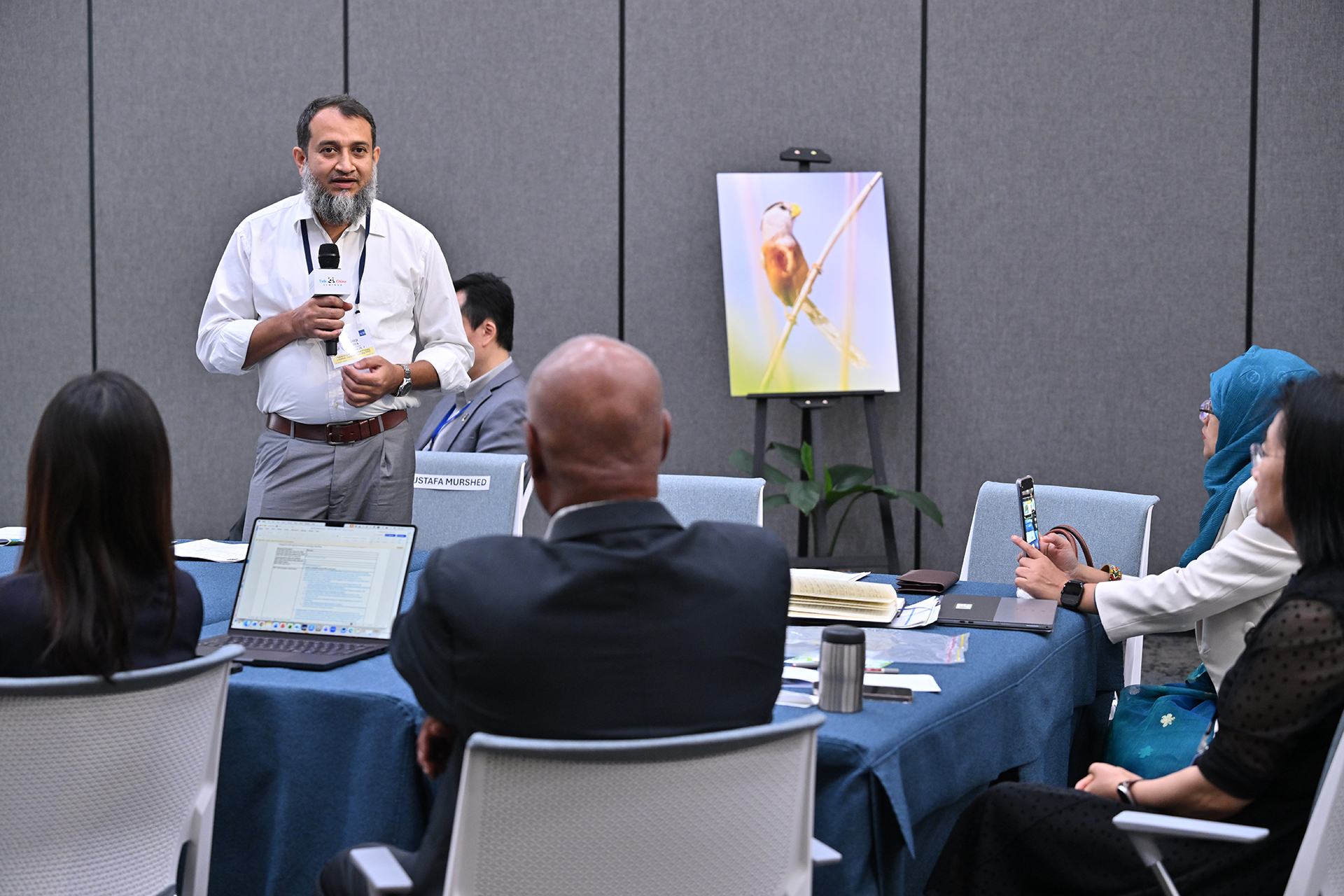
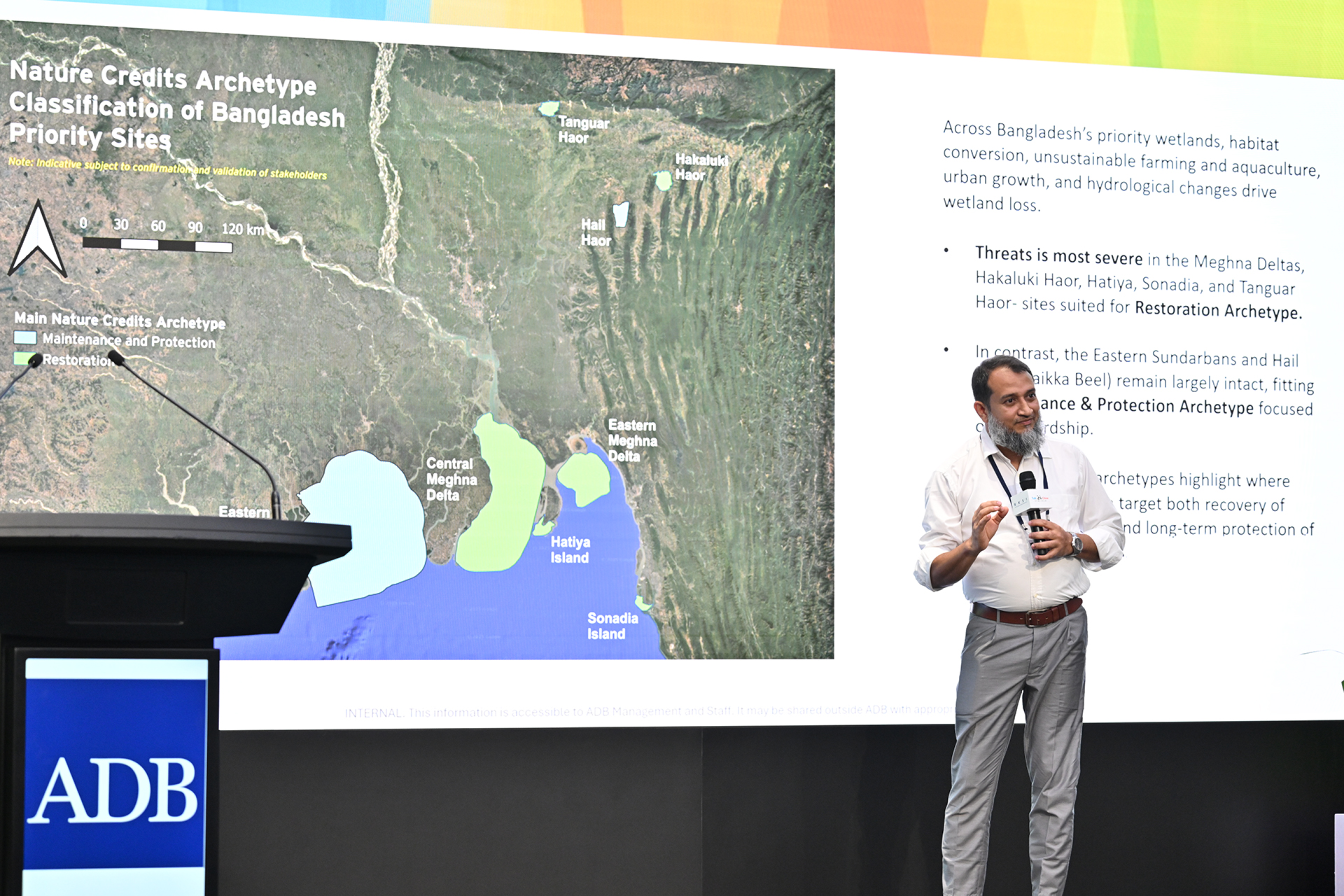
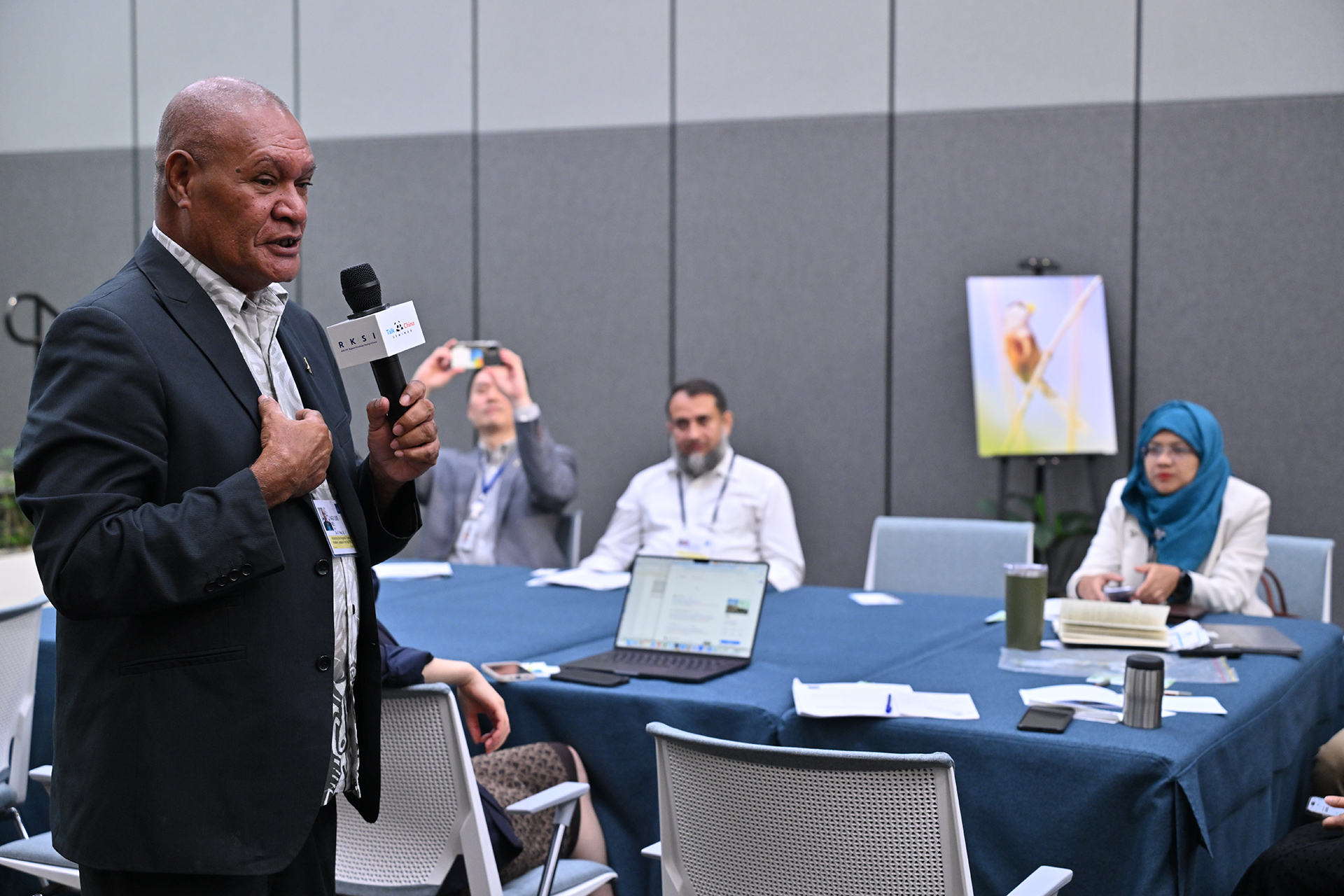
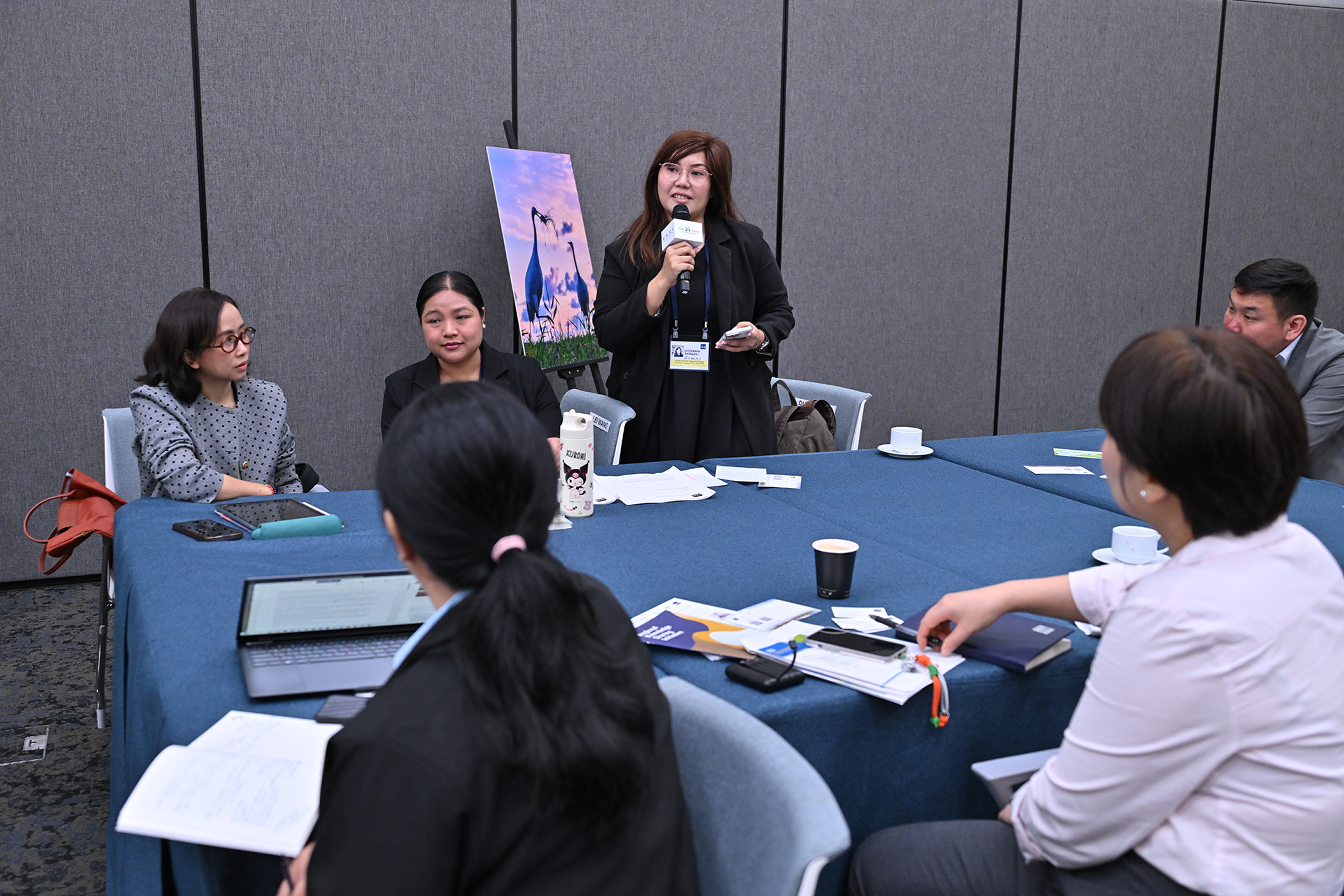
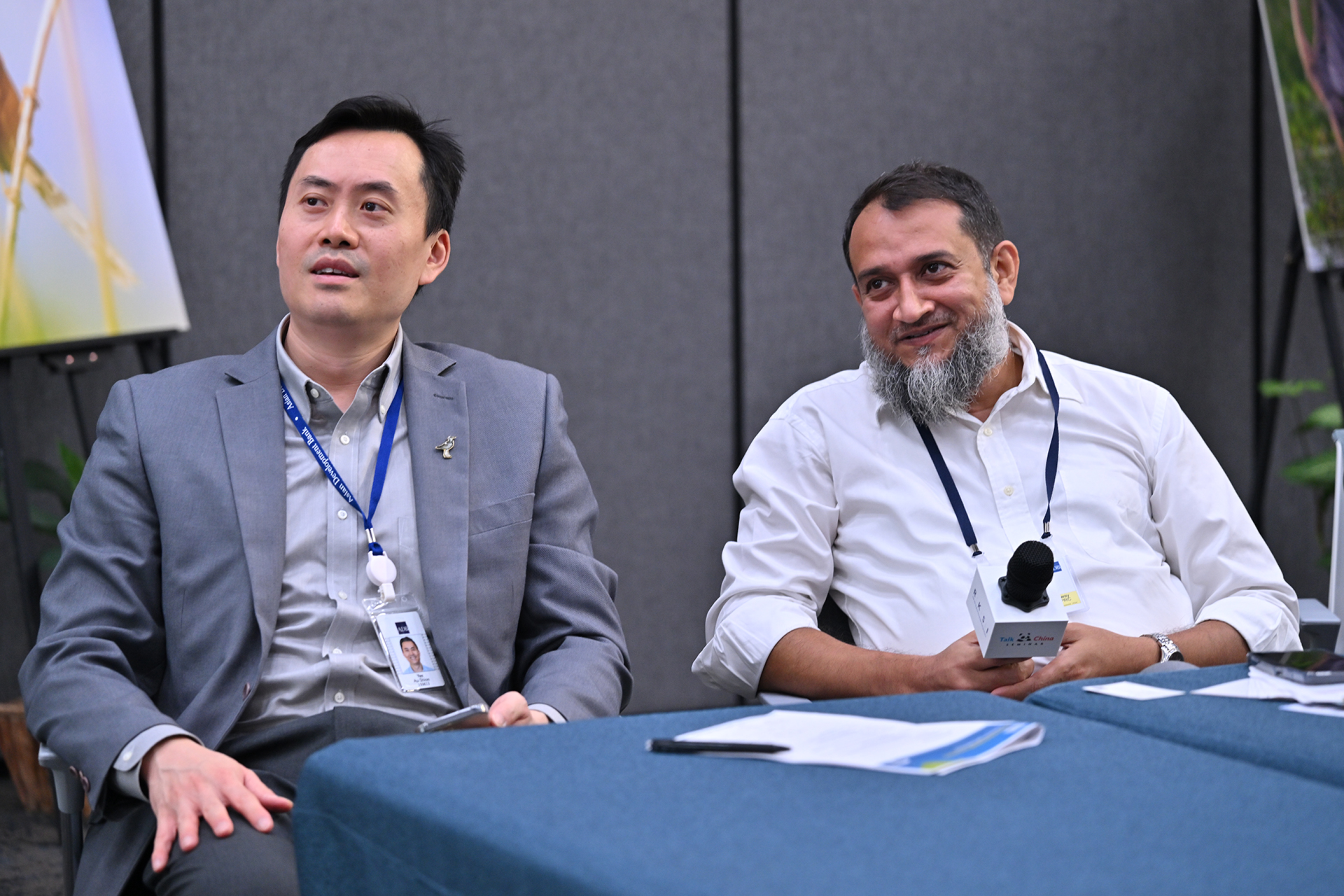
Senior officials from developing member countries, experts from the PRC, ADB Board members and specialists, and representatives from international organizations participated in the seminar Advancing the Regional Flyway Initiative: Lessons from the People’s Republic of China on 26-27 May in HQ. Participants examined the PRC’s experience in wetland conservation and explored how successful approaches can be scaled across the Asia and the Pacific region. The seminar marked the fifth session of the East Asia Department-led Talk China series under the ADB-PRC Regional Knowledge Sharing Initiative.
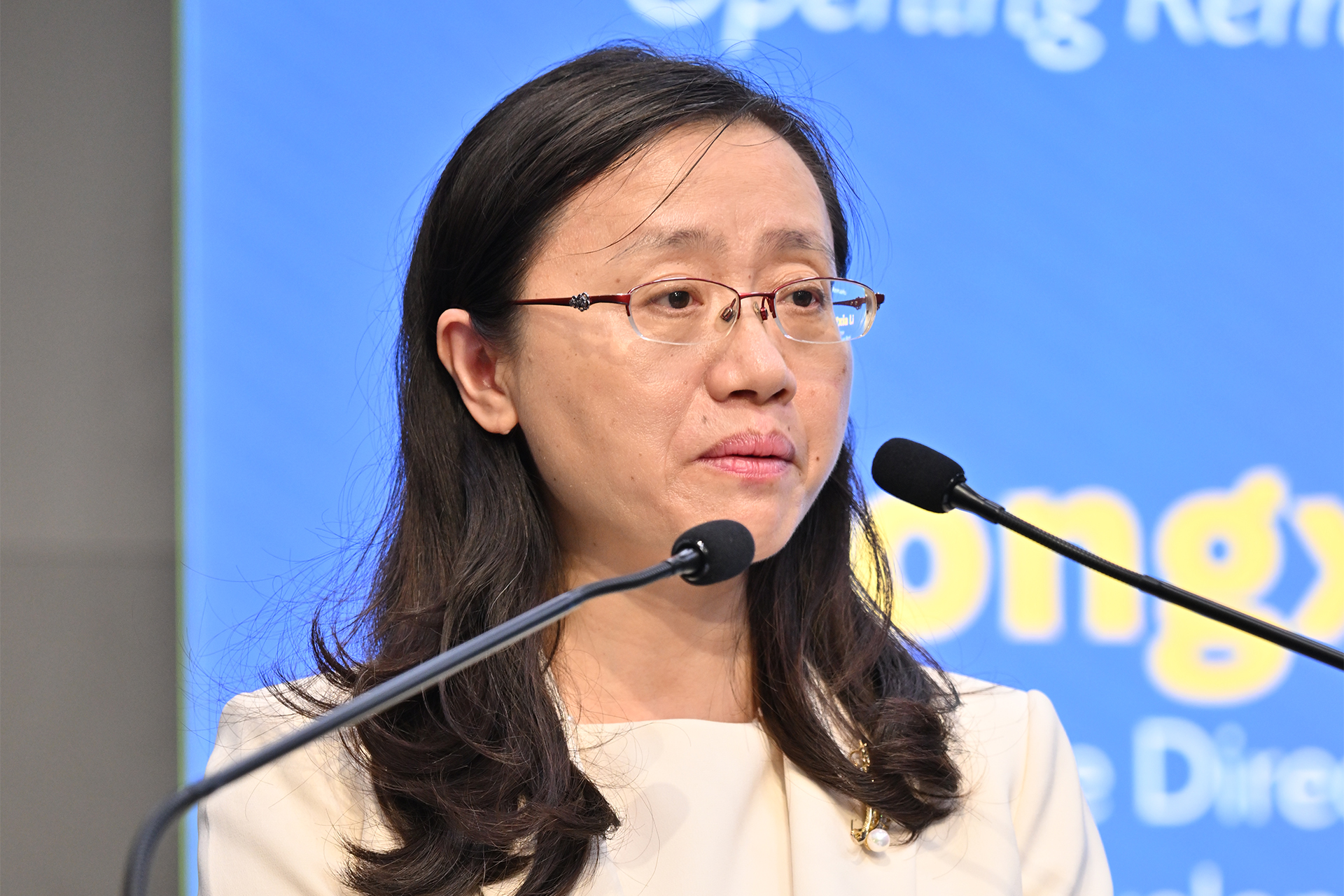
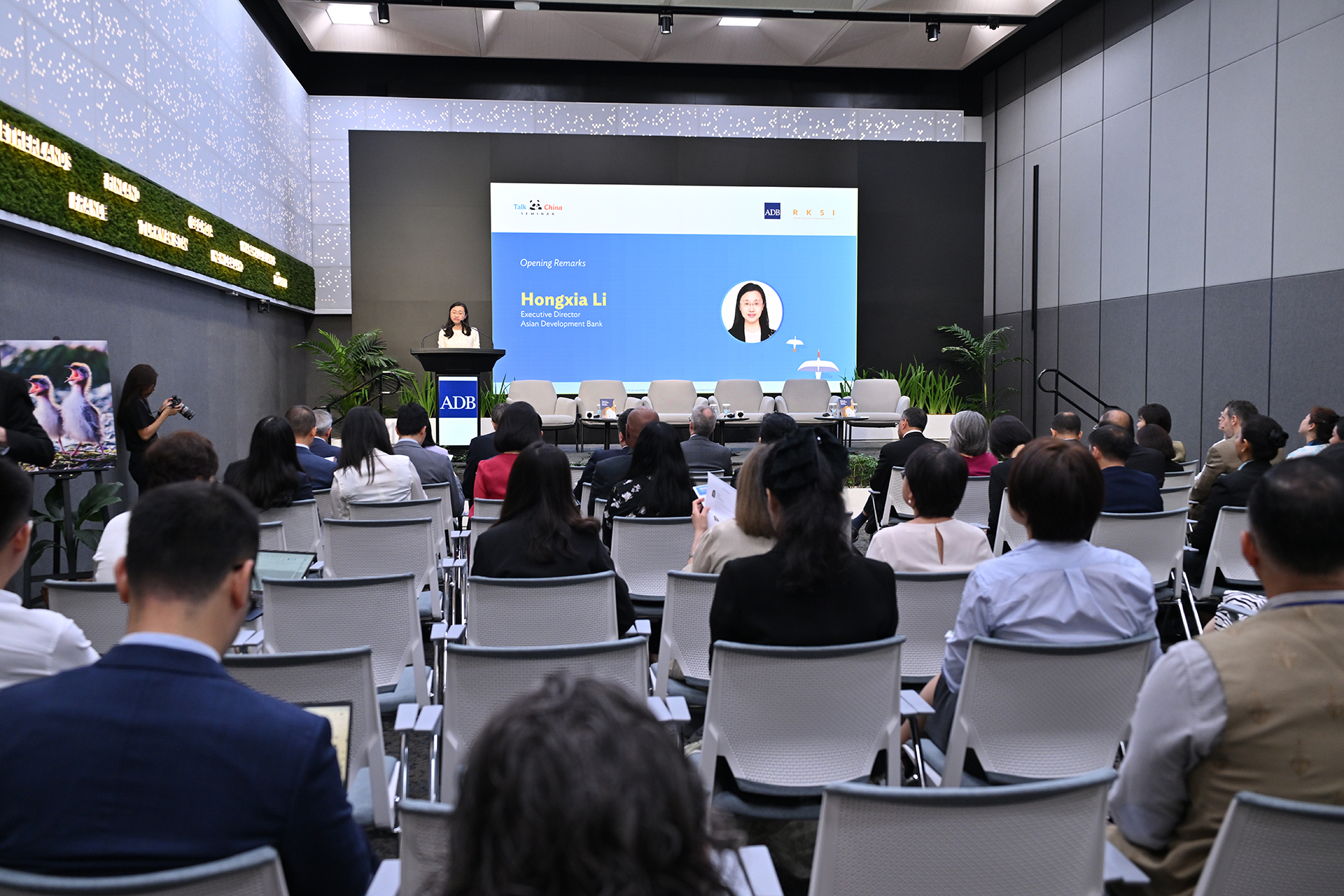
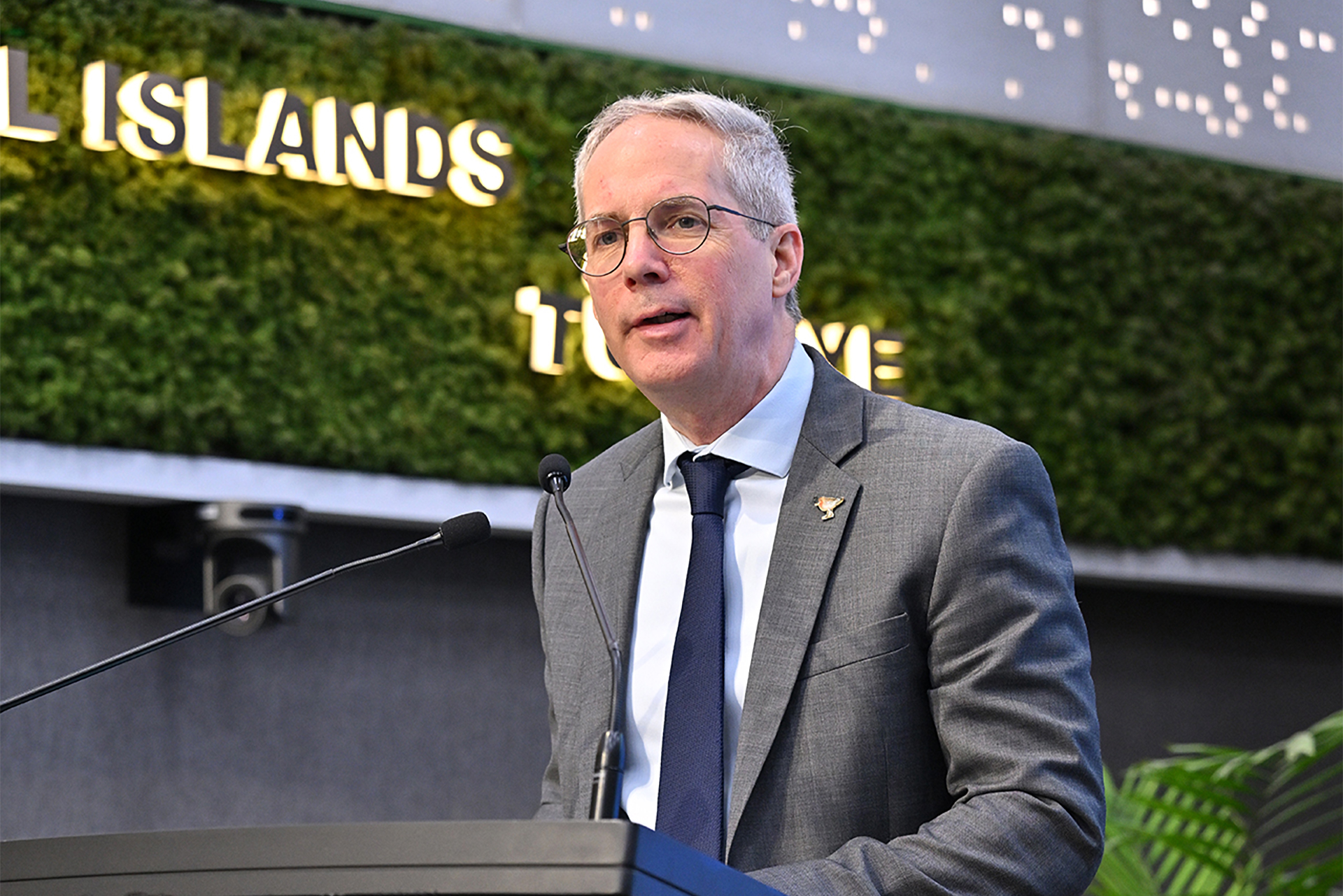
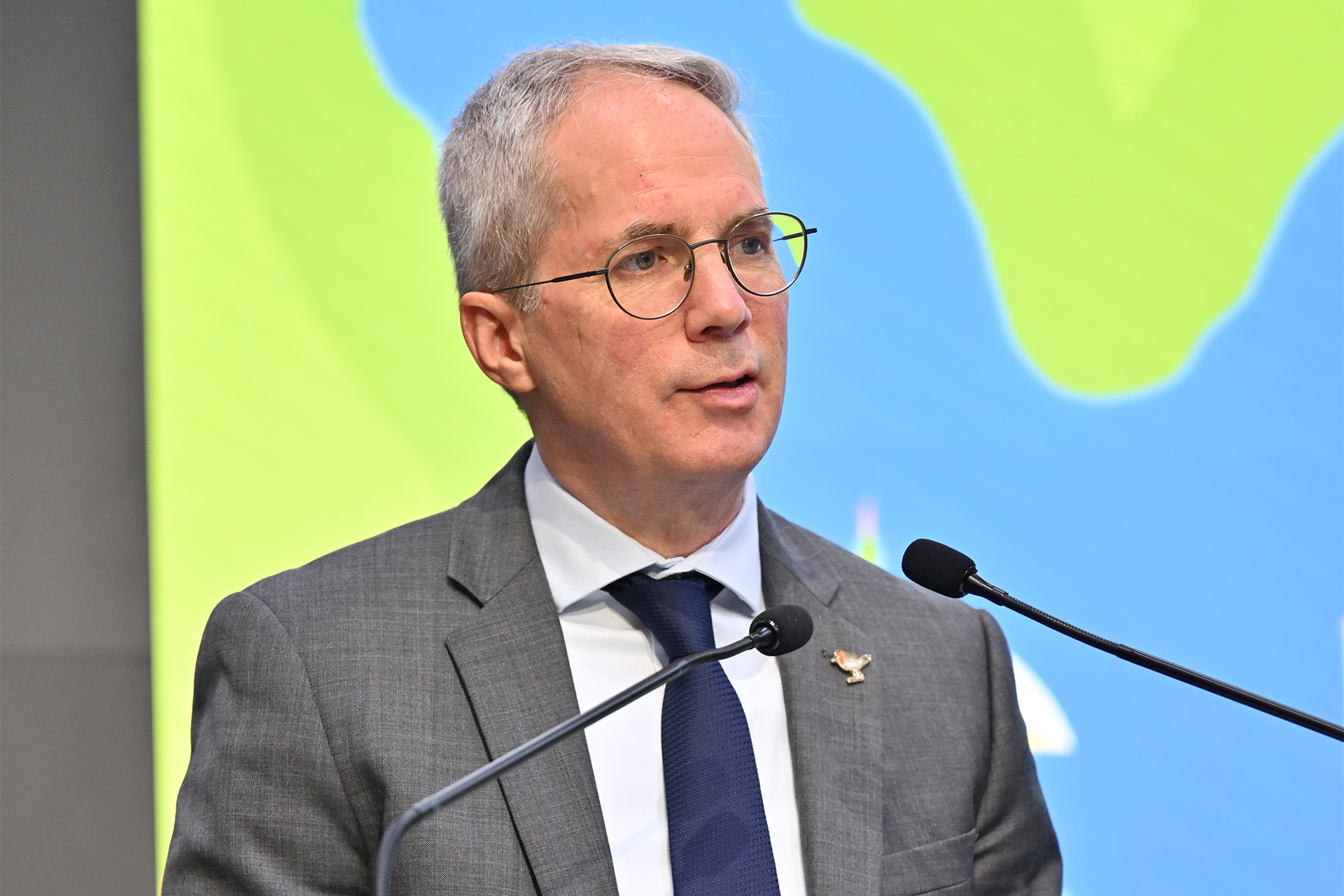
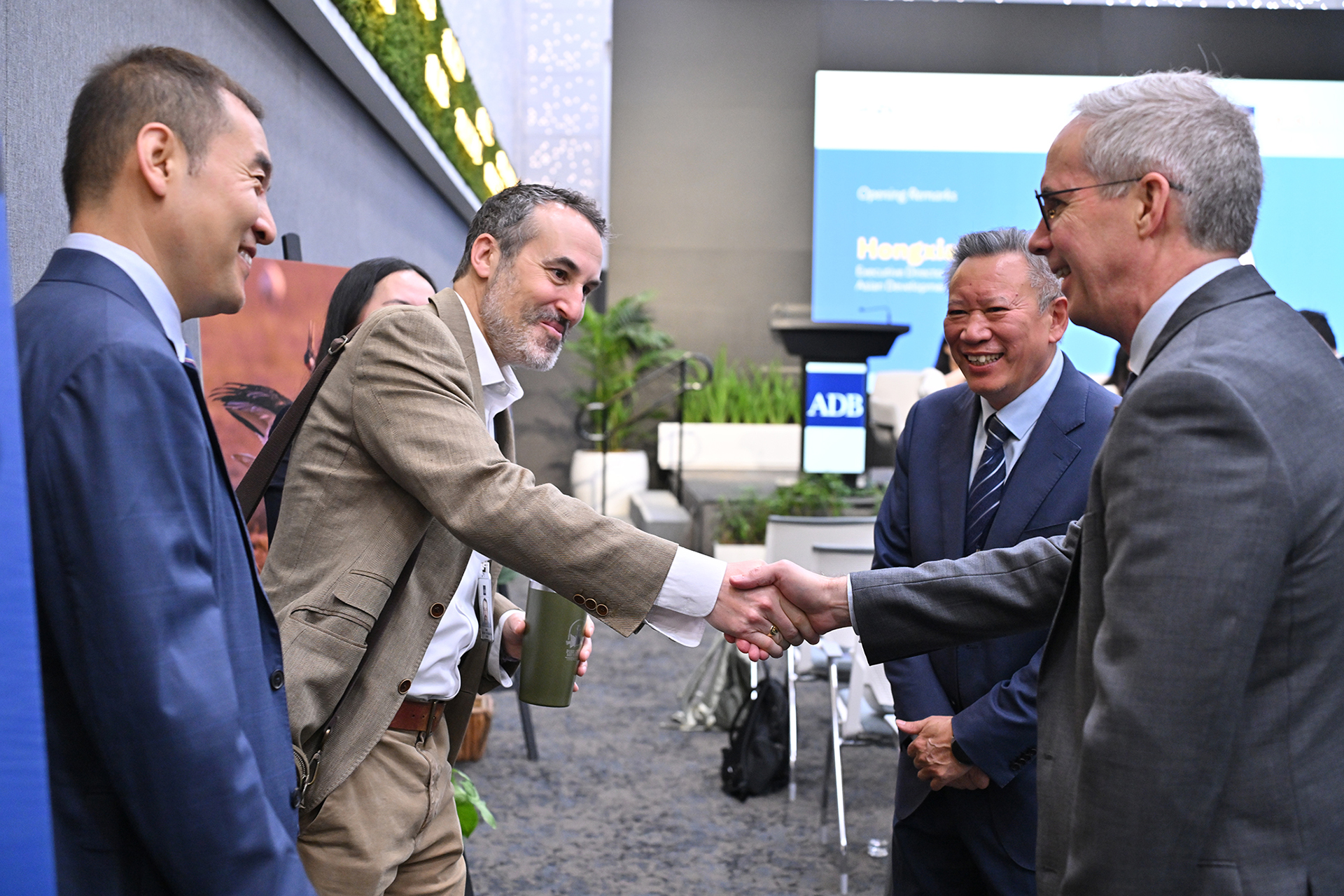
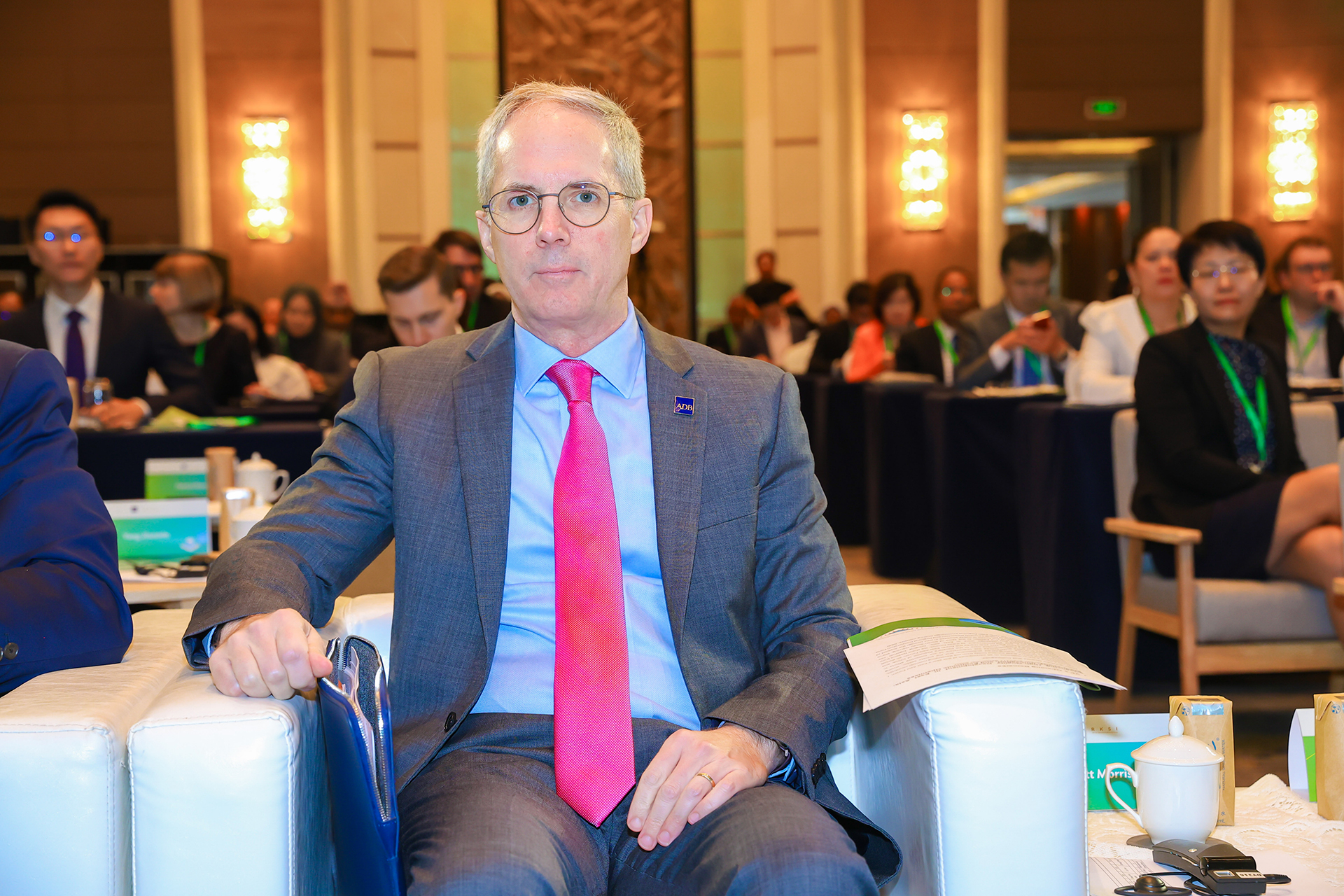
In opening remarks, Executive Director Hongxia Li highlighted the PRC’s guiding philosophy and experiences in integrating ecological protection with high-quality development, advancing innovation, and strengthening partnerships—including collaboration with ADB. Vice-President for East and Southeast Asia, and the Pacific, Scott Morris spoke about ADB’s work on the Regional Flyway Initiative, which addresses multiple dimensions of development, such as environment, biodiversity, climate, pollution, sustainable livelihoods, poverty reduction, and social development.
Agenda
| Date/Time | Session |
|---|---|
| 09:00–09:20 | Opening Session Moderator: Lin Lu, Advisor, East Asia Department, ADB Opening remarks
|
| 09:20–09:50 | Keynote Speech
|
| 09:50–10:10 | Group Photo Tea Break |
| 10:10–11:30 | Panel Discussion 1: Insights from the PRC’s Regional Flyway Initiative Journey Moderator and Presenter: Zhiming Niu, Lead Project Officer, Agriculture, Food, Nature, and Rural Development Sector Office, ADB Panelists:
Q & A |
| 11:30–13:30 | Lunch |
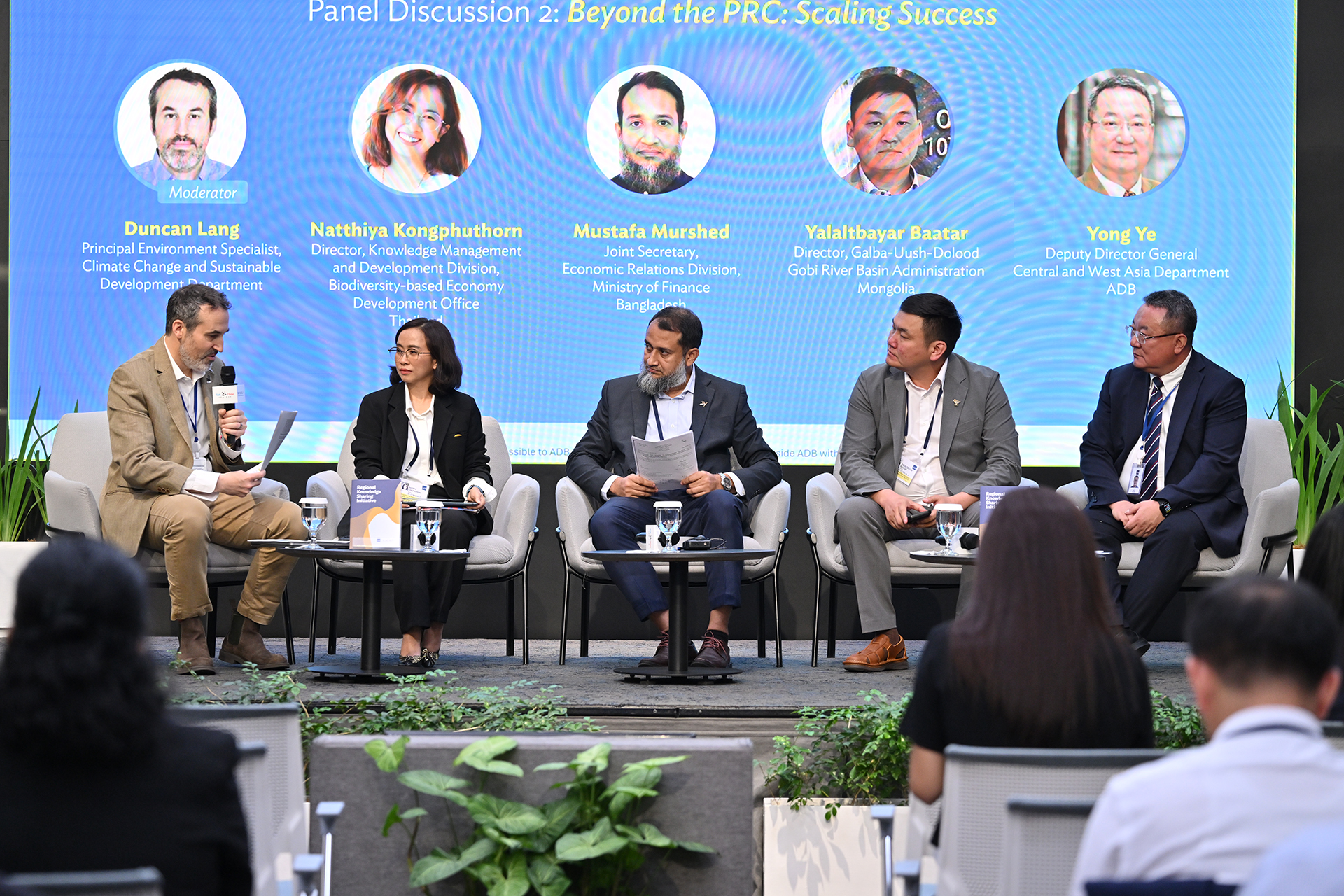
| 13:30–14:45 | Panel Discussion 2: Beyond the PRC: Scaling Success Moderator and Presenter: Duncan Lang, Principal Environment Specialist, Climate Change and Sustainable Development Department, ADB Panelists:
|
| 14:45–15:00 | Tea Break |
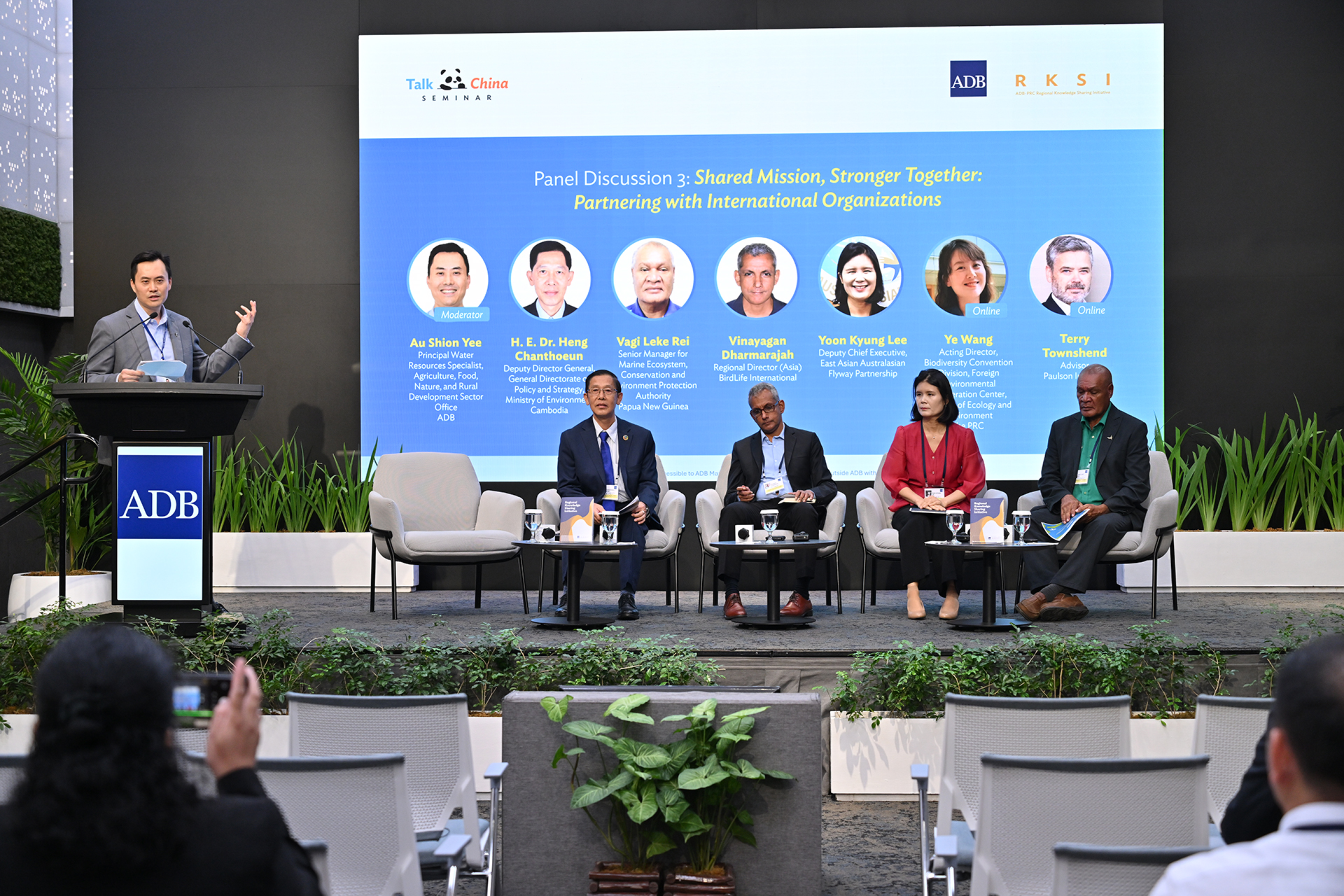
| 15:00–16:15 | Panel Discussion 3: Shared Mission, Stronger Together: Partnering with International Organizations Moderator: Au Shion Yee, Principal Water Resources Specialist, Agriculture, Food, Nature, and Rural Development Sector Office, ADB Presenters:
Q & A |
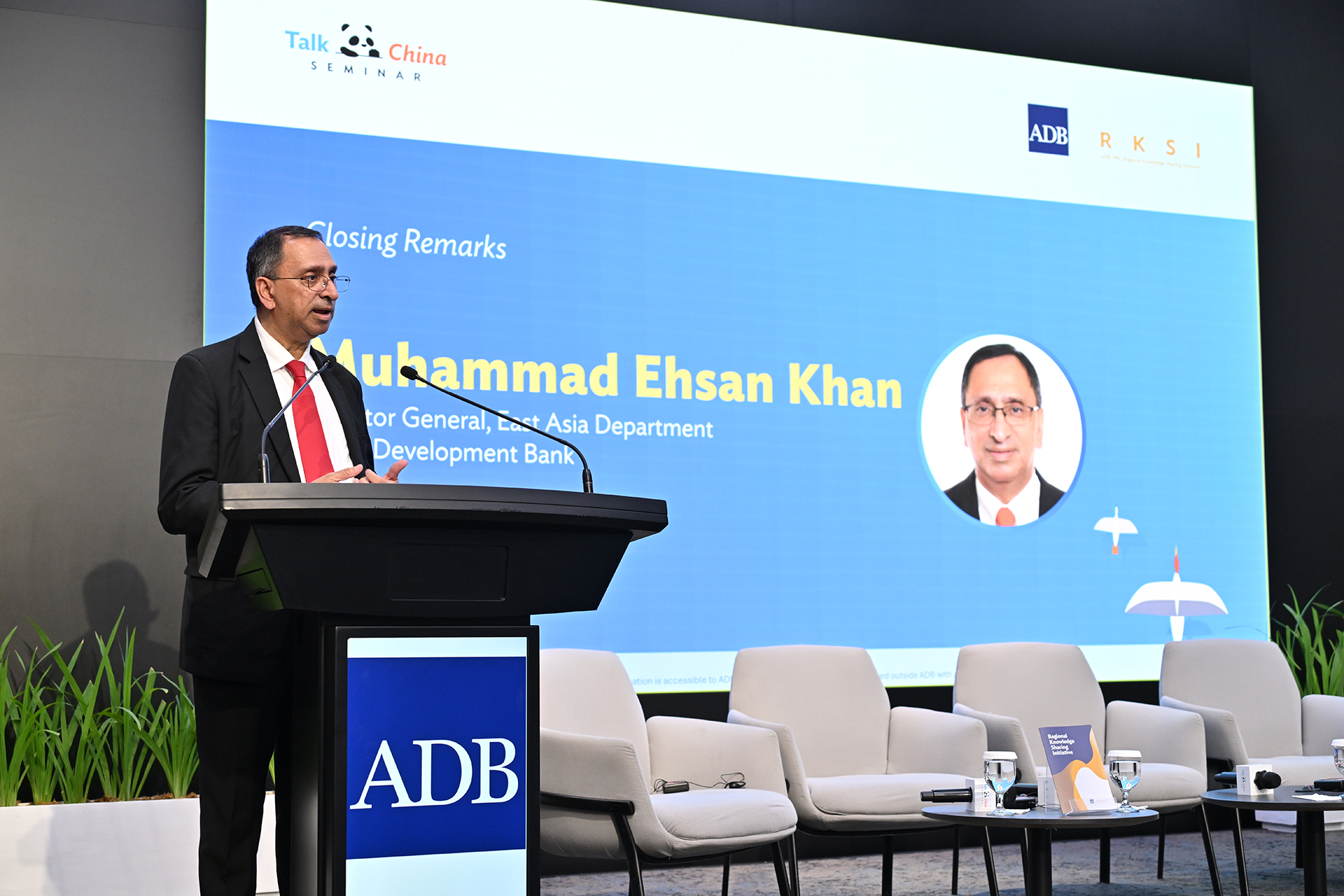
| 16:15–16:20 | Closing Remarks Muhammad Ehsan Khan, Director General, East Asia Department, ADB |
| Date/Time | Session |
|---|---|
| The Ideas Lab: A Brainstorm with ADB Sector Groups, Regional Departments and International Partners | |
| 09:00–09:20 | Scene Setting Opportunities Presentations—RFI Site Studies Duncan Lang, Principal Environment Specialist, Climate Change and Sustainable Development Department, ADB |
| 09:20-09:30 | ADB Existing RFI Project Pipeline Au Shion Yee, Principal Water Resources Specialist, Agriculture, Food, Nature, and Rural Development Sector Office, ADB |
| 09:30-10:00 | Facilitated Break-out Session—Discussions on Opportunities |
| 10:00–10:15 | Tea Break |
| 10:15–10:30 | Facilitated Break-out Session—Conclusions |
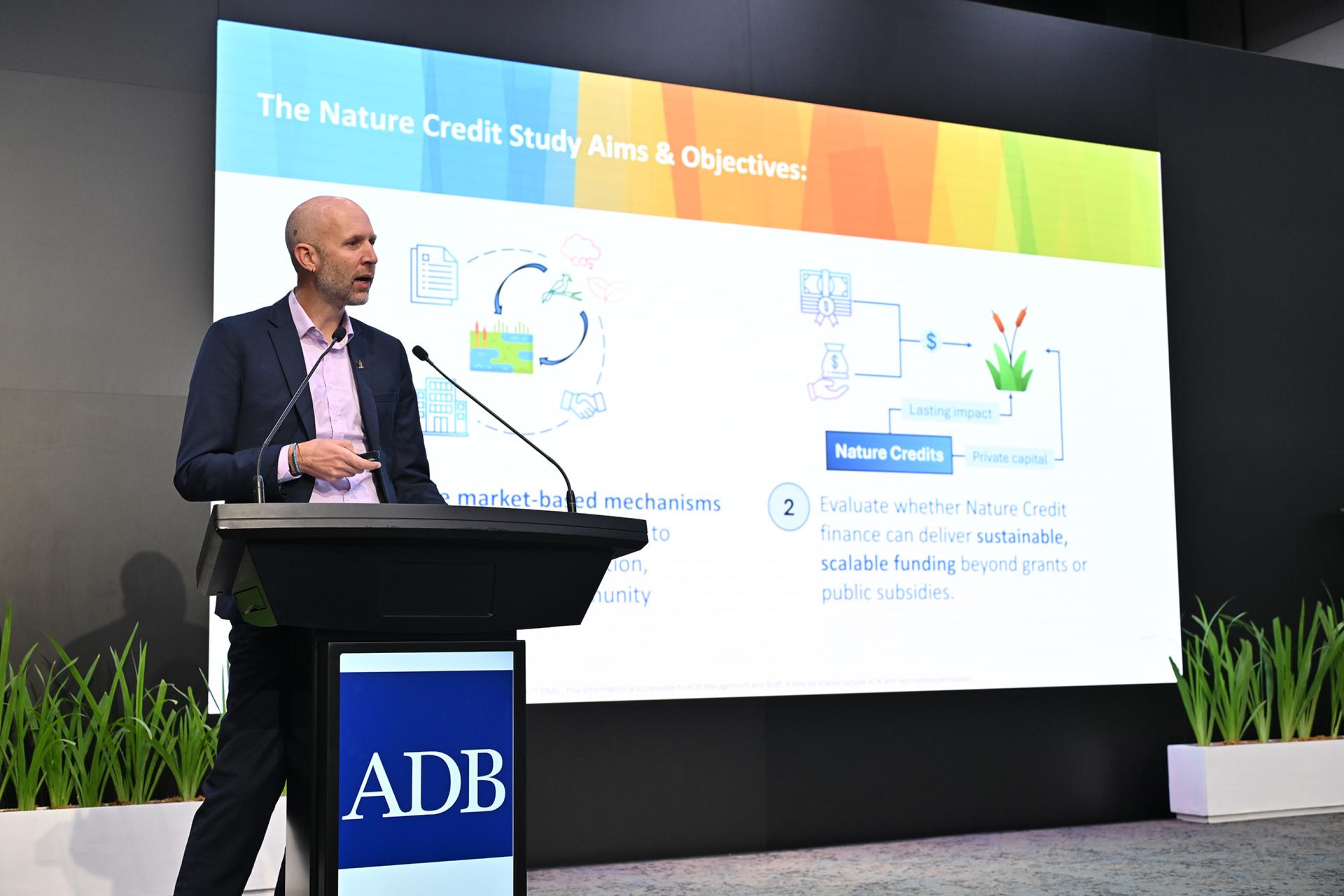
| 10:30-11:00 | RFI Opportunities—Nature Credits Guy Williams, International Advisory Panel on Biodiversity Advisor, ADB External Expert |
| 11:00-11:20 | Nature Credits—Open Discussion |
| 11:20-11:30 | Closing Remarks |
Day 1
Day 2
Journey Towards Climate-Resilient Development
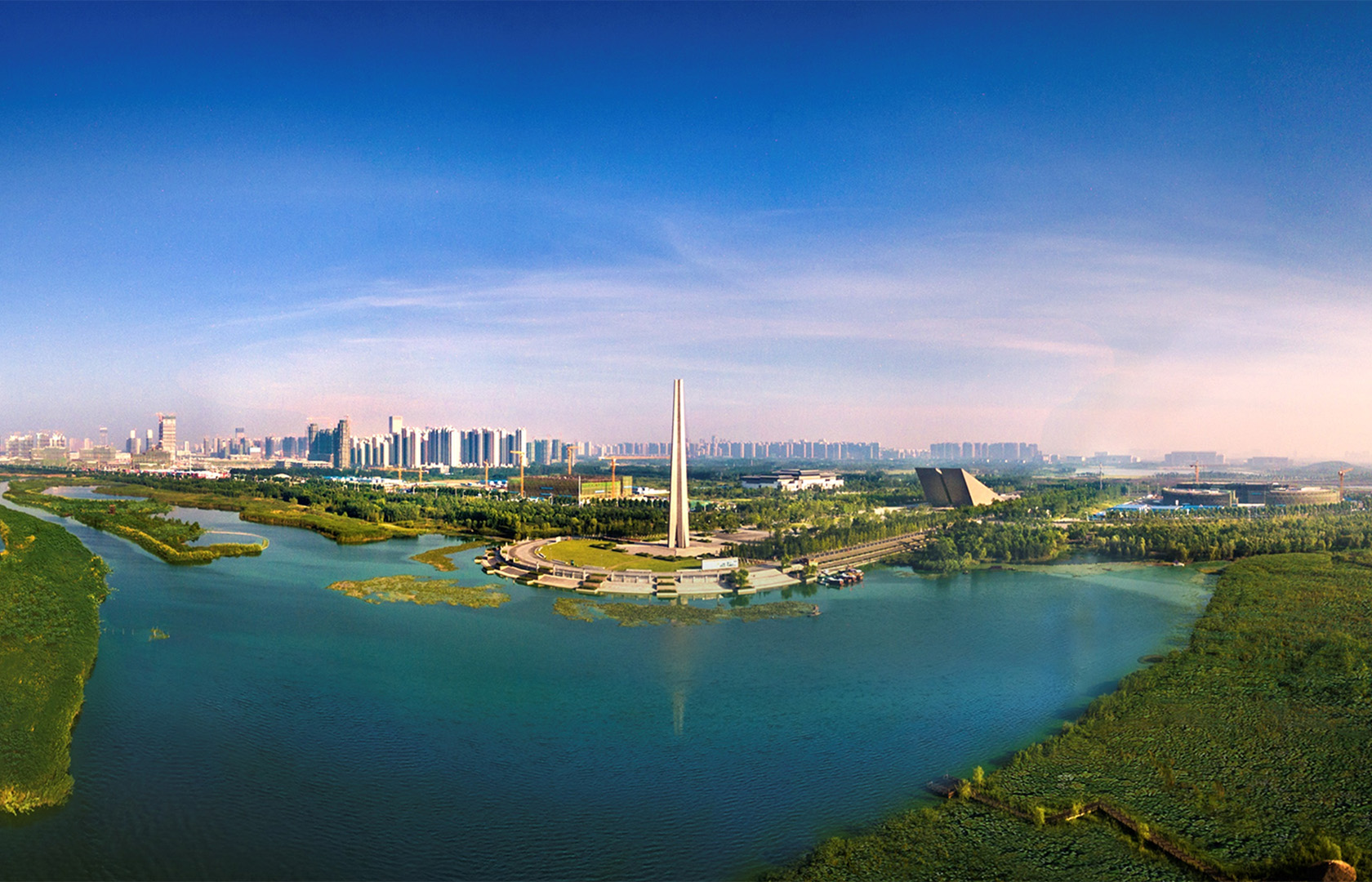
From November 3–8, 2025, a Mongolian delegation visited the PRC to exchange experiences on desertification control, grassland restoration, and water management. They learned about transforming the livestock sector into a sustainable value chain and visited ADB’s Chao Lake Rehabilitation Project, focusing on wetland restoration and eco-compensation practices.
Shaping the Future: Malaysia’s Strategic AI Roadmap
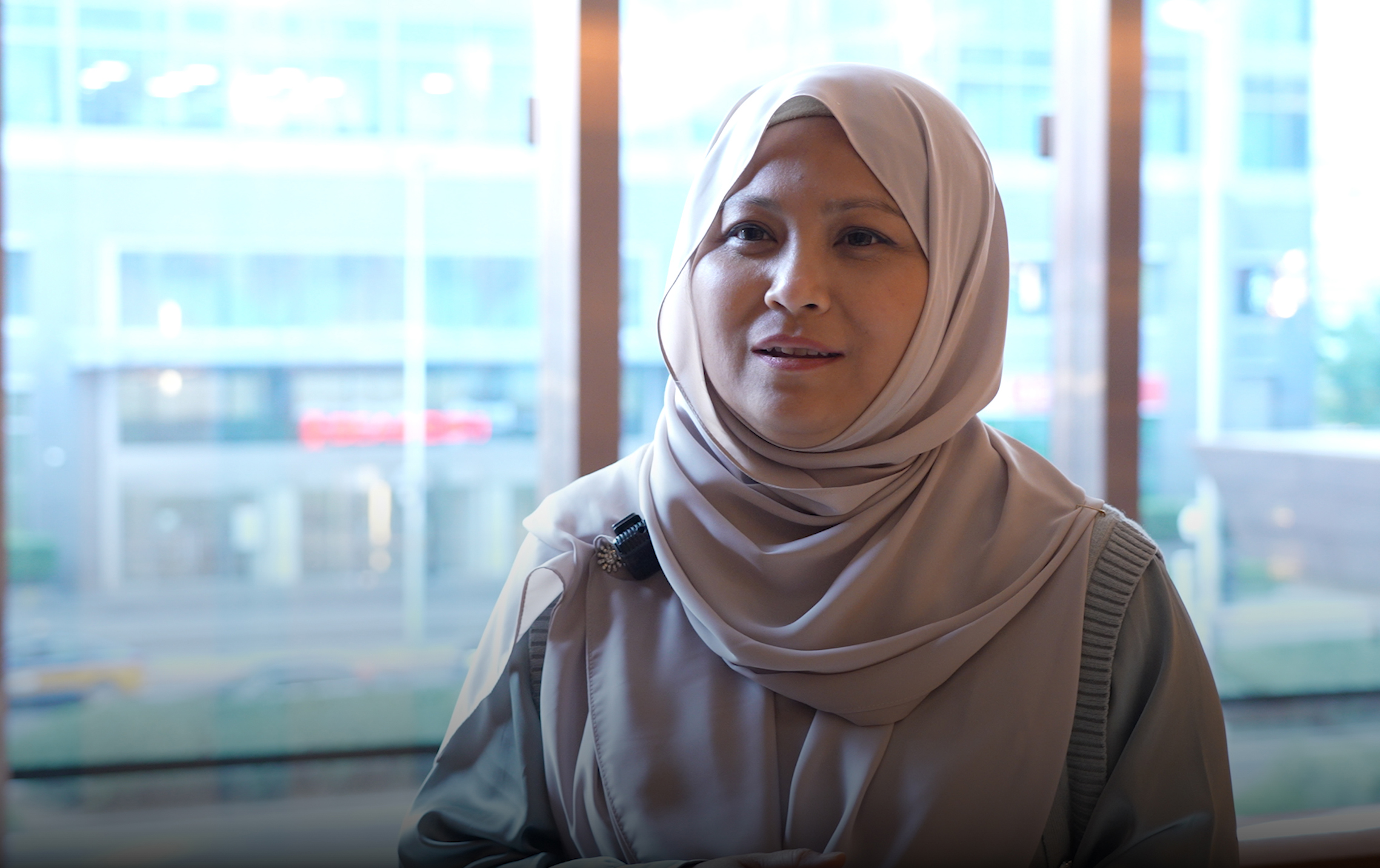
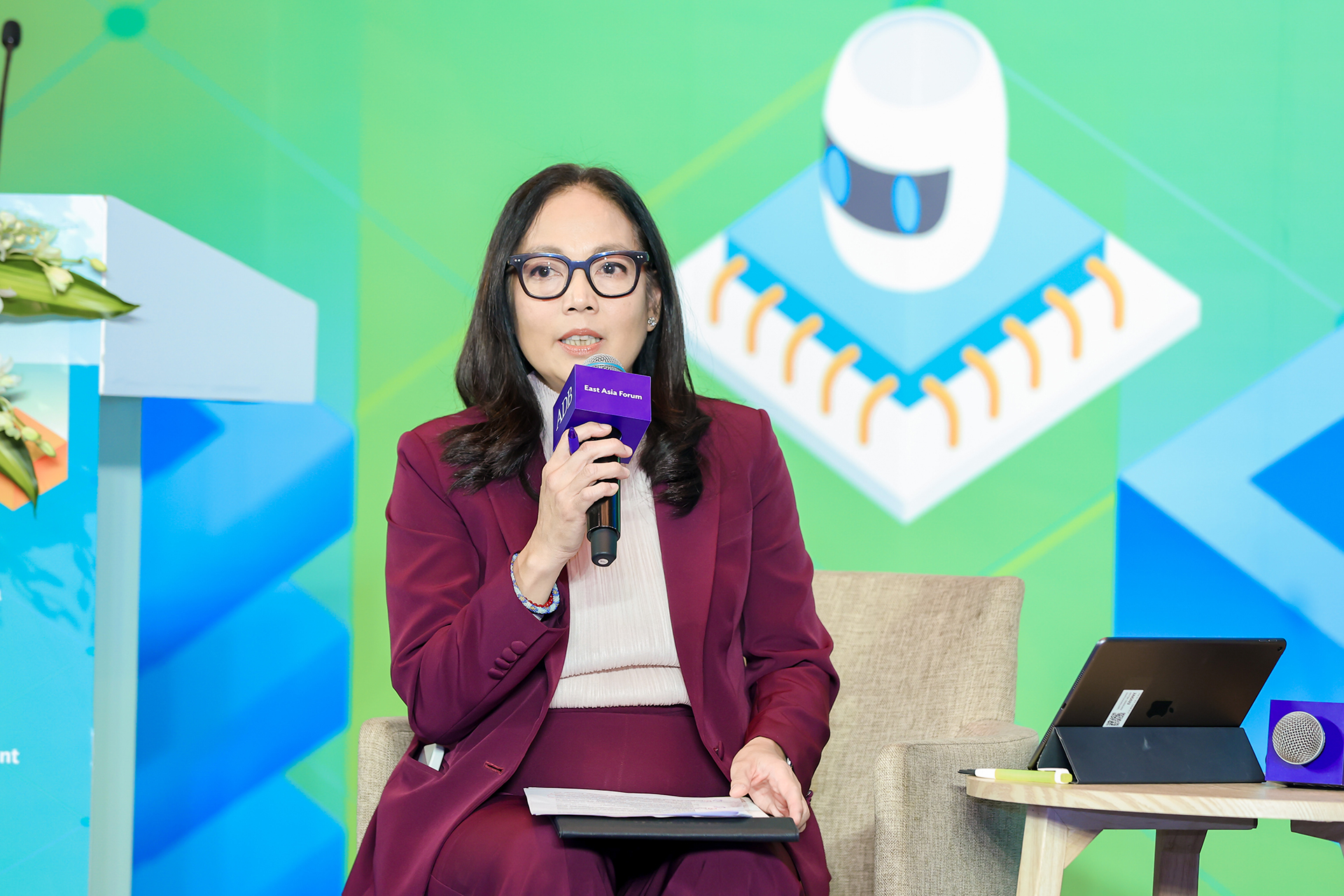
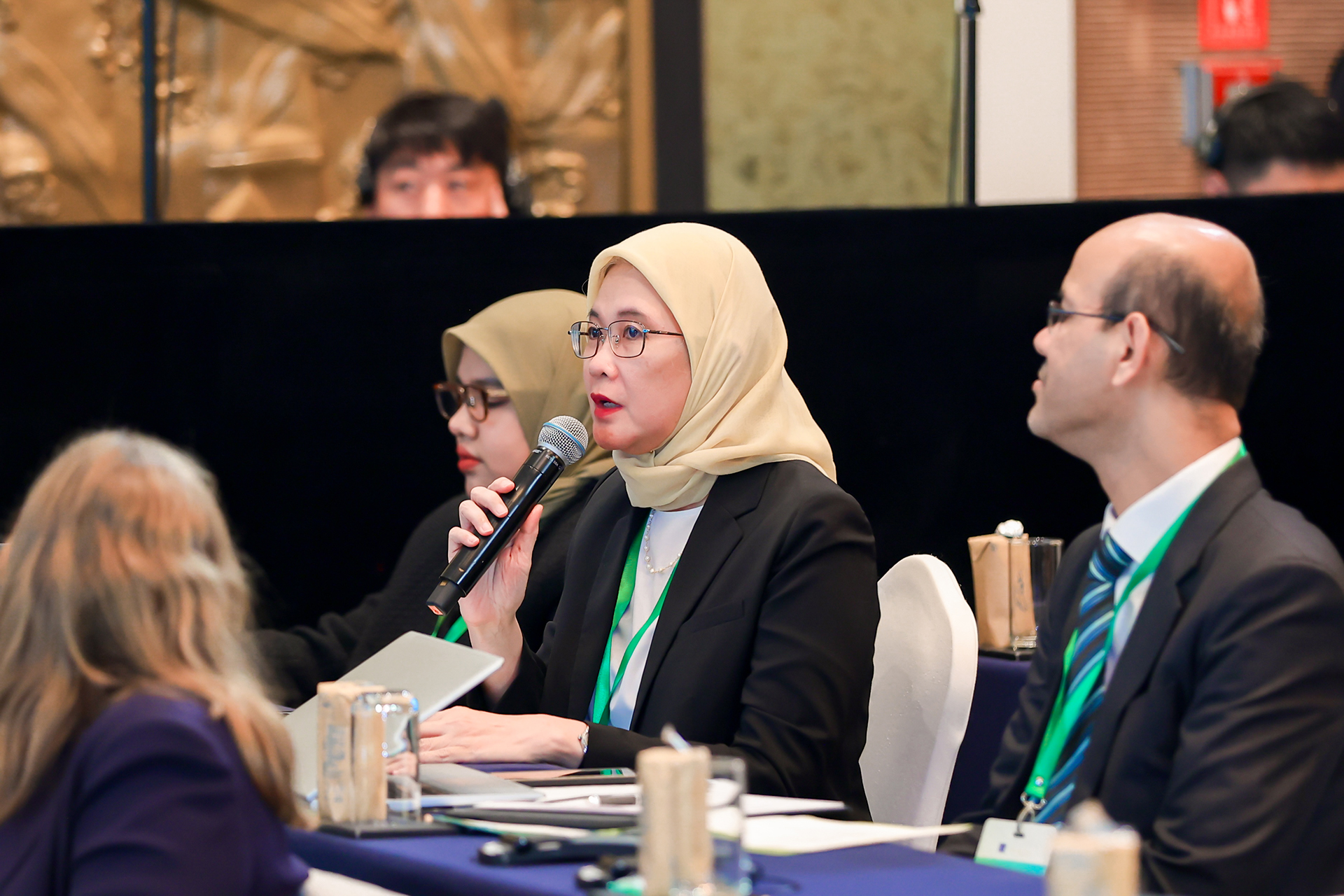
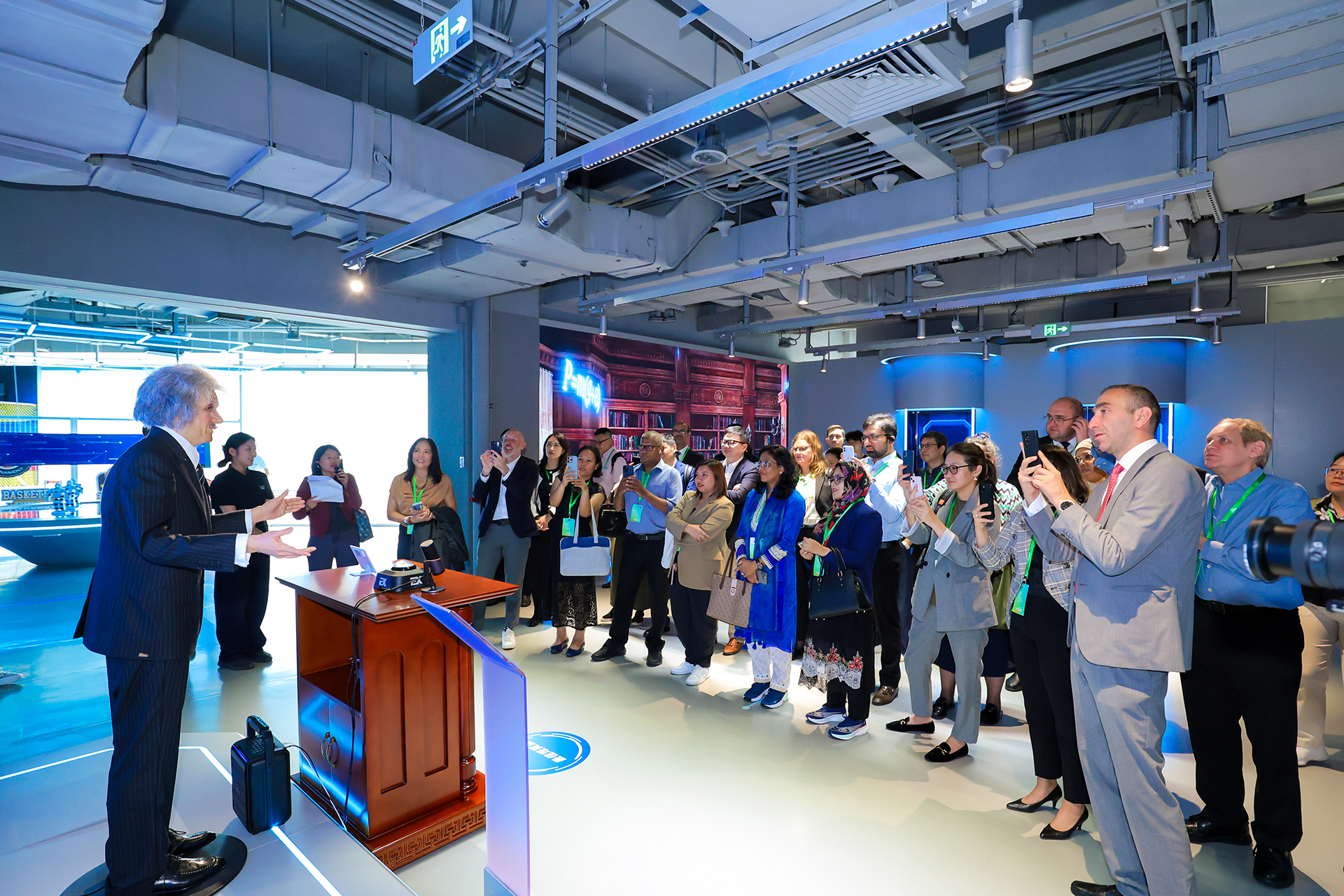
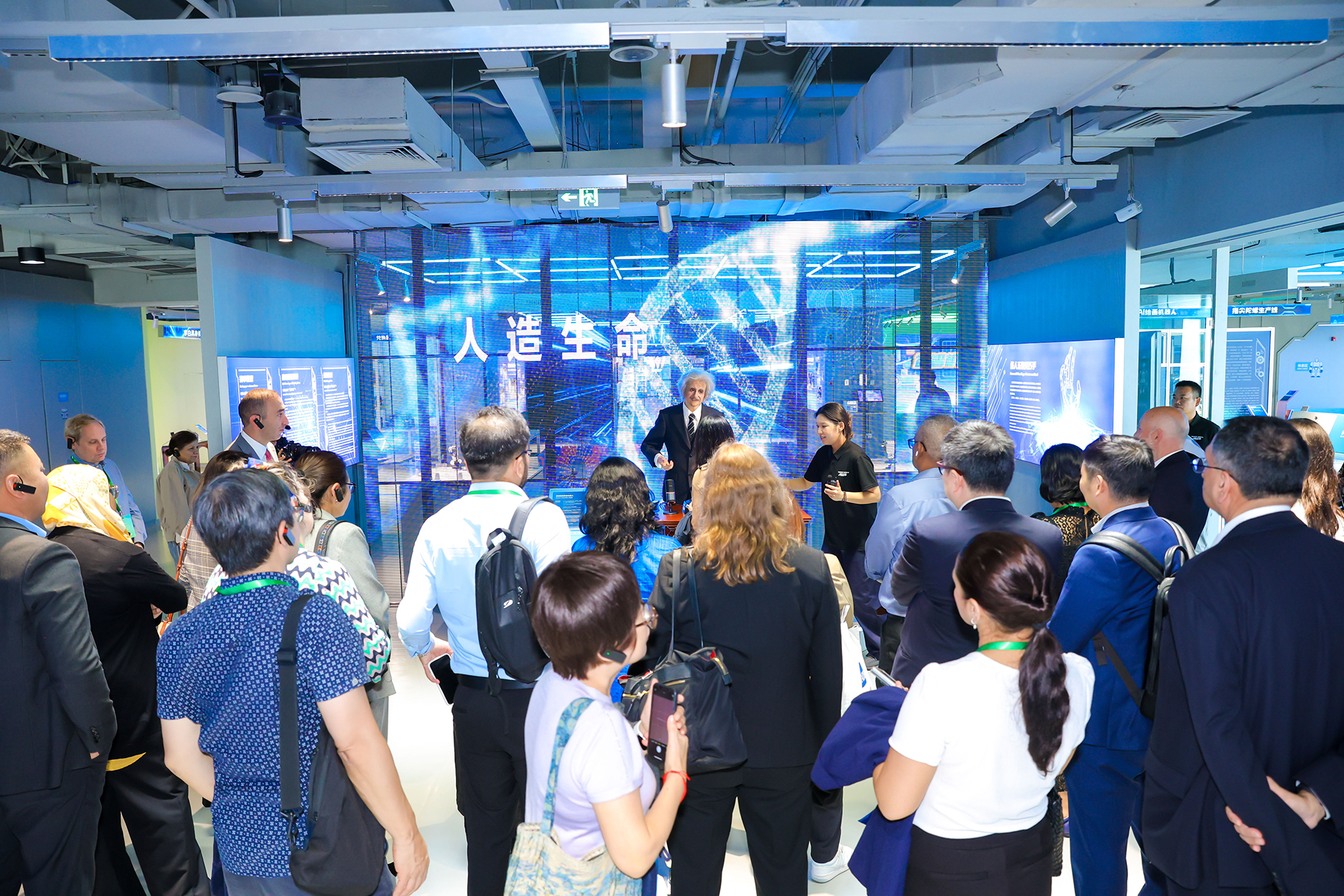
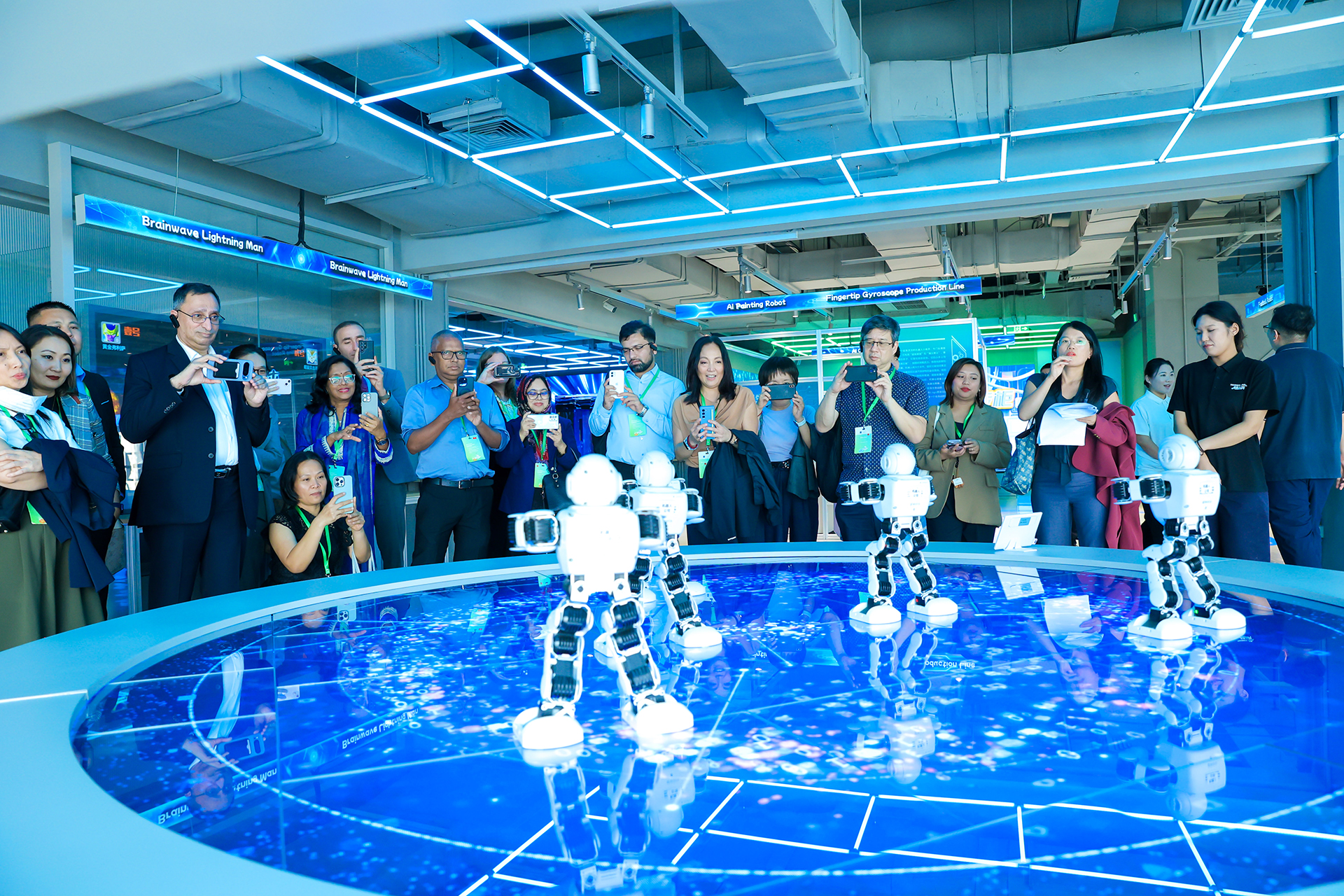
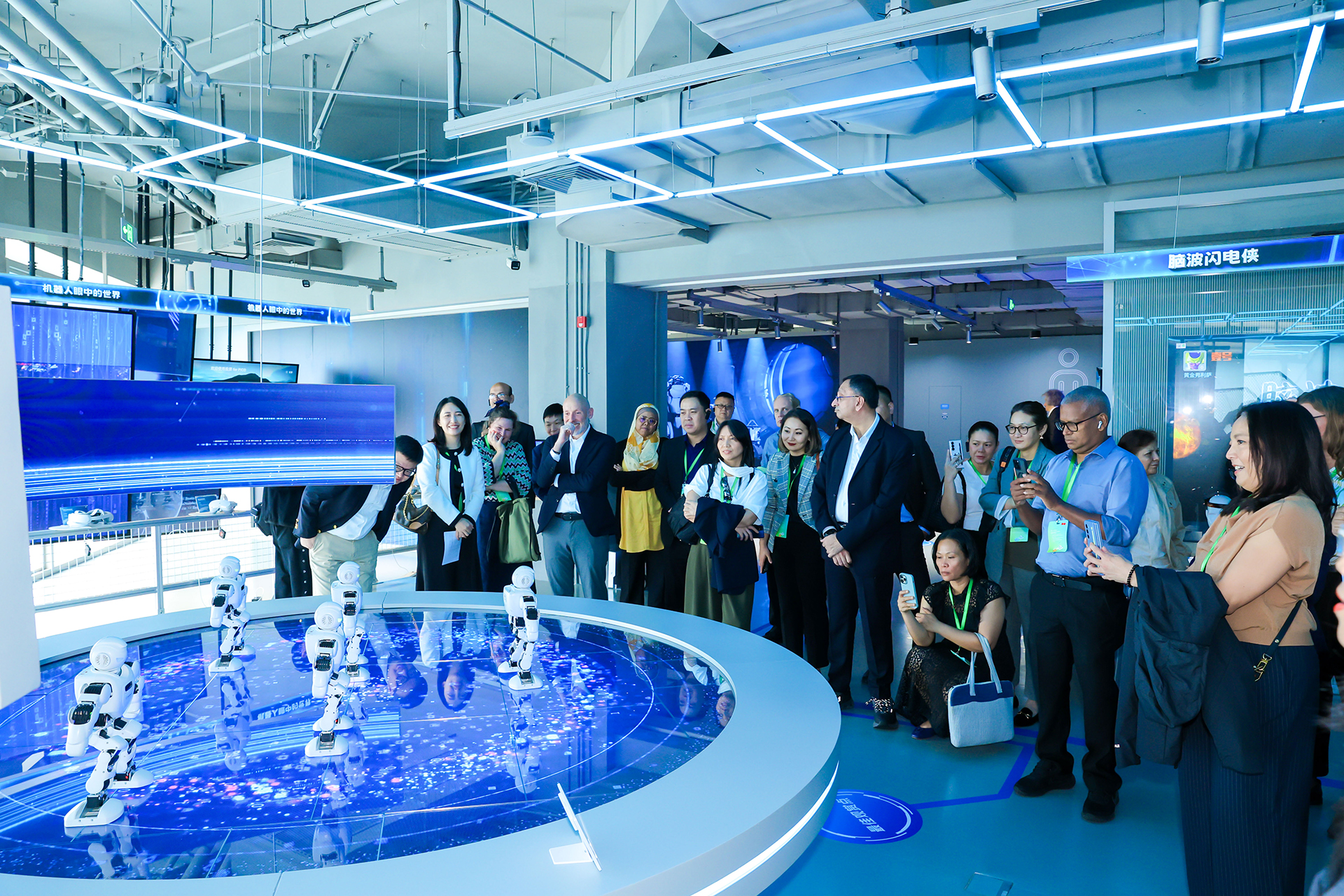
Nurhidayah Binti Lamien of Malaysia’s Ministry of Economy shares insights on the global AI landscape and Malaysia’s strategic progress, including the launch of its National AI Office and AI Roadmap. She emphasizes the importance of learning from international experts to implement best practices. Highlighting the session’s practical side, she discusses the transformative potential of humanoid robots and autonomous driving, illustrating how Malaysia is positioning itself to embrace emerging technologies for future economic growth.
Building a Competitive Digital Economy in Pakistan
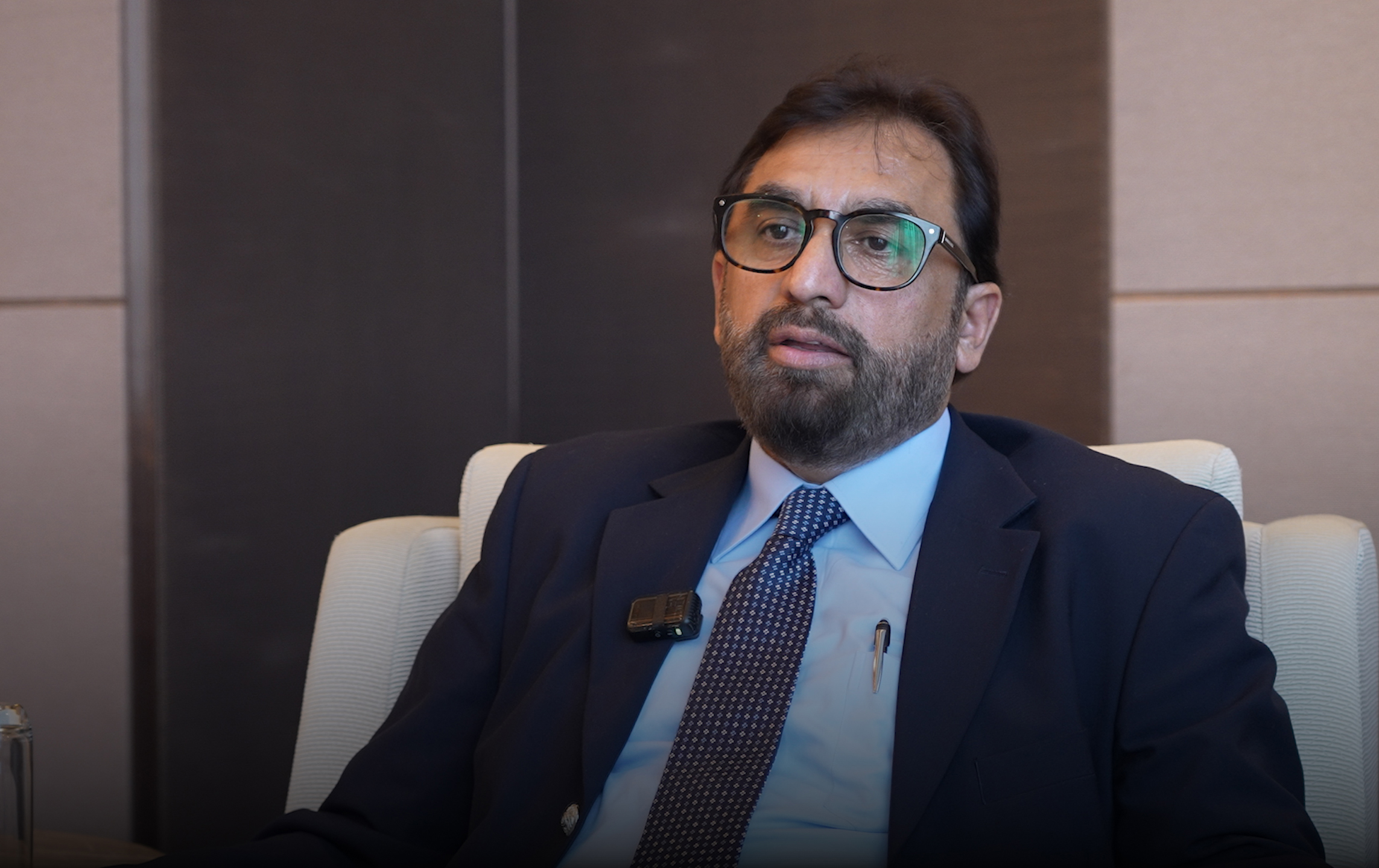
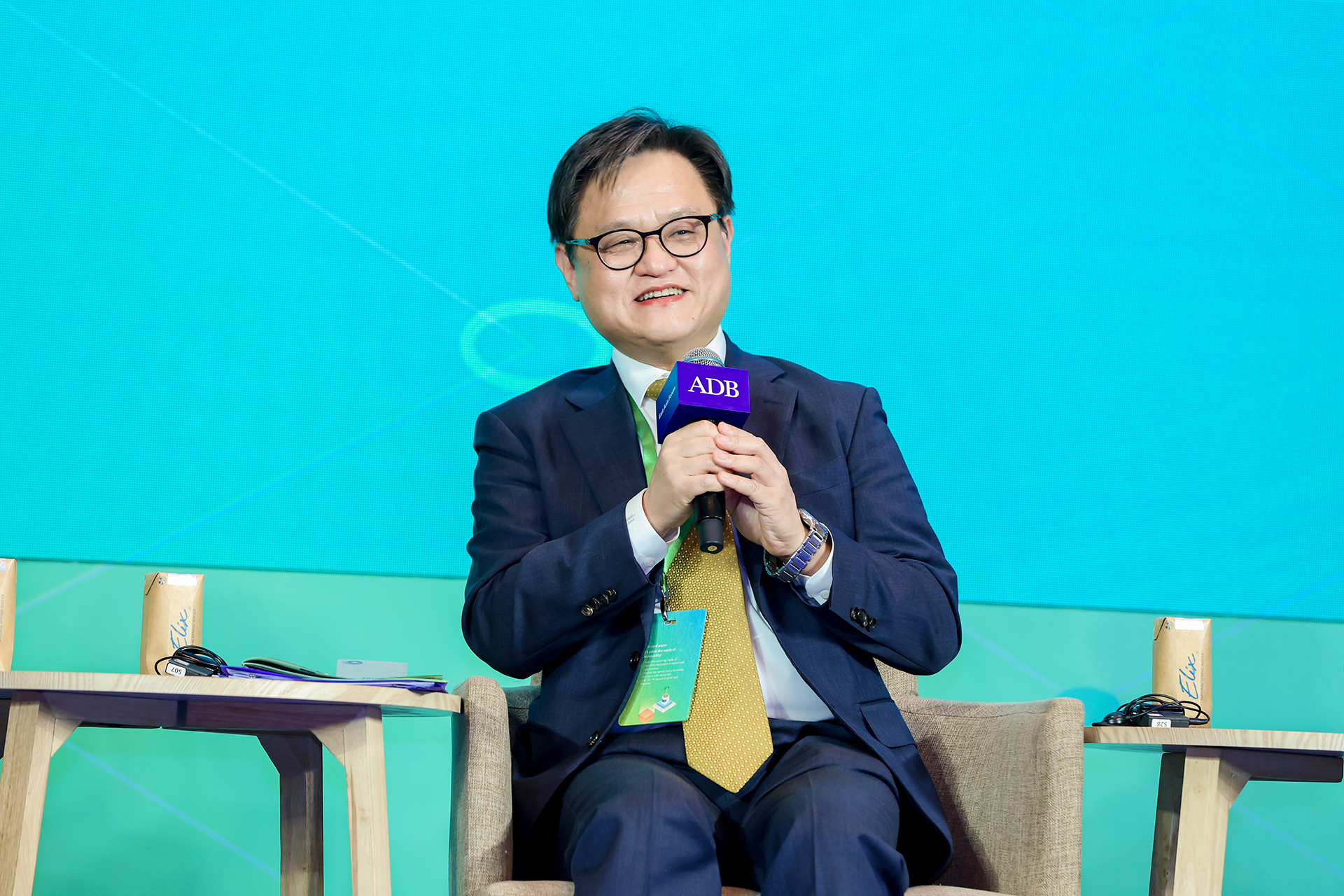
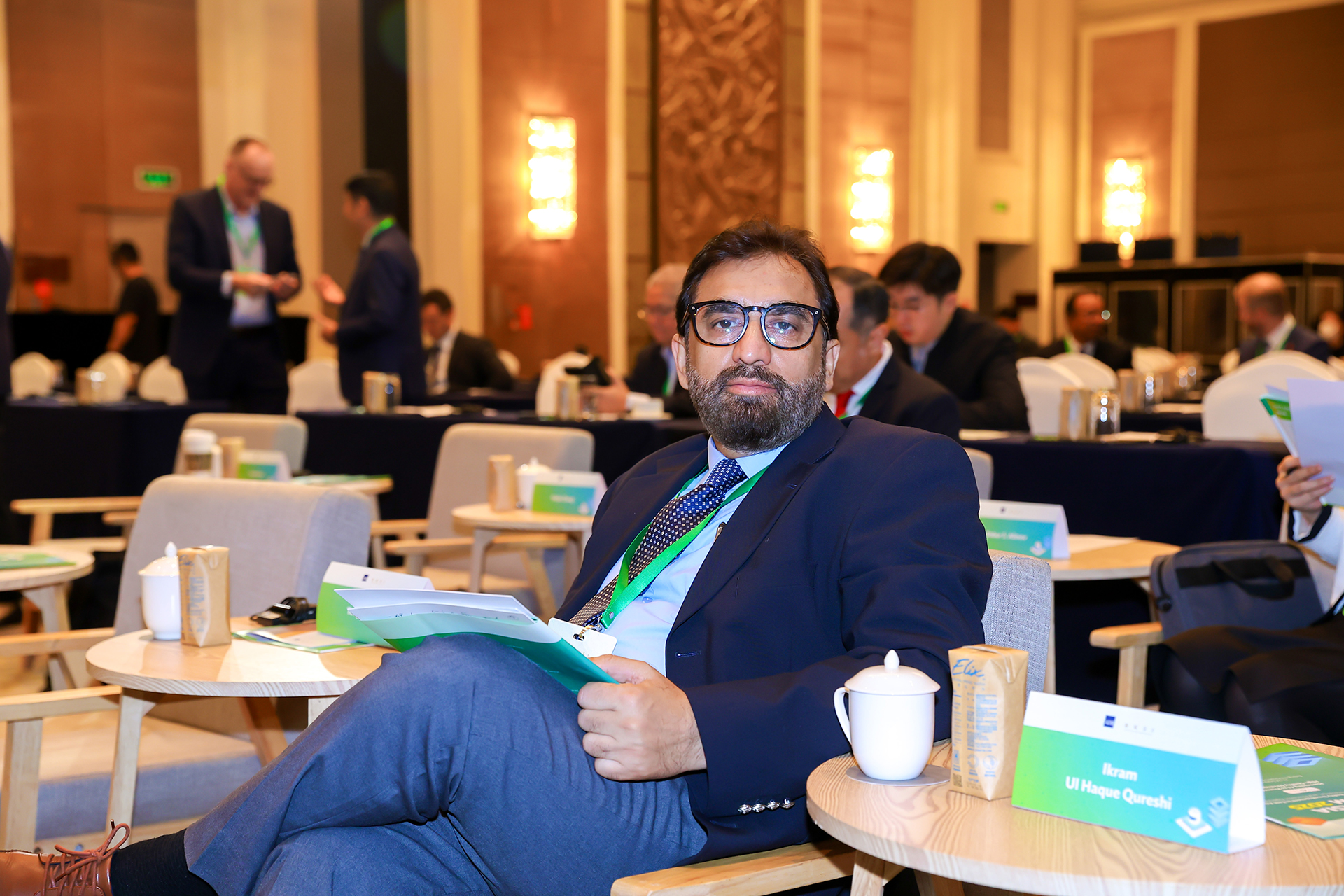
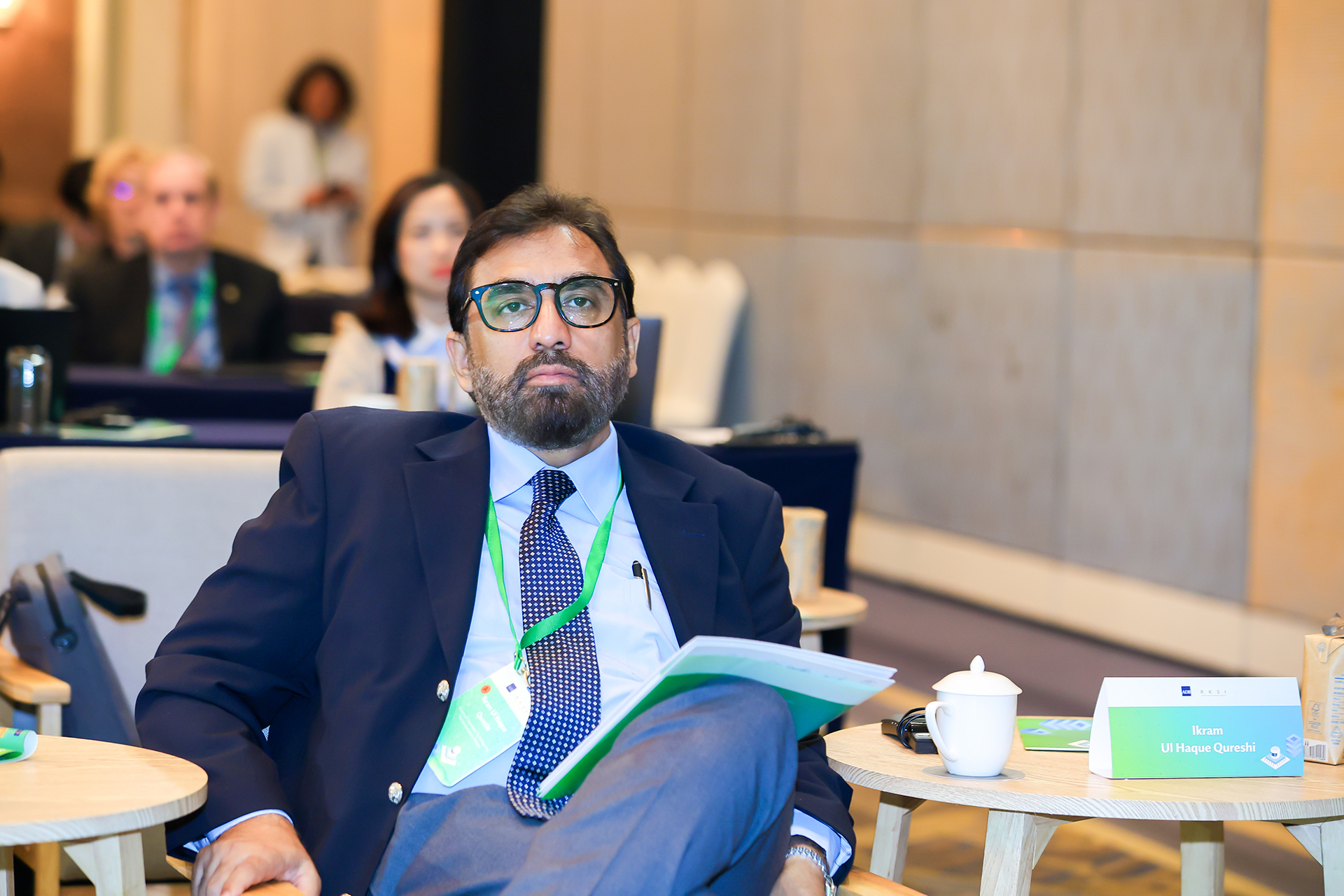
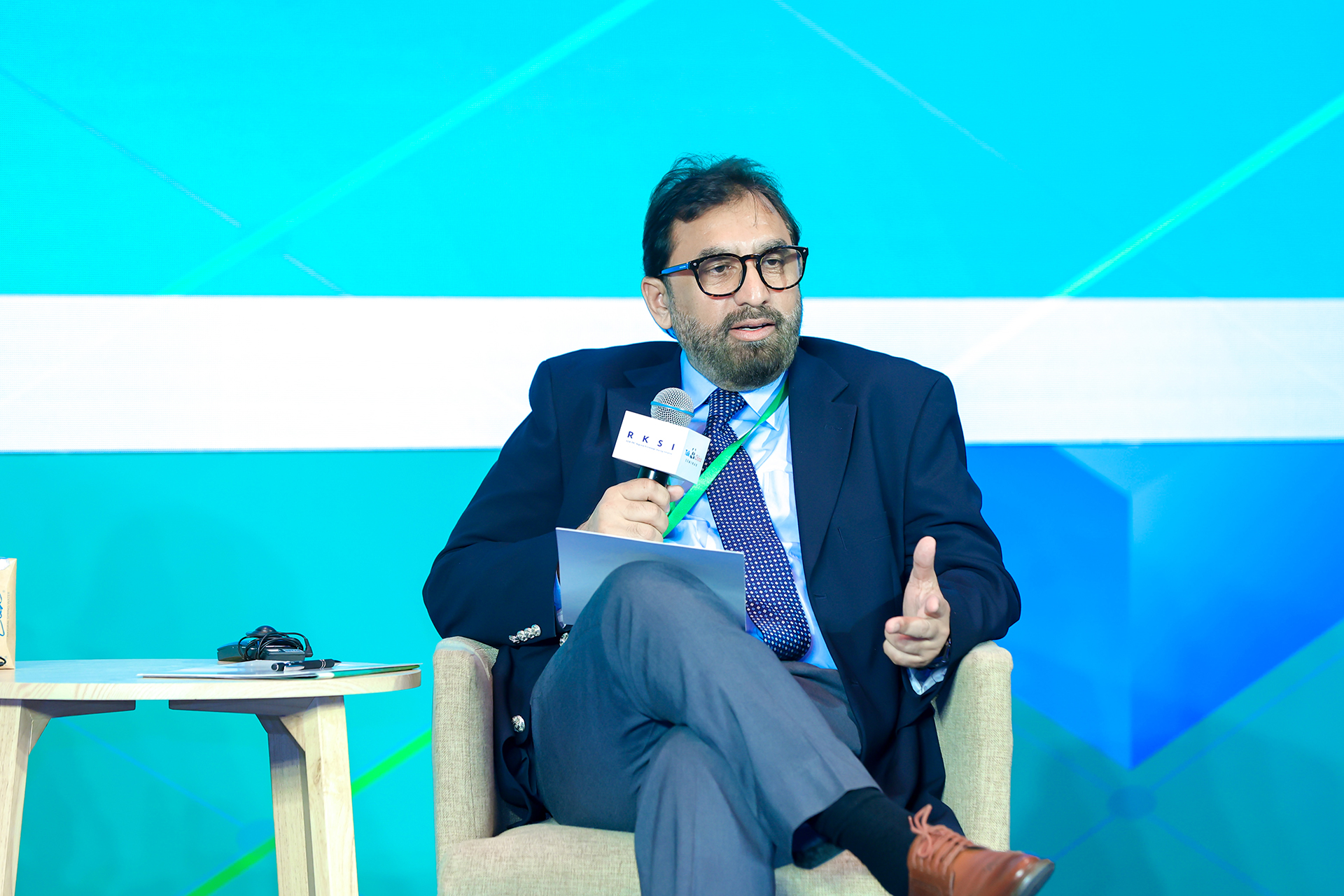
Ikram Ul Haque Qureshi of Pakistan’s IT Ministry outlines a strategic roadmap for a Digital Nation. He discusses the impact of the AI Policy 2025 and the importance of creating a competitive market over long-term subsidies. By implementing robust cybersecurity laws and learning from global leaders like the People’s Republic of China, Pakistan aims to harness AI for critical sectors—including disaster prediction and smart agriculture—to drive economic growth and consumer benefits. Watch to learn how these new regulations will shape the country’s technological landscape.
Highlights: Harnessing AI to Promote High-Quality Development
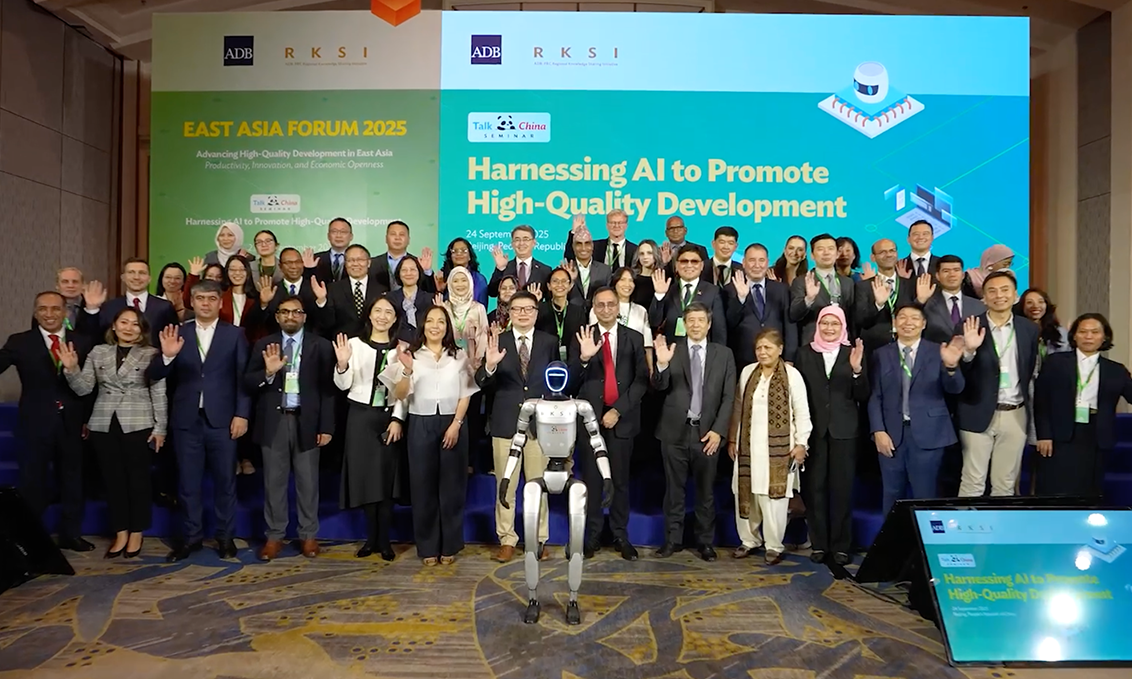
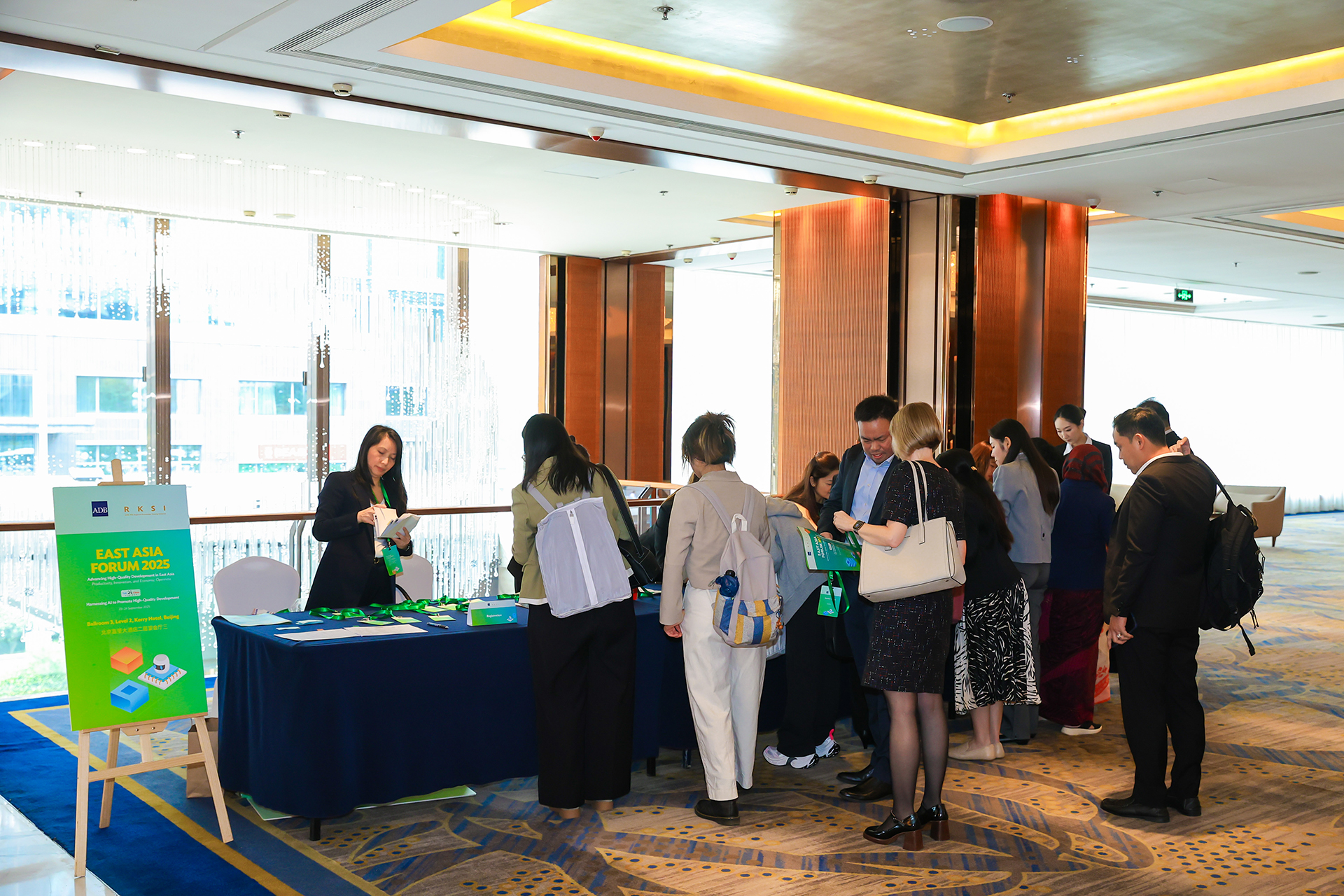
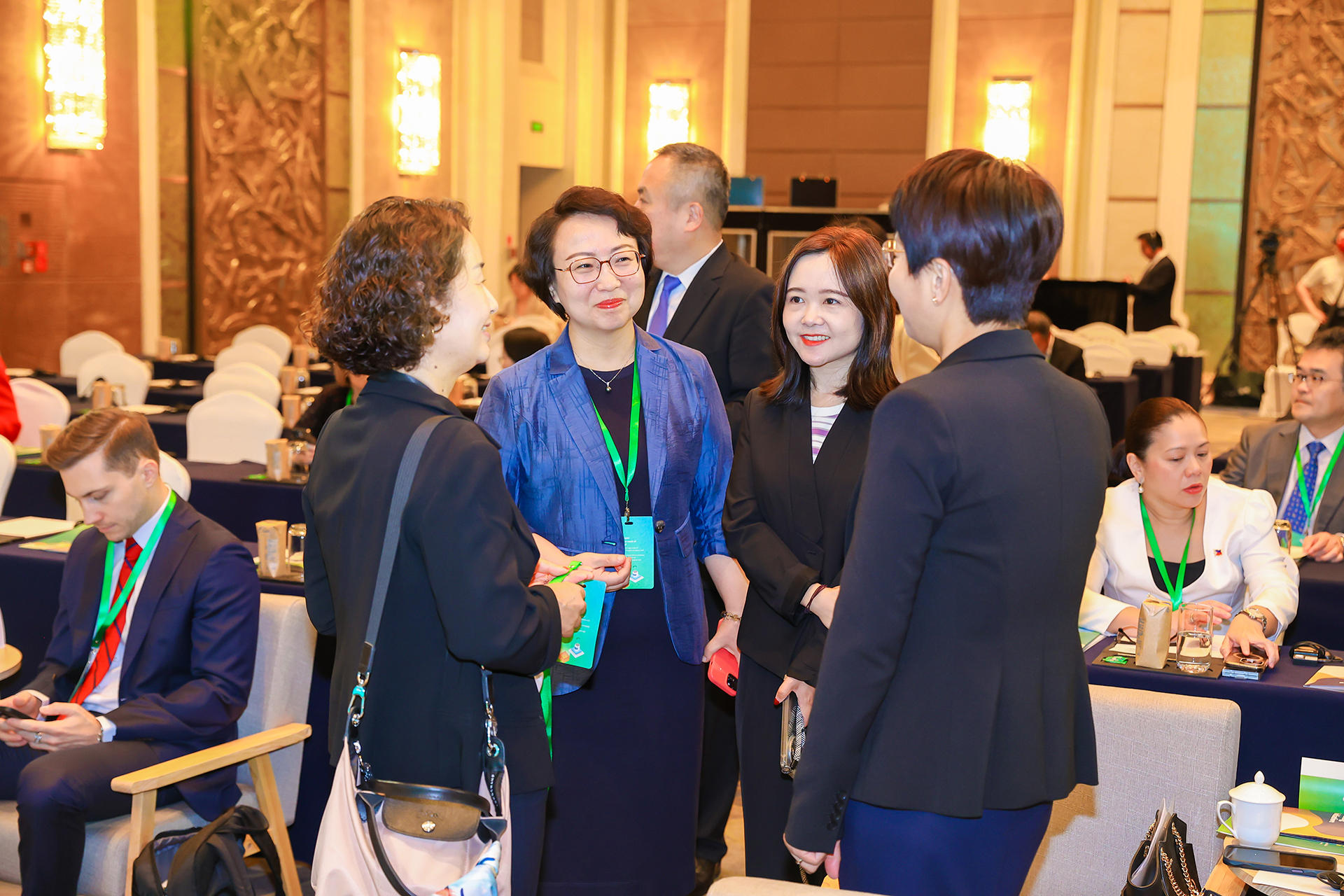
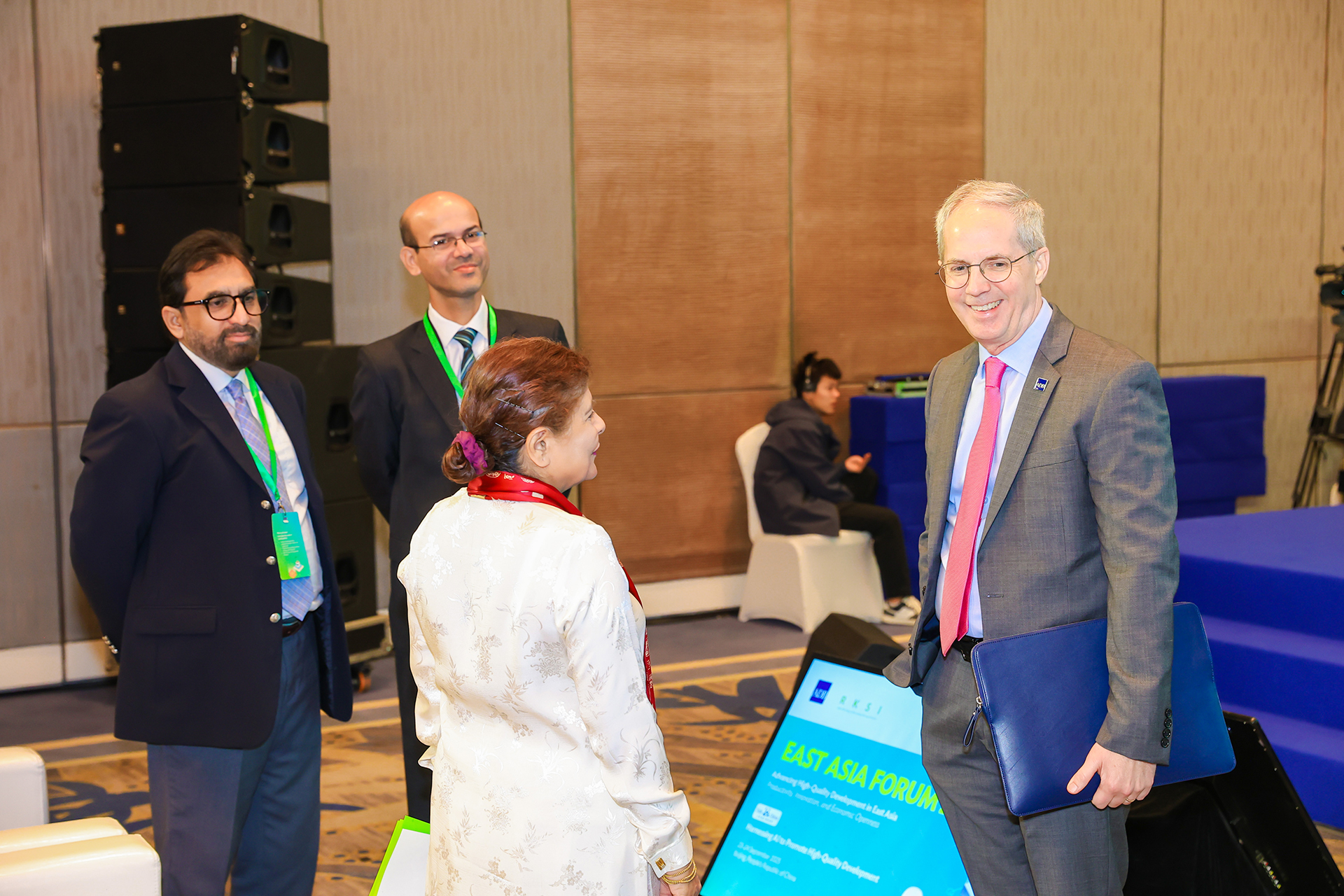
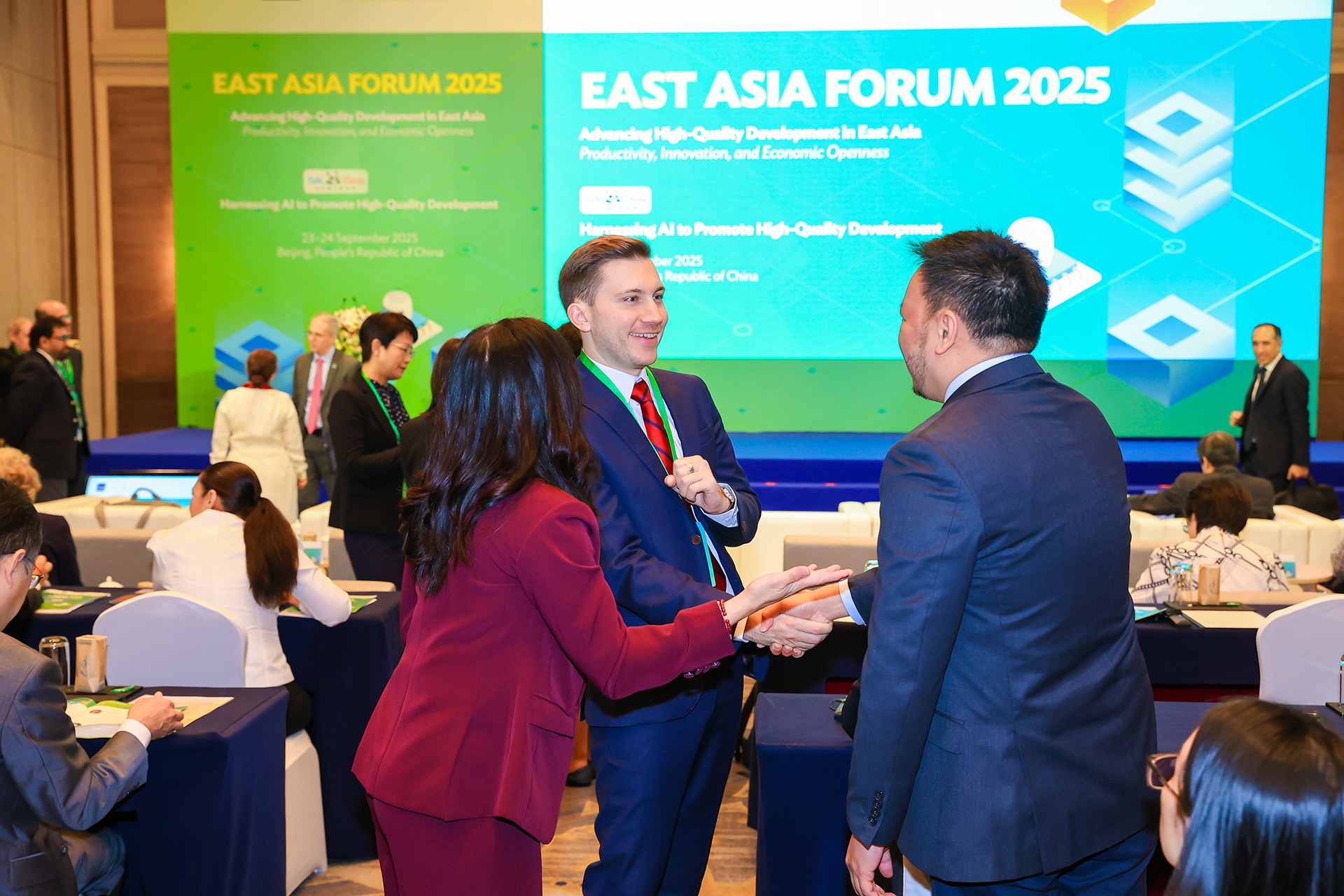
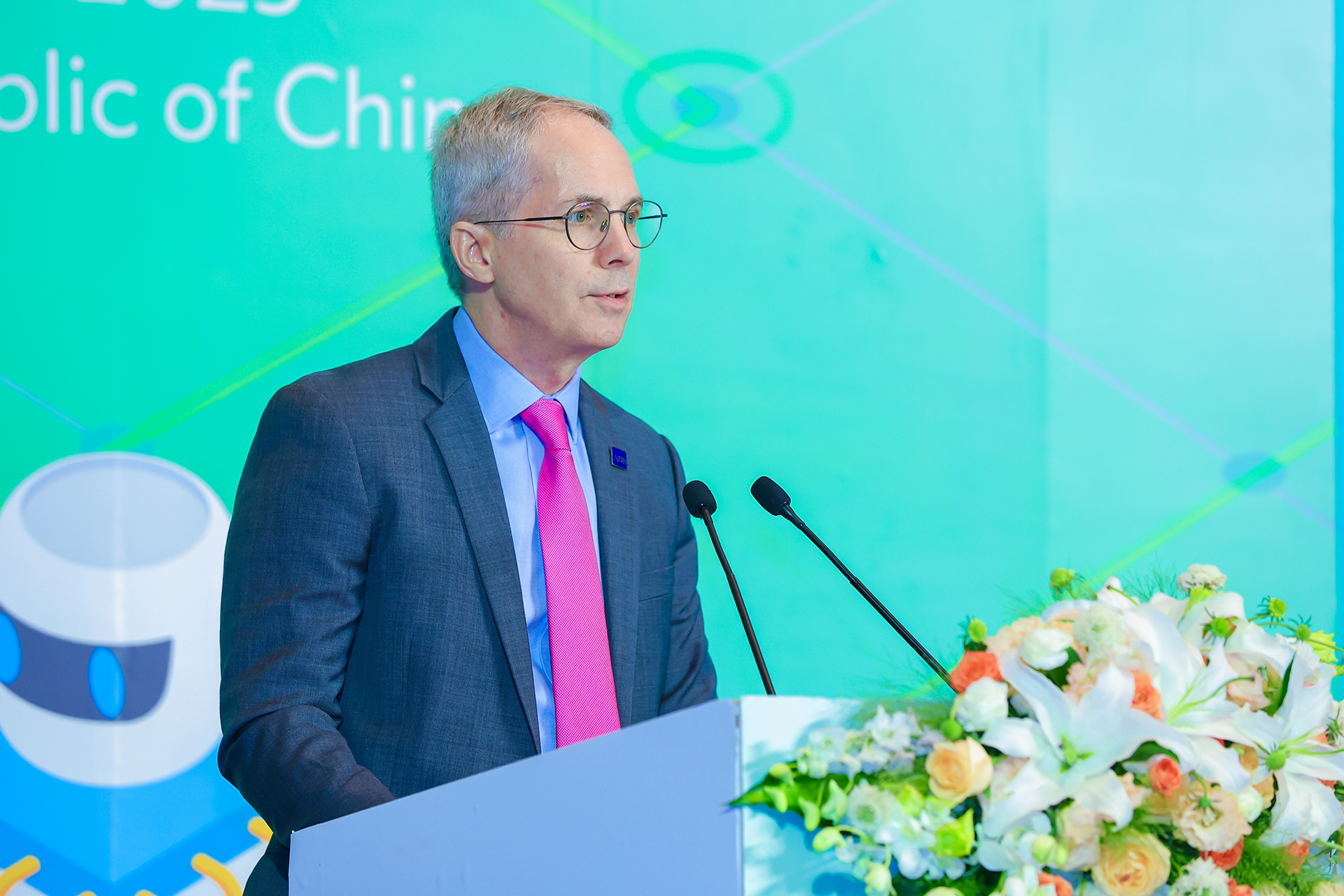
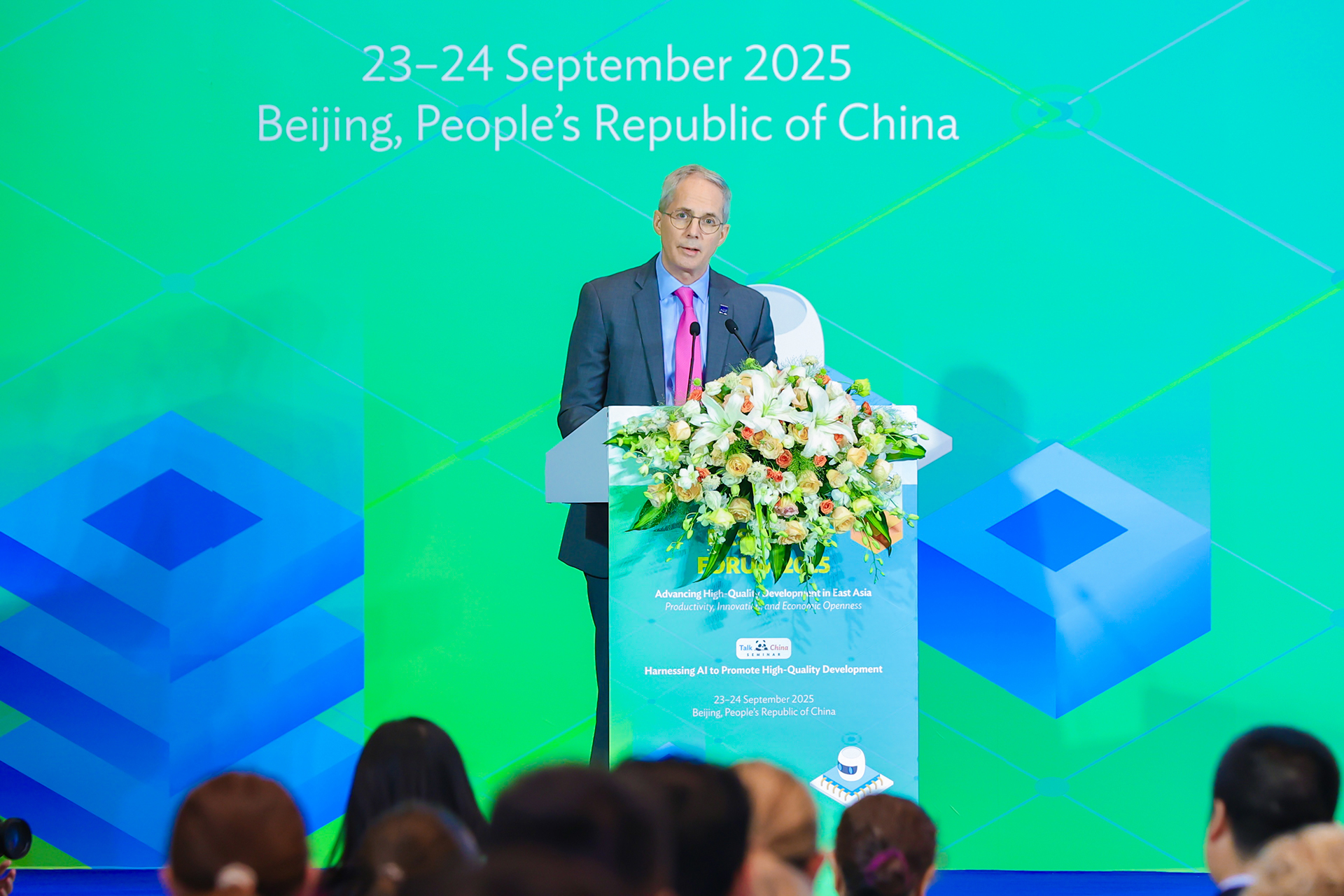
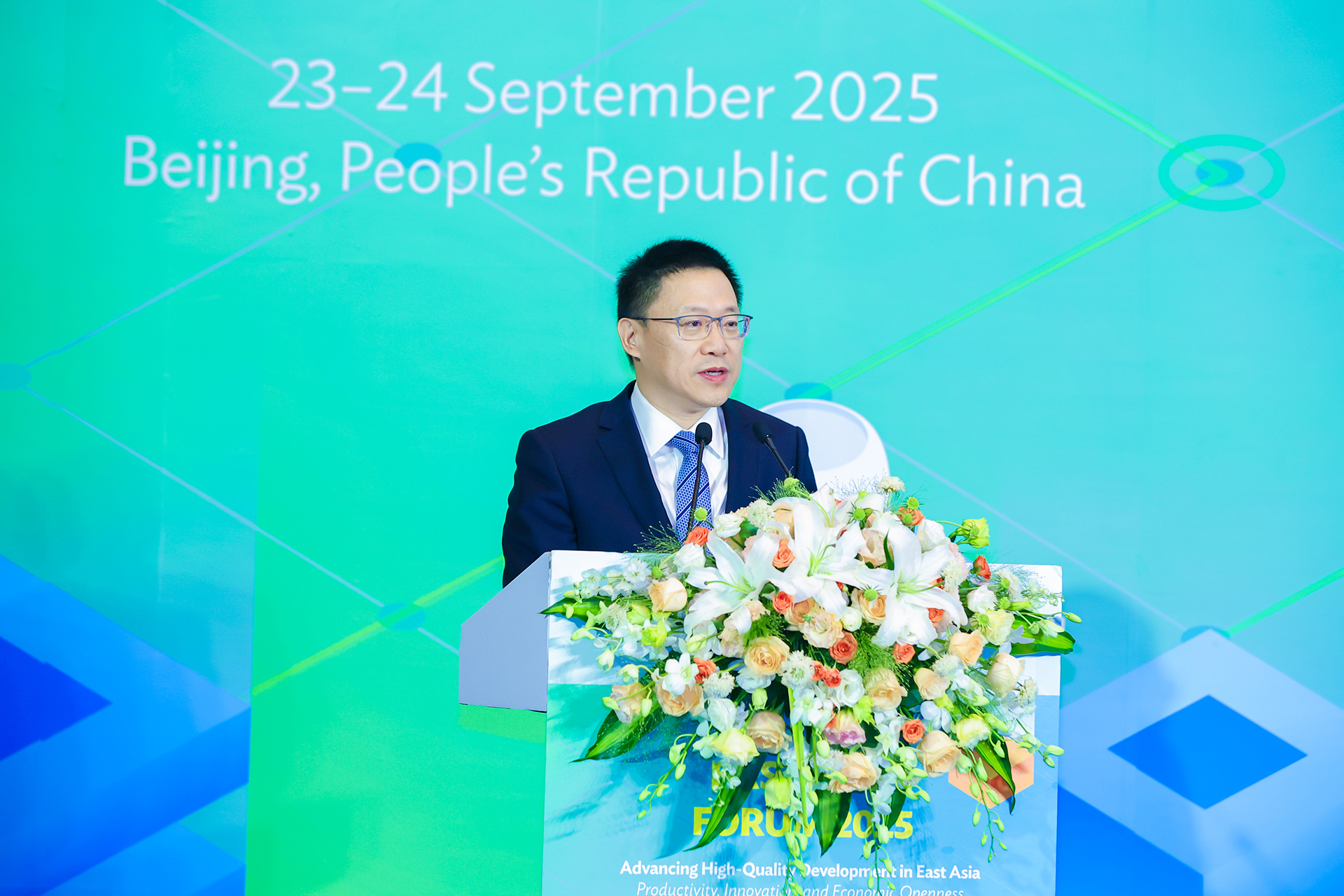
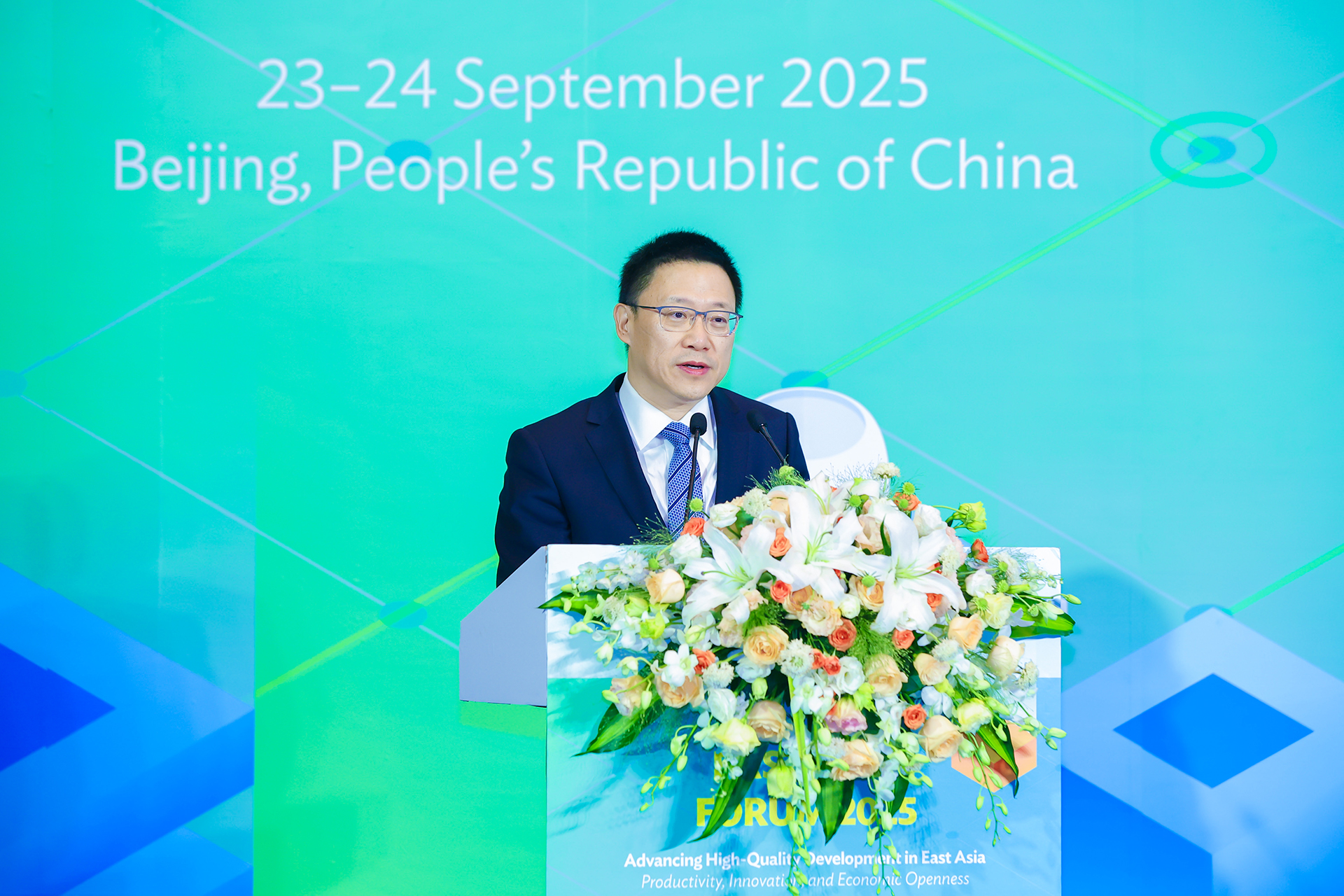
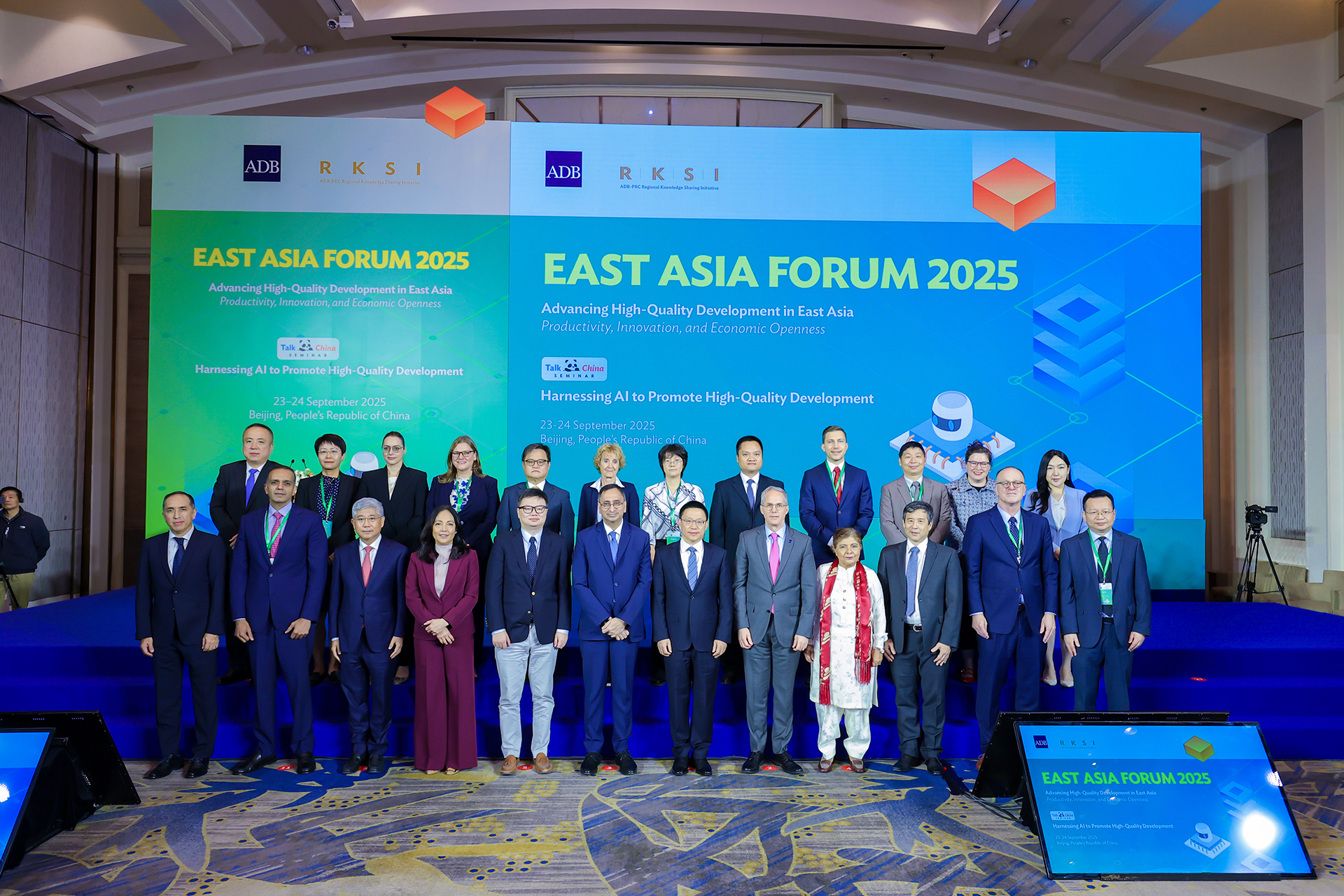
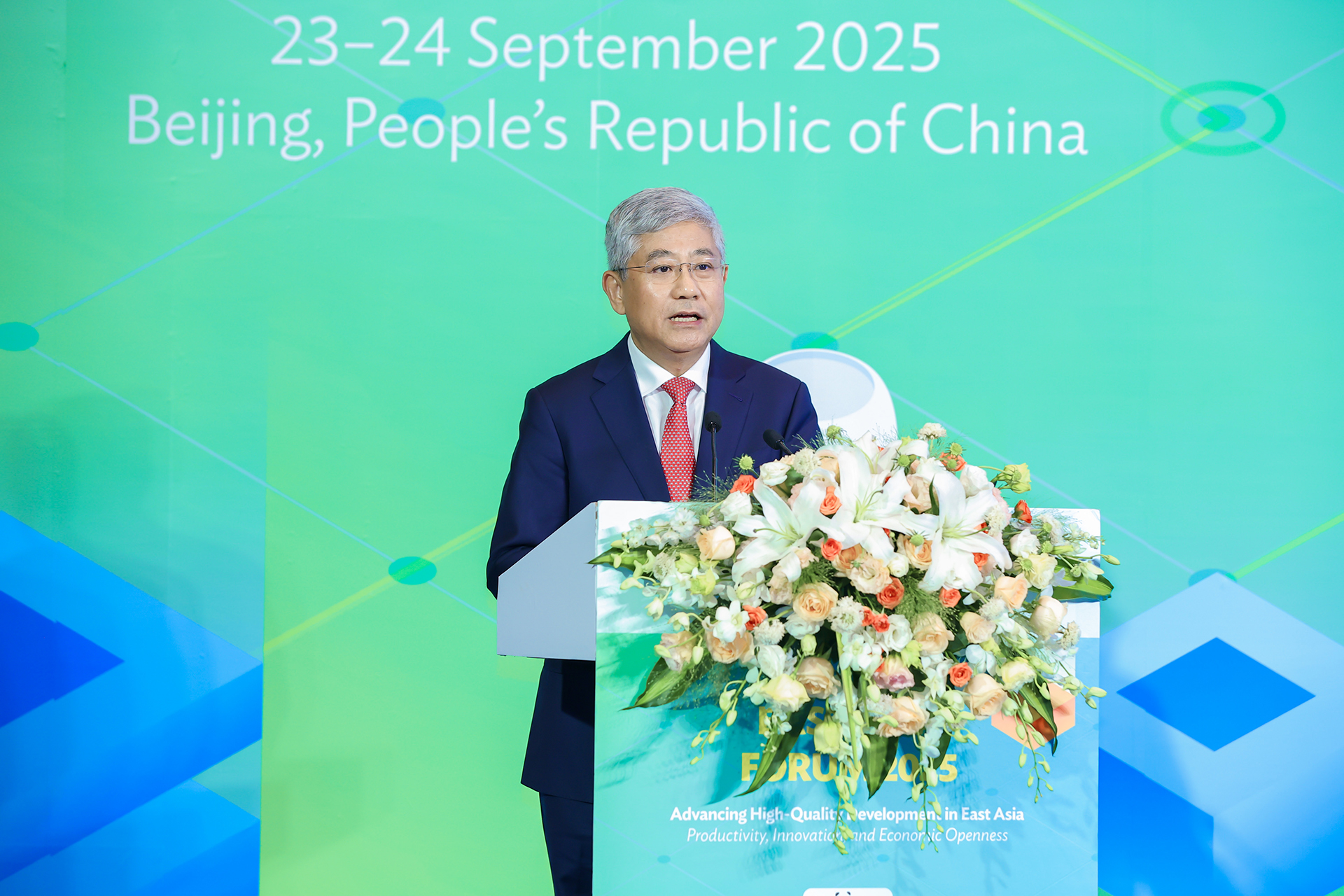
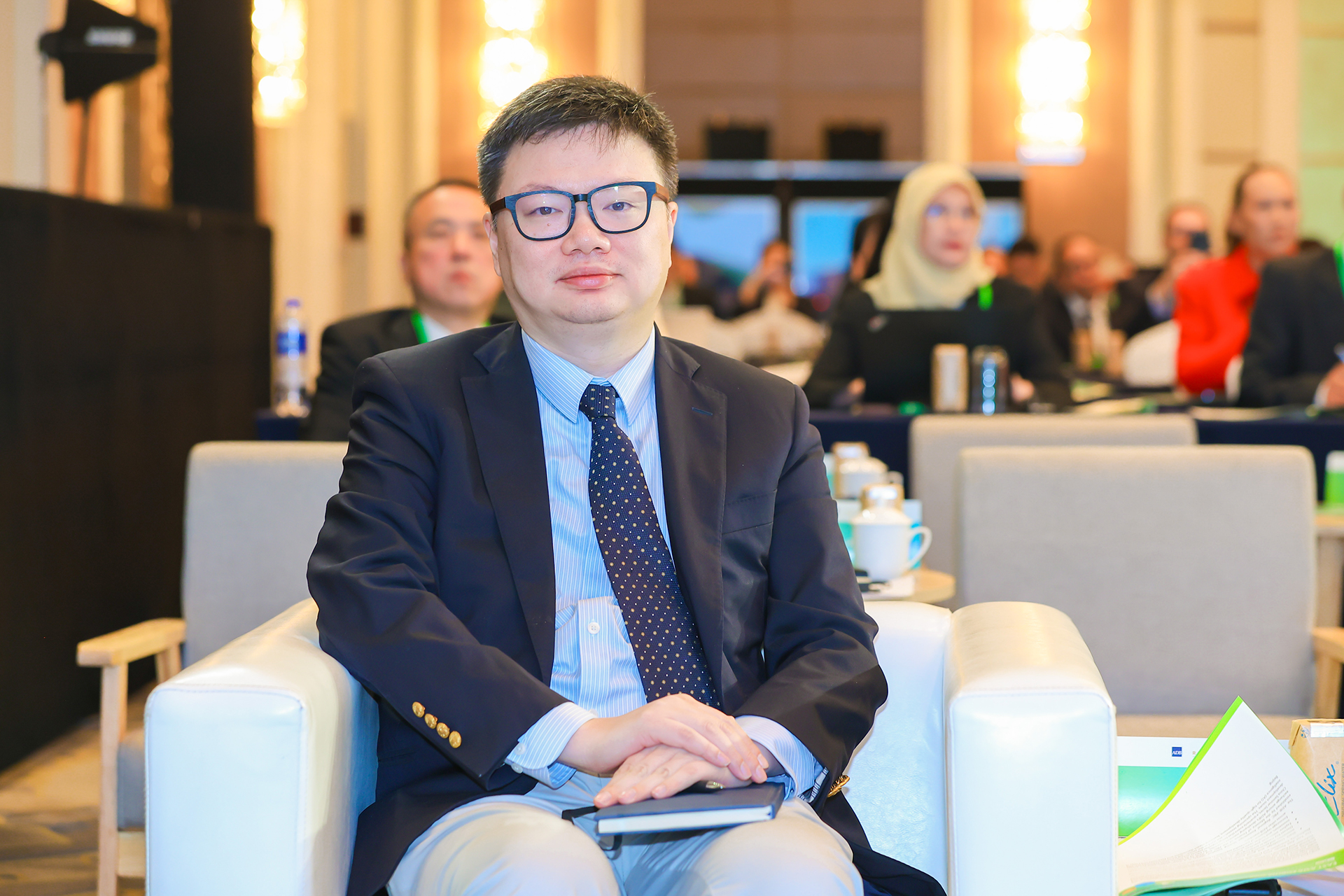
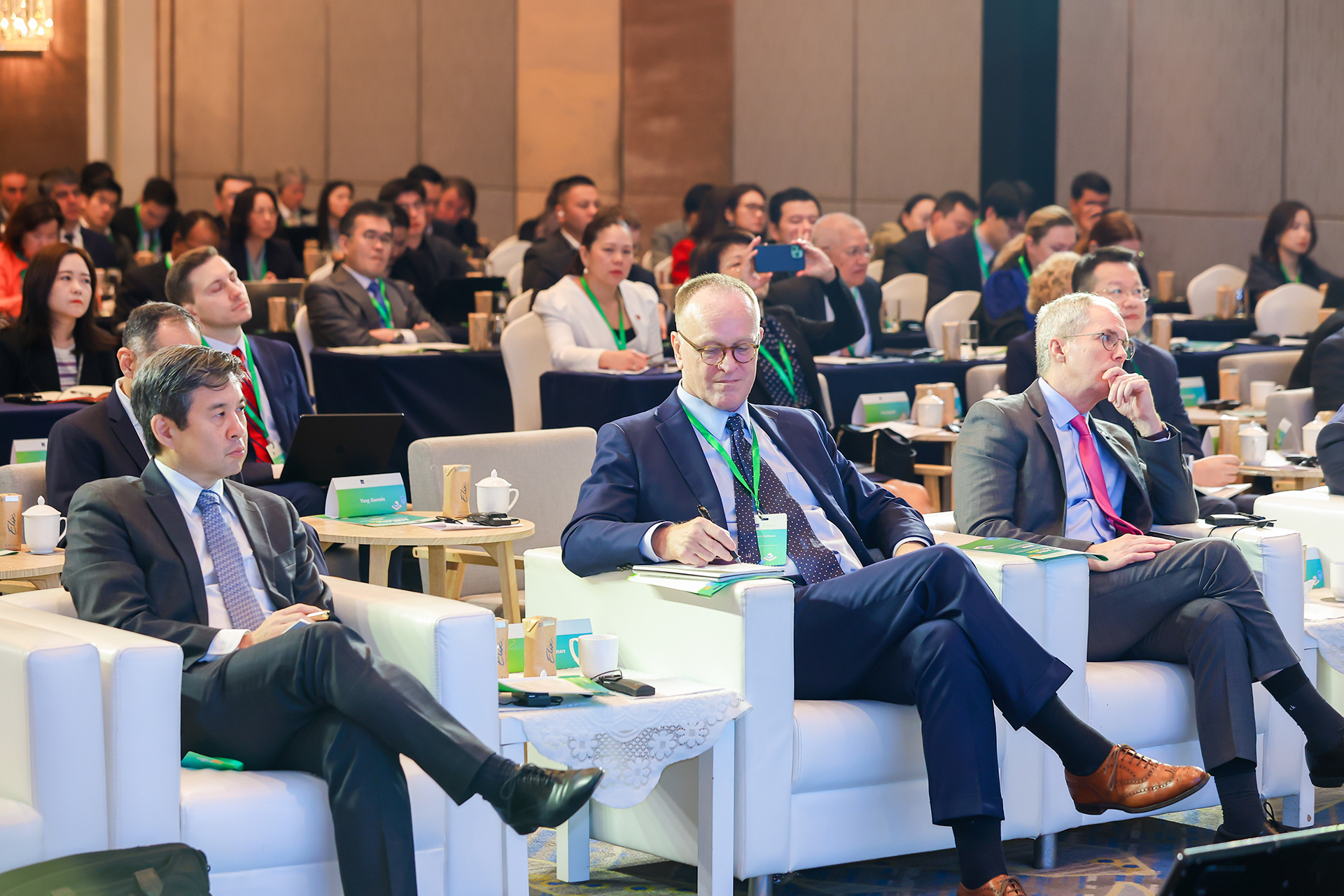
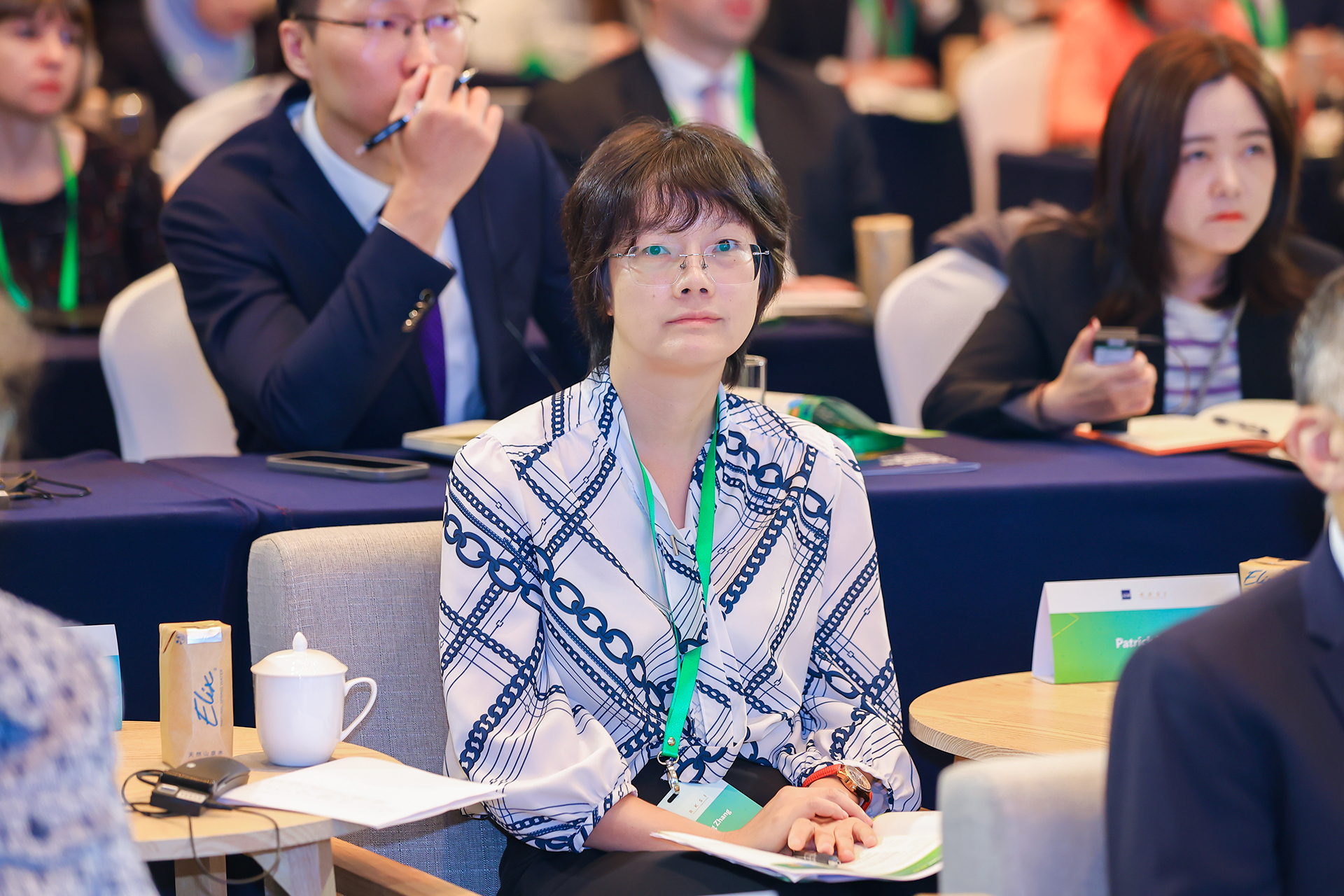
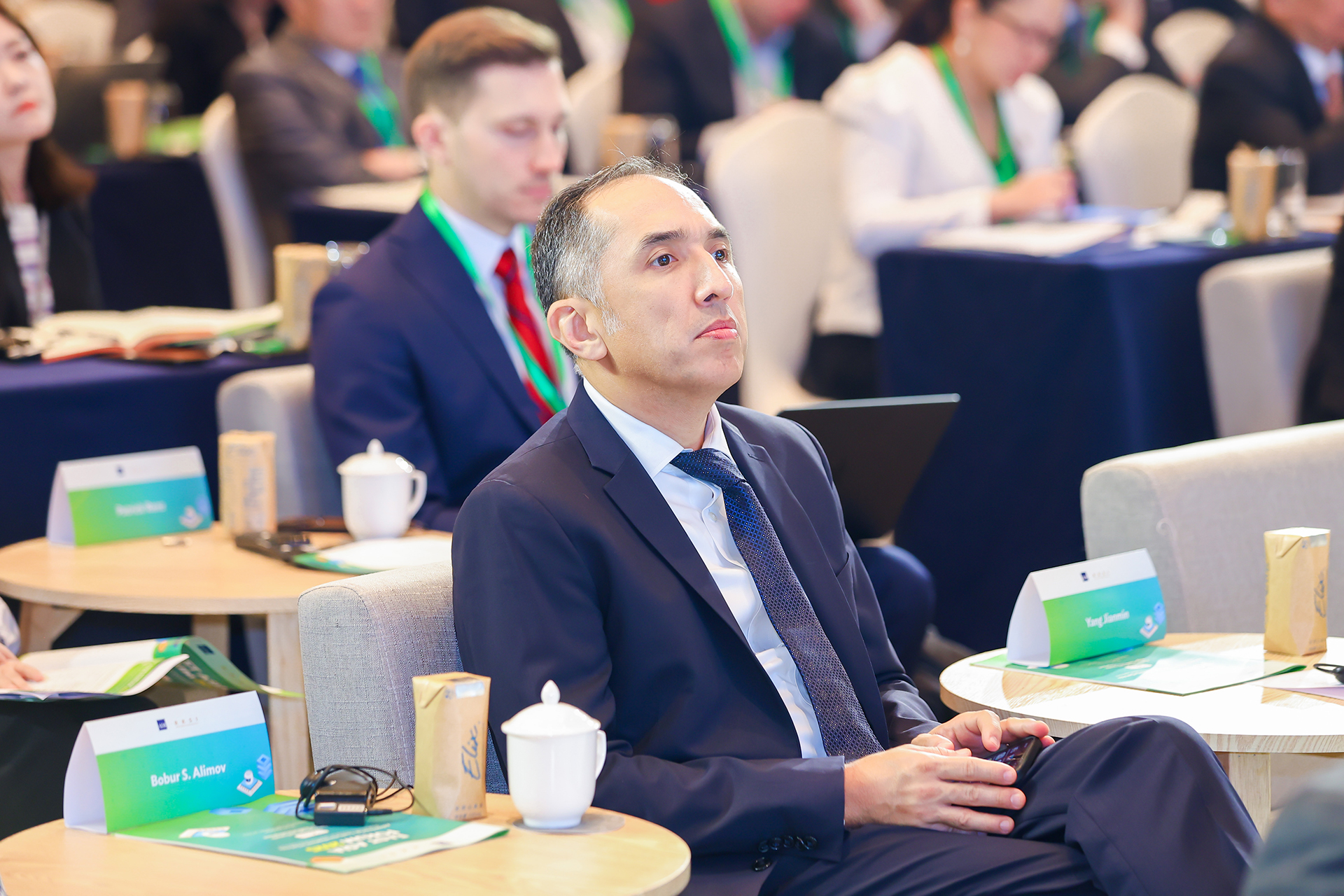
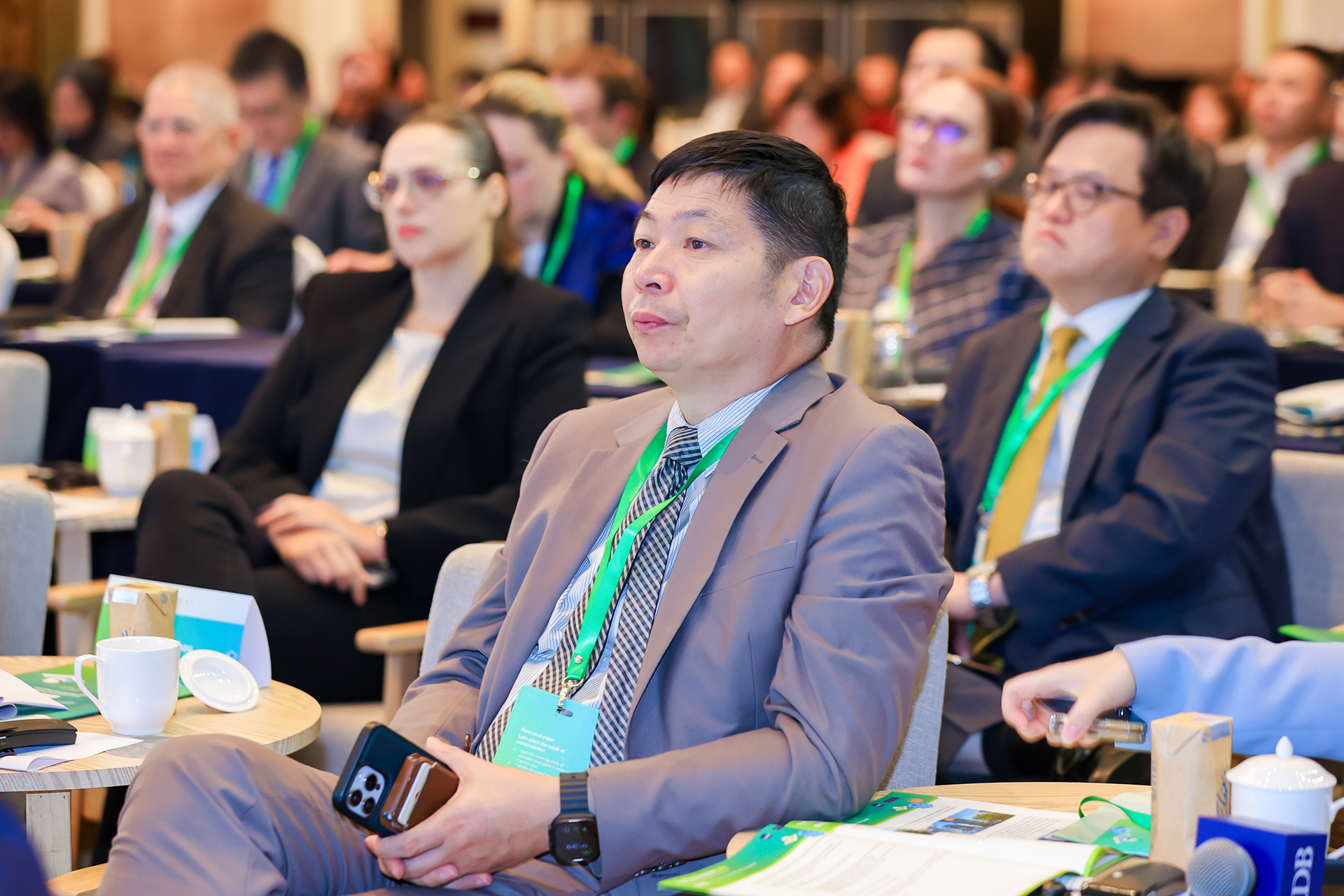
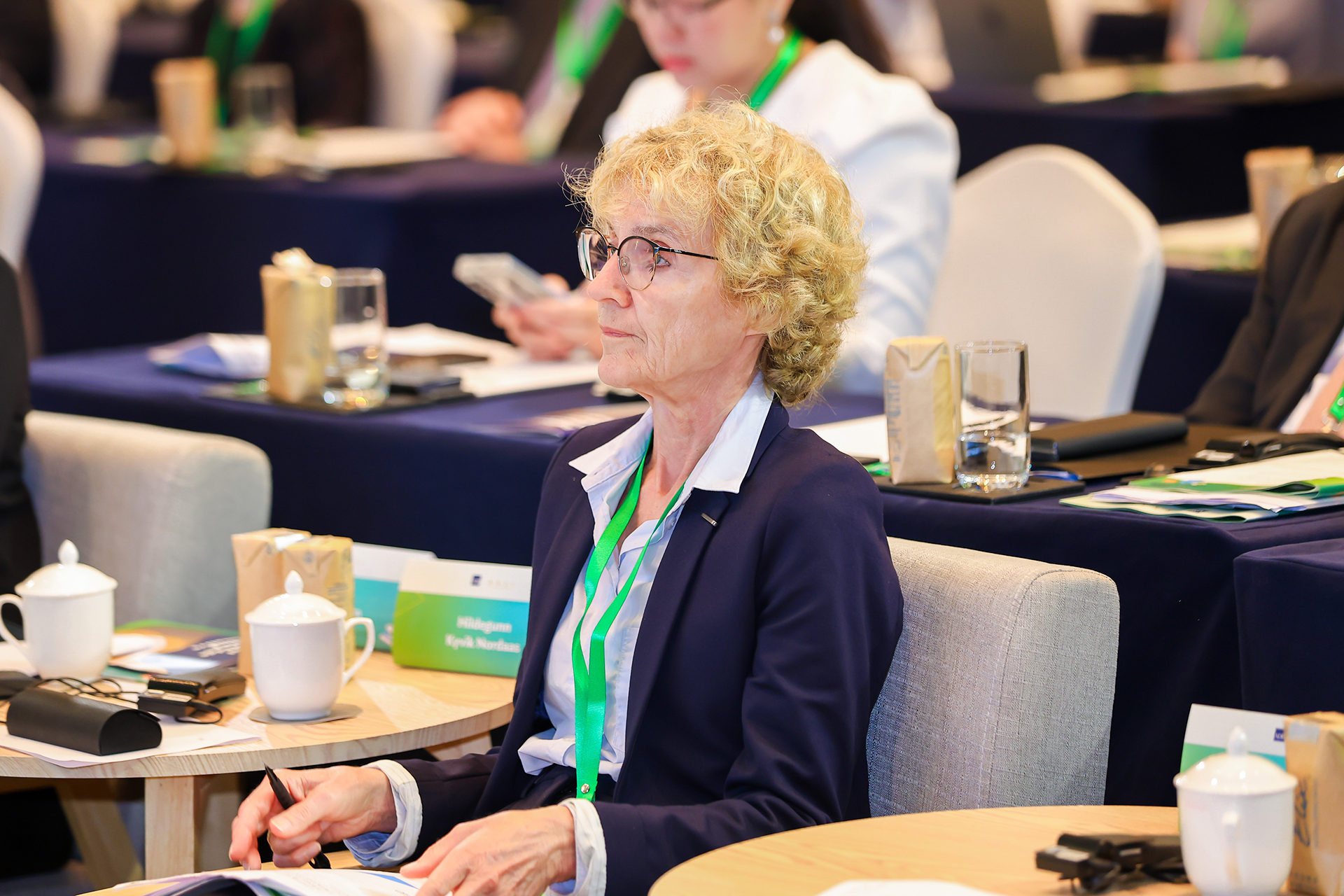
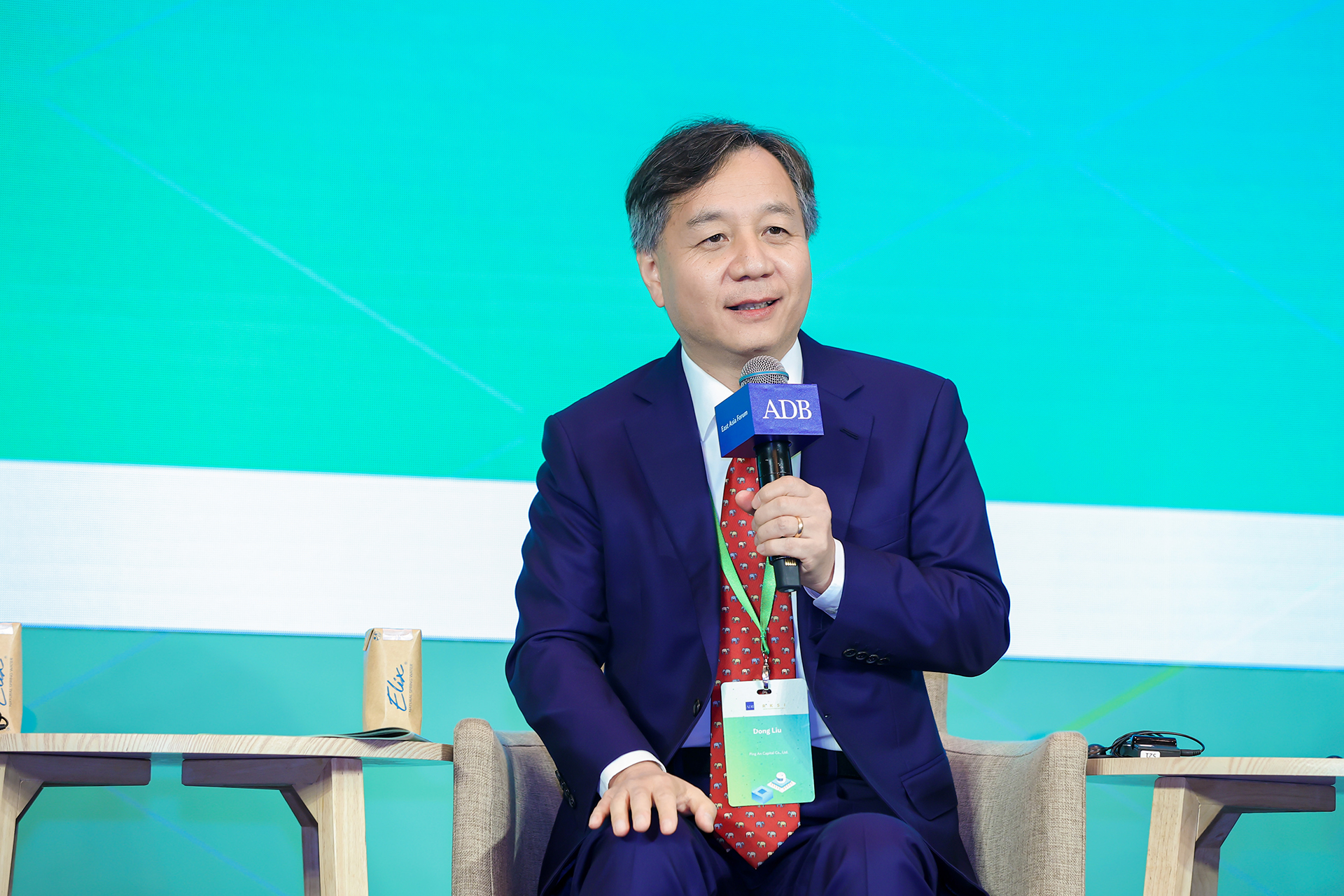
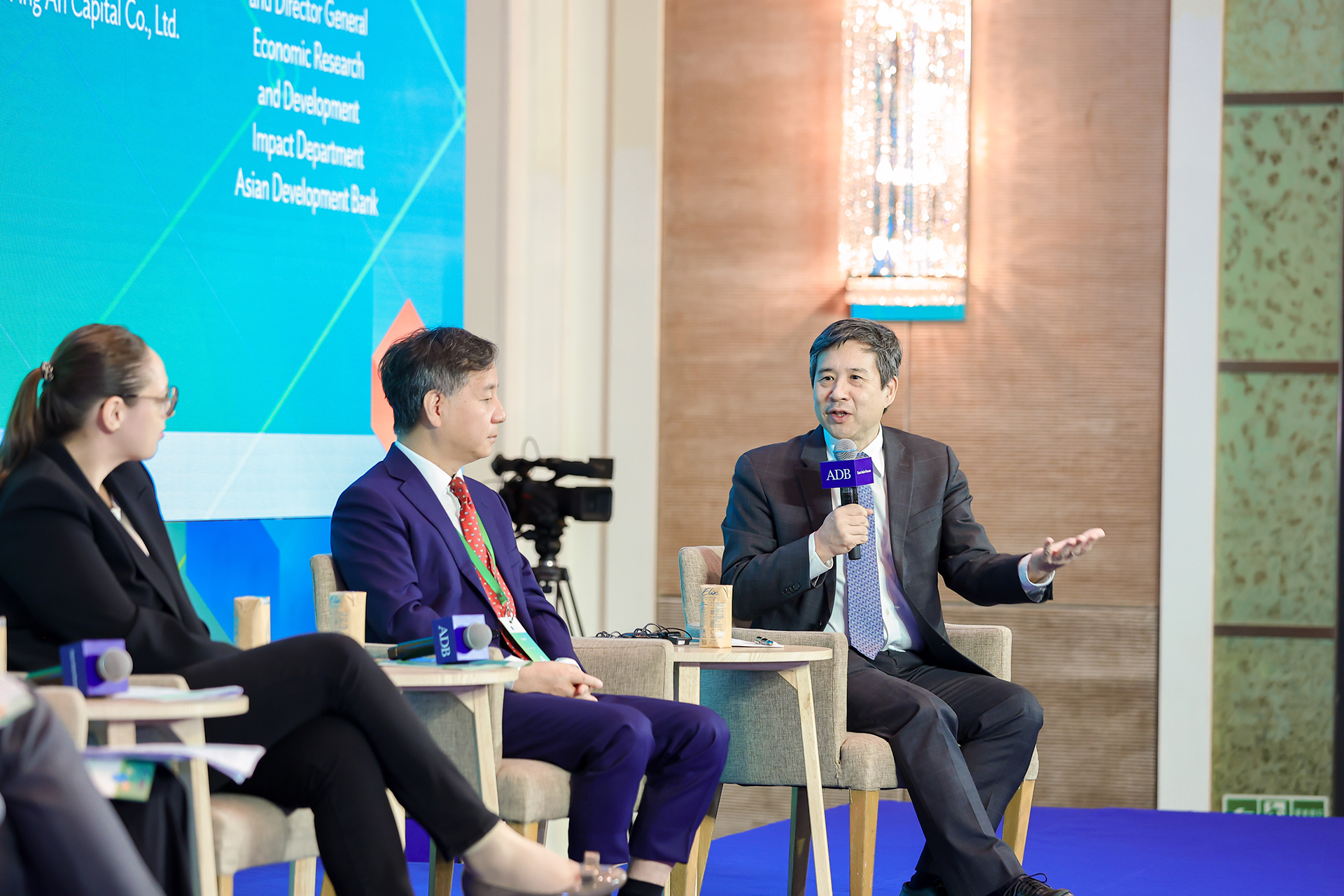
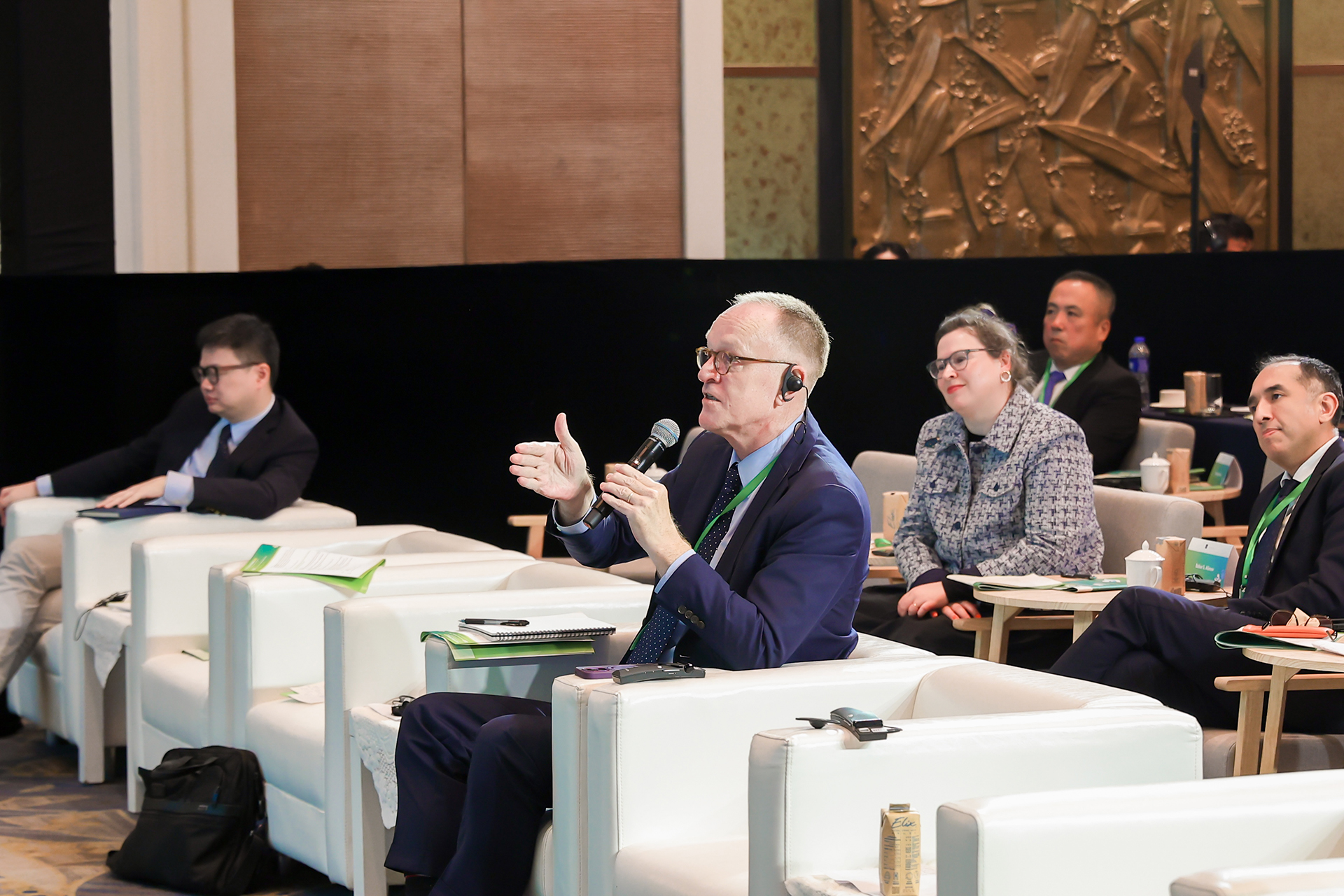
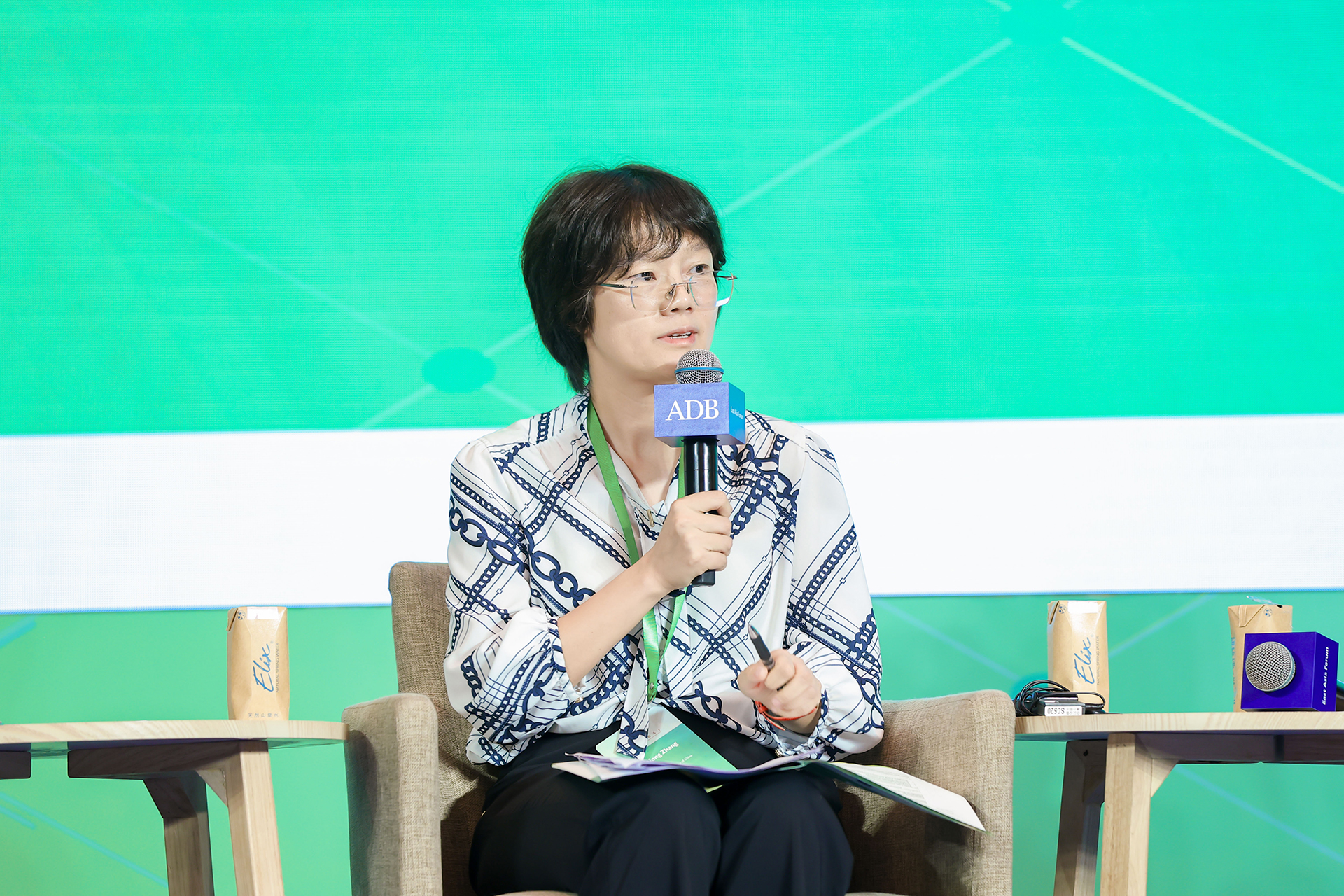
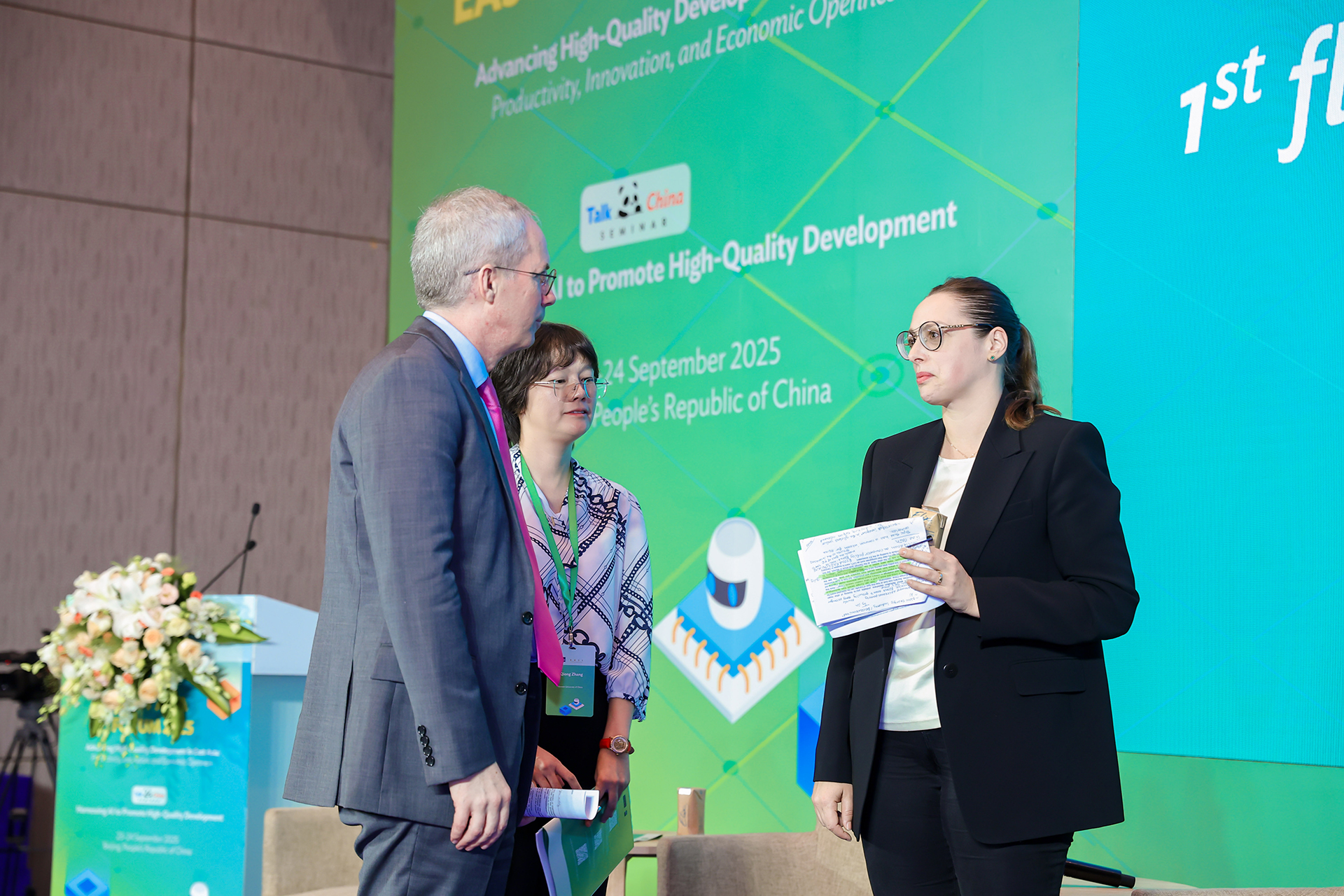
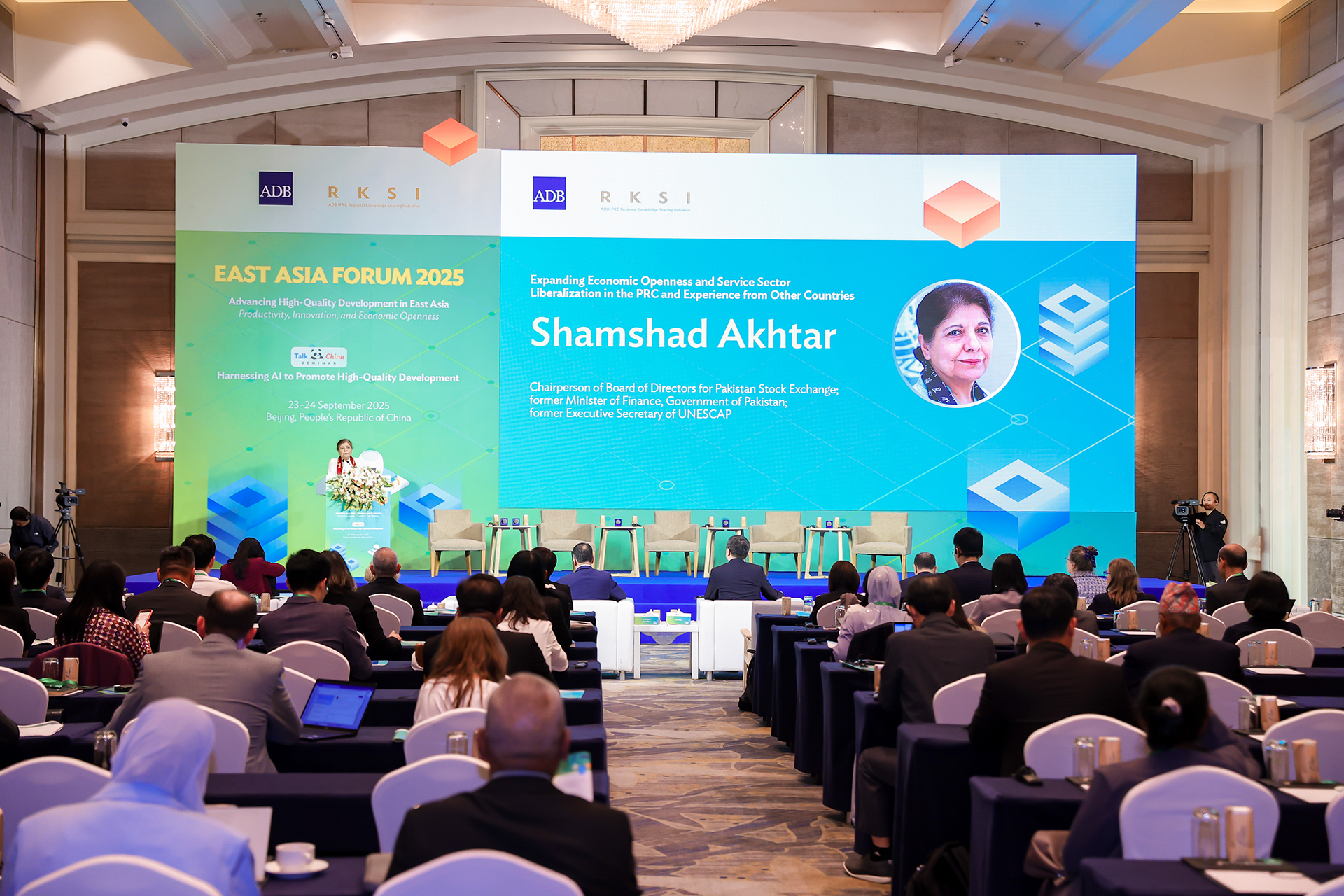
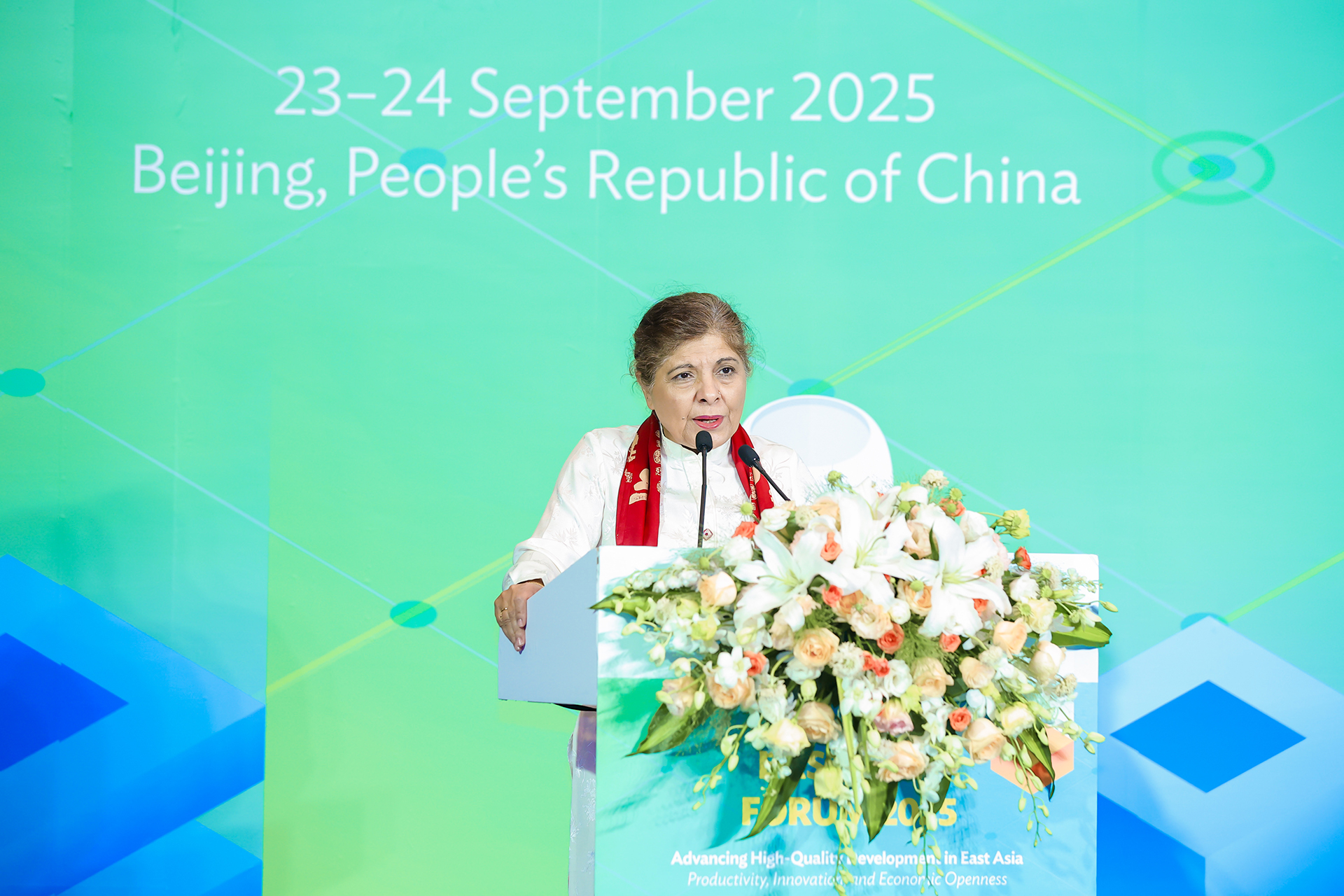
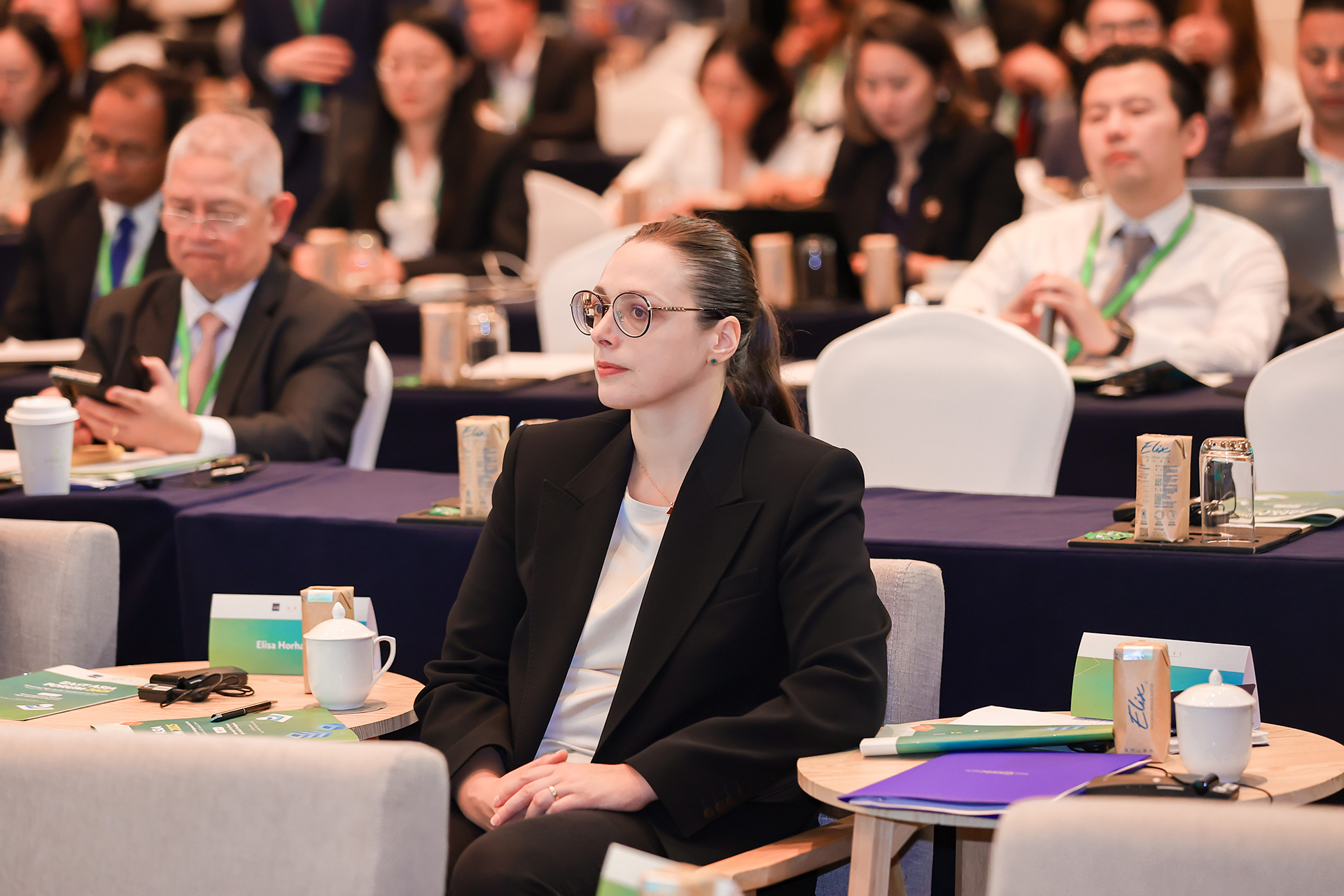
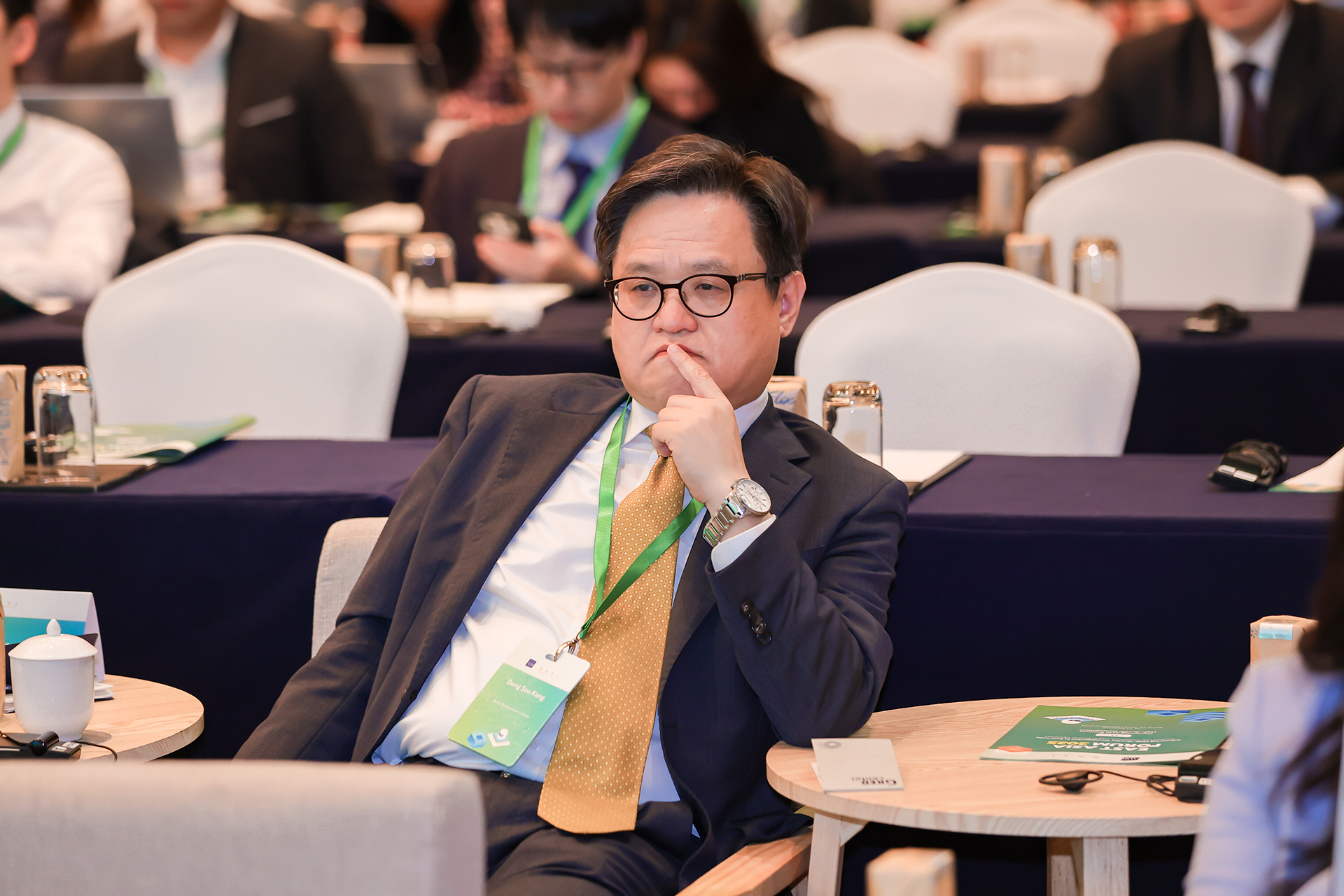
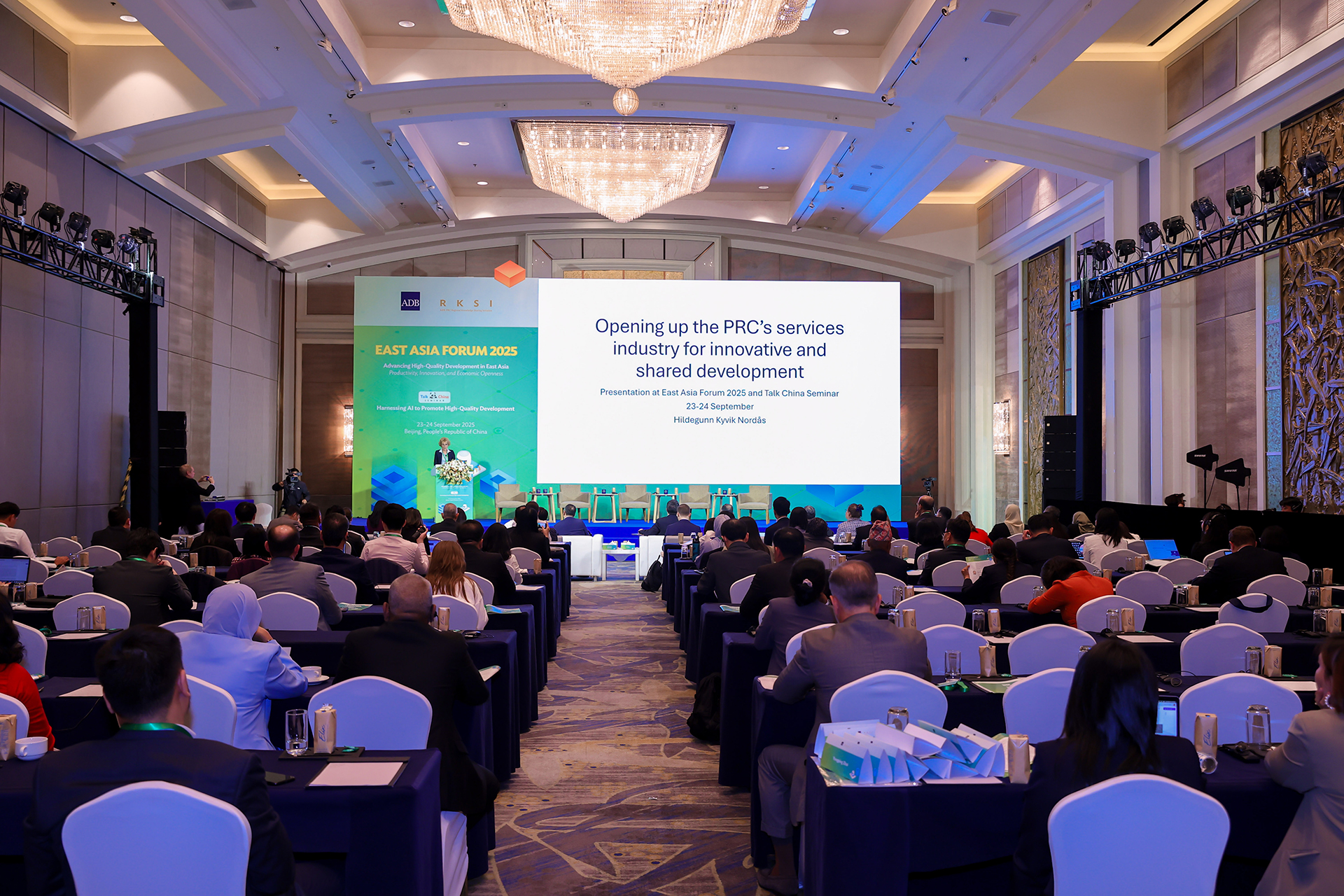
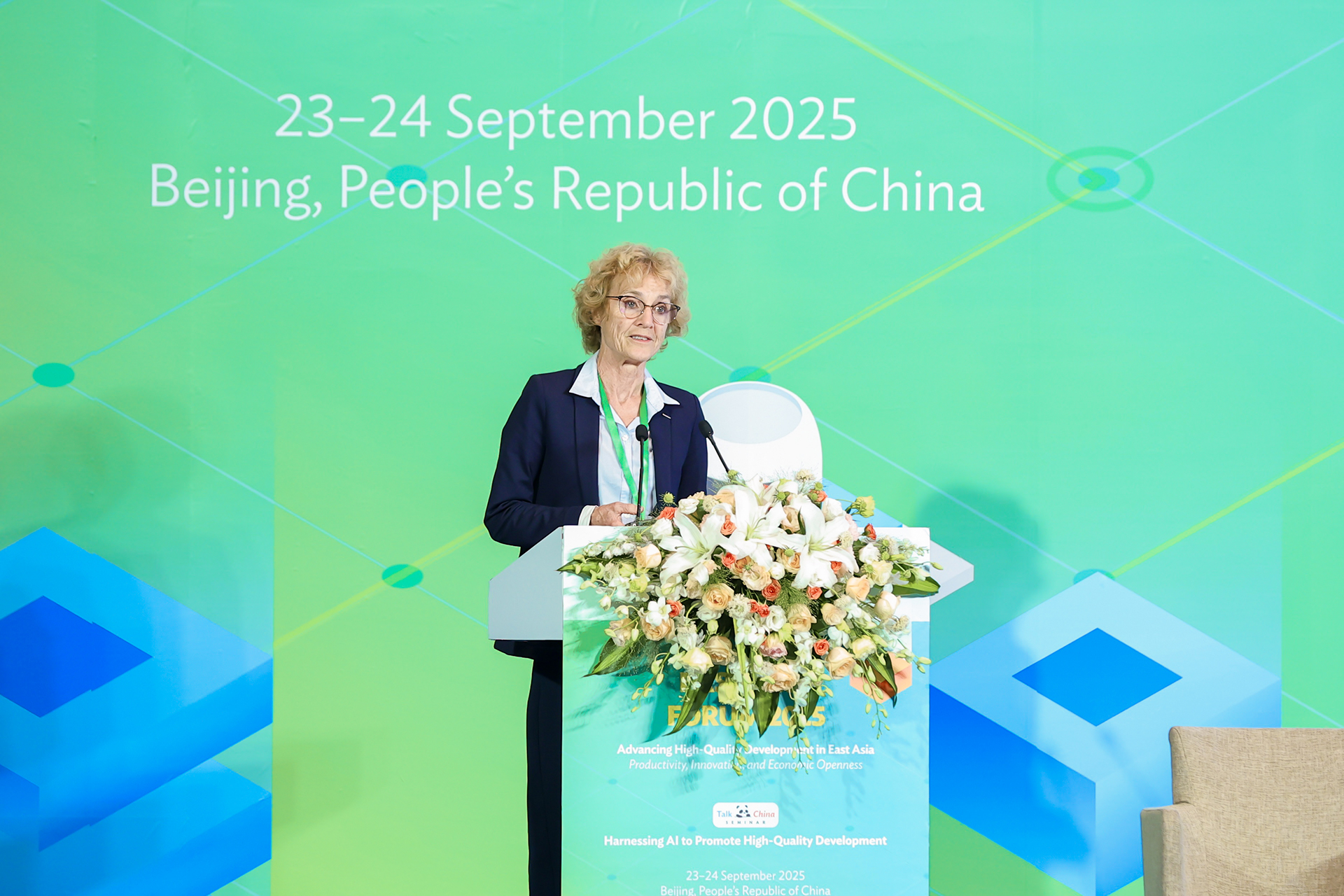
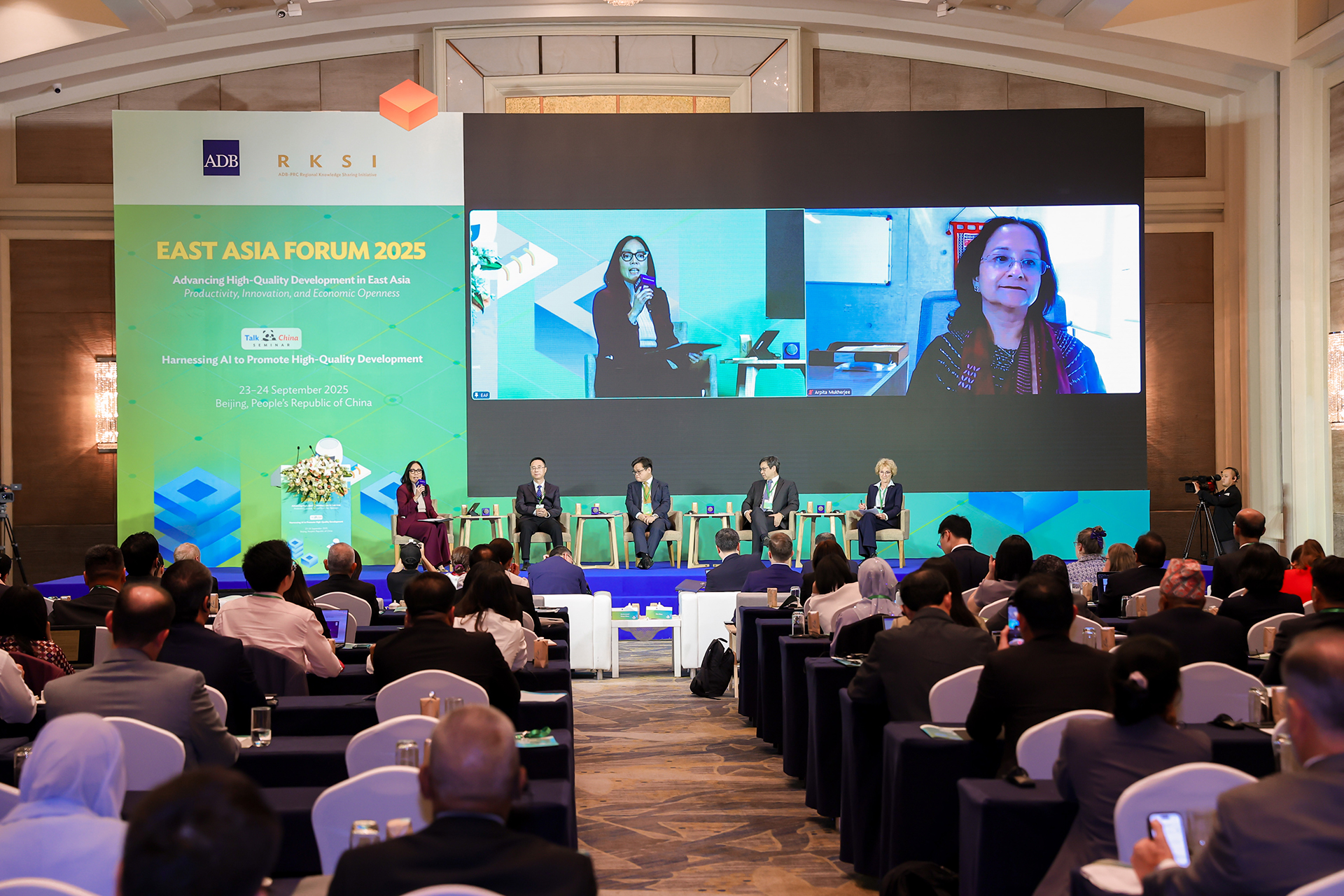
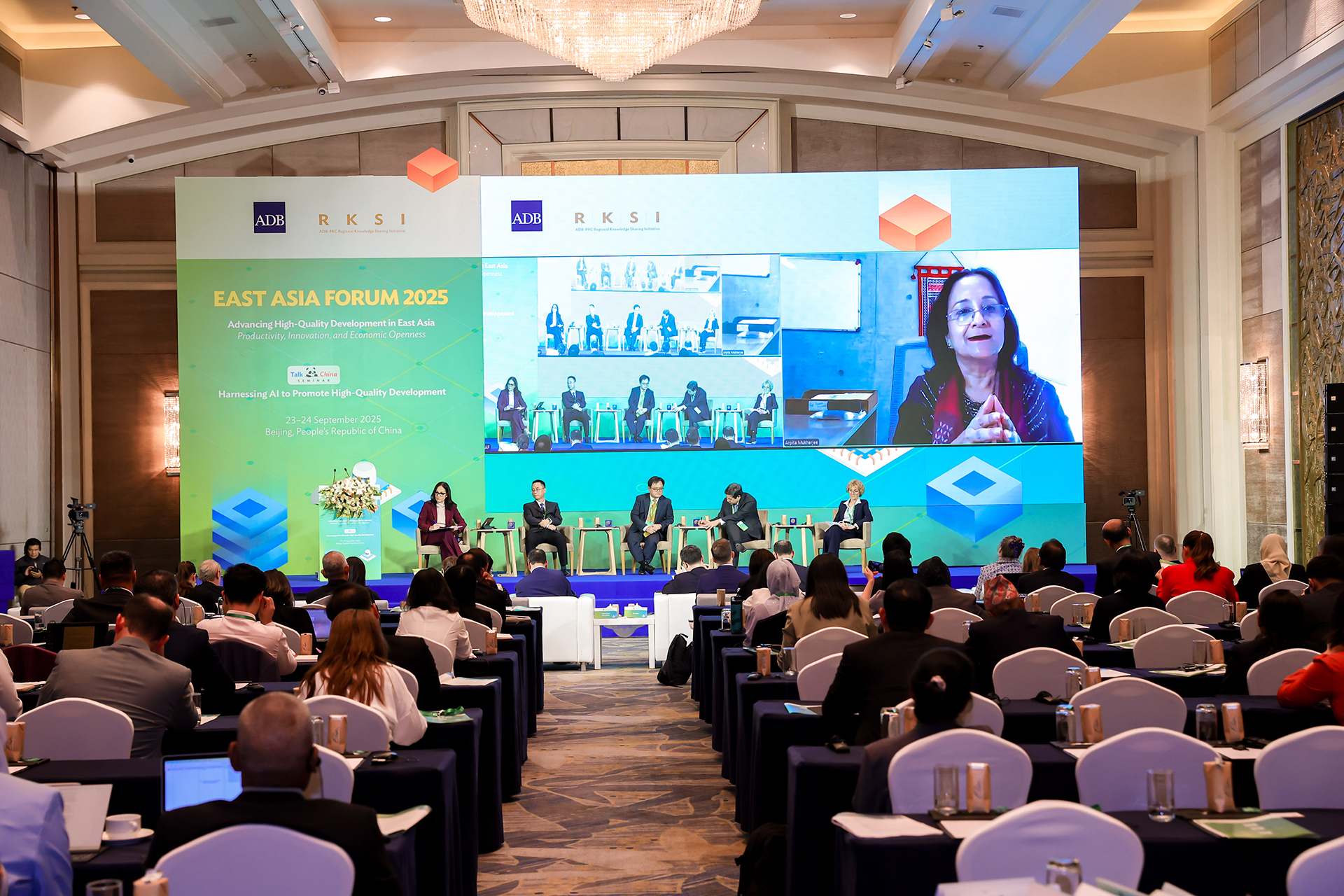
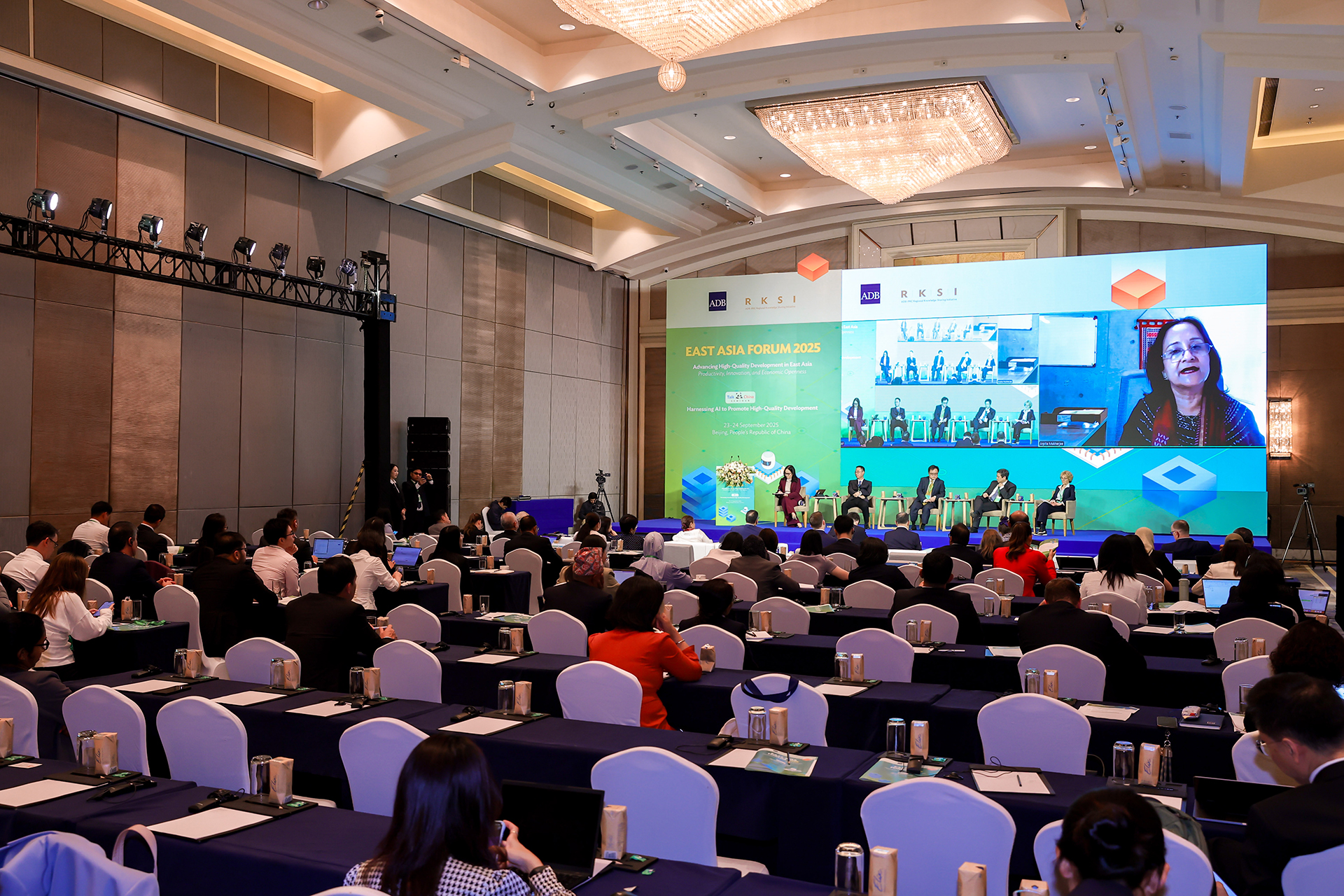
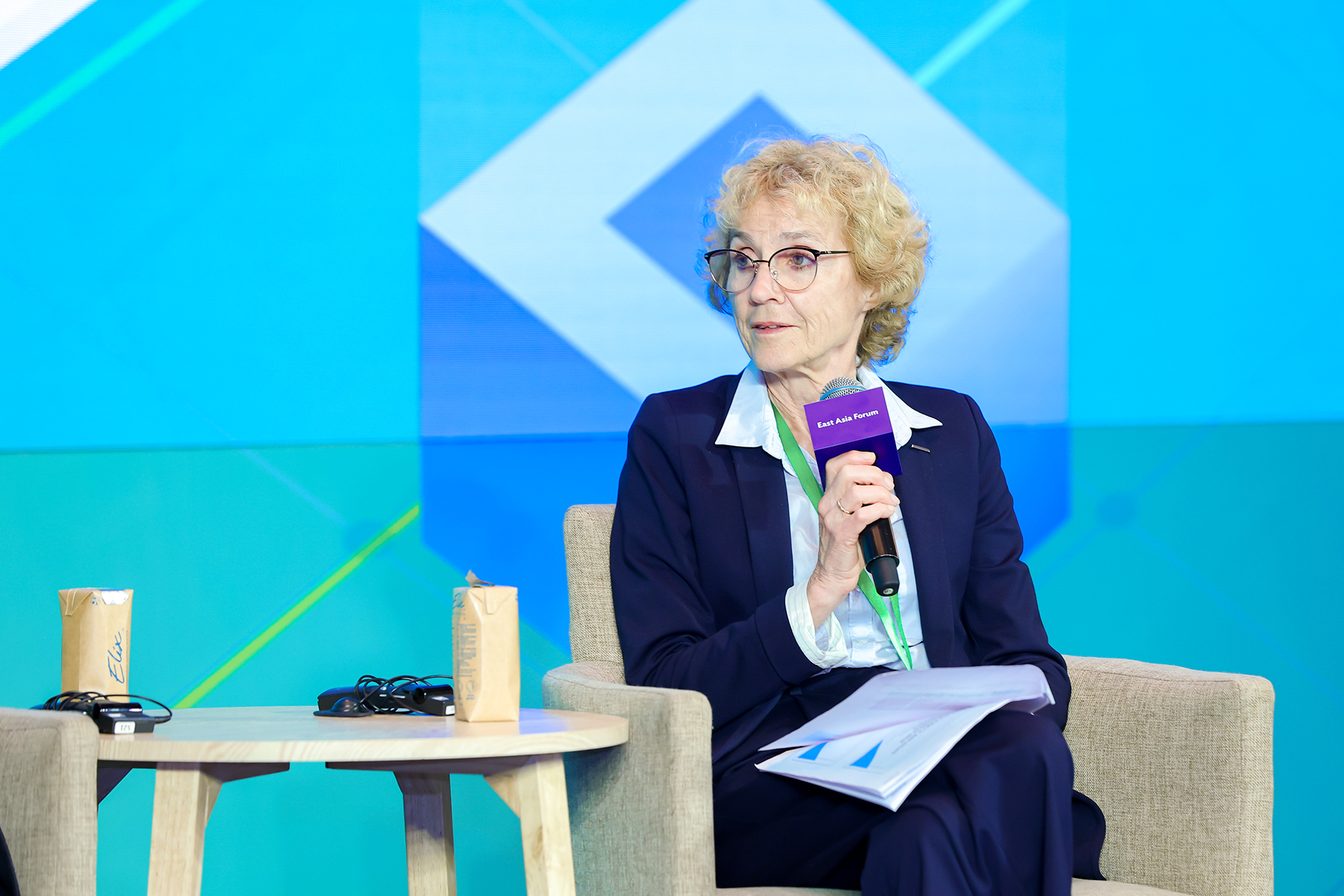
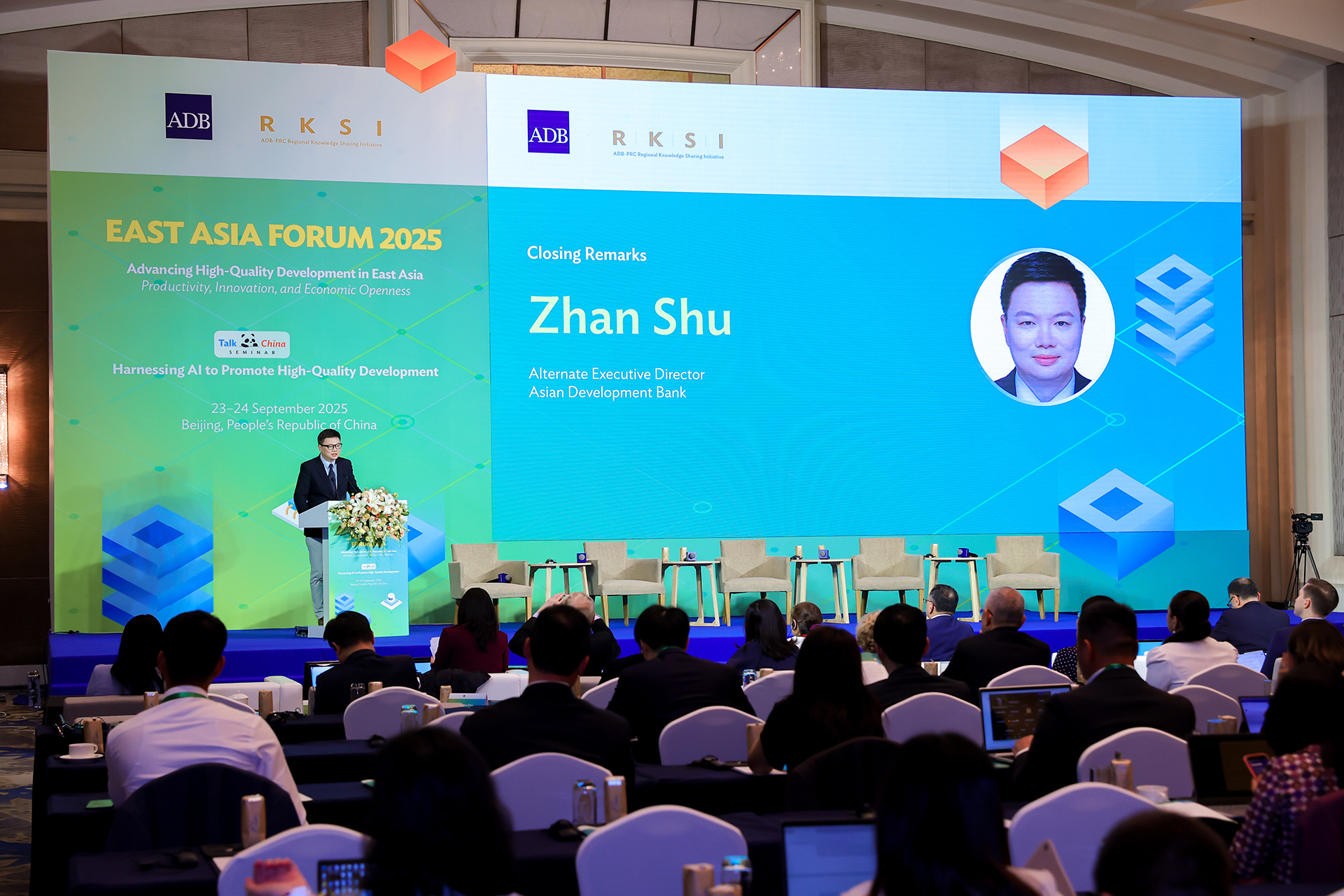
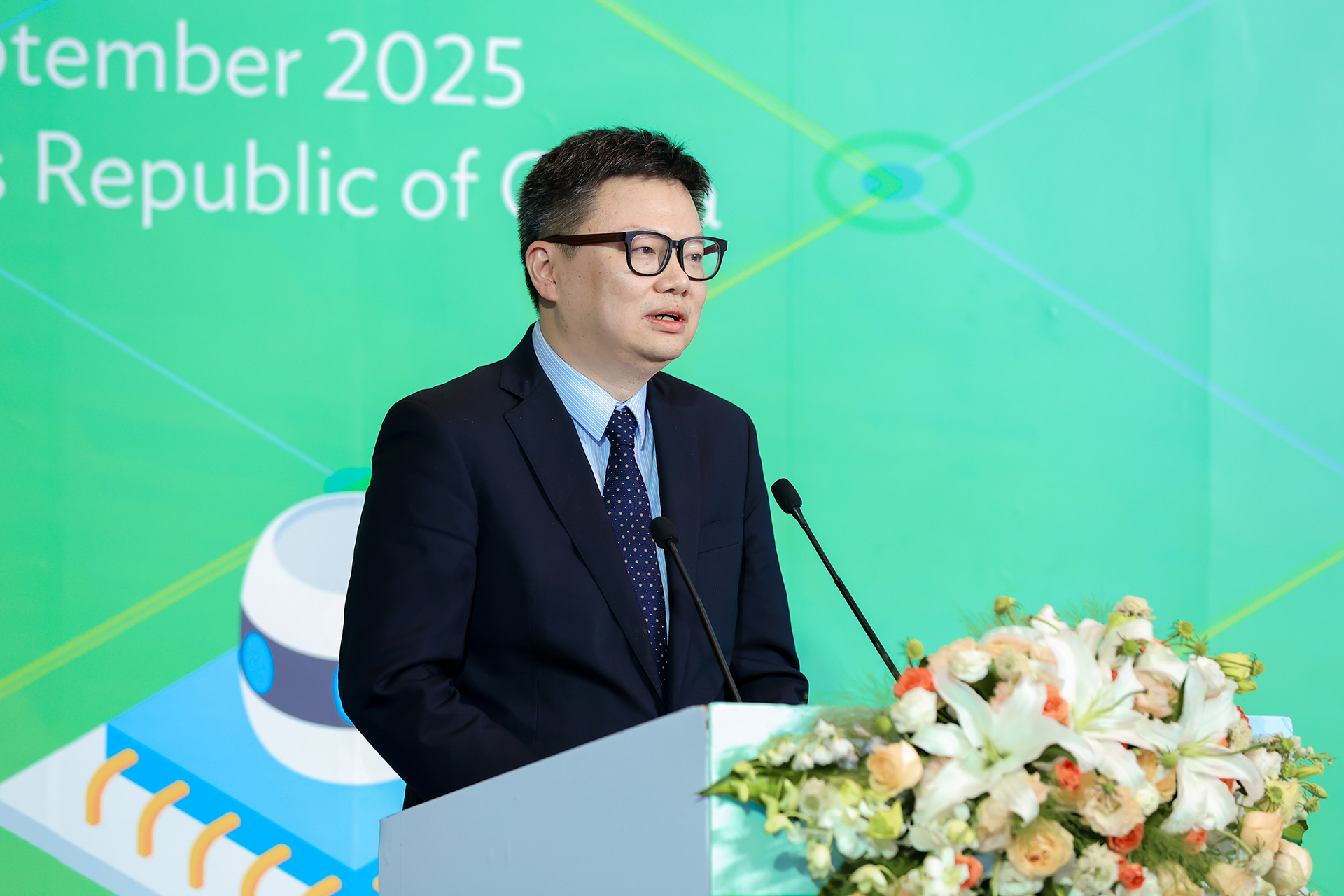
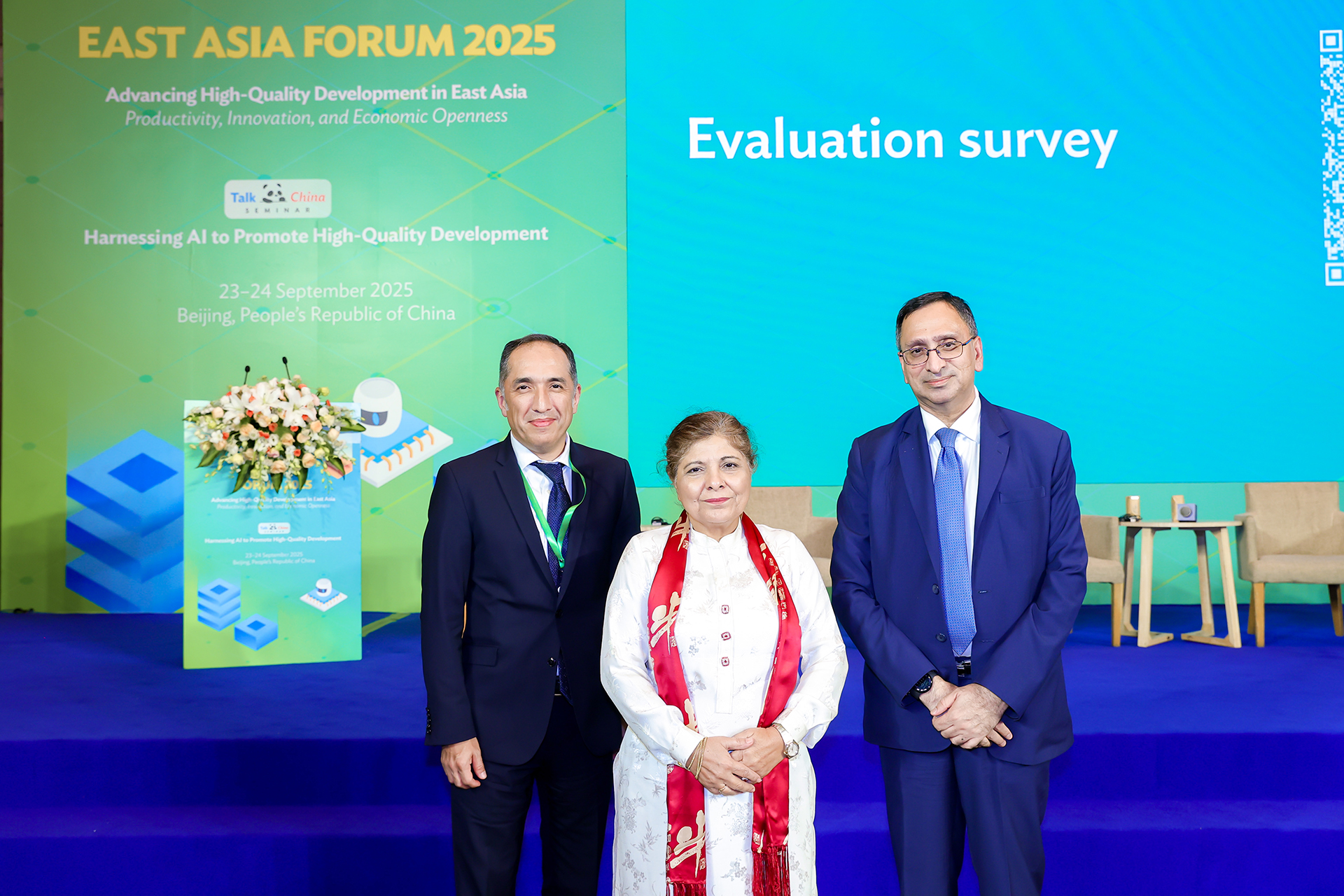
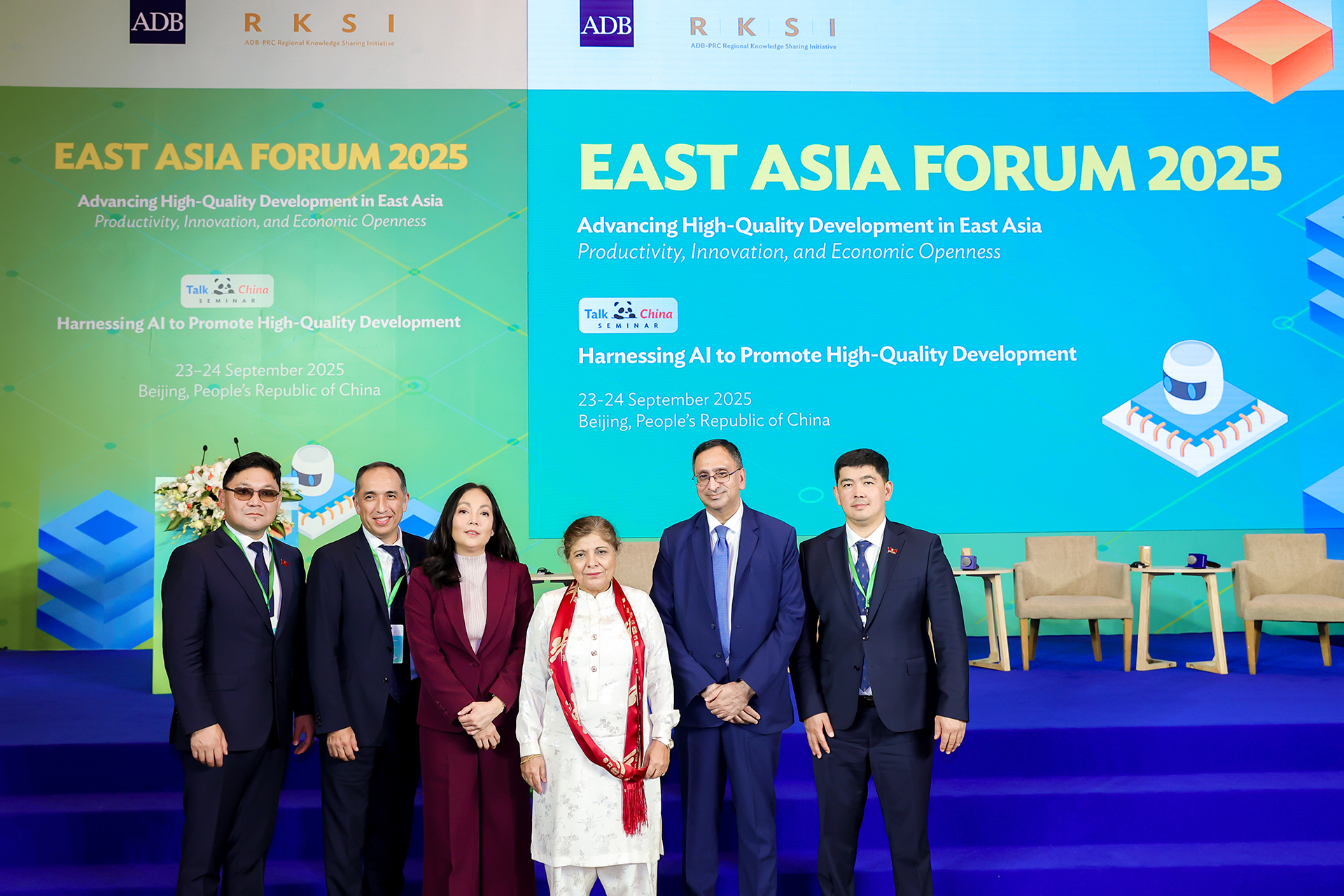
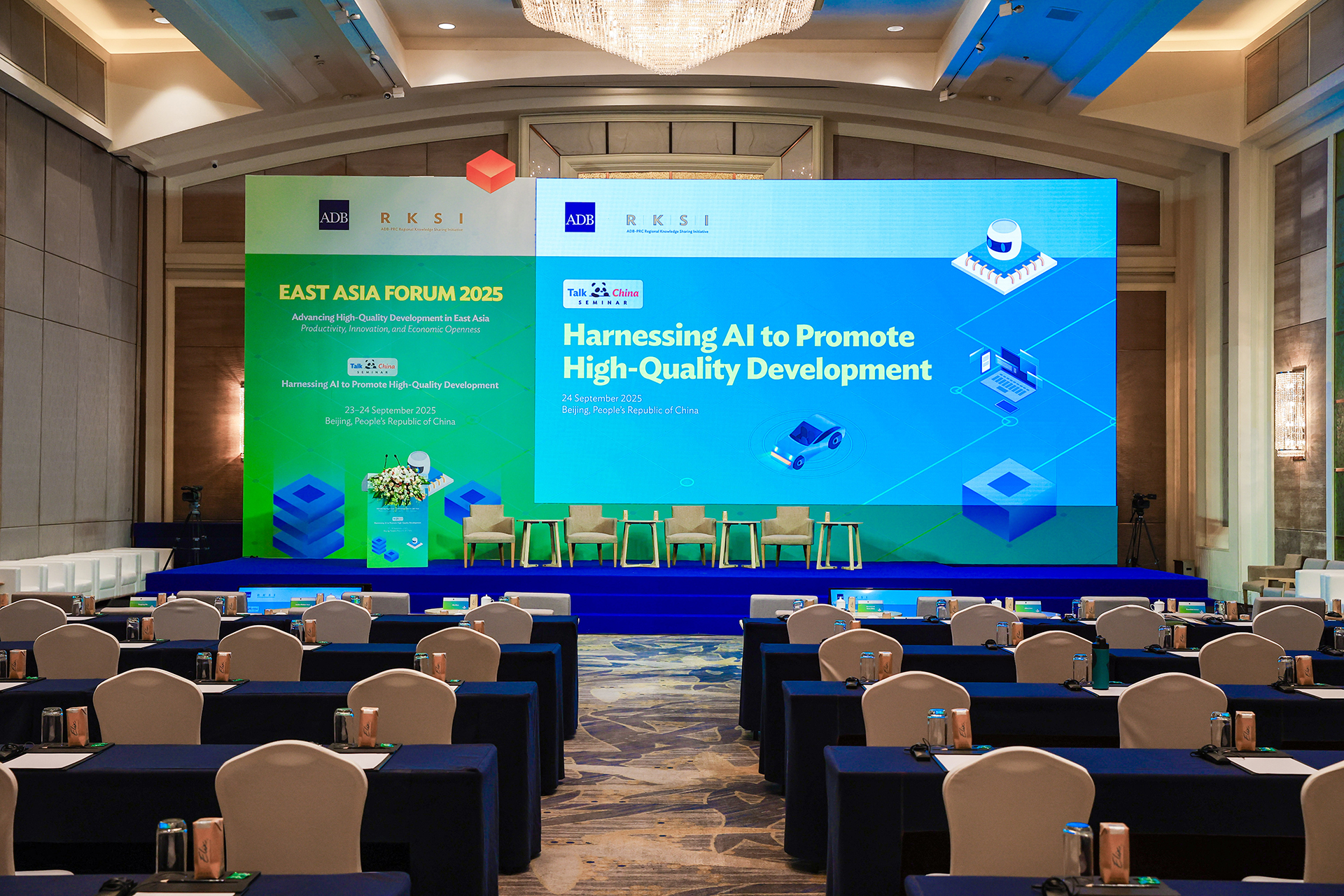
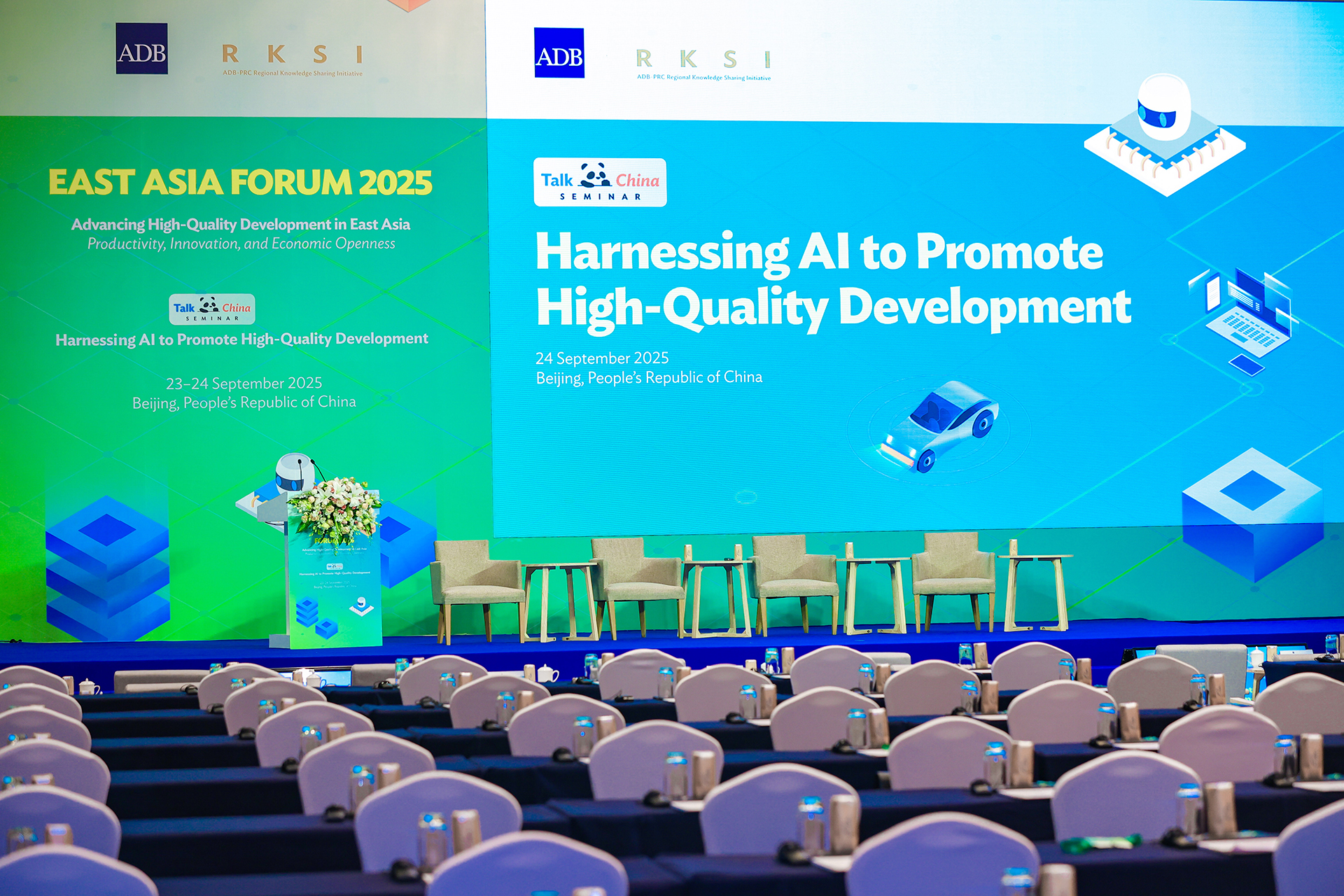
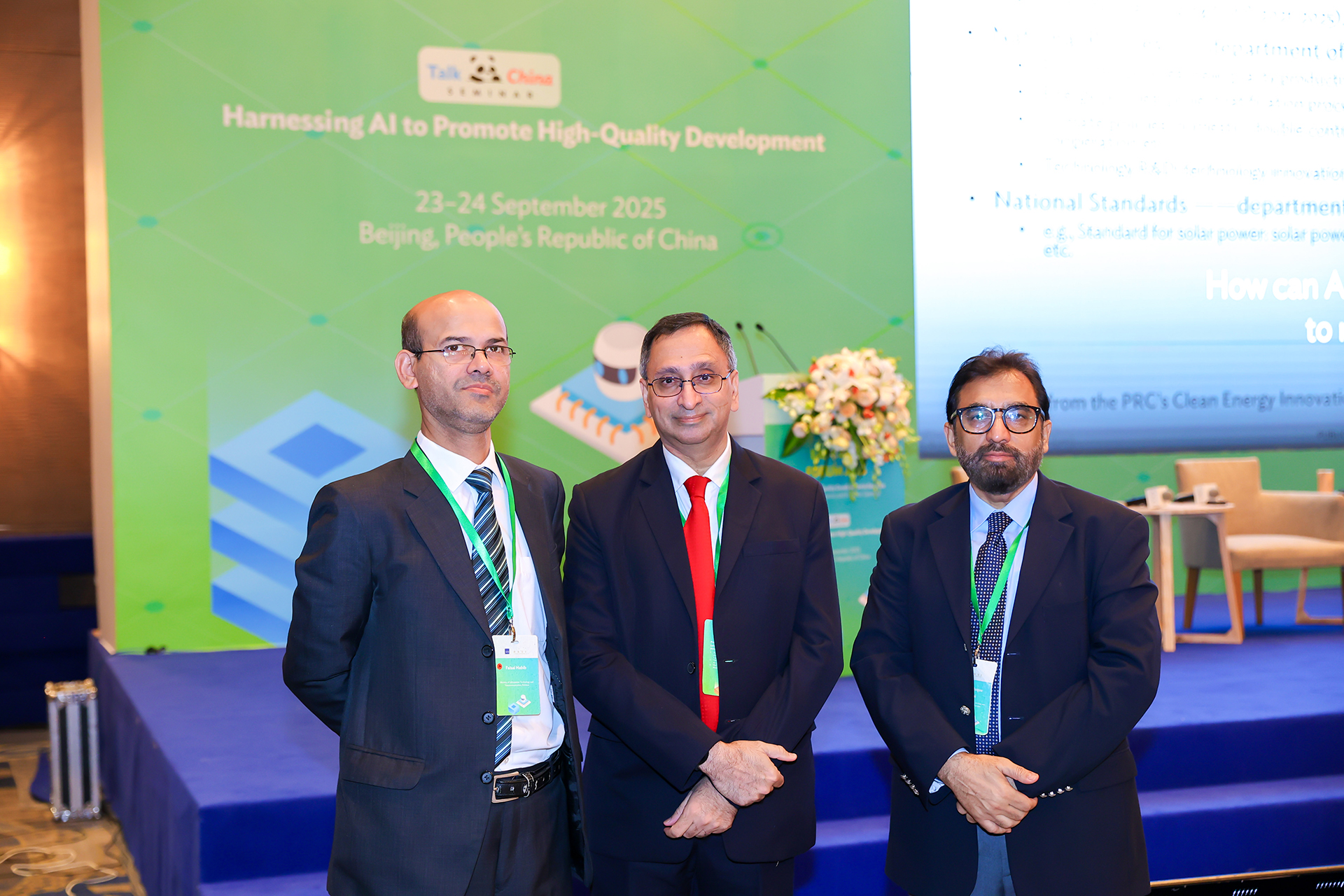
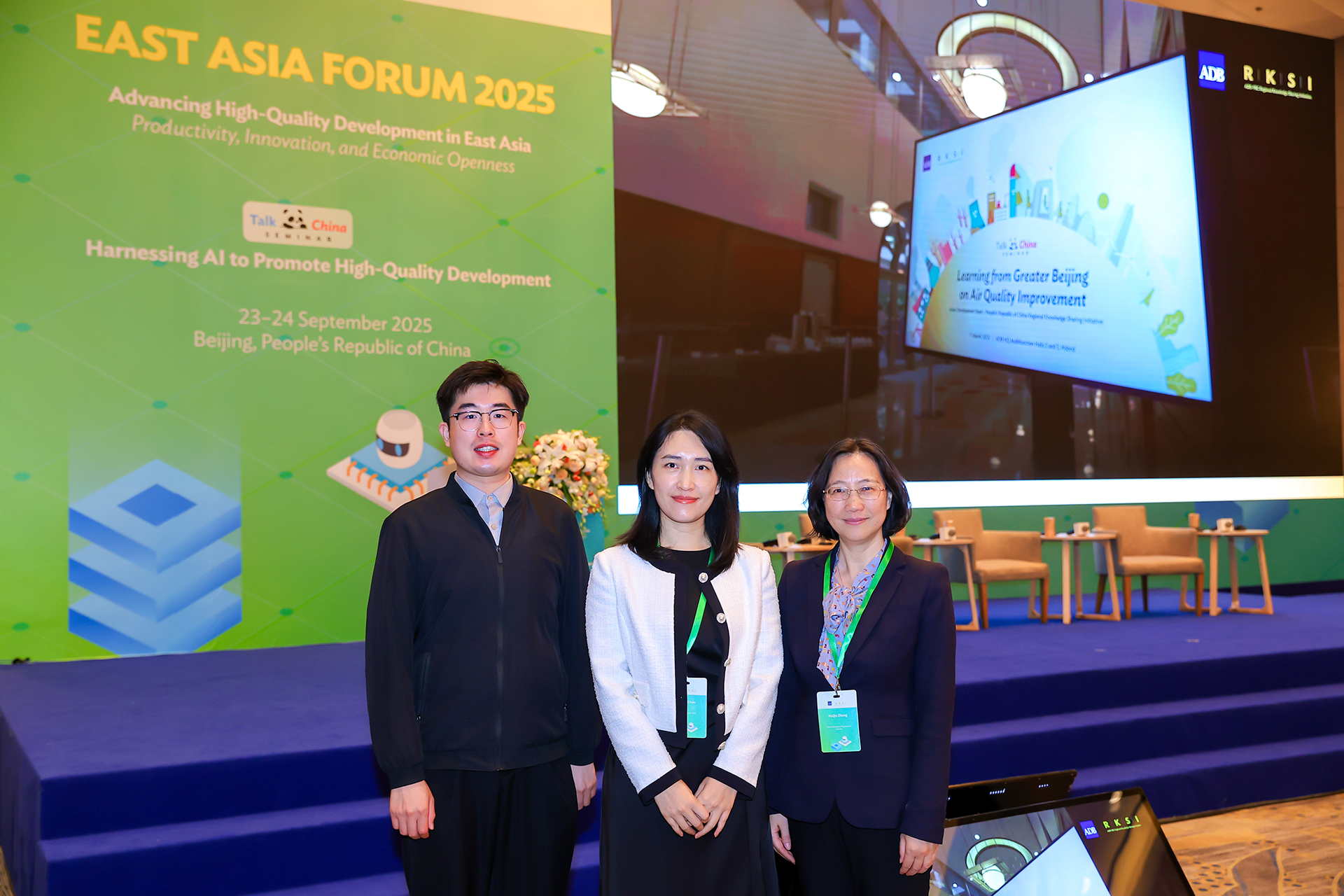
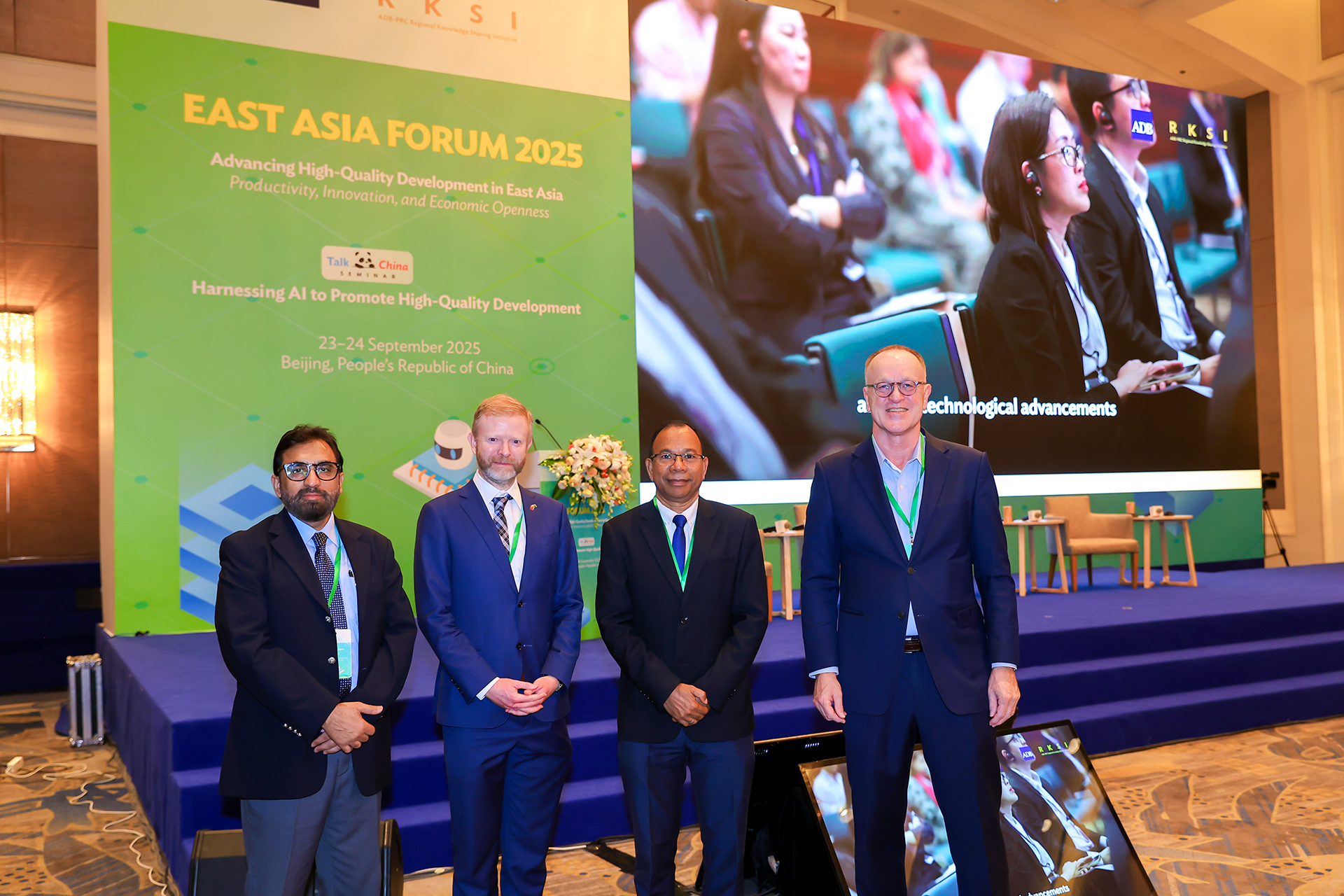
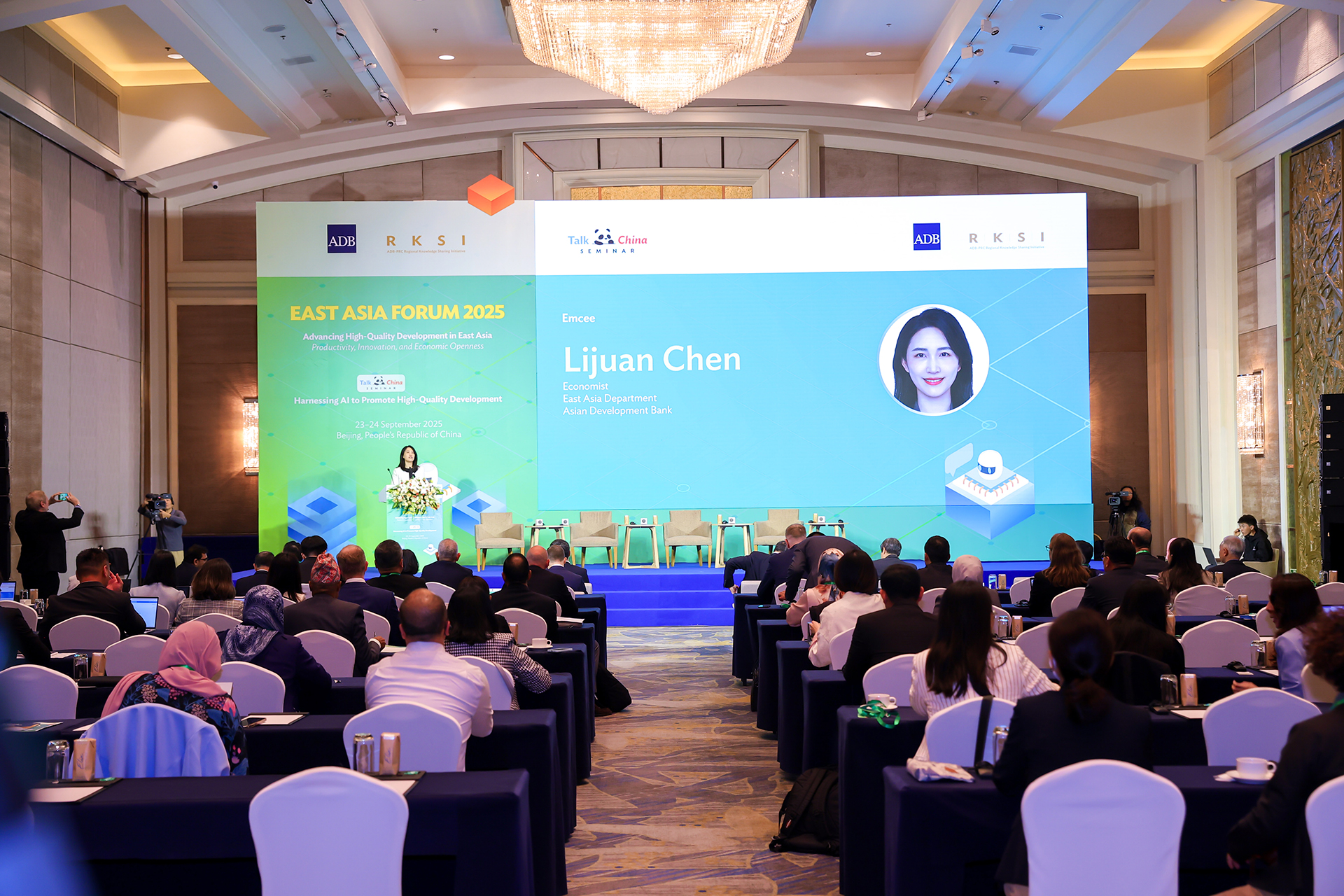
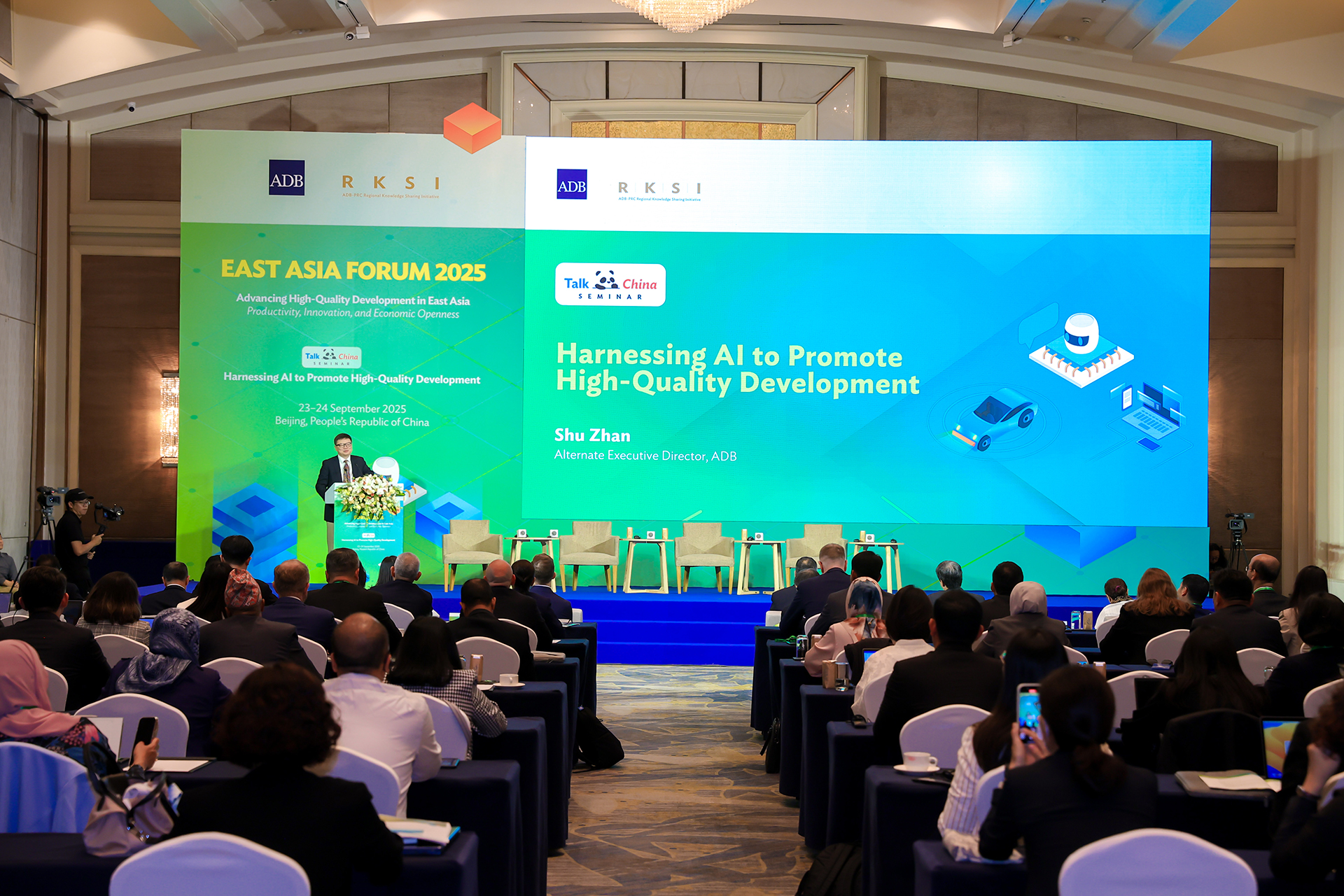
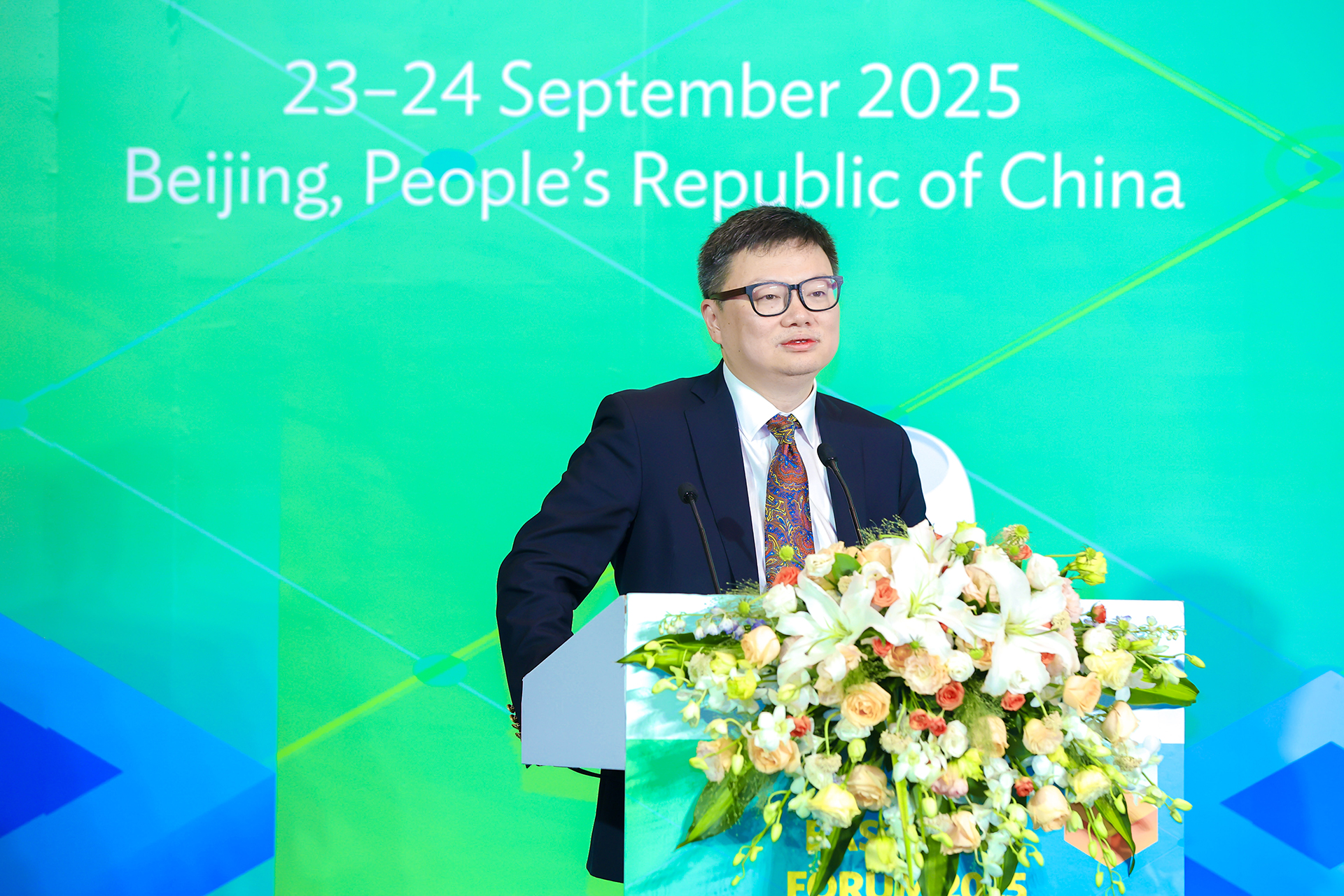
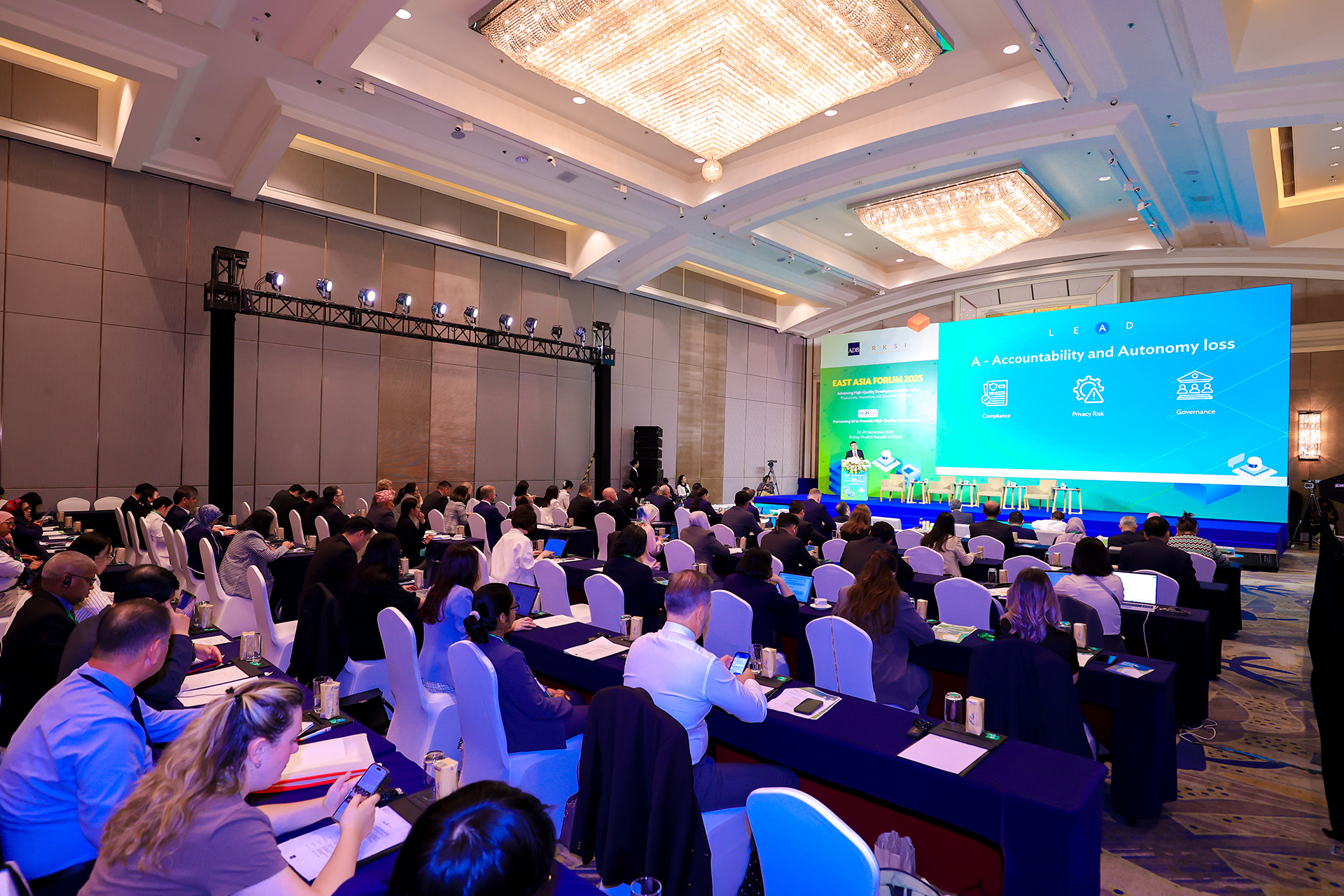
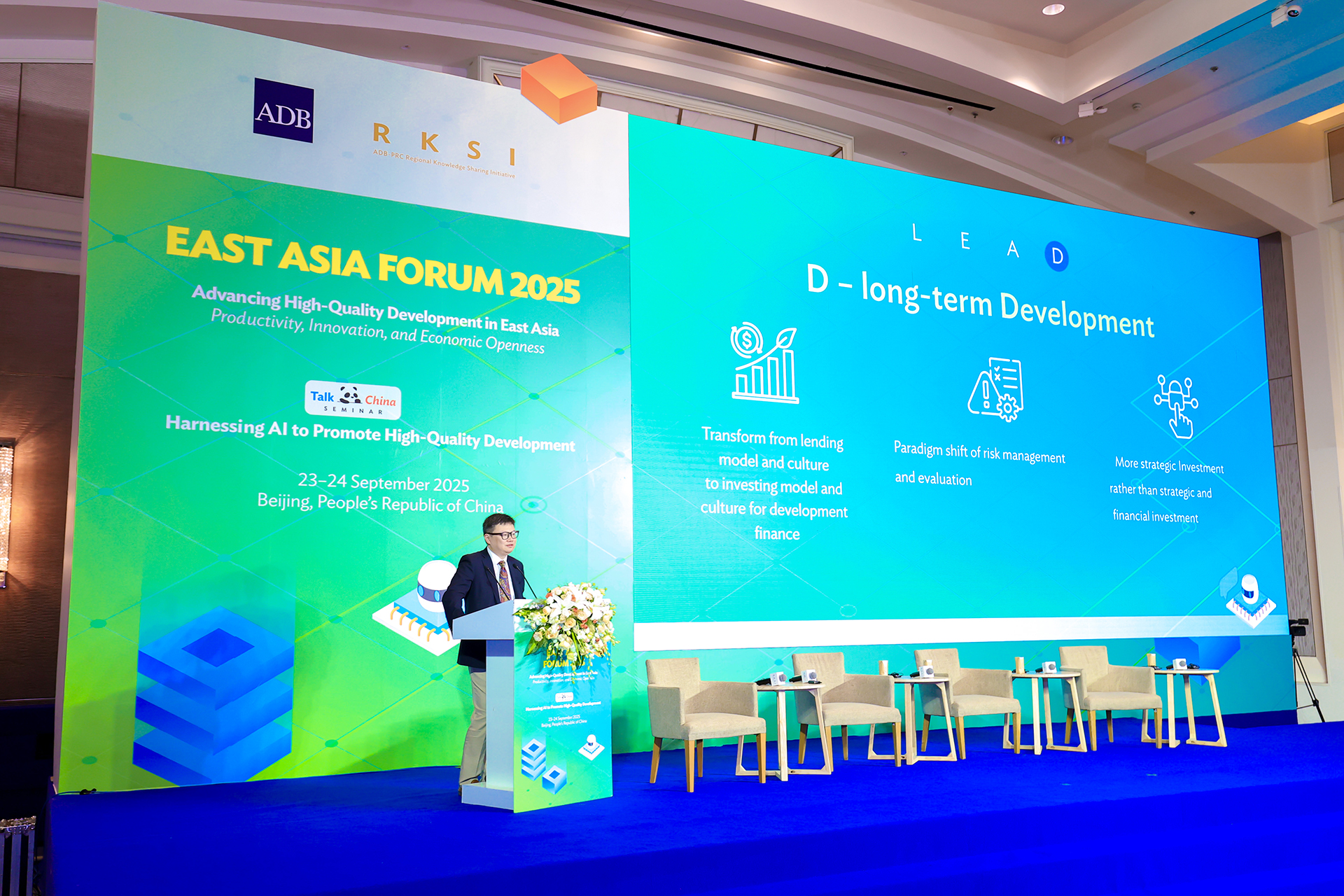
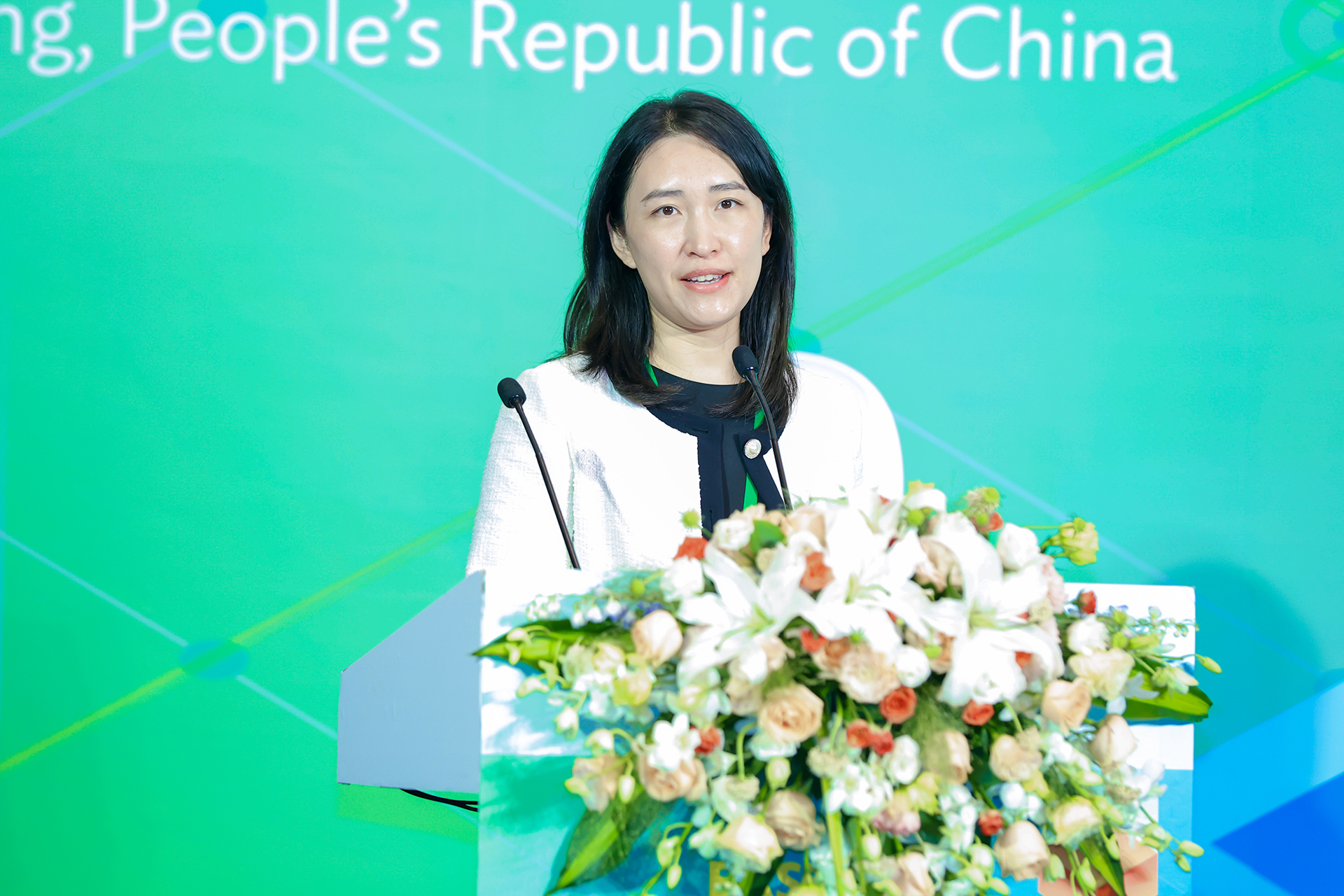
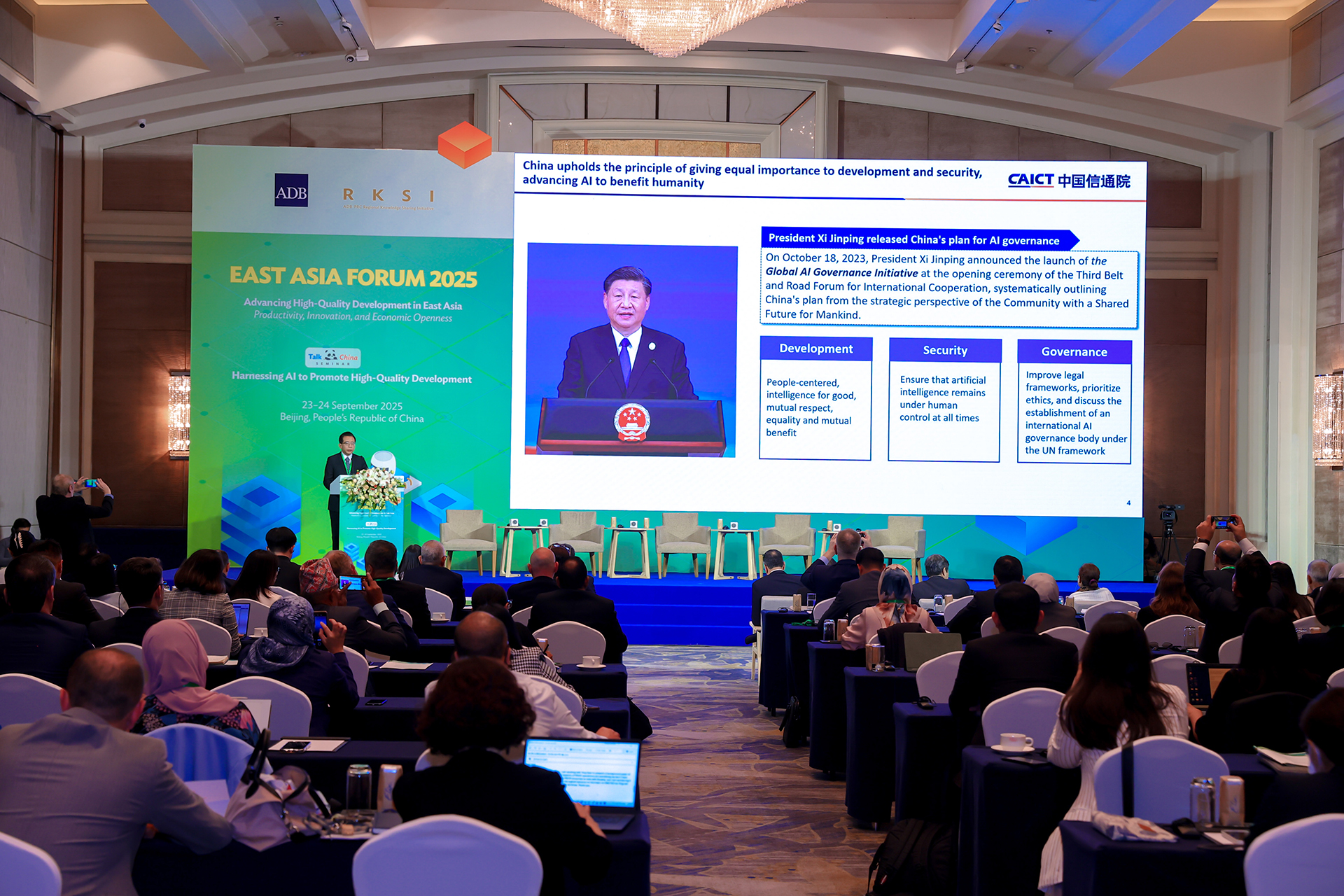
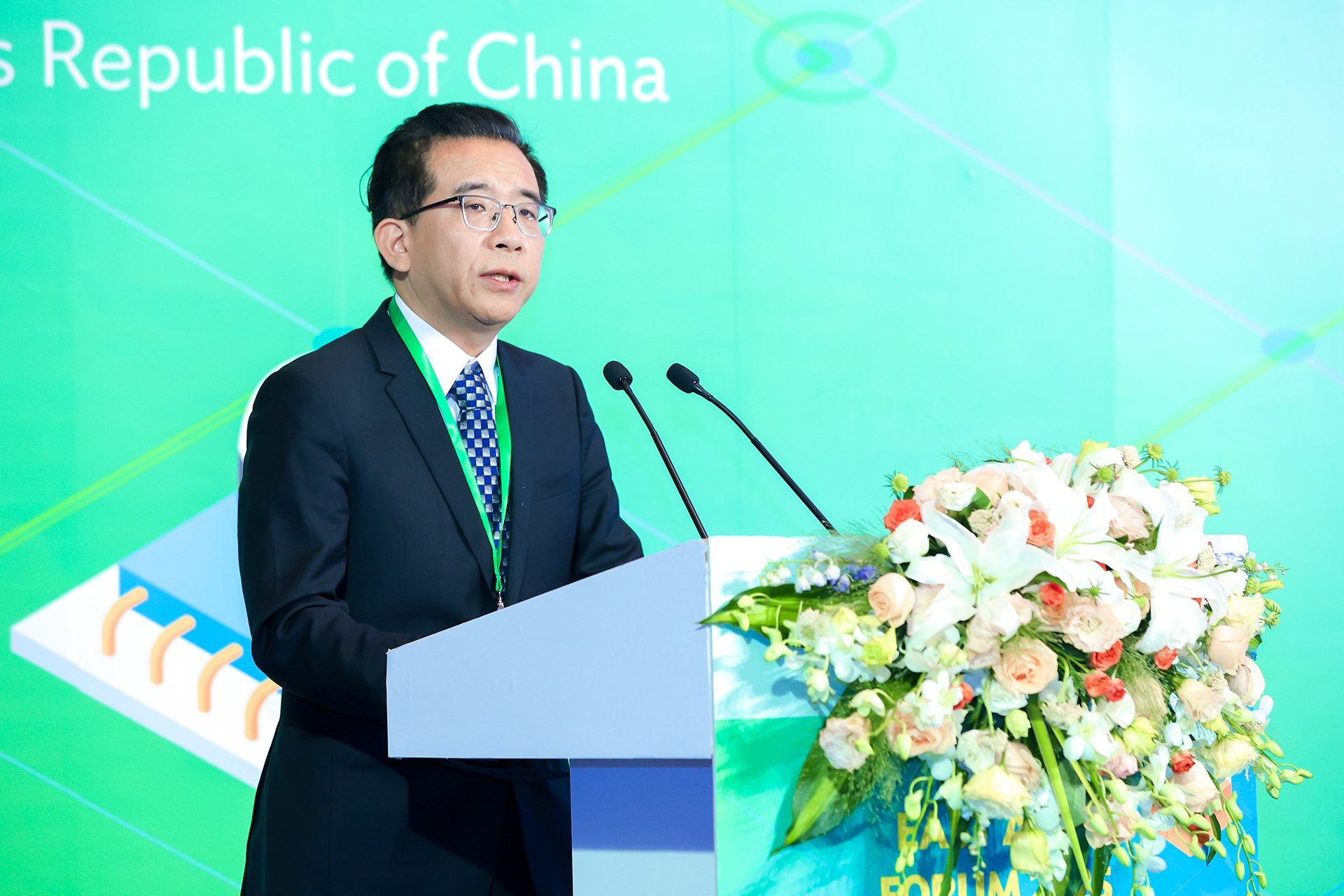
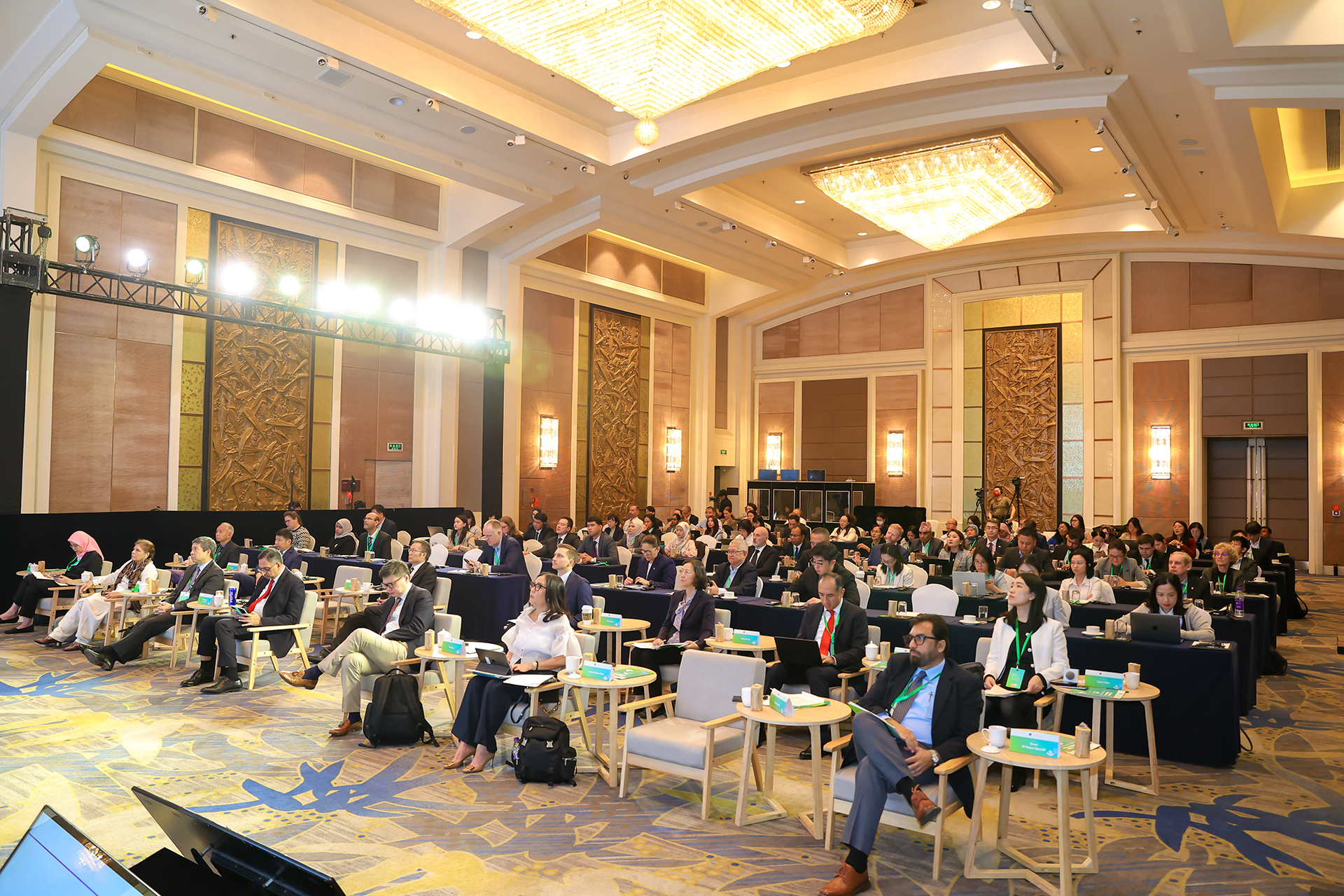
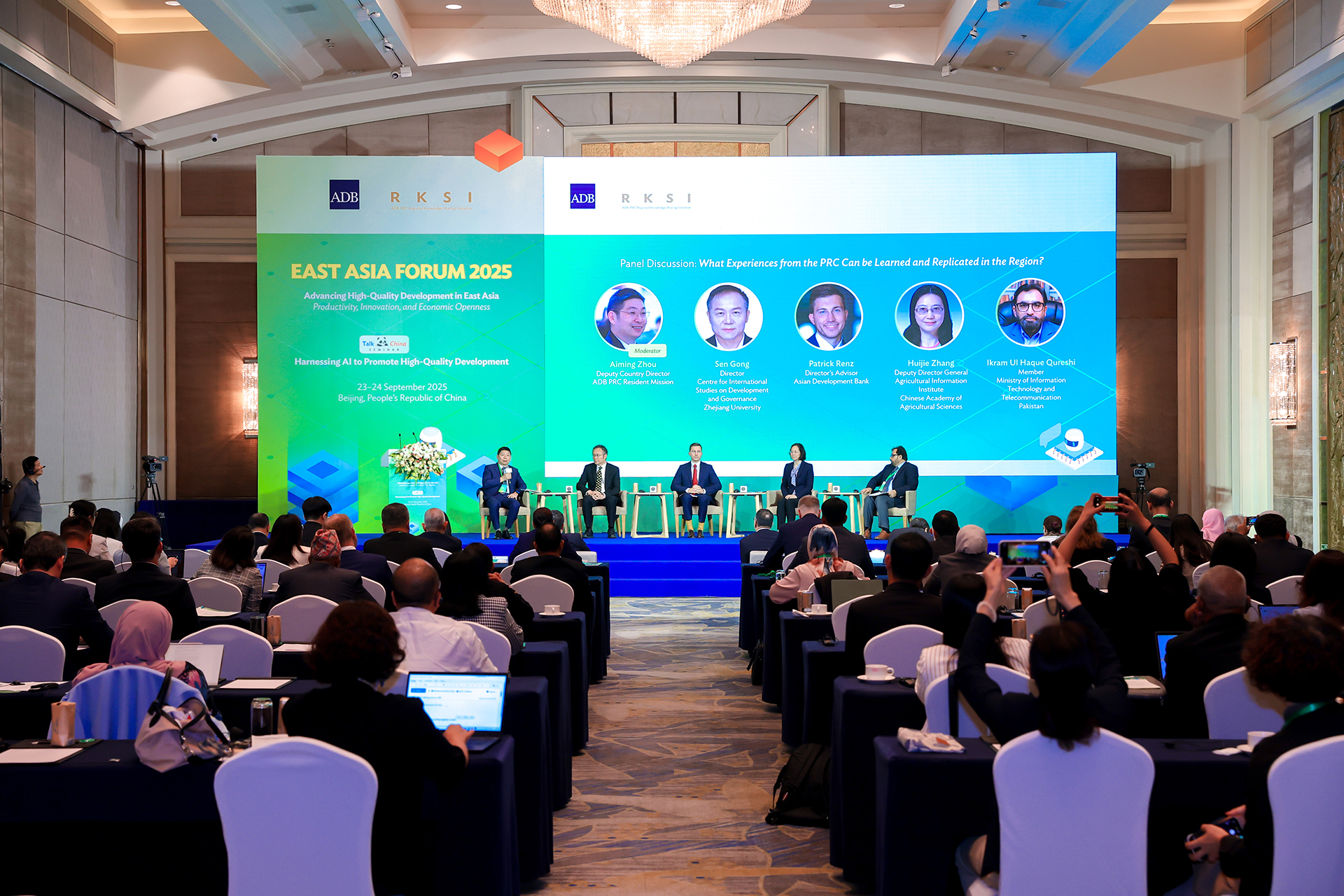
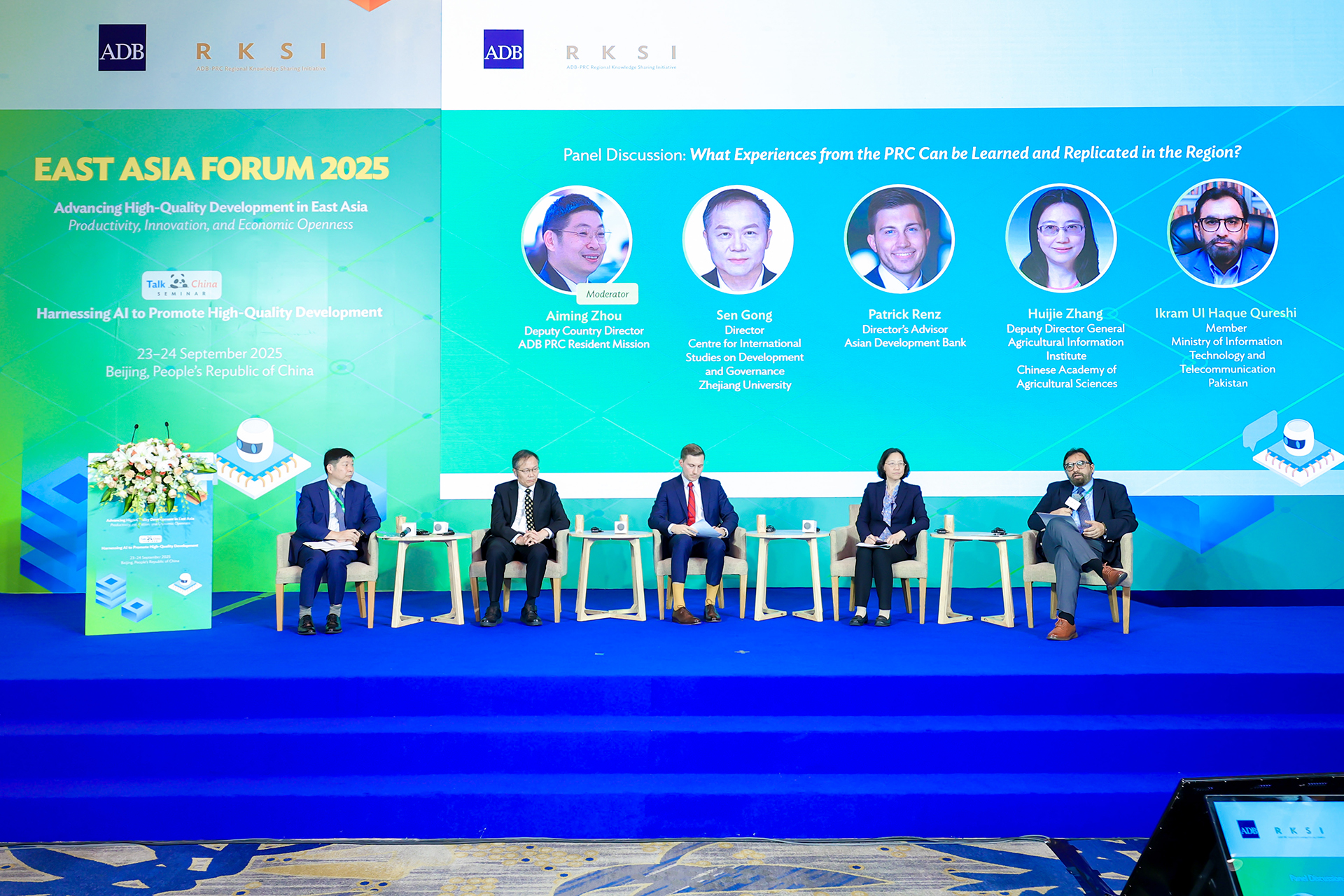
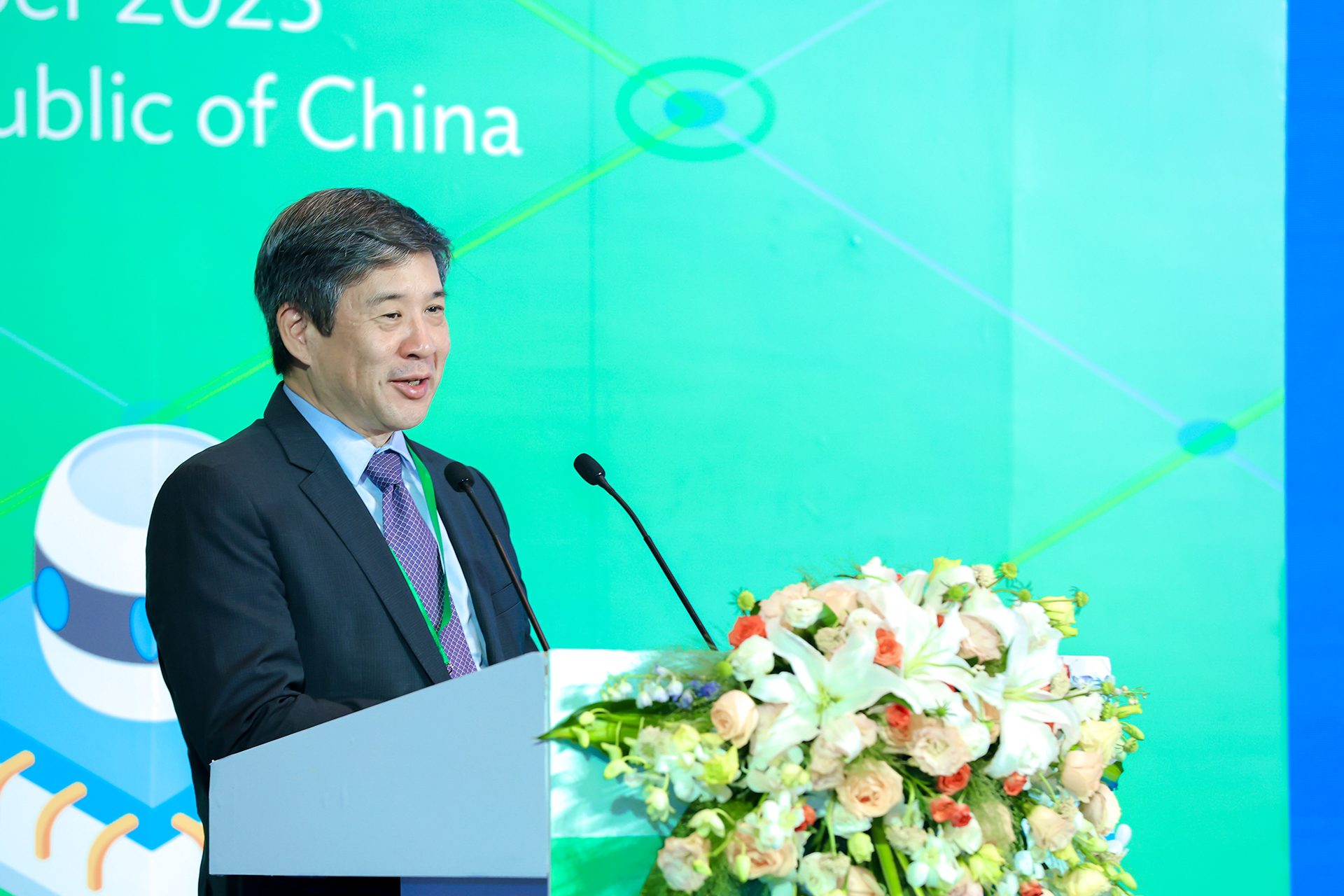
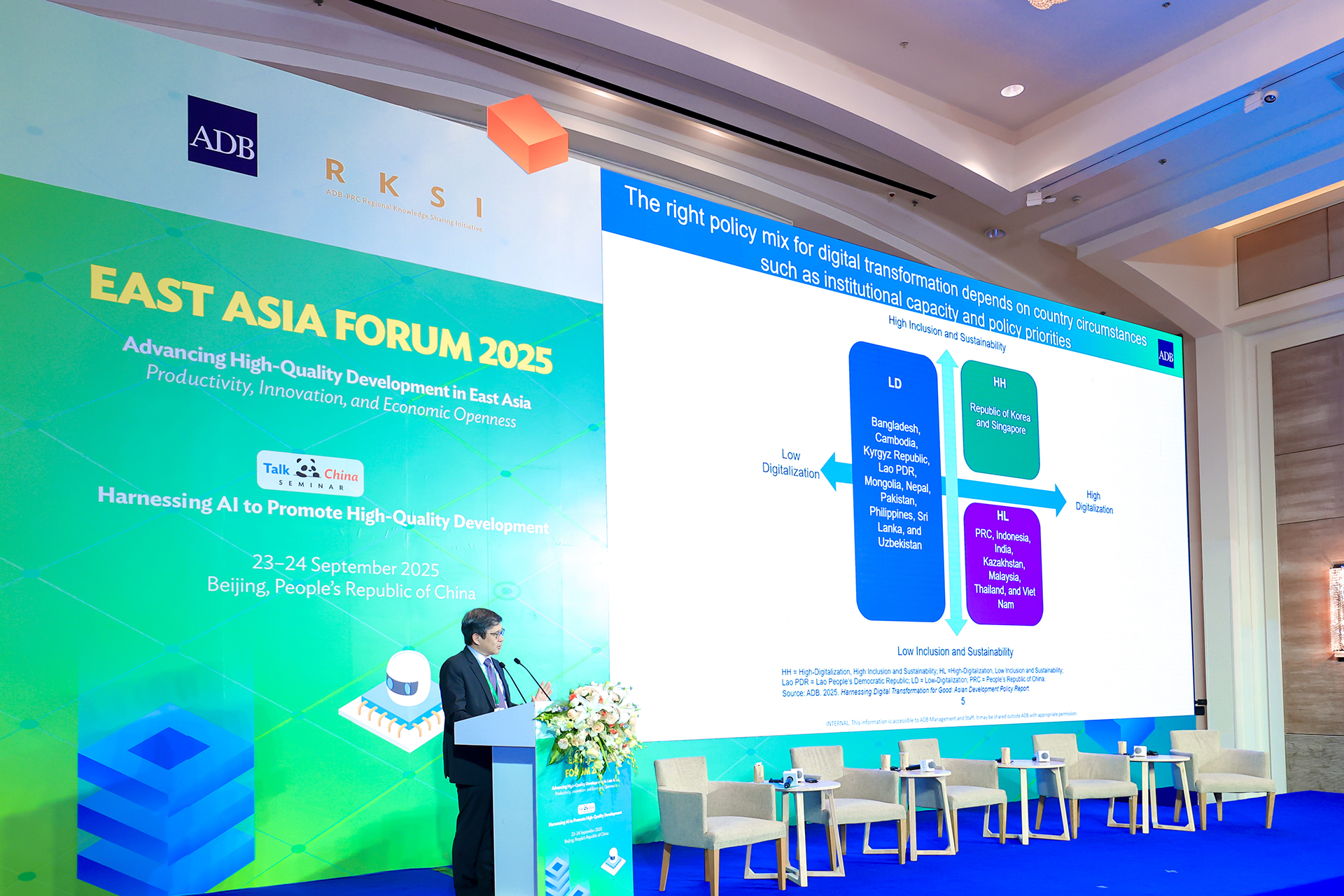
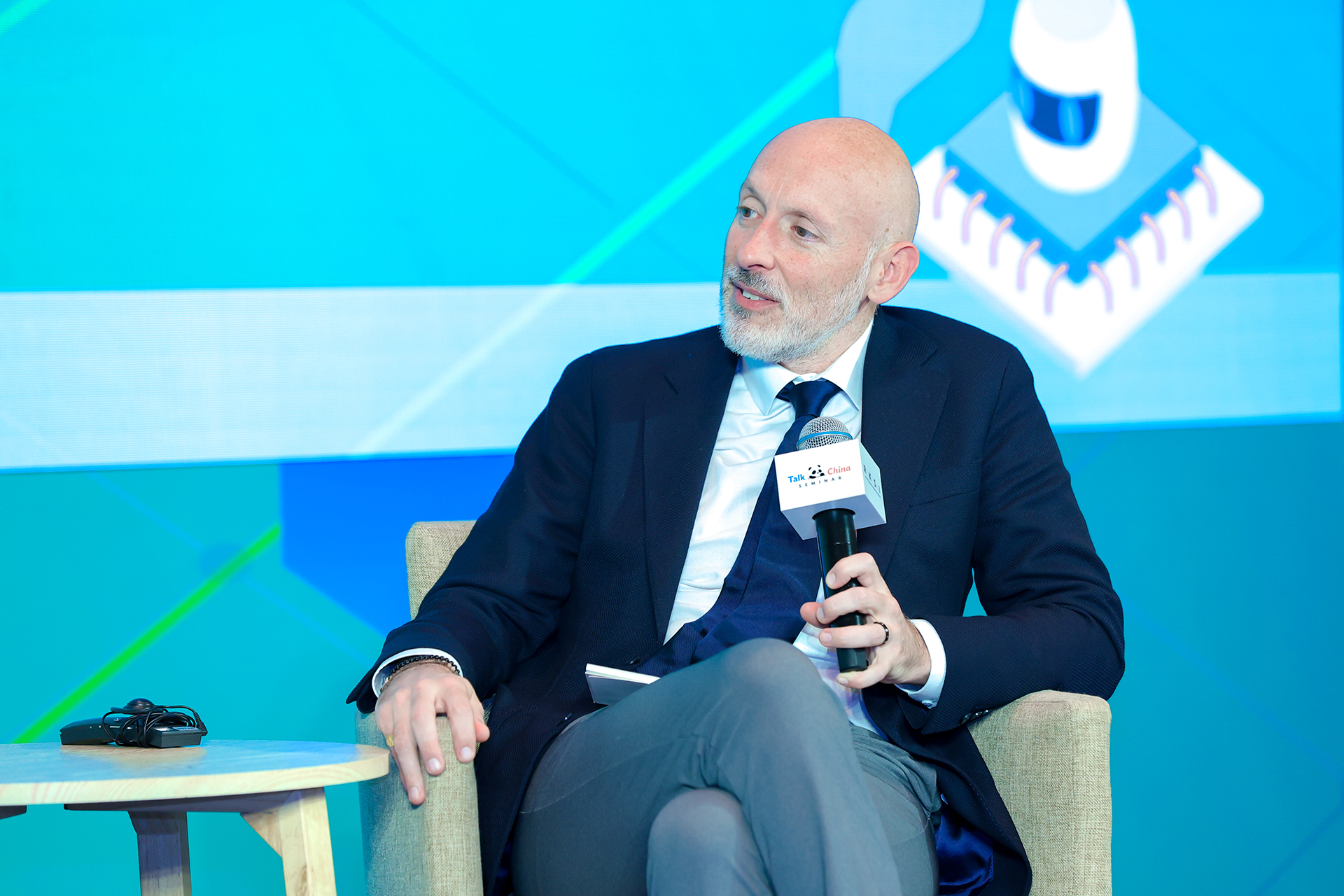
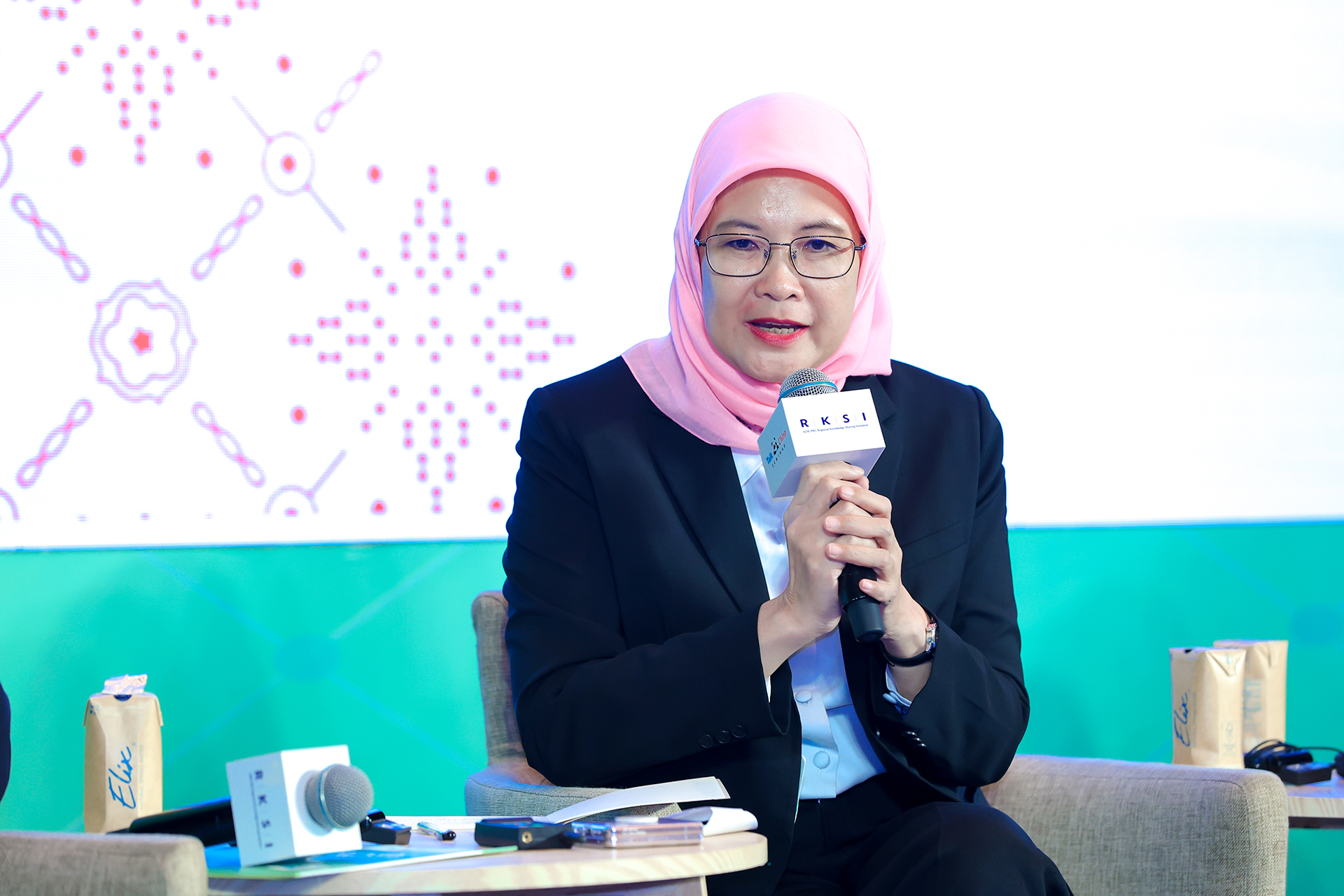
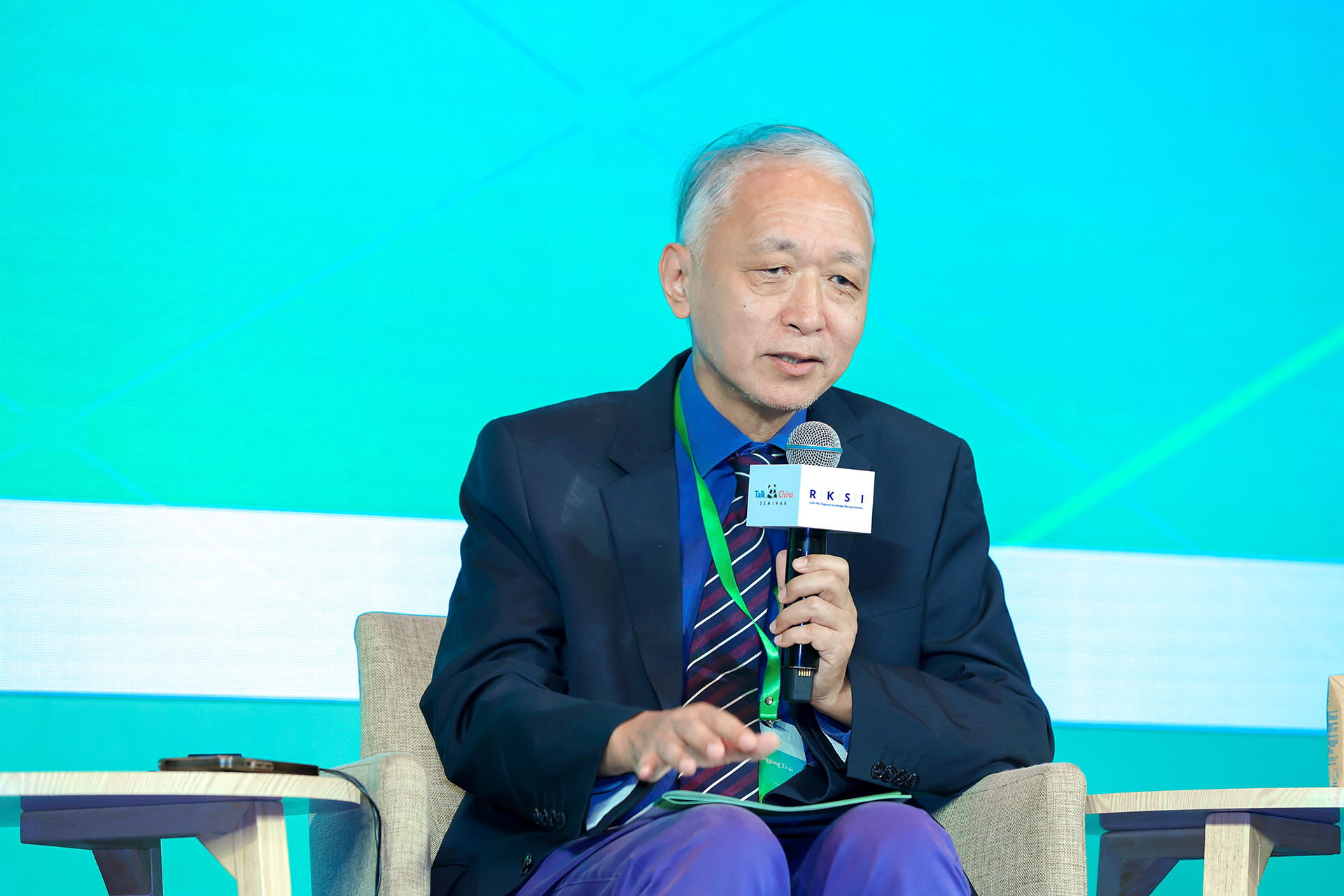
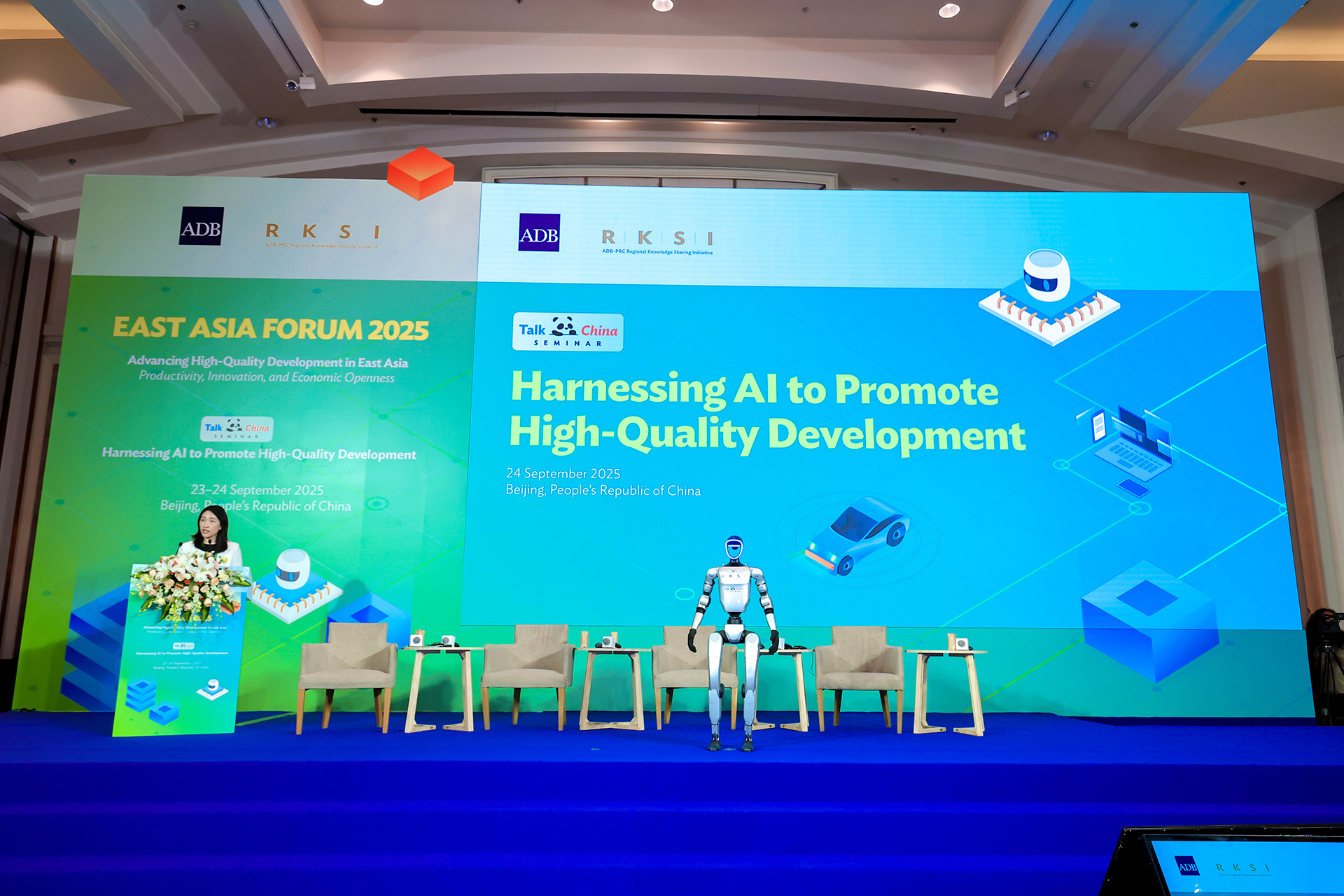
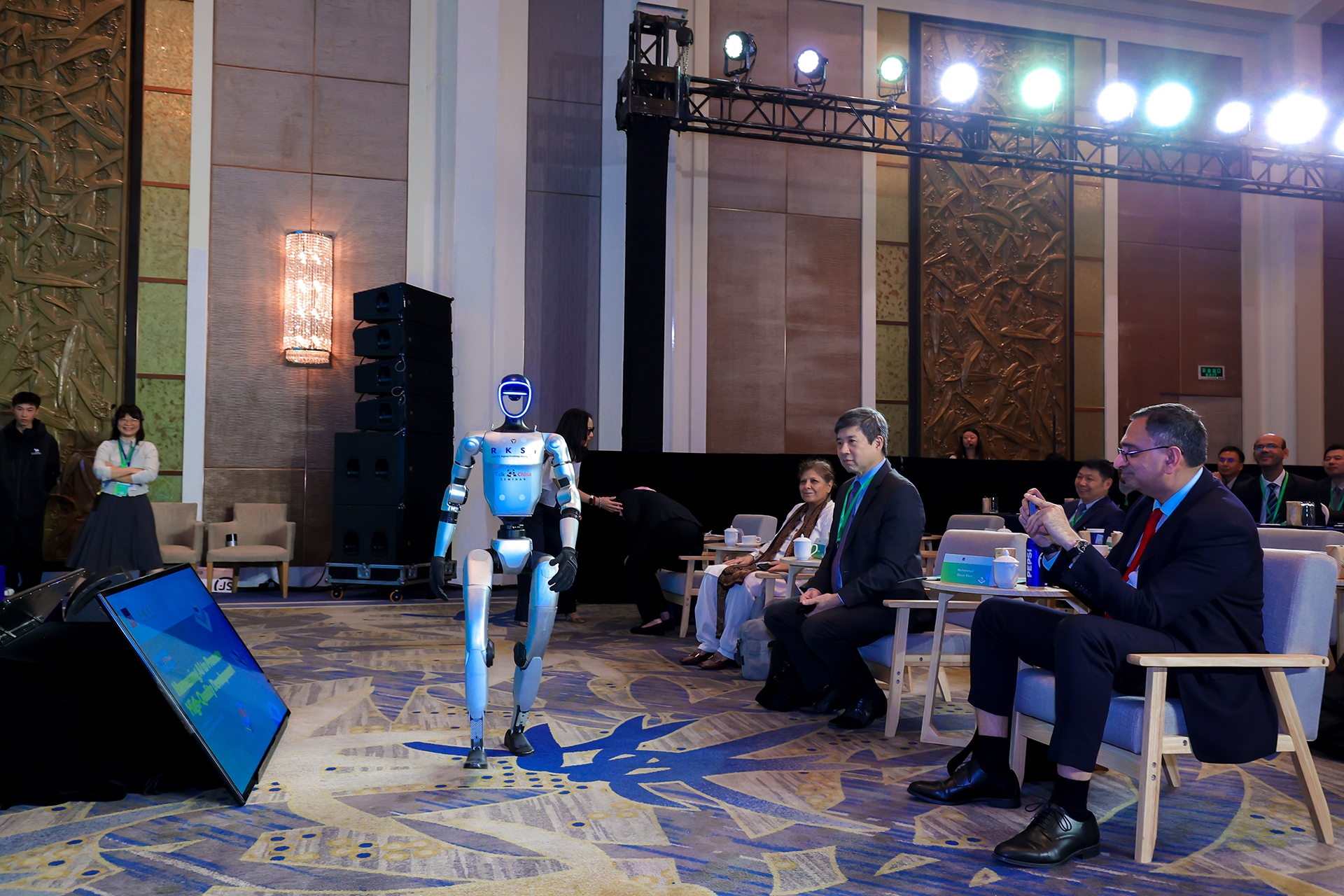
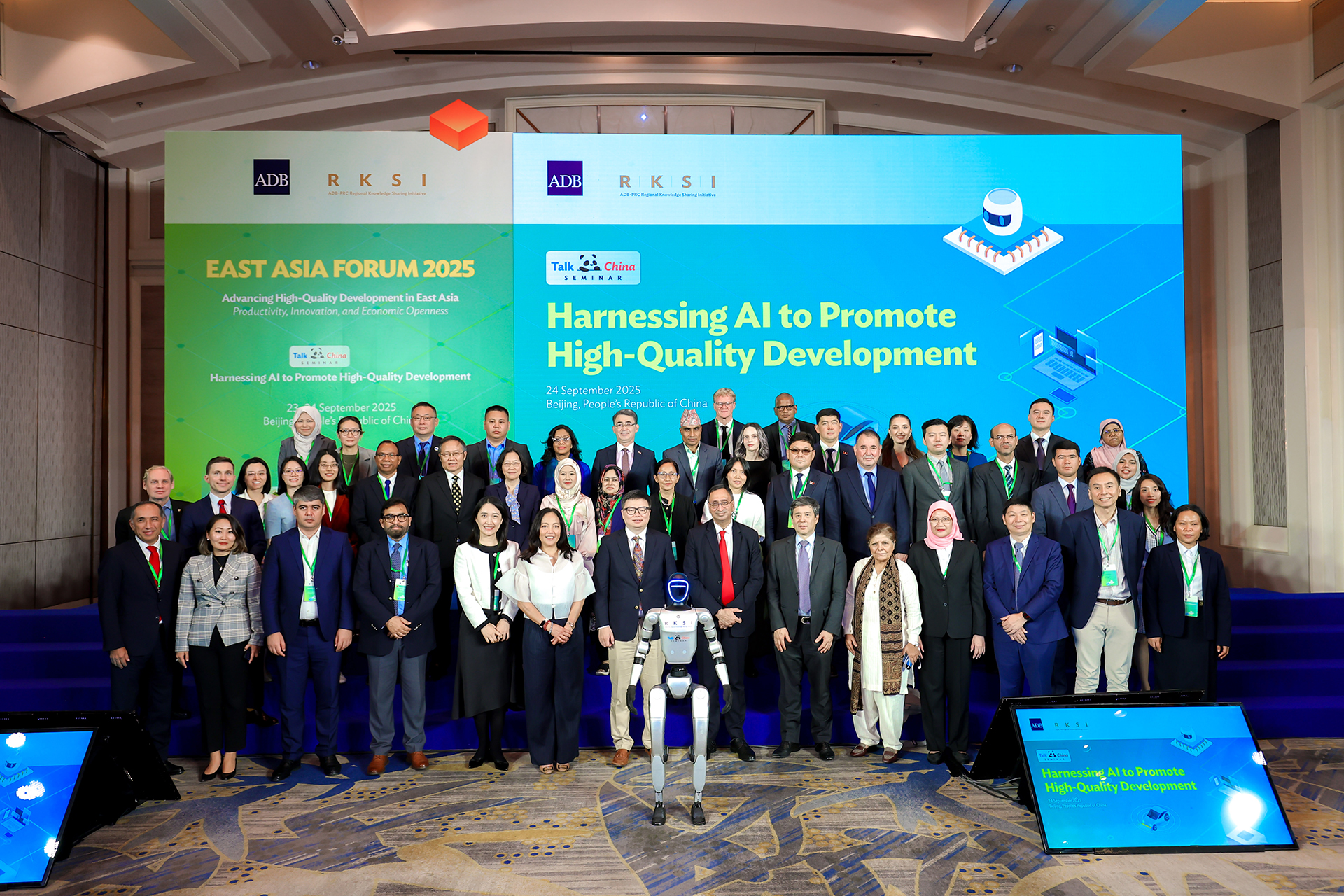
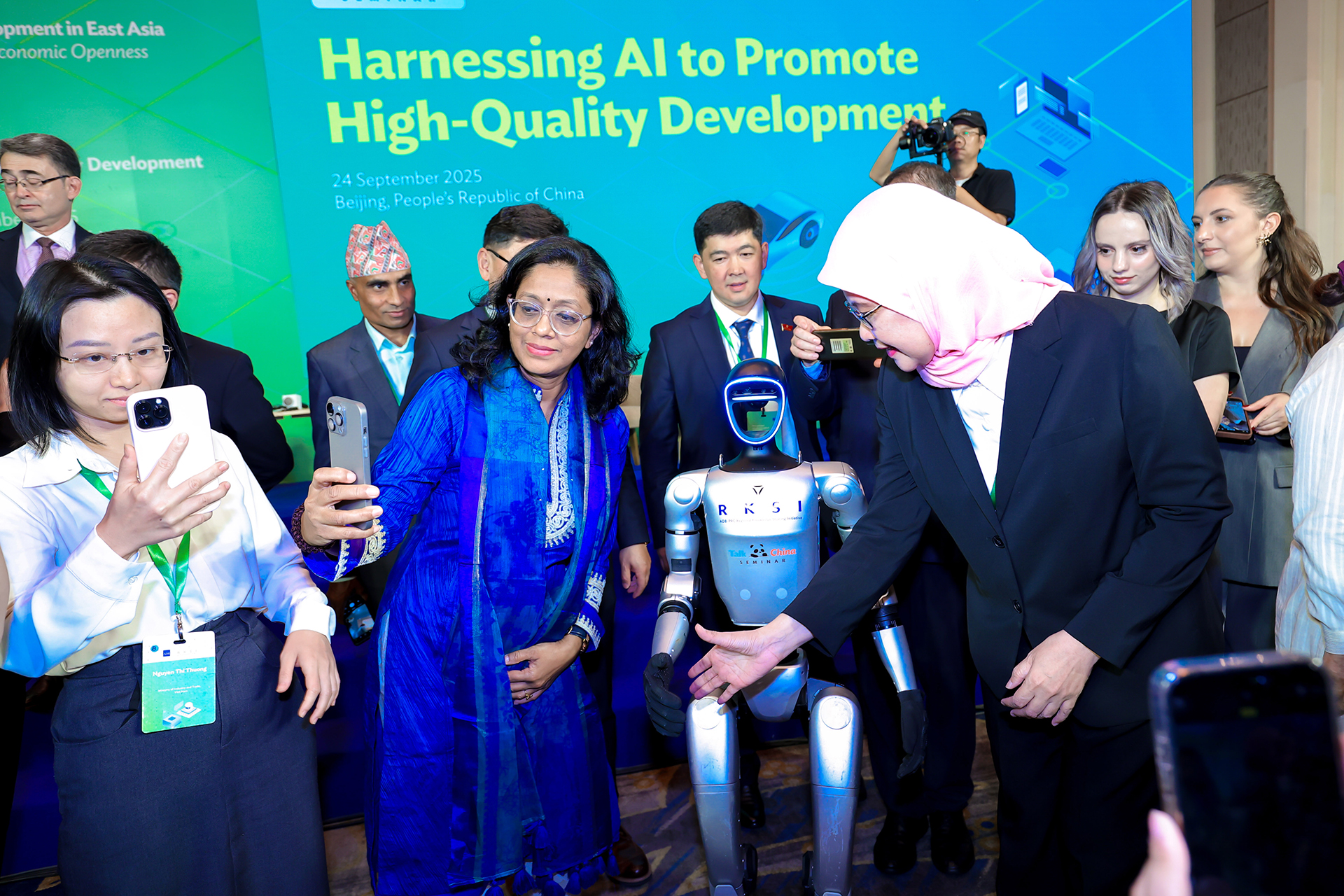
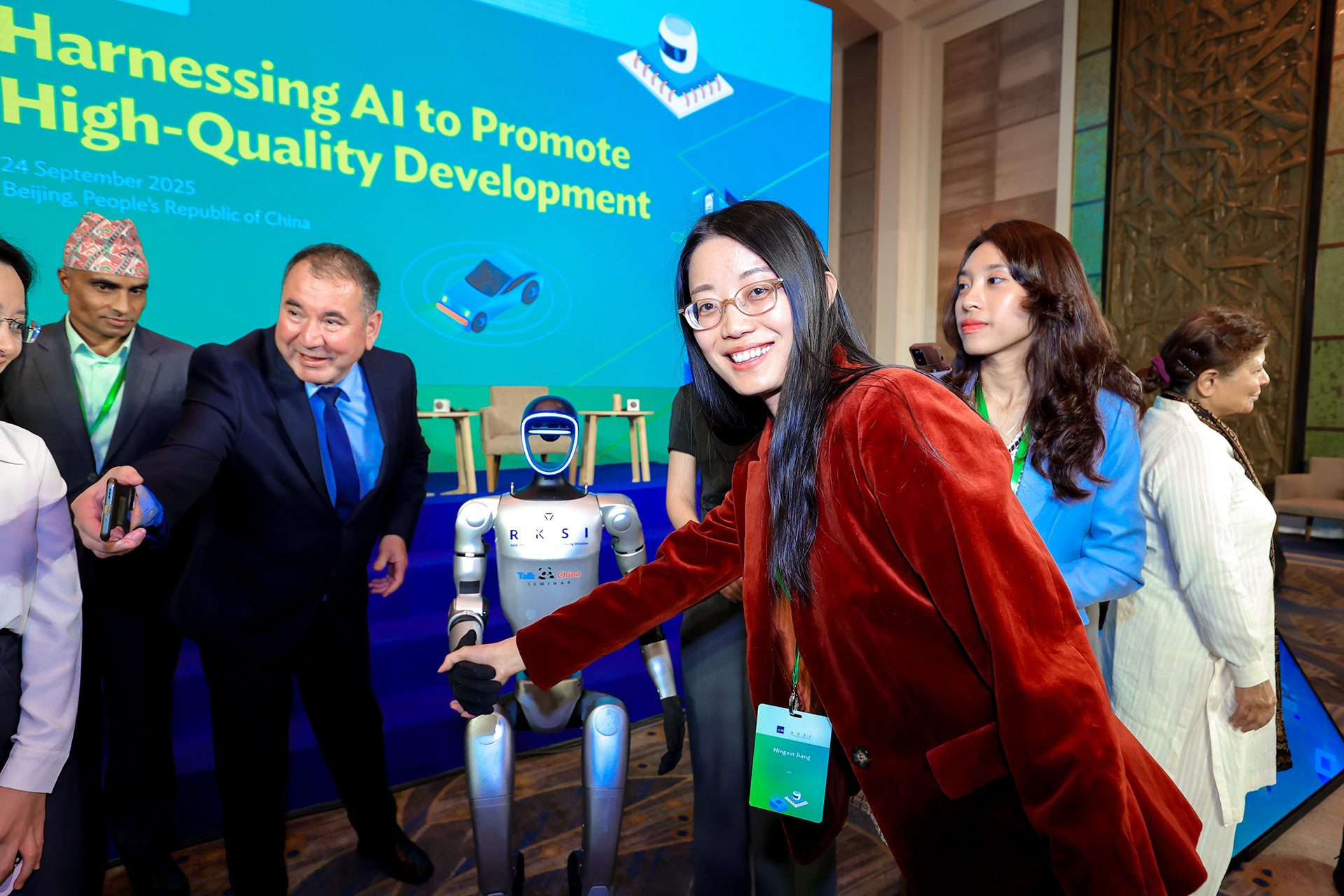
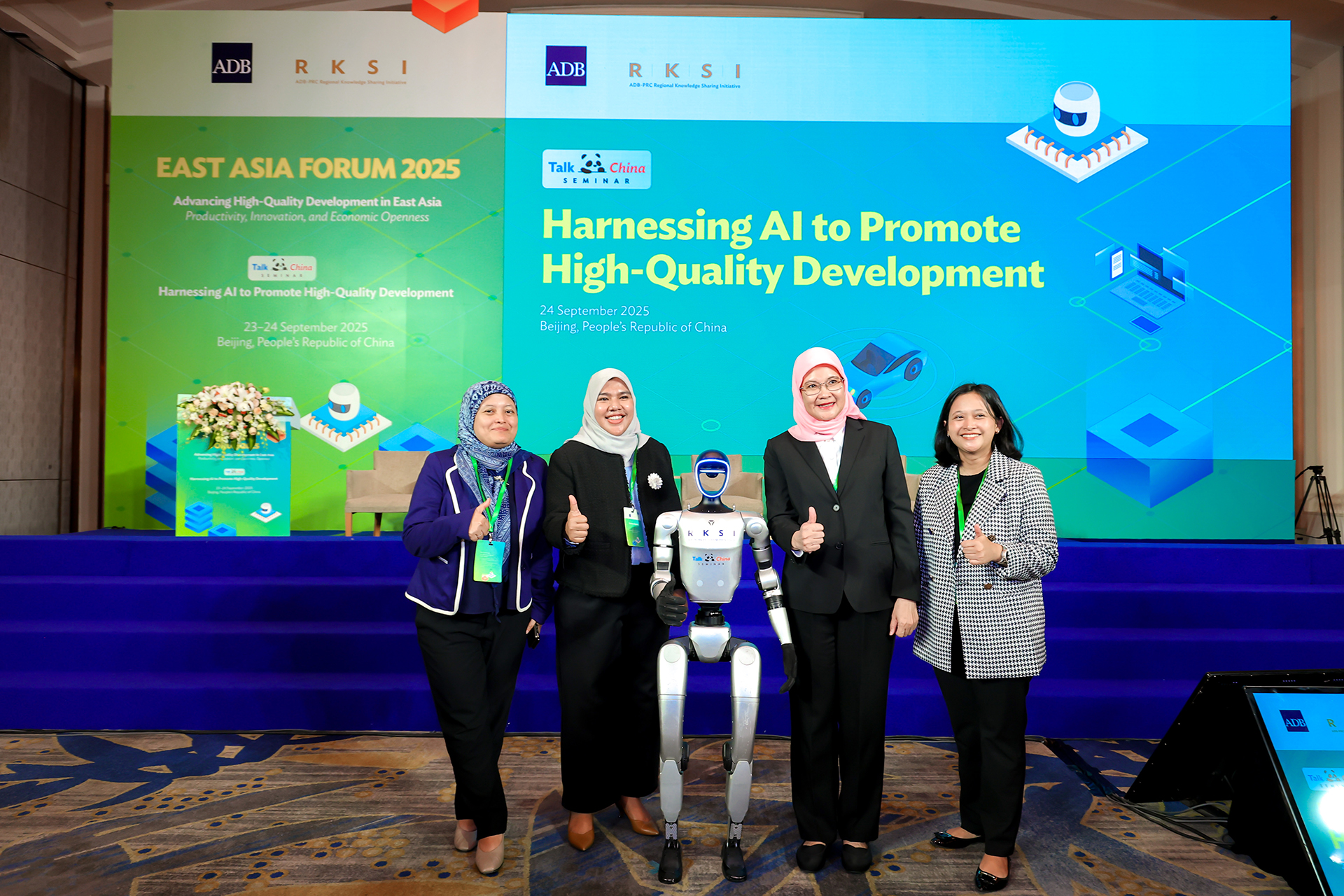
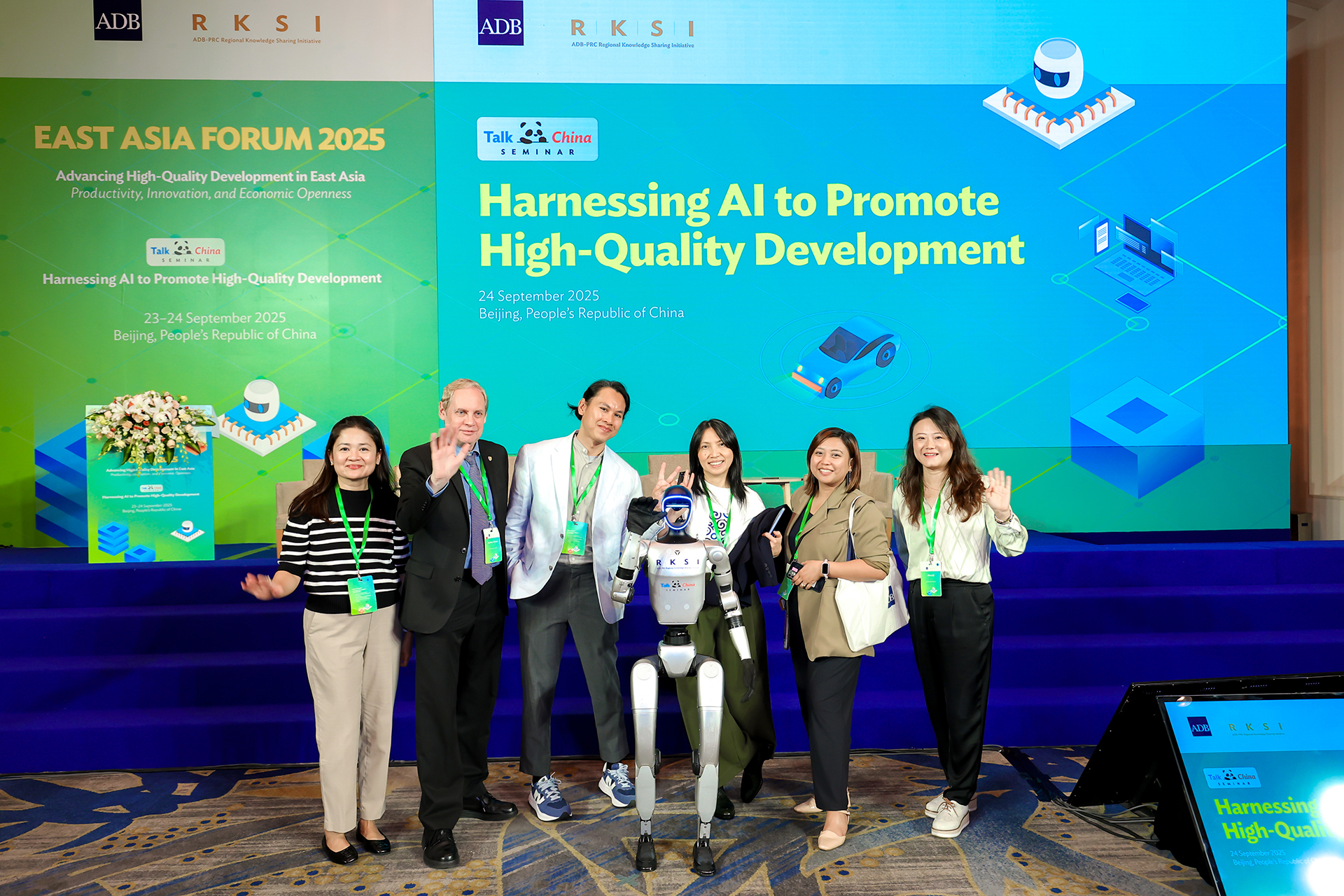
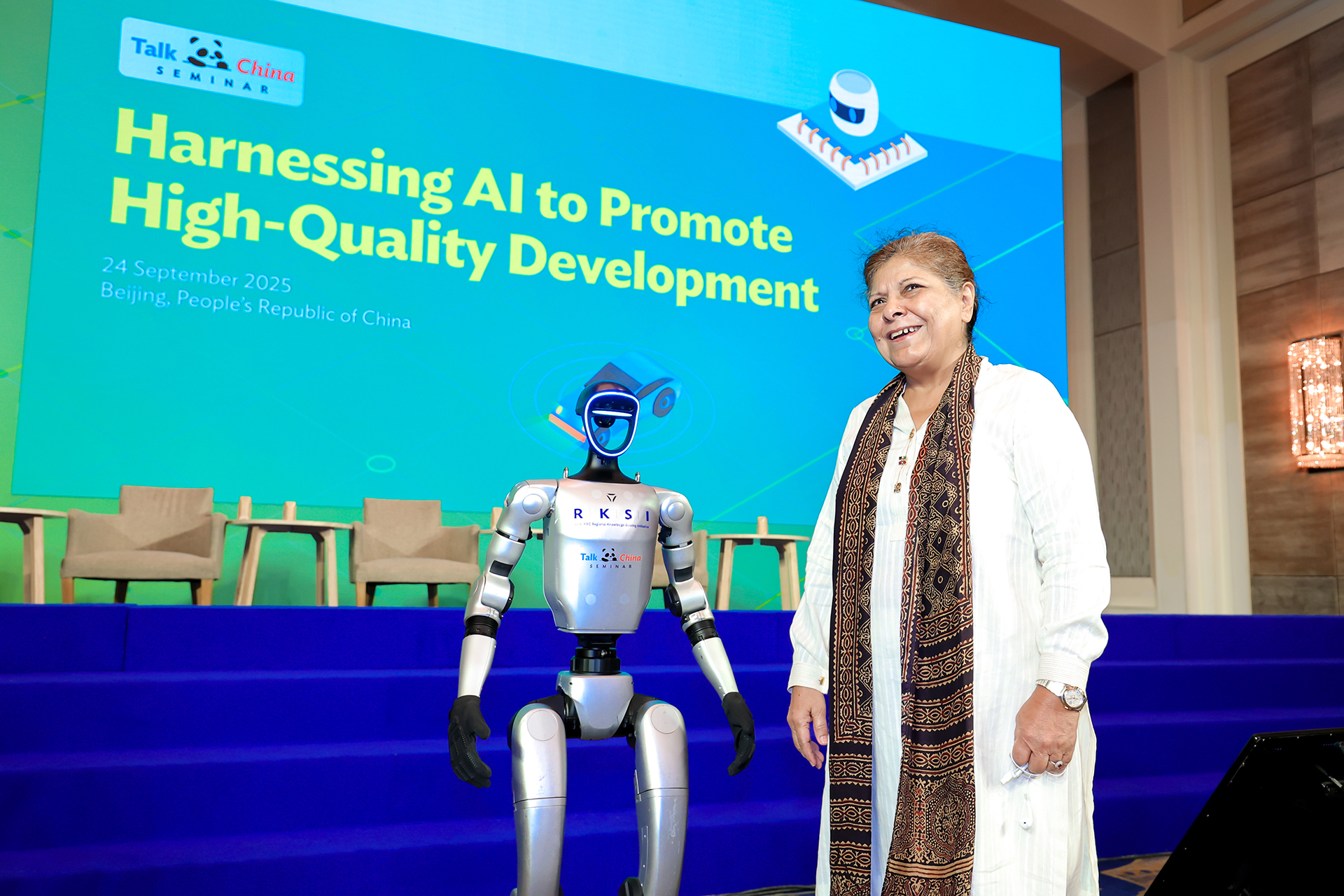
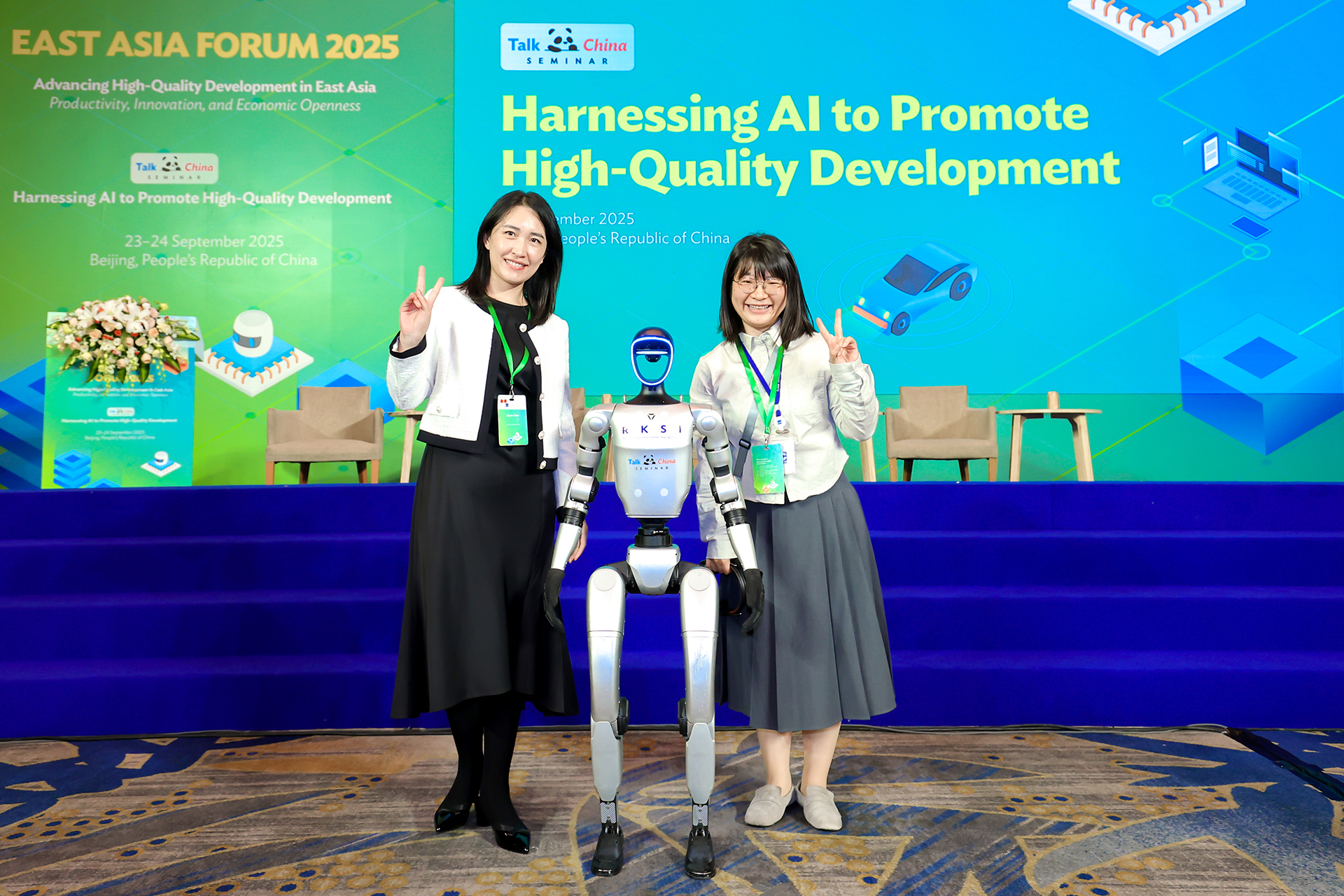
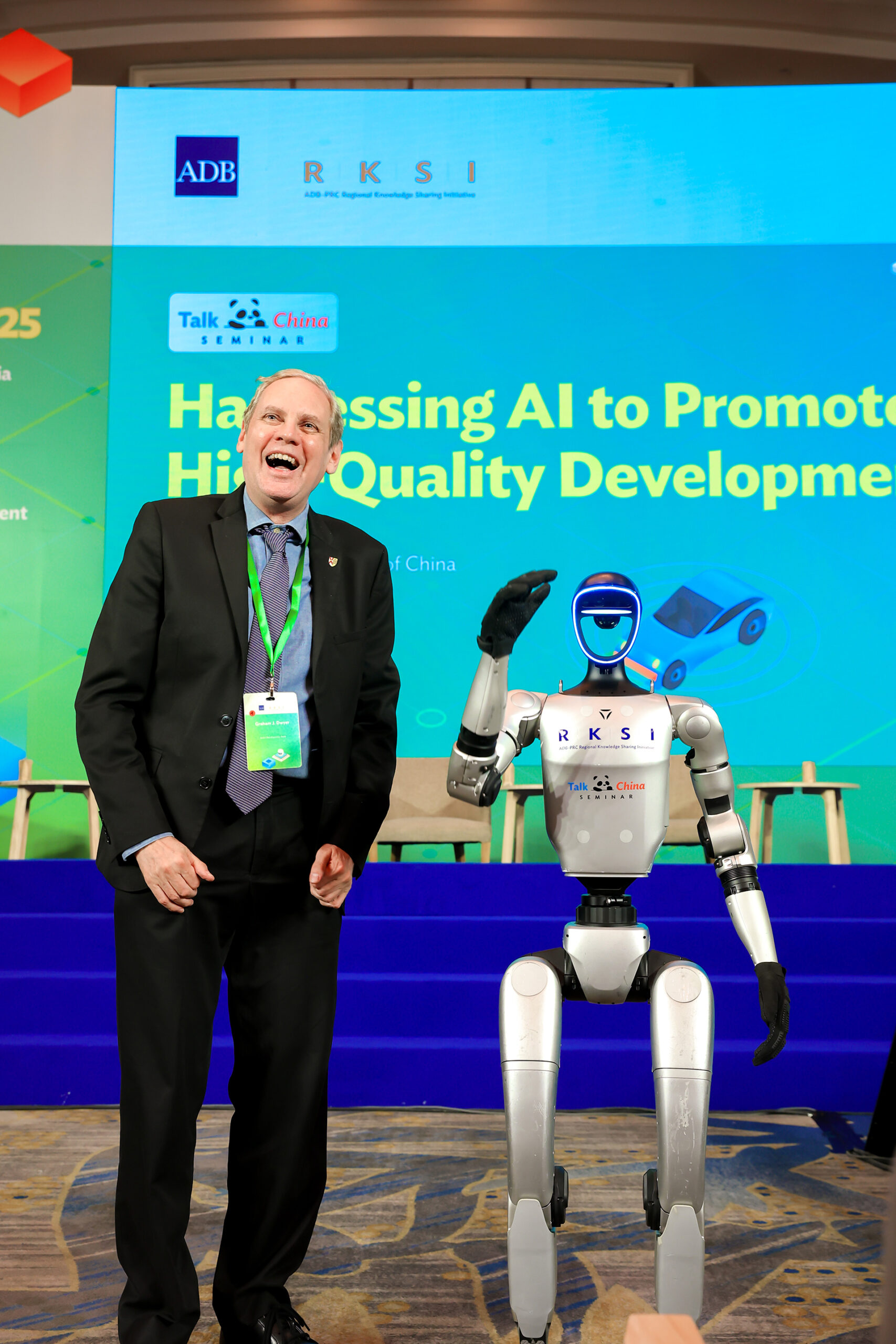
A special feature at the ADB’s East Asia Forum 2025 was the third session of the Talk China Seminar Series, which focused intensely on Harnessing Artificial Intelligence (AI) for High-Quality Development. Experts discussed the enormous potential of AI applications, drawing lessons from the People’s Republic of China (PRC) that can be replicated across other ADB developing member countries. Through South-South learning, the EAF encourages the exchange of ideas and successful experiences to boost economic progress and resilience throughout the region.
Finance and Technologies for Grassland Ecosystem Restoration
Grasslands are vital ecosystems for both Mongolia and the People’s Republic of China (PRC), supporting biodiversity, climate regulation, and the livelihoods of pastoral communities. However, both countries face increasing pressures from land degradation, desertification, and climate change.
The PRC has implemented a range of large-scale restoration initiatives and ecological compensation schemes, alongside community-based conservation and development practices. These combined top-down and bottom-up approaches have achieved measurable improvements in vegetation cover, ecosystem resilience, and rural incomes. Meanwhile, Mongolia is advancing national strategies through its National Adaptation Plan and investment programs such as the Aimag and Soum Green Regional Economic Development Program, emphasizing grassland ecosystem restoration and sustainable livelihood development for herding communities.
The seminar, held in conjunction with the visit of a high-level Mongolian government delegation to the PRC, aims to deepen knowledge exchange on effective supportive policies, financial mechanisms, and technologies for grassland restoration and sustainable pastoral management. Discussions will draw on lessons from the PRC’s experience at national and subnational levels and explore opportunities for continued knowledge sharing and collaboration.
The delegation visit and seminar are supported by the ADB–PRC Regional Knowledge Sharing Initiative (RKSI), a South–South platform co-hosted by the Ministry of Finance of the PRC and ADB to facilitate knowledge exchange among ADB’s developing member countries. Under RKSI’s umbrella, the Talk China Seminar Series convenes experts and decision-makers to engage on urgent development themes.
Language: Chinese, Mongolian, English (Chinese-Mongolian and Chinese-English interpretation will be provided)
| Date/Time | Session |
|---|---|
| 08:30-08:40 | Welcome remarks Mr. Asif S. Cheema, Country Director, ADB PRC Resident Mission |
| 08:40-08:50 | Sharing I: Green finance to support grassland restoration and management Ms. Yan Wang, Director, Green Finance Division, Research Bureau of the People’s Bank of China (TBC) |
| 08:50-09:00 | Sharing II: Ecological rangeland management Ms. Keyu Bai, Institute of Agricultural Resources and Regional Planning of Chinese Academy of Agricultural Sciences |
| 09:00-09:10 | Sharing III: Ecosystem valuation: eco-compensation mechanisms, gross environment product (GEP), and natural capital Mr. Au Shion Yee, ADB Principal Water Resources Specialist |
| 09:10-09:20 | Sharing IV: Carbon market development and grassland carbon credits Mr. Zhi Cheng, Chief Engineer, Ningxia CDM Service Center |
| 09:20-09:30 | Sharing V: Social capital mobilization for desertification control Ms. Jing Sun, Director of Desertification Prevention and Control, Society of Entrepreneurs and Ecology (SEE) Foundation |
| 09:30-10:30 | Discussions Facilitated by Mr. Aiming Zhou, Deputy Country Director, ADB PRC Resident Mission |
| 10:30-10:40 | Closing remarks
|
East Asia Forum 2025 and Talk China Seminar
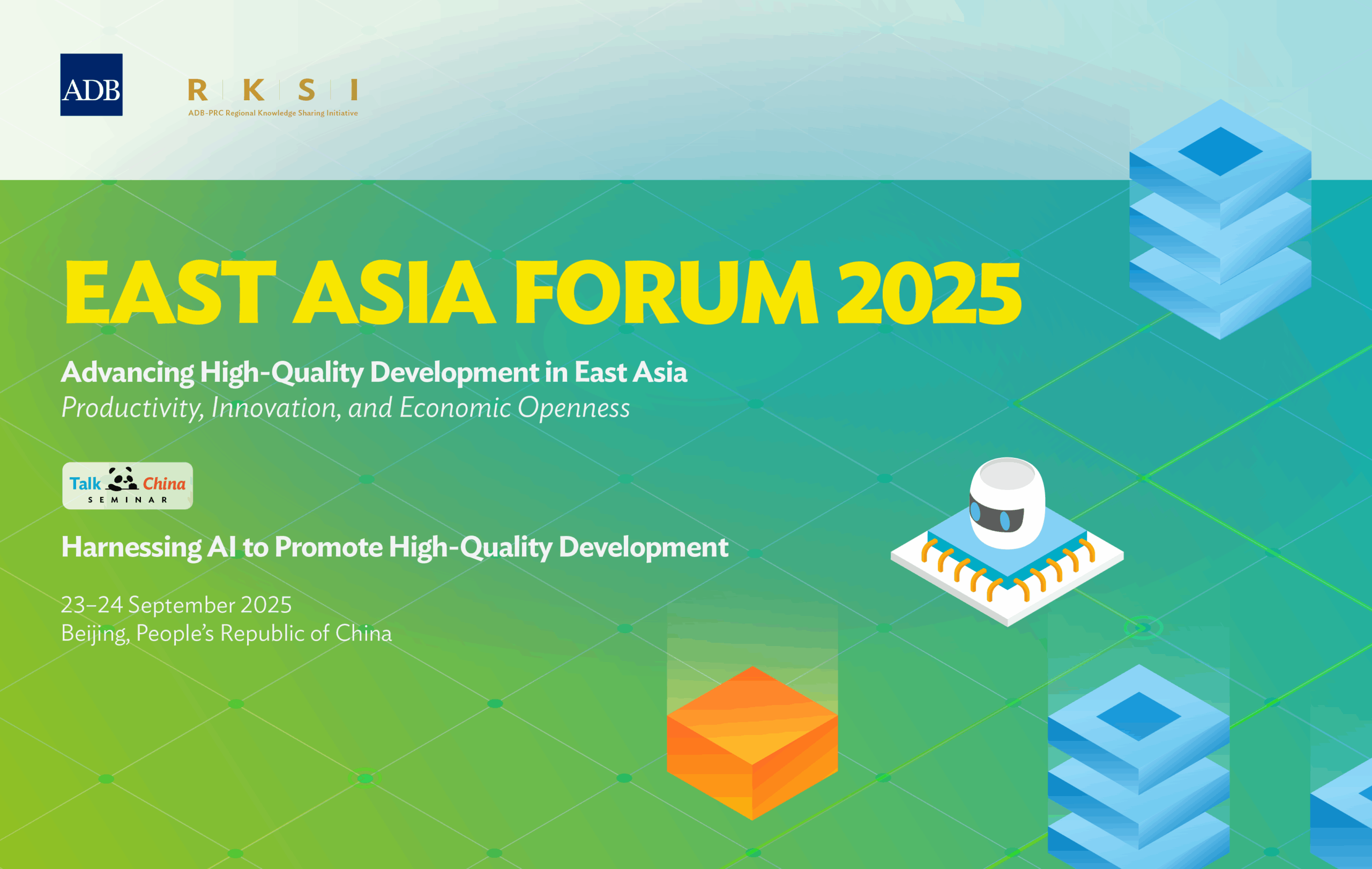
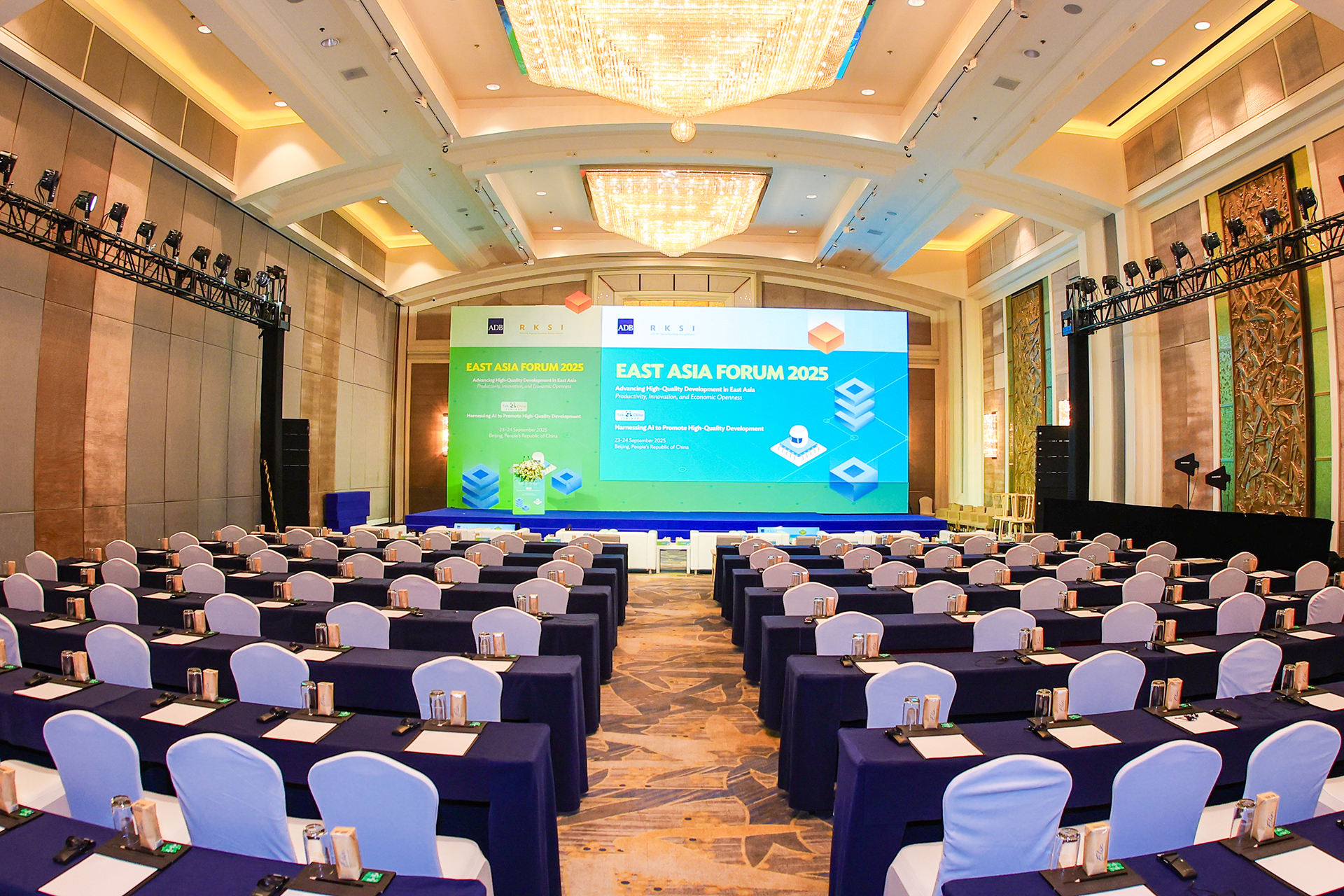
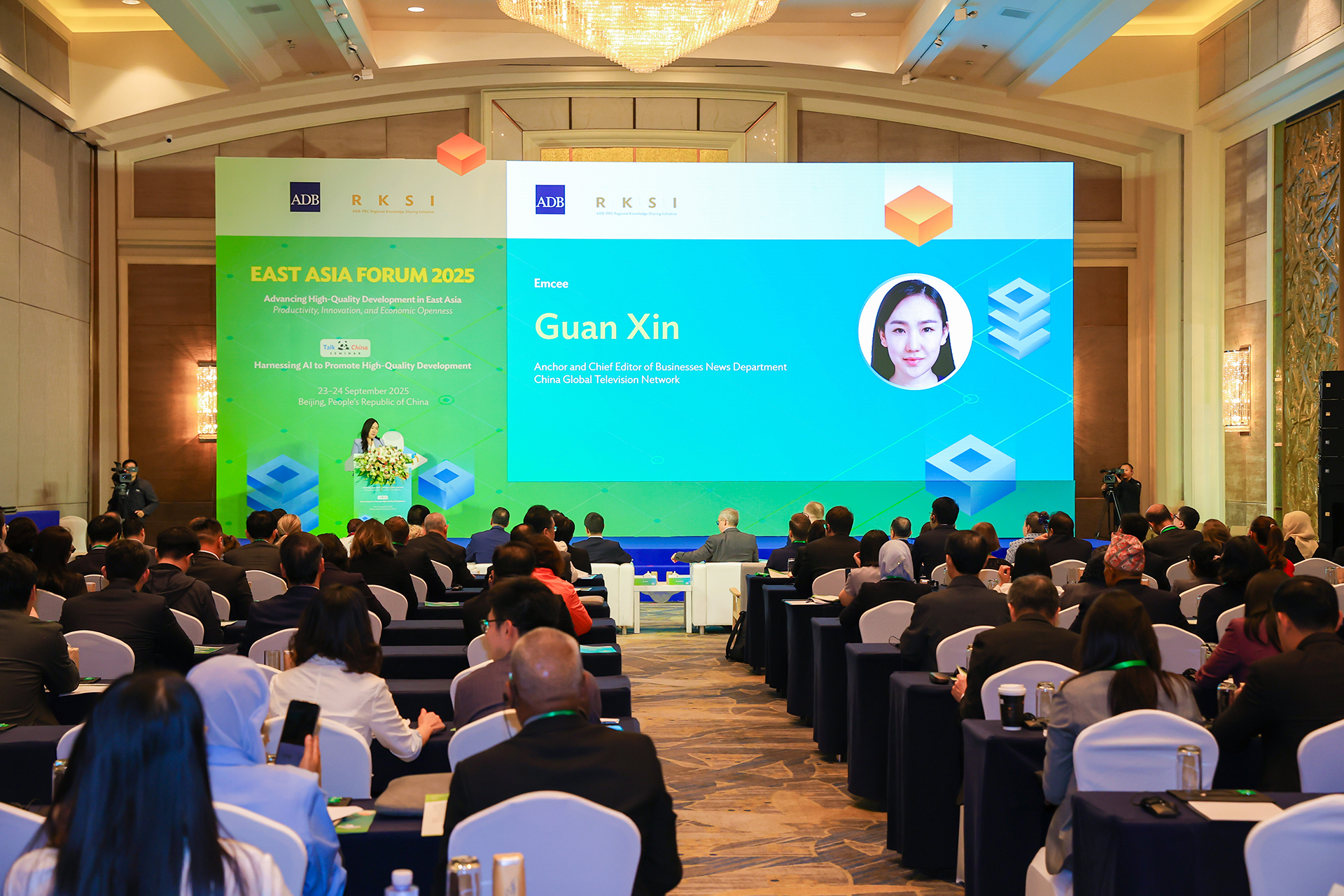
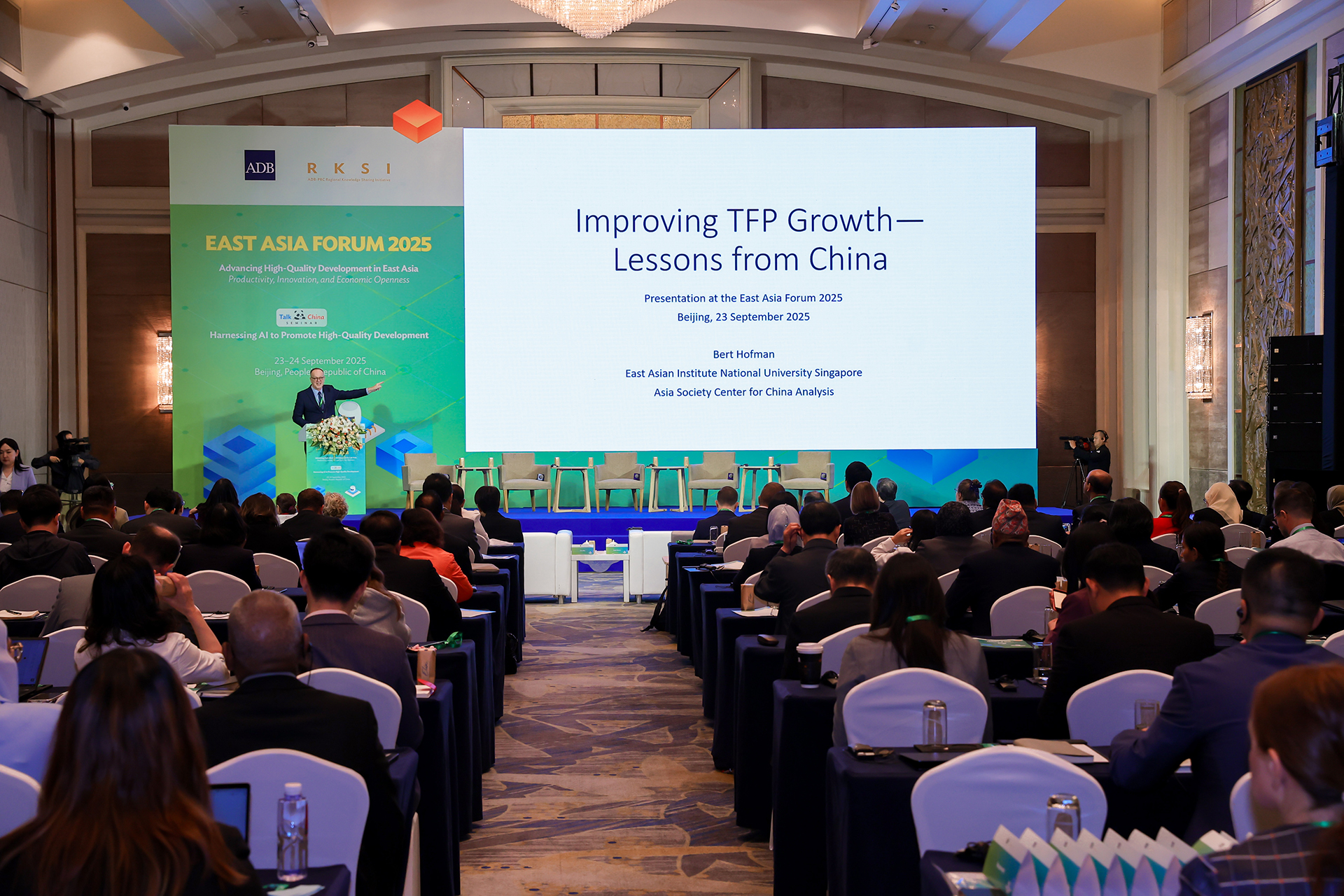
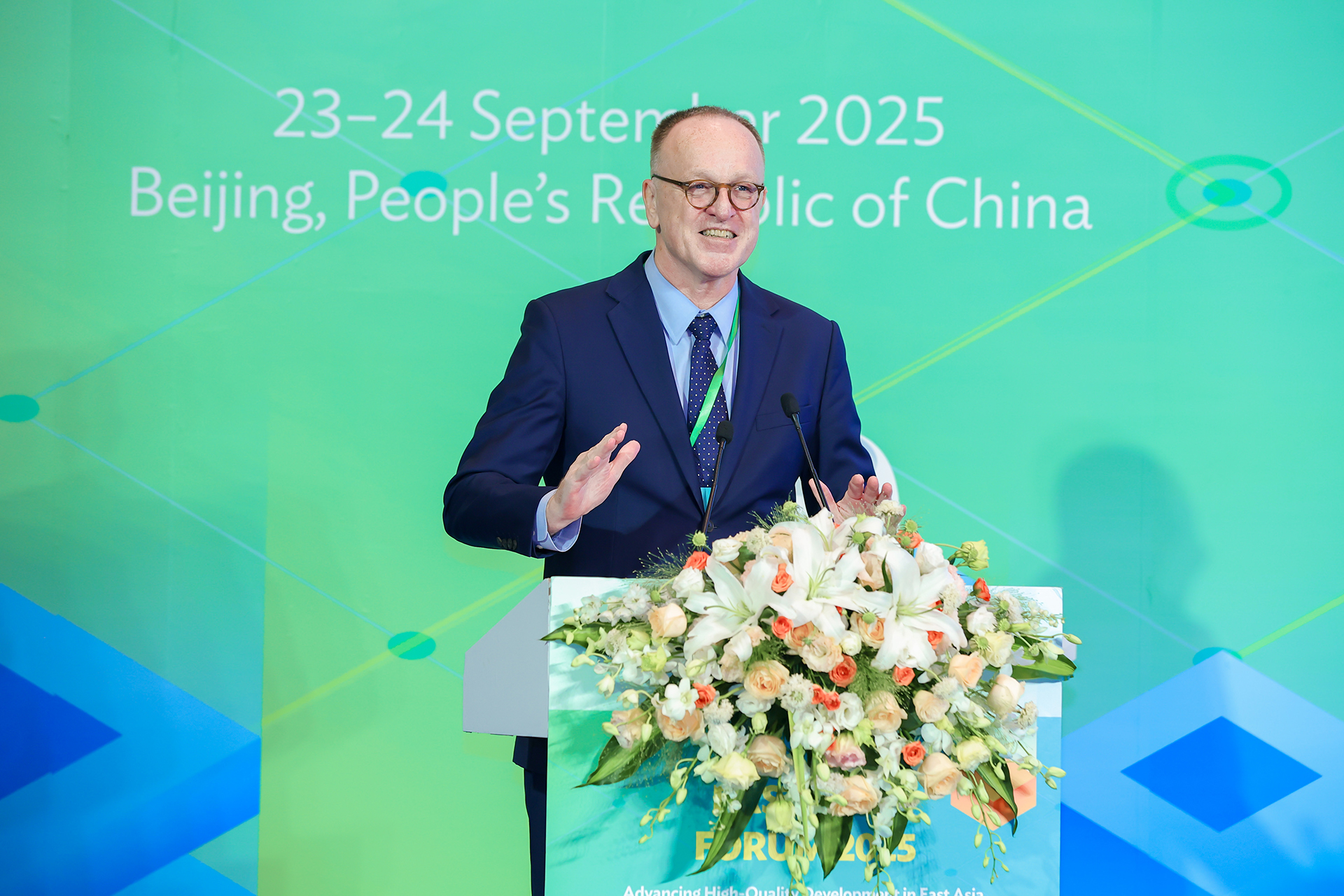
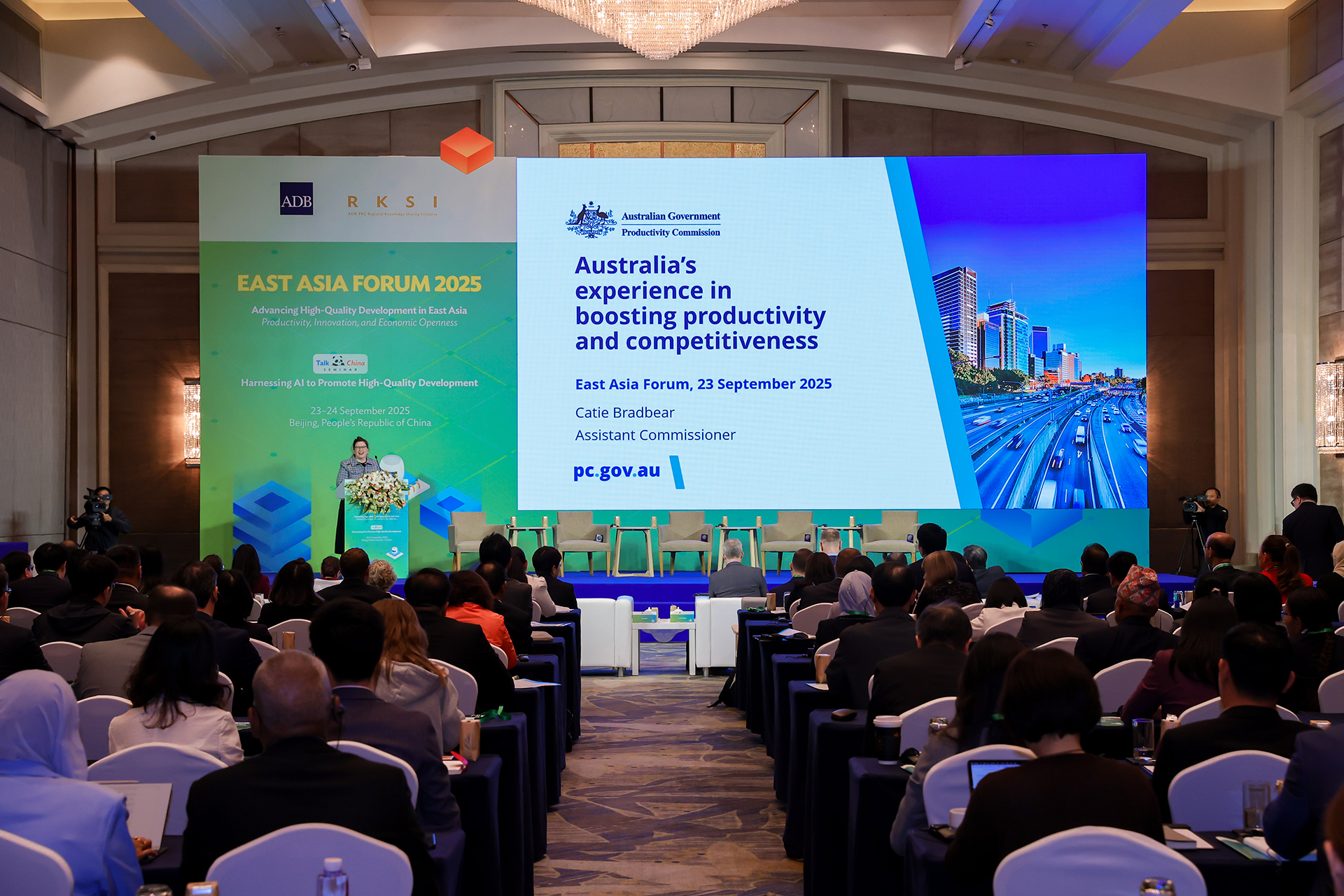
ADB’s East Asia Forum (EAF) is an annual event organized by the East Asia Department (EARD) of the Asian Development Bank (ADB). The forum aims to share lessons from ADB’s operations and knowledge work in East Asia—with special emphasis on the People’s Republic of China (PRC)—with a wider audience. In the spirit of South-South learning, the EAF facilitates the exchange of ideas and practices among key stakeholders in Asia and the Pacific. It is supported by EARD-administered technical assistance and various funding sources, including the People’s Republic of China’s Poverty Reduction and Regional Cooperation Fund (PRCF).
The East Asia Forum 2025, with the theme “Advancing High-Quality Development in East Asia: Productivity, Innovation, and Economic Openness,” aims to:
- Share knowledge and good practices from East Asia on enhancing productivity, driving innovation, and promoting economic openness, notably in the service sector.
- Discuss key trends in achieving high-quality economic development.
- Explore innovative practices, policies, and technologies to increase productivity, encourage innovation, and further open economic sectors.
- Encourage replication of successful experiences from the PRC and other East Asian economies across other ADB members.
The ADB–PRC Regional Knowledge Sharing Initiative (RKSI) is a South–South platform jointly established by the Ministry of Finance of the PRC and ADB to promote development knowledge exchange among ADB’s developing member countries. As part of its efforts, RKSI organizes the Talk China Seminar Series, a quarterly event that brings together experts and policymakers to explore pressing development issues. The upcoming session- the third in the series- will focus on harnessing artificial intelligence (AI) for high-quality development, featuring expert discussions and field visits to AI sites in Beijing.
Venue: Kerry Hotel, Beijing
Agenda
| Date/Time | Session | ||
|---|---|---|---|
| 8:30-9:00 | Registration | ||
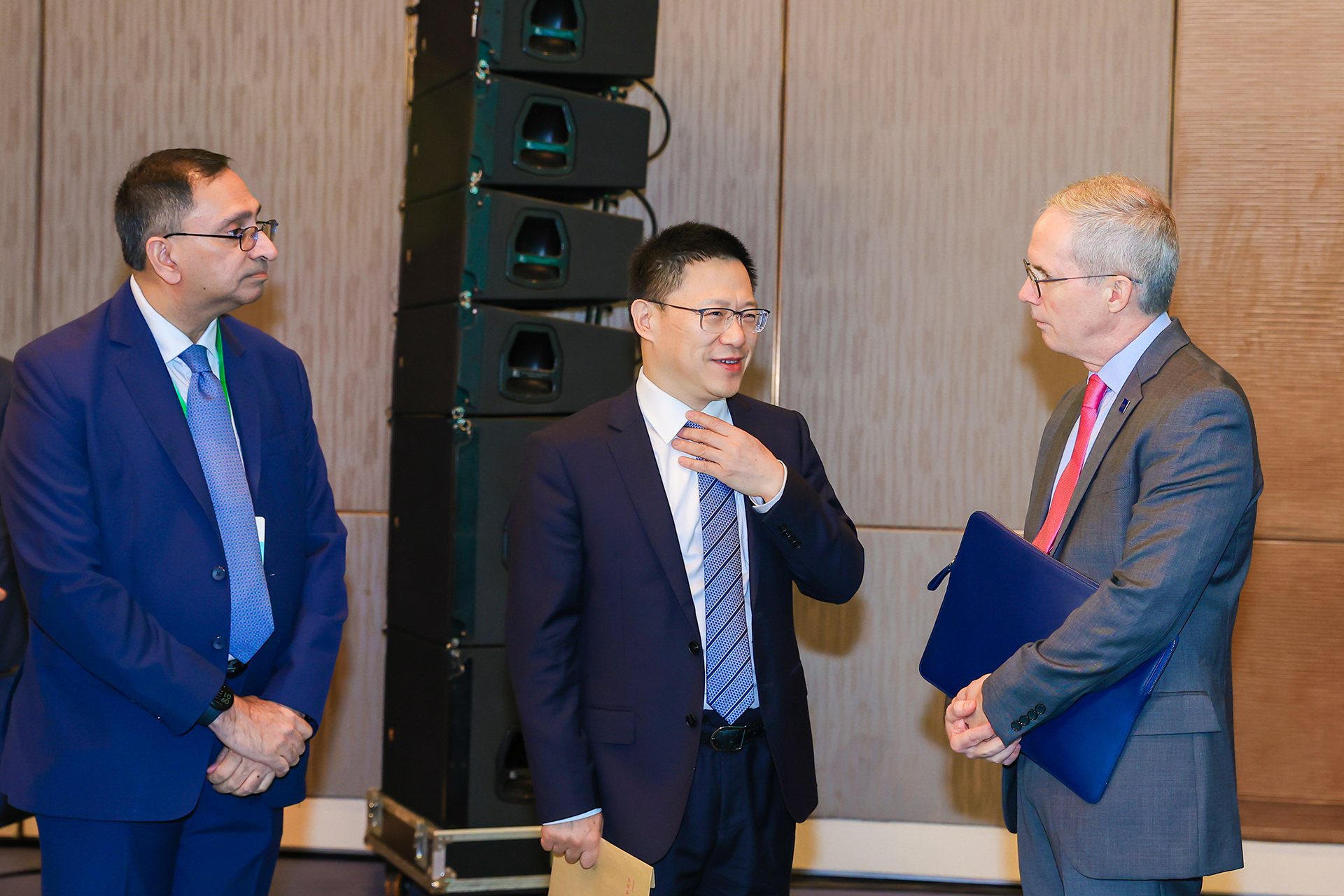
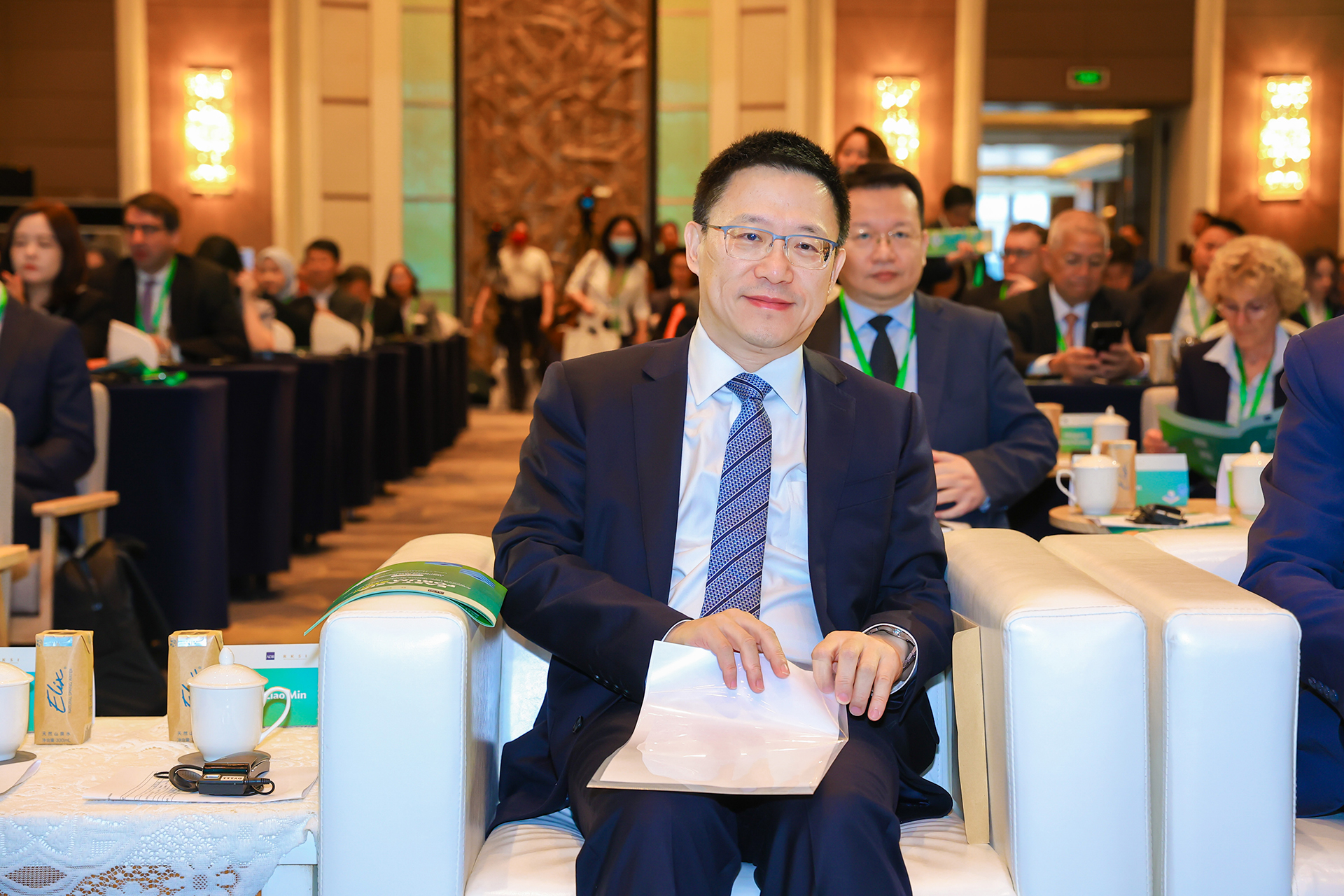
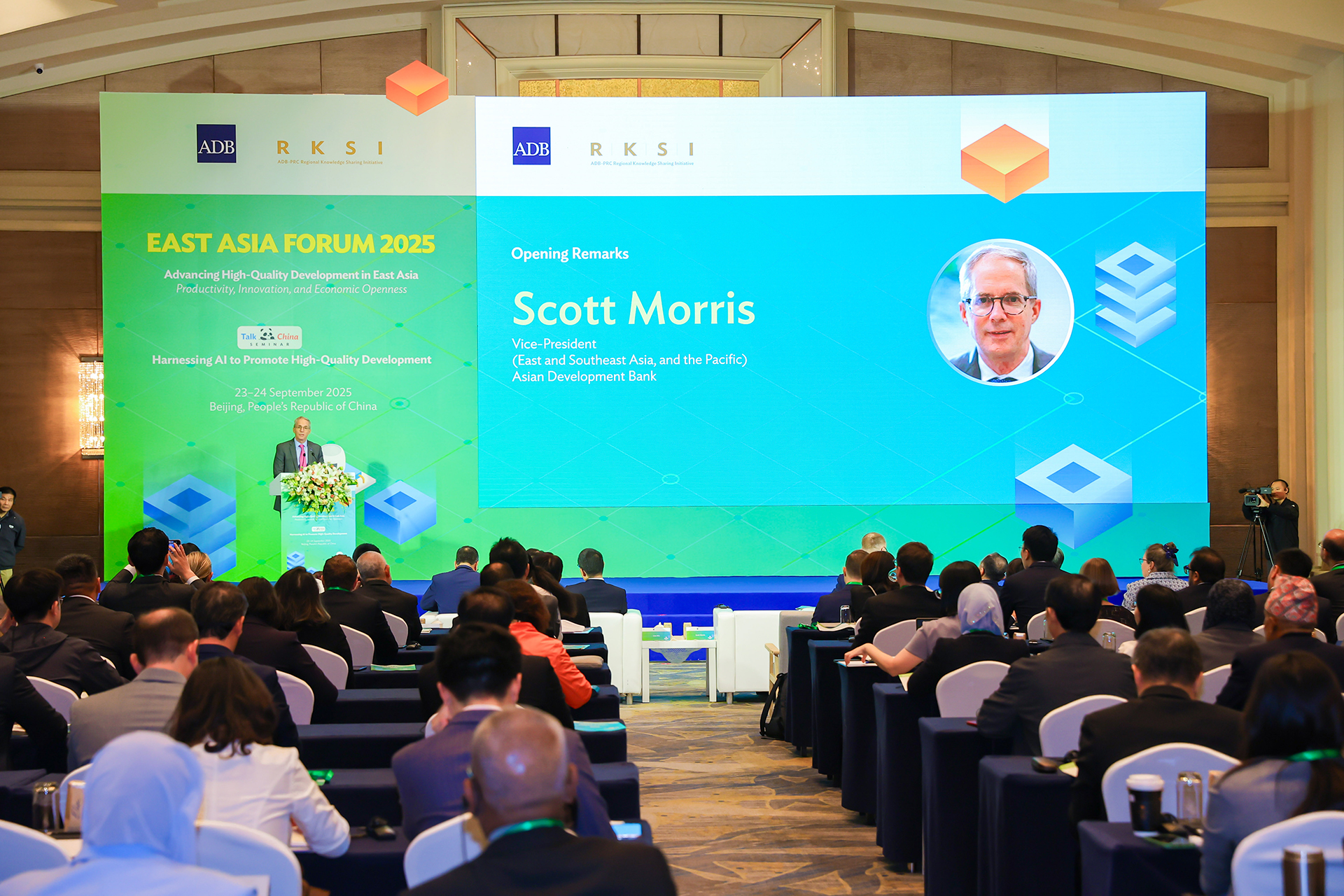
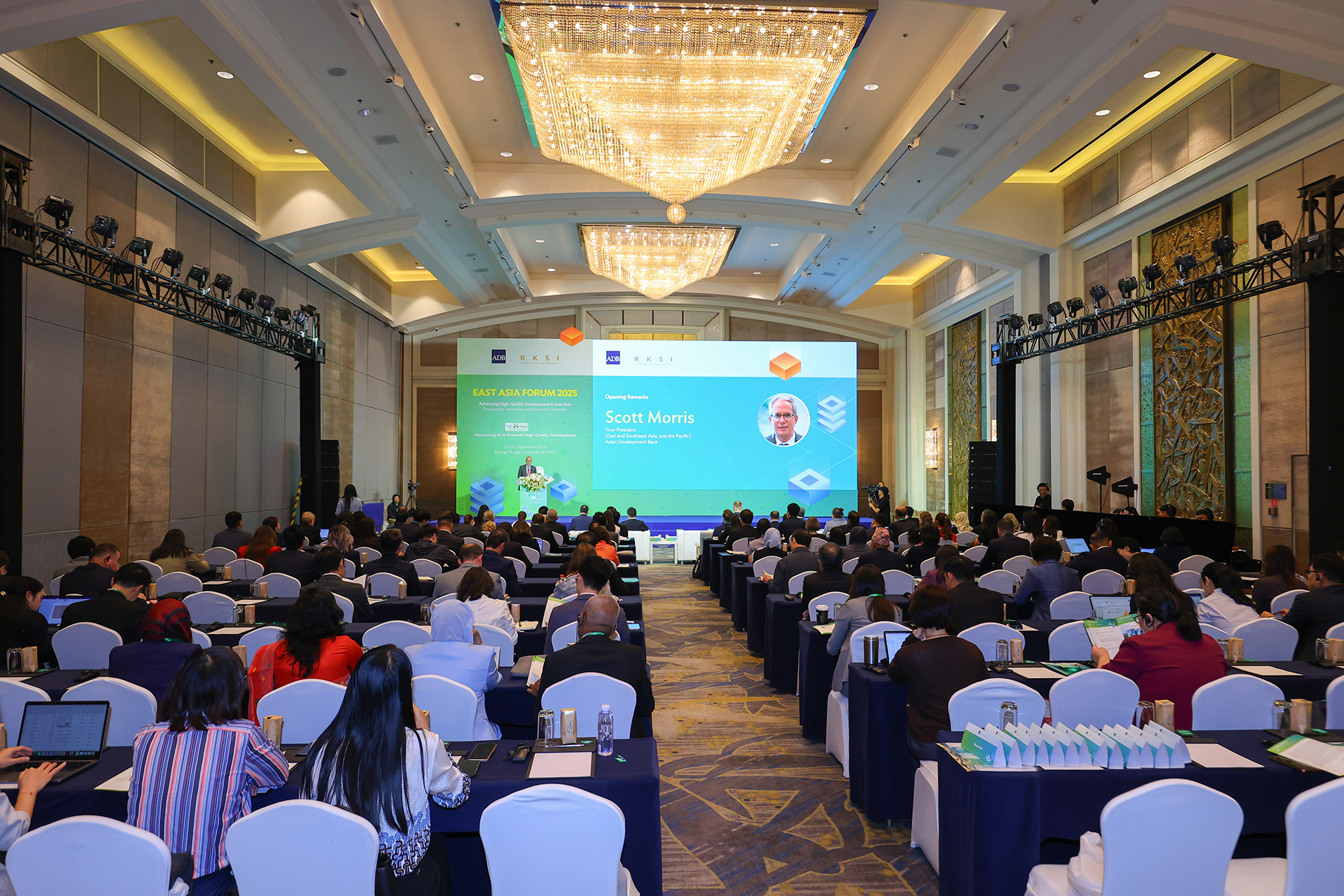
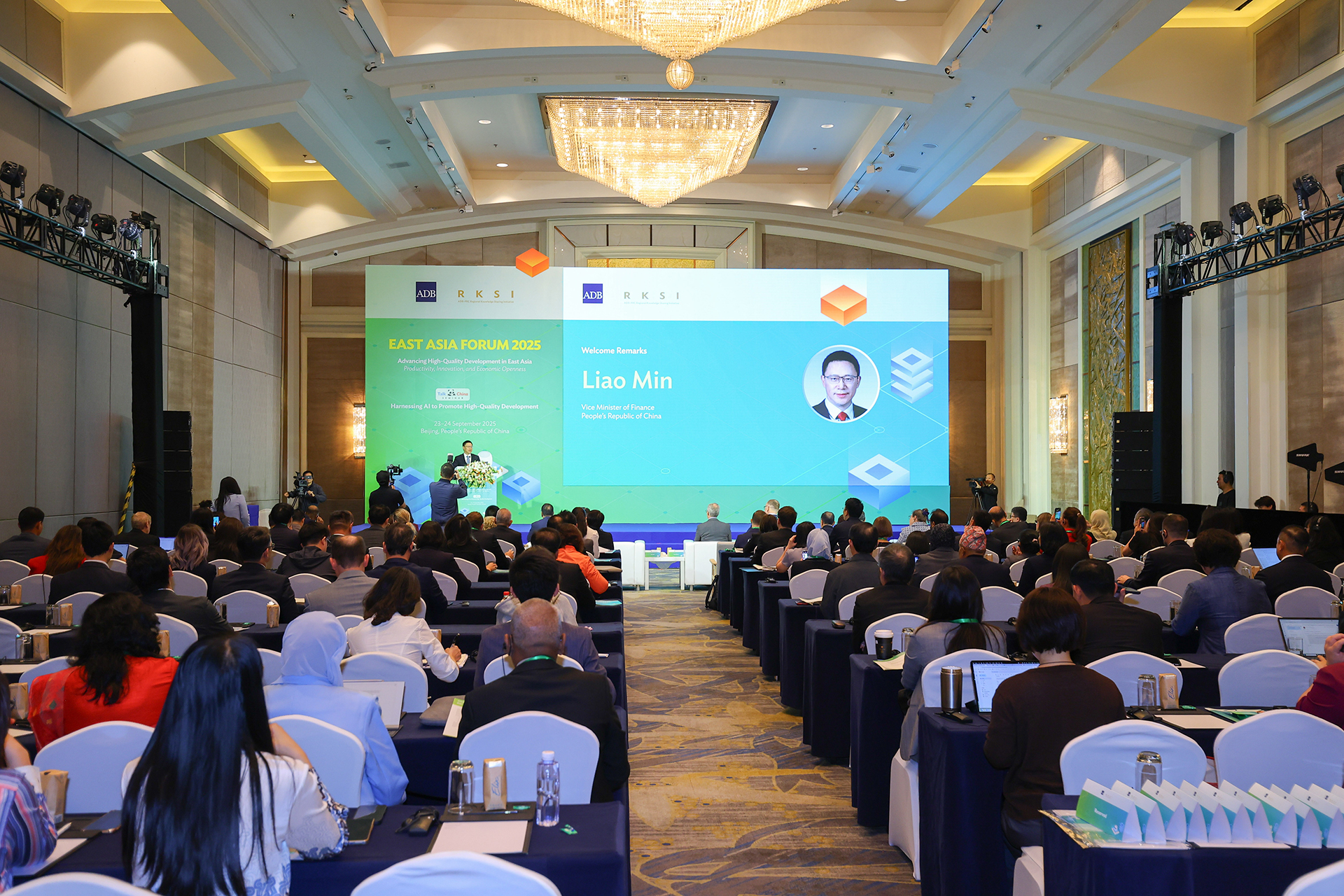
| 9:00-9:30 | Welcome Remarks Scott Morris, Vice-President (East and Southeast Asia, and the Pacific), Asian Development Bank (ADB) Distinguished Guest Speaker Liao Min, Vice Minister of Finance, People’s Republic of China | ||
| 9:30-9:35 | Photo Session | ||
| 9:35-9:50 | Setting the Stage: Enhancing Productivity and Openness in East Asia and Beyond Chong-En Bai, Dean of the School of Economics and Management, Tsinghua University | ||
| 9:50-10:20 | Coffee/Tea Break | ||
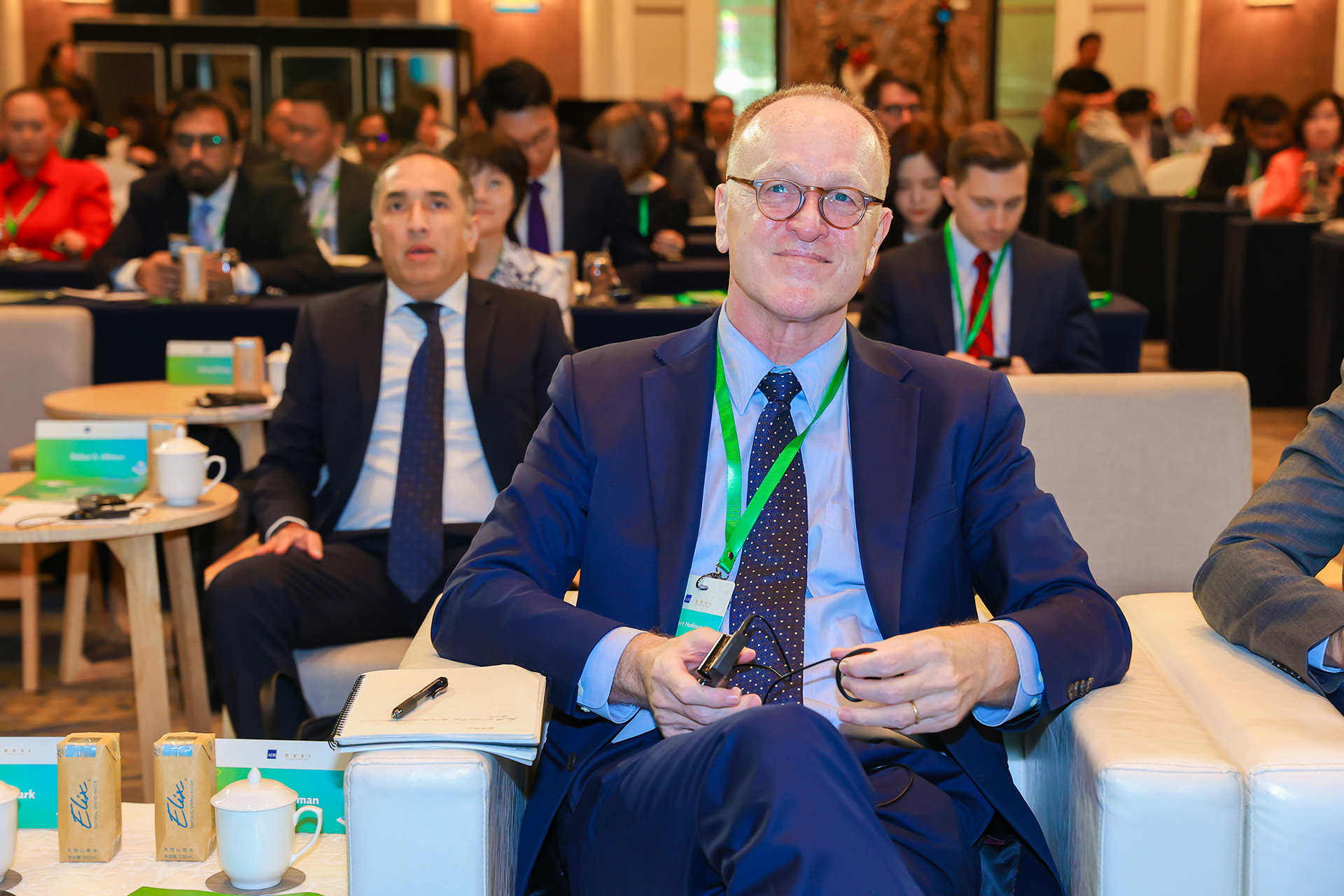
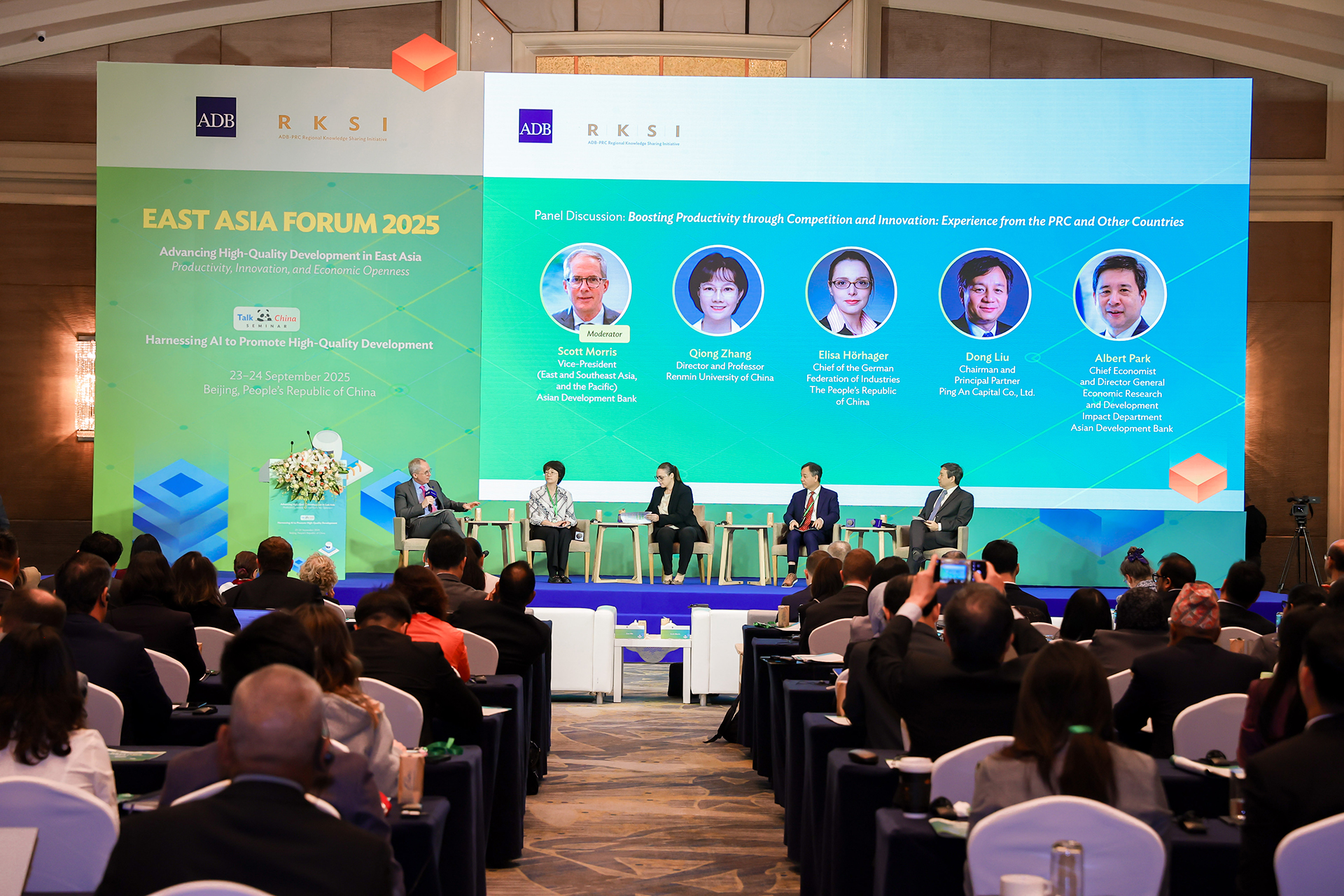
| 10:20-12:40 | Session 1: Boosting Productivity through Competition and Innovation: Experience from the PRC and Other Countries Presentation 1: Boosting Total Factor Productivity through Competition and Innovation: Experience of the PRC Bert Hofman, National University of Singapore, former Country Director of World Bank, PRC, and former Chief Economist for the World Bank in the East Asia and Pacific region Presentation 2: Australia’s Experience in Boosting Productivity and Competitiveness Catie Bradbear, Assistant Commissioner, Australian Productivity Commission Panel Discussion Moderator: Scott Morris, Vice-President (East and Southeast Asia, and the Pacific), ADB Panelists:
Q and A | ||
| 12:40-2:30 | Lunch break | ||
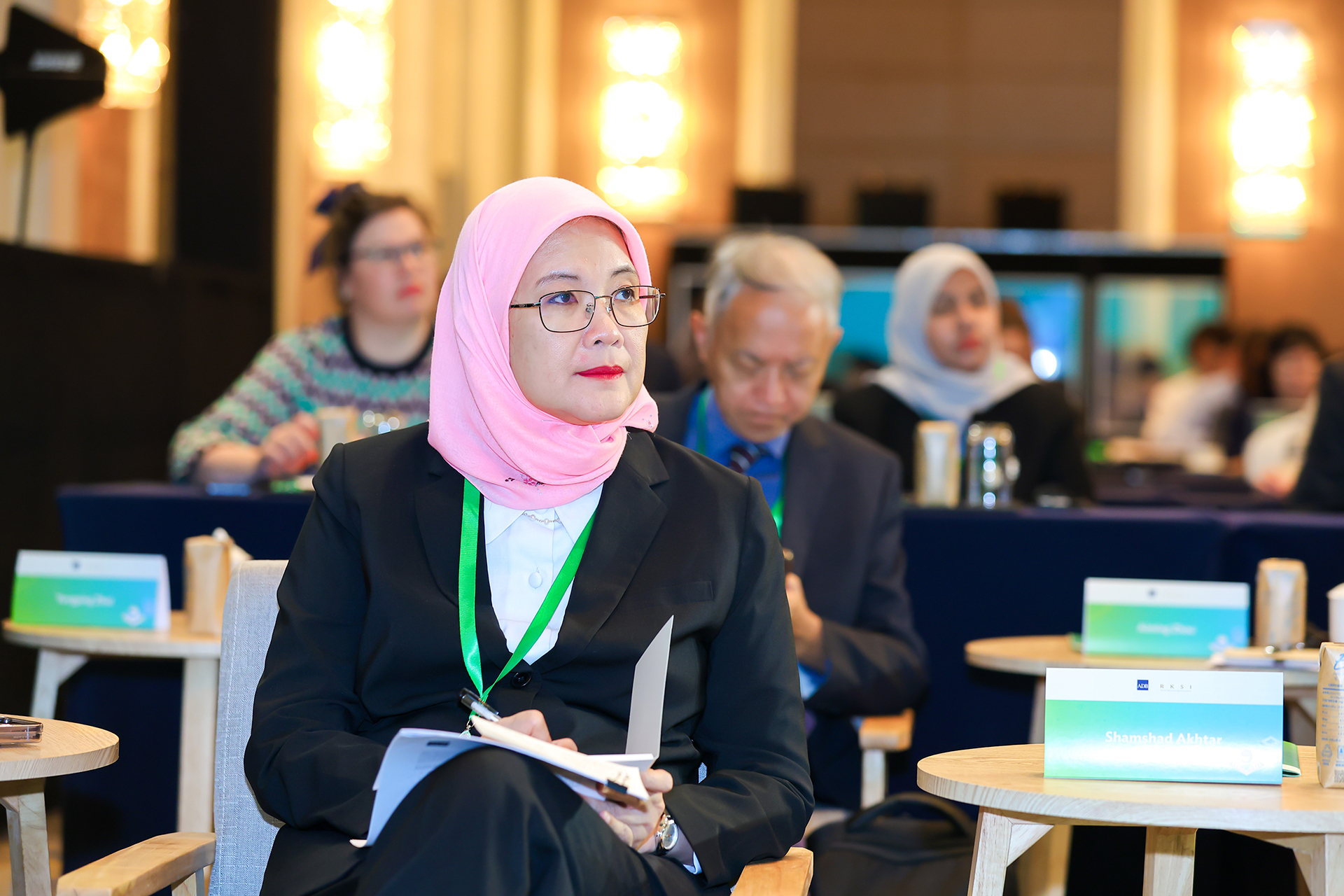
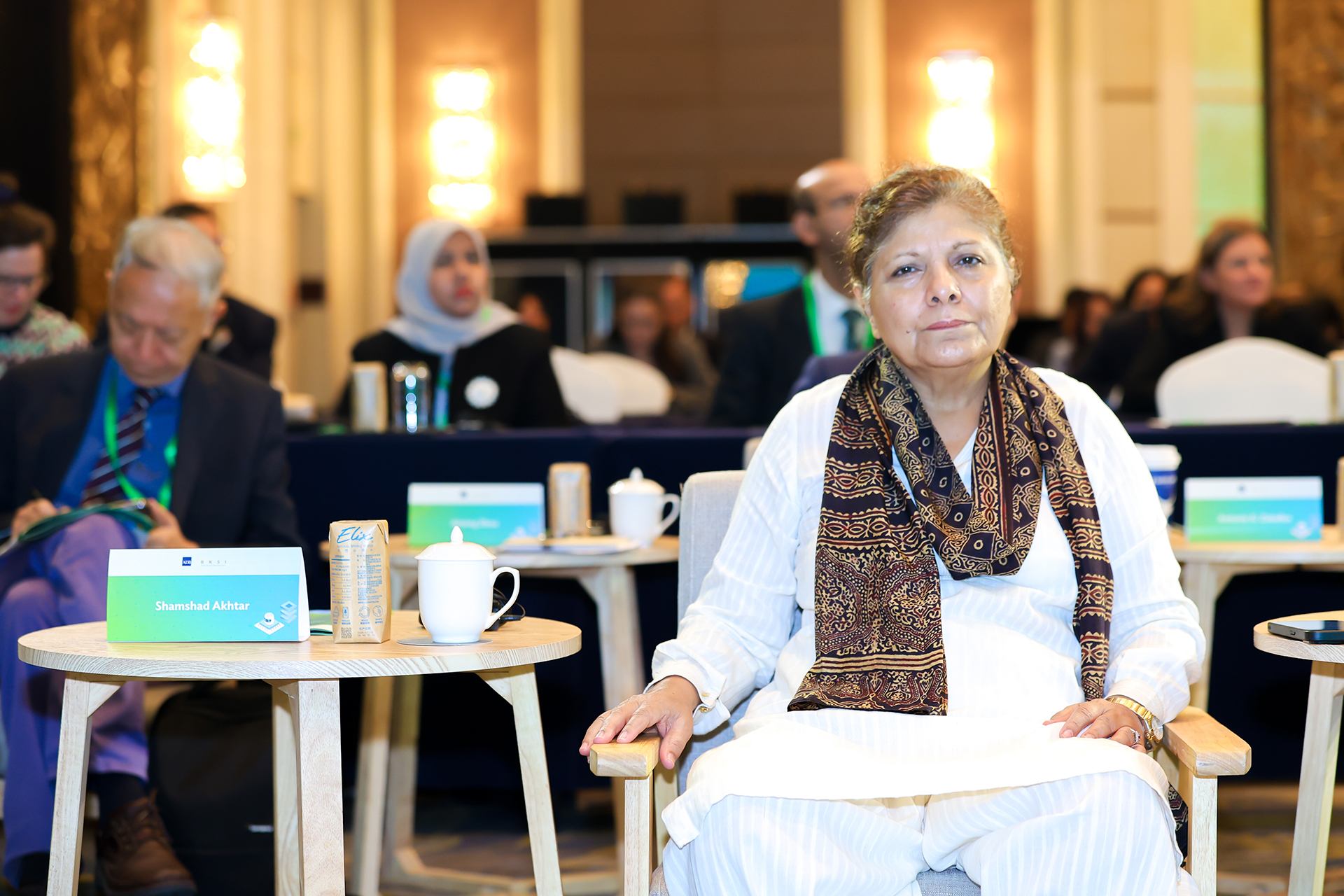
| 2:30-4:30 | Session 2: Expanding Economic Openness and Service Sector Liberalization in the PRC and Experience from Other Countries Presentation 1: Shamshad Akhtar, Chairperson of Board of Directors for Pakistan Stock Exchange; former Minister of Finance, Government of Pakistan; former Executive Secretary of UNESCAP Presentation 2: Opening the PRC’s Services Industry for Innovative and Shared Development Hildegunn Kyvik Nordås, Visiting Professor, Örebro University, Sweden; Senior Associate, Council on Economic Policies, Switzerland Panel Discussion Moderator: Justine Diokno-Sicat, Alternate Executive Director, ADB Panelists:
Q and A | ||
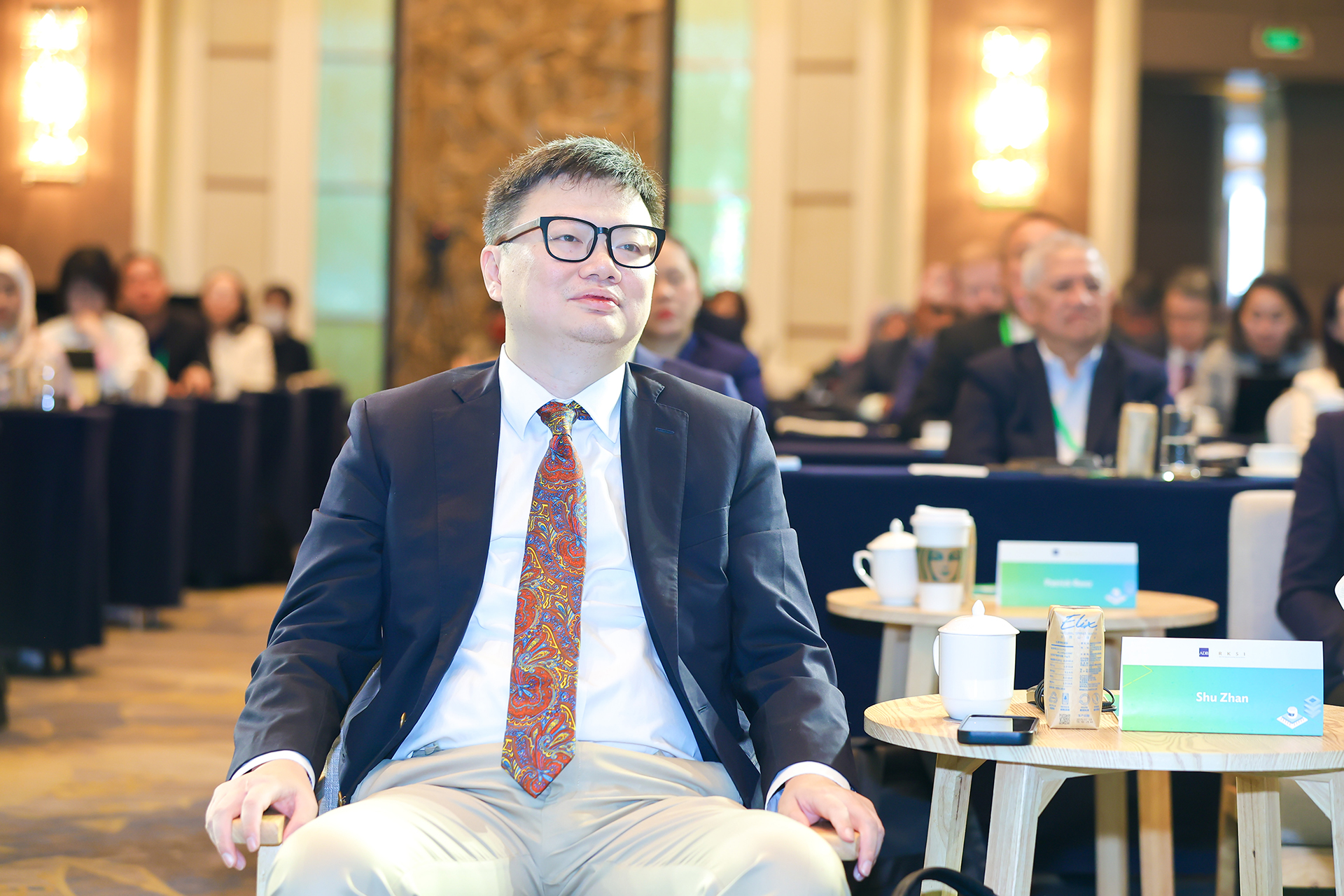
| 4:30-4:45 | Closing Remarks Shu Zhan, Alternate Executive Director, ADB | ||
| 4:45 onwards | Networking Reception |
| Date/Time | Session | ||
|---|---|---|---|
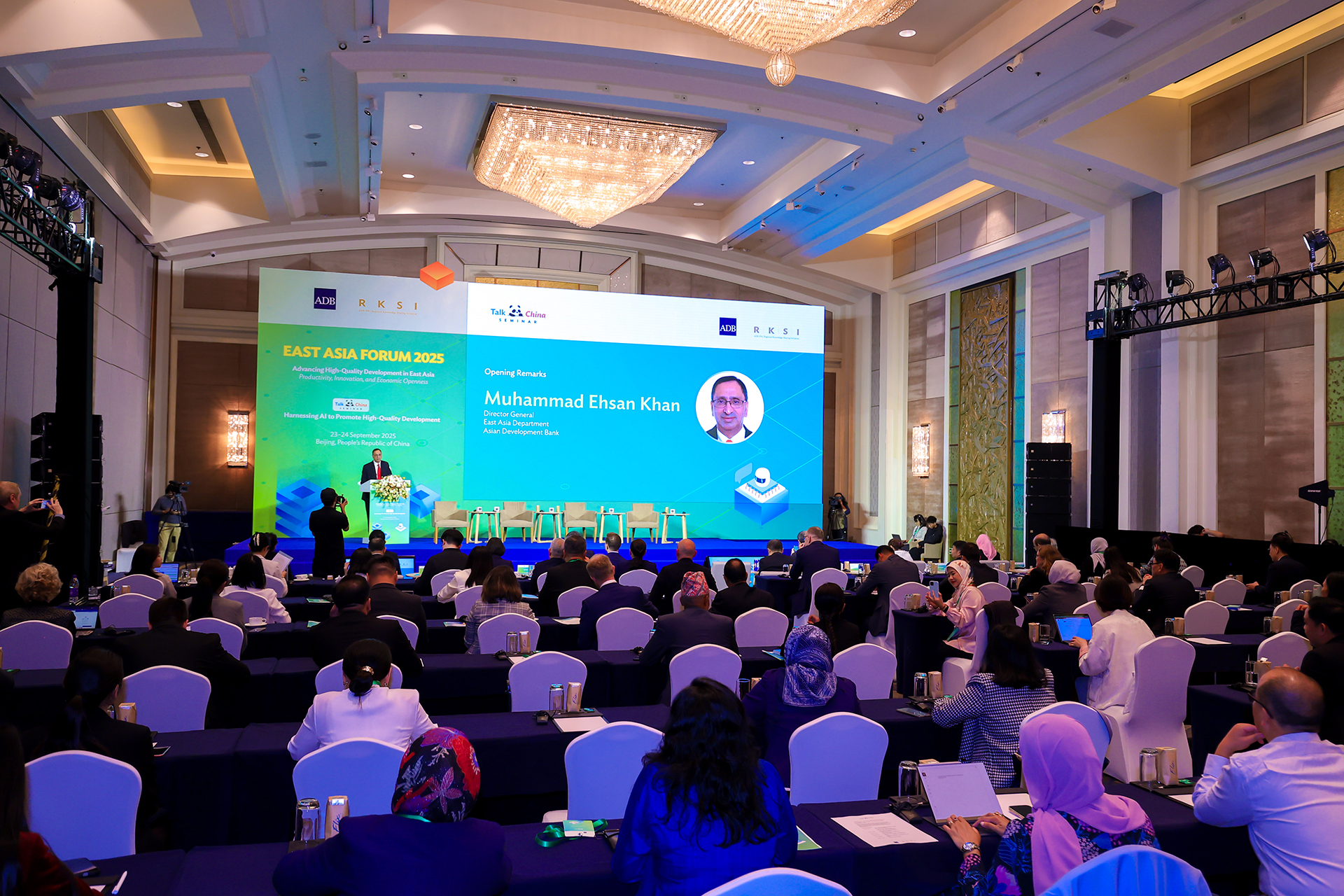
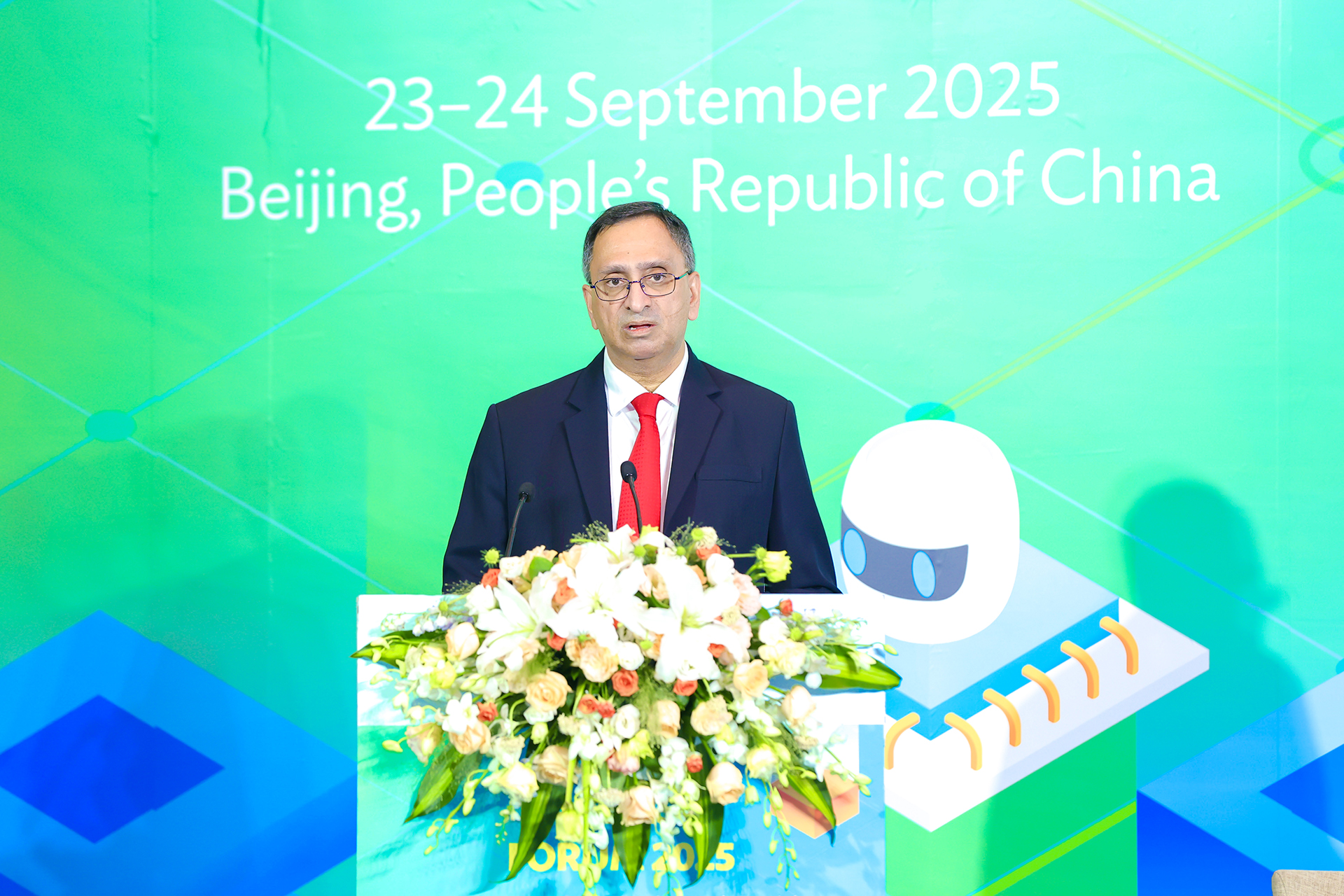
| 9:00-9:10 | Opening Remarks Muhammad Ehsan Khan, Director General, East Asia Department, ADB Zhan Shu, Alternate Executive Director, ADB | ||
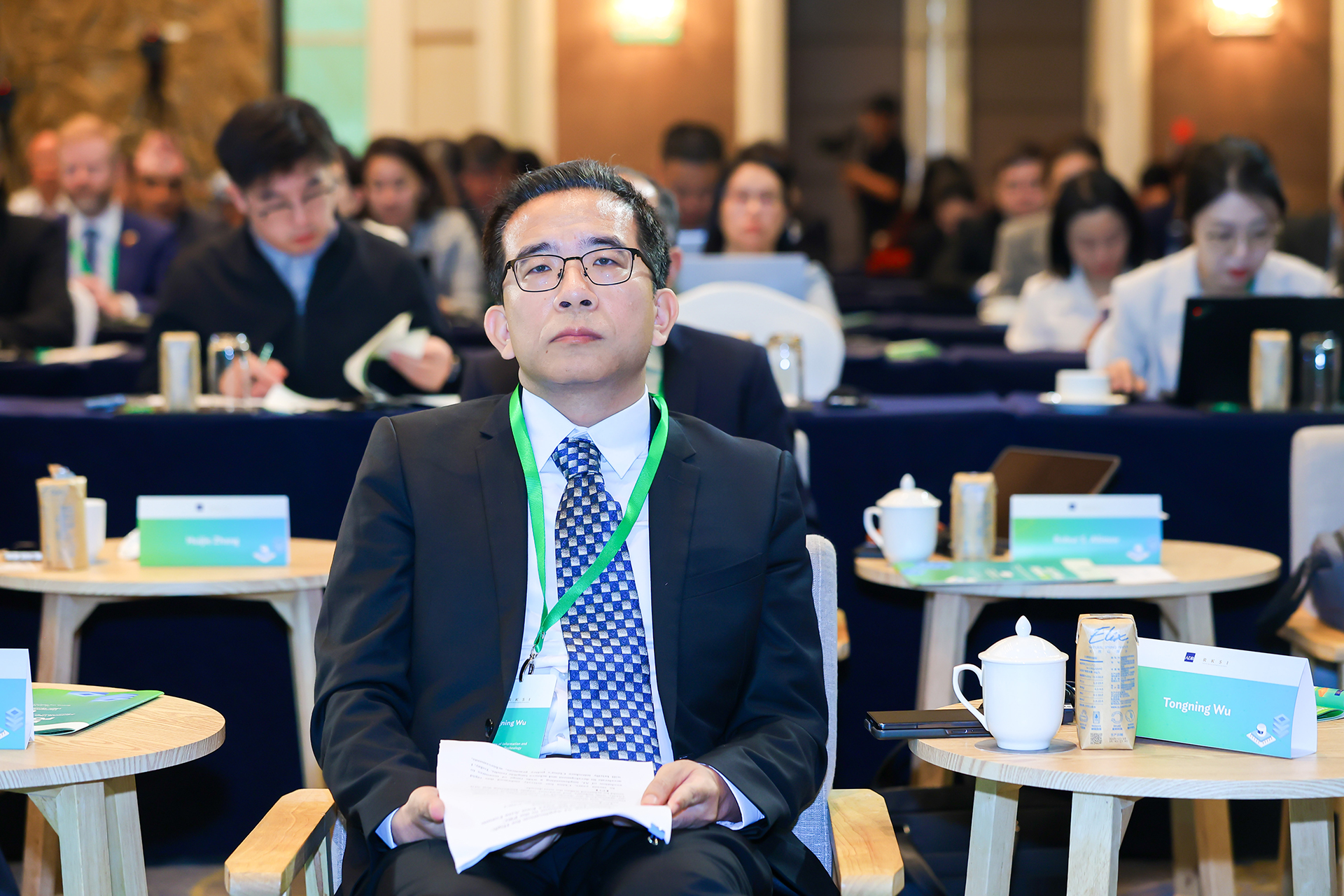
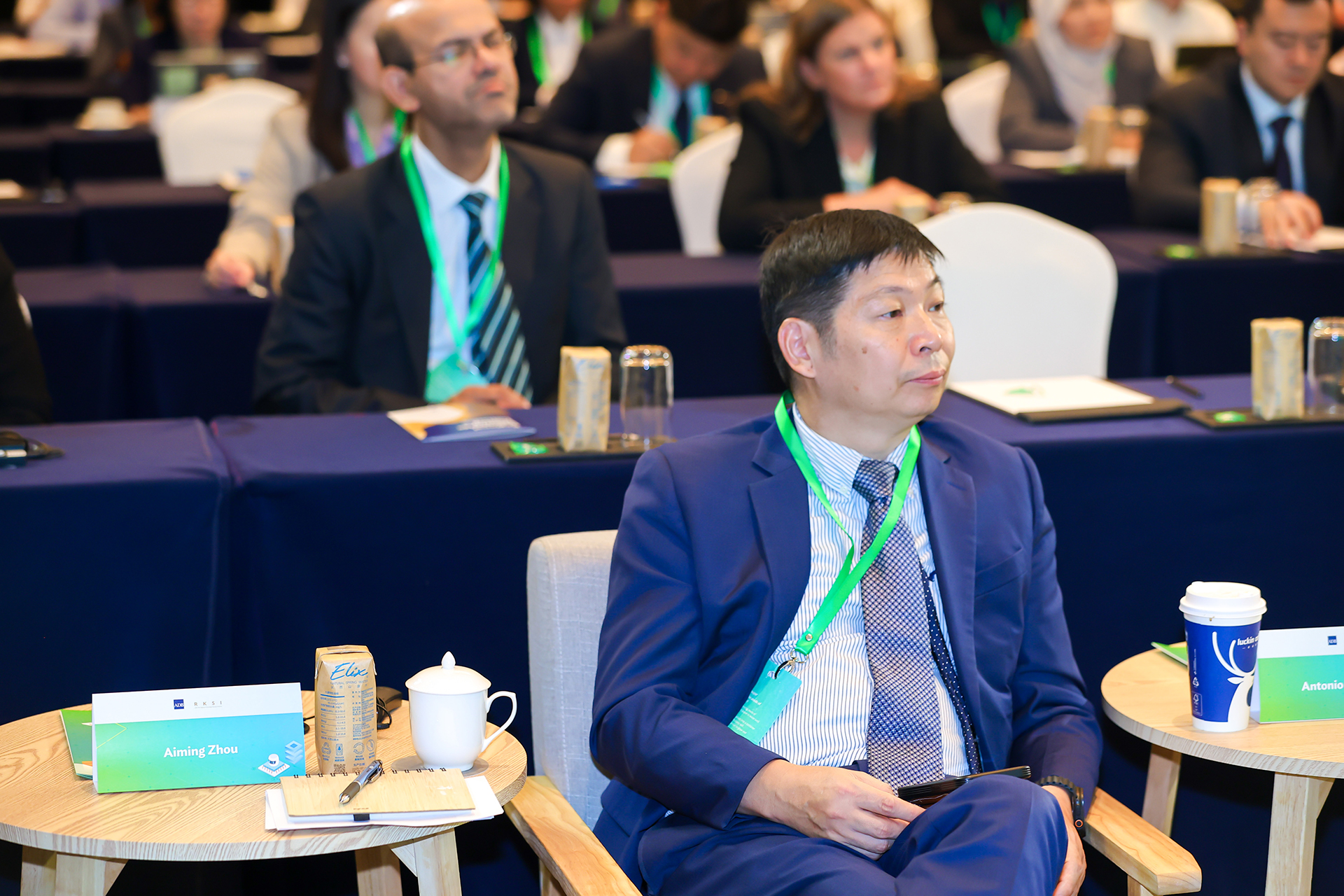
| 9:10-10:10 | Session 1: What Experiences from the PRC Can be Learned and Replicated in the Region Presentation: Promoting AI Applications for High-Quality Development in the PRC Tongning Wu, Deputy Director Artificial Intelligence Research Institute China Academy of Information and Communications Technology Panel Discussion: Moderator: Aiming Zhou, Deputy Country Director, ADB PRC Resident Mission Panelists
| ||
| 10:10-10:30 | Tea Break | ||
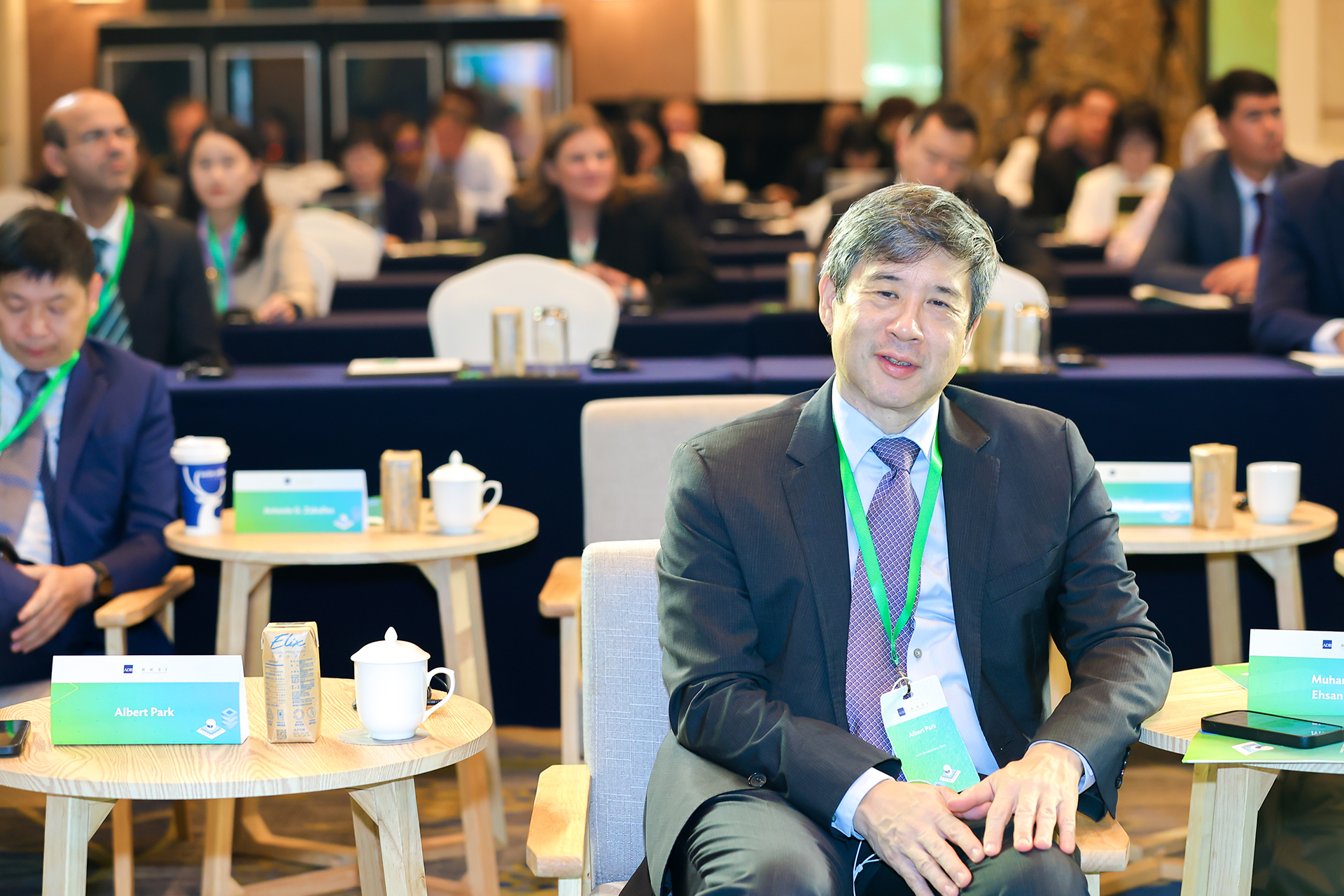
| 10:30-11:30 | Session 2: How ADB Can Support DMCs with AI Application to Promote High-Quality Development Presentation: ADB’s Role in Promoting AI Application in the Region Albert Park, Chief Economist and Director General, Economic Research and Development Impact Department, ADB Panel Discussion: Moderator: Bobur Alimov, Advisor, EARD, ADB Panelists:
Q and A | ||
| 11:30-13:00 | Lunch break | ||
| 13:00-14:00 | Departure from the Kerry Hotel for site visit | ||
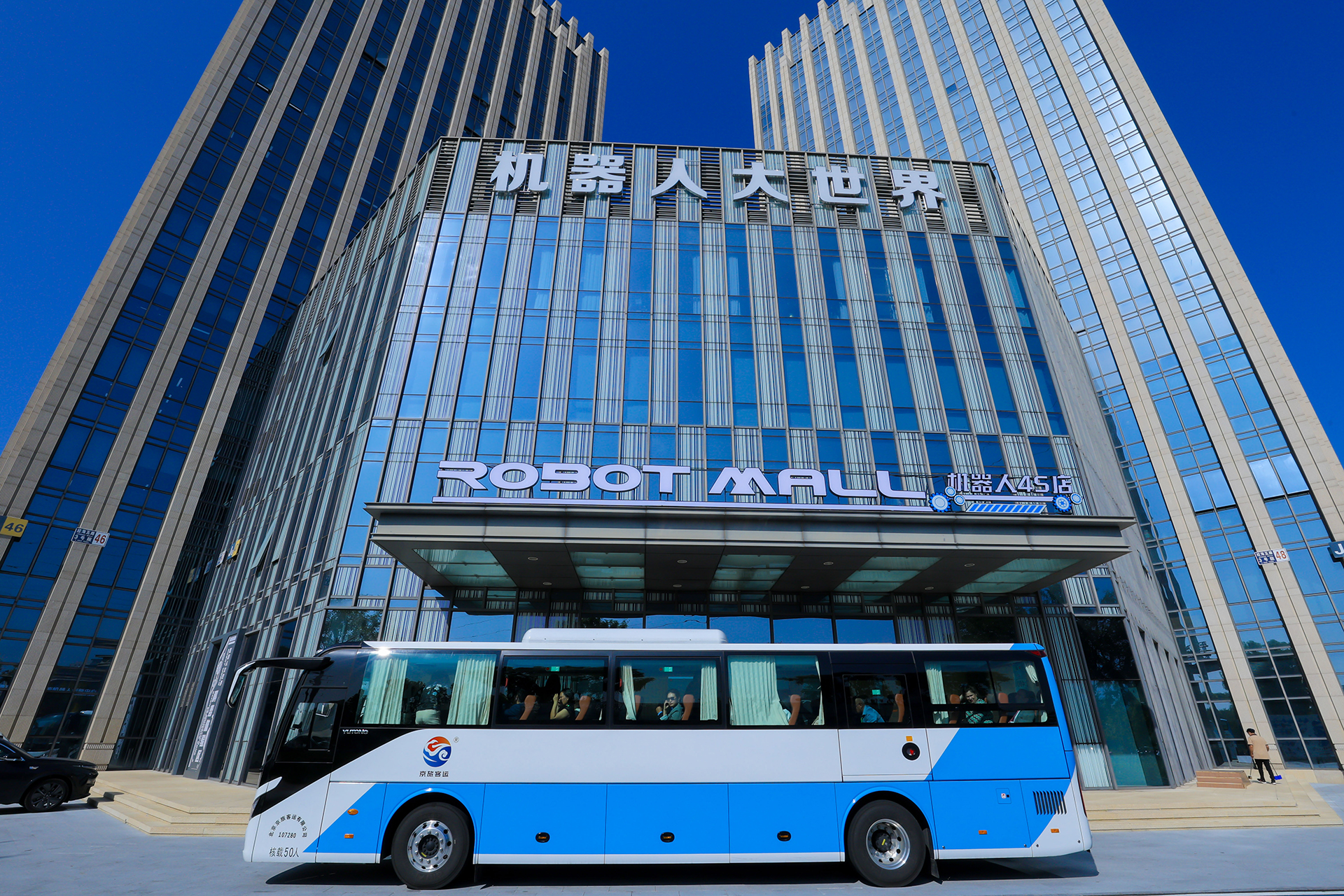
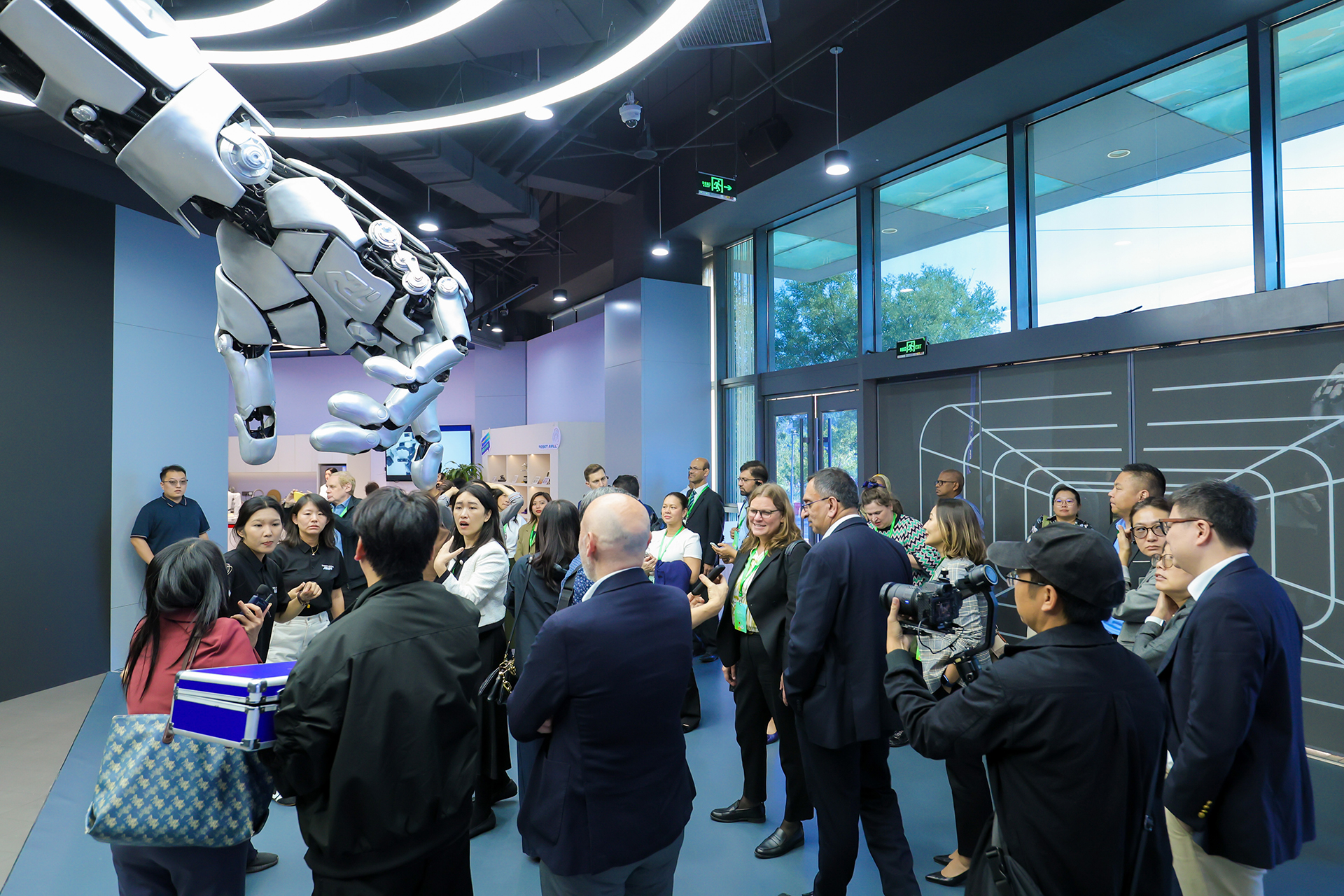
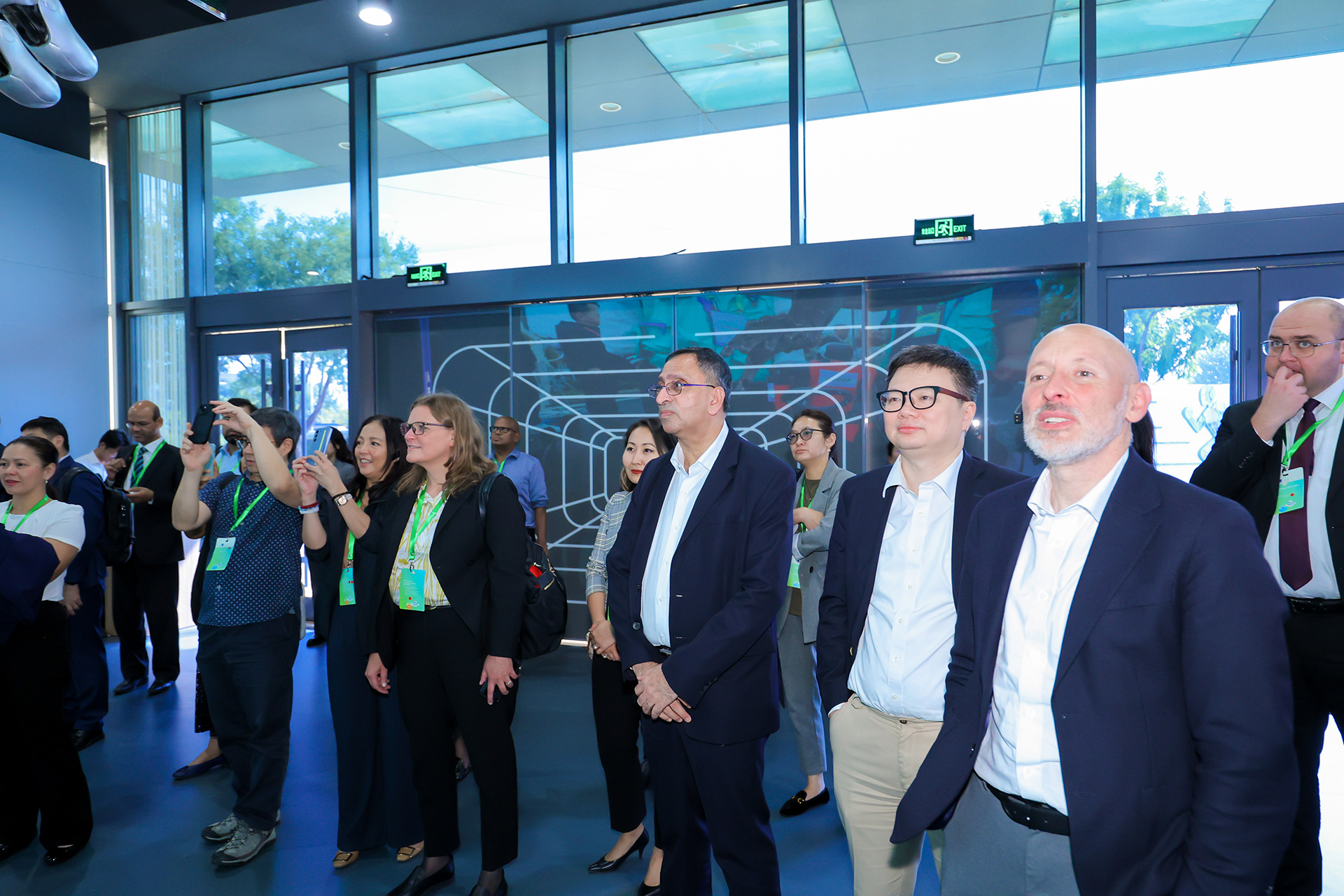
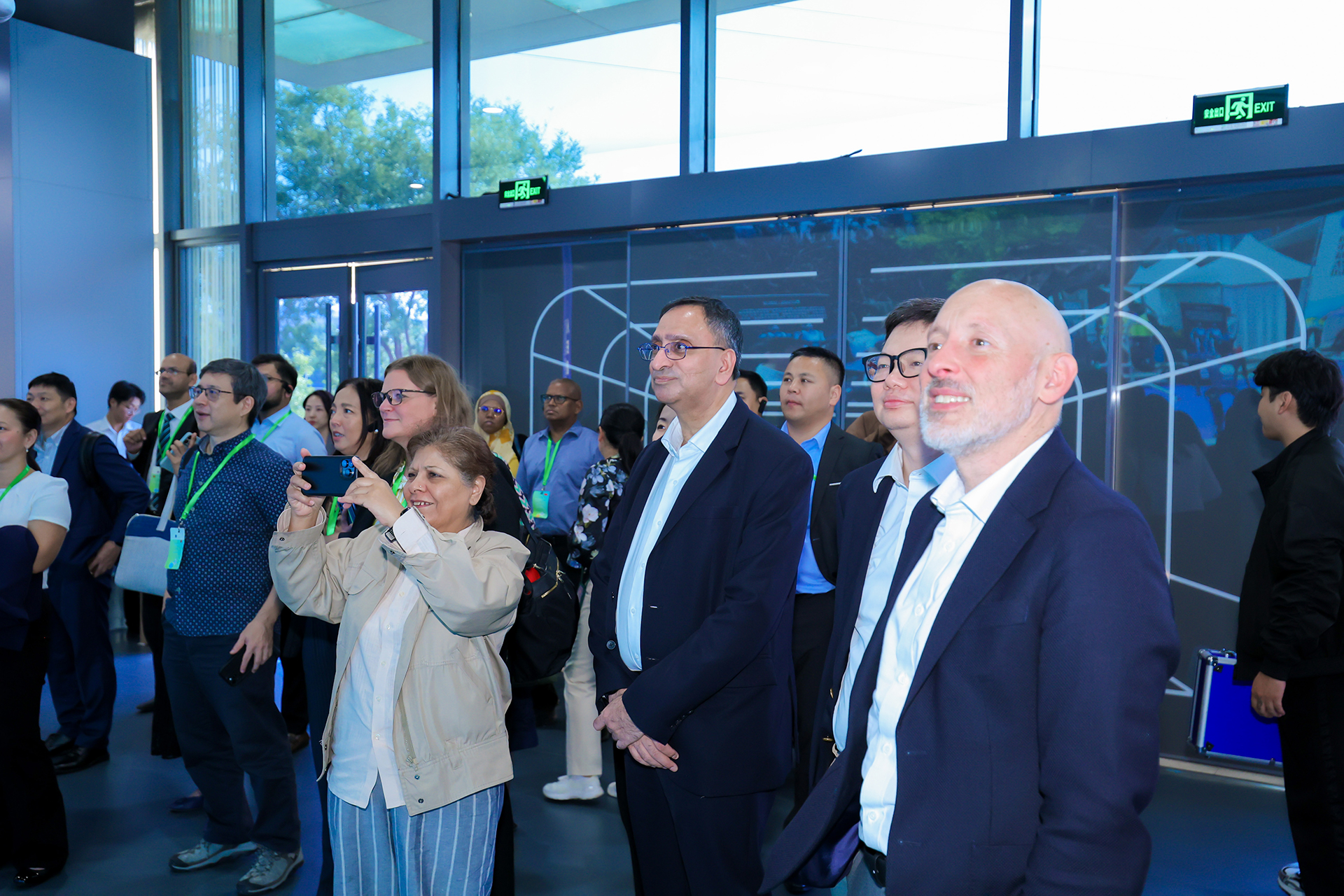
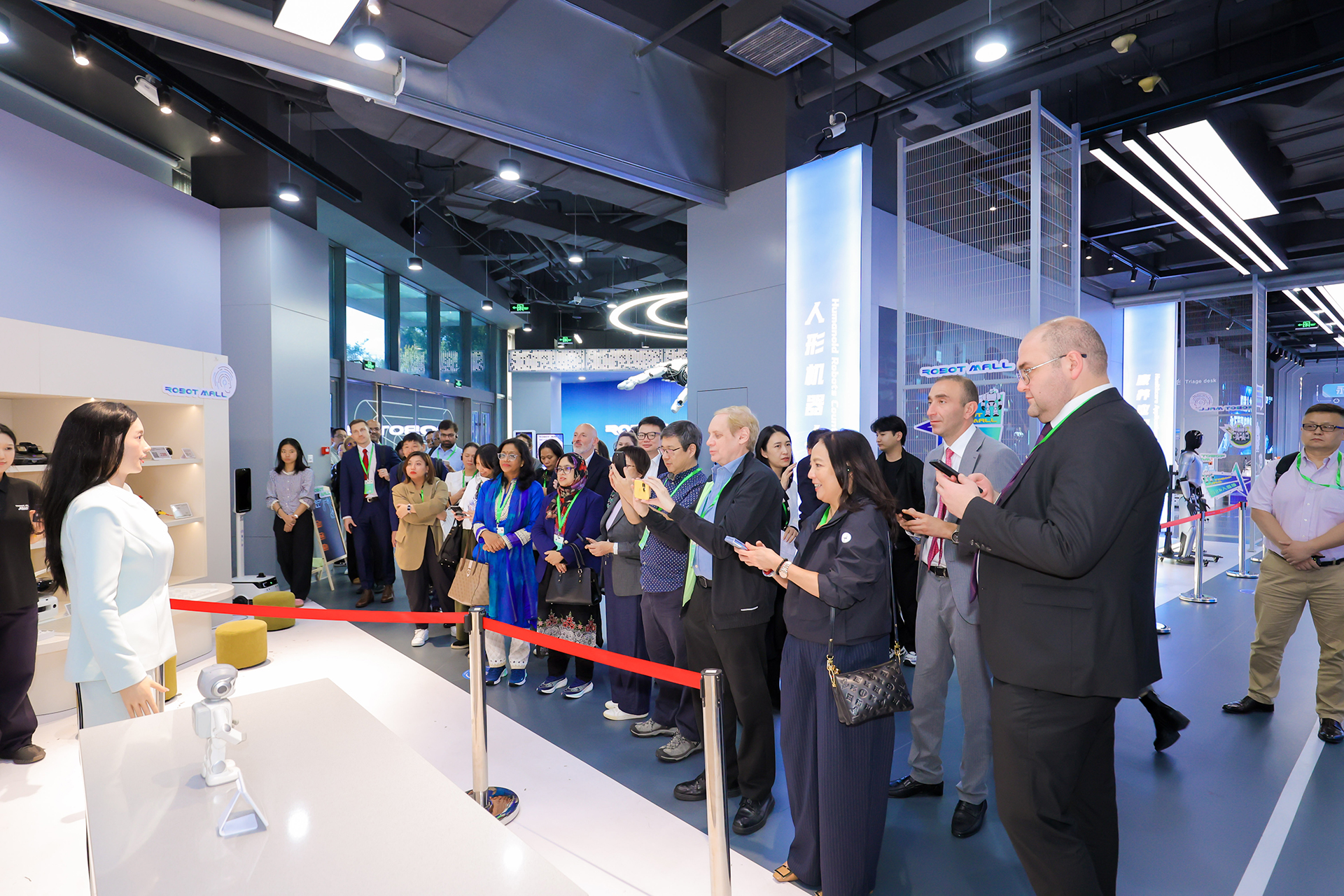
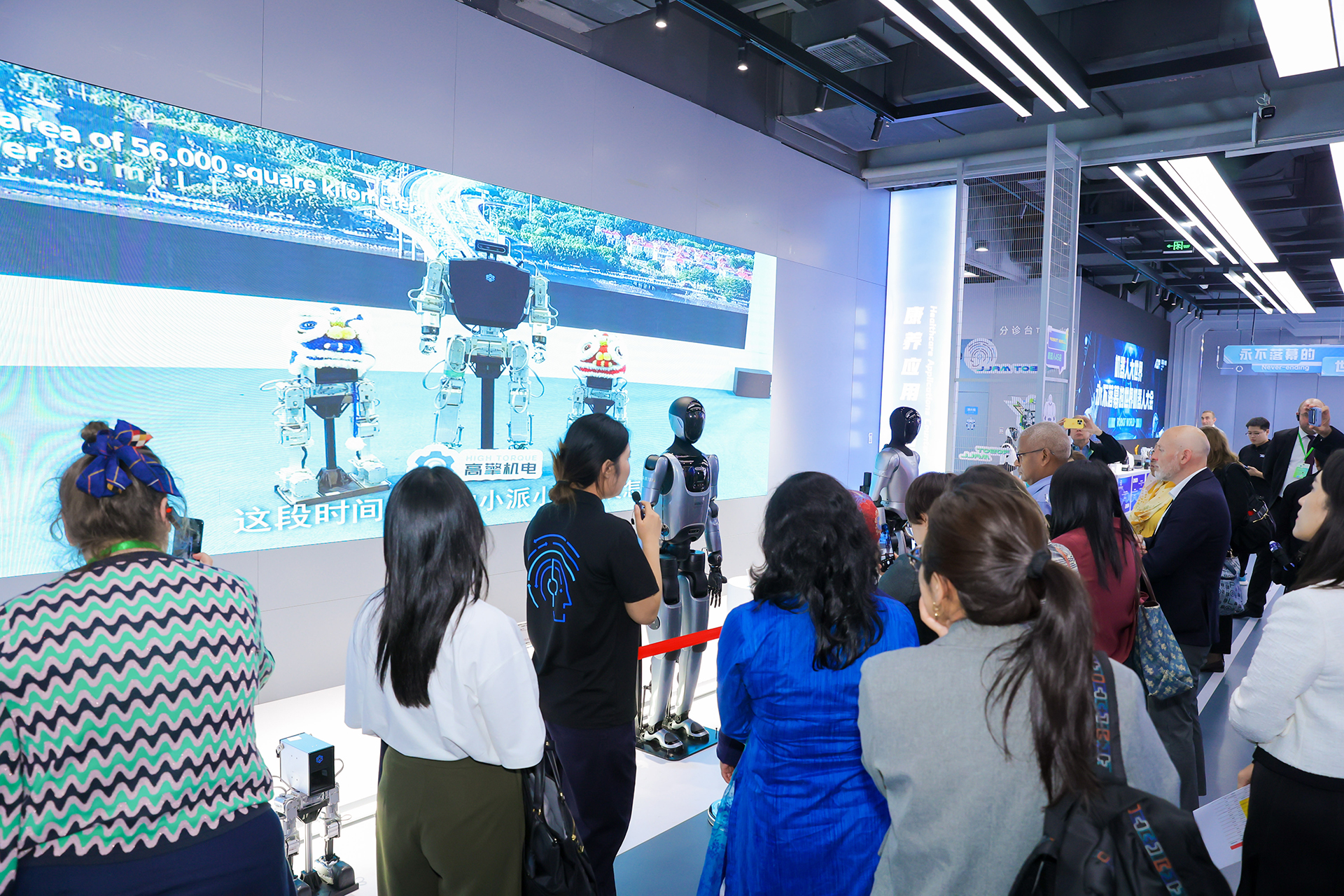
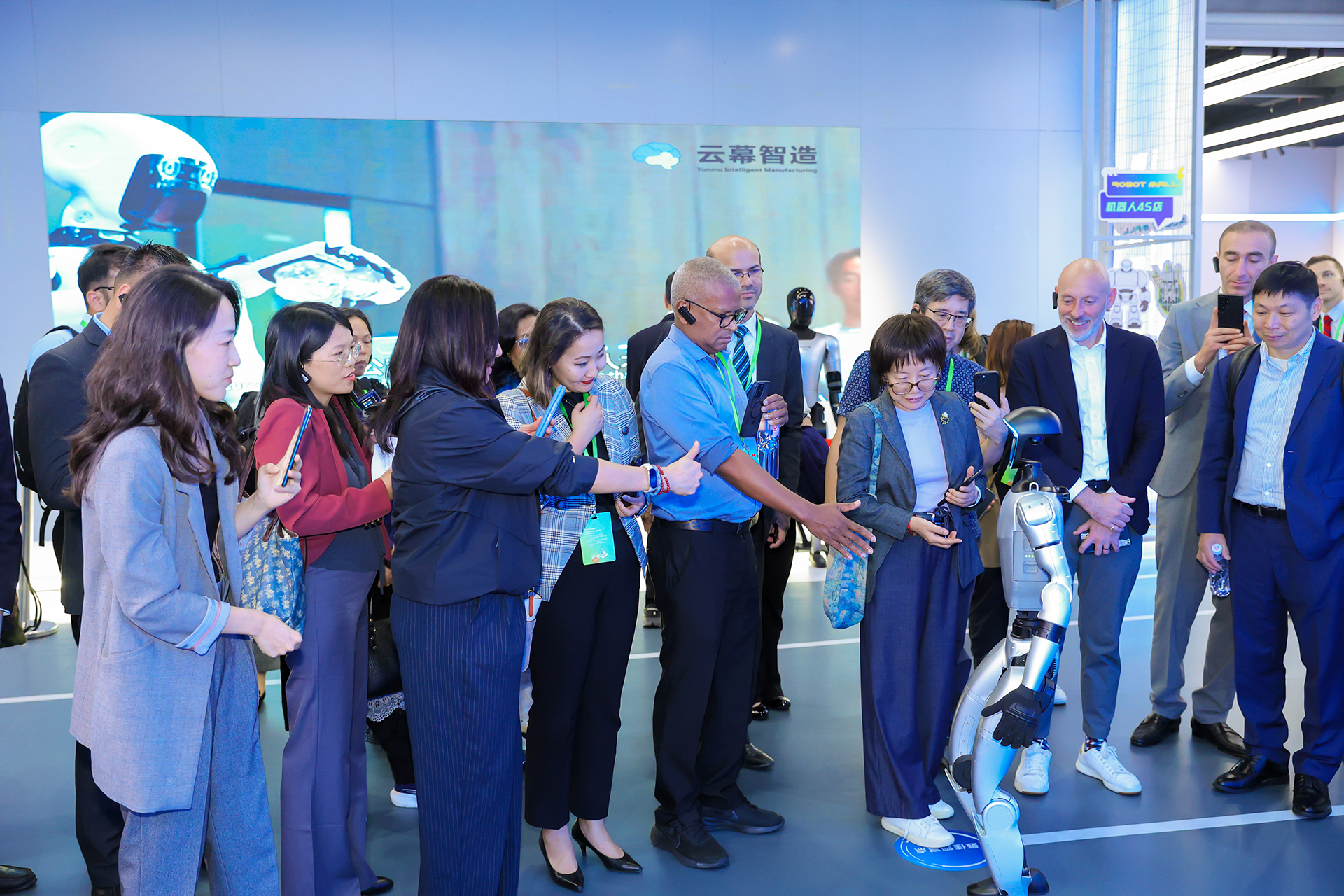
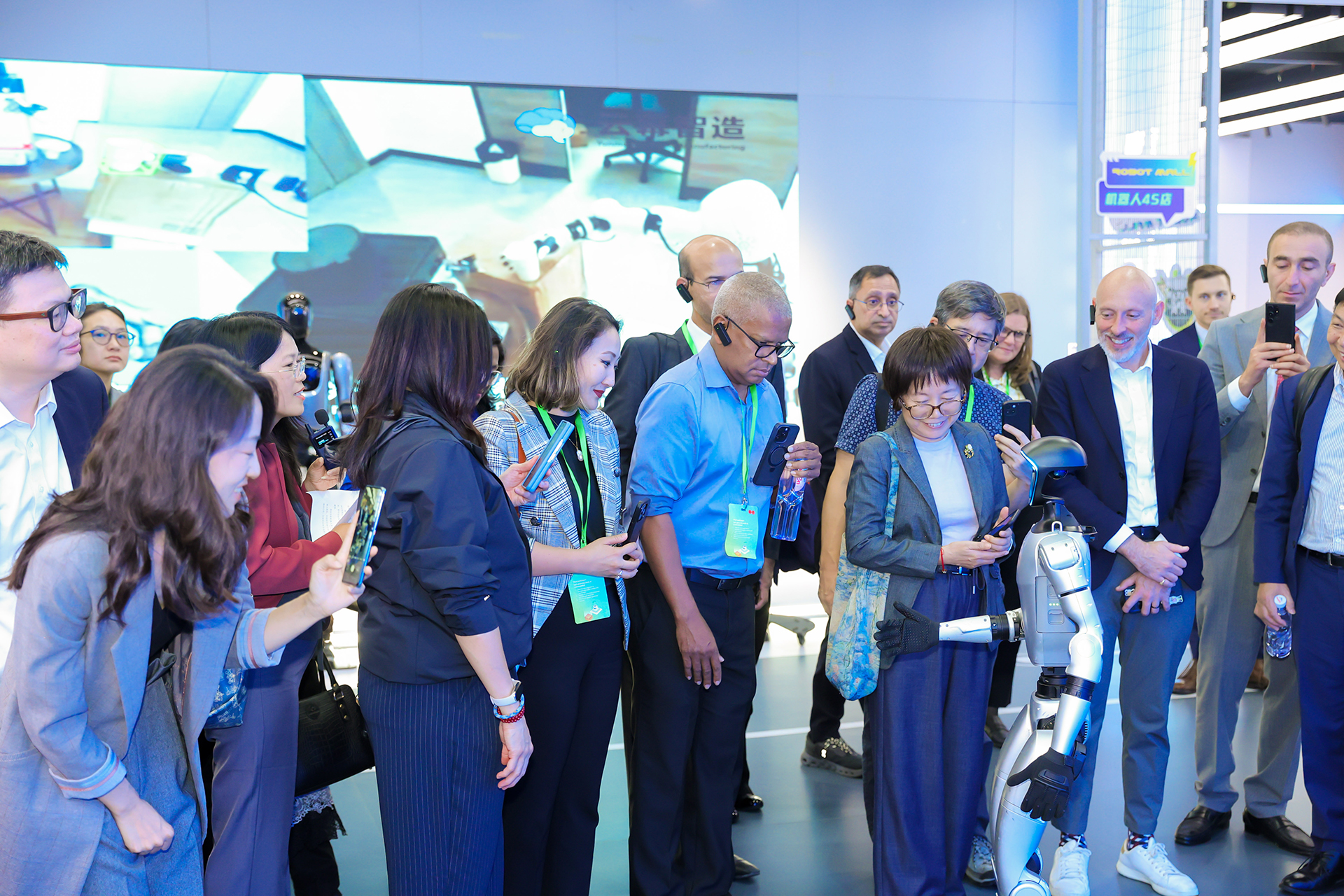
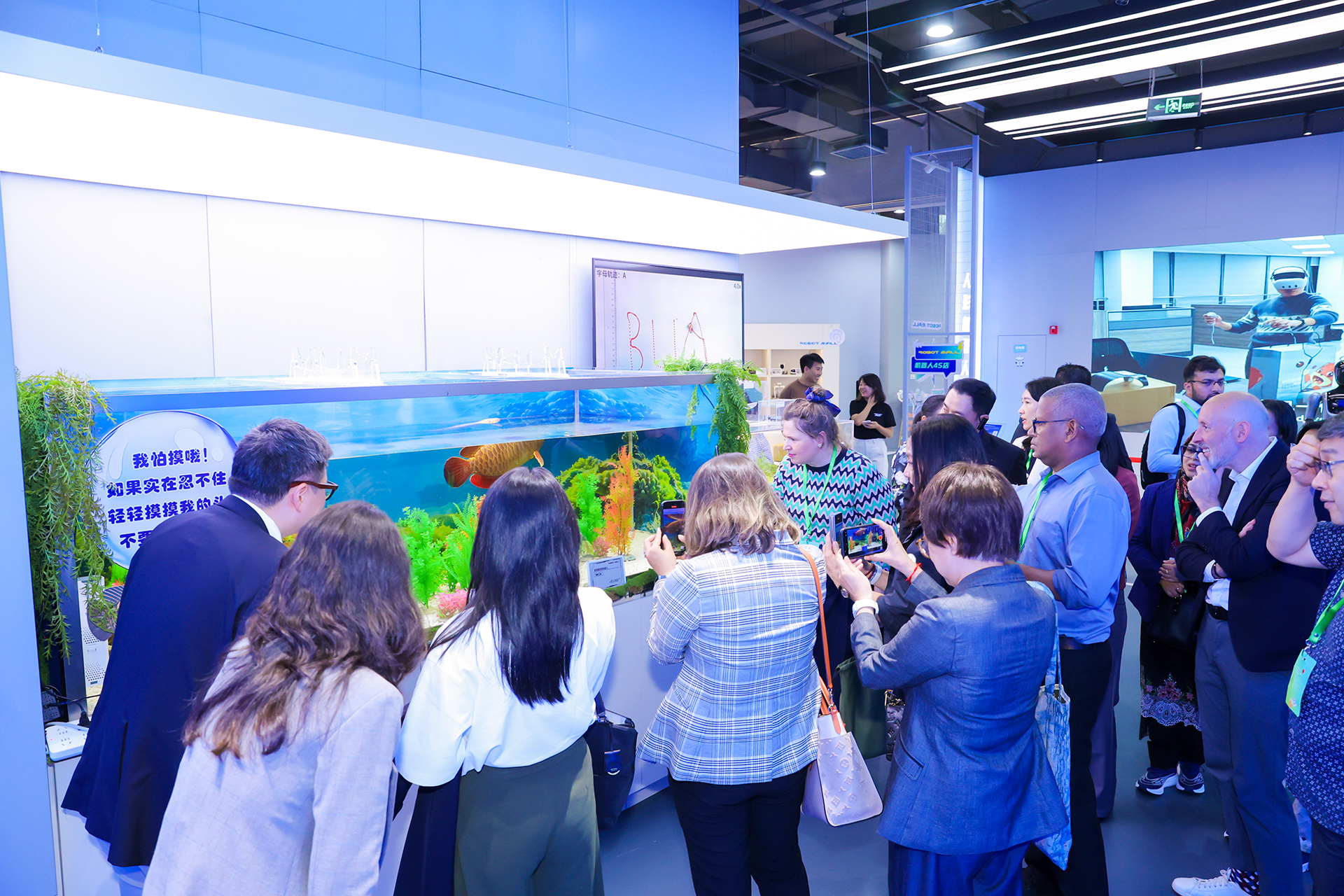
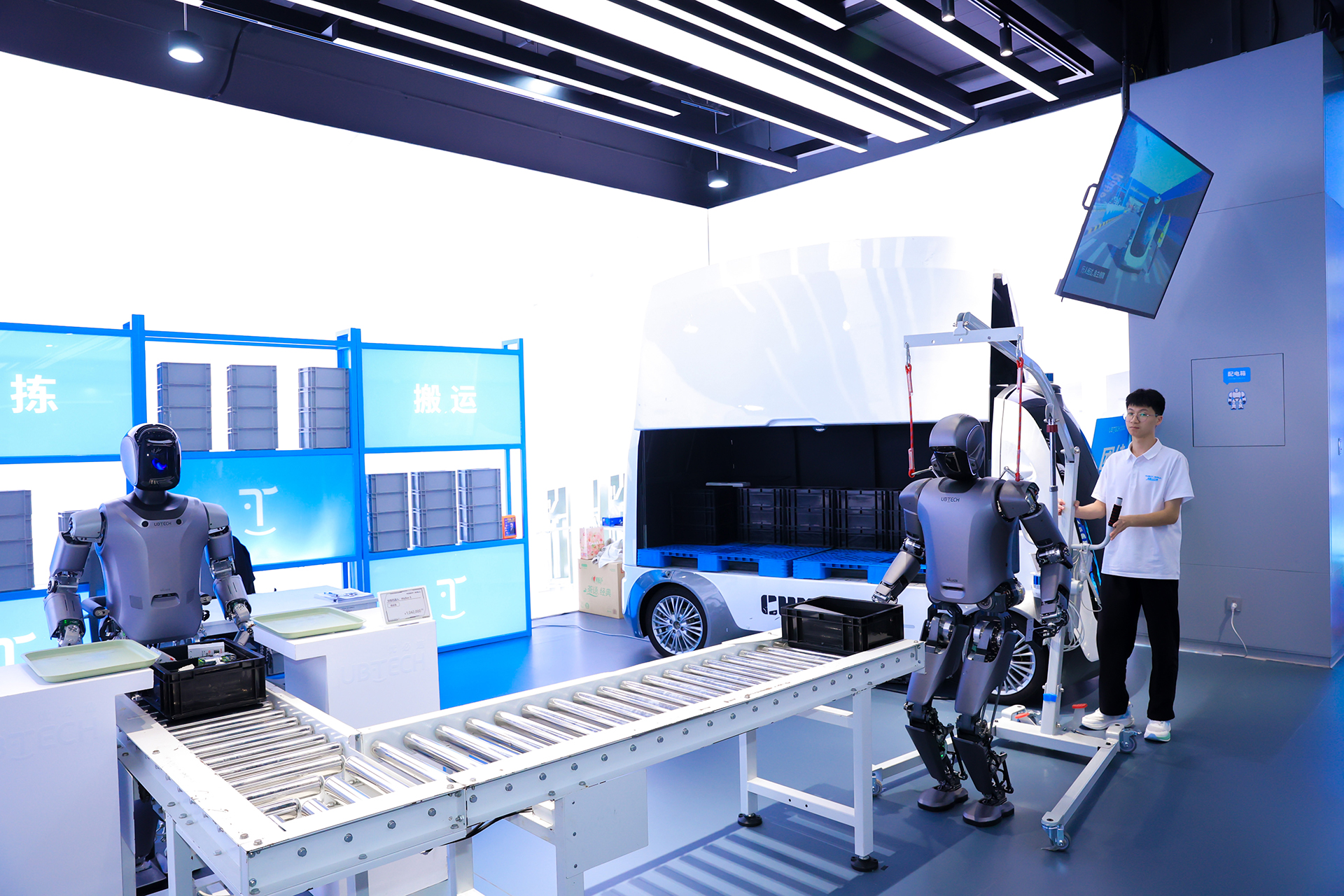
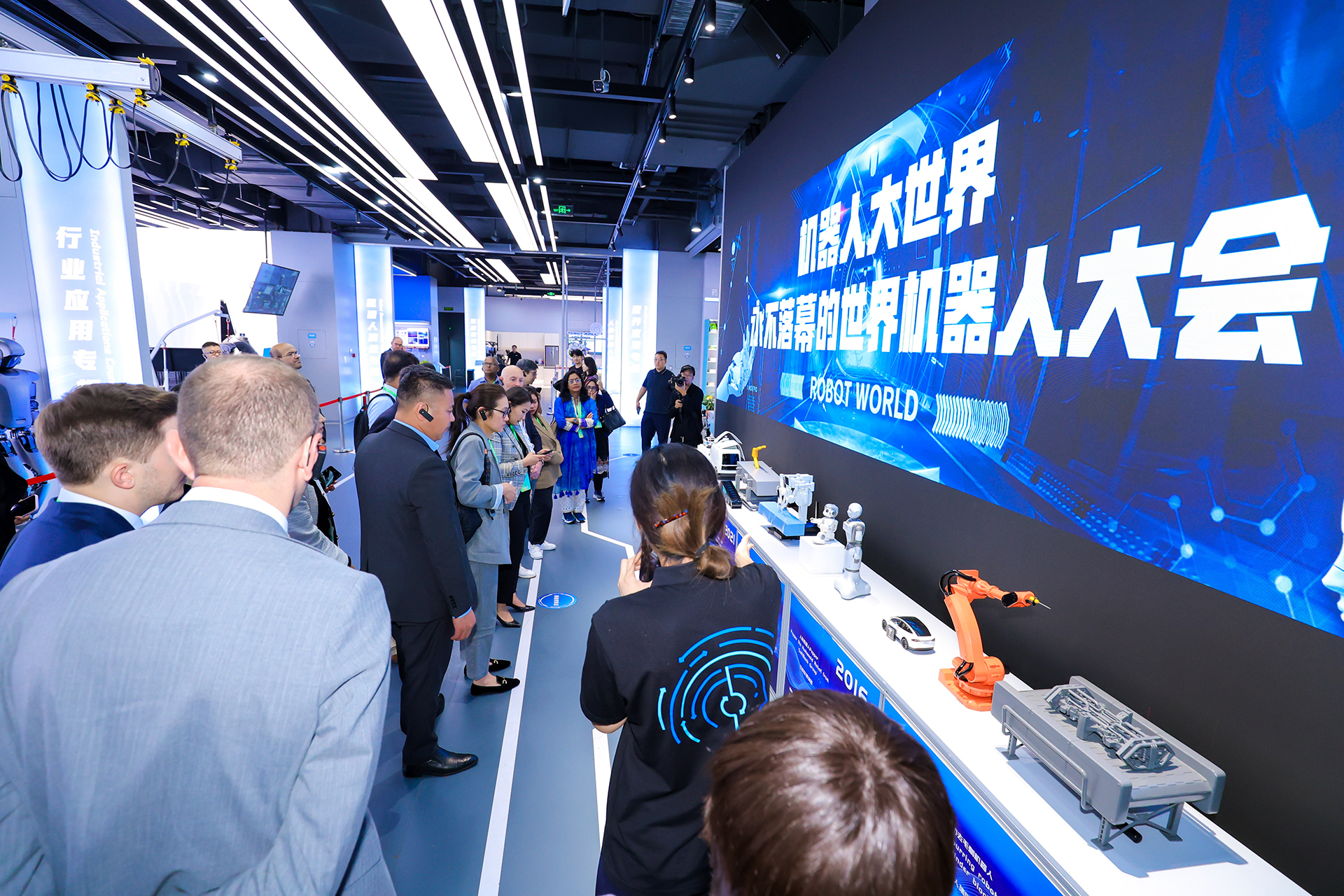
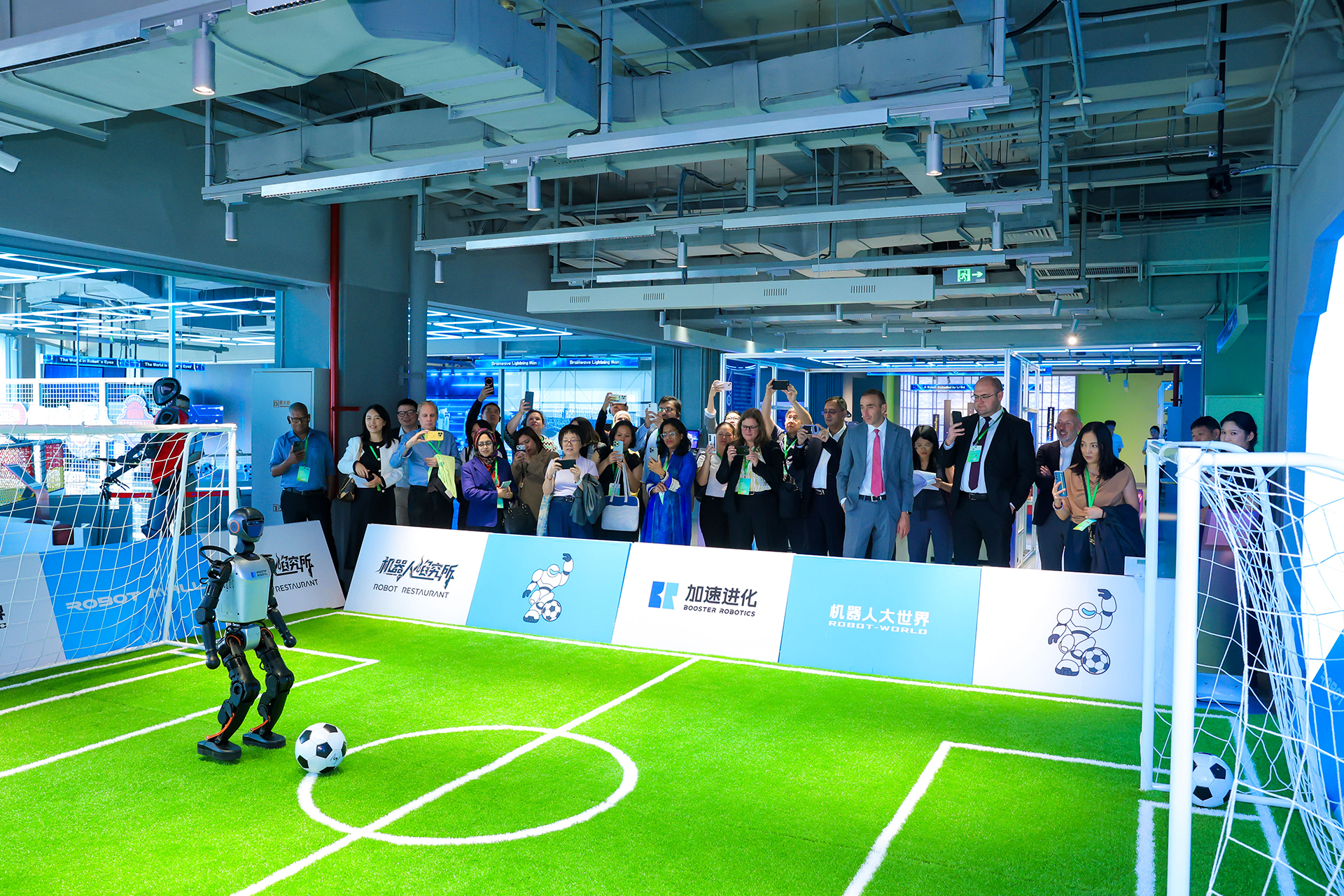
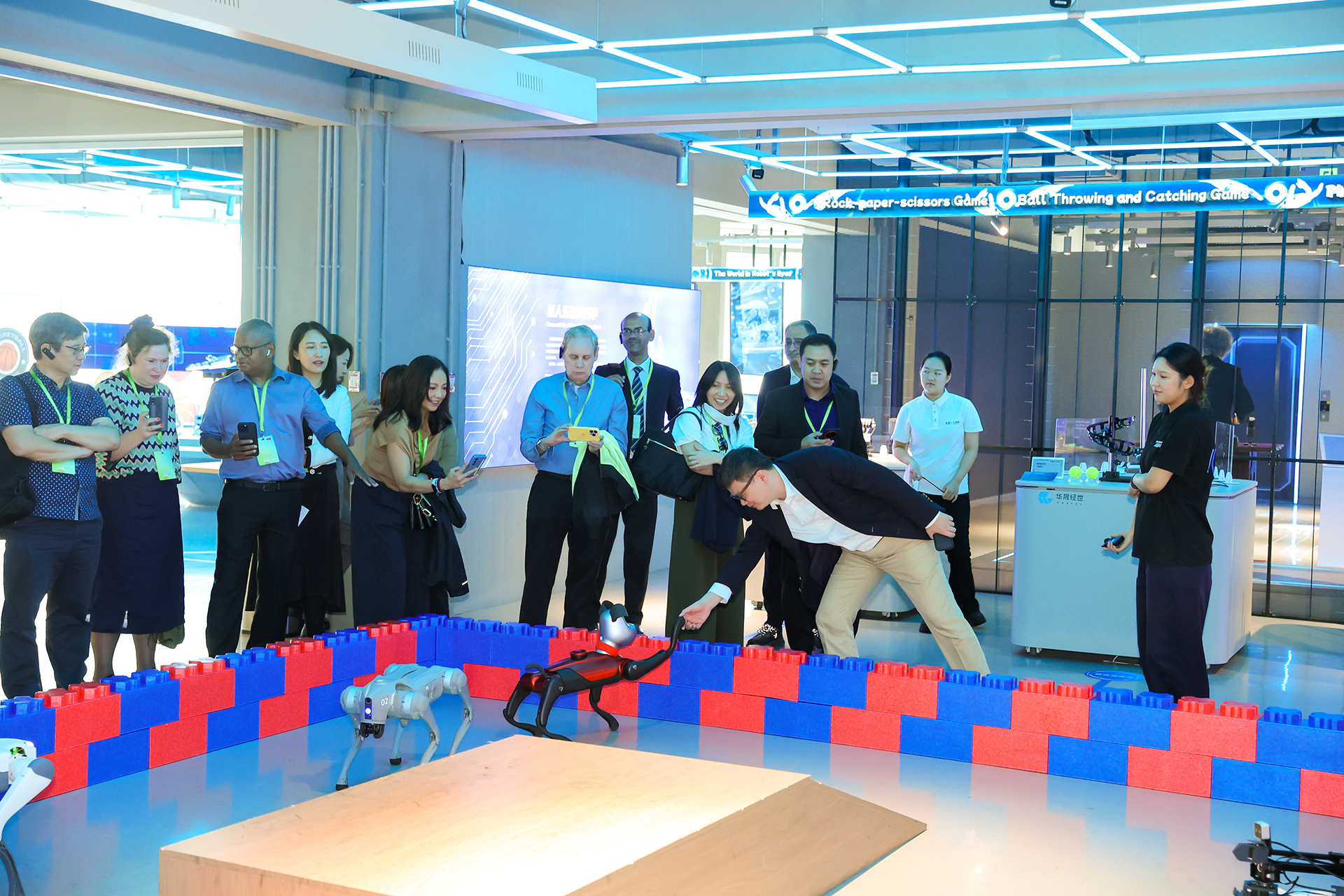
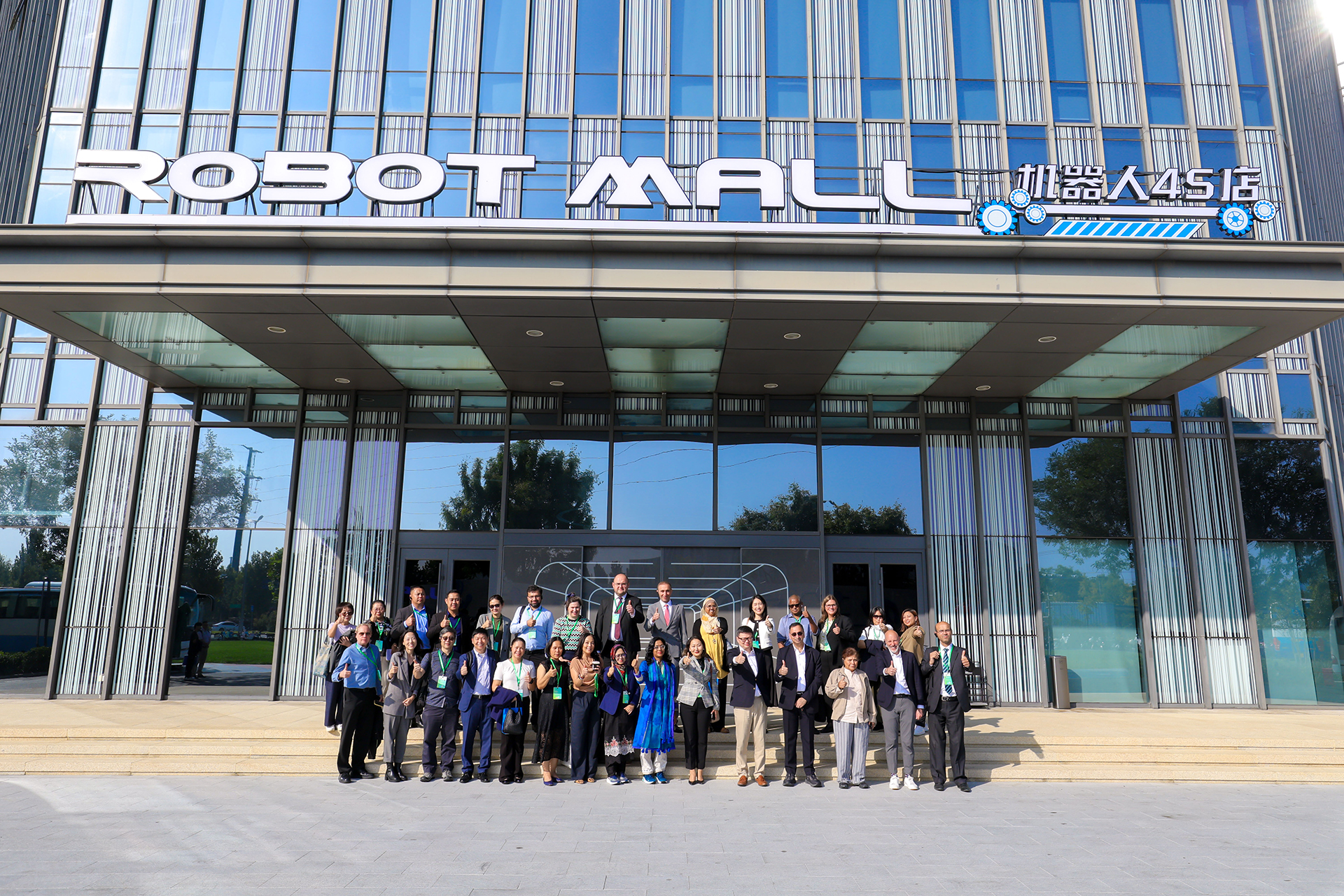
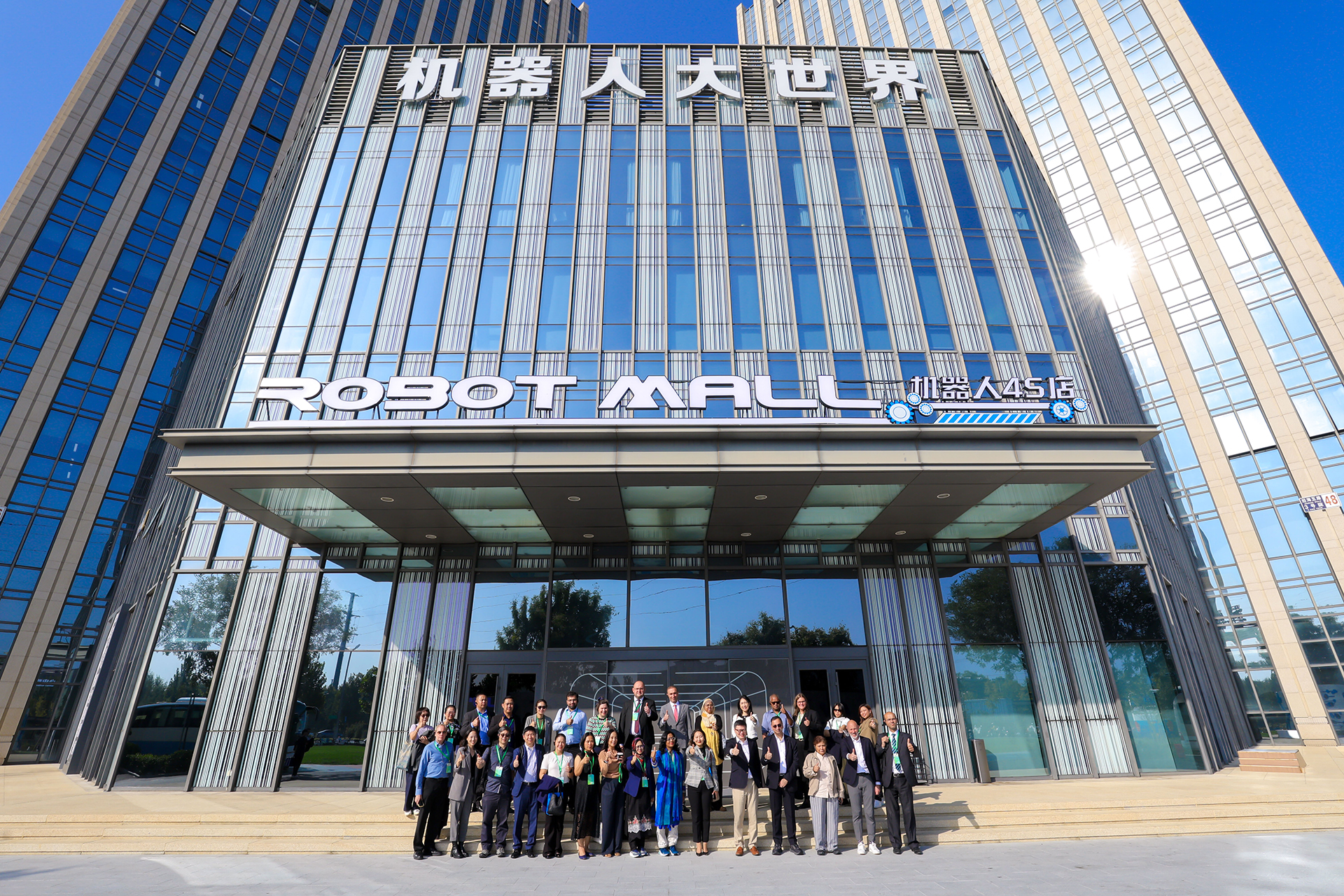
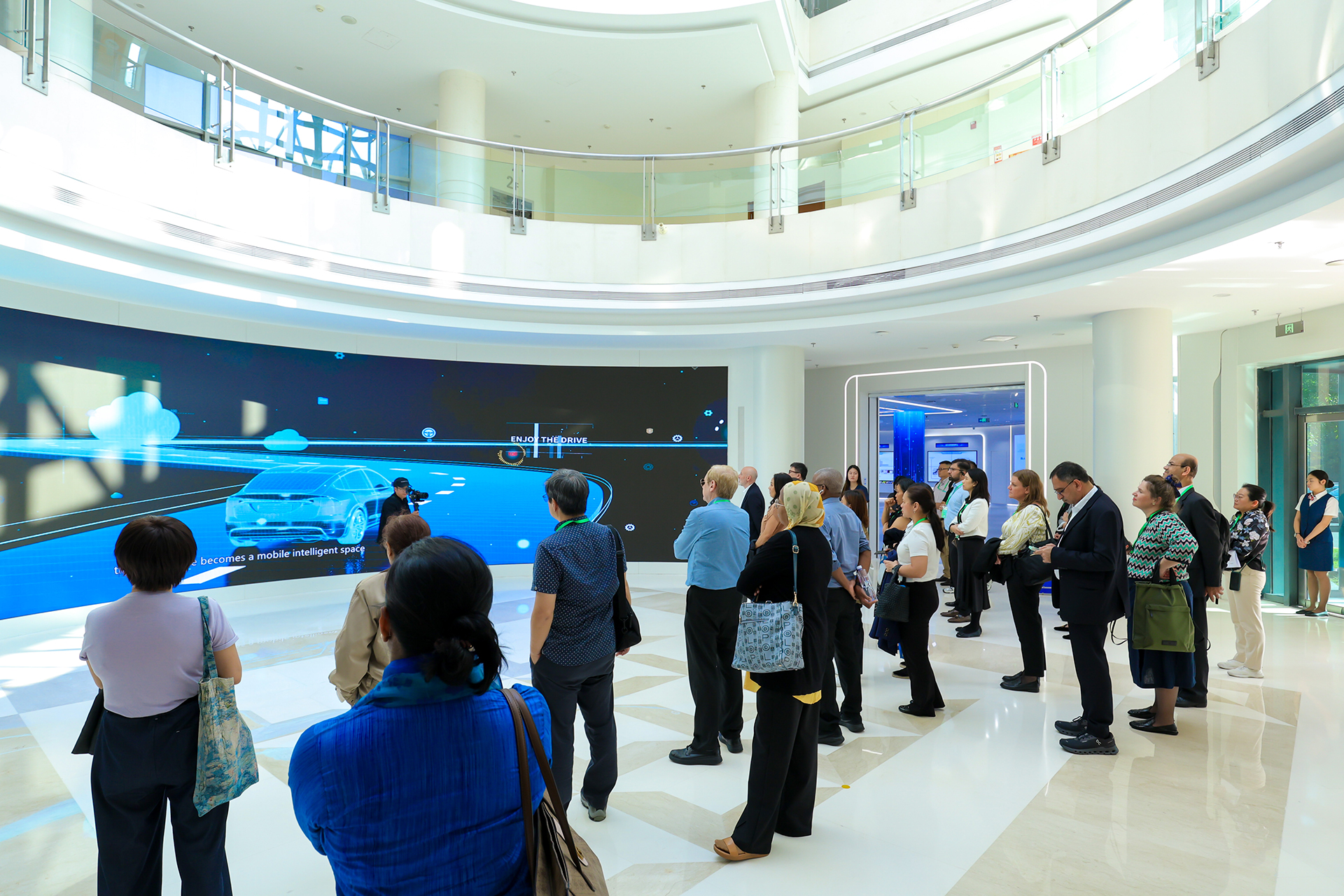
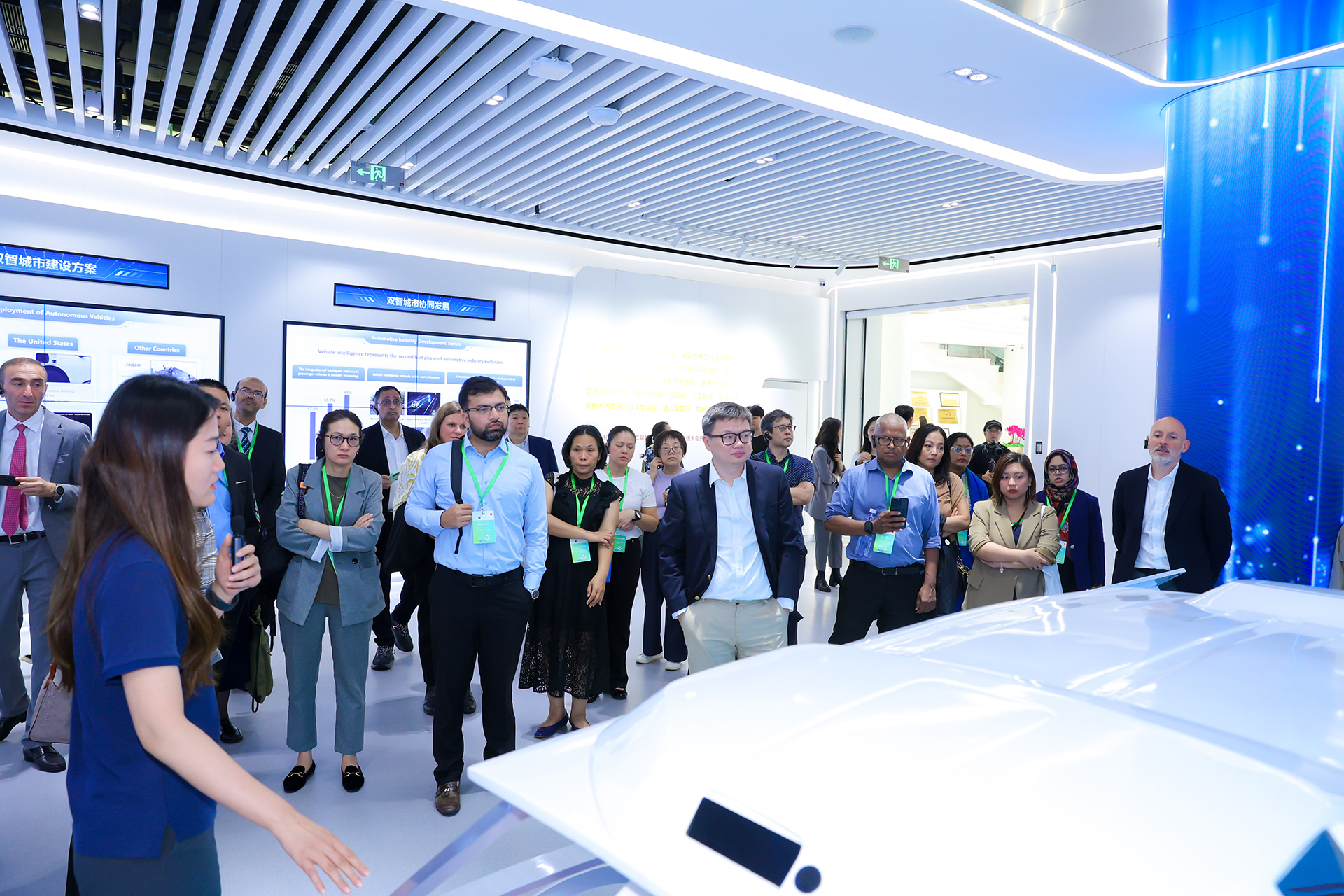
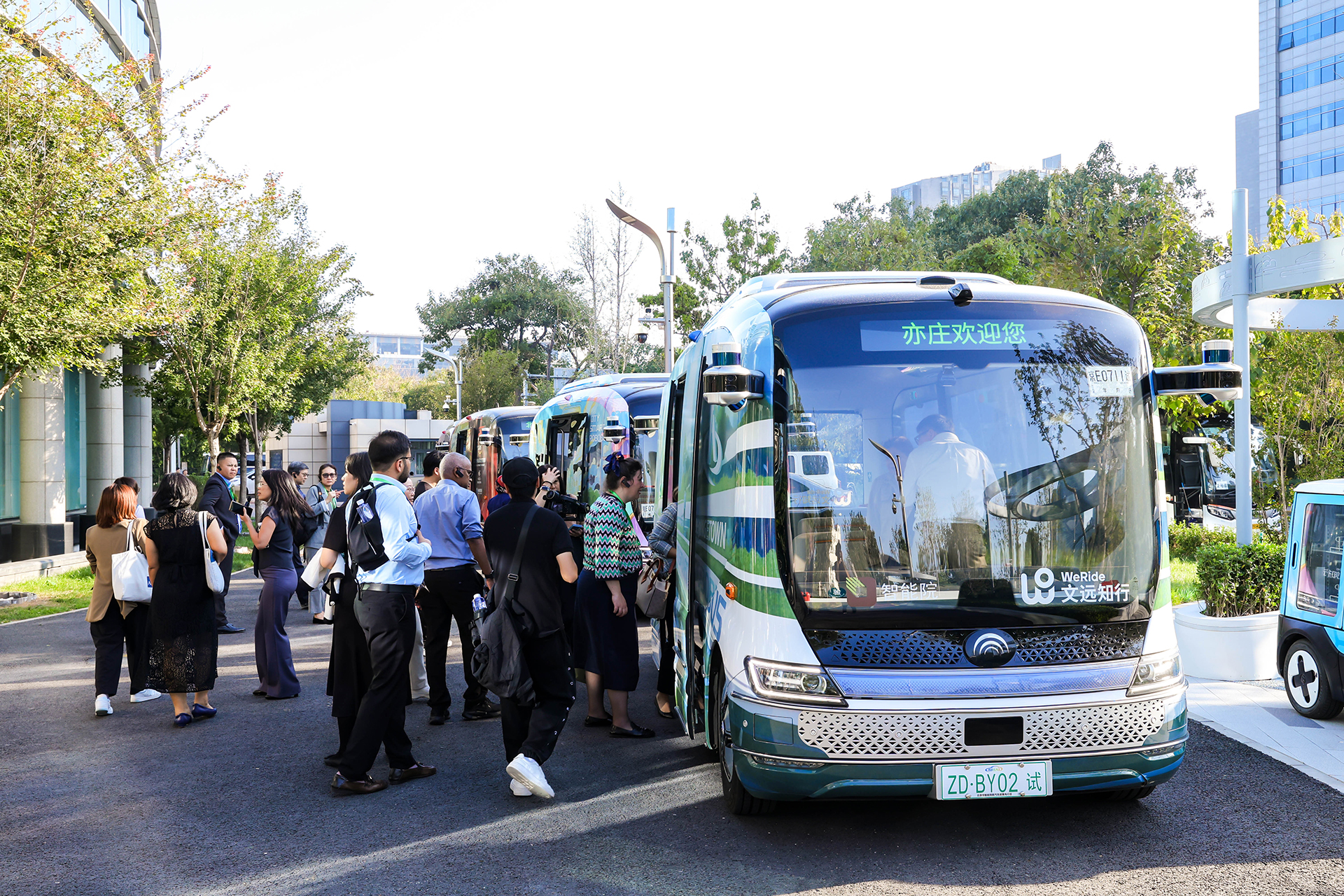
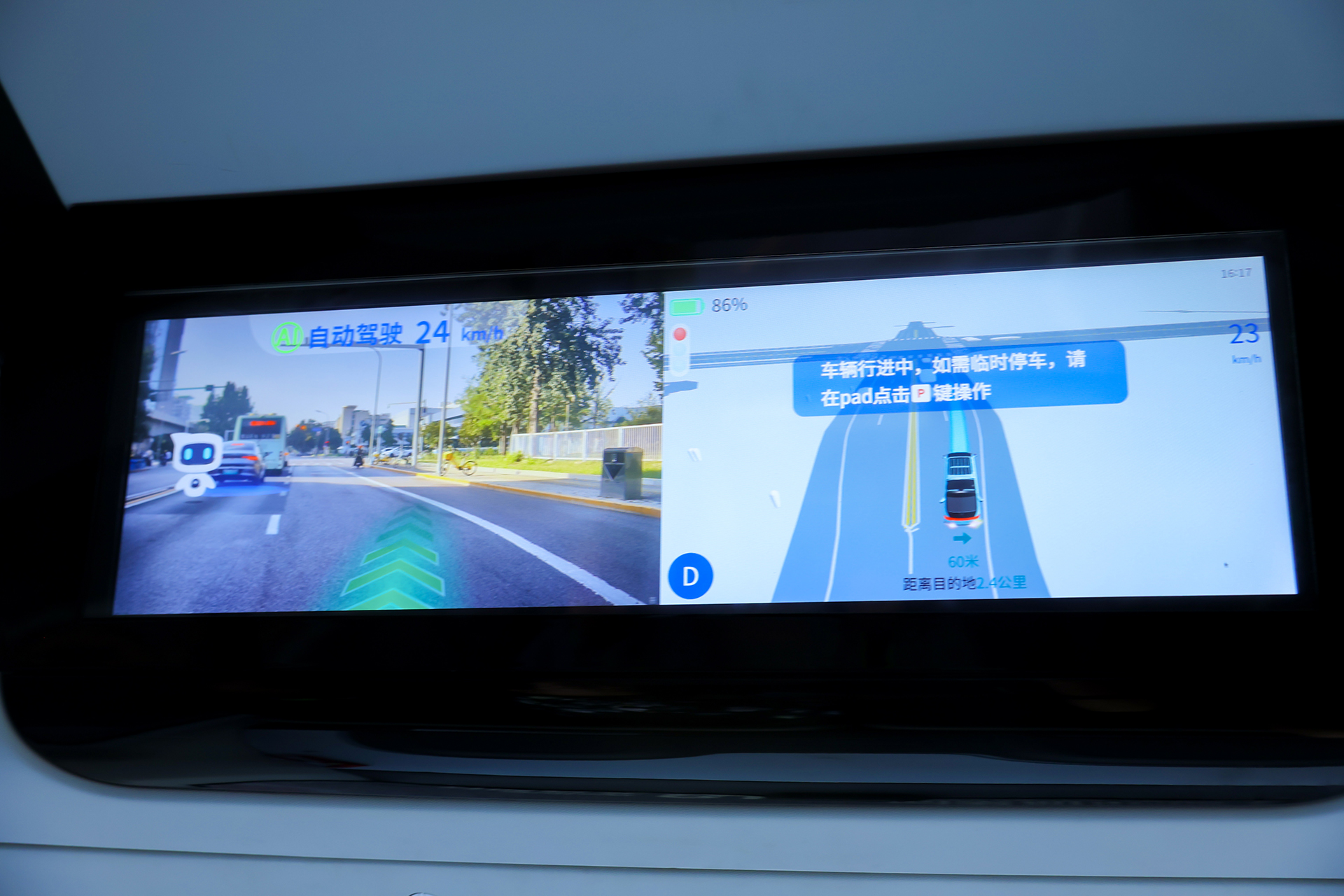
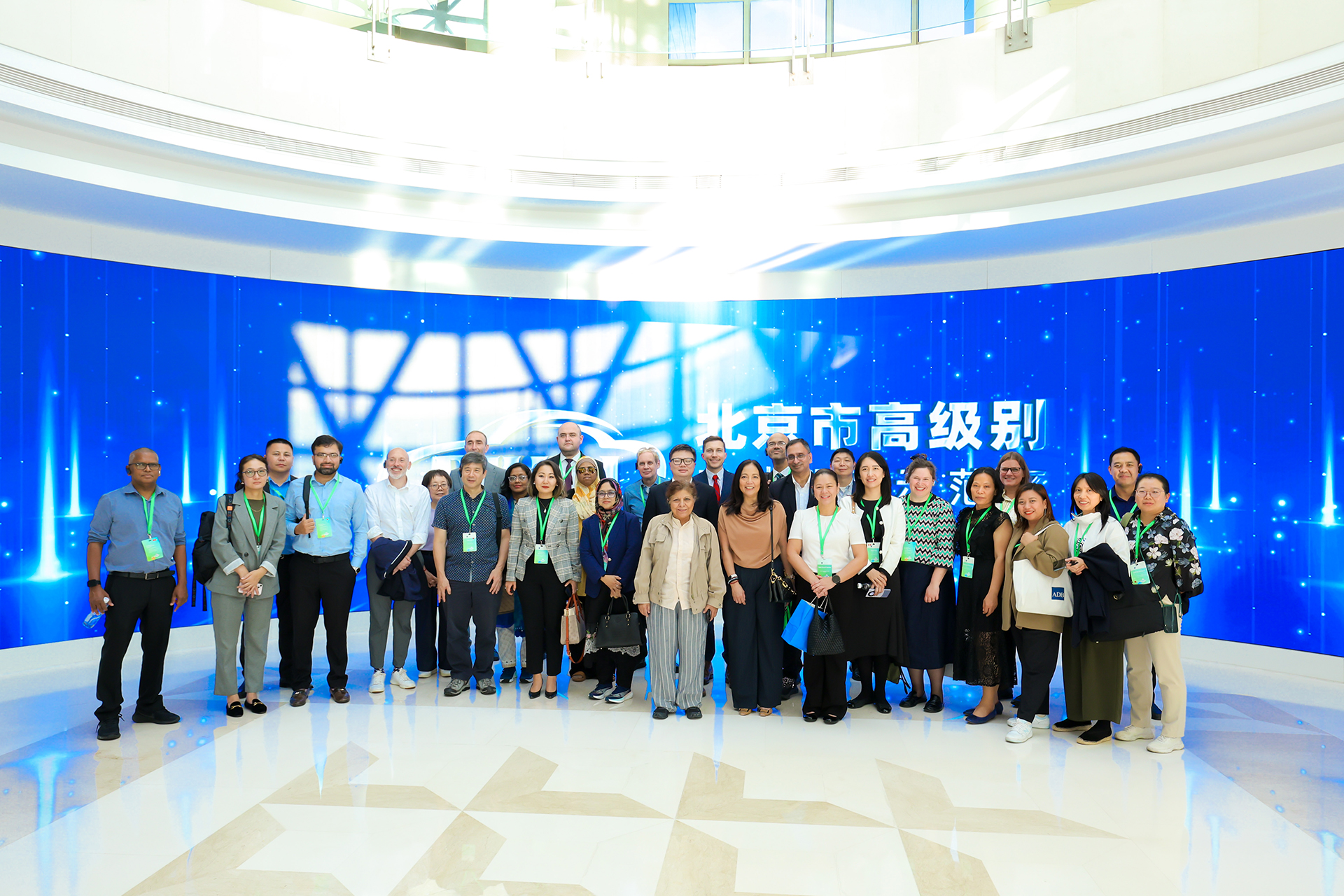
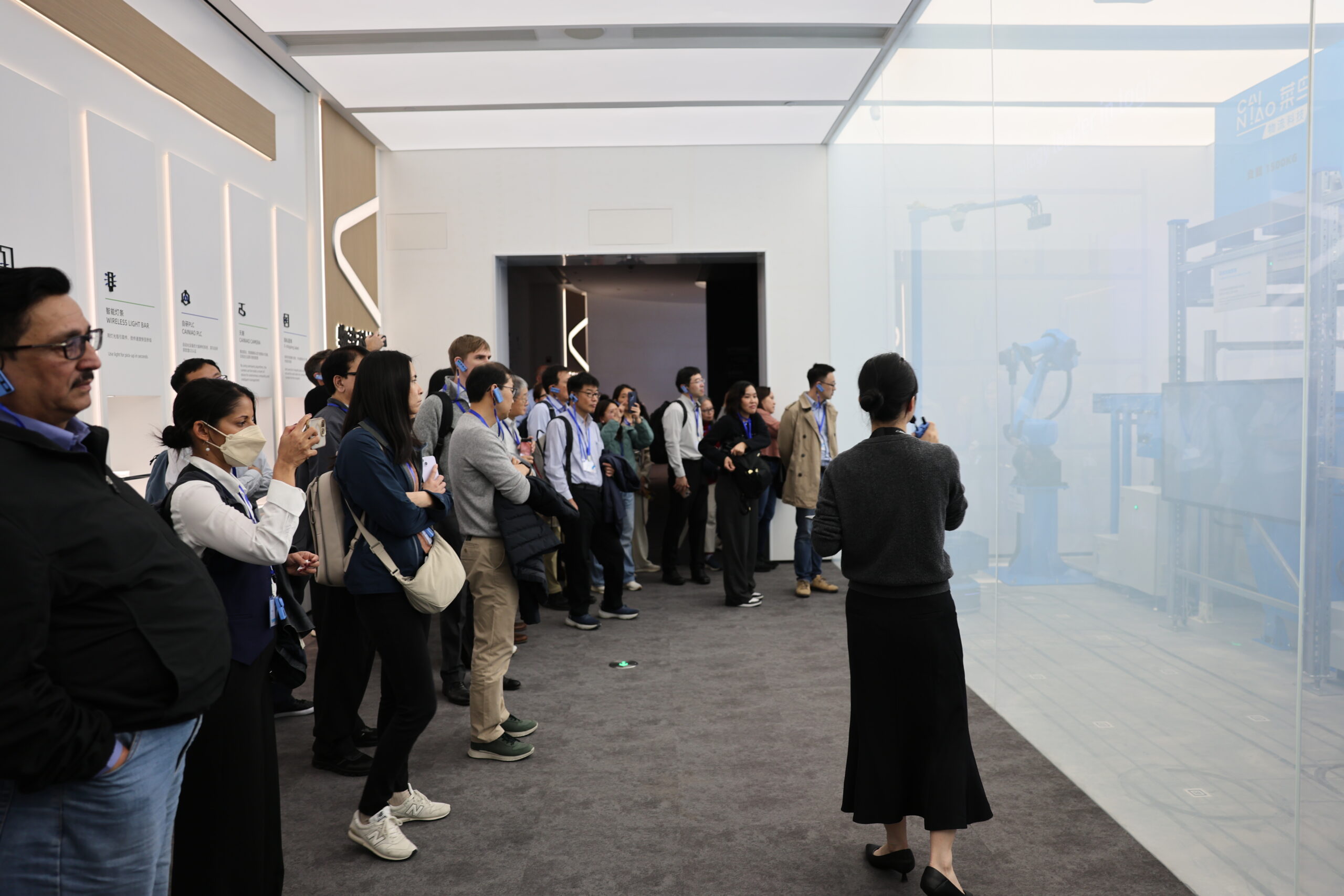
| 14:00-16:30 | Site visit: Beijing Innovation Center of Humanoid Robotics, Beijing High-level Autonomous Driving Demonstration (BJHAD) Zone Innovation and Operation Center, to experience the WeRide Autonomous Bus. | ||
| 16:30-17:30 | Return to the hotel |
Day 1
Highlights: Learning from the PRC’s Clean Energy Innovations

This seminar highlights the People’s Republic of China’s advancements in clean energy, exploring how its successful innovations and practical solutions can be replicated by other Asian Development Bank (ADB) member countries. The discussions focused on PRC’s strategic planning in clean energy and ADB’s role in supporting similar projects across the region, including initiatives in energy efficiency and solar. The goal is to foster knowledge-sharing and accelerate the adoption of clean energy technologies throughout the region.