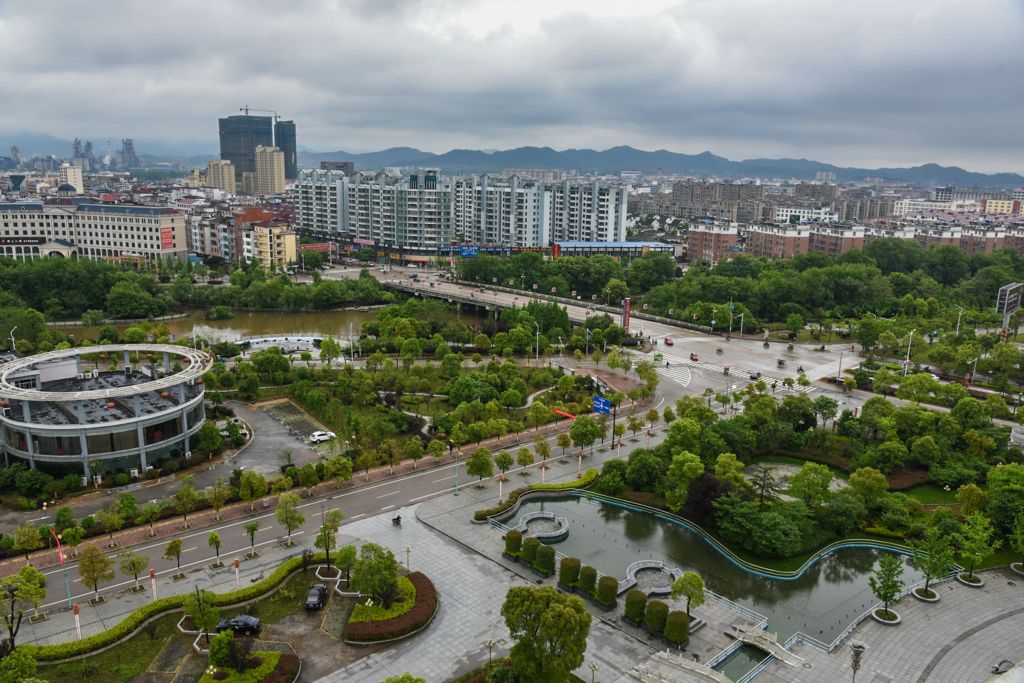
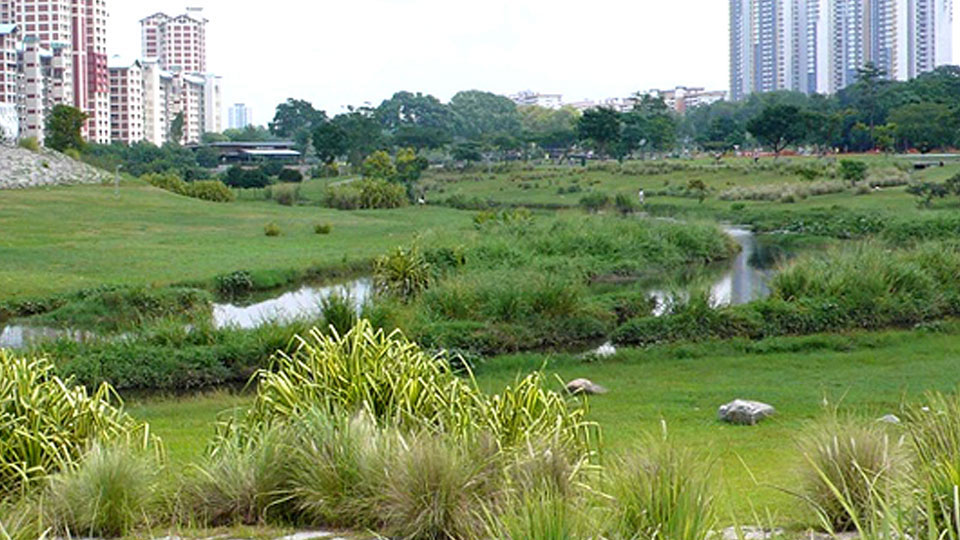
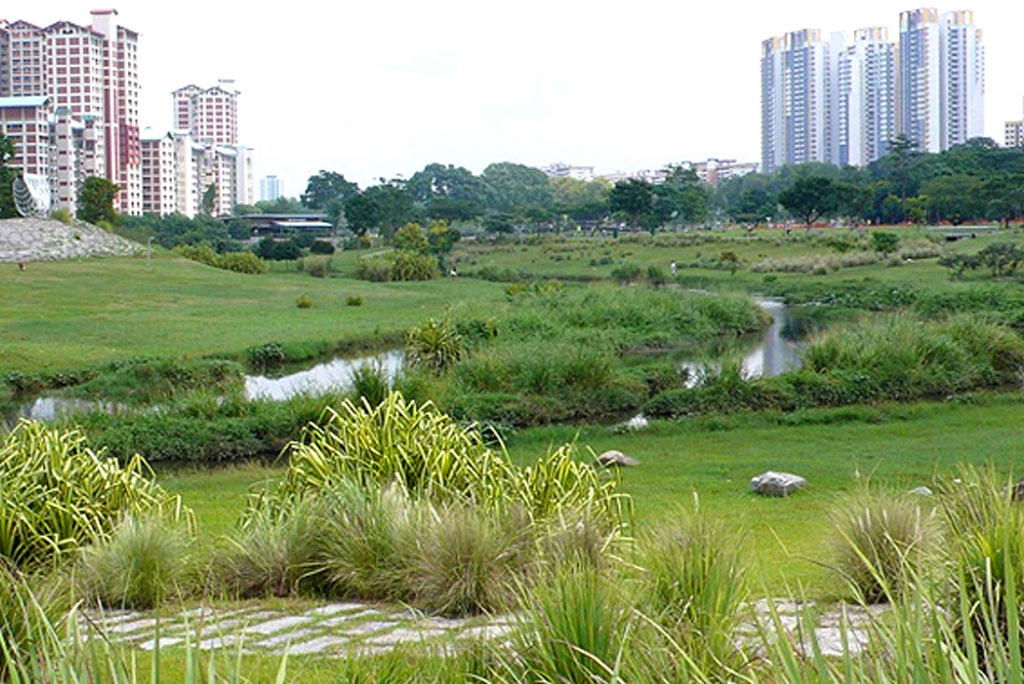
Measures that promote ecosystem-based adaptation improve a city’s climate resilience by enhancing infiltration and evapotranspiration,2 and capturing and reusing stormwater. The goal is to restore a city’s capacity to harvest, absorb, infiltrate, purify, store, use, drain, and manage rainwater. They mitigate the water discharge from heavy rainfall, retain and degrade pollutants, reduce the amount of stress on a city’s wastewater treatment facilities, and help maintain the natural water cycle. Examples of these measures include green roofs, porous pavements, raingardens, bioswales, rainwater tanks, smart irrigation, and urban forest. (See the examples of 43 ecosystem-based adaptation measures.)
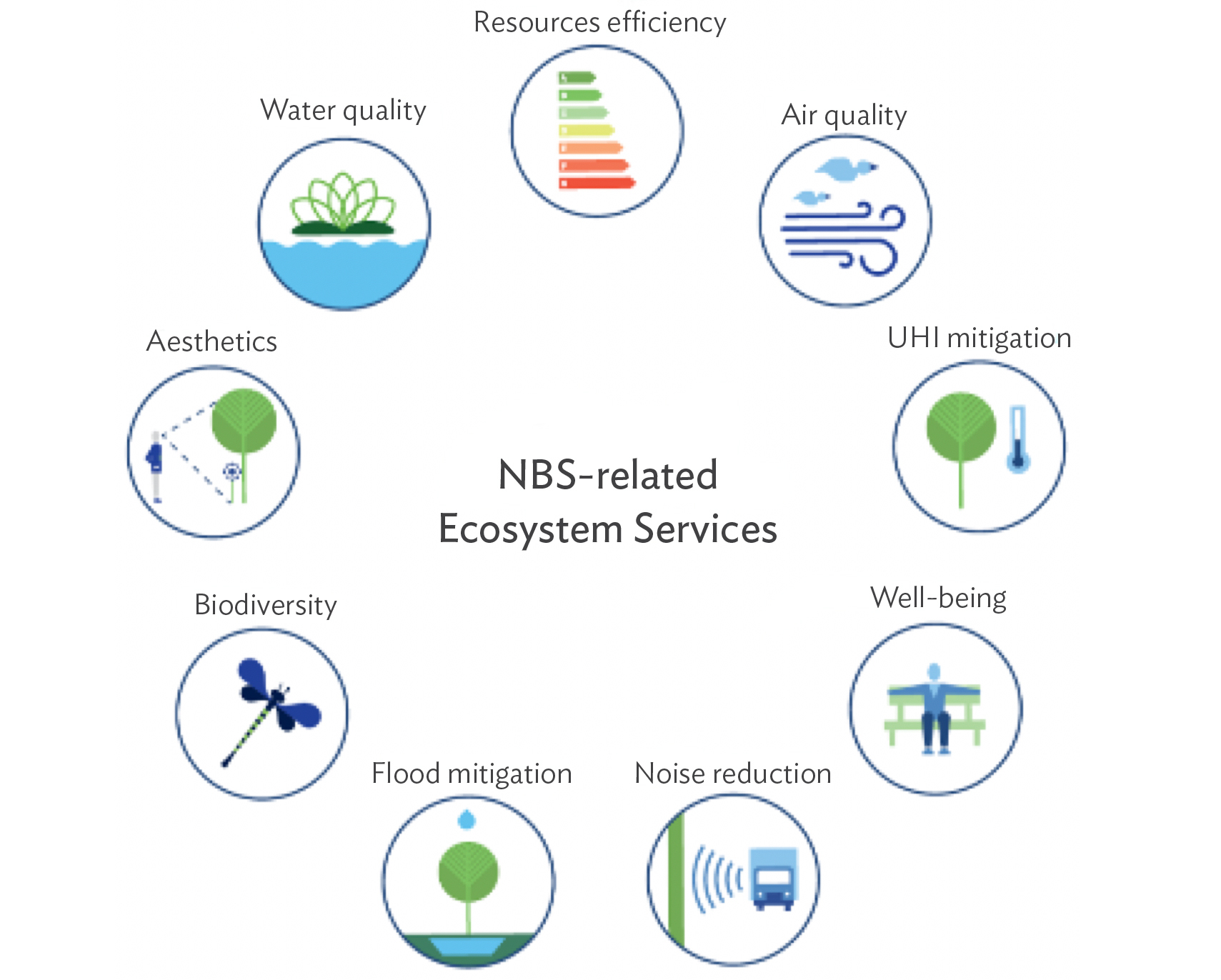
Environmental, social, and economic co-benefits derived from ecosystem-based adaptation measures include:
- increased urban resilience by creating additional water storage to conserve water and increase water availability;
- optimized ecosystem functions and services to improve water quality and air quality, improve microclimates, and control soil erosion and land subsidence;
- cooler areas, increasing productivity and public health
- covered walkways that provide shade;
- reduced noise;
- CO2-sequestration; and
- enhanced aesthetic quality of urban spaces.
Apart from improving the city’s livability and creating a healthier and more attractive city, ecosystem-based adaptation activities can further contribute to the sustainable use of energy and urban resources while enhancing the urban ecosystem and biodiversity. Through urban regeneration, they can help revitalize neglected areas and increase land value and government revenues. Recreational spaces that use ecosystem-based adaptation measures improve people’s well-being and create tourism services, that in turn, can create jobs and stimulate local economies.
What is the Climate Resilient City Tool?
Urban climate resilience planning involves multiple participants. Planning, implementation, and maintenance of ecosystem-based adaptation measures require the cooperation of city bureaus and departments, each with the need to adapt their policies, procedures, regulations, and practices.
In order to support cities in climate resilience planning and design, there are science-based tools available for hazard exposure and vulnerability analysis. Some tools present an overview of potential solutions and/or best practices to mitigate the risks. One of these tools is the Climate Resilient City Tool, an information and technology-based urban resilience and adaptation planning support tool that was developed by Deltares to assess climate risks, identify key flood-prone areas, and support collaborative spatial planning of ecosystem-based adaptation measures. The web-based tool can be accessed using a touchscreen device for collaborative design planning or a single personal computer to individually explore adaptation options.
The Climate Resilient City Tool provides an initial quantitative estimate of the resilience capacity improvement, co-benefits, and associated costs of the proposed adaptation measures. This will allow design participants to collaboratively explore alternative choices and come up with an initial concept. The initial design can then be used as input for a more detailed design of the landscape and drainage plan of the project area.
It facilitates dialogue among stakeholders to identify priority areas for climate resilience improvement. Policymakers, government authorities, planners, designers, and practitioners can work together to determine the requirements of the priority areas and set the adaptation targets. It is a user-friendly way to practice collaborative city development planning that allows representatives from various bureaus and organizations to discuss multi-disciplinary concerns, co-create adaptation scenarios, and co-design a conceptual plan of a resilient and attractive blue-green infrastructure for a community. With detailed information provided for 43 ecosystem-based measures, design participants can select specific interventions that can be implemented at the street or block level.
Ecosystem-based Adaptation Measures in an ADB Project
The Asian Development Bank (ADB) supported the preparation of a localized version of the Climate Resilient City Tool for the city of Xiangtan in Hunan Province, People’s Republic of China. Information on the effectiveness and costs of ecosystem-based adaptation measures have been adjusted for local conditions.
Xiangtan is an old industrial city undergoing rapid urbanization and industrial transformation. Some areas have been experienced flooding because of increased rainfall and drainage capacity has been exceeded. The Climate Resilient City Tool, developed in English and Chinese, was used in the project preparation of the urban climate resilience component of the Xiangtan Low Carbon Transformation Sector Development Program. A flood hazard map was generated for Xiangtan based on an analysis of local conditions.
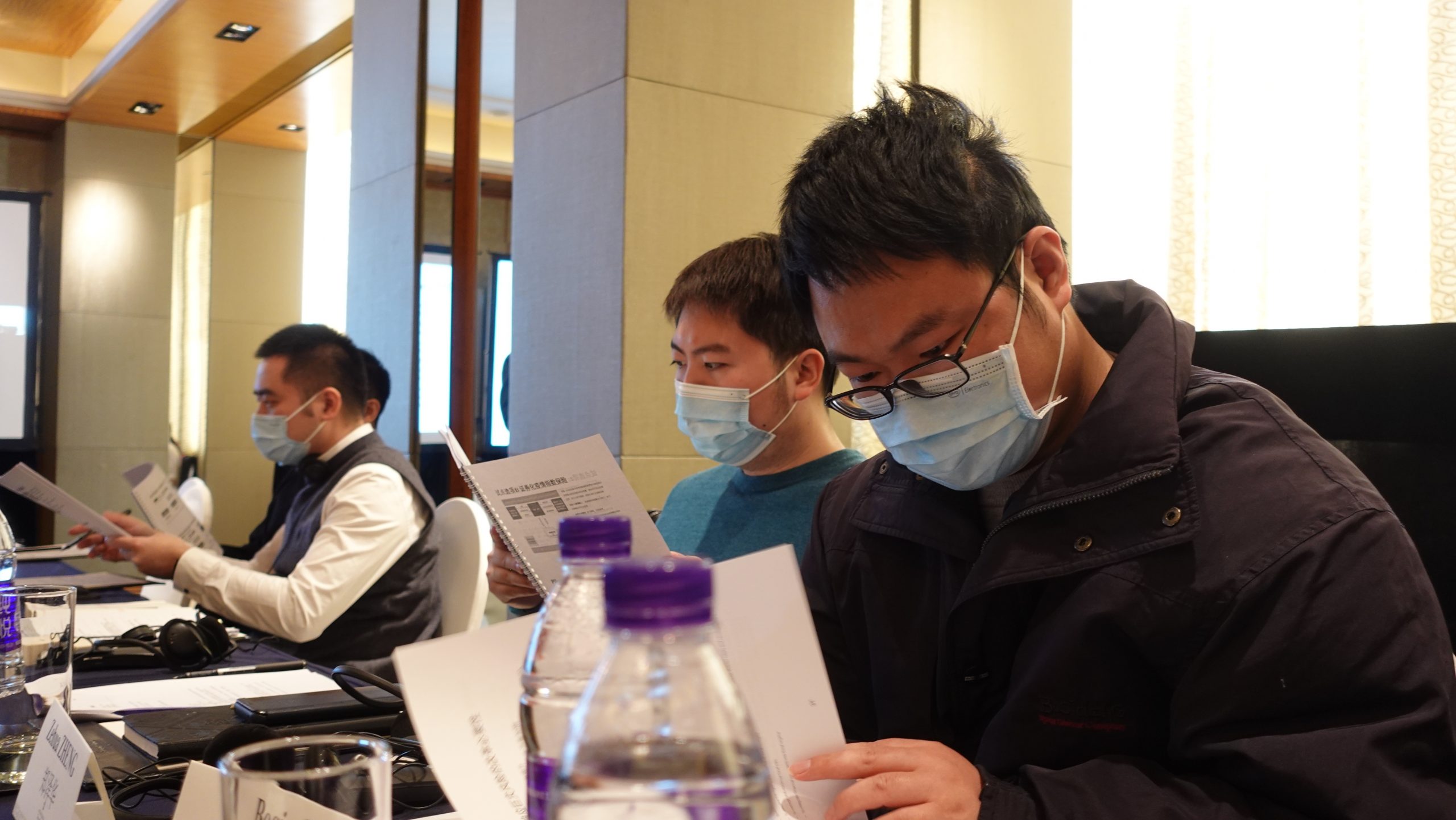
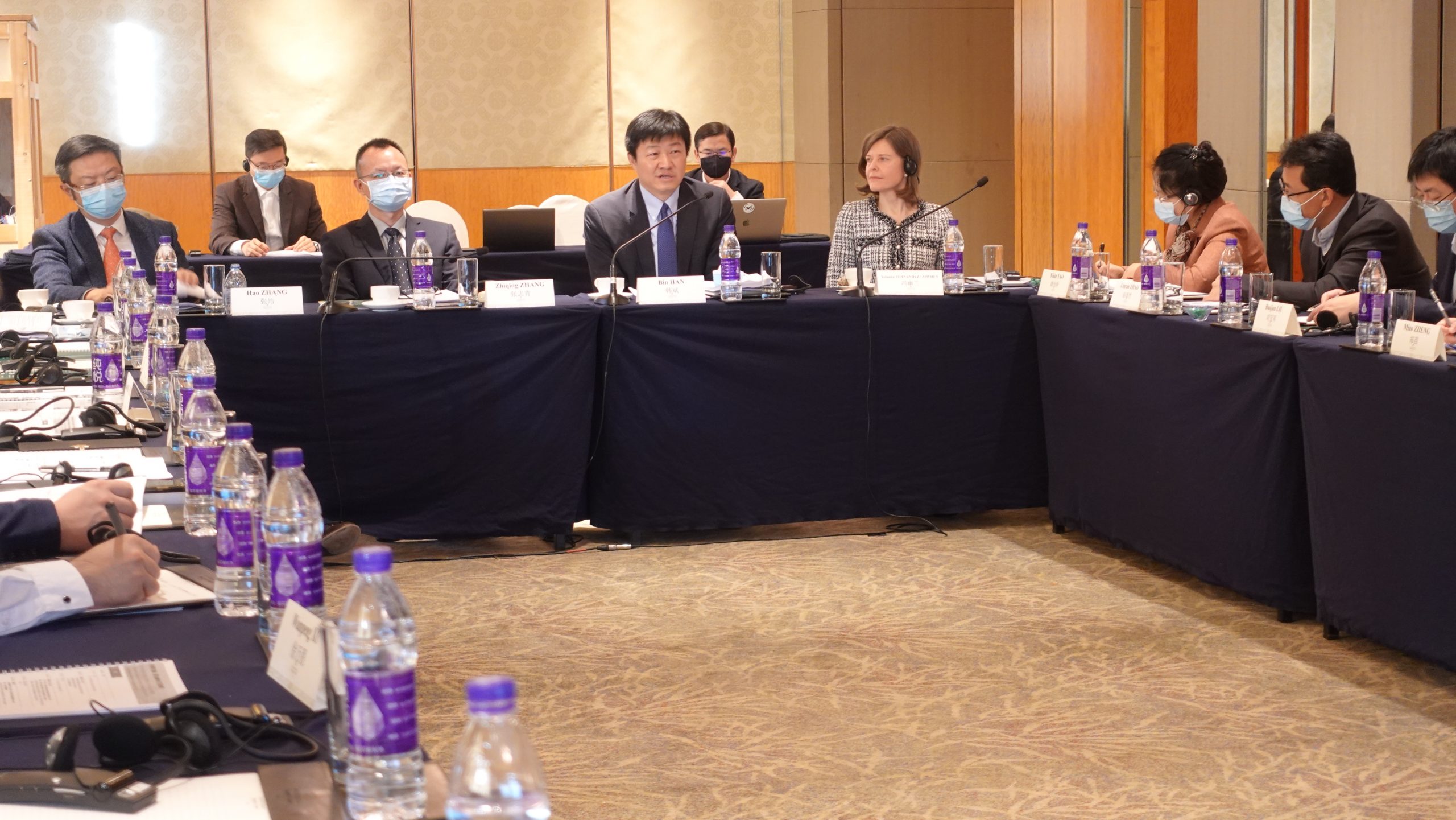
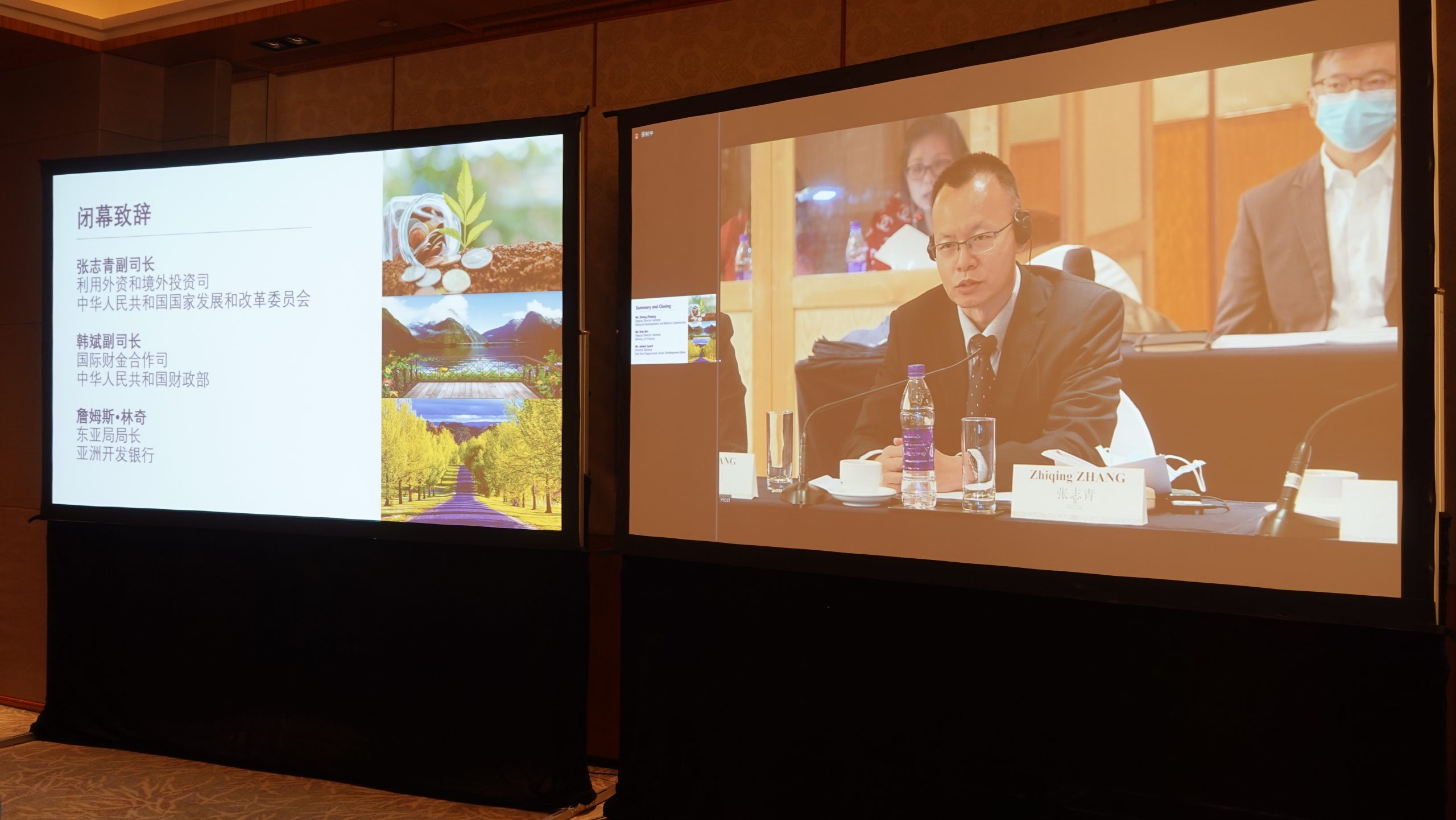
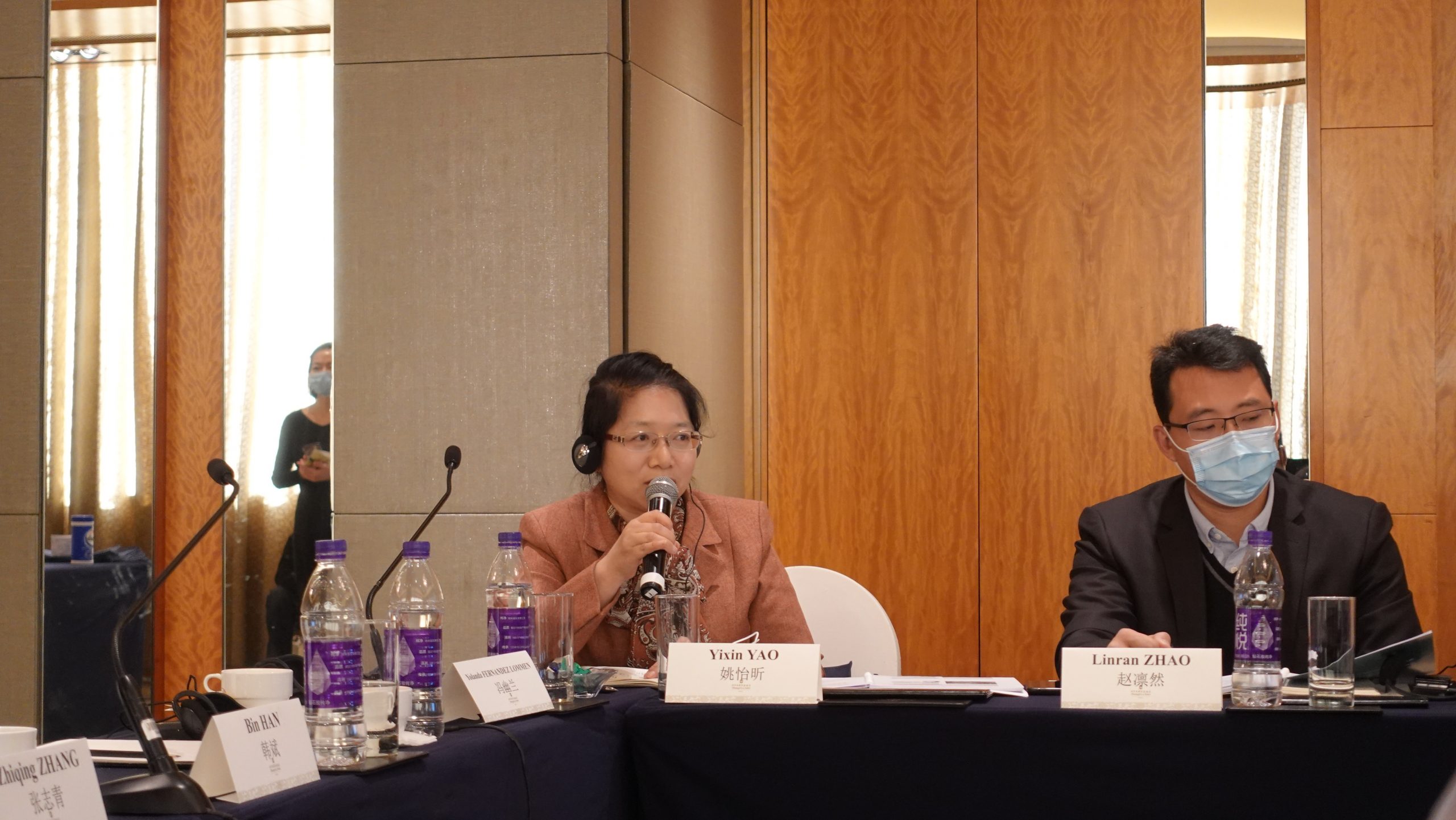
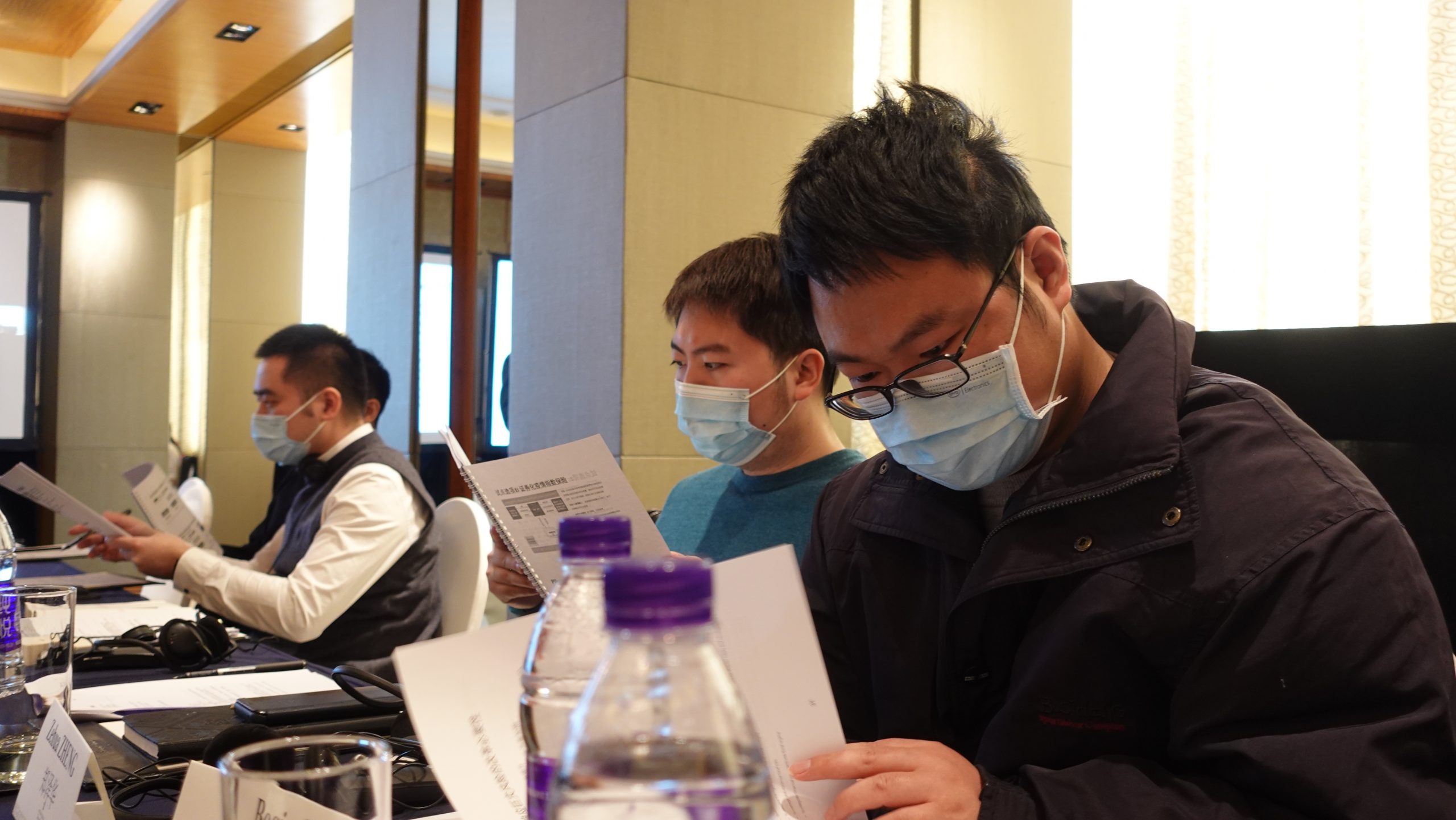
Climate resilience experts trained local government authorities and other stakeholders on urban hazards and challenges, urban climate resilience, adaptation planning, and nature-based solutions, including ecosystem-based adaptation measures. In the design workshop, participants used the Climate Resilient City Tool to prepare a concept design for two project areas.
A new hospital to be constructed in Xiangtan is located in a critical flood-prone zone and requires more than 5,000 cubic meters of retention, detention, and storage capacity for pluvial flood protection. The concept design considered several ecosystem-based adaptation measures, including rainwater gardens, systems for rainwater harvesting, catch pits, permeable pavement, urban wetlands, and green roofs. These measures aim to create large peak storage volumes for drought resistance and flood protection, as well as improve runoff water quality and enhance green spaces.
Initiatives to be implemented on and along one of the main roads involve converting trees to tree pits, creating rain gardens for treating stormwater from the side pathways, modifying or relocating catch pits to new rain garden areas, creating porous pavement for cycle lanes and pedestrian walkways, and developing subsurface infiltration for water storage under cycle lanes and pedestrian walkways. These will improve infiltration, reduce runoff pollution, decrease drainage and peak volumes of stormwater, and improve the landscape and street aesthetics. These will help strengthen biodiversity and support Xiangtan’s transition into a “sponge city.”3
Conclusion
Ecosystem-based adaptation measures are among the most effective ways of advancing climate resilience by integrating the use of biodiversity and ecosystem services while maximizing co-benefits.
Collaborative city development planning is needed to discuss multi-disciplinary concerns and co-create conceptual plans for a resilient and attractive city.
Applications of the Climate Resilient City Tool in various settings and contexts in several cities have illustrated the added value of the toolbox in bringing policy and practice together with the help of science for a more water-robust and climate-resilient urban environment.