Protecting the Yellow River Basin in the PRC

Water resources throughout the PRC are affected by the management of the country’s river basins.

With the right policies, the Yellow River can help the PRC achieve its goals for ecological sustainability and economic growth.

As the second largest river system in the PRC, the Yellow River transports more than 1.5 billion tons of sediment per year from its headwaters on the Tibetan Plateau to its estuaries on the Yellow Sea. The dynamics between water, land, soil and climate make it a unique, ecologically diverse, and fragile basin.

One of the most pressing environmental and socio-economic challenges surrounding the river is water scarcity. Today, the basin accounts for only 2% of the country’s total water but 26.5% of the national gross domestic product (GDP). Feeding a population of 420 million, it is vital for socio-economic development. People in the river basin depend directly on these water resources as a basis for their livelihoods, including for food production, hydropower, industry, and domestic supply.

In recent years, the river’s flow has greatly diminished, affecting the lives of millions. Land use changes have significantly contributed to ecological deterioration and ecosystem alteration. It is estimated that human activities, such as destruction of natural vegetation, have augmented natural soil erosion by about 40% in the basin.

Water-related disasters are another major issue in the basin. The July 2021 floods in Henan province – which sits in the middle course of the Yellow River – were triggered by a record-breaking rainfall over 24 hours, almost the equivalent of the annual average. Temperature in the basin increased faster than the global average. Climate models indicated that extreme events such as droughts and severe floods could become more frequent in certain areas of this region, with the probability of increasing in the future. Exacerbated by climate change, extreme weather events may threaten agriculture and animal husbandry, putting at risk both rural and urban livelihoods.

The lack of basin-wide planning is a key barrier to protecting the river’s environment. Addressing the challenges in the Yellow River basin requires a planning and management approach that spans the whole ecosystem. The basin should be treated as an ecological corridor: a clearly defined geographical space that is managed over the long-term to maintain or restore the ecosystem.

As part of this, nature-related aspects need to be an integral component of financial planning and fiscal policy reforms. Such investments must address nature’s complexity and maintain and restore biodiversity.

The Yellow River basin is a natural treasure to be preserved, a home to millions of people, and the foundation for economic progress.

River basins, such as the Yellow River, can help achieve the country’s targets for ecological sustainability and economic growth. Healthy ecological corridors improve biodiversity while enhancing food security, climate resilience, and disease resistance. There are four policy actions that are critical to achieving this.

First, ensuring that nature-based solutions (such as using constructed wetlands for wastewater treatment or ecological embankments to mitigate flood risks) are built into policies, planning and financial mechanisms. These measures can improve natural capital protection, restore fragile ecosystems, and foster sustainable agriculture, simultaneously building resilient and equitable rural economies for the most vulnerable communities.

Second, applying the gross ecosystem product (GEP), an accounting mechanism developed in the People’s Republic of China for valuing and pricing ecosystem goods and services, can improve ecological and spatial planning and inform decision-making.

Third, using governance and financing as incentive mechanisms, including eco-compensation and water funds, can expand natural capital investments by generating ecological benefits and economies of scale.

Fourth, integrating environment, social, and governance criteria into lending and investment decisions can increase private sector participation and private capital injections into projects to protect natural resources. Based on these criteria, investors can observe and evaluate the performance of enterprises based not only on their financial performance but also on their contribution in promoting sustainable development and fulfilling social responsibility.

The Yellow River basin is a natural treasure to be preserved, a home to millions of people, and the foundation for economic progress. Conceived as a single watershed, it can offer ecosystem services to people and nature and generate multiple benefits. Even though physical boundaries and human engineering have split the river into an upper, middle and a lower course, it is important to protect the entire basin as a single ecological unit from source to sea. Effective strategies for adaptation to climate change are essential for the sustainable development of water resources in the Yellow River.

Author
Picture of Silvia Cardascia

Silvia Cardascia

Water Resources Specialist, East Asia Department, ADB

This blog is reproduced from Asian Development Blog.

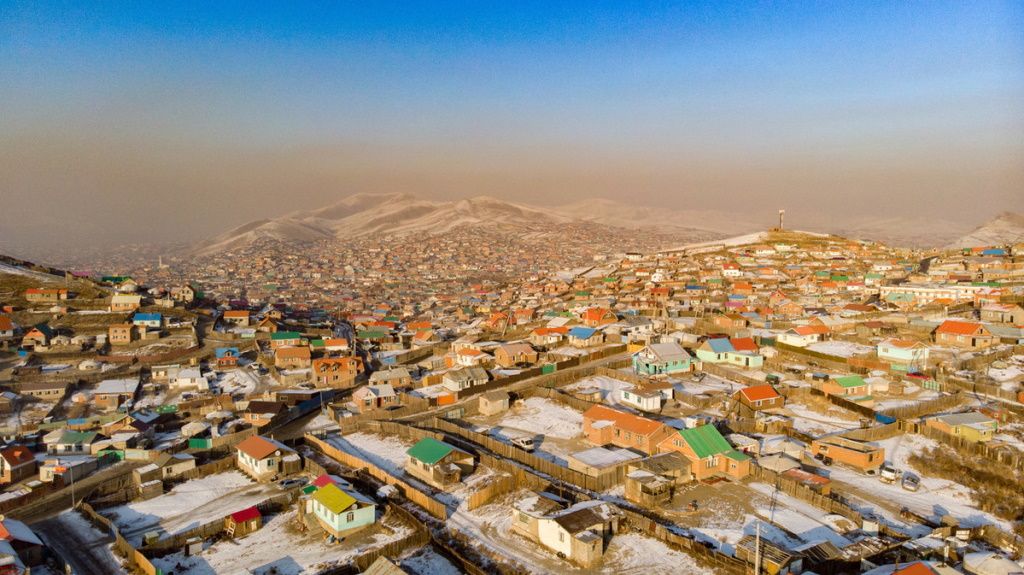
Mongolia’s Ulaanbaatar Breathes Easier After Cleanup of Air Quality

Ulaanbaatar is the most polluted capital city in the world. Many residents live in ger areas, where raw coal has been used for cooking and heating during winter months.

The Ulaanbaatar Air Quality Improvement Program of the ADB was implemented in two phases to boost public health and living standards by improving the air quality in the capital city.

With ADB’s help, reforms to reduce air pollution and protect human health were implemented in Ulaanbaatar.

Heart disease, pneumonia, and tuberculosis – these are just some of the diseases aggravated by the already hazardous level of air quality in Ulaanbaatar, the capital city of Mongolia. Children and pregnant women are particularly vulnerable to pollution, which can stunt fetal growth, cause preterm birth, impair brain development, and lead to chronic respiratory diseases and premature deaths.

Some 46% of Ulaanbaatar’s residents are living in informal ger areas, or informal urban settlements, where raw coal has been primarily used for cooking and heating during winter months in what is on record as the coldest capital city in the world.

This leaves Ulaanbaatar also as the most polluted capital in the world. Average concentration levels of particulate matters and sulfur dioxide in the city during December 2015 and January in 2016 were up to 10 times higher than the limits recommended by the World Health Organization.

According to a 2019 study for the United Nations Development Programme, the welfare costs of air pollution are estimated at $486 million annually, the costs of lost productivity at $58 million, with a combined cost equal to 5.6% of Mongolia’s gross domestic product.

To address this issue, the government adopted the National Program for Reducing Air and Environmental Pollution in March 2017, with the ultimate target of 80% air pollution reduction by 2025.

Cleaning up the Air

In support of the national program, the Ulaanbaatar Air Quality Improvement Program of the Asian Development Bank (ADB) was implemented in two phases from March 2018 to December 2020 to improve air quality in the capital city.

The project’s aims were to boost the government’s National Program and the regulatory framework on air quality management; implement urgent measures to reduce air pollution and protect human health in Ulaanbaatar; and establish new mechanisms for environmentally sound and integrated urban, energy, and transport systems.

Under the first phase of the program, ADB provided a policy-based loan of $130 million. Phase 1 was instrumental in supporting the ban on raw coal burning by piloting of coal briquettes and establishing technical standards for vehicle pollution.

Phase 2 then embedded the strategies developed under Phase 1 into Mongolia’s legal and regulatory framework, supported by a policy-based program loan of $160 million approved in December 2019. According to ADB Senior Economist Annabelle Giorgetti, urban air pollution was reduced with the help of the project.

“There was a notable reduction in average levels of particulate matter less than 2.5 micrometers in diameter (PM2.5) and particulate matter less than 10 micrometers in diameter (PM10) during the winter months between November 2019 and February 2020 compared to the same period in 2018–2019,” she says. The average ambient PM2.5 concentrations in the winter of 2019–2020 were 51% lower compared to the winter levels of 2016–2017, 46% compared 2017–2018, and 40% compared to 2018–2019, exceeding the targeted 30% reduction compared with 2016 levels.

Coal briquettes are now being used in Ulaanbaatar in place of raw coal. Compared to raw coal, the briquettes emit less smoke and ash. A city wide-ban on the use of raw coal for heating and cooking has been implemented by the government in Ulaanbaatar since May 2019.

Achieving Reforms

The project helped generate political consensus on the need for cleaner coal, with the government announcing a ban on raw coal and preparing for its replacement with cleaner coal. With ADB’s help, the implementation plan action efficiency and air pollution control regulatory framework in Ulaanbaatar was improved. An Air, Environmental Pollution Reduction Equipment, Technology and Information Center was also established at a shopping center.

The Ministry of Environment and Tourism (MET) meanwhile developed and implemented an education and outreach program, targeting at least 50% female participation to increase awareness on air pollution. MET approved a strategy to upgrade Ulaanbaatar’s air quality and emission compliance monitoring networks, including the required financing. It also developed a strategy to upgrade its monitoring capacity.

In August 2020, an Excellence in Design for Greater Efficiencies (EDGE) system was adopted through the Building Code for the Thermal Performance of Buildings. The new building code mandates the application of thermal protection requirements to new buildings, renovation of apartment buildings, and public, industrial, and warehouse buildings.

Key measures on air pollution reduction and health protection were implemented under the project. The government adopted resolutions to disband 68 heating boilers and connect consumers to the central heating system.

The Ministry of Energy (MOE) procured 80,000 tons of semi-coke briquettes, or lower-emitting fuel, for distribution to households in Ulaanbaatar ger areas, targeting the poor and households headed by women.

The program supported other development partners’ initiatives, including promotion of energy efficiency and awareness raising on indoor air pollution, health impacts and mitigation measures. It also complemented other ADB investment in the urban sector aimed at promoting better urbanization for improved air quality outcomes.

Environment and Health

The government allocated budget to ensure pneumococcal conjugate vaccine for about 40,000 children in Ulaanbaatar. The PCV13 vaccine was administered nationwide in three doses to children under the age of 1. “As vaccination was conducted nationwide for children, pregnant women, and elders, the coverage well exceeds the target of 60% of all children and pregnant women,” says ADB Senior Urban Development Specialist Maria Pia Ancora. “Nationwide immunization was particularly important to help protect the public against COVID-19.”

Through the project, mechanisms for environmentally sound and integrated urban and energy systems were also implemented. On January 2018, the State Secretary of MOE submitted a work plan to carry out urban planning, energy policy coordination, and energy saving programs aimed at reducing greenhouse gas emissions. Two new credit guarantee products to small and medium-sized enterprises undertaking green and energy-efficient projects were also created in February 2018.

The National Committee and MET operationalized the green financing mechanism, subsidizing loans to eligible low-income households and entities to promote the use of electric heaters, insulation materials, clean heating solutions, improved stoves, and other clean and green solutions to reduce air pollution and improve living and working conditions in ger areas. Preferential access was given to women.

“Through continuous implementation of all policy actions, the program has achieved improved air quality, cost savings, and socio-economic and health benefits,” says ADB Country Director for Mongolia Pavit Ramachandran. “By cleaning the air quality in Ulaanbaatar, public health and living standards were improved. Other secondary cities in Mongolia facing similar air pollution issues are going to benefit from this successful approach in Ulaanbaatar.”

Author
Picture of Pima O. Arizala-Bagamasbad

Pima O. Arizala-Bagamasbad

Associate Communications Officer, Department of Communications, ADB

This article is reproduced from Asian Development Bank.
Government Policy, Industrial Clusters, and the Blue Economy in the PRC: A Case Study on the Shandong Peninsula Blue Economic Zone

Eliminating Plastics in the Era of Food Delivery: The PRC’s Solutions on Reduce, Reuse, and Substitute

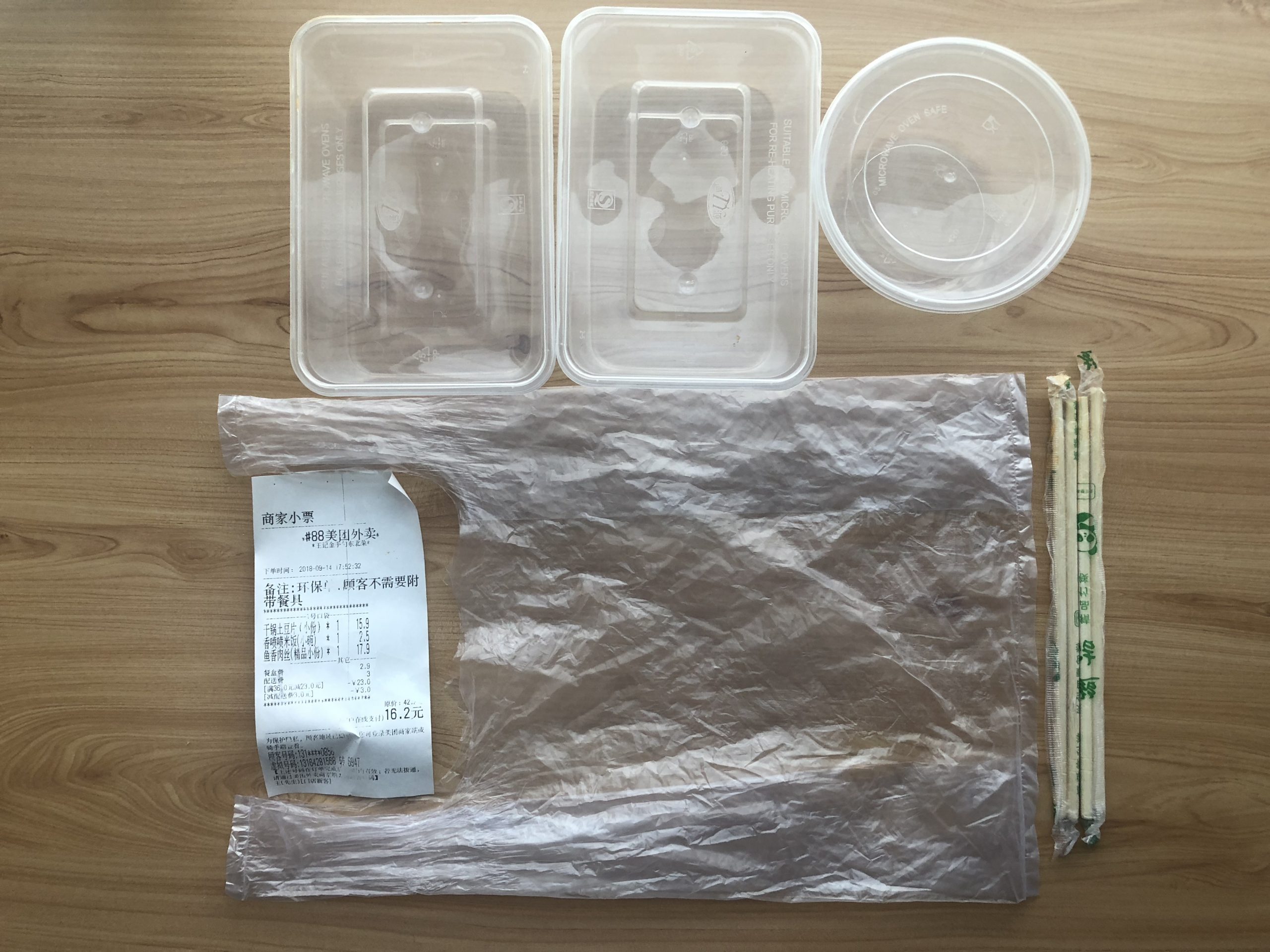
Ten years ago, online food delivery services barely existed in the People’s Republic of China (PRC). In 2020, it grew to become a $51.5 billion industry representing half of the global market share. The PRC is not alone. The Southeast Asian market tripled in 2020 accelerated by the coronavirus pandemic.

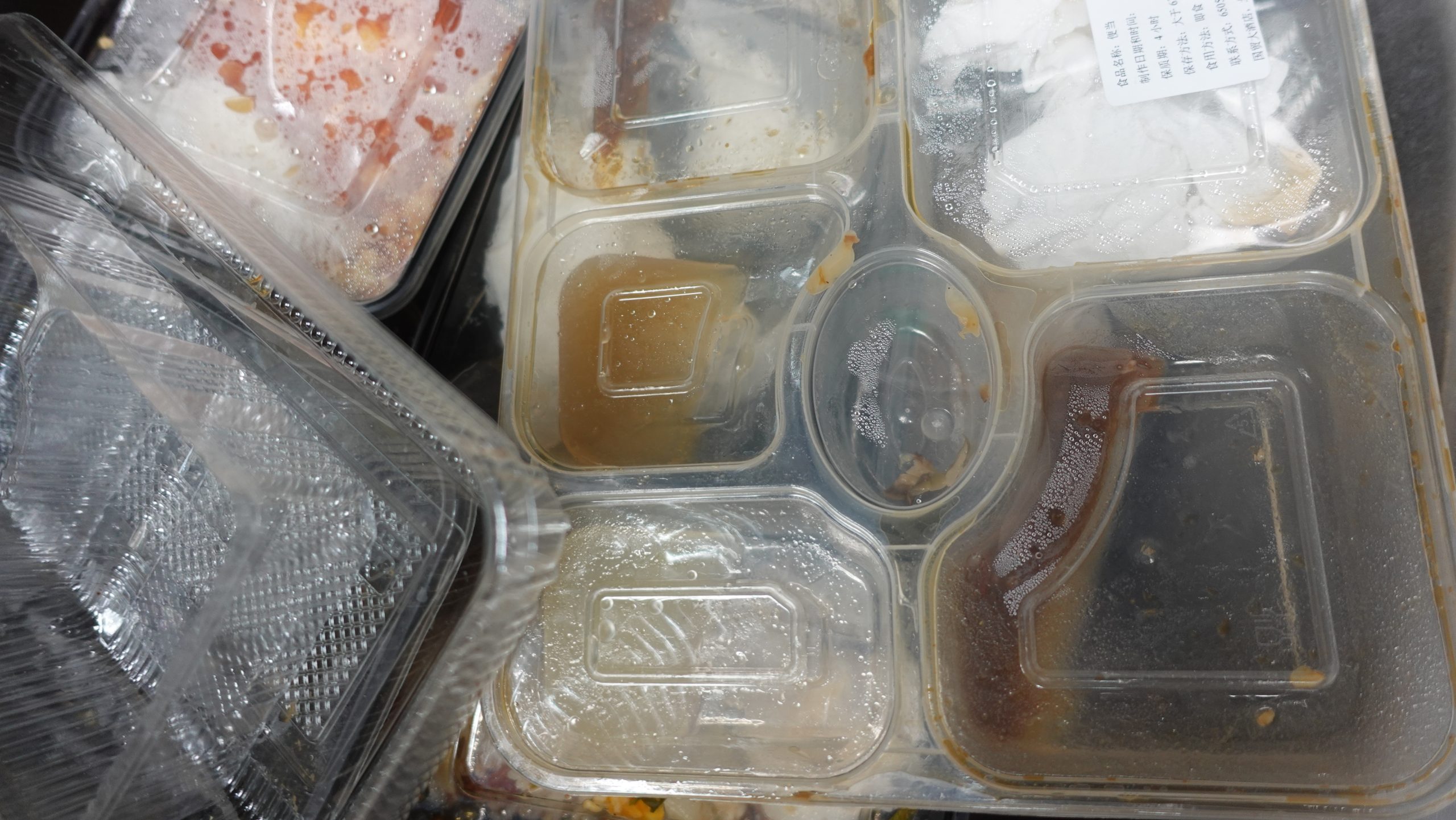
Although the booming industry has powered economic activity and brought unparalleled convenience to hundreds of millions of consumers, it has also generated a significant amount of waste that litters cities, chokes rivers, and threatens wildlife.

Figure 1: Ecosystem Services of Nature-Based Solutions.

Source: China Dialogue.

In the PRC, we estimated that 37 billion plastic containers were discarded in 2020, based on the 17.12 billion online food orders made. 1 If we were to line up each piece, this would be equivalent to about 37 times the distance between north to south pole. As disturbingly, the containers take centuries to biodegrade, but about an hour to use.

In response, companies in the PRC have adopted innovative ways to combat environmental and health issues created by plastic waste.

Reduce—Immediate Solutions

In 2017, Meituan, the PRC’s leading food delivery giant with 628 million active users and 7.7 million merchants, became the first company to launch the “opt-out for disposable cutlery” feature on its app. Users who choose this option are given points that can be donated to a green initiative fund.

Other food delivery platforms have since followed suit. And the feature has received widespread acceptance. For example, more than 70% of the average 1.2 million daily orders received by Meituan in Shanghai use this feature.

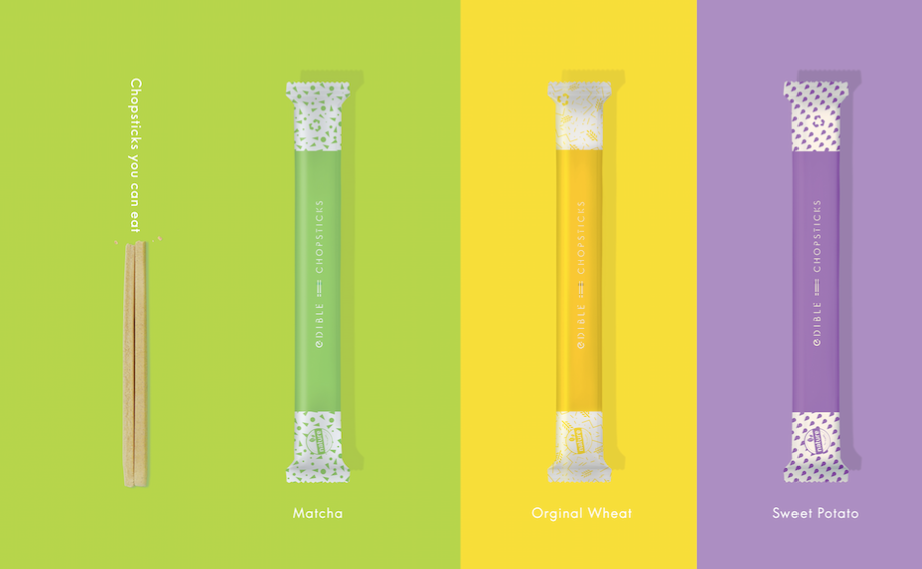
Ele.me, another food delivery platform, has experimented with edible cutlery (Figure 2). The chopsticks are made of flour, sugar, milk, and butter, which customers can eat as desserts. And they come in three tasty flavors: matcha, wheat, and taro. Each pair is covered by recycled paper.

Within the first six months of its launch, Ele.me had attracted more than 100 participating restaurants and distributed 10 million pairs of chopsticks.  

Figure 2. Ele.me’s Edible Chopsticks.

Source: Adrien Goris.

Reuse—Midterm Solutions

In addition to the reduction efforts, businesses have experimented with reusable containers. ShuangTi, a startup based in Shenzhen, created an intelligent “shared lunchbox” business model. It employs reusable containers made of highly durable polypropylene with a microchip inserted to track location and usage time.

After an order is placed on the app, the food is delivered to a heat-insulated smart locker (Figure 3) for collection. When it is finished, customers return the containers to the locker. The containers are then gathered, sanitized, and reused for another delivery.

Figure 3. ShuangTi’s Heat-Insulated Lockers.

Source: Tencent News.

Since 2017, ShuangTi has delivered over 30 million orders mostly to university students. They estimate that if the project is introduced to 500 campuses, around 5,000 ton of plastic waste could be eliminated each year.  

YIKO Eats, a community kitchen startup in Beijing, takes a similar approach by reusing ceramic containers (Figure 4). Customers select a timeslot to return the containers when they place an order. YIKO Eats’ popularity has grown among busy young professionals, who enjoy the coziness of dining in fine china, but dislike the hassle of cooking and cleaning up.

Figure 4. YIKO Eats’ Meals in Reusable Containers.

Source: Yuchen Wen, YIKO Eats.

Recycle and Beyond—Long-Term Solutions

Worldwide, only 1%  of polypropylene (the plastic mainly used in delivery containers) is recycled. Oily stains and food residue make the process difficult and costly as the material must be separated and cleaned. As such, containers placed in the recycling bin often end up in landfills or incinerators, representing a major source of pollution.

To address this, Meituan and top chain restaurants have established 350 recycling sites  close to customers, typically near office buildings, communities, and campuses, where most orders are placed. The most successful site has a 74% recycling rate.

To turn the waste collected into other useful products, Meituan works with factories to make bicycle baffles (Figure 5), handbags (Figure 6), and cups.

Figure 5. Bicycle Raffles Made from Recycled Containers.

Source: Polypropylene People.

Figure 6. Handbags Made from Recycled Plastic Cups.

Source: Market.com.

Companies have also raced to find a substitute for plastic. Much of this has followed after the government announced to ban the use of disposable plastic in e-commerce, express delivery, and takeaway food by end 2022.

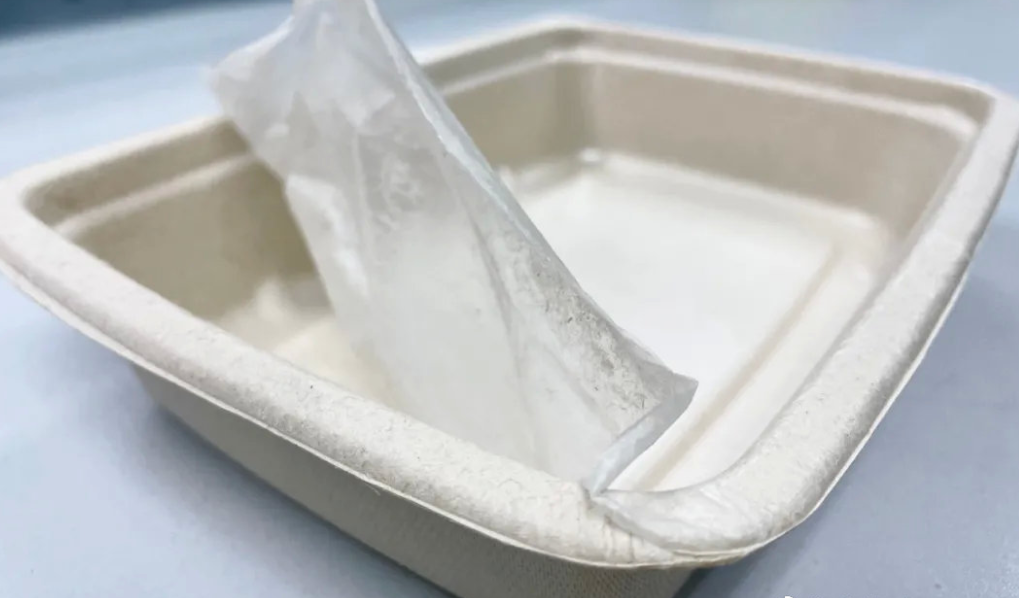
Figure 7. Packaging Film for Cornstarch Containers.

Source: Hualong Packaging Materials Co.

Cornstarch container is biodegradable and a popular substitute, but it is not leak and less oil resistant—less suitable for Chinese food. A smart solution offered by Hualong Packing Materials Co. is to insert a film, made of polyethylene and done by a machine, onto the containers (Figure 7). After a meal is finished, customers can easily remove the film and clean it. Both the film and container can be recycled.

Meanwhile, other companies have also innovated using paper-based materials. Zhongshan Dongyu New Materials Co. has worked with BASF to launch specially designed paper containers (Figure 8).

Figure 8. Zhongshan Dongyu-BASF’s Paper Food Containers.

Source: BASF Trade News.

Stora Enso, a global paper manufacturer, has made containers that are heat and oil resistant (Figure 9). Its products won top honors in Meituan’s Food Delivery Packaging and Incubation Competition in 2021.

Figure 9. Stora Enso’s Paper Containers.

Source: Stora Enso.

Moving forward, the end of takeaway plastic containers in the PRC is near even amid rising demand for food delivery. More new ideas and products will surely surface as the country strives toward achieving the goal of greener and higher quality development. As in other areas of e-commerce, the PRC’s rich experience provides useful lessons for other developing countries facing similar challenges.

1 The estimate was also based on the average number of plastic containers used for an order (3.27 pieces), how common is plastic container used for food ordered online (over 80%) , and the plastic recycling rate (17.6% for all types). 

Authors
Picture of  Hsiao Chink Tang

Hsiao Chink Tang

Senior Economist, ADB

Picture of Xiaowei Zhuang

Xiaowei Zhuang

Knowledge Analyst, RKSI, ADB

Green Bonds, Air Quality, and Mortality: Evidence from the PRC

Leading the Way to Green Development

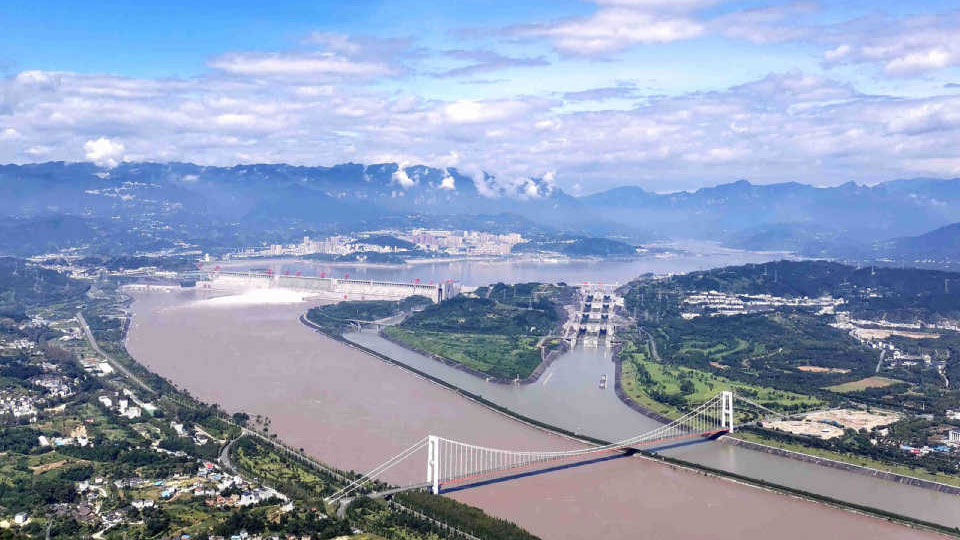
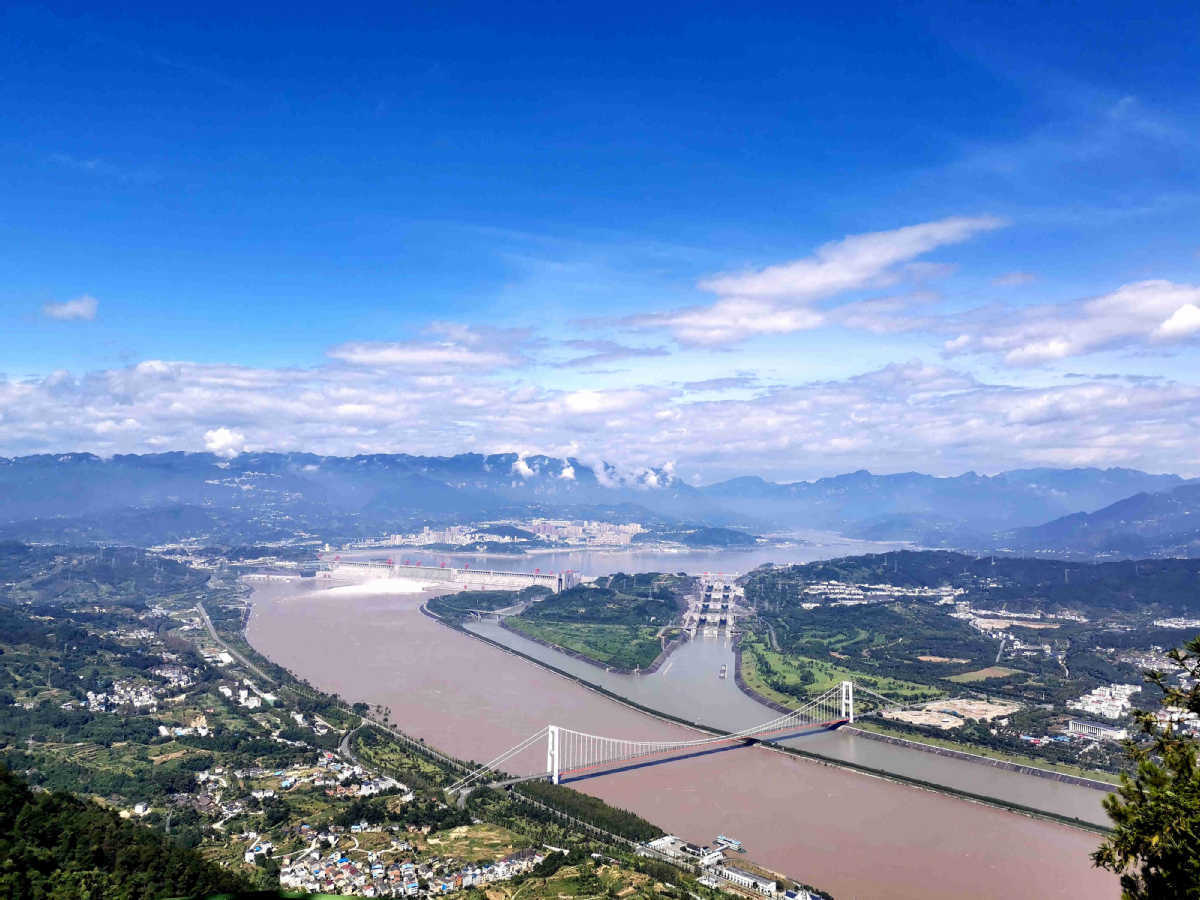
The Yangtze River flows through the Three Gorges Dam in Yichang, Hubei province (photo by Li Tao, China Daily).

During the last few decades, the Chinese people’s well-being and quality of life have significantly improved on the back of rapid economic growth. However, before higher-quality green development found its way into national policies that success came at a high cost to the environment.

The PRC has urbanized and industrialized at an extraordinary pace and scale to become a commendable development success story. In February 2021, the Chinese government officially announced that absolute poverty had been eradicated by the end of 2020.

Recognizing the environmental challenges, including pollution to air, water and soil, the PRC has over the past decade pivoted and is prioritizing greener, more environmentally sustainable development. Now heeding the government’s call for a “green recovery” from the novel coronavirus pandemic, the country is pursuing an integrated approach that protects the environment, transforms its rural economies, and greens its cities, all while actively adapting and mitigating the effects of climate change.

One example of such an integrated approach is the Yangtze River Economic Belt, a basin management effort that replaces “big development with big protection”. Launched in 2016, it introduced the geographic concept of a “belt” that encompasses economic, social and ecological linkages around the Yangtze River. The plan’s centrepiece balances socioeconomic growth and environmental sustainability, with the intent of restoring and safeguarding the Yangtze River’s ecosystems.

The Nanchang section of the Yangtze River.

The Yangtze River Economic Belt is just one example. Across the PRC, other green development projects have been activated over the last decade. A key example is the Yellow River Ecological Corridor, with a geographic focus in the country’s second-largest river basin. Basin-wide approaches such as those being put forward for the Yangtze and the Yellow rivers can distil useful lessons for wider application.

Hukou Waterfall of the Yellow River.

First, strengthening institutional capacity, collaboration and coordination is a prerequisite for success across projects. Governments must develop the capacity to formulate and implement innovative policies and instruments. Local and regional governments must foster collaboration, both vertically and horizontally.

Second, governments must actively engage with a wide set of stakeholders early on and continuously throughout a project to foster acceptance, mitigate concerns and monitor social and environmental progress. Systemic planning may also include leveraging green development as an opportunity for education and training in rural areas to create the scope to improve livelihoods that benefit the economy, society and nature.

Third, providing adequate, flexible, and long-term financing is necessary. Many green development projects require support for several years before they reach maturity and can gain profits off the natural capital that has been (re-) built. Developing tailored financing approaches is key to unlocking and scaling up investments in green development projects. And since projects in rural areas can be particularly difficult to finance, agriculture and forestry restoration activities, from a financial sustainability perspective, should be part of carbon credit markets to provide incentives for conservation practices.

Embracing high-quality green development will mark a shift from mere economic growth to sustainability-oriented development that focuses on improving people’s lives and livelihoods within healthy environments.

Sharing the PRC’s progress in greening development can spread and deepen awareness and knowledge about the challenges, innovations and best practices in pursuing a more environmentally sustainable future. Lessons learned are important not only for the PRC, but also for other developing countries pursuing greener development pathways in Asia and the Pacific.

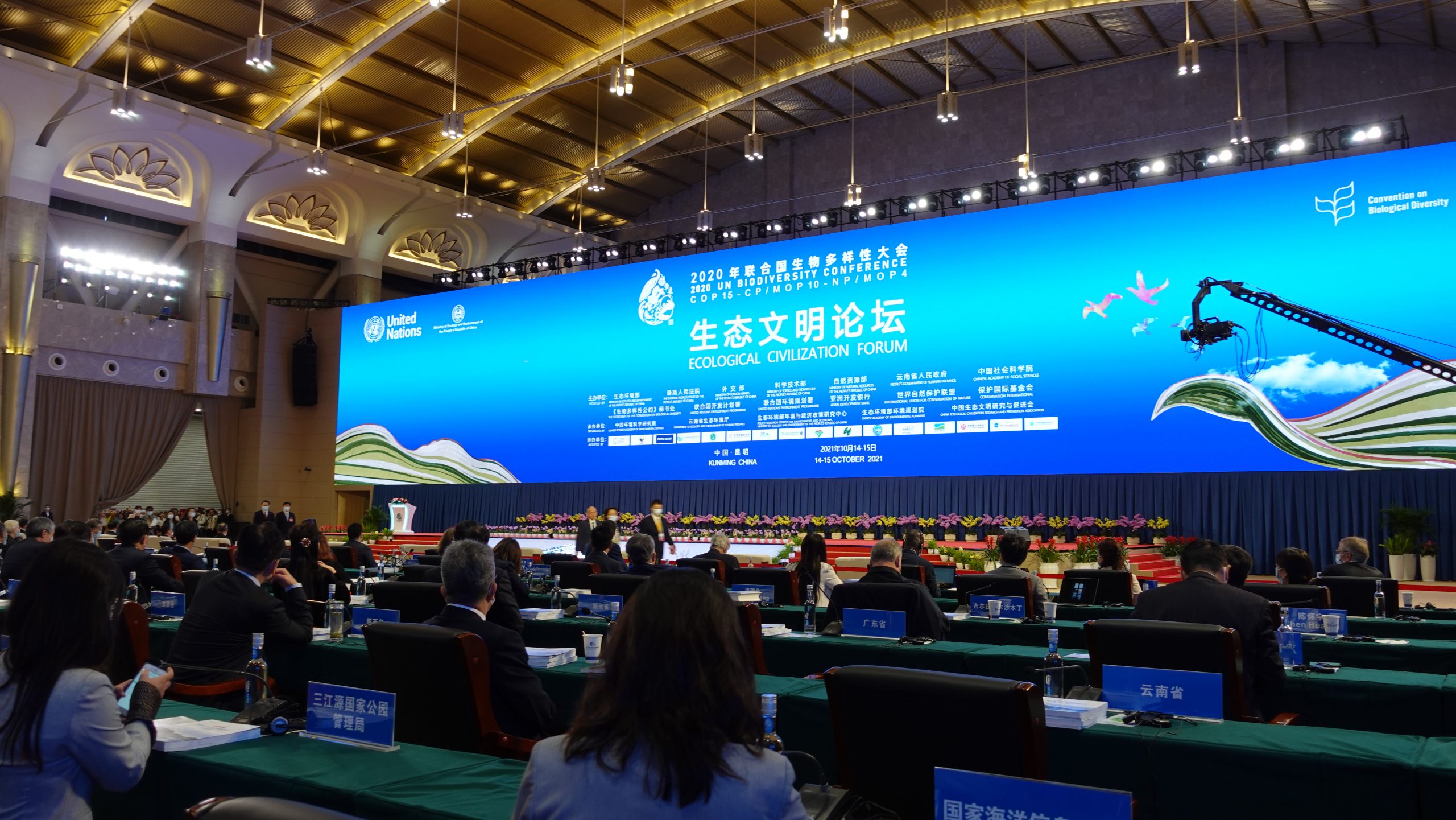
The 15th Conference of the Parties to the UN Convention on Biological Diversity (COP 15) held in Kunming in October took a step toward reaching a global deal for nature-known as the post-2020 global biodiversity framework. The PRC, as host nation, is ushering the convention forward as a road map for biodiversity conservation for the coming decade and beyond.

Opening Ceremany of the Ecological Civilization Forum in COP 15 (photo by RKSI).

So more broadly, the greening-of-development approach offers opportunities for global learning and knowledge sharing that can help the global community reach its goals coming out of COP 15. This can set the scene for a future that banks upon global green development, while protecting biodiversity and safeguarding its ecosystems and people.

Authors
Picture of M. Teresa Kho

M. Teresa Kho

Director General, East Asia Regional Department, ADB

This Op-Ed is reproduced from China Daily.

Cleaning up Xin’an River to Unleash a New Era of Growth in the PRC

Pollution threatens the Xin’an River, a river system within the Yangtze River Economic Belt that provides water supply to millions of households.

To clean up the Xin’an River, ADB, and KfW are helping the PRC build new water supply, sewage, and stormwater facilities and pilot green financing mechanisms in the urban and rural areas along the river.

The new water and sewage facilities and green investments will help clean up the Xin’an River, secure a reliable water supply for millions of residents, and improve people’s livelihoods.

The Yangtze River Economic Belt (YREB) holds a key place in the economy of the PRC. It accounts for more than 40% of the country’s population, 40% of its freshwater resources, and about 45% of its economic output. This resource, though, is under threat. Increasing pollution, degraded natural resources, and limited transport connectivity are constraining the growth of the YREB.

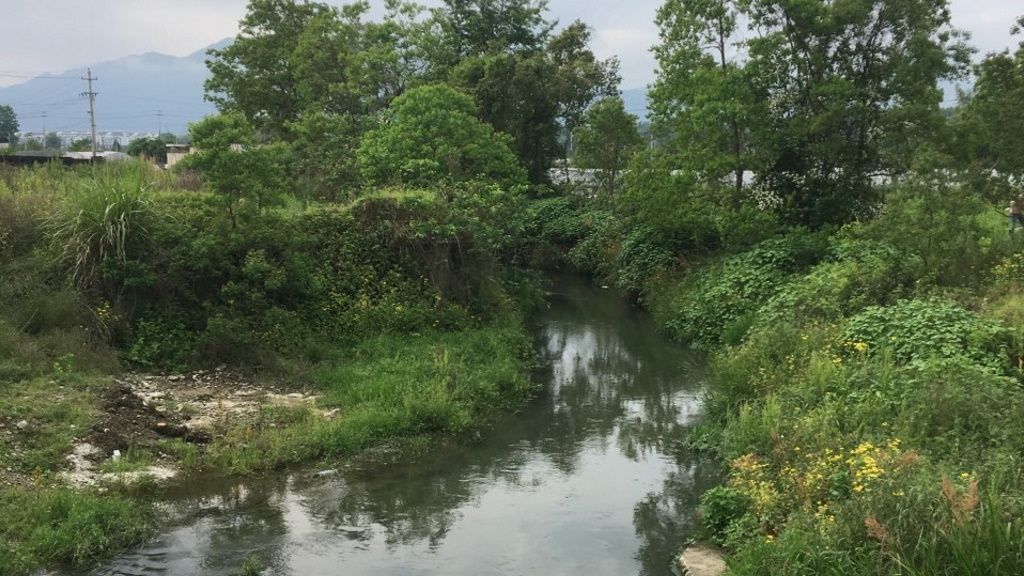
Pollution, in particular, is a threat to the Xin’an River, a river system within the YREB. Running from Huangshan city in Anhui province through Hangzhou municipality, the capital of Zhejiang province, the Xin’an River is life to the residents living along its banks—about 10 million people rely on it for water supply.

“The Xin’an River is an important source of drinking water and a strategic reserve water source for the whole Yangtze River Delta,” says Principal Water Resources Specialist for East Asia Mingyuan Fan. “Without a clean-up in and around the Xin’an River, water security in Huangshan and Hangzhou will be but a distant dream.”

Huangshan’s urban wastewater and sanitation facilities and sewage collection infrastructure is unable to control the pollution seeping into the river. Sewerage and stormwater overflow go directly to the river and its streams and waterways. Because of the sewer’s poor quality, groundwater likewise infiltrates the wastewater treatment systems. Rural wastewater also contaminates the river. About 75% of Huangshan’s 889 administrative villages lack wastewater treatment facilities. Thus, pollutants such as nitrogen and phosphorus from agriculture activities are discharged into the river, contaminating the water supply.

Cleaning up the Xin’an River

“The Xin’an River needs to be protected and conserved,” says Mr. Fan. “Without intervention, its deterioration would deprive millions of people of quality water supply.”

ADB, along with KfW, has embarked on a project that would ensure the YREB’s sustainable growth by promoting the ecological protection and green development of the Xin’an River. Through the Anhui Huangshan Xin’an River Ecological Protection and Green Development Project, ADB and KfW will be assisting the PRC in cleaning up the Xin’an River by addressing its major sources of pollution: insufficient urban sewerage systems and unsustainable agricultural practices.

New Infrastructure

To address pollution coming from urban sources, the project is upgrading sewage and stormwater facilities. It aims to repair wastewater sewers in Huangshan’s central district as well as in its other four county urban areas. It will also install stormwater drainage pipes. To complement this work, the project will be constructing river embankments to control floods. For rural areas, the project will be building decentralized wastewater treatment systems that can treat a minimum of 2 cubic meters per day. Moreover, it will install and repair rural water supply pipes to provide tap water to rural residences.

Green Approaches

The Anhui Huangshan Xin’an River Ecological Protection and Green Development Project will introduce innovative, and sustainable approaches to manage water pollution. These include helping farmers switch to improved organic fertilizers and biological pesticides. New green financing mechanisms will provide farmers financial incentives whenever they achieve pollution control targets using sustainable farming practices. It will also establish a green incentive fund to help small and medium-sized enterprises engaged in green businesses such as ecotourism and ecological agriculture.

Expected Results

By 2026, the project would have installed 176 kilometers (km) of water sewers and 71 km of stormwater drainage pipes in Huangshan’s urban areas. By project completion, it is also expected to construct 10 km of river embankments to mitigate floods. During their construction, about 465 jobs would be created, while 226 more jobs will be available during their operation. By the end of the project, the rural areas should see 85 decentralized wastewater treatment systems completed and connected to about 14,700 households. The project will also construct and repair a total of 100 km of rural water supply pipes that will be connected to about 3,250 households. As in urban areas, these activities will also generate jobs in rural areas—about 288 during construction and 140 during their operation.

The project is envisioned to infuse innovation into the protection and management of the Xin’an River by piloting green financing mechanisms. When completed, the project aims to provide green incentive mechanisms via cash grants to tea farmers who have achieved pollution control targets through the adoption of sustainable farming practices, and a green incentive fund to support small- and medium-sized enterprises involved in green business development that would give them further impetus to venture into and expand to ecological agriculture, eco-tourism, and pollution control.

Cleaning up the Xin’an River is a daunting but necessary task. This initiative would mean a reliable water supply for millions of people for years to come, a green development that ensures public health, and a robust economy for the PRC.

Author
Picture of  Graham Dwyer

Graham Dwyer

Principal Communications Specialist, Department of Communications, ADB

This article is reproduced from Asian Development Bank.
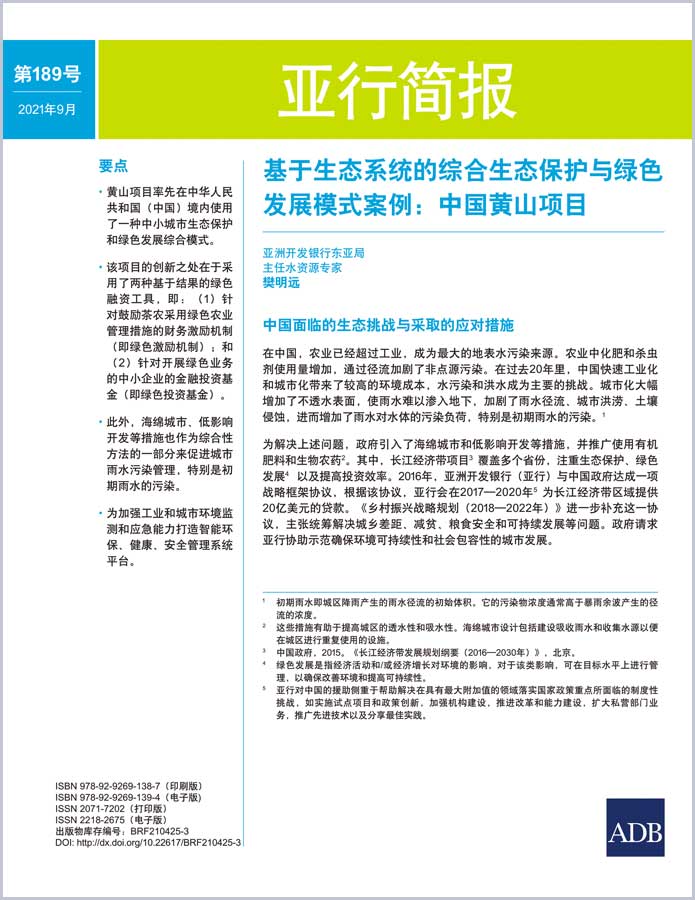
基于生态系统的综合生态保护与绿色发展模式案例:中国黄山项目

Asia’s Eating Habits are Changing and the Environmental Impact Could be Huge

These charts illustrate the environmental impact of agriculture in Asia and the need to move toward sustainable and healthy diets that are also environmentally friendly and affordable.

The critical role of agriculture to Asia and the Pacific’s development can hardly be overstated. In the 1960s, food supply was a severe problem with most economies in the region struggling to feed their growing population. Many economies depended on food aid, while shortages and speculation prompted food crises in a few others.

The adoption of green revolution technologies in the 1960s increased agriculture productivity and not only allowed the region to meet increasing food demand, but also release labor to contribute towards vibrant manufacturing and services sectors.

In 2018, daily calorie intake per capita in the region, which is now home to more than half of the world’s population, had increased from 1245 kilo calories (kcal) in 1961 to 1914 kcal. Despite this progress, different forms of undernourishment such as stunting and wasting of children persists, even as obesity is rising in many parts of the region.

Today agriculture in the region faces a different kind of food supply challenge. Higher incomes and increasingly urban lifestyles have changed the needs and preferences of consumers. Instead of a diet heavy on traditional staples such as rice and wheat, consumers today prefer a more diverse diet. Per capita consumption of rice has leveled off; while that of fruit, vegetables, eggs, dairy products, as well as meat and seafood is increasing.

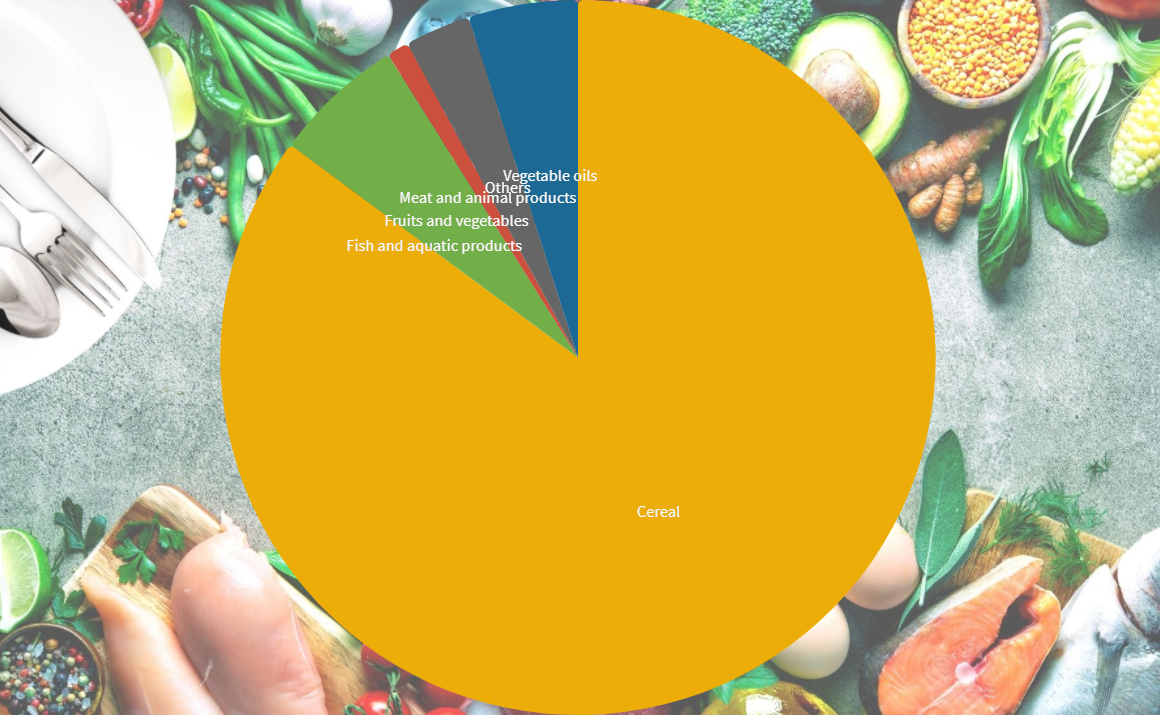
Although the consumption of cereals in developing countries in Asia increased between 1961 and 2018, its overall share in the diet decreased. The share for meat and animal products increased from 1% to 4%. This represents a more than six-fold increase in protein intake from animal meat from 1.5 grams to 10 grams per person per day. Still, this is well below the 34.6 grams average in advanced economies outside of the region.

In the PRC daily calorie intake more than doubled between 1961 to 2018, reaching 3205 kcal in 2018. Cereals only make up 46% of the diet, while the share of meat and animal products increased from a mere 3% in 1961 to 21% in 2018. This represents a 20-fold increase in per capita intake from 1.1 grams in 1961 to 19.7 grams in 2018.

To meet these changing food preferences, agriculture in the region will have to reorient from a traditional focus on the production of food staples to high-value crops such as fruit and vegetables, as well as livestock and aquaculture. This will mean a more resource-intensive production as well as rising greenhouse gases. As figure 3 shows, animal-based products have a much larger resource footprint, especially with regard to greenhouse gas emissions and water use.

To reduce the environmental impact of agriculture, it is important to move toward sustainable and healthy diets that are also socially acceptable and economically accessible for all. Some ways to achieve this are to promote mostly plant-based diets, reduce red meat consumption, promote fish obtained from sustainable stocks, and reduce food loss and waste throughout the supply chain.

This blog post is based on data from the recently published Asian Development Outlook Update 2021 Theme ChapterTransforming Agriculture in Asia.

Author
Picture of Manisha Pradhananga

Manisha Pradhananga

Economist, Economic Research and Regional Cooperation Department, ADB

Picture of Daryll Naval

Daryll Naval

Research Associate, Economic Research and Regional Cooperation Department, ADB

This blog is reproduced from Asian Development Blog.

How to Meet Climate Targets with Carbon Capture and Storage

The Asia and Pacific region is responsible for about half of global carbon emissions. Photo credit: ADB.

With the PRC and Indonesia as centers of excellence, a regional program demonstrates how the technology can reduce carbon intensity.

Overview

The PRC and Indonesia produce copious amounts of carbon dioxide (CO2), mainly because their power generation systems are hugely dependent on fossil fuels. The two countries’ carbon emissions are among the highest in the world, and both are keen on becoming carbon neutral as part of their commitments to the Paris Agreement.

Since the turn of the millennium, the PRC and Indonesia have been exploring ways to decarbonize their economies. But much still needs to be done in terms of coordinating oversight for research and development and scaling up deployment of CO2 capture and storage (CCS) technologies.

In 2019, ADB completed a technical assistance to support the PRC and Indonesia in improving their capacity for CCS research and development. Financed by the ADB-administered Carbon Capture and Storage Fund under the Clean Energy Financing Partnership Facility, the CCS program’s objective is to create a stronger strategic architecture and more coordinated research and development for accelerating and scaling up CCS development and deployment, as well as dissemination of best practices on CCS in Asia. The project under review initially concentrated on PRC and Indonesia and later on expanded its activities to Bangladesh, India, Mongolia, and Viet Nam.

Project information

48282-001: Promoting Carbon Capture and Storage in the People’s Republic of China and Indonesia

Project snapshot

      • Approval date: August 2014
      • Closing date: August 2019
      • Total project cost: $3.3 million. Total financing from the Carbon Capture and Storage Fund under ADB’s Clean Energy Financing Partnership Facility
      • Executing agency: Asian Development Bank
      • Financing: 
        • Global Carbon Capture
        • Storage Institute, United Kingdom

Challenges

The PRC is among the world’s largest consumers of coal, accounting for over half of global consumption. Its power generation sector uses more than half of that coal to provide about 80% of the country’s electricity and emits over 4 gigatons of CO2 (GtCO2) per year, 95% from coal-fired power generation. Continued economic growth is projected to drive energy consumption surges for the next several decades. With primary energy coming from coal and the expectation that this reliance on coal will persist for decades to come, PRC will likely continue as one of the world’s largest CO2 emitters for some time. Therefore, wide deployment of CCS in PRC over the long term will be necessary to significantly reduce national emissions. The PRC has announced it would become carbon neutral by 2060 at the United Nations General Assembly in September 2020.

Similarly, Indonesia has a heavily fossil fuels-based economy, consuming coal, oil, and gas produced domestically plus imported petroleum. As the world’s largest coal exporter and a substantial liquefied natural gas exporter, the country is confronted by increasing CO2 emissions from growing domestic consumption of indigenous coal and fossil fuels. It has significant requirements for the deployment of large-scale, low-carbon technology in the long term. Moreover, the government has been increasingly vocal about climate change and its impacts on the developing world.

Both the PRC and Indonesia have been considering the creation of legal and regulatory frameworks for advancing CCS.

Context

The Asia and Pacific region is responsible for about half of global CO2 emissions. Primary energy demand in the region is expected to increase by about 24% by 2030. Despite the rapid increase in renewable energy supply, trends suggest that this increase in demand will still translate into increased consumption of fossil fuels and CO2 emissions in the region. The PRC and India accounted for 27% and 7% of the global CO2 emissions in 2017.

While experiencing rapid growth and development, Asia and Pacific remains one of the most vulnerable regions to climate change. It faces the risk of losing its development gains to climate change impacts if mitigation and adaptation actions are not put in place.

CCS is identified as one of the technologies and practices that can help meet climate targets. The International Energy Agency’s Carbon Capture and Storage Roadmap highlighted the significant role that CCS will need to play in achieving an atmospheric CO2 concentration stabilization of 450 ppm (parts per million) by 2050. CCS will provide about 14% of the total CO2 emissions reductions out to 2050. Achieving this contribution of emissions reductions will require an ambitious CCS growth-path, with 100 projects needed globally by 2020 and over 3,000 by 2050. In both 2020 and 2050, major developing countries, including Indonesia and the PRC, will need to contribute to CCS deployment.

Solutions

ADB’s technical assistance, approved in 2014, initiated a support program for CCS research and development (R&D) with the institutes in PRC and Indonesia serving as centers of excellence.

The CCS program was administered by ADB to assist in the establishment of the research centers in the PRC and in Indonesia. They are expected to act as local knowledge hubs in this emerging technology. The CCS centers are to implement R&D programs on CCS technologies in the region and organize activities to develop the capacity to enable widespread deployment in both countries and in the region.

Other program activities included conferences, workshops, dialogues, study visits, and other initiatives to foster regional cooperation, establish new partnerships with other institutes in and outside the region, and strengthen leadership in CCS-related capacity development.

Results

The CSS program established three research centers to improve R&D activity on CCS in Guangdong and Shanghai in the PRC and Bandung as well as Jakarta in Indonesia.

Under the CCS program, the activities of these research centers help the host countries adopt CCS technology, create necessary regulations, and obtain financial access for developing projects. They are also expected to foster regional cooperation on these aspects and build capacity in the PRC and Indonesia.

The program also started exploring CCS as a tool to reduce greenhouse gas emission for hard-to-decarbonize industries in the steel, cement, and petrochemical sectors. It produced a background study to help prepare industries for decarbonization by utilizing and not just storing captured carbon. The paper also investigates the financing requirements and mechanisms, as well as policy drivers and recommendations, to advance readiness to shift to a low-carbon era.

The CCS program bridged the gap between policy, technology, and finance mechanisms, and supported the development of demonstration of CCS projects in Indonesia. It expanded activities beyond the PRC and Indonesia and explored possibilities of implementing carbon capture, utilization, and storage in Bangladesh, India, Mongolia, and Viet Nam, creating an opportunity for further engaging these countries.

Lessons

The CSS program offers the following lessons:

Local knowledge and capacity building are important.

Support to research centers should include capacity building to ensure that they are well-equipped to successfully carry out studies and demonstration projects that will pave the way for the deployment of large-scale technologies. More experts are needed to enhance local capacities in developing and implementing demonstration projects, especially in countries that have indicated continued high dependence on fossil fuels to sustain their economic growth.

Ensure government and other stakeholders’ participation. 

Government involvement was found to be critical for the sustainable operation of the research centers, especially in the implementation of large-scale demonstration projects. Future programs supporting these centers should involve government and important stakeholders in their operation right from the start. Coordination with national and local governments, in addition to financial, technical, and administrative requirements, is critical in demonstrating large-scale projects.

Partnerships can be beneficial. 

Partnership with organizations from various disciplines have enhanced information and knowledge sharing, which is important in advancing R&D and deployment of technologies.

Author
Picture of Kee-Yung Nam

Kee-Yung Nam

Principal Energy Economist, Sustainable Development and Climate Change Department, ADB

This blog is reproduced from Development Asia.

© 2026 Regional Knowledge Sharing Initiative. The views expressed on this website are those of the authors and presenters and do not necessarily reflect the views and policies of the Asian Development Bank (ADB), its Board of Governors, or the governments they represent. ADB does not guarantee the accuracy of the data in any documents and materials posted on this website and accepts no responsibility for any consequence of their use. By making any designation of or reference to a particular territory or geographic area, or by using the term “country” in any documents posted on this website, ADB does not intend to make any judgments as to the legal or other status of any territory or area.